#WhatFloatsYourBoat: World Boating Day launches global social media campaign

World Boating Day has launched a new social media campaign for 2026, inviting the international boating community to share the moments, people and passions that define their connection to life on the water.

The campaign, running under the hashtag #WhatFloatsYourBoat, is open to shipyards, designers, manufacturers, marinas, crew and enthusiasts worldwide. Participants are encouraged to post a photo or short video on social media explaining what inspires them about the industry, tagging World Boating Day and using the hashtag.

Dilan Saraç, Executive Director of The Superyacht Life Foundation, said the campaign was designed to show a side of the industry that rarely reaches a wider audience. “Whether it’s innovation in a shipyard, enjoying a quiet moment on the water, or a much-loved work colleague, everyone has something that floats their boat. By sharing these stories, we hope to show the world the fun, creative and human side of boating.”

The initiative builds on last year’s #WaveForBoating campaign and will run throughout 2026 in the lead-up to World Boating Day, the annual global celebration of the boating sector, which this year falls on 23rd May. Events will take place throughout the week of 18th to 24th May.

World Boating Day is a non-profit campaign launched in 2024 comprising open days at boating companies and venues around the world, with a particular focus on attracting new talent to the industry.

Stay updated with Monaco Life: sign up for our free newsletter, catch our podcast on Spotify, and follow us across Facebook,  Instagram, LinkedIn, and Tik Tok.

Photo credit: Luke Bendar, Unsplash


Prince Albert II Foundation launches three new forest conservation partnerships ahead of International Day of Forests

The Prince Albert II of Monaco Foundation has announced three new partnerships to support forest conservation and Indigenous communities in the Amazon, Southeast Asia and the Congo Basin, ahead of the United Nations’ International Day of Forests on 21st March.

The collaborations form part of the Foundation’s Forests and Communities Initiative (FCI), which directs support to Indigenous Peoples and Local Communities (IPLCs) as frontline guardians of forest ecosystems.

The Amazon: protecting 9.4 million hectares

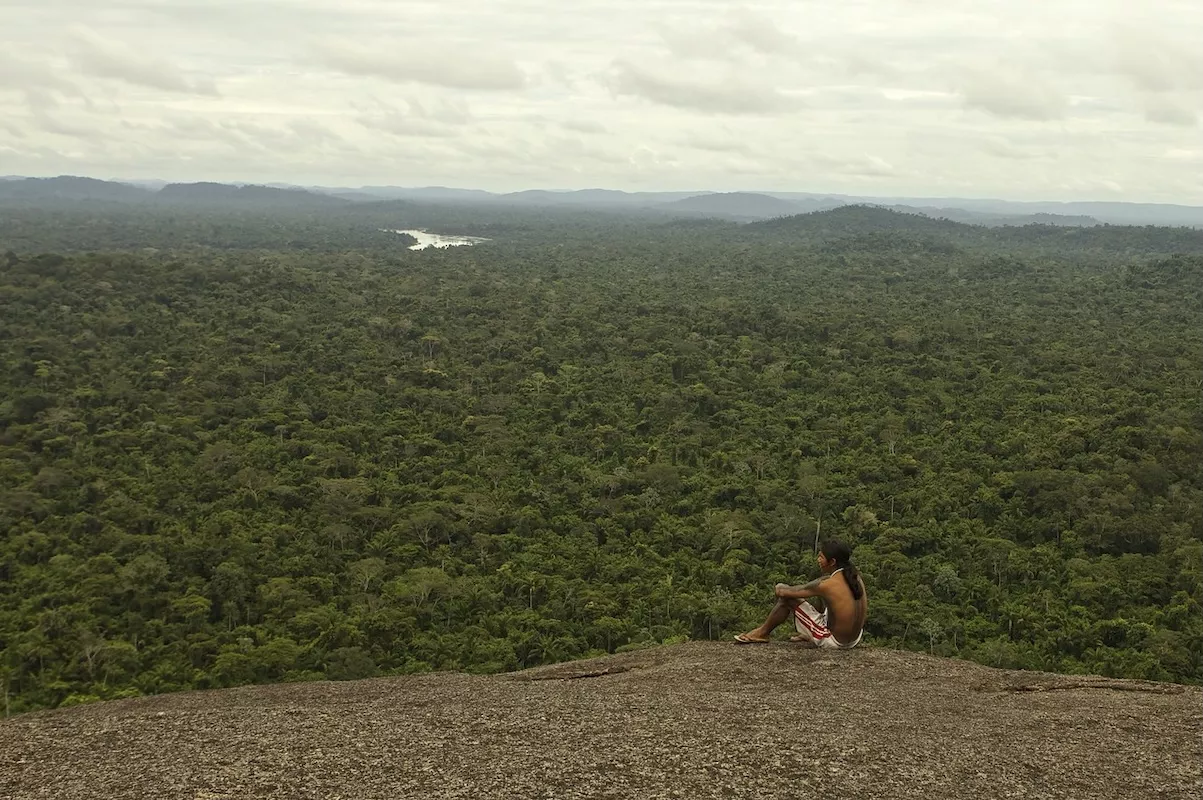
In Brazil, the Foundation is partnering with the Mebêngôkre-Kayapo-led Associação Floresta Protegida to support the Kayapo Project, which safeguards 9.4 million hectares of tropical forest across six Indigenous Territories in south-central Pará and northern Mato Grosso. Running from 2026 to 2028, the partnership will strengthen the Kayapo Forest School — which trains the next generation of Indigenous leaders by combining traditional knowledge with conservation technologies — and a territorial monitoring programme supporting more than 1,500 Kayapo guardians protecting over 2,200 kilometres of territorial borders.

Patkore Kayapo, President of Associação Floresta Protegida, said the initiative would provide essential support for the protection of Kayapo culture, rivers, lands and biodiversity. “The partnership reinforces durable Indigenous governance and autonomy,” he said.

The Congo Basin: community resilience in the DRC

In the Democratic Republic of Congo, the Foundation is partnering with the Centre for Innovative Technologies and Sustainable Development to implement the PRC-PROZAC project in Equateur Province. The 2026-2028 project will support communities in Bolomba, Basankusu and Mbandaka through reforestation, sustainable agroforestry and income-generating activities designed to reduce pressure on forest ecosystems while improving local livelihoods.

Trésor Bondjembo, Executive Director of CTIDD, described the project as an opportunity to demonstrate that local communities can be placed at the heart of forest conservation and natural resource governance. “This partnership represents a significant responsibility for CTIDD: to demonstrate our commitment to sharing our expertise in support of a just cause — the fight against climate change,” he said.

Southeast Asia: flexible support for 25 community-led initiatives

In Southeast Asia, the Foundation is partnering with the Samdhana Institute to implement the CLENCHED project across the Philippines, Indonesia, Thailand and Cambodia. The initiative will provide flexible grants to 25 Indigenous and community-led projects focused on forest conservation, biodiversity protection and tenure security, with a particular emphasis on strengthening the capacity of women, youth and marginalised groups.

Erwin Quinones, Deputy Executive Director for Philippines and Mekong Operations at the Samdhana Institute, welcomed the partnership as an avenue to support community-led conservation and human rights defence across the region.

Romain Ciarlet, Vice-Chairman and CEO of the Prince Albert II of Monaco Foundation, said the initiative was grounded in the understanding that those who have protected forests for generations must be at the centre of any credible conservation response. “Indigenous peoples are not only guardians of biodiversity; they are key actors in the global response to climate and environmental challenges,” he said.

Stay updated with Monaco Life: sign up for our free newsletter, catch our podcast on Spotify, and follow us across Facebook,  Instagram, LinkedIn, and Tik Tok.

Photo: Kayapo landscape, credit: Simone Giovine

 

Monaco’s outstanding tax bill hits €291 million, figures reveal

More than €291 million in outstanding tax contributions remained uncollected at the end of 2024, according to the 2025 Annual Public Report of the Commission Supérieure des Comptes, presented to Prince Albert II on 16th March.

The figure, which represents unpaid contributions — primarily VAT and corporate tax — was described by the Commission as remaining at an elevated level, rising slightly by 1% compared to the previous year. Corporate tax arrears alone stood at €88.2 million, also up 1%, while outstanding VAT climbed 1.3% to €180.8 million. Together, these two categories account for 93.1% of the total outstanding contributions.

Forecasting methods under scrutiny

The Commission did not attribute the arrears to any single cause, but raised questions about the methods used to forecast tax revenues. While describing Monaco’s approach as prudent and broadly reliable, it noted that predictions would benefit from greater refinement — specifically through a more rigorous assessment of how tax revenues respond to changes in key economic variables. Improving what it called the “elasticity” of revenue forecasts against macroeconomic indicators would, the Commission suggested, produce more accurate budgetary planning.

Legal transaction arrears stable

Unpaid revenues from legal transactions — covering property transfers and other civil acts — remained stable at €22.4 million, representing a smaller but still notable share of outstanding receipts in that category.

A pattern of underpayment across the real estate domain

The report also flags a separate but related issue in the state’s real estate domain. Outstanding receivables from the immovable property domain — primarily unpaid rents — have been rising for eight consecutive years and exceeded €13.5 million at the end of 2024, of which €10.9 million related to rent arrears alone.

Commission’s recommendation

The Commission does not propose specific reforms to collection mechanisms, but highlights the importance of refining revenue forecasting methods. In particular, it recommends improving the assessment of how tax revenues evolve in relation to macroeconomic variables, with a view to strengthening overall budgetary accuracy and financial oversight.

Stay updated with Monaco Life: sign up for our free newsletter, catch our podcast on Spotify, and follow us across Facebook,  Instagram, LinkedIn, and Tik Tok.

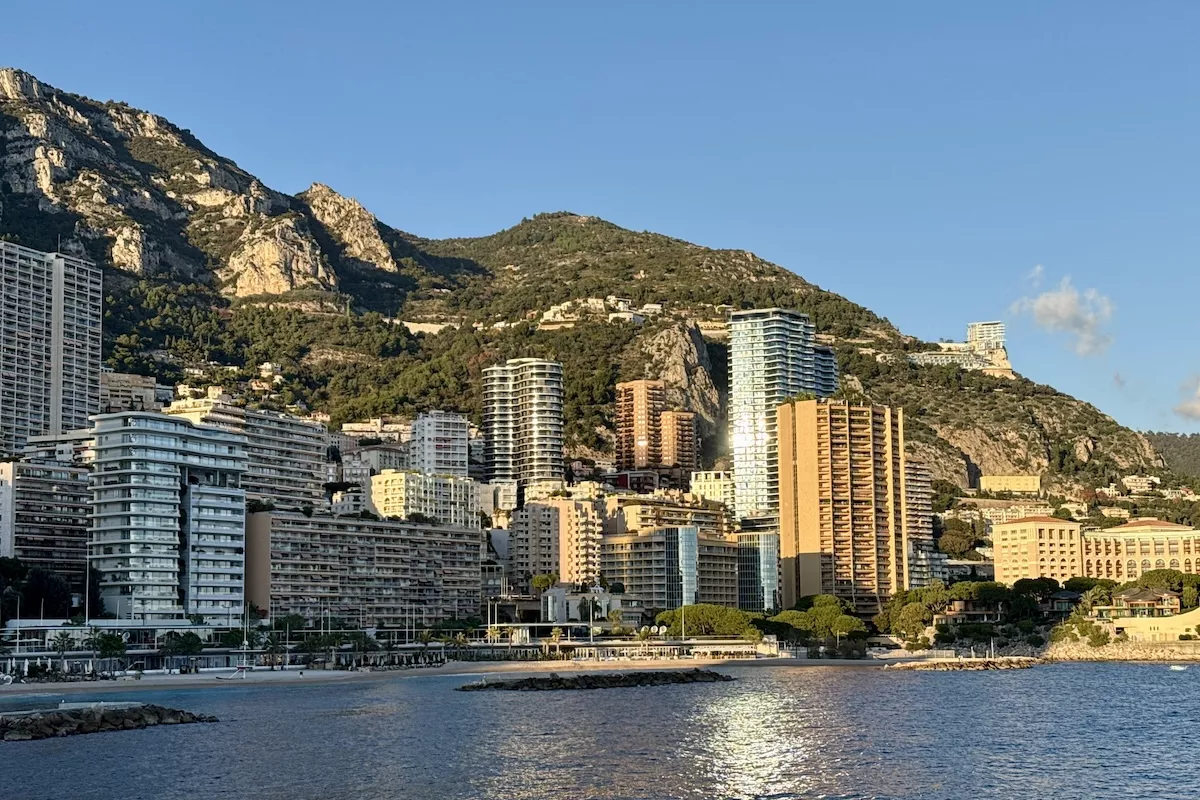
Photo credit: Cassandra Tanti