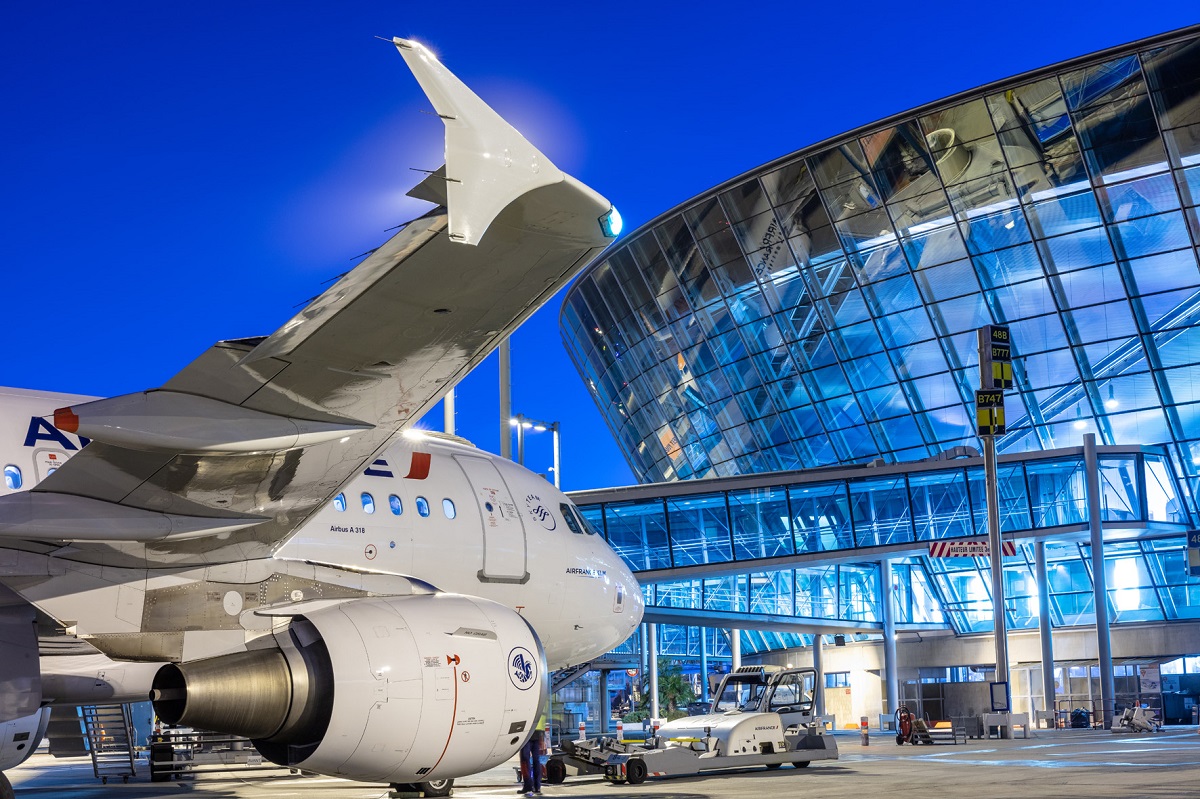
Nice Côte d’Azur Airport has unveiled its Summer 2026 flight programme, its most ambitious to date, with 130 destinations across 47 countries — eight more than last year and the largest network in the airport’s history. The summer season begins gradually at the end of March and runs through to autumn.
The programme includes 18 new additions, of which ten are entirely new destinations: Billund via Norwegian, Boston via Delta, Bratislava via Wizz Air, Cagliari via easyJet, Cork via Aer Lingus, Funchal via easyJet, Gdansk via Wizz Air, Hanover via Eurowings, Newcastle via easyJet, and Seville via Vueling.
Three routes previously operated only in winter — Chisinau, Hurghada and Vilnius, served by Wizz Air and easyJet — will now run year-round, while five existing routes will benefit from increased capacity through the addition of new operators, including Birmingham, Bucharest, Bordeaux, Djerba and Paris Orly.
Changes on the Paris route
The Paris Orly connection is set for a significant restructuring. Transavia France will take over flights previously operated by Air France on this route, offering up to eight flights per day at peak times. EasyJet, which also operates the Orly service, will match that frequency. Air France, meanwhile, has opted to increase capacity on its separate Paris-Charles de Gaulle service.
A record long-haul network
Of the 130 destinations on offer, 112 are international — reinforcing Nice’s position as the second major entry point to France and Northern Italy after Paris. The launch of the Boston service brings the total number of long-haul summer routes to 15, a record for the airport. Seven routes connect the Côte d’Azur directly to the United States, two to Canada and six to the Middle East.
Franck Goldnadel, Chairman of the Executive Board of Aéroports de la Côte d’Azur, said the programme reflected both the region’s appeal and the confidence of airlines in the airport’s capacity. “The opening of our Terminal 2 extension this spring contributes to the development and will allow us to offer visitors from around the world the highest quality of service,” he said.
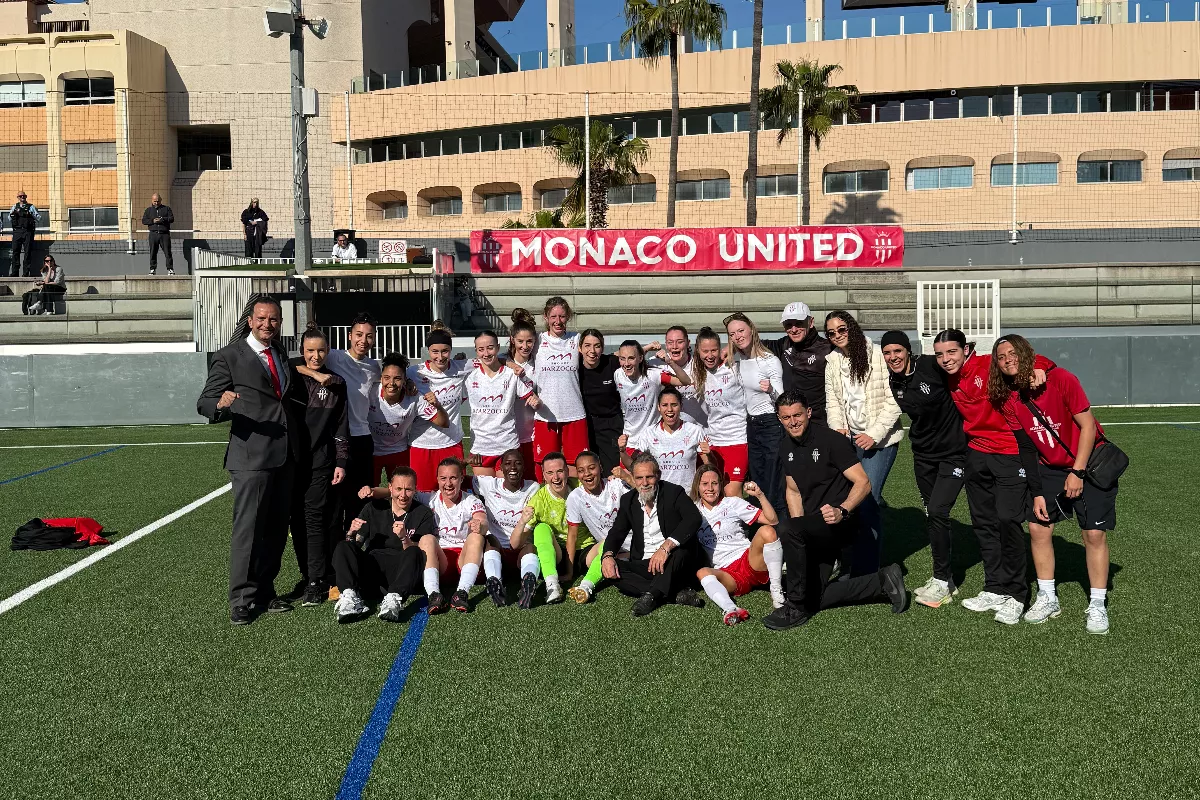
Monaco United Women have been crowned District 06 champions in their very first season, after a 14-0 win over AS Fontonne Antibes secured the title with one game still to play.
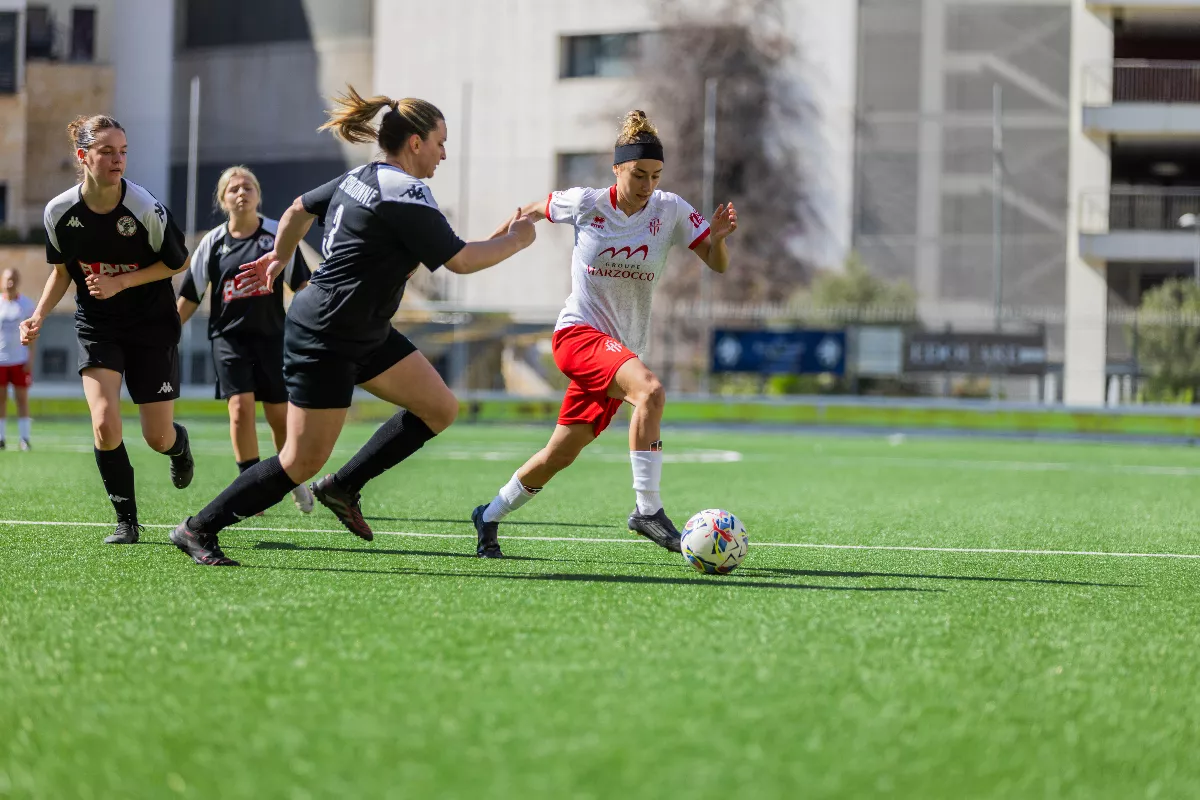
The Monaco side controlled the match from start to finish, dominating possession and scoring early before managing the game comfortably to its conclusion.
The title also books their place in the regional promotion play-offs in late May, where they will face other district champions for the chance to move up a level. It was the club’s main objective for the season, and they have achieved it as champions.
Marco Simone said the title reflected the work put in since day one. “This season, built entirely from scratch, was prepared in the best possible way,” he said. “This historic title marks a significant moment shared by everyone involved in the adventure.”
During the game, photo credit: Flare Vision
Captain Houleyemata Deme was equally emotional. “I feel a great deal of emotion and pride,” she said. “It’s the result of the hard work we put in every single day. Winning it at home, in front of our supporters, makes this moment even more special.”
The title was sealed at the end of a four-game winning run in the league, following their qualification for the Coupe Méditerranée after an away win in Rousset against a Division 3 side.
Now, a Cup Final in their sights
That cup run continues this Sunday, April 5th at 3pm, when Monaco United face Hyères at Stade Didier Deschamps in Cap d’Ail in the semi-final of the Coupe Méditerranée. Hyères play one division above Monaco United and will start as favourites, but Simone’s side have shown all season they can compete well above their level.
No district-level club has ever reached the final of this competition. “We still have major ambitions in the cup, starting with Sunday,” said Simone. “Our mindset is clear: stay focused and be fully competitive. We want to win as many titles as possible this season.”
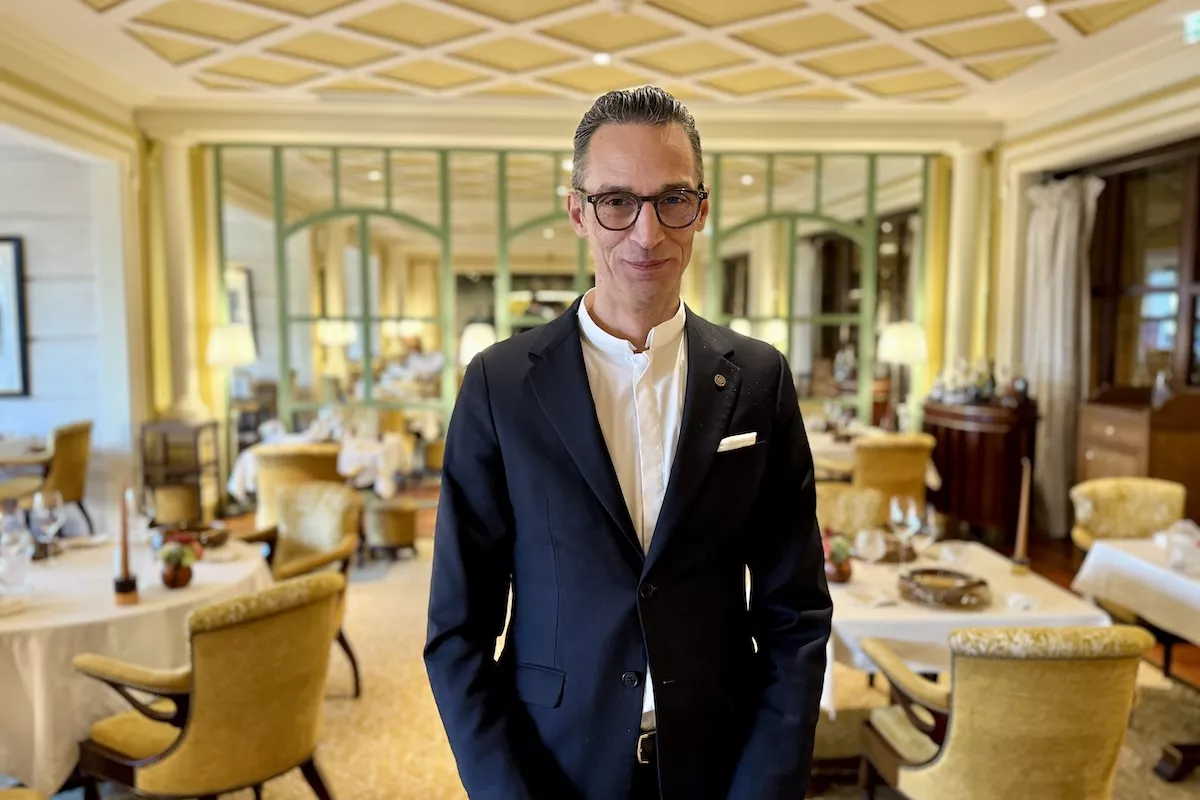
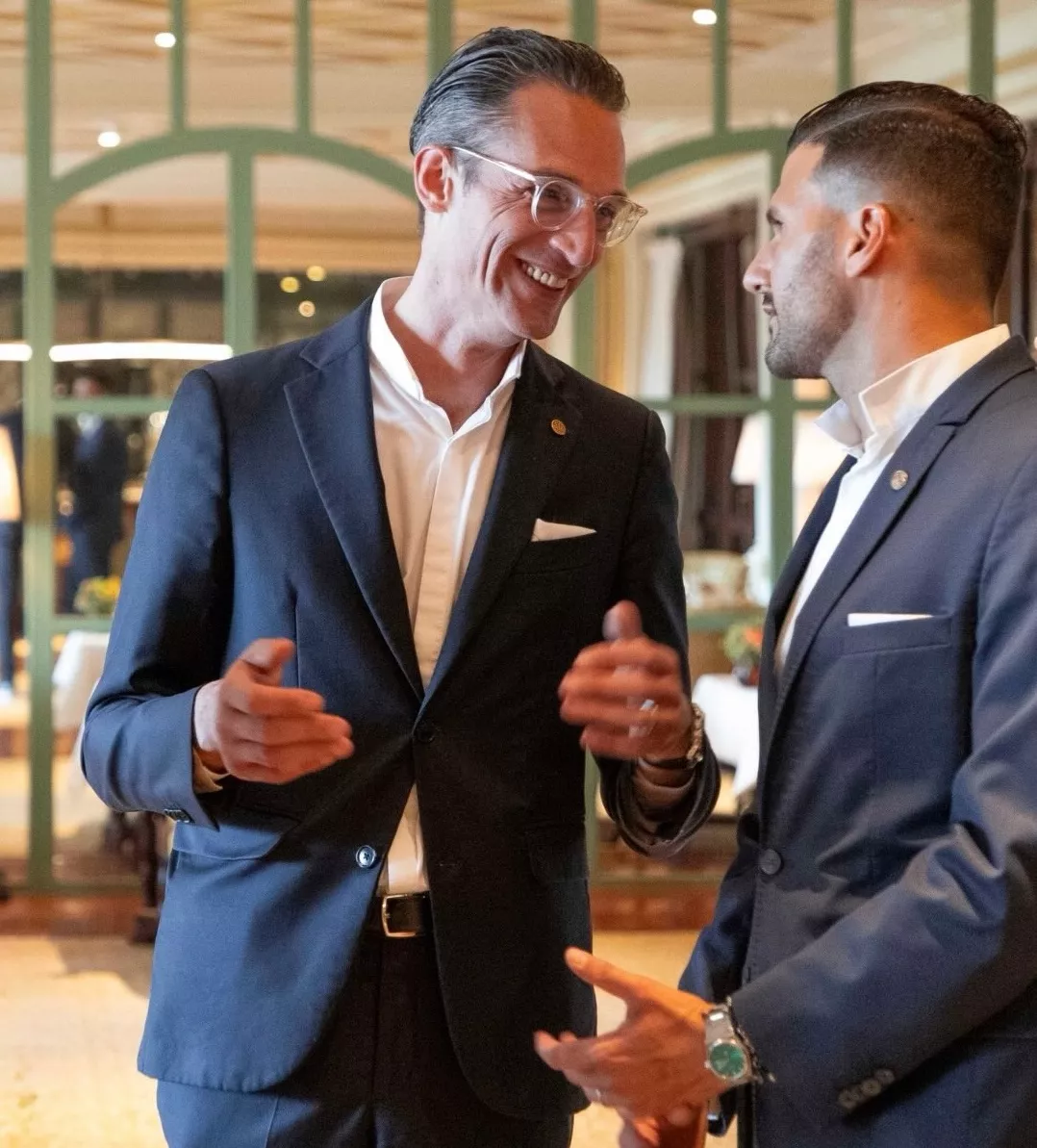
Marco Tognon almost missed his own moment. When his name appeared on the big screen at the Michelin Guide ceremony held in Monaco on 16th March — the first time the prestigious event had taken place in the Principality — he couldn’t quite make it out. “Chef Cussac said to me, ‘Marco, it’s time to go,’ and I said, ‘Where?'” he recalls, laughing. “I couldn’t see my name on the big screen.”
When it registered, the emotion was immediate. Tognon, Director of Les Ambassadeurs by Christophe Cussac at the Hôtel Métropole Monte-Carlo, had just been named recipient of the Michelin Guide’s Service Award — recognition that the Guide itself described as going to someone who “personifies meticulous, elegant and deeply human service”.
“I did receive an invitation, but I didn’t know I would win the award,” he says. “I was so proud. To get the recognition from the Michelin Guide – I am so very happy and I will be happy for a very long time.”
The award, he is quick to add, belongs to more than just him. “It is so great for the team. They are working so close to me every day, every step of the way, since I arrived in Monaco three years ago.”
A career built across the great rooms of Europe
To understand what Tognon brings to a dining room, it helps to trace where he has been. His career reads like a map of European fine dining over the past three decades — beginning at El Toulà in Rome, moving to the Savoy Grill and The Ritz in London, then to La Bastide de Saint-Antoine in Grasse and Le Calandre in Padova, one of Italy’s most celebrated restaurants, where at the time the chef held three Michelin stars at just 28-years-old.
From there, six years at Le Cinq at the Four Seasons Paris, followed by a long chapter at Le Bristol — five years, including four as deputy director of the three-starred Epicure. Then Le Gabriel at La Réserve Paris, Restaurant Apicius, and Restaurant David Toutain, before Monaco came calling.
“I have always aimed to get a lot of experience, and a lot of different experiences,” he says. “It took me eight years in the position of number two to be ready to be number one.”
He spent more than half his life in Paris, arriving in France in 2001 after his time in the UK. Monaco, when it came, felt like a natural destination. “Monaco is prestigious, very safe, where the quality of life is something you can only dream of. I am still so happy here. To be a waiter in Monaco — it makes me very proud.”
The human side of the floor
Ask Tognon what he loves about his work and the answer comes without hesitation. “I love the human side of it. I love it because you never get bored. I love it because it keeps you humble. I carry on the floor because I like to see our guests. I like to see happy people.”
He extends this beyond the professional. “We are also maîtres d’ outside of work — we are maîtres d’ in life.”
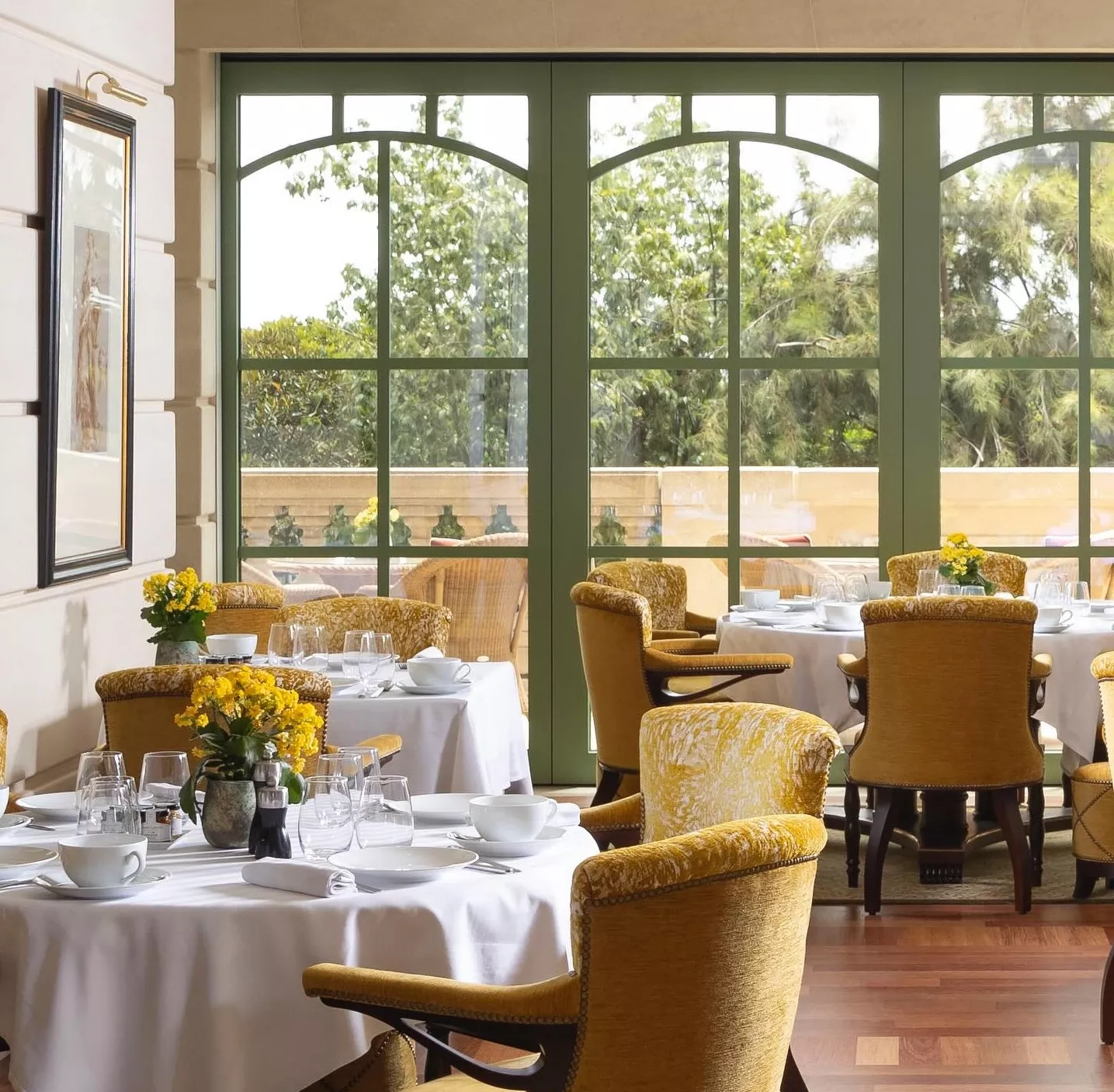
In a two Michelin-starred restaurant, expectations are inevitably high. Some guests book months in advance, arriving with a clear vision of how the evening should unfold. For Tognon, meeting those expectations begins well before a dish reaches the table, rooted instead in the overall experience. “When you go to a restaurant, you don’t go only to eat. You go to drink, to enjoy the ambiance, the experience. Sometimes guests come back as soon as they can, and that is a nice reward. It tells me we have done our job properly.”
For him, however, true loyalty is not secured by cuisine or setting alone, but by the human connection established throughout the visit. He points to the importance of creating a sense of belonging that extends beyond technical excellence. “I like to think that people come back to Les Ambassadeurs by Christophe Cussac because yes, it is two Michelin stars, yes because the service is nice — but I like to think also because they feel welcome. You create a relationship with your guests, with your smile, how you talk to them. It is very important — but it is also very exciting. You cannot have an unsatisfied guest.”
After three years, many of those guests have become something more than regulars. “Over that time, of course you get to know them — their names, their stories, who they are. And vice versa. So that is nice. It is like they are not a guest anymore.”
The details that define excellence
At this level, Tognon says, service is a discipline built on details that most guests will never consciously notice — which is precisely the point. “If you are on my left and I serve with my right, I am going to see you smile. But if I serve from the right and you are on my left, I cannot see your expression.” These are small things, he says. “But these are all part of the experience.”
He is equally deliberate when it comes to how dishes are presented at the table, drawing a clear line between guidance and restraint. Service, he explains, begins with interpretation — ensuring the chef’s vision is clearly conveyed and understood before the meal unfolds. “It is very important to understand the philosophy of the chef and transfer that to the customer. We have communication with the kitchen, we invite part of the team to introduce themselves — it is important to explain the menu well.”
Once that foundation is in place, however, the approach shifts. For Tognon, the moment a dish is served should be uninterrupted, allowing guests to engage with it instinctively rather than through repeated explanation. “But at the moment of service, we do not say anything anymore. The guest came, they read the menu, we explained it well. At the moment the plate goes down, we do not repeat what they are eating.”
The brigade at Les Ambassadeurs is a multinational team covering breakfast and dinner across two distinct shifts, with no split shifts. Around 20 in total. “I cannot work without them,” he says simply. “Everyone has a place — but everyone is a key person. Here, with Christophe Cussac, we all have the same uniform. So when a guest puts up their hand, they don’t really know who is who, who is responsible for what. Every person is a key member of the team, and everyone has to be able to smile, be compassionate, give the answer to a question.”
On the future of the profession
Tognon entered hospitality at a time when, as he recalls, the path felt binary: university or work. He chose the latter without hesitation and, decades on, remains steadfast in that decision. “I consider myself still learning every day. You don’t take anything for granted.”
That mindset now shapes how he views the future of the industry, particularly when it comes to guiding the next generation. For Tognon, technical skill alone is not enough; the way knowledge is passed on matters just as much. “If you are nice, the message will be received in a nice way.”
He is also clear-eyed about the demands of the profession, yet speaks of it with a sense of belonging rather than sacrifice. “Yes, it is a hard industry. But it is our industry. It is all we know and love. I don’t ask what time I can go home. I ask myself what time I can arrive at work.” That commitment, he adds, is not lost on guests. “Because the customer feels that — they feel our presence, our happiness.”
Recognition from the Michelin Guide, which has presented its Service Award only since 2018, marks a significant milestone. In a city hosting the ceremony for the first time in its 126-year history, the honour went to a professional who has spent more than three decades shaping a style of service defined less by formality than by feeling.
For Tognon, the distinction ultimately reflects something shared — the trust of his guests, the consistency of his team, and the quiet, daily discipline of getting the smallest details right. It is in the returning faces, the unspoken understanding across the dining room, and the sense that each service matters as much as the last, that his work finds its meaning.
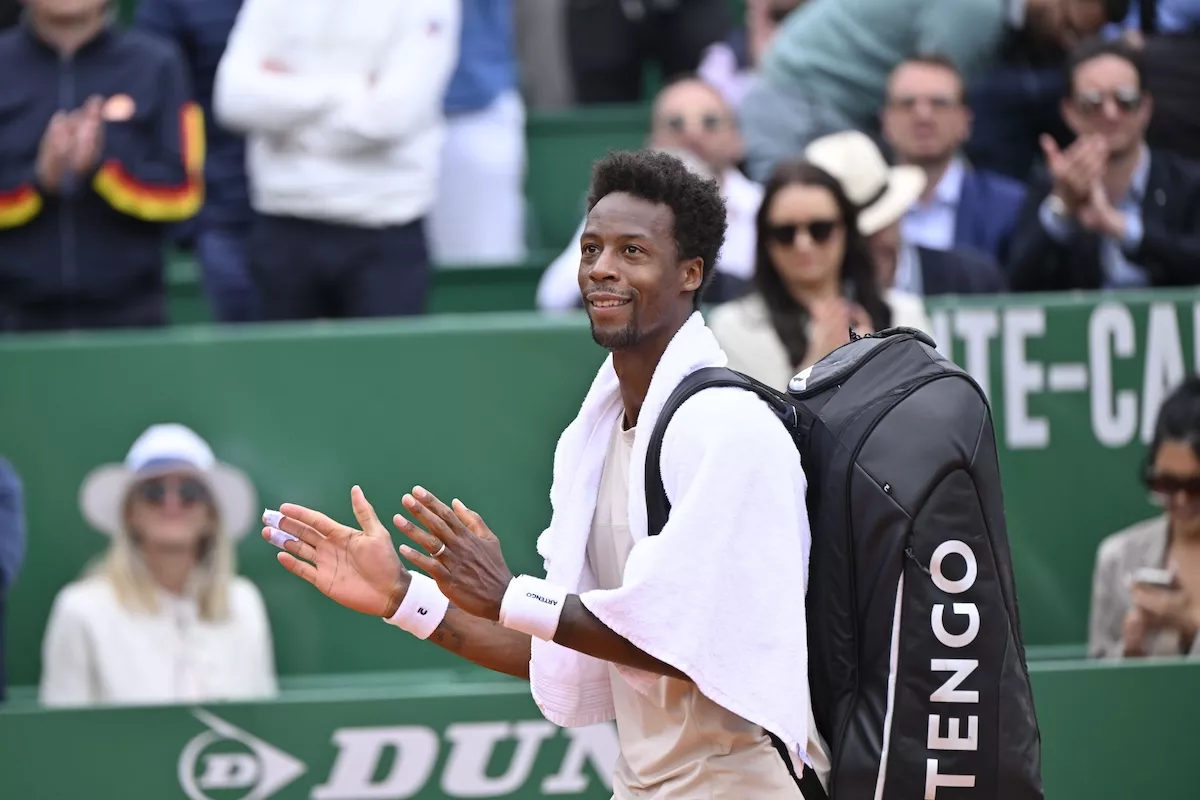
The Rolex Monte-Carlo Masters has announced its final two wild cards for the 2026 edition, with Gaël Monfils and 17-year-old Moïse Kouamé joining Stan Wawrinka and Matteo Berrettini in the main draw of the tournament, which runs from 4th to 12th April at the Monte-Carlo Country Club.
The two selections span three decades of French tennis — one a farewell, the other a beginning.
For Gaël Monfils, the appearance will carry particular weight. The Frenchman has announced that 2026 will be the final season of his professional career, bringing to a close more than two decades on tour. A former world number six and winner of 13 ATP titles, Monfils reached the final of the Monte-Carlo Masters in 2016, losing to Rafael Nadal 7-5, 5-7, 6-0 — one of the few French players ever to reach that stage in Monaco.
His presence this year forms part of a farewell tour for one of the most entertaining and charismatic players of his generation, whose athleticism and showmanship made him a consistent crowd favourite throughout his career.
Kouamé takes his first main draw step
Moïse Kouamé arrives in Monaco having already made his mark on the early part of the 2026 season. At 17, he became the first player born in 2009 to reach the semi-finals of a Challenger tournament, doing so in Lille, and followed that with his first Masters 1000 victory in Miami. He is widely regarded as one of the most promising young talents in French tennis.
His appearance at Monte-Carlo will be his first in the main draw of a Masters 1000 event on clay.
The draw ceremony for the 119th edition takes place on Friday 3rd April at 17:00 at the Monte-Carlo Bay.
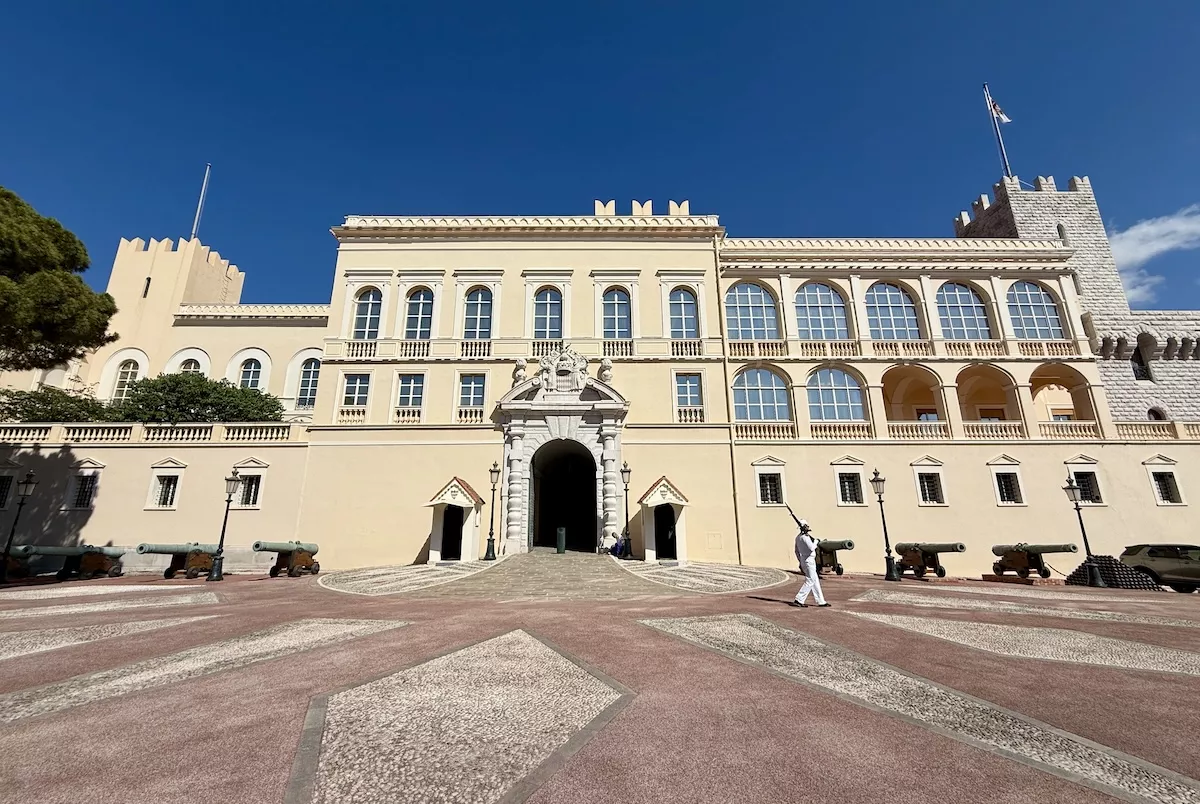
Prince Albert II has appointed Frédéric Cottalorda as Minister-Counsellor for Finance and the Economy, with effect from 1st April, according to a communiqué issued by the Prince’s Palace on 30th March. He succeeds Pierre-André Chiappori, who had held the position since 18th March 2024.
Cottalorda holds a Master’s degree in Economic Sciences and a postgraduate diploma in estate planning. He began his administrative career in April 2005 at the Service d’Information et de Contrôle des Circuits Financiers (SICCFIN), Monaco’s financial intelligence unit, where he held several roles including Deputy Director until September 2013.
He subsequently worked as a consultant advising professionals subject to anti-money laundering and counter-terrorist financing obligations, before returning to the public sector in August 2024 as Special Adviser to the Secretariat of the Department of Finance and the Economy.
The Palace said his combined public and private sector experience gives him valuable expertise in the financial compliance challenges facing the Principality.
Prince Albert II expressed his sincere gratitude to Pierre-André Chiappori for the dedication and rigour he demonstrated throughout his time leading the Department of Finance and the Economy.
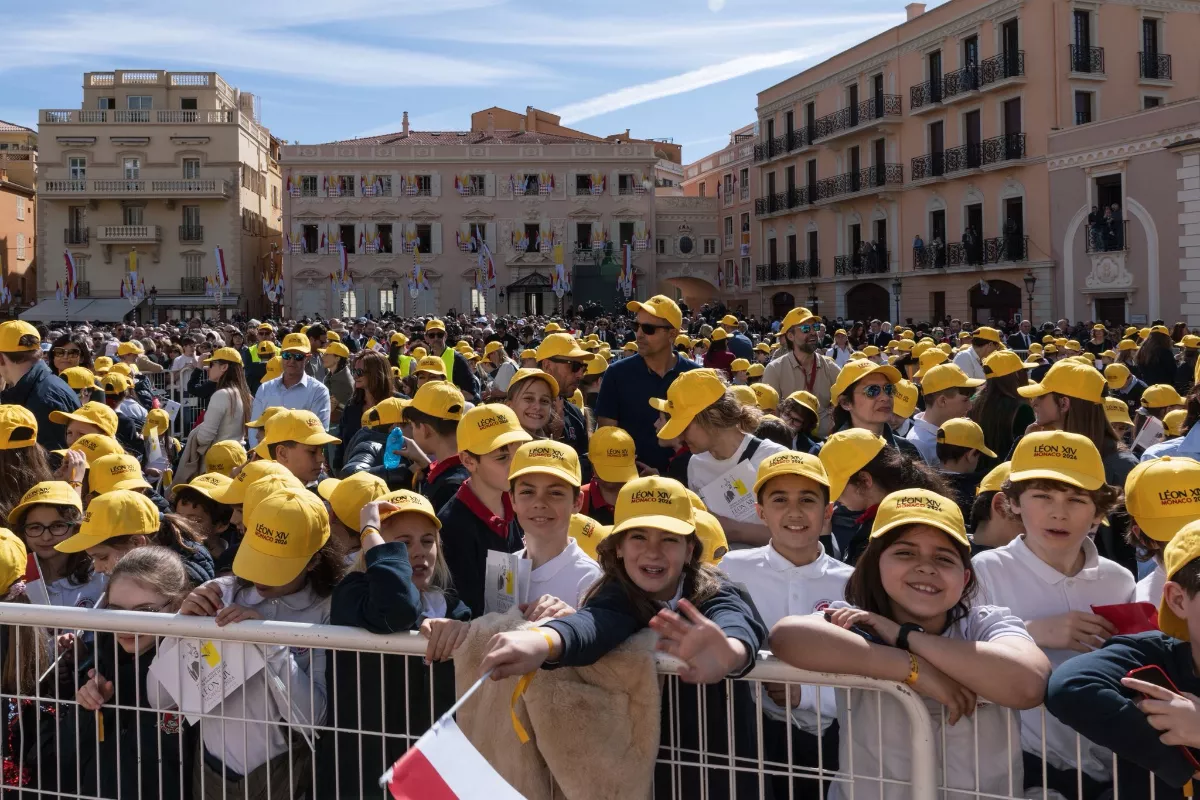
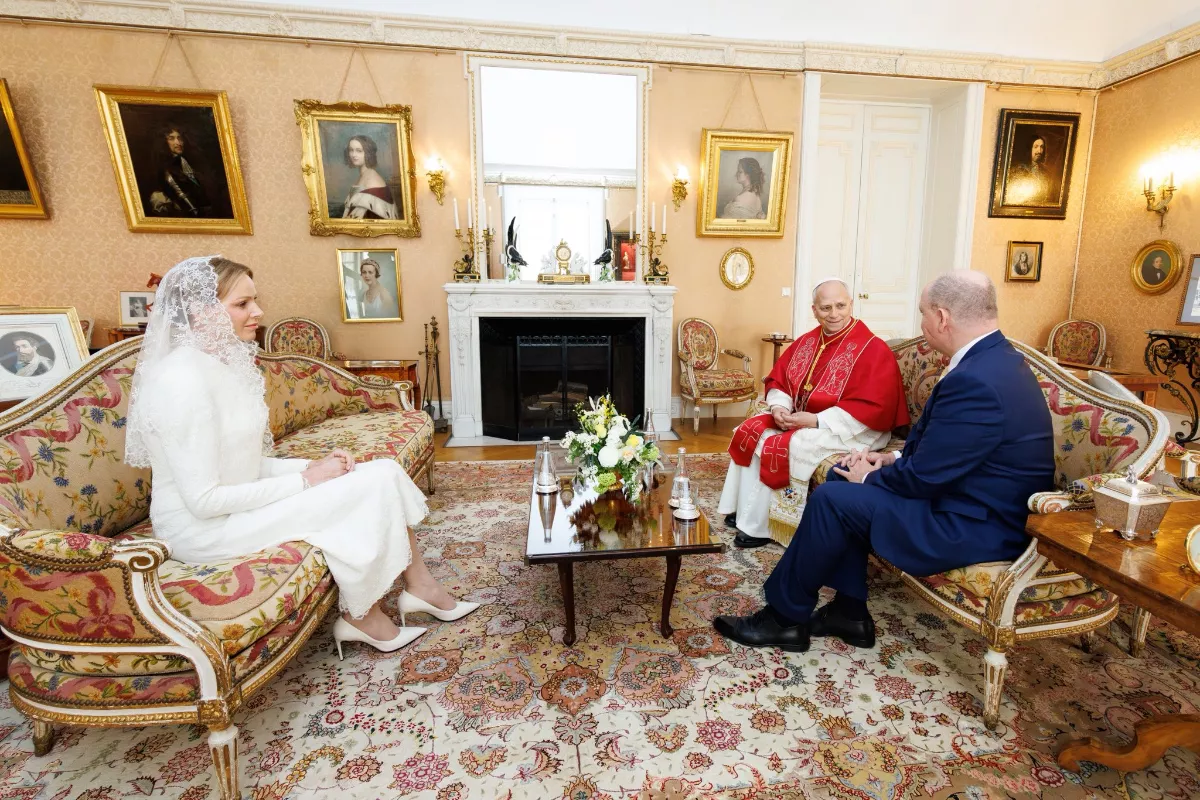
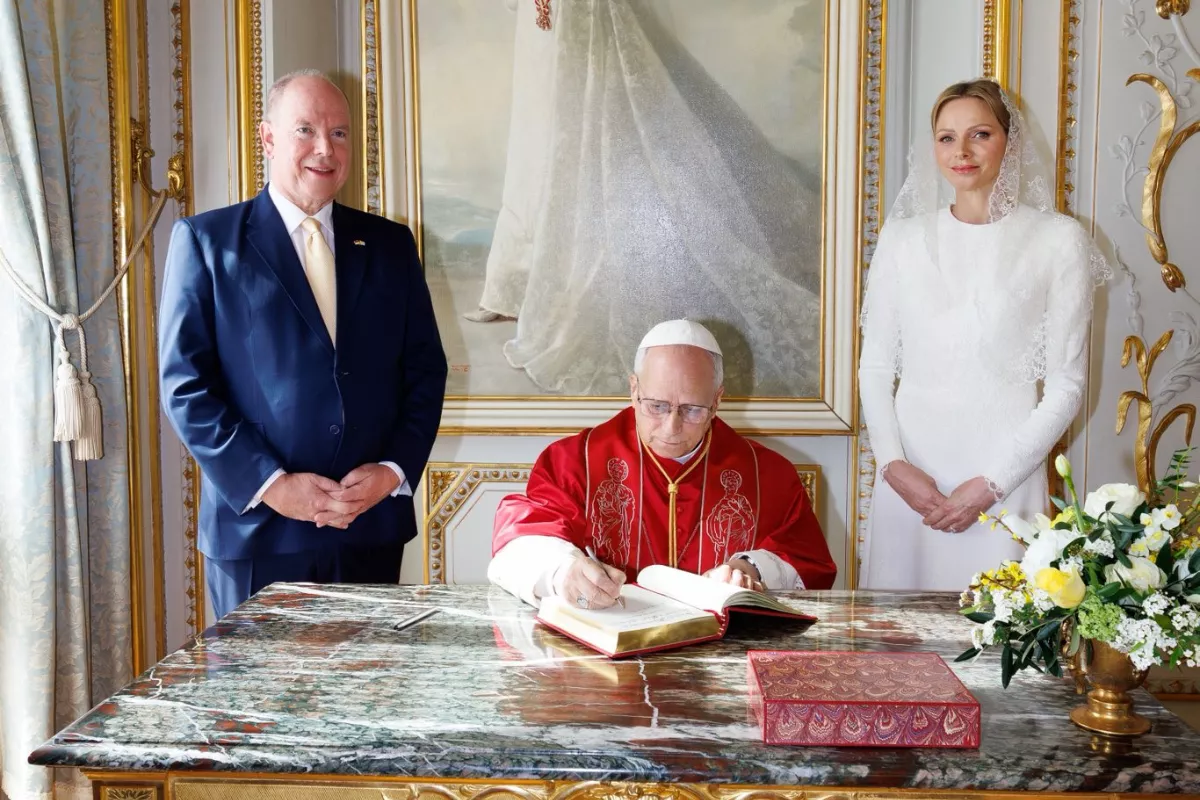
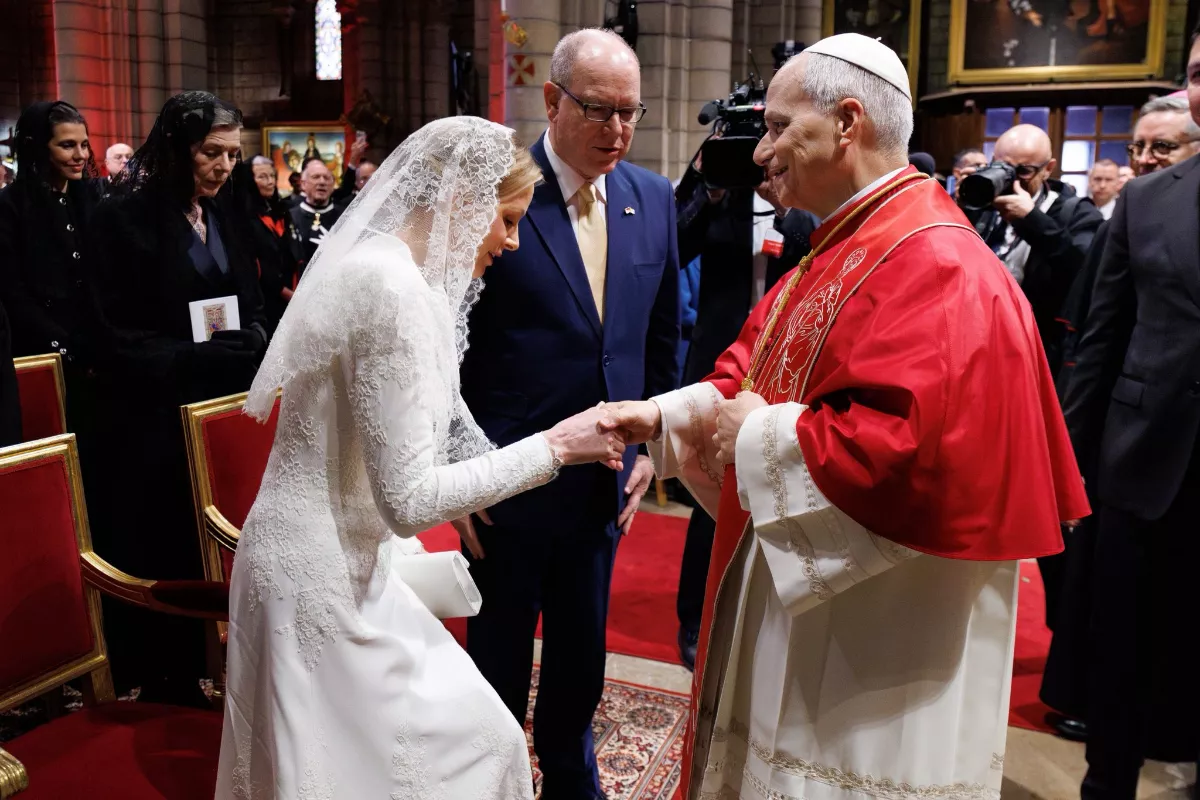
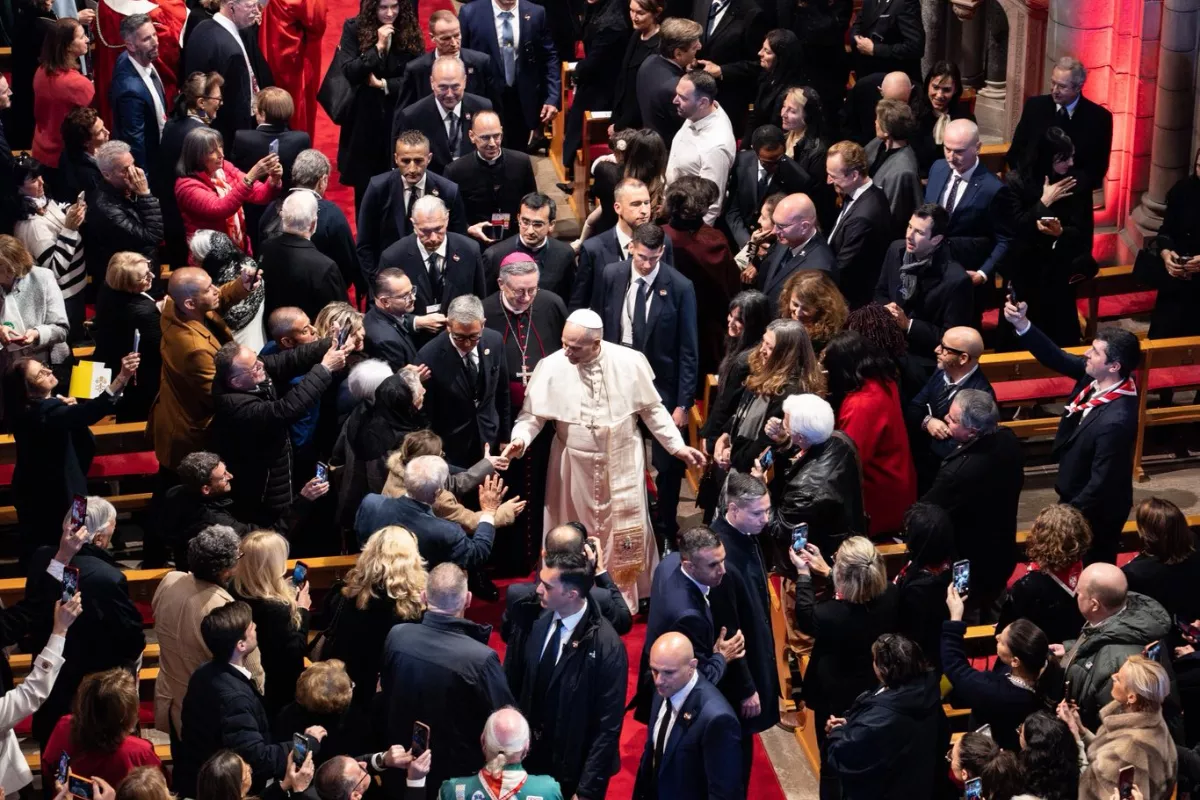
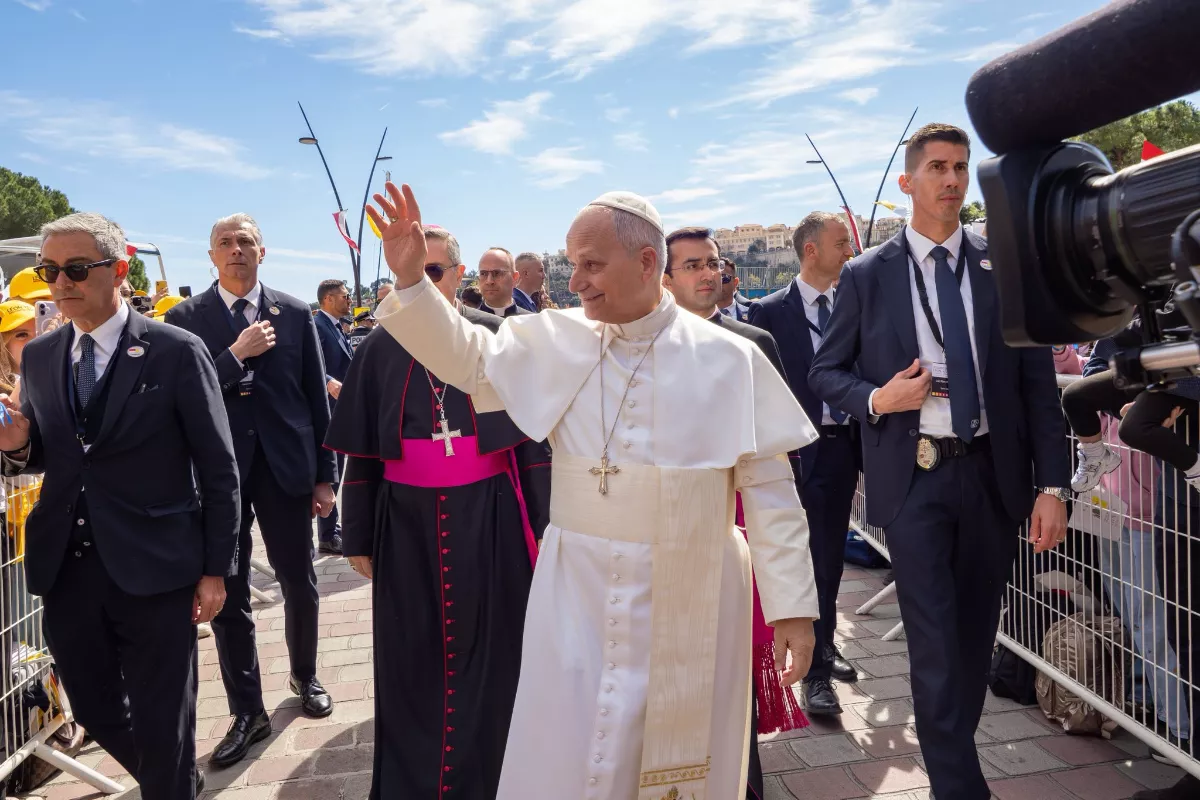
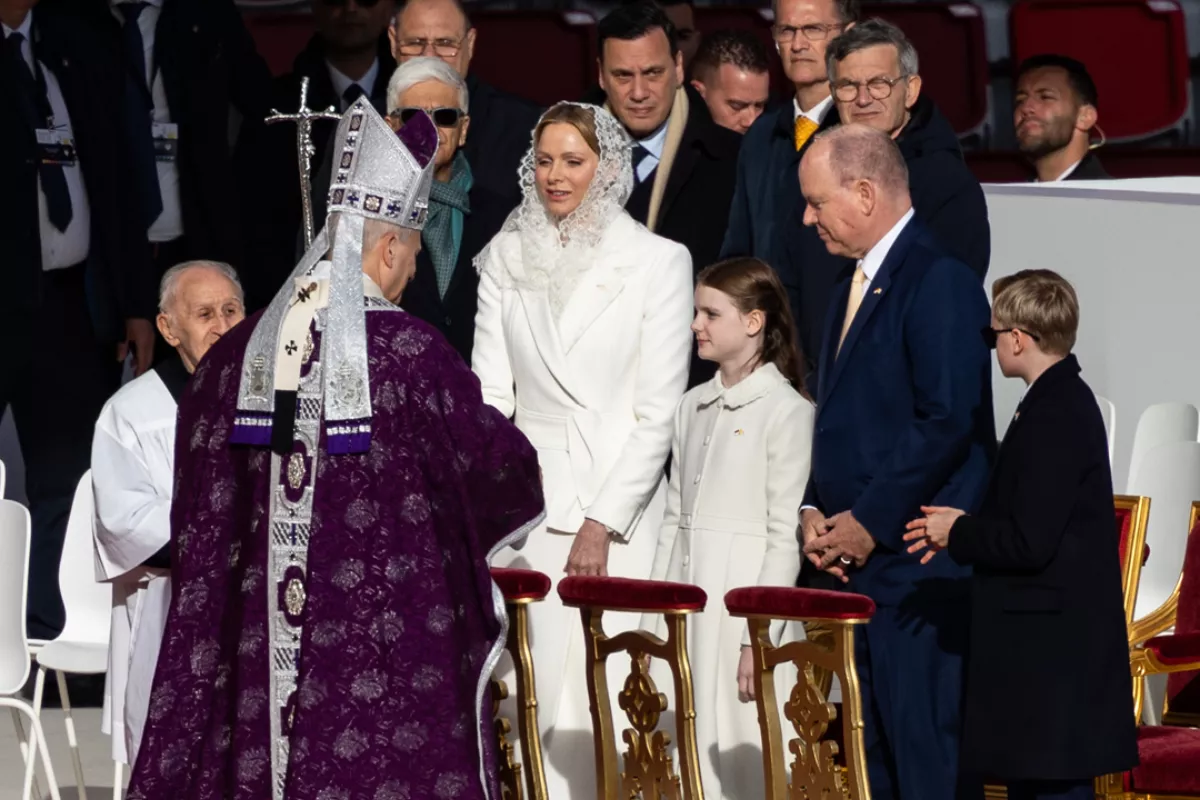
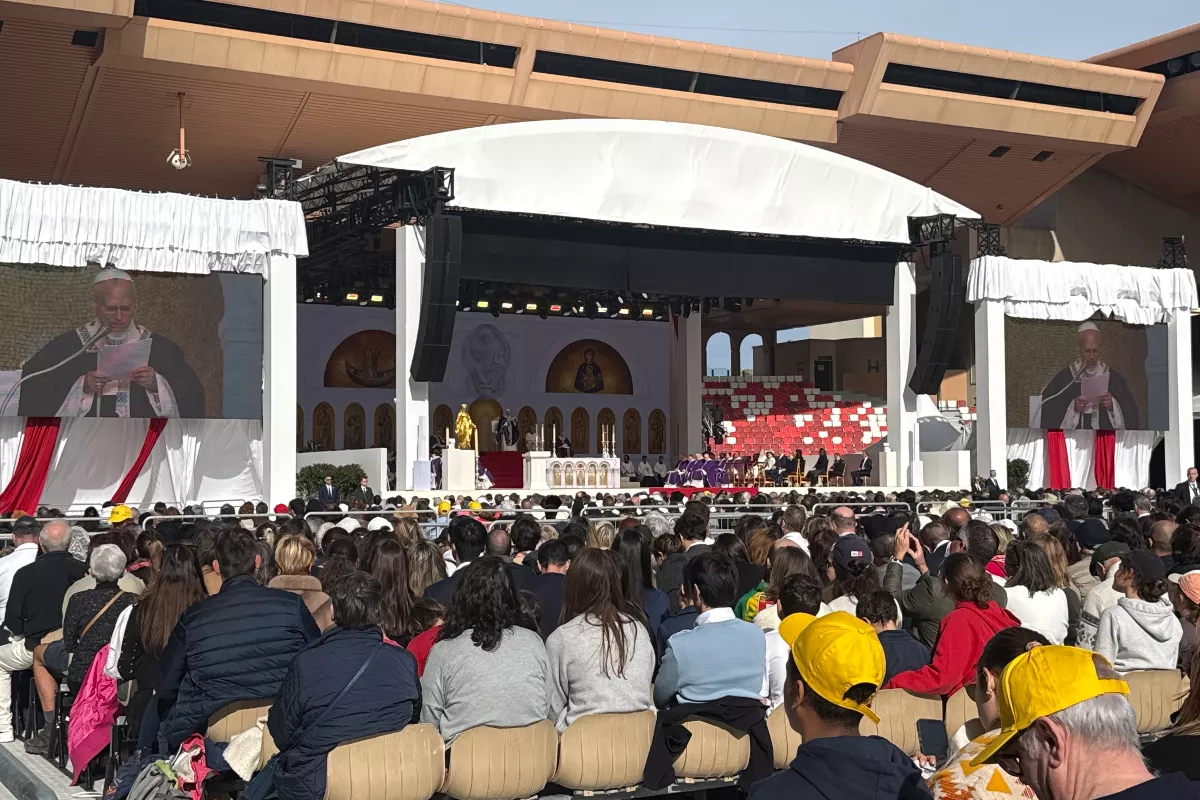
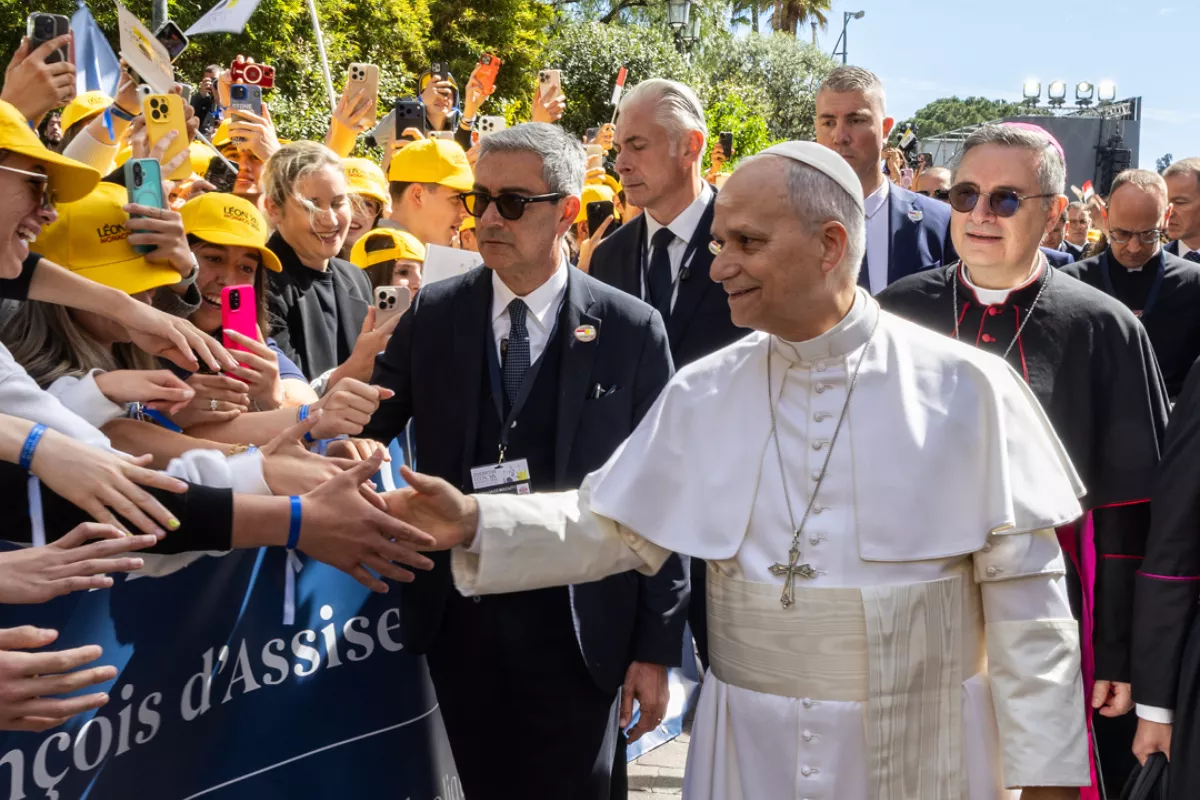
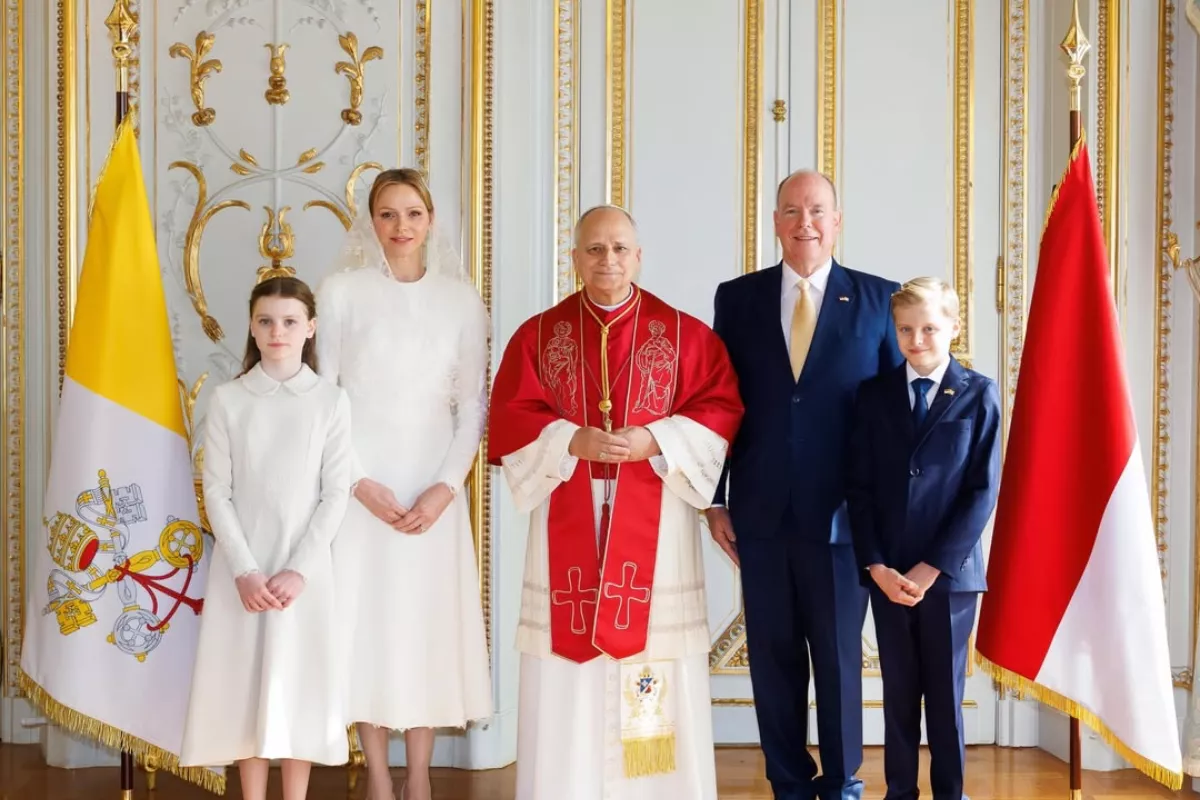
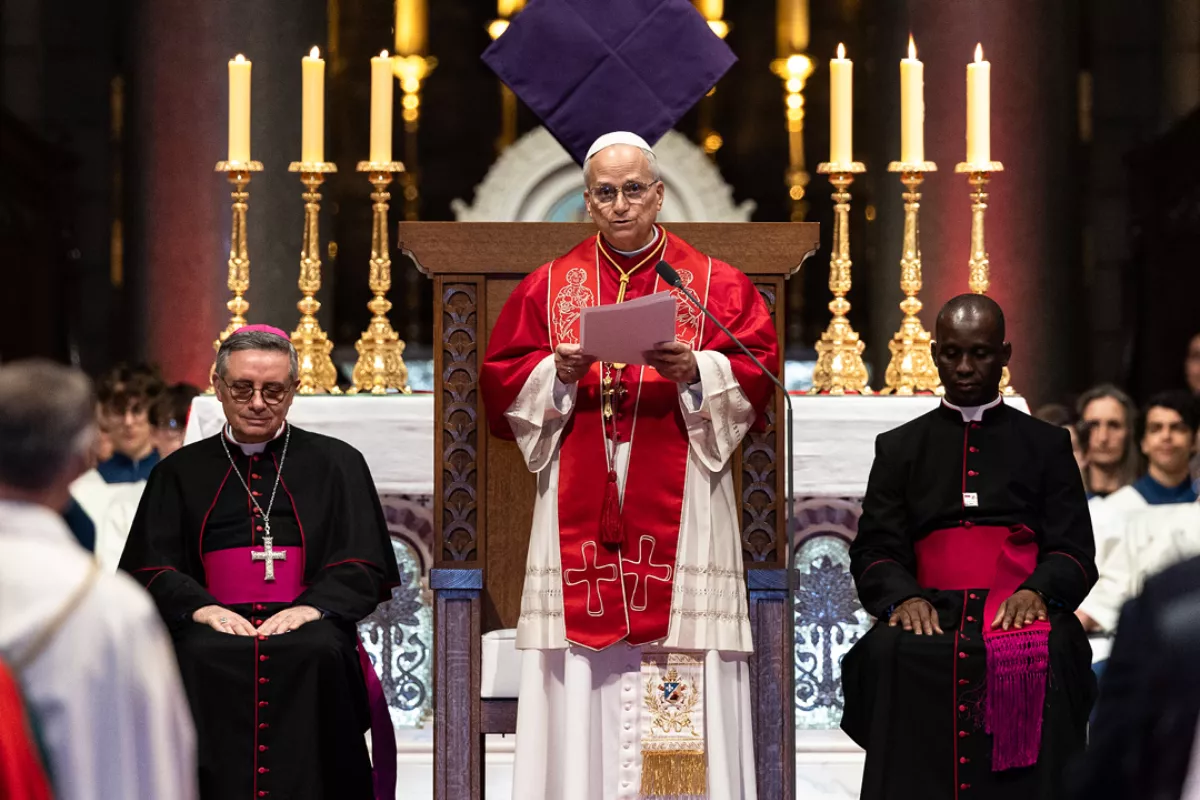
Pope Leo XIV made history in Monaco on Saturday, marking a moment that will remain indelibly tied to the Principality’s story. Here, we revisit the defining images of the day – official photographs from the Palace that preserve these moments as part of Monaco’s enduring history.
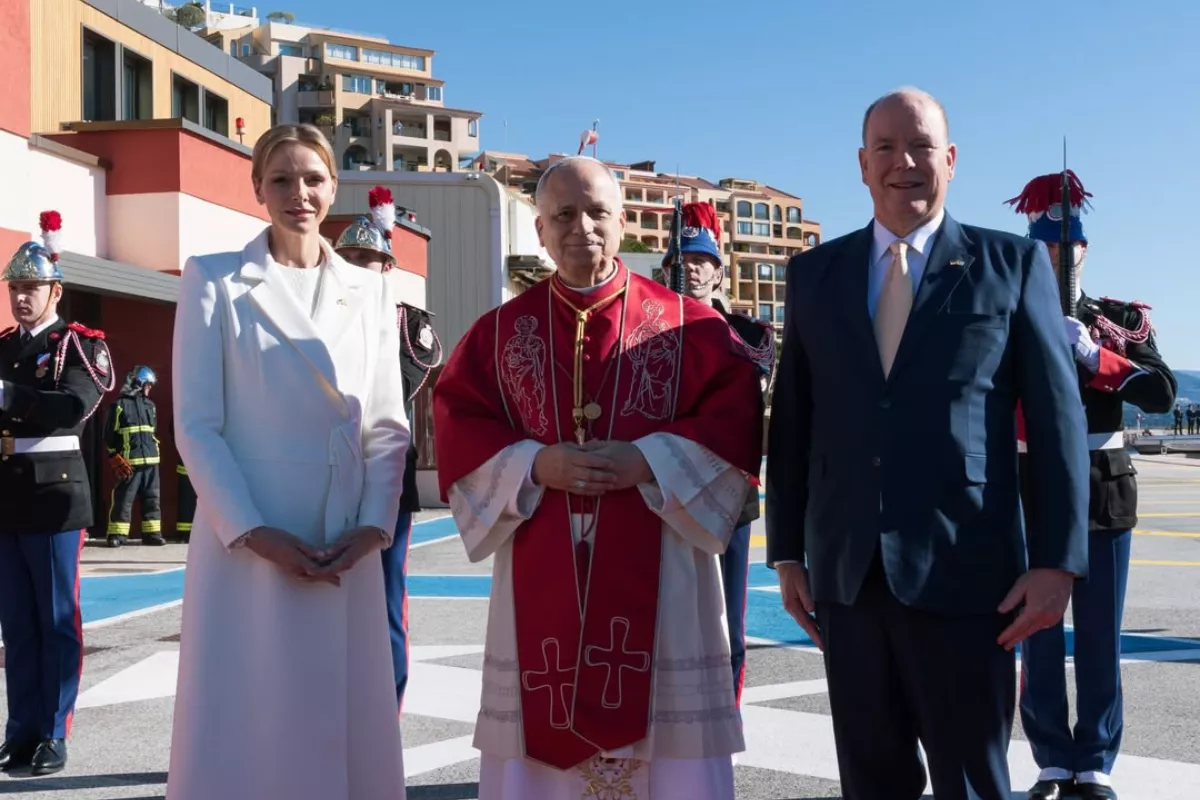
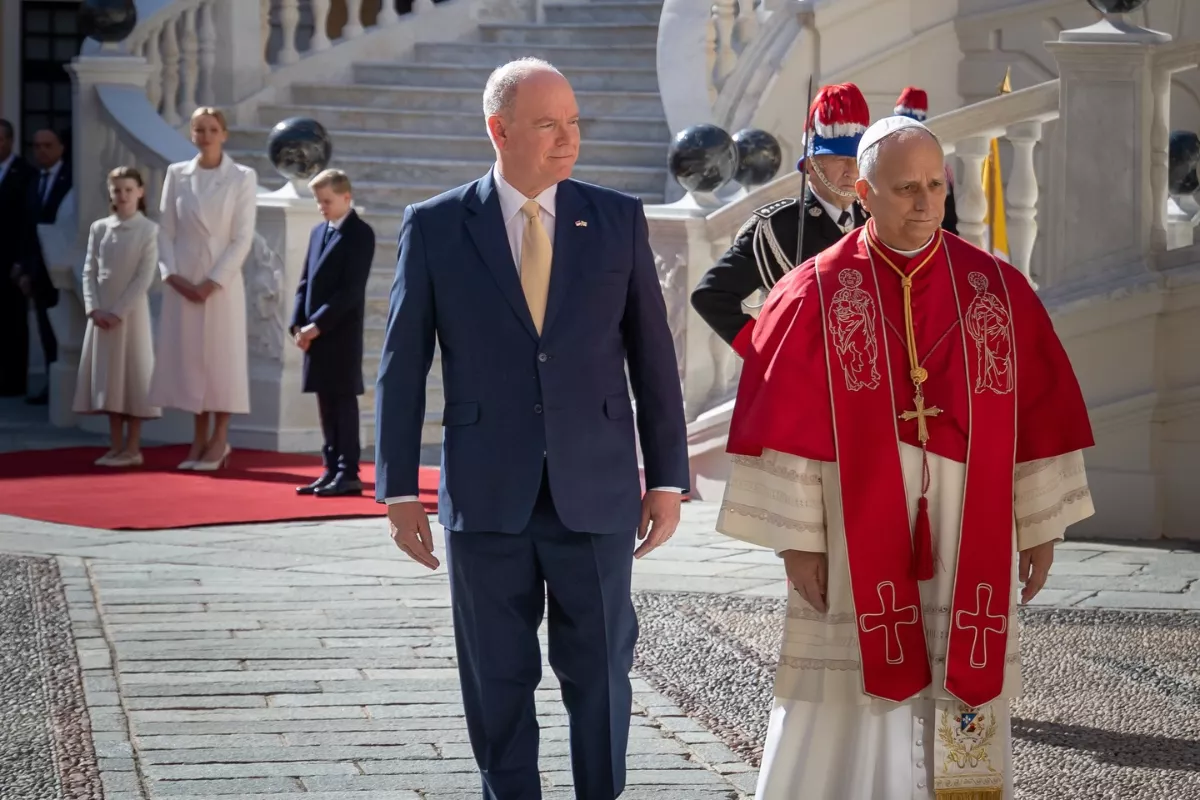
The Holy Father touched down at 9am, welcomed by Prince Albert II and Princess Charlène as 21 cannon shots rang out from Fort Antoine.
Prince Albert II and Princess Charlène receiving Pope Leo XIV, photo credit: Sarah Steck, Prince’s Palace
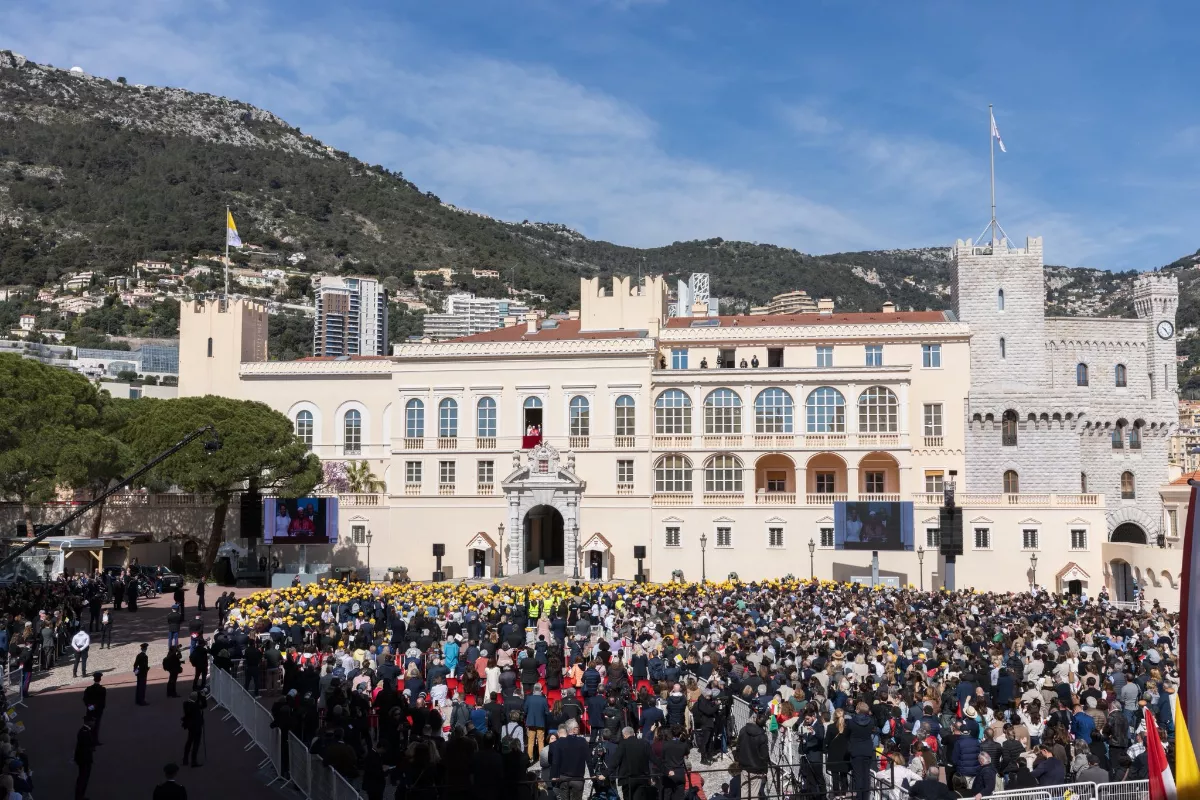
The streets of the Rock were packed from early morning. From the minute security opened up the barriers for security checks, lines were already tracing multiple metres, with crowds quickly taking up every corner of the route the Pontiff would later travel.
Thousands filling up the Palace Square, photo credit: Michaël Alesi / Frédéric Nebinger / Sarah Steck / Gaëtan Luci, Prince’s Palace
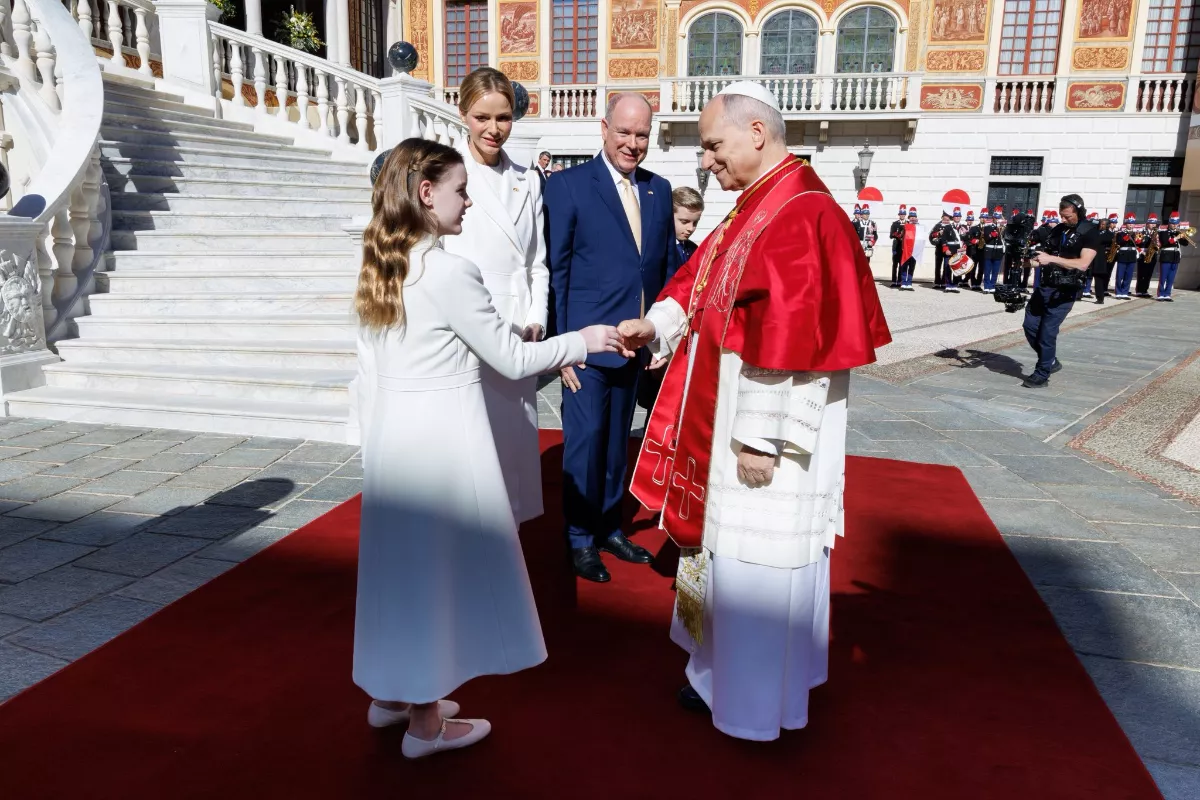
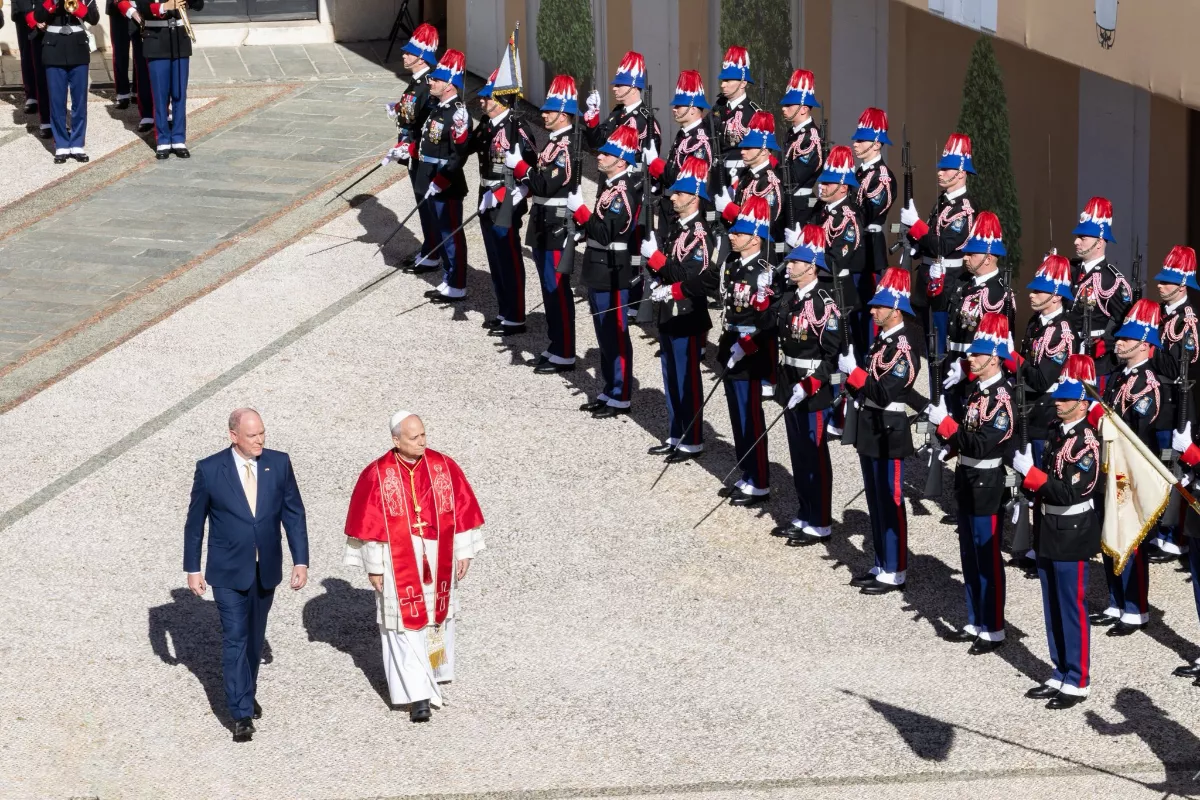
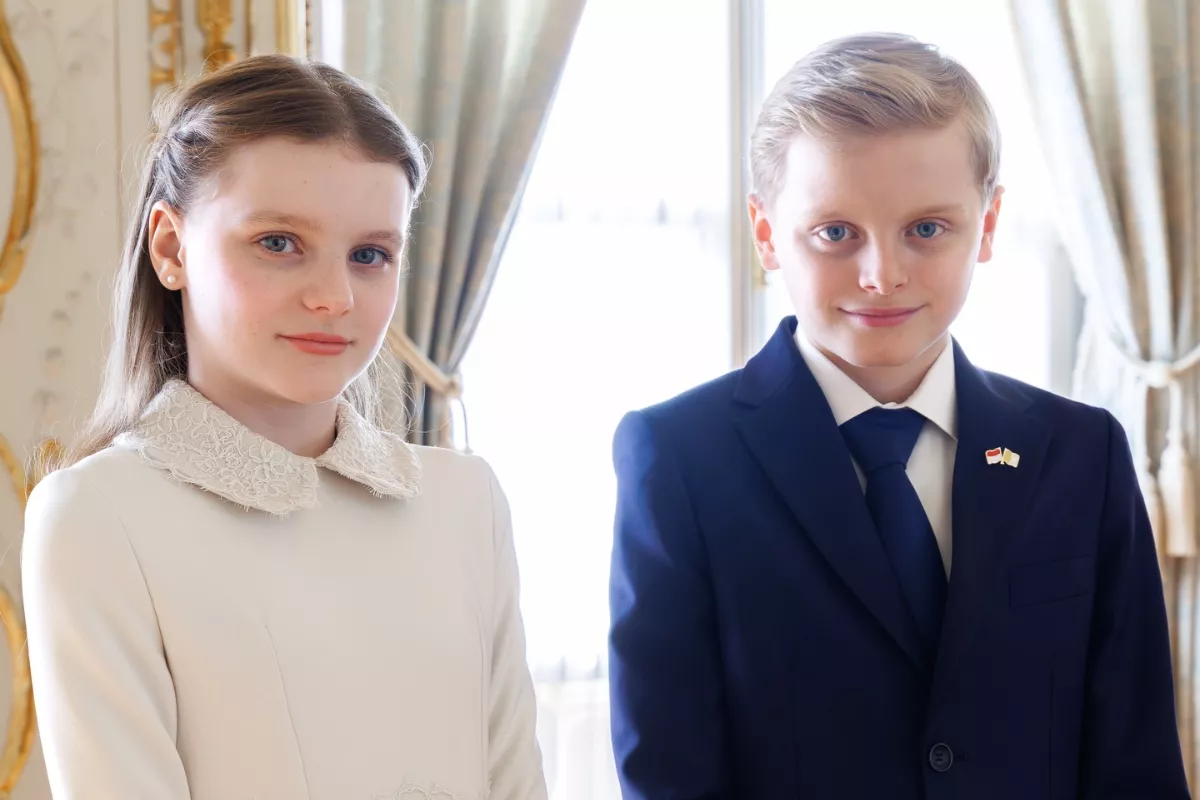
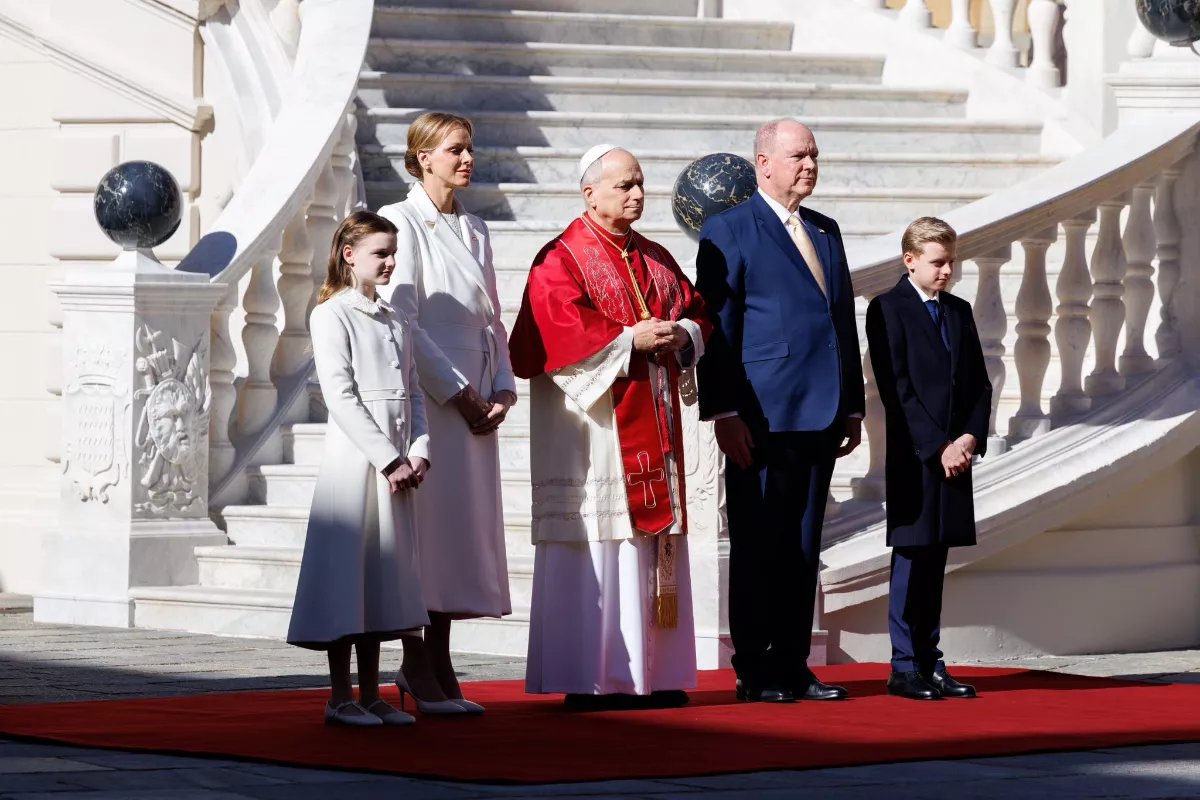
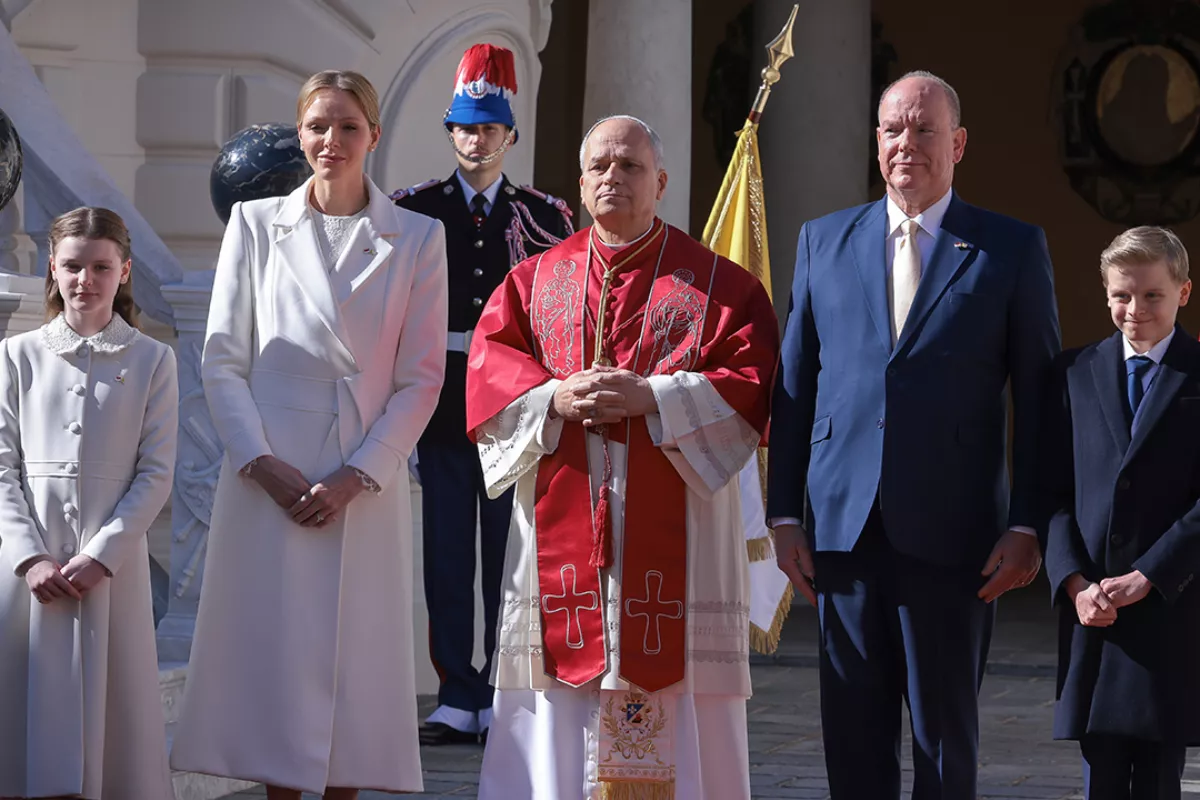
A formal welcome ceremony then took place as soon as the Pope entered the Palace in the Cour d’Honneur, with Prince Albert II, Princess Charlène, Hereditary Prince Jacques and Princess Gabriella waiting to greet the Holy Father.
The Princely Family welcoming Pope Leo XIV, photo credit: Michaël Alesi / Frédéric Nebinger / Sarah Steck / Gaëtan Luci, Prince’s Palace
During this official ceremony military honours were rendered before Prince Albert II and Pope Leo XIV reviewed the detachment together.
Prince Albert II and Pope Leo XIV reviewing the detachment, photo credit: Michaël Alesi / Frédéric Nebinger / Sarah Steck / Gaëtan Luci, Prince’s Palace
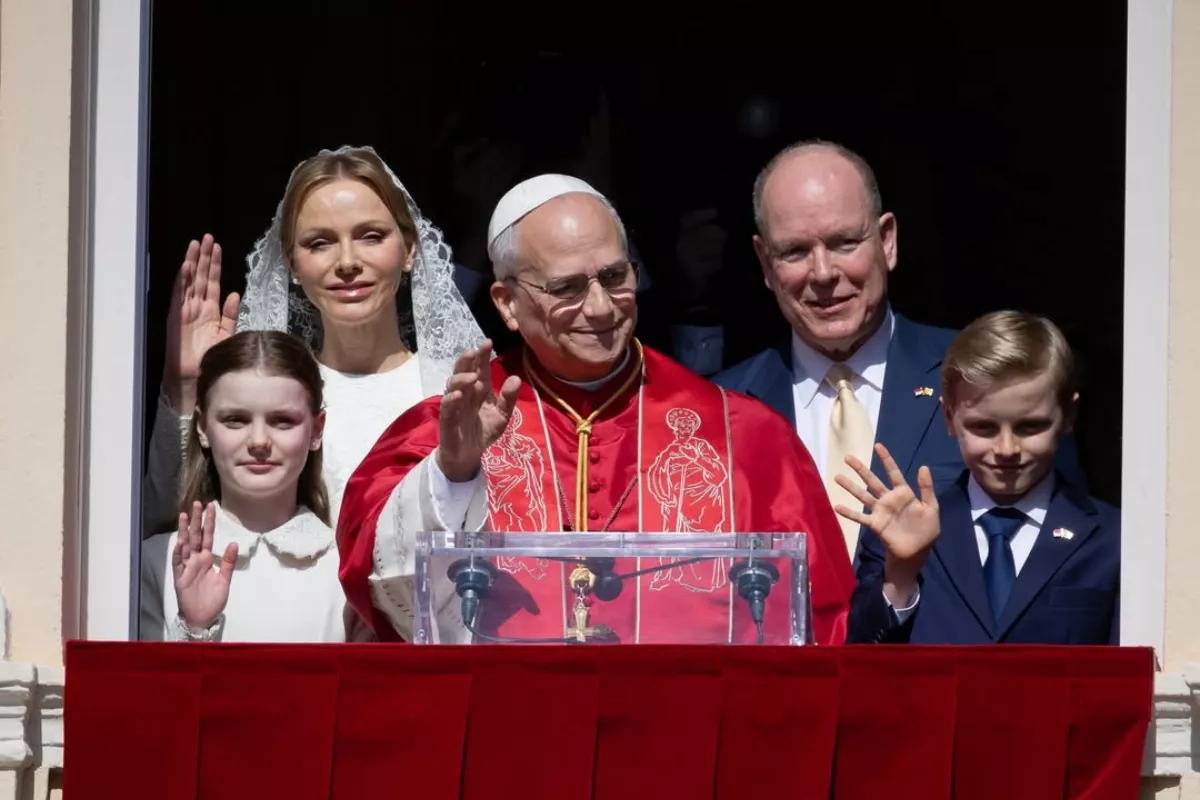
The day’s most anticipated and heartfelt moment arrived when the Pope and the Princely family stepped out onto the Palace balcony together, met with a wave of cheering from the thousands packed in the square below.
Pope Leo XIV and the Princely Family on the Palace Balcony, photo credit: Frédéric Nebinger, Prince’s Palace
A blessing like no other
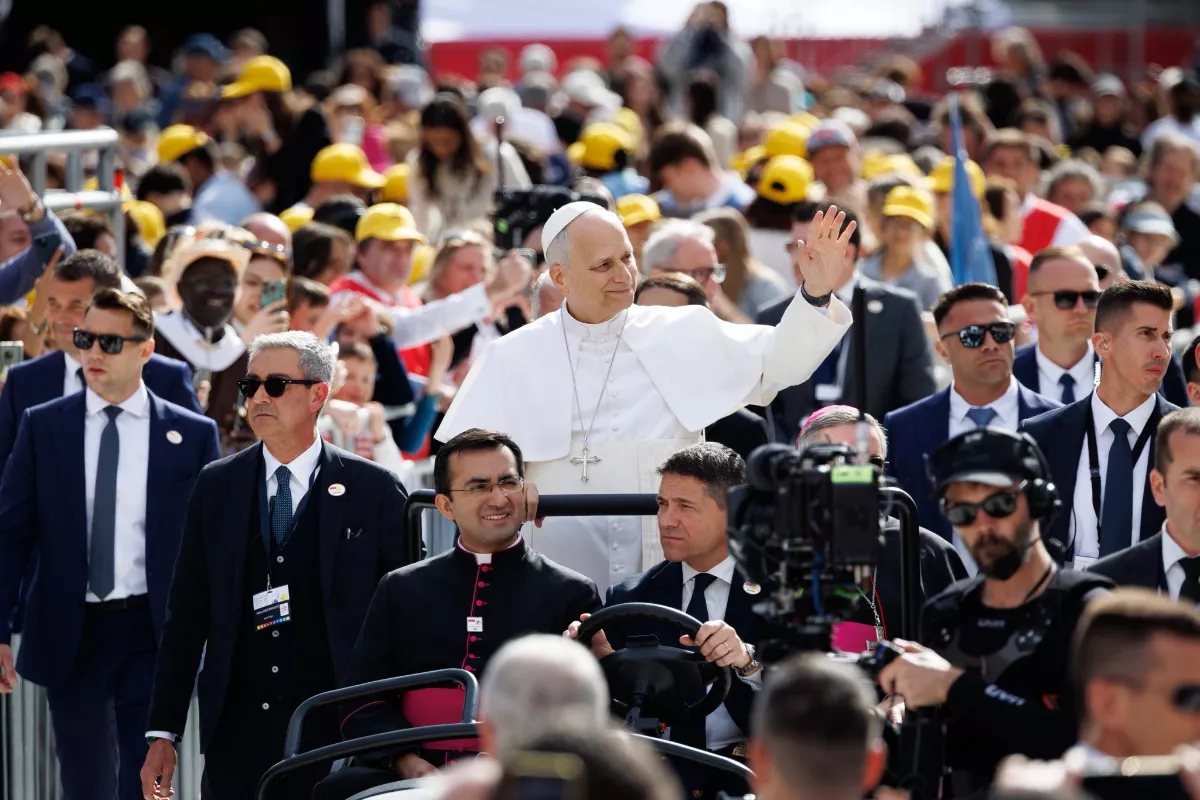
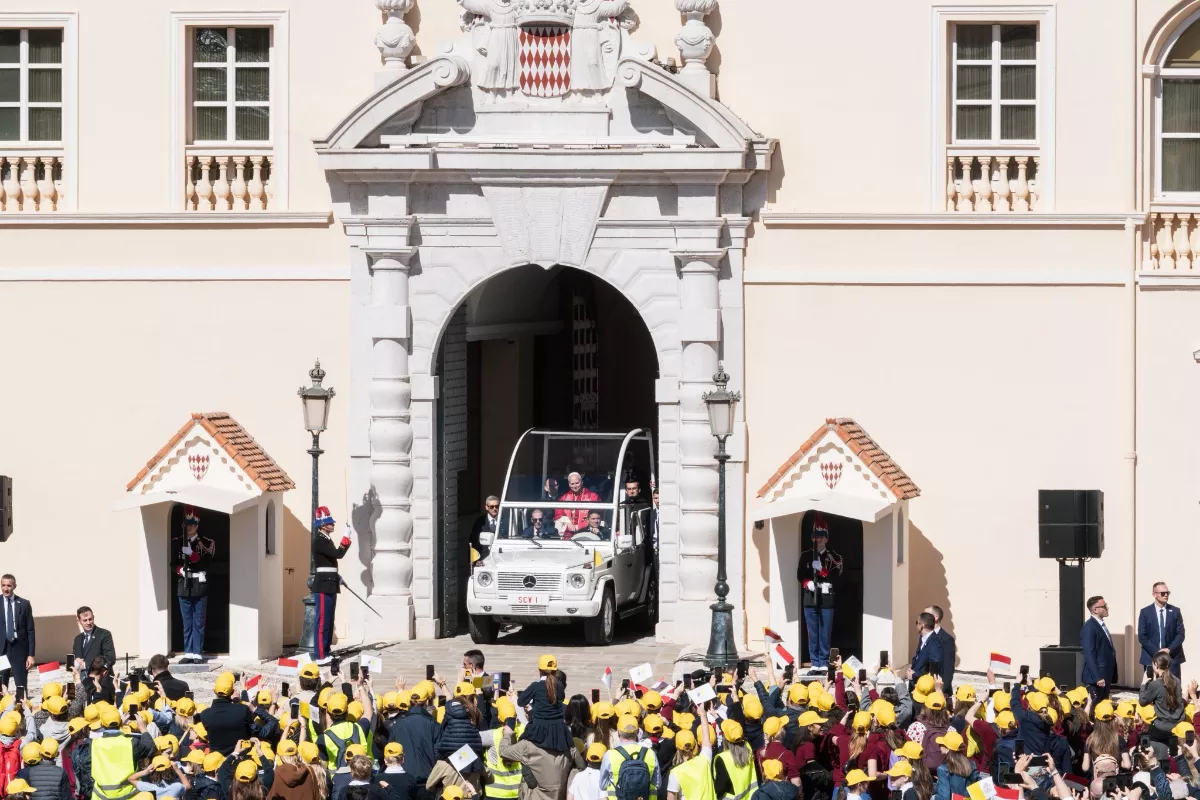
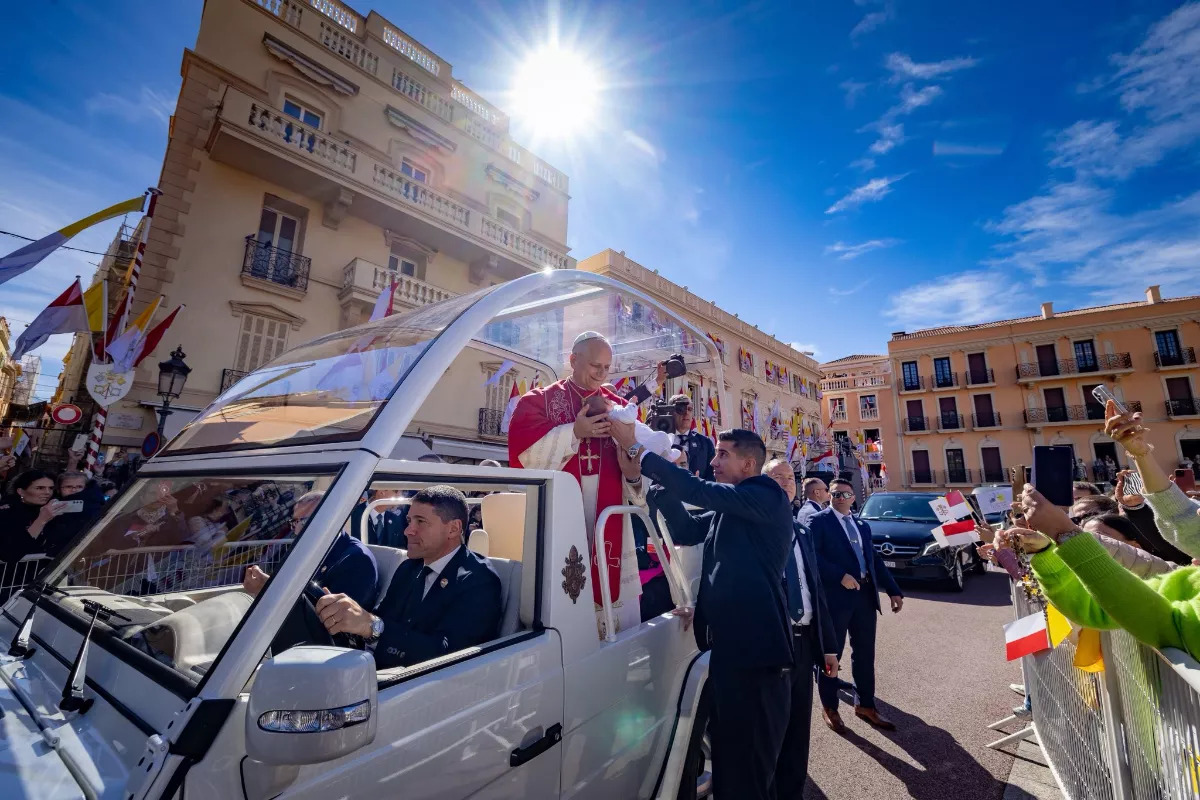
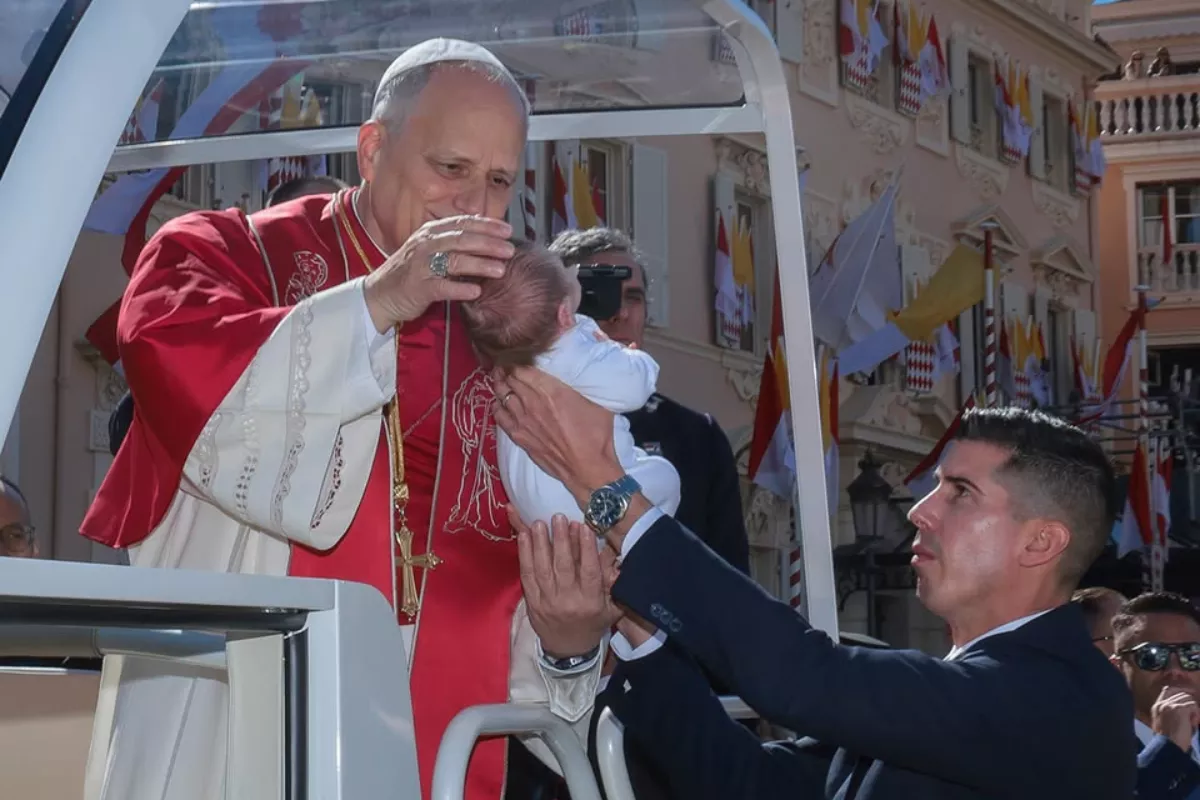
The Pope then departed the Princely Palace in his popemobile, travelling through the Principality’s narrow streets as he greeted families and offered blessings to newborns. For many in Monaco, witnessing the Pope in person for the first – and perhaps only – time was an extraordinary experience, one that will remain with them for years to come.
Pope Leo XIV exiting the Palace on his Popemobile, photo credit: Michaël Alesi / Frédéric Nebinger / Sarah Steck / Gaëtan Luci, Prince’s Palace
For a fortunate few whose children received the Pope’s blessing, the emotion was unmistakable: parents visibly trembling with joy, their voices breaking as they offered repeated thanks. It was a scene powerful enough to move even those without religious conviction.
Pope Leo XIV blessing a newborn, photo credit: Michaël Alesi / Frédéric Nebinger / Sarah Steck / Gaëtan Luci, Prince’s Palace
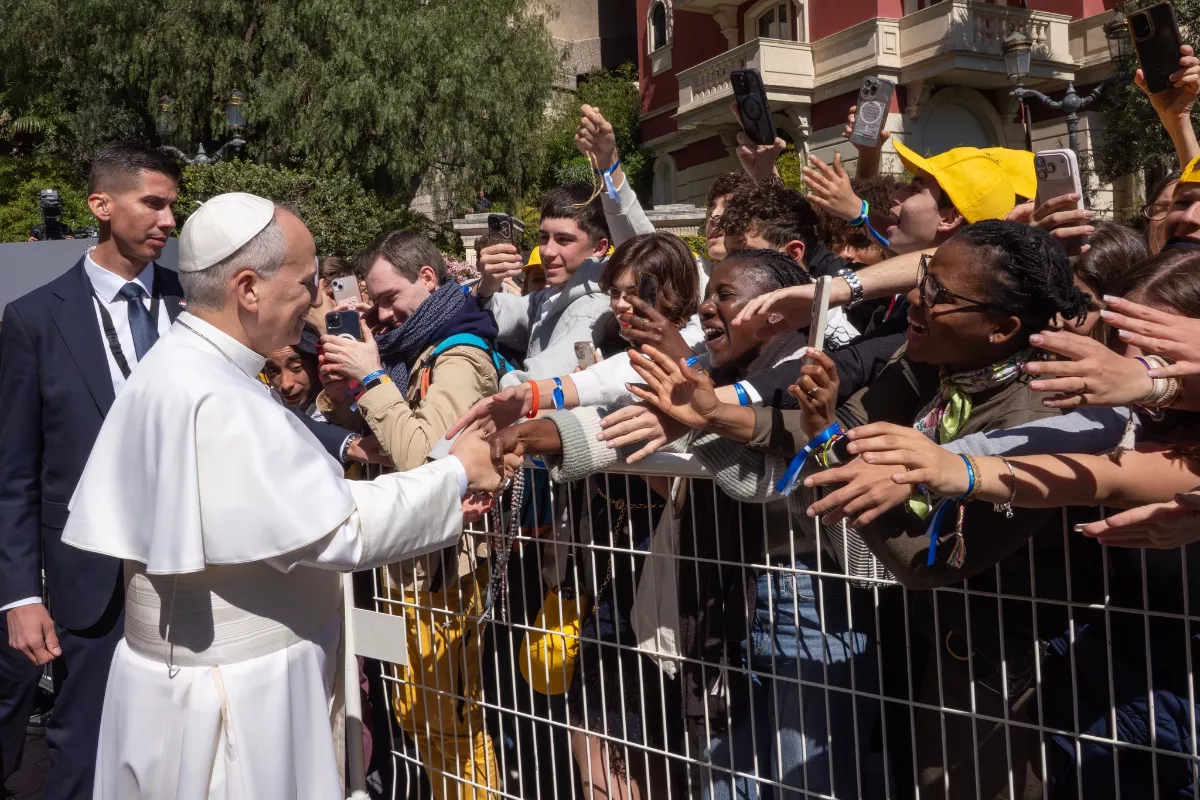
The Pope then proceeded to enter Monaco’s Cathedral for the scheduled procession, presiding over the Liturgy of the Hours before visiting the Chapel of Saint-Dévote, where he prayed before the relics of Monaco’s patron saint and met with catechumens and young people.
Pope Leo XIV outside Saint-Dévote’s church greeting young people, photo credit: Michaël Alesi / Frédéric Nebinger / Sarah Steck / Gaëtan Luci, Prince’s Palace
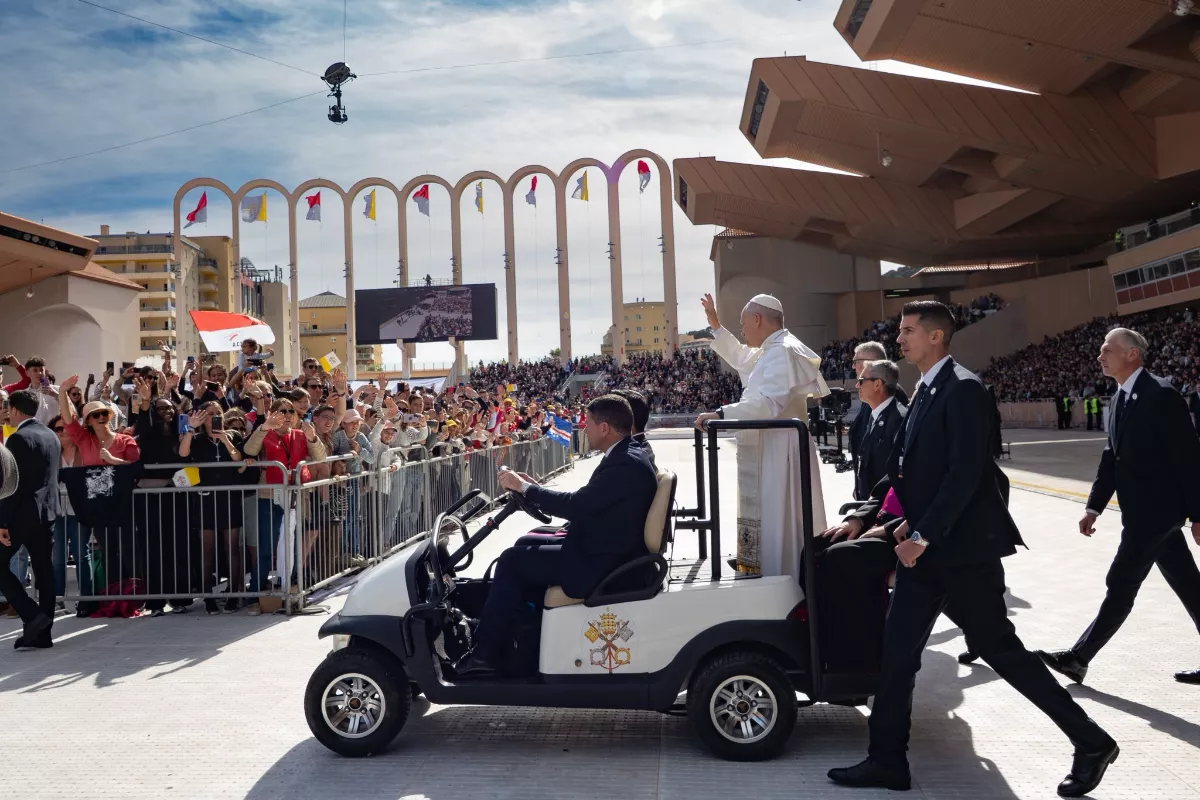
The day closed at the Stade Louis II, transformed for the occasion and filled to capacity, where Pope Leo XIV celebrated the Pontifical Mass on the eve of Palm Sunday in the presence of the Princely Family.
Pope Leo XIV entering Stade Louis II for the Pontifical Mass, photo credit: Michaël Alesi / Frédéric Nebinger / Sarah Steck / Gaëtan Luci, Prince’s Palace
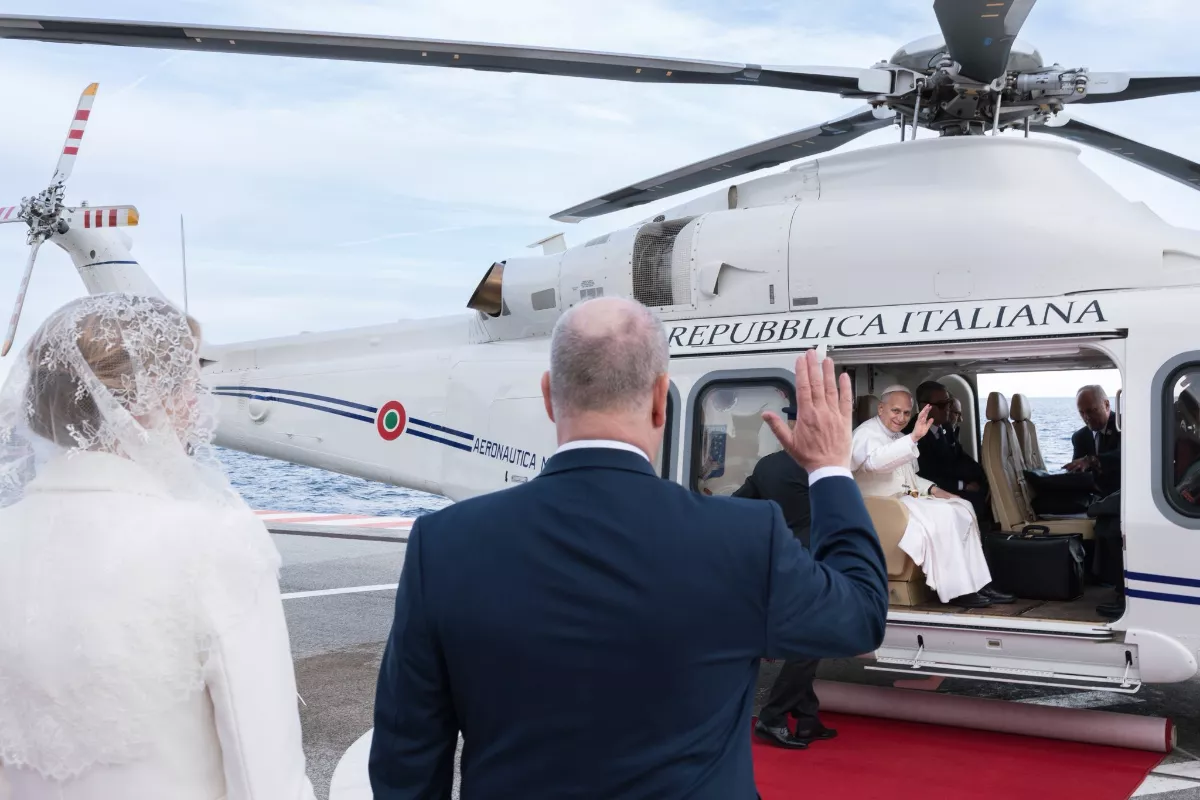
Wrapping up this unique day, Prince Albert II and Princess Charlène accompanied the Pope back to the heliport, from where he returned to the Vatican.
Prince Albert II and Princess Charlène accompany Pope Leo XIV on his departure, photo credit: Michaël Alesi / Frédéric Nebinger / Sarah Steck / Gaëtan Luci, Prince’s Palace