PokerStars becomes first gaming partner of the Rolex Monte-Carlo Masters

The Rolex Monte-Carlo Masters has announced a partnership with PokerStars, marking the first time the tournament has signed an official agreement with a gaming brand.

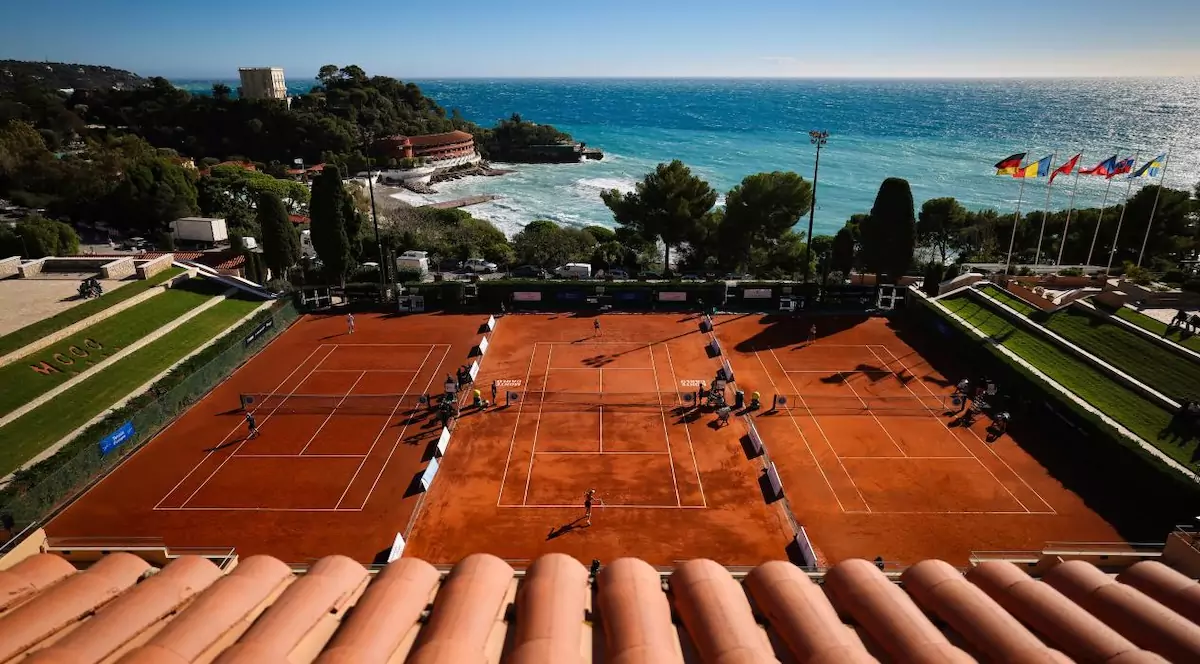
The deal, announced on Wednesday 4th March, will see PokerStars named an Official Partner of the tournament, which takes place at the Monte-Carlo Country Club from 11th to 19th April. The collaboration is designed to offer fans new ways to engage with the event, with both parties citing shared values of strategy, composure and performance under pressure.

“We are delighted to welcome PokerStars as an Official Partner of the Rolex Monte-Carlo Masters,” said David Massey, Tournament Director. “Like tennis at the highest level, poker demands focus, composure and the ability to perform under pressure — values that resonate deeply with our tournament.”

For PokerStars, the partnership extends an existing relationship with Monaco. The brand has long hosted some of its most prominent live events in the Principality, including a flagship stop on the European Poker Tour. This year’s EPT Monte-Carlo runs from 30th April to 10th May — directly after the tennis tournament concludes — creating an unusual concentration of two high-profile competitive events in the same location within the space of a fortnight.

“Monte-Carlo has long been home to some of PokerStars’ most iconic live poker events, and this partnership allows us to connect that heritage with world-class tennis in a meaningful way,” said Enrico Rusi, Managing Director at PokerStars Italy. “We are reinforcing our long-term presence in the region and strengthening our connection with audiences across Southern Europe, where both tennis and poker enjoy deep roots and passionate communities.”

The Rolex Monte-Carlo Masters begins on 6th April with qualifying rounds, with the main draw getting under way on 11th April.

See also: 

Rolex Monte-Carlo Masters 2026: what was revealed at the official launch

Stay updated with Monaco Life: sign up for our free newsletter, catch our podcast on Spotify, and follow us across Facebook,  Instagram, LinkedIn, and Tik Tok.


Polar science is advancing fast – but who’s paying for it?

The science of the poles has never been more urgent. Ice sheets are shrinking, ocean currents are shifting, and researchers warn all of us that what happens in the Arctic and the Antarctic will impact life far beyond them. Yet for all the progress in understanding what is happening, there is a more awkward problem to address: money is running dangerously short. 

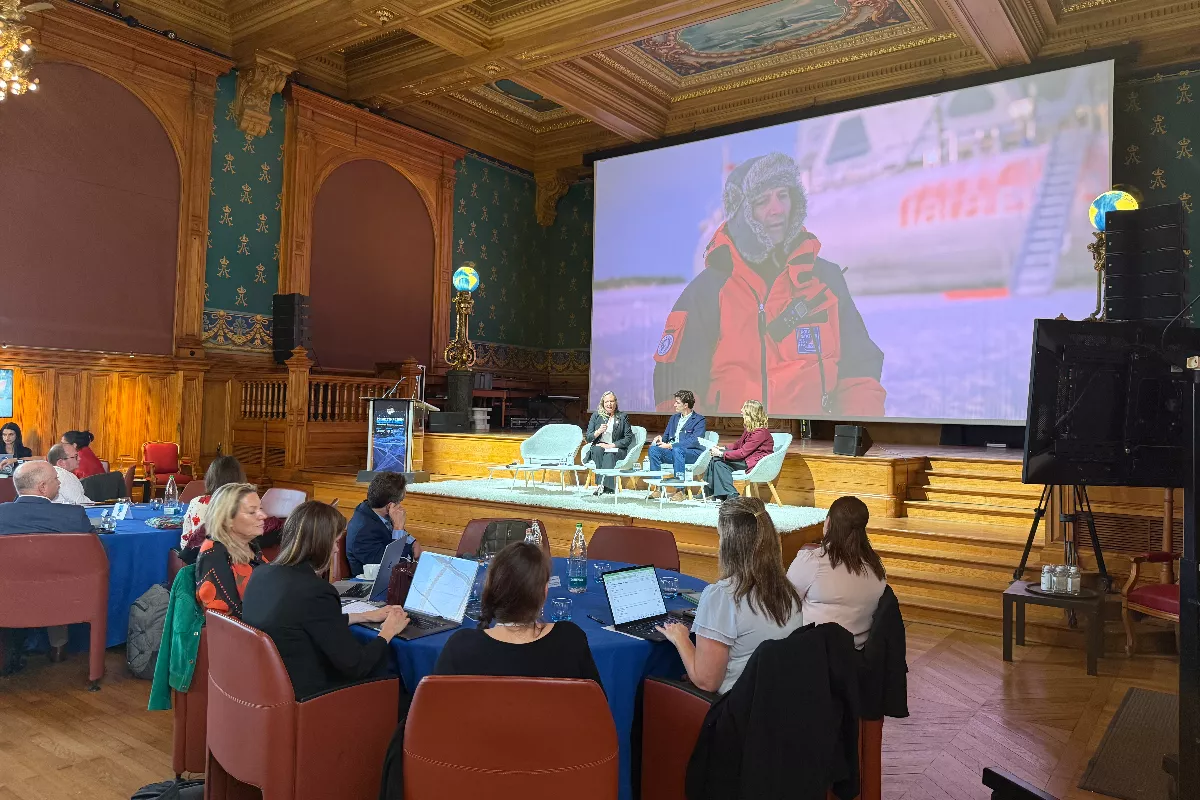
That was one of the most important challenges that emerged from this year’s Monaco Polar Symposium, held from 25th to 27th February at the Oceanographic Museum of Monaco.

“Conservation efforts, scientific research, and innovation in the polar regions come at a cost but remain significantly underfunded,” said Romain Ciarlet, Vice-Chairman and CEO of the Prince Albert II of Monaco Foundation, in his opening address. The figure he put on it was shocking: today, only 10% of polar research funding comes from private and philanthropic sources. The rest falls almost entirely on governments — many of which are tightening their belts.

“We have to make sure that private and philanthropic actors step up,” Ciarlet said.

Turning science into action

This current funding model is no longer sustainable. For that reason, the three-day event dedicated an entire working session to developing what it called ‘innovative funding models’ for polar research.

Then, a second session focused on something equally important: how to actually turn scientific findings into action once the money is found. Knowing what is happening at the poles and being able to do something about it, delegates advocated, are two very different things.

To that end, Prince Albert II referenced the Foundation’s Polar Donor Roundtable, an initiative designed to bridge the gap between, and help structure what he called “a continuum from science to funding, and from funding to impact.”

Whether that ambition can be matched with the appropriate funds remains an open question – and one that will only become more pressing as the countdown to the next International Polar Year, due in 2032-22, gets underway.

Stay updated with Monaco Life: sign up for our free newsletter, catch our podcast on Spotify, and follow us across Facebook,  Instagram, LinkedIn, and Tik Tok.

Main photo credit: Monaco Life

Verdi’s Il Trovatore comes to the OpĂ©ra de Monte-Carlo this March with a stellar international cast

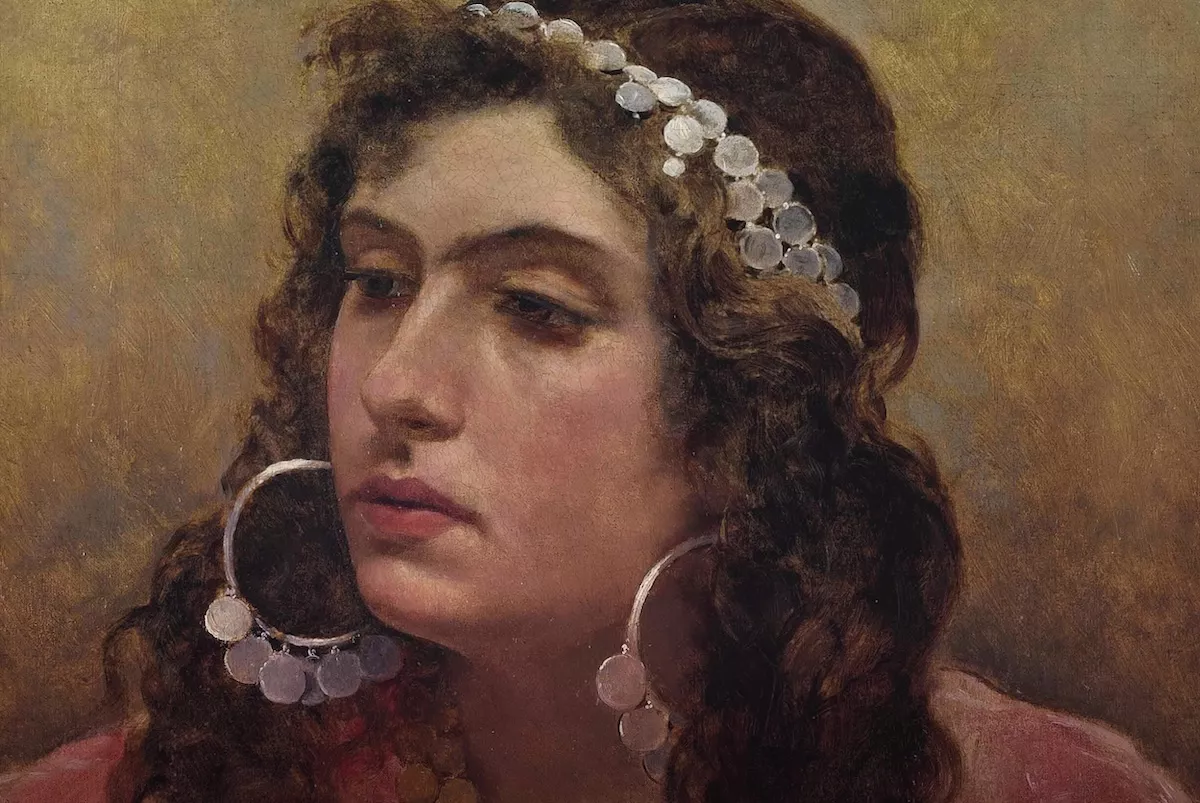
The OpĂ©ra de Monte-Carlo presents Verdi’s Il Trovatore across four performances this month, in a co-production with the Teatro Real de Madrid and the Royal Danish Opera that brings together some of the most celebrated voices in opera today.

Conducted by Giacomo Sagripanti and directed by Francisco Negrin, the production explores the full dramatic weight of Verdi’s score — a work built on thwarted passion, clashes of power and family tragedy, in which some of the most beloved arias in the operatic repertoire unfold against an unrelenting dramatic arc.

The cast is exceptional. South African soprano Pretty Yende, one of the most sought-after lyric voices of her generation, shares the role of Leonora with Alexandra Marcellier. Polish baritone Artur Ruciński takes on the Count of Luna, while Piero Pretti sings Manrico and Armenian mezzo-soprano Varduhi Abrahamyan brings her considerable dramatic presence to the role of Azucena. Evgeny Stavinsky and Annunziata Vestri complete the principal cast, supported by the Chorus and the Orchestre Philharmonique de Monte-Carlo.

Il Trovatore is, by any measure, one of Verdi’s most demanding and rewarding works — a opera of extremes, in which the emotional stakes rarely drop and the music rarely relents. In the hands of this cast and this production team, it promises to be one of the OpĂ©ra de Monte-Carlo’s most significant evenings of the season.

Performances take place on Sunday 22nd March at 3pm, Tuesday 24th March at 8pm (Gala), Thursday 26th March at 8pm and Saturday 28th March at 8.30pm, at the Opéra de Monte-Carlo.

Stay updated with Monaco Life: sign up for our free newsletter, catch our podcast on Spotify, and follow us across Facebook,  Instagram, LinkedIn, and Tik Tok.


42nd Primo Cup-UBS Trophy Returns to Monaco this week

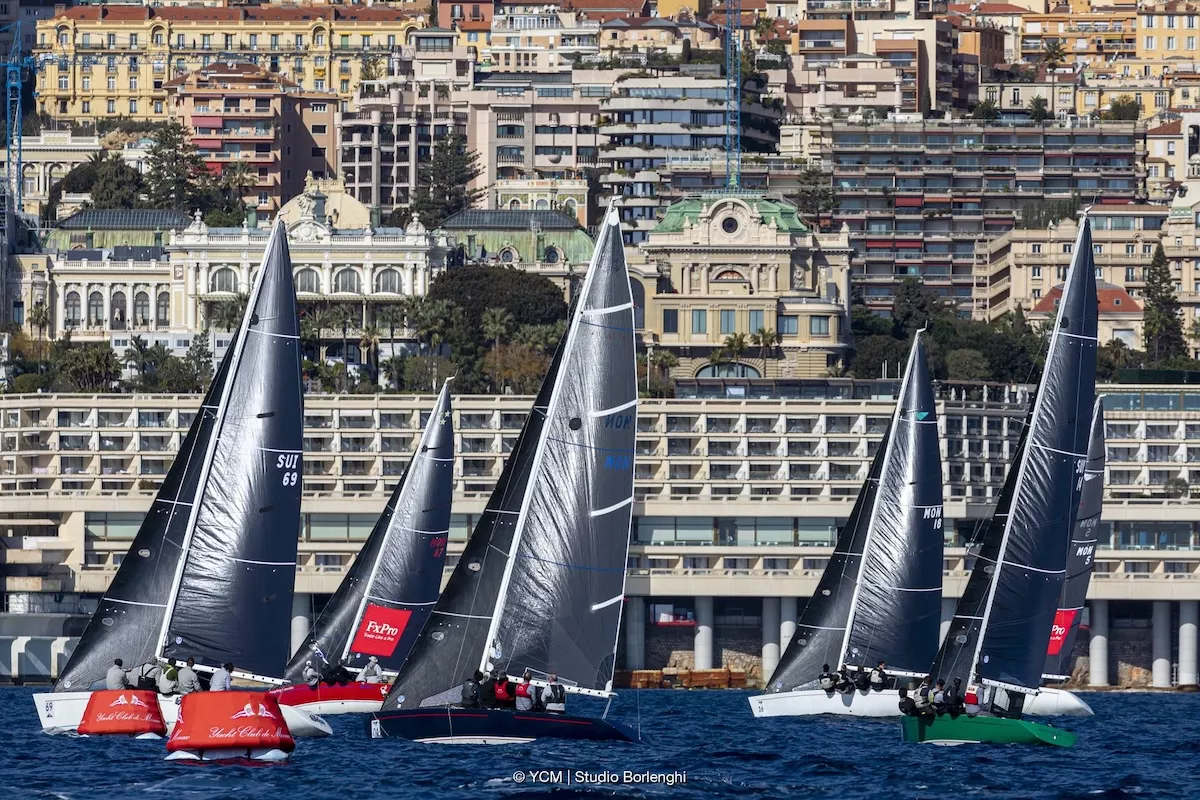
The Yacht Club de Monaco plays host to one of the Mediterranean’s most anticipated one design regattas this week, as the 42nd Primo Cup-UBS Trophy gets underway from 5th to 8th March.

Organised in partnership with UBS, with support from Monaco City Hall and North Sails, the event will see more than 350 sailors compete across four classes — the J/70, Smeralda 888, Longtze Premier and Cape 31 — in what marks the first major one design meeting of the Mediterranean season. For the J/70 fleet, the stakes are higher still: this is the fourth and final Act of the Monaco Sportsboat Winter Series, making it a decisive moment in the Monegasque championship.

First launched in 1985 by Prince Albert II, the Primo Cup has long since established itself as a fixture on the international sailing calendar. “We welcome teams from all over the world who relish the opportunity to test their skills in demanding conditions,” said Bernard d’Alessandri, YCM Director and General Secretary. “Monaco offers a technically complex setting and a sporting intensity that pushes everyone to raise their game.”

Among the notable names competing this year is American sailor Dawn Riley — the first woman to head a team in the America’s Cup, in which she has competed three times, and a two-time Whitbread Round the World Race veteran.

J/70: A Monegasque Championship Decider

With three Acts of the Monaco Sportsboat Winter Series already completed, the J/70 fleet arrives in Monaco with the overall title very much up for grabs. The J/70 Monaco Class Association fields 15 teams, one of the largest fleets in the Mediterranean. Giangiacomo Serena di Lapigio aboard G-Spot leads the provisional standings, ahead of Act III winner Pierrik Devic of Fraser Yachts and Nico Poons sailing Charisma V. One final Act remains to settle the podium.

Cape 31: Power and Spectacle on the Bay

Making their third appearance at the Primo Cup, the Cape 31s are among the most physically demanding and visually arresting boats in the fleet. Acceleration under asymmetrical spinnaker is critical, making tactical positioning as important as raw speed. Close, committed racing between evenly matched crews is guaranteed.

Longtze Premier: Accessible Racing with Broad Appeal

Responsive from as little as five knots and capable of planing in a breeze of ten to twelve knots, the Longtze Premier is a familiar and popular presence at the Primo Cup. Straightforward to helm and exciting to watch, these boats offer some of the most accessible racing of the regatta and draw steady crowds to Monaco’s main harbour wall.

Smeralda 888: A Fleet on the Rise

For the Smeralda 888 class, Monaco traditionally serves as the season opener, and the tone set here tends to carry through the rest of the circuit. Presided over by YCM member Charles de Bourbon des Deux-Siciles, the fleet is both competitive and growing, with the level of racing rising year on year.

Racing begins on Thursday 5 March with a 14:30 warning signal for the warm-up race. From Friday through Sunday, the first warning signal moves to 12:00 on Friday and 11:00 for the final two days, with a last possible warning signal of 15:00 throughout.

Stay updated with Monaco Life: sign up for our free newsletter, catch our podcast on Spotify, and follow us across Facebook,  Instagram, LinkedIn, and Tik Tok.


Some flights resume from UAE but hundreds of thousands remain stranded across the Middle East

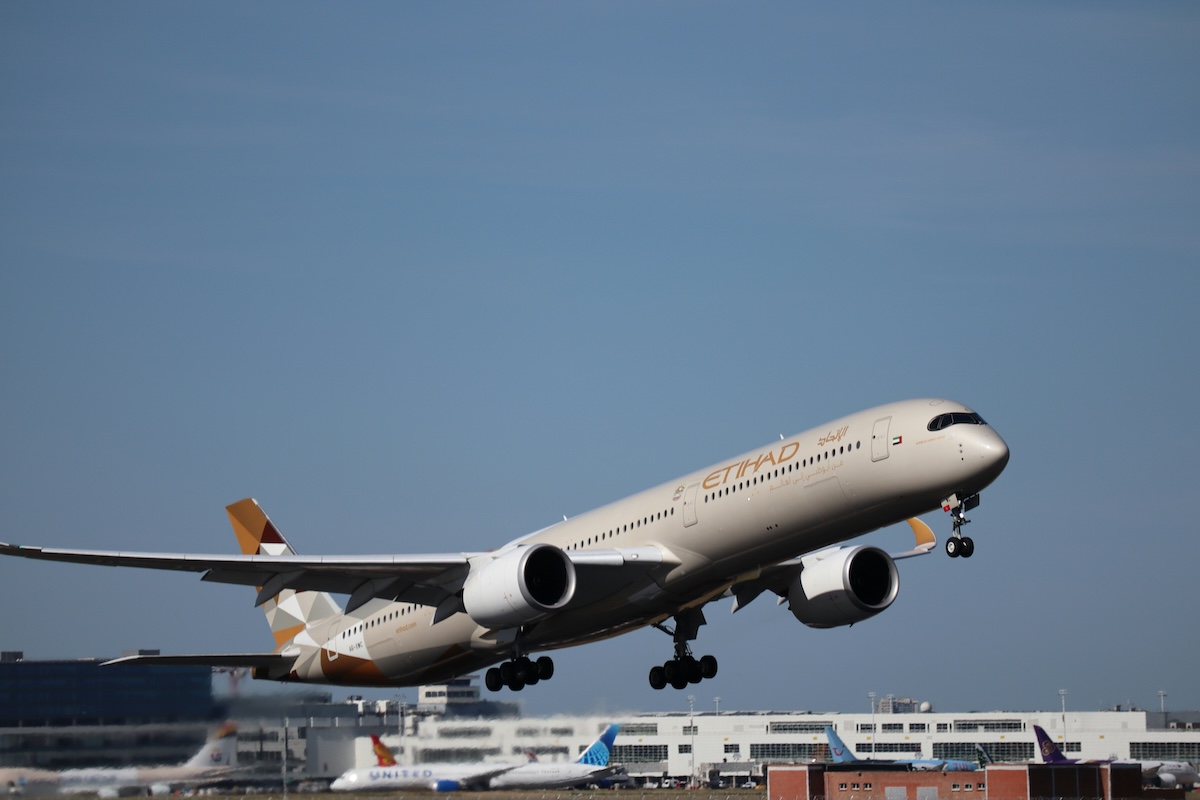
A small number of flights have departed Dubai and Abu Dhabi, offering limited relief to the hundreds of thousands of passengers caught up in the worst aviation disruption the Middle East has seen in years — but the vast majority of services remain cancelled, with no clear timeline for a full return to normal operations.

Emirates, Etihad and budget carrier Flydubai cautiously resumed select services on Monday and Tuesday, days after air traffic across the region was suspended following the outbreak of conflict between the US, Israel and Iran. Dubai’s government urged passengers not to go to the airport unless contacted directly by their airline, describing what it called a “limited resumption of operations.” The warning reflects the scale of the disruption still under way. According to flight tracking website FlightAware, more than 80% of flights to and from Dubai and more than half of those to and from Abu Dhabi remained cancelled as of Tuesday. Cancellations across seven major Middle East airports — Dubai International, Hamad International in Doha, Zayed International in Abu Dhabi, Sharjah International, Kuwait International, Bahrain International and Dubai World Central — have now exceeded 12,300 flights between 28th February and 3rd March, according to Flightradar24.

What the airlines are doing

Emirates began operating a limited number of repatriation and cargo flights from Monday, with five A380 aircraft departing Dubai on Tuesday morning bound for Jeddah, Manchester, Paris, London and Frankfurt. The airline’s first departure from Dubai International since Saturday’s closure was tracked by more than 138,000 people on Flightradar24. All scheduled commercial flights to and from Dubai remain suspended until midnight UAE time on 4th March. “We are accommodating customers with earlier bookings as a priority on these limited flights,” the airline said. “Please do not go to the airport unless you have been notified directly by Emirates, or hold a confirmed booking for these flights.”

Etihad operated at least 15 flights out of Abu Dhabi on Monday, heading to destinations including Islamabad, Paris, Amsterdam, Mumbai, Cairo and London Heathrow. Scheduled commercial services remain suspended until 2pm local time on Thursday 5th March. “Access to the airport will be restricted for those without confirmed travel documentation,” the airline said. Flydubai said it would operate four departing flights and five arriving on Monday, adding that “the situation remains dynamic.”

Doha remains shut

Qatar’s situation remains more severe. All aircraft movements at Hamad International Airport are suspended following the closure of Qatari airspace, with Qatar Airways confirming it will not resume operations until the Qatar Civil Aviation Authority declares the airspace safe. A further update was expected on Wednesday morning. Qatar’s Foreign Ministry confirmed at a press conference on Tuesday that nearly 8,000 transit passengers are currently stranded in the country.

Dubai International, Zayed International in Abu Dhabi, and Hamad International in Doha — three of the world’s most important aviation hubs for travel between Europe, Africa and Asia — were all directly struck by Iranian attacks over the weekend. Beyond those travelling to or from the region, large numbers of passengers on multi-leg journeys found themselves stranded mid-route with no immediate options.

The wider airline picture

The list of carriers with suspended or severely disrupted services spans virtually every major global airline. Turkish Airlines has cancelled flights to and from Bahrain, Iran, Iraq, Jordan, Kuwait, Lebanon, Oman, Qatar, Syria and the UAE. Air France has suspended services to Tel Aviv, Beirut, Dubai and Riyadh until 5th March. KLM is avoiding the airspace of Iran, Iraq and Israel entirely, with Tel Aviv flights suspended for the remainder of its winter season and Dubai services cancelled until 5th March.

Lufthansa Group — which includes SWISS, Austrian Airlines, Brussels Airlines, ITA Airways and Eurowings — has suspended flights to Tel Aviv, Beirut, Amman, Erbil, Dammam and Tehran until 8th March, and to Dubai until 4th March. British Airways is not flying to Tel Aviv or Bahrain until 4th March, and is offering free rebooking for passengers on affected routes up to 15th March, with full refunds available for those travelling up to 8th March.

Stay updated with Monaco Life: sign up for our free newsletter, catch our podcast on Spotify, and follow us across Facebook,  Instagram, LinkedIn, and Tik Tok.

Photo credit: Stroopsniper Lenn, Unsplash

Who are the Michelin inspectors — and what are they actually looking for?

With less than two weeks to go until the Michelin Guide France and Monaco 2026 ceremony at the Grimaldi Forum, anticipation across the restaurant community is quietly building. But behind every star awarded, every Bib Gourmand granted, and every new entry added to the guide, stands a figure most diners will never spot: the Michelin inspector.

Since 1933, inspectors have formed the backbone of the Michelin Guide. Without them, there is no selection. Here is a closer look at who they are, how they work, and what they are looking for when they sit down at the table.

Who exactly is a Michelin inspector?

Becoming a Michelin inspector is not straightforward. Candidates must bring at least 10 years of professional experience in the hotel and restaurant industry, combined with a finely calibrated palate and — crucially — the ability to set aside personal taste and assess a kitchen as objectively as possible. A broad knowledge of ingredients, regional produce, and culinary cultures from around the world is equally essential.

Far from the austere, notebook-clutching caricature the role might conjure, inspectors are, above all, genuinely passionate about food. They are curious, enthusiastic, and committed to seeking out quality wherever it exists — from a street food stall in Taipei to a palace dining room in Paris.

How do inspectors operate?

Anonymity is the inspector’s most important tool. Every reservation is made under an assumed name. Every meal is ordered, eaten, and paid for in full, just as any ordinary diner would. There is no special treatment, no tasting menu prepared in their honour, and no prior warning given to the kitchen. The experience a Michelin inspector has must be the same experience any reader of the guide could expect to have.

Each inspector carries out more than 250 anonymous meals — known as table trials — every year, across the 50 or so international destinations covered by the guide. These visits are meticulously documented in detailed reports that form the basis of each selection.

What are they looking for?

Five criteria guide every assessment. The quality of ingredients comes first. Inspectors then consider the mastery of cooking techniques, the harmony of flavours, and the personality and emotion a chef has sought to express through their dishes. Finally, and perhaps most tellingly, consistency is assessed — across the menu and across multiple visits.

These five criteria apply universally, whichever country the inspector is in. That consistency of standard is what allows the guide to carry the same weight in Tokyo as it does in San Francisco, Copenhagen, or Monaco.

How are the stars decided?

Inspectors do not work alone. Selections are updated collectively, with decisions made on a collegiate basis drawing on multiple visits to each restaurant over the course of the year. The famous stars themselves are reserved for special deliberations — known as Étoiles Sessions — which bring together the International Director of the Michelin Guides, the local editor-in-chief, and all inspectors involved in a given selection. A star is only awarded unanimously. If disagreement persists, further visits are arranged until a consensus is reached.

A guide born on the road

It is worth remembering that the Michelin Guide began not as a fine dining bible, but as a practical motoring handbook. In 1900, the Michelin tyre company — keen to encourage more people to drive, and therefore wear out more tyres — began distributing a free guide to help motorists navigate France’s roads, find petrol stations, and locate a decent meal along the way. The logic was straightforward: more driving meant more tyres. It was not until decades later that the guide’s restaurant recommendations took on a life of their own, eventually eclipsing the original publication entirely and becoming one of the most influential voices in world gastronomy. That a handbook conceived to sell rubber should become the ultimate arbiter of culinary excellence remains one of the more unlikely origin stories in the history of food.

Stay updated with Monaco Life: sign up for our free newsletter, catch our podcast on Spotify, and follow us across Facebook,  Instagram, LinkedIn, and Tik Tok.

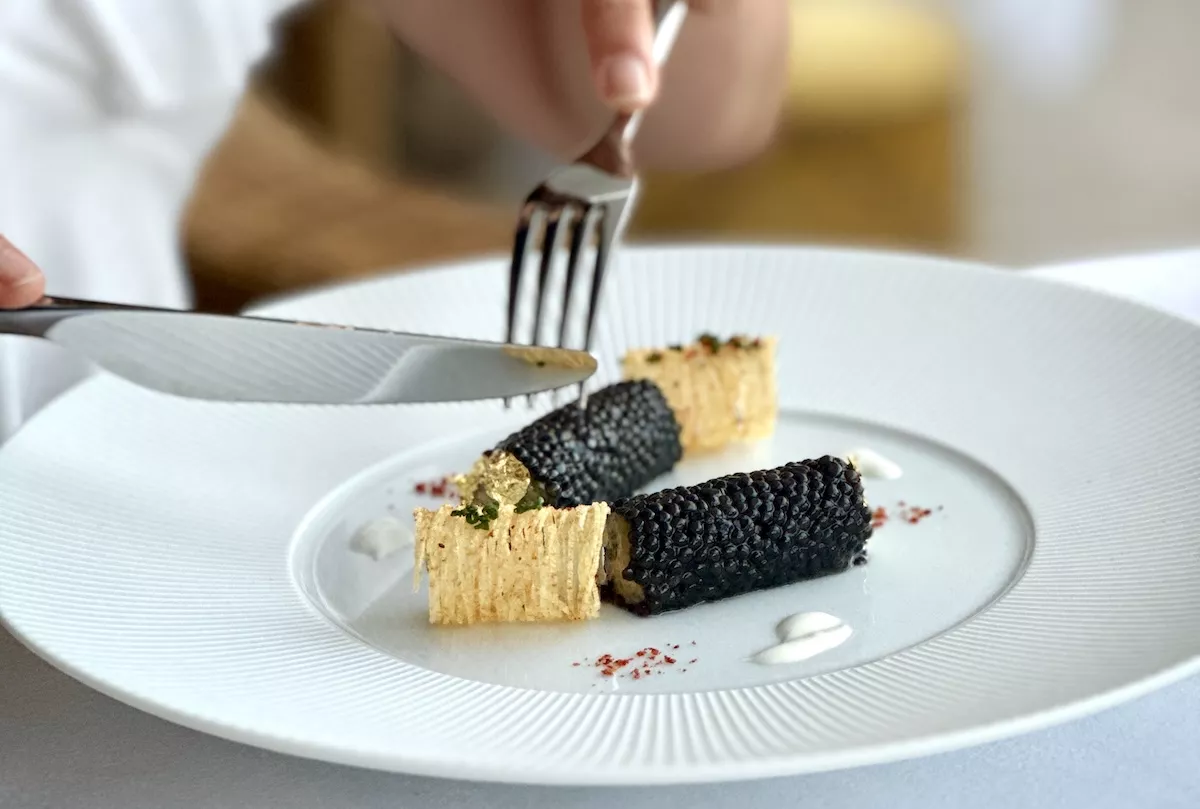
Photo: Dish from Les Ambassadeurs by Christophe Cussac, photo credit: Cassandra Tanti