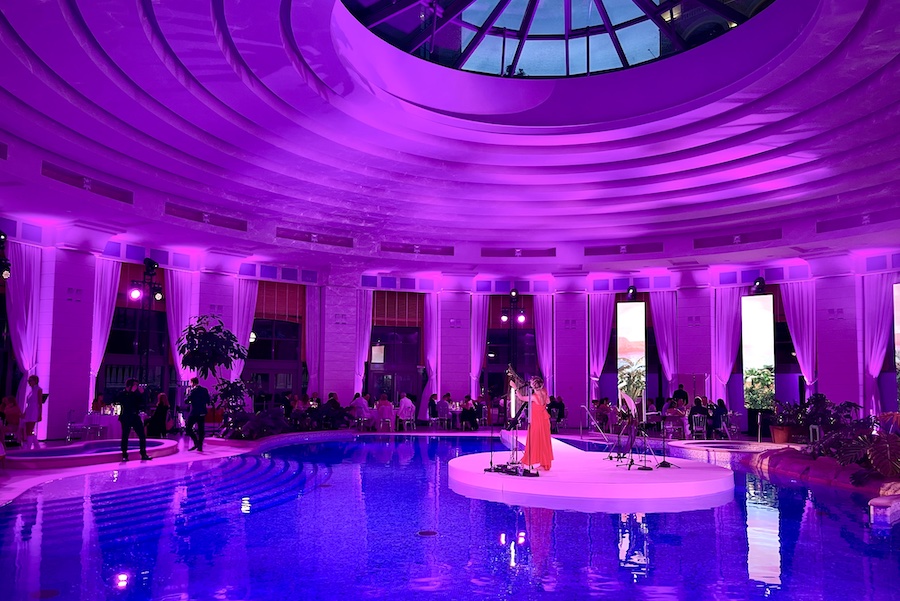
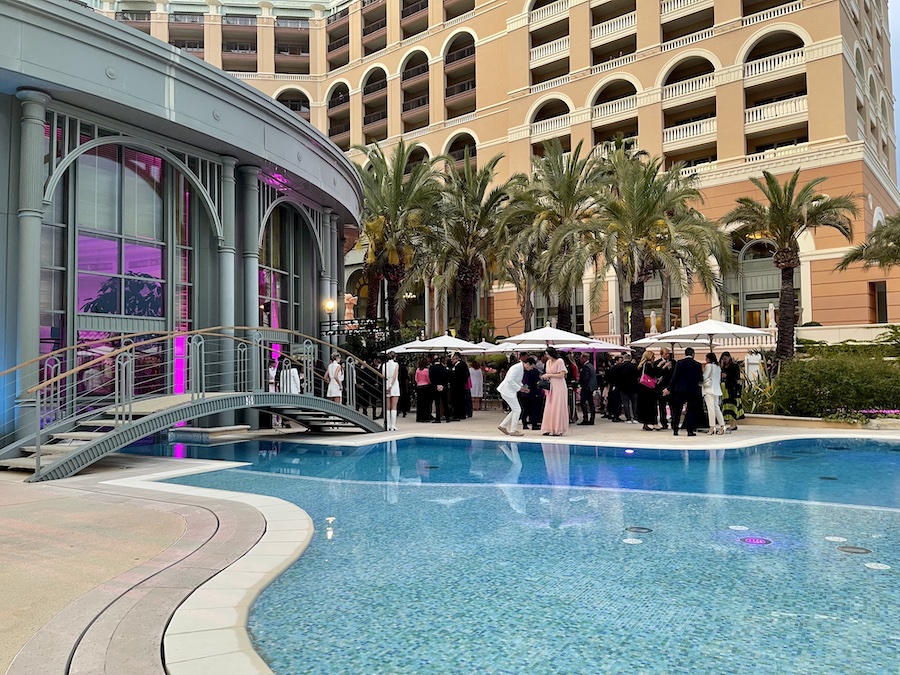
‘Rose is the Future’ was the final act of this year’s Ma Vie en Rose spring programme by Monte-Carlo SBM, a grand closing dinner featuring the futuristic sounds of celebrated composer Thomas Roussel, the cuisine of two Michelin star Chef Marcel Ravin, and the romantic pool-side setting of the Monte-Carlo Bay Hotel and Resort.
Since early March, the Monte-Carlo Société des Bains de Mer (SBM) has been entertaining residents and visitors of the Principality with its unique Ma Vie en Rose programme, a colourful celebration of spring in Monaco. From the floral spinning installations created by Eva Dmitrenko and Céline Pagès and the sweet-smelling floral selfie frame in the atrium of the Casino, to the Sunday Rose Brunches available at the Blue Bay, the vibrancy and joyfulness of spring has been in full bloom.
On Saturday night, Monte-Carlo SBM took it to another level, inviting guests to board a spaceship towards the future, with sparkling rosé around the lagoon followed by a romantic dinner in the atrium.
Rose is the Future event, photo by Monaco Life
At tables circling the Monte-Carlo Bay pool, guests were treated to a gastronomic menu designed by two Michelin star Chef Marcel Ravin, a “journey to the end of desire” featuring meteorite bowls and a giant chocolate Saturn.
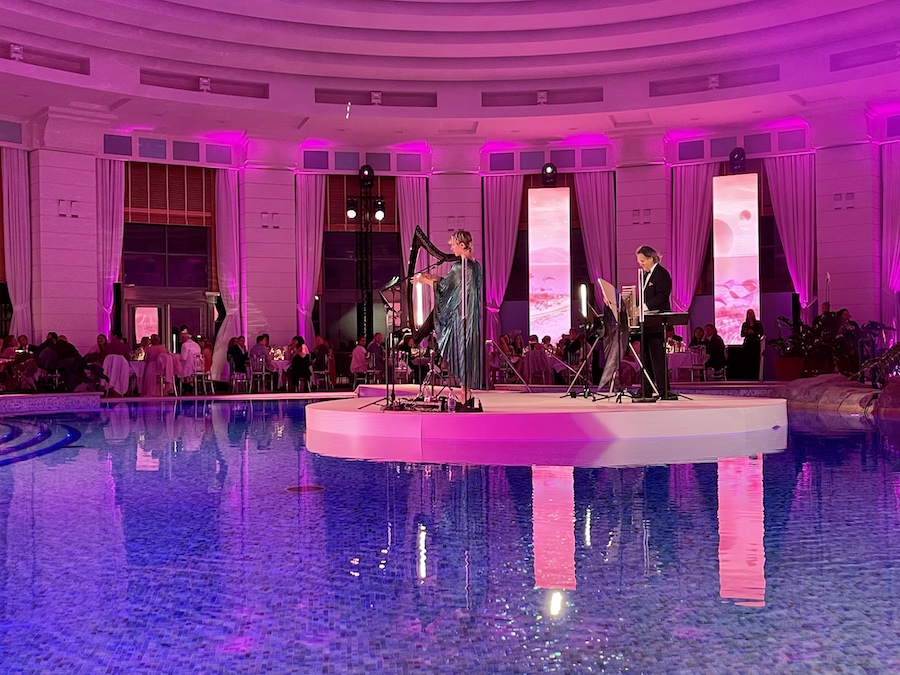
Harpist Naomi Greene joined an orchestra in performing pieces by celebrated composer Thomas Roussel, the futuristic sound of a Cristal Bachet serving as a highlight of the evening.
Spectacular performance by Harpist Naomi Greene and the orchestra, photo by Monaco life
Monte-Carlo SBM CEO Jean-Luc Biamonti thanked guests for taking part in the evening, reminding them of SBM’s commitment to Joie de Vivre, but also to the plight of the Ukrainians through the sale of around 100 art installation spinning wheels for the benefit of the victims of war.
It was a spectacular end to another unique programme of events organised annually by SBM as part of its ‘Great Art of Living’ philosophy, delivering one-of-a-kind experiences at the company’s hotels, spas and restaurants, and maintaining the legend that is Monaco.
Click on our Instagram post below to see more images and videos…
While My Yacht Group is primed to ride the swelling wave of F1 popularity across the Atlantic, the Principality-based company will celebrate 15 years at the Monaco GP. Co-founder Nicholas Frankl shares with us his plans for the busy 2022 racing calendar.
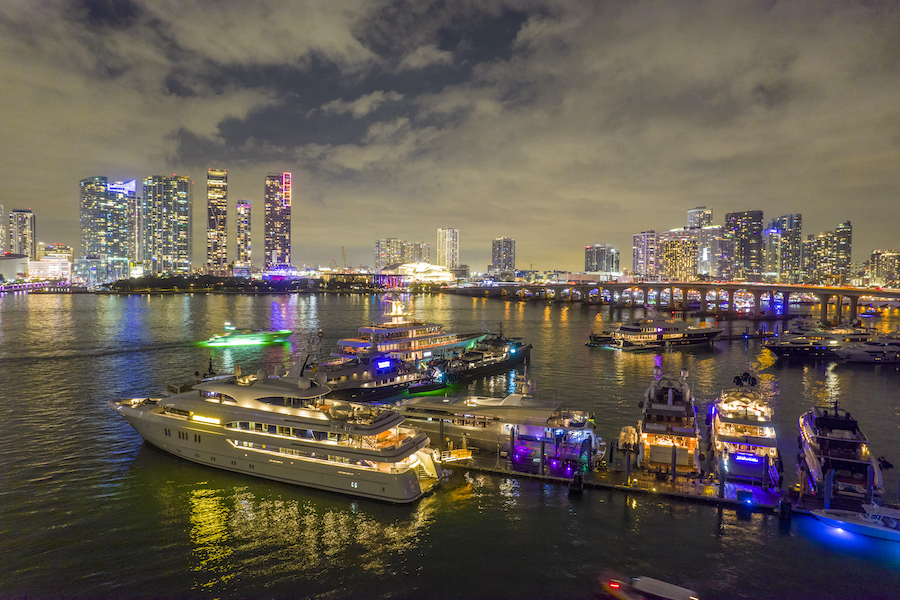
Glamour and motorsport tend to go hand-in-hand, especially Formula 1. Accustomed to playing a nexus role and uniting these elements in Monaco each year, My Yacht Group is setting its lofty gaze further afield this year as they prepare for the first Miami Grand Prix.
As Co-Founder Nicholas Frankl told Monaco Life, “You want to be on a superyacht, that’s the special magic of the harbour of Monte-Carlo.” Now, they’re taking that “magic” to Florida as the sporting world, as well as the yachting and hospitality communities, prepare for the latest addition to an ever-expanding F1 calendar.
The race, which takes place on 8th May, will do so in one of the least glamorous settings – a car park. This led then Race Director Michael Masi to say in November that “it’s far from a race in a car park,” and that it will be “something unique.”
The original plan for the Miami circuit was for it to run around Biscayne Boulevard and downtown Miami. That plan was ultimately foiled, but is one that, according to automotive writer Frankl, might have gone through if it were proposed today. “At the time, Miami and Miami locals didn’t really know a lot about Formula 1,” he began.
“I have a suspicion that the mayor, who is pro-business and pro-Miami, and governor Ron DeSantis would have made it happen. Also, locally, I suspect that there would be a much higher level of support, because now thanks to Netflix and their documentary series ‘Drive to Survive’, it’s the biggest growth sport in America today.”
The race in Miami has been sold out for weeks. Offering a different kind of experience, and a VIP one at that, will be My Yacht Group, who are primed to ride the swelling wave of F1 popularity across the Atlantic.
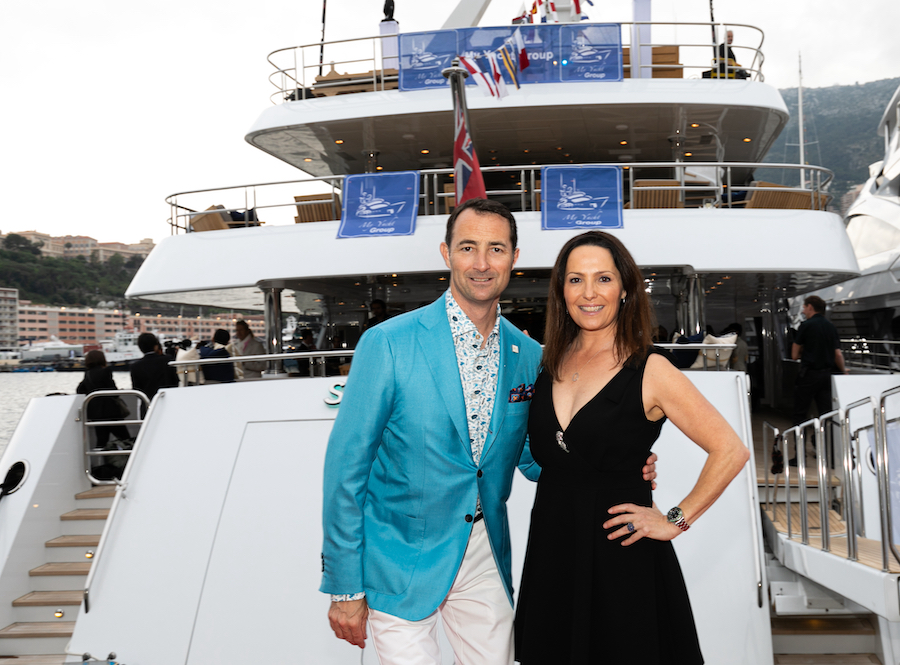
Frankl, who co founded My Yacht Group with his sister Annabelle, detailed their upcoming super yacht party in the ‘Sunshine State’: “We are very well known for hosting sophisticated, fun and elegant super yacht parties, always charity related and charity themed, and so that is exactly what we’re doing on a special boat called Gene Chaser, a 55m research vessel.”
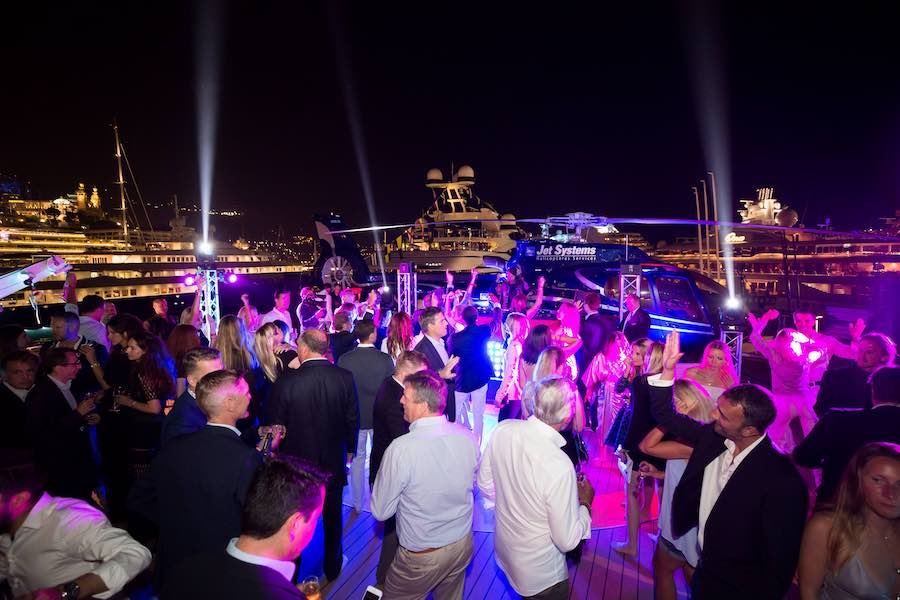
“They have labs on-board, as well testing facilities and a mobile MRI machine, so it’s very much a technical showcase. We are hosting a business networking and investor reception for a curated guest list of only 100 people, representing around $250bn of net worth,” says Frankl. “We will then turn it into a My Yacht Club, which is the pop-up nightlife experience we’ve successfully hosted at the Austin GP since 2012. It’s a combination of a charity and investor reception, then a full-on party, DJ, bottle service, VIP event… We have partnered with world-famous celebrity chef Todd English, who will be personally catering on-board for our guests.”
Frankl also revealed that they will be running an event at the inaugural Las Vegas Grand Prix in November 2023, a race that was announced back in March and will be the third US GP on the calendar. Frankl, however, isn’t worried about F1 saturating the American market. “I think the US can easily absorb three races,” he says.
15 years of Monte-Carlo glamour
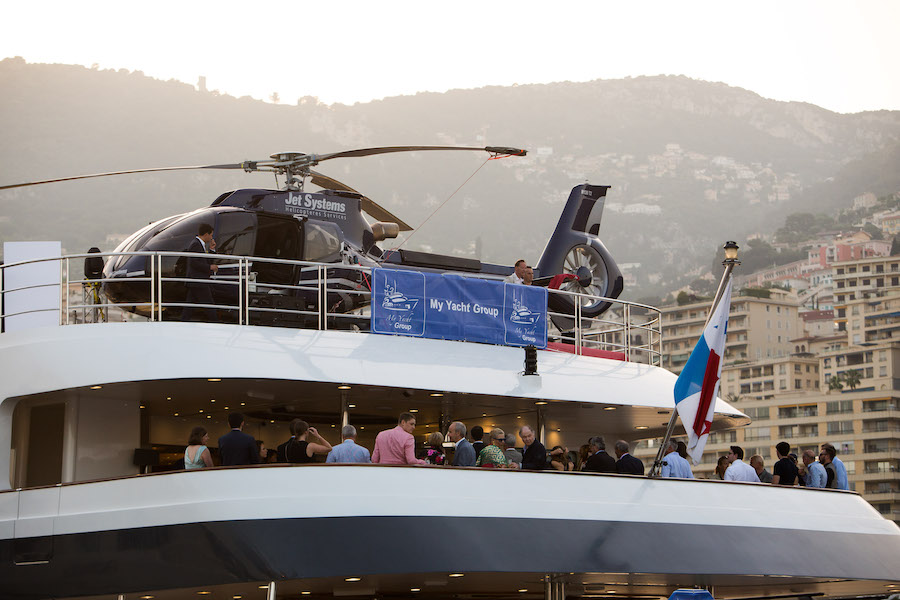
Heading back to more familiar shores, just as they have been for the last 15 years, My Yacht Group will once again be hosting a full track side super yacht hospitality weekend and their popular Friday night party during this May’s Monaco Grand Prix.
After last year’s more muted event, which involved two private astronaut receptions, My Yacht Group returns to normality in style. In what Frankl describes as a “huge charity weekend”, guests will board the DB9 yacht, acquired in the auction at the Prince Albert II of Monaco Foundation gala back in September. “All the proceeds from that auction item, which is several hundred thousand euros, went to the Prince Albert II of Monaco Foundation, and we are very proud to be promoting and supporting the PA2F once again throughout the weekend,” said Frankl.
My Yacht Group has just released three on-board luxury cabins for “the ultimate experience”. Guests will be able to stay in Port Hercules during the Grand Prix weekend, trackside, as well as mingle with VIP guests.
“We will have commander Michael Lopez-Alegria, a five-time world-record holding, US hall-of-fame astronaut who has just arrived back from the International Space Station (ISS). He is commander of the first all-private mission to the ISS with Axiom Space, a company that I and several other Monaco residents invested in.”
Frankl says it would be great to help send a Monegasque to space. “We would love to take the first Monaco astronaut to the ISS. It would be incredible to see a member of the Princely family, or a Monegasque citizen, spend 10 days aboard, conducting medical and scientific research for humanity.”
Commander Lopez-Alegria will be attending both the Miami and Monaco VIP events, as well as representatives from Vita Inclinata, a manufacturer that has designed a “life-saving autonomous power system” to stabilize cradles on helicopters and cranes. The company recently delivered $500,000 worth of their equipment to Ukraine, and trained Ukrainian medevac crews how to use it during the ongoing war. They will exhibit their technology on the superyacht crane in Monaco over the GP weekend. “That’s the first time it will be demonstrated in this way,” revealed Frankl.
MonacoTech and French incubator IMT Nord Europe have officially signed a pact to work together toward the common goal of helping select emerging companies rise to the top of their games.
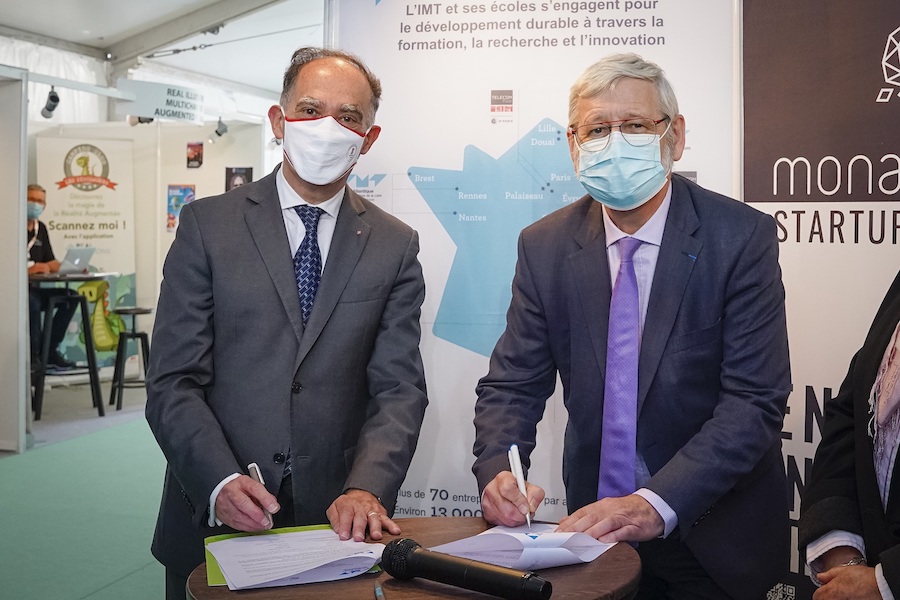
MonacoTech, the start-up incubator founded in 2017 by the government, Monaco Telecom and Xavier Niel, has signed a formal collaboration agreement with French incubator APUI- IMT Nord Europe, part of the University of Lille and Institut Mines-Télécom, to expand their reach.
At the recent Ever Monaco Forum, Jean Castellini, President of MonacoTech and Minister of Finance and Economy, alongside Alain Schmitt, Director of IMT Nord Europe, confirmed the collaboration agreement signed in 2021 between MonacoTech and the APUI-IMT Nord Europe incubator.
“I am very happy today to confirm, after a year of partnership, the collaboration agreement initiated last year between APUI-IMT Nord Europe and MonacoTech, in order to support and develop innovation in areas in which our two organizations are particularly involved: the environment, energy and digital technology,” Mr Castellini said of the affiliation. “Innovation is virtuous in that it benefits the economy, the general interest and our territories. This is the meaning of this partnership.”
The two institutions share a number of values, in that both are striving to work with companies who are developing innovative business models, particularly in the Green Tech and Clean Tech, sustainable cities and smart building sectors.
Since their combined efforts first began a year ago, the two entities wanted to publicly reaffirm their joint commitment to start-up creation and expansion in both territories, giving the new businesses a chance to benefit from the expertise and knowledge offered by both MonacoTech and APUI-IMT Nord Europe, as well as give representatives from these new companies the opportunity to meet other like-minded businesspeople and form potential synergistic alliances.
“This partnership represents added value for both structures in their mission to support entrepreneurship and economic development,” said Alain Schmitt. “Through this collaboration, we want to give our startups the opportunity to open up to new horizons and to exchange with the economic and institutional players in the Principality of Monaco’s ecosystem.”
The Start-Up Village at the EVER Monaco event gave a glimpse at what the future of this partnership will look like, with four start-ups from MonacoTech and three from APUI-IMT Nord Europe on hand.
Photo source: MonacoTech
Vandoorne wins Monaco ePrix as Princess makes public return
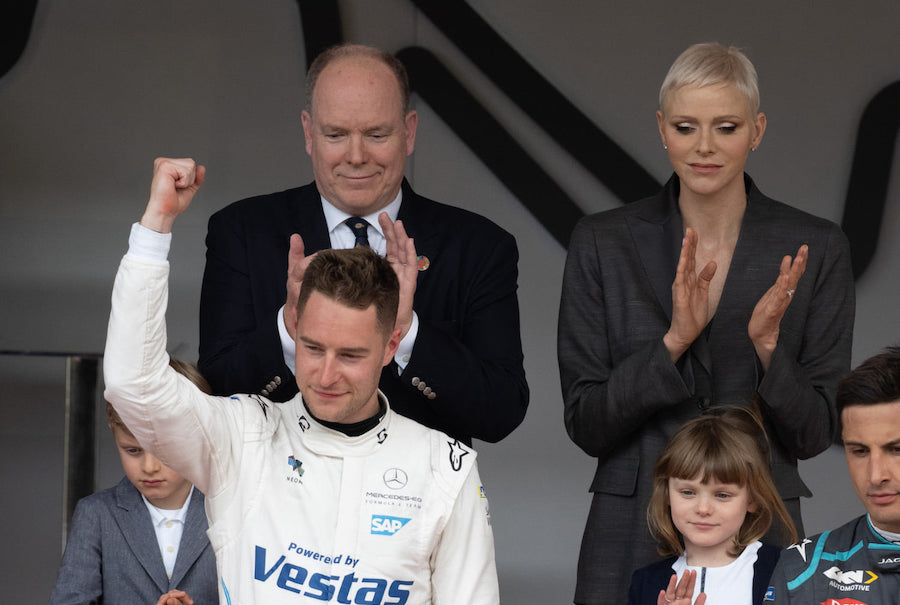
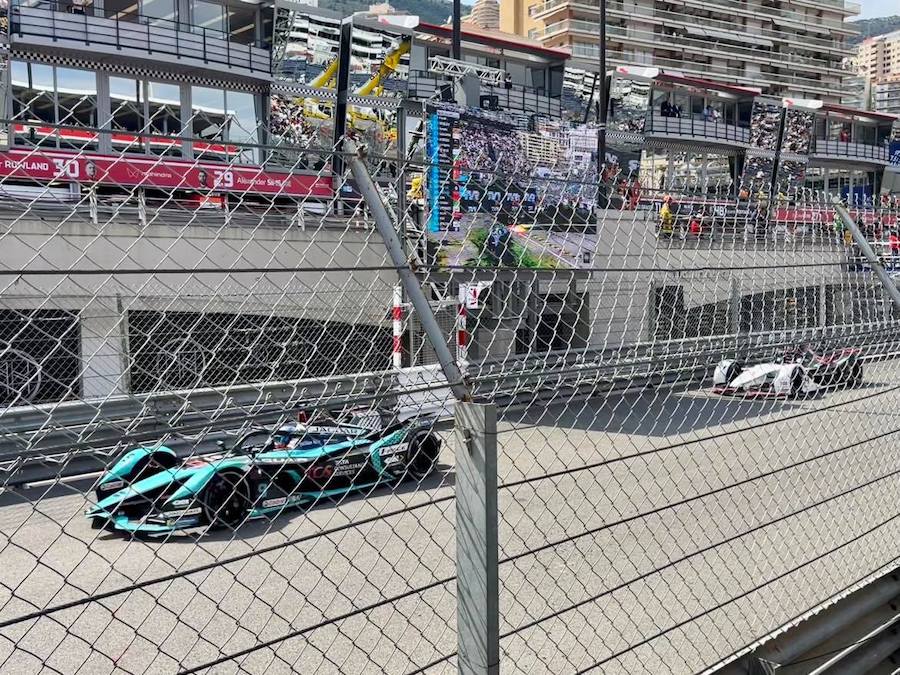
Stoffel Vandoorne pulled off a stunning drive to win the fifth Monaco ePrix on Saturday, as Princess Charlene made her first public appearance in over a year for the trophy ceremony.
It was a beautiful day in the Principality as people from across the world descended for race day, the grandstands filling up early ahead of a long day of competition through the iconic streets of Monte-Carlo. The stars were also in attendance. Nico Rosberg, former Formula 1 world champion and now owner of Extreme E team Rosberg X Racing, lapped up the atmosphere. The Extreme E boat, the Saint Helena, was in fact docked in the harbour, but the attention on Saturday was on a different type of electric racing.
It was the first time since 2019 that fans were in attendance, and those that got there early saw New Zealand driver Mitch Evans, who was looking for his third consecutive win, claim pole from Pascal Wehrlein.
Photo by Luke Entwistle, Monaco Life
2019 Monaco ePrix winner Jean-Eric Vergne qualified in third and Stoffel Vandoorne would start the afternoon race in fourth. ROKiT Venturi racing had a mixed qualifying on home turf. Whilst Lucas Di Grassi managed fifth, Edoardo Mortara only managed 16th in what would turn out to be a frustrating day for the Swiss driver.
The drivers kept it clean off the starting grid, with little change up front at lights out. Evans and Wehrlein, however, struggled to pull away. When the former was then told to save energy, rivals smelt the sense of opportunity.
Wehrlein looked the most likely to profit, and may have done so if not for his machinery letting him down, as the German was forced to stop on track. Having passed Evans, Vandoorne was now in control of the race, and looked to have the pace to construct a lead.
Contact between Oliver Rowland and Andre Lotterer at Sainte-Devote, however, brought out the safety car and the field was once again bunched back together.
Meanwhile, slightly further back, Di Grassi enjoyed a quiet, albeit ultimately rewarding race, finishing in p6. The same cannot be said for Mortara, whose miserable day ended in retirement in the closing stages.
Vandoorne took the chequered flag having not looked like giving up his lead, despite the late safety car giving his rivals a glimmer of hope. Evans, having passed Vergne, took second, and the latter rounded off the podium.
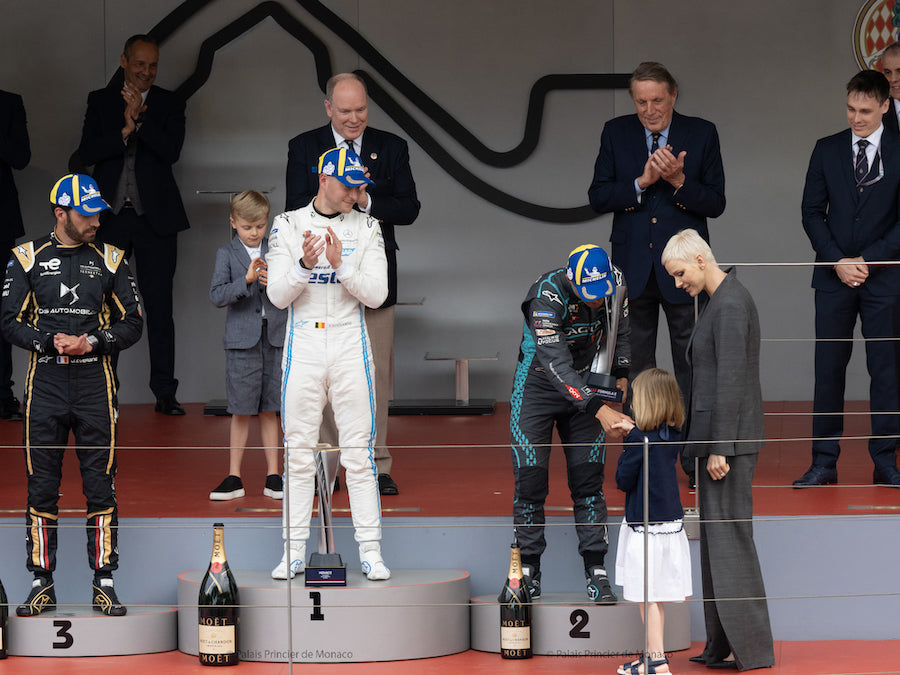
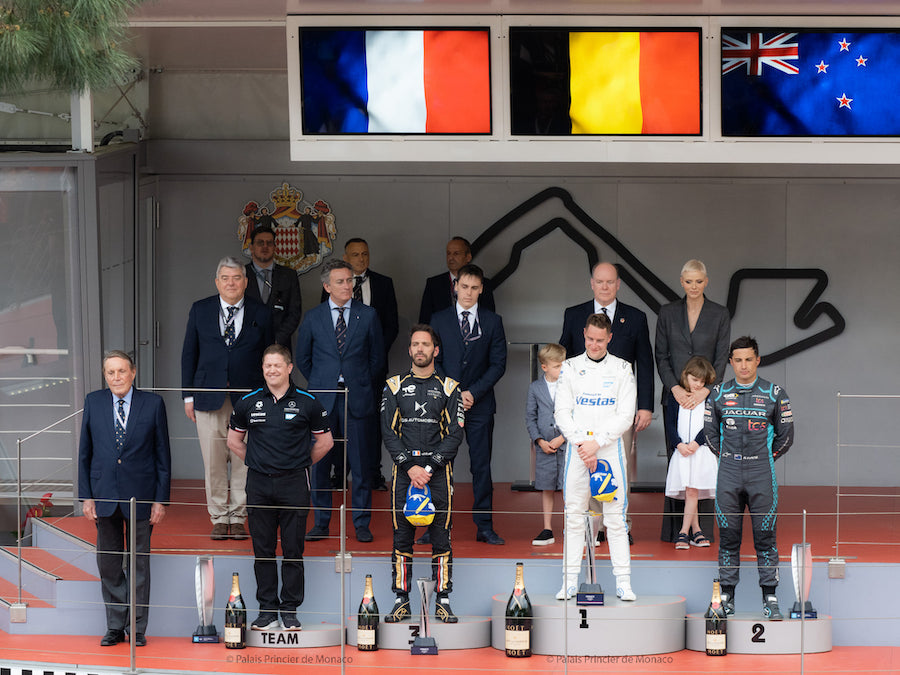
Prince Charlene and Princess Gabriella at the award ceremony for the Monaco ePrix, photo by Eric Mathon, Prince’s Palace
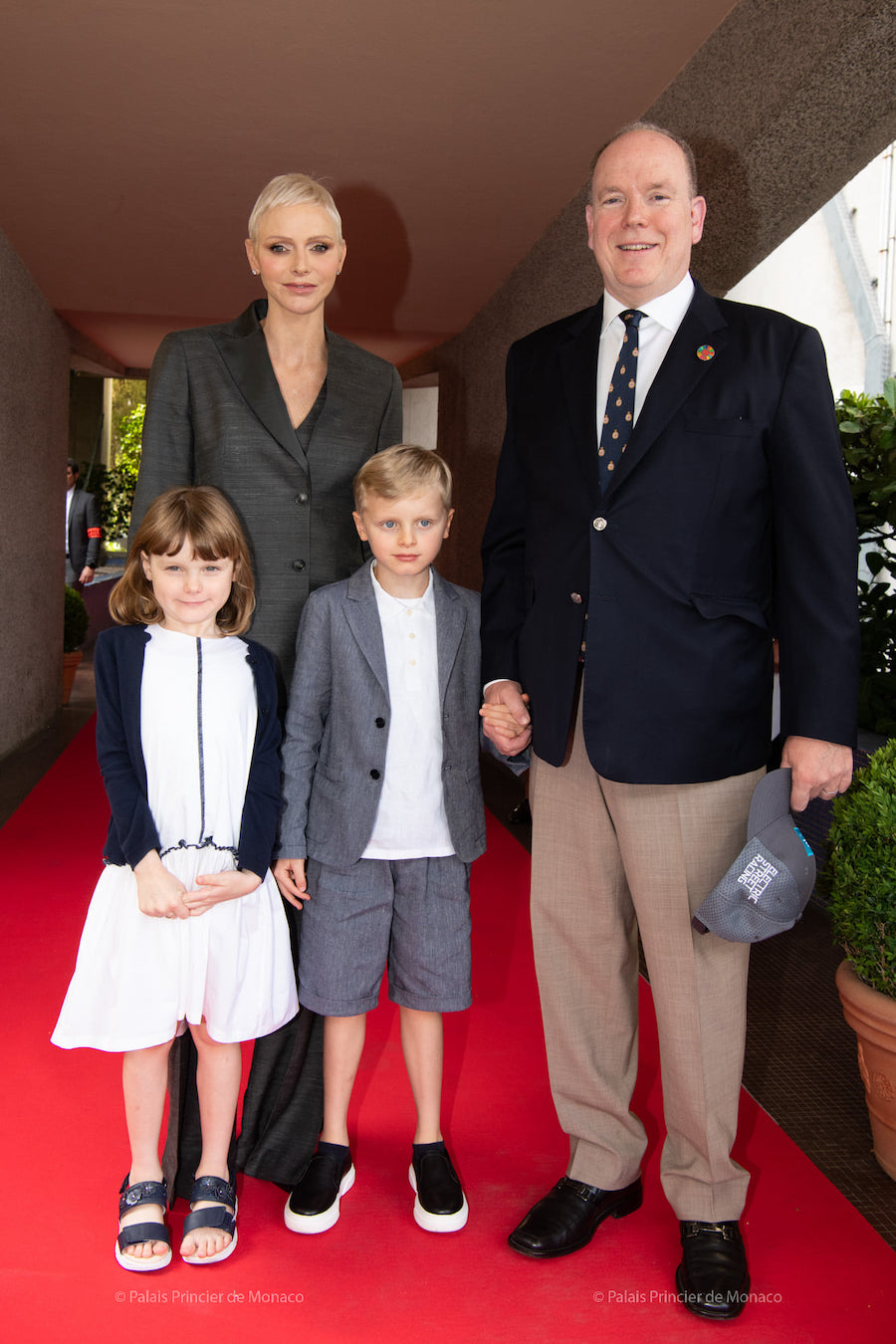
Princess Charlene, making her first public appearance in over a year, was present at the trophy presentation ceremony, handing the second-place trophy to Evans, whilst Prince Albert II, Princess Gabriella and Prince Jacques were also present and involved in the ceremony.
Post-race, winner Vandoorne reflected on a special win, having fallen short on other occasions this year. “For any driver, it’s such a special race… we’ve always been fighting at the front this year and I’ve qualified on pole but just couldn’t convert them into victories. But now, from fourth, it was finally my turn.”
Venturi team principal Jerome d’Ambrosio also reflected on his team’s mixed bag. “It was great to be back in Monaco this weekend. A home race is always very special, but to have a home race at motorsport’s most famous circuit is incredible,” he began.
“From our side, it’s good to come away with some points, but unfortunately, today is a day where we could have picked up more points… In the final stages, Edo and Lucas made contact with one another in the Nouvelle chicane. Seeing our drivers collide on track is unacceptable. It’s disrespectful to the team, to the work that everyone puts in and it should never happen.”
The world’s biggest electric racing series next heads to Berlin in two weeks time, where Venturi will be looking to get their title challenge back on track.
See more photos by clicking on the gallery below. Photos by Eric Mathon, Prince’s Palace…
Abercrombie & Kent celebrates 60 years of pioneering travel
Multi-award-winning luxury travel company Abercrombie & Kenthas been at the forefront of luxury adventure since it was founded by Geoffrey Kent and his parents 60 years ago. The company has since charted an innovative course, beginning in the wilds of Africa and growing to become the largest luxury travel company in the world.
Geoffrey Kent redefined luxury travel with the philosophy of “shoot with a camera, not with a gun”. Other safari outfitters relied on hunters, but Abercrombie & Kent (A&K) was the first to introduce refrigeration, making it possible to have fresh meat, vegetables, and ice in the bush. “It all started quite modestly,” explains Kent. “We had no ambitions to take over the world, we just wanted to keep the refrigerated truck running so that the ice wouldn’t melt and the meat wouldn’t spoil. I knew that the secret to making someone feel at home in the middle of nowhere was a hot dinner and a cold drink. Simple as that.”
To celebrate the company’s 60th anniversary, A&K experts have selected iconic experiences representing the past six decades for the Greatest of All Trips (GOAT), an around-the-world itinerary showcasing 13 countries on all seven continents, encompassing national parks, UNESCO World Heritage sites, endangered animals and much more.
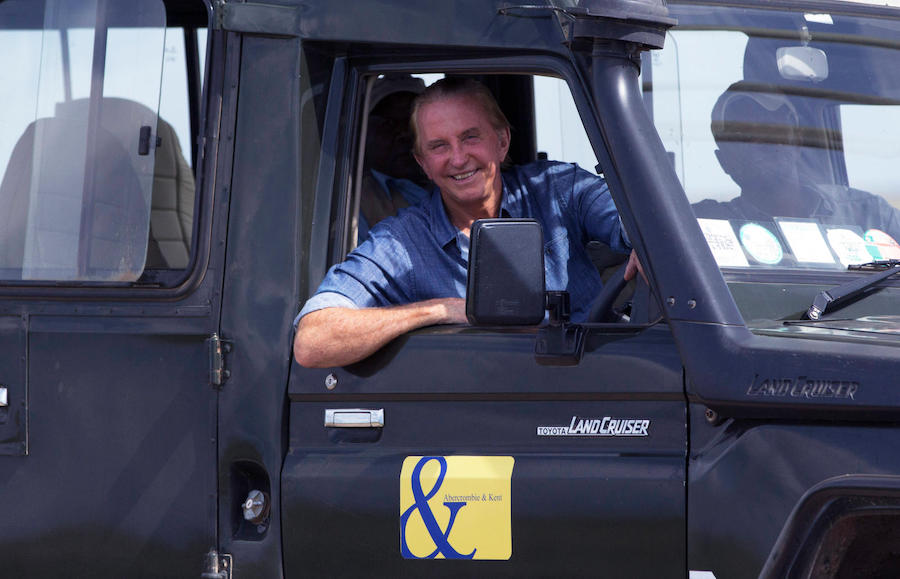
Geoffrey Kent in Africa, Tanzania
East Africa
The adventure begins where A&K started in 1962 on a Ultimate East Africa Safari. One of the wonders of the natural world, more than 1.4 million wildebeest — along with gazelles and zebra — stampede Lion King-style, following the rains from the Serengeti to the Masai Mara, the largest migration on Earth.
A&K was founded on a belief in sustainable, nature-based tourism and was a pioneer in gorilla tracking in Uganda. “I worked with the president to set aside Bwindi Impenetrable Forest, now home to half of the world’s surviving mountain gorillas. Today the sale of gorilla tracking permits contributes more than $1 million to the local economy. At the same time, we have not forgotten the human population. Through Abercrombie & Kent Philanthropy, we’ve built a hospital that has helped to reduce infant mortality by more than 50 percent,” explains Kent.
Egypt: A Journey Back in Time
Egypt was A&K’s first destination outside sub-Saharan Africa. “Egypt is a place everyone must experience at least once in their lives,” says Kent. “Sailing on the Nile is like a trip back in time.” To guarantee the quality of the experience, A&K built the first ‘Sun Boat’ and today its award-winning Sanctuary Nile River cruisers offer privileged access to the country’s most famous sites, accompanied by the region’s best Egyptologists in Egypt in Style.
India, Agra
The Treasures of India
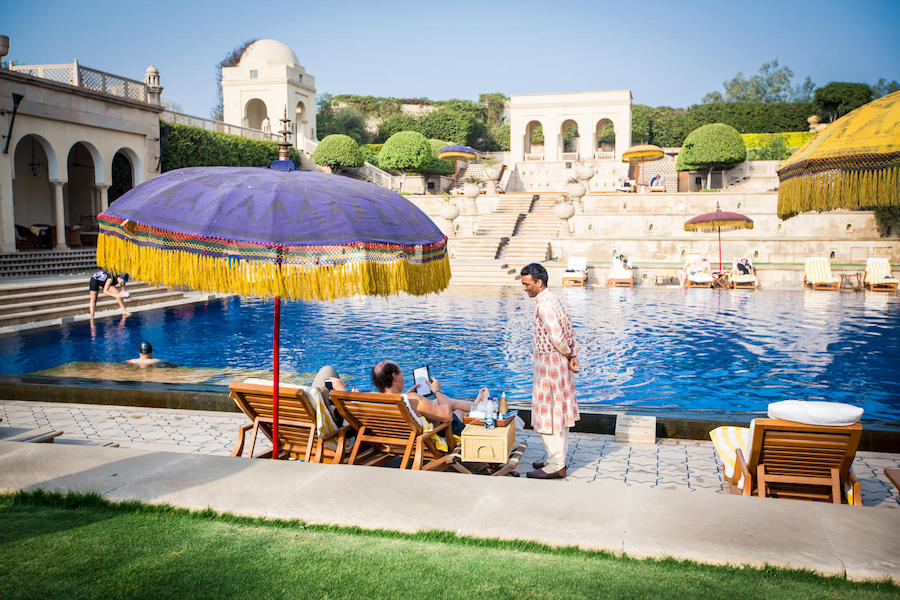
Having played polo in India, Geoffrey Kent knew many of the royal families of Rajasthan who welcomed guests and converted their palaces into extraordinary hotels, so India became A&K’s next destination. Classic Northern India opens doors to these artistic traditions, with opportunities to see the Taj Mahal at sunrise and sunset. The national parks are a veritable Jungle Book of wildlife, including the elusive Bengal tiger.
Angkor Wat
A&K was one of the first tour operators in the region and today its local experts bring travellers on a personal journey to meet specialists in culture, food and history, discovering centuries of art and architecture, cycling through rice fields and trekking through valleys to truly understand the kingdom’s heritage and the historic links between Vietnam, Cambodia, Laos on Indochina Adventures, add Thailand with Classic Thailand.
Australia
Australia: Down Under
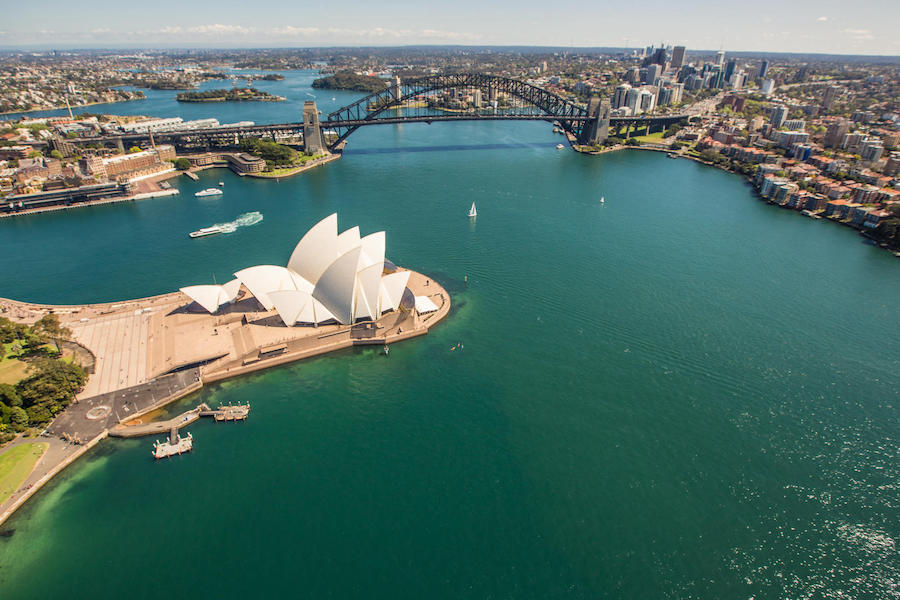
Cruise Sydney harbour with a glass of Australia’s finest wine. Dine in the desert under the stars, gazing up at Uluru (Ayers Rock), before rising early to watch the sunrise. Go walkabout in a UNESCO World Heritage rainforest with a local bushman. A&K has been revealing hidden corners of this remarkable landscape since 1986, travel on Classic Australia to experience the highlights.
Machu Picchu: Path of the Incas
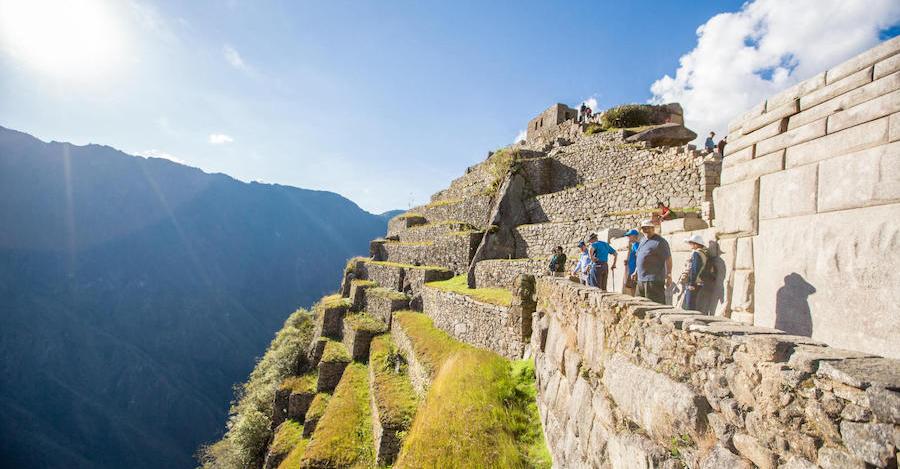
Travel by train through a narrow gorge surrounded by the snow-capped Andes, or trek the last portion of the Inca Trail, to the “Lost City” of Machu Picchu on Classic Peru. Enjoy a private lecture with a renowned scholar in Incan history before discovering the magnificent ruins in the company of a local expert guide. A&K’s long-standing roots allow guests an exclusive visit to a remote village to meet local residents for an inside look at daily life.
Antarctica: The White Continent
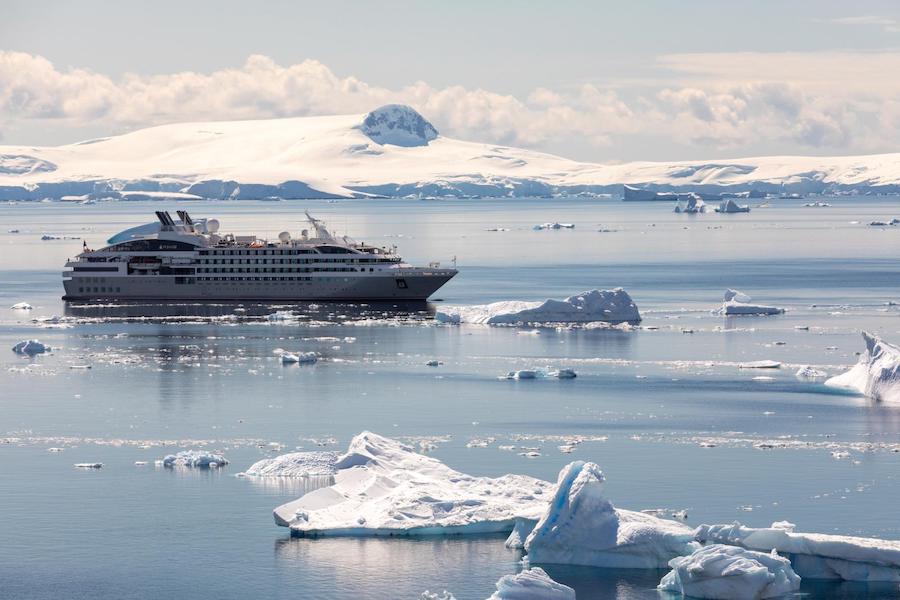
For more than 30 years, A&K has delivered intrepid travellers to a world where pristine ice and snow contrast starkly with the ever-changing sea and sky on a Luxury Expedition Cruise of a lifetime to Antarctica. Learn about the effects of rising global temperatures firsthand on Antarctica: A Changing Landscape with enthralling lectures, daily Zodiac excursions to the White Continent and wildlife from lively penguin colonies to several species of whales.
Antarctica
North America
Just as travellers were emerging from the pandemic, A&K expanded operations in the U.S. The growing demand for private bubbles inspired Tailor Made National Parks by Private Air. Experience the full majesty of Yosemite, the Grand Canyon and Yellowstone with expert local guides, flying by privately chartered air from one awe-inspiring landscape to the next, enjoying five-star hospitality along the way.
Europe
Once in Italy, take in three of Italy’s most iconic cities. From Venice, with its romance-laden canals to Florence and its masterpieces and then Rome and its inescapable history. On Classic Italy expert A&K guides will unlock the secrets of this historic Italian trio, where A&K has been taking guests beyond the guidebooks since 1997.
Photos provided by Abercrombie & Kent
Monaco startup secures major client in Monaco Telecom
Pineappli, a start-up supported by the MonacoTech incubator, has managed to secure Monaco Telecom as its first major client, providing digital solutions that the company will eventually rollout on a large scale.
Pineappli helps companies make the transition to digital, providing secure digital solutions for the dematerialisation of documents.
It was announced on Monday that Monaco Telecom has now entrusted the digital transition of its payslips to the start-up, covering nearly 250 employees each month. The partnership will mean that the company saves significant time and money through a simplified system, while eliminating paper usage and helping to protect the environment.
Under the system, each employee has their own “digital safe” in which their payslips are deposited after being stamped with an electronic certificate issued by the Department of Economic Expansion on behalf of Monaco Telecom.
“We can only be delighted with this collaboration with Monaco Telecom, which highlights both the performance and the extent of the possibilities of the Pineappli solution, which is 100% Monegasque,” said Jean-Marc Riestch, founding president of Pineappli, in a statement. “We hope that this example of success can be used to boost the entire Monegasque economic fabric in an environment fully focused on the digital transition.”
Monaco Telecom, a co-founder of MonacoTech, says it plans to use Pineappli’s digital solutions for other contractual documents, in particular electronic signatures.
“With this paperless and secure solution offered by Pineappli, Monaco Telecom is taking a new step into the digital age while meeting security of data protection, initially of the company’s employees, and tomorrow of our customers,” said Martin Péronnet, Managing Director of Monaco Telecom. “This approach is part of our active participation in the Extended Monaco project. It also meets our commitments under the National Transition Pact by promoting dematerialisation, a virtuous circle which is also supported by a collaboration with a MonacoTech start-up, and which proves the quality of the projects initiated in the Principality.”
Photo by Glenn Carstens-Peters on Unsplash
All the headlines and highlights from Monaco, direct to you every morning