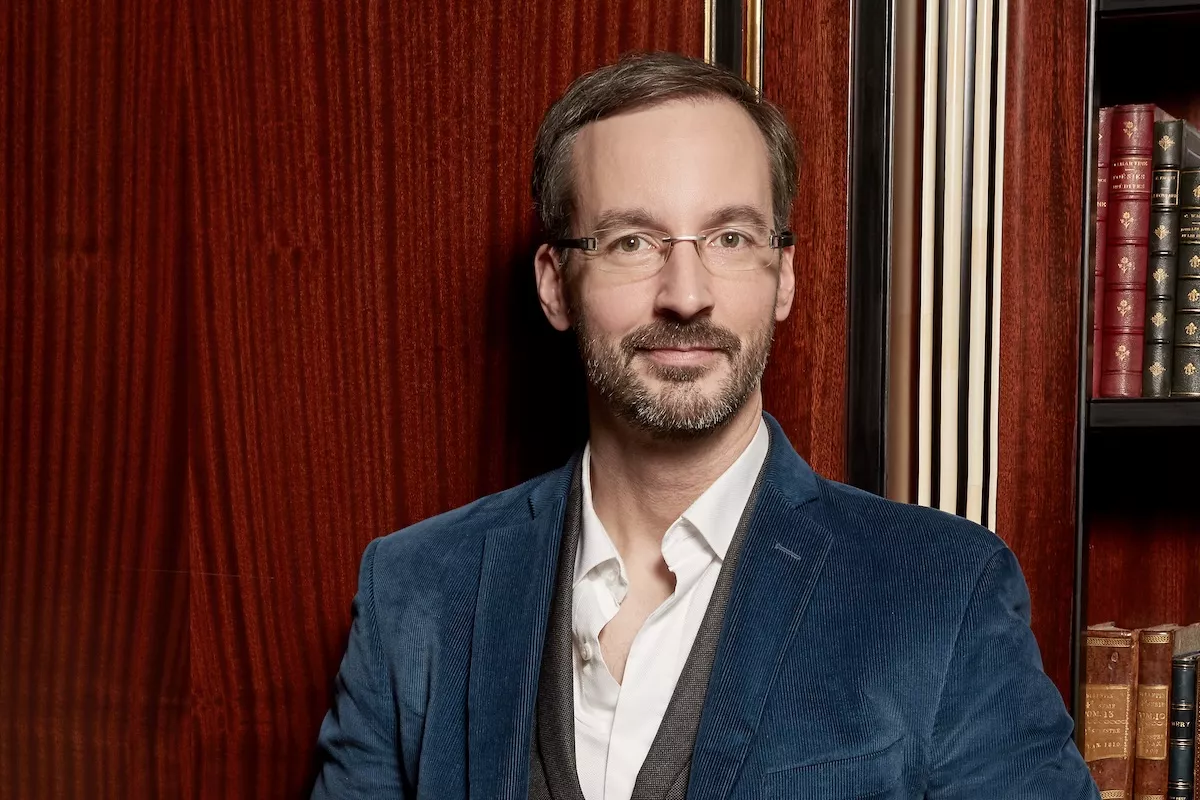
Interview: Benoît Miniou – the dream catcher sending Princess Grace’s rose to space

There is no website. No boutique. No collection. Benoît Miniou — former director at Hermès, founder of Les Ateliers Victor and Benoît Miniou Studio, is a man whose clients include governments, embassies and some of the wealthiest individuals on the planet — and he operates almost entirely in the shadows. 

“What’s important is the story,” he says, when asked about the deliberate discretion. “I’m the creator of someone’s story. I want the focus, I want the light, to be put on the story.”

The story Miniou is currently telling — the one that has brought him to Monaco, that inspired this year’s Bal de la Rose and that will, early next year, see a rocket carry Princess Grace’s roses into orbit — is perhaps the most personal project of his career. For once, the dream he is catching is his own.

From Hermès to dream catcher

Miniou spent years as a director at Hermès, one of the most demanding schools of excellence in the luxury world. It was there that his “heart awakened to the beauty of the handmade”. 

At the inception of his practice, two convictions shaped his vision. The first was that he had fallen deeply in love with craftsmanship — not as an aesthetic preference but as a near-physical compulsion. The second was that the wealthiest people in the world were quietly, persistently unfulfilled.

“I realised that there was this demand from wealthy people to have pieces, experiences, that could be crafted only for them — very unique pieces,” he says.

He did not set out to fill that gap so much as step into it. Les Ateliers Victor was founded more than 15 years ago on a philosophy that is disarmingly simple: find out what someone truly wants — even when they cannot articulate it themselves — and bring it into existence.

“I just say I’m a dream catcher,” he says. “I go into your heart, into your soul, and seek out what you really want. Sometimes you don’t even know what you want, or it’s hard to express, so I go dig in and search for it.”
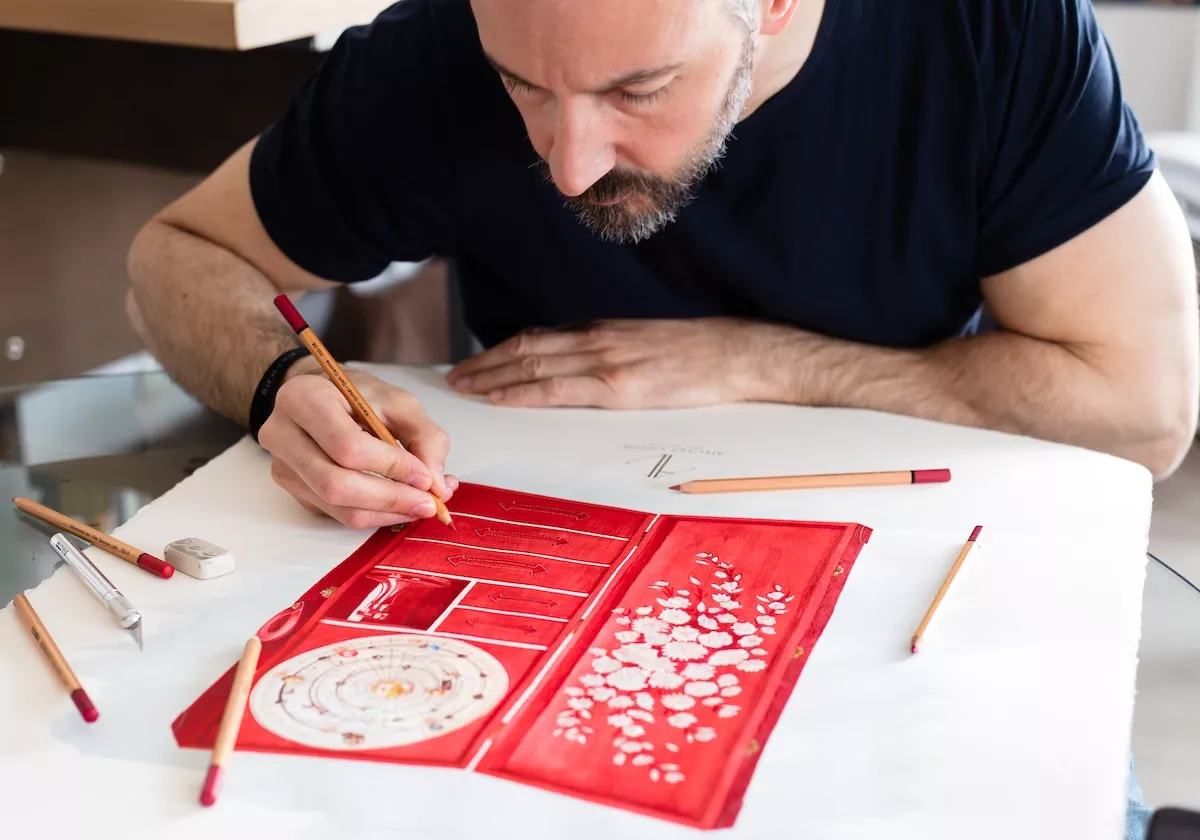
Benoît Miniou sketching

What emerges from that process has ranged from the intimate to the genuinely extraordinary. He has created what is believed to be the first functioning pistol crafted using moon rock. He has built bespoke furniture that encodes entire family histories — materials, engravings and hidden compartments carrying meaning only their owners fully understand. He has conceived haute joaillerie where each stone and setting maps a personal chronology: milestones, memories, symbols known only to the wearer. He has engineered treasure hunts in which the first clue is hidden inside the object itself.

Each project, he insists, involves rigorous research, collaboration with leading scientists or master artisans, and a philanthropic dimension. “I don’t want anybody to say, ‘Okay, yes, it’s pretty, but so what?’ I want it to be real. If we send a rose to space, then there is a scientific aspect. It’s not just a very beautiful poetry project. There is hard, strong science behind it.”
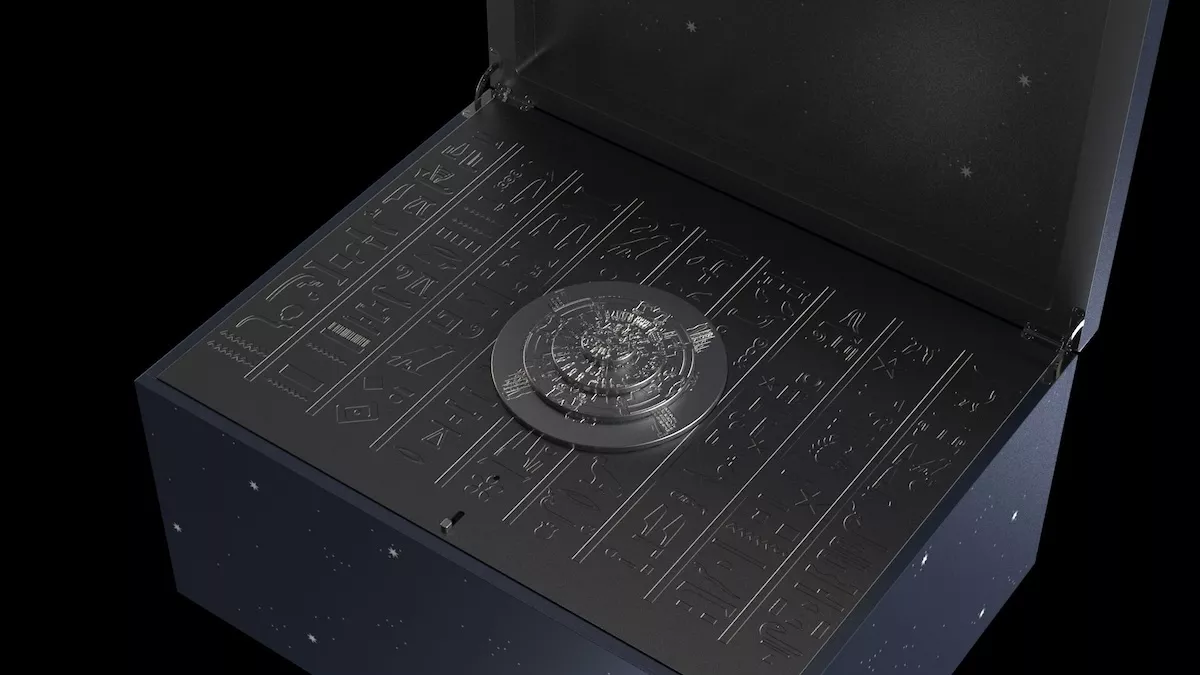
A rendering of a titanium case inspired by le Louvre’s Egyptian Department

The art of listening

What makes Miniou different from a luxury concierge or a bespoke craftsman is something harder to define — an almost clinical ability to hear what is not being said.

He describes a client who came to him wanting an exceptional gift for his wife’s birthday. The man was well-intentioned but verbally opaque. “He couldn’t, by nature, give me anything personal about his wife. Then something slipped out: during lockdown, his wife had loved puzzles. She had forced him to play them, and he had hated every moment.

“I said, ‘Guy, you know what? That’s it.'”

What emerged was a party in which every guest arrived carrying a single piece of a puzzle. Together, assembled across the evening, the pieces formed an image close to the wife’s heart — meaningful only as a whole, each fragment alone carrying nothing. “You find the importance in the details that perhaps a lot of people would not necessarily see for themselves,” he reflects.
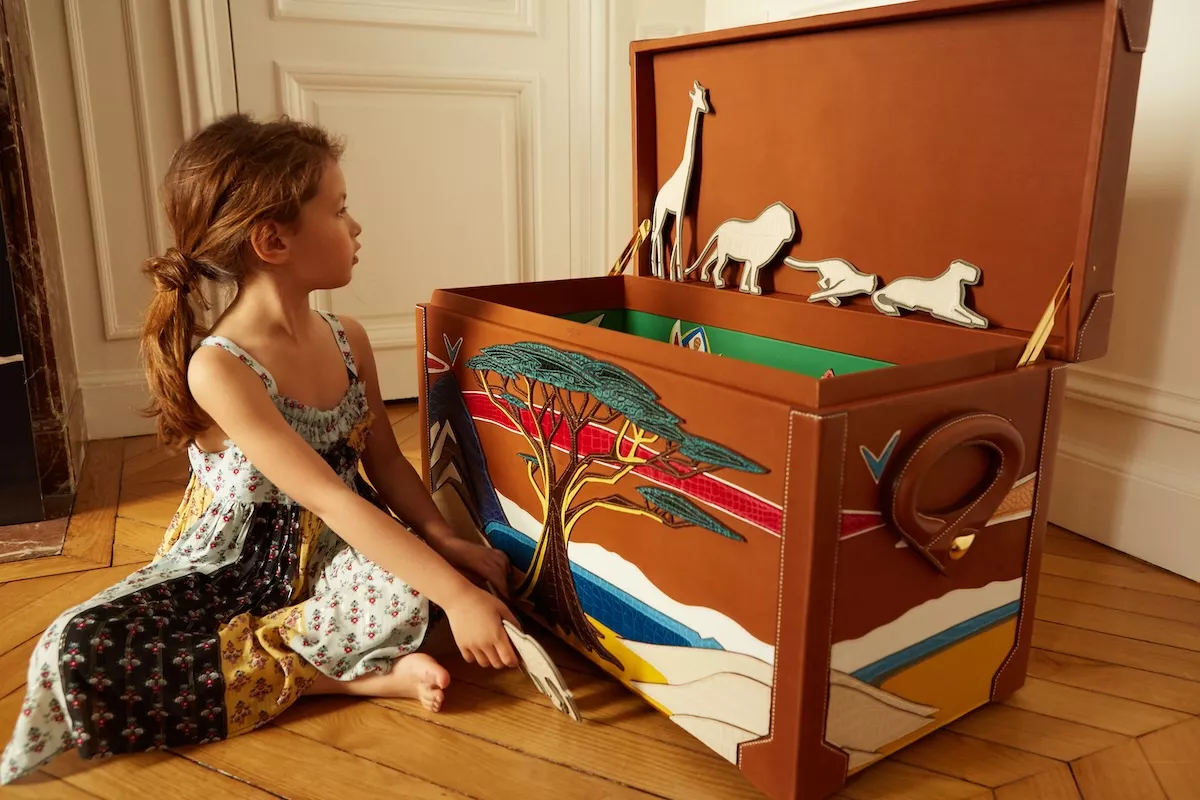
A custom trunk created for a pop icon and inspired by one of her songs and the Lion King

There is also the cigar trunk. A young woman came to him wanting something personal, something extraordinary. During their conversations, he sensed a particular closeness with her mother. A traditional hygrometer — the humidity gauge at the heart of any serious cigar cabinet — functions because of a simple physical fact: human hair expands and contracts with moisture, and that movement drives the dial. “It could be random hair,” Miniou told her. “Or it could be your mother’s hair.”

She is the only one who knows. Every time she opens that trunk, the connection is there.

What surprised him most in those early years was the emotional weight of the moment of delivery. Clients who had spent lifetimes acquiring extraordinary things were, on occasion, moved to tears. “I wasn’t expecting this,” he says.
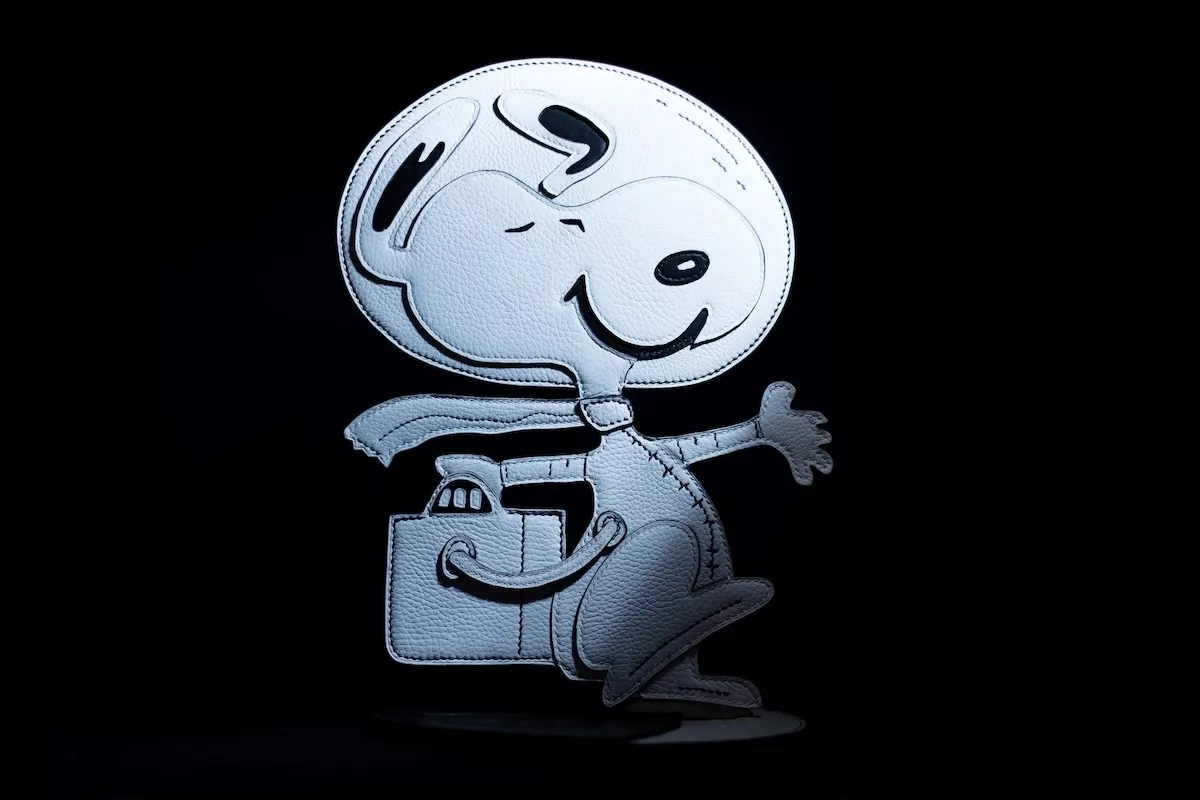
A leather sculpture of Snoopy specially commissioned for the NASA Administrator

His most audacious unrealised concept — one he describes as his “crazy” idea — involves a marriage proposal in which the fiancée watches a live feed of a rover on the moon approaching a small greenhouse containing a rose, with the words “Would you marry me?” engraved inside. The code to unlock the ring box is, of course, the word ‘yes’.

“Don’t let anyone tell you your dreams are too big,” he says. “It’s a message I love to be able to spread.”

The rose and the princess

Princess Grace has been a presence in Miniou’s imagination for years. Through his membership of the Monaco Private Label and regular visits to the Principality with clients, he began to build relationships with Monaco’s institutions and government. He started sharing a dream — a passion project, the kind he almost never allows himself.

“Normally, I go into your heart and soul to seek what you really want,” he says. “For once, I decided I would like to catch my own dream.”
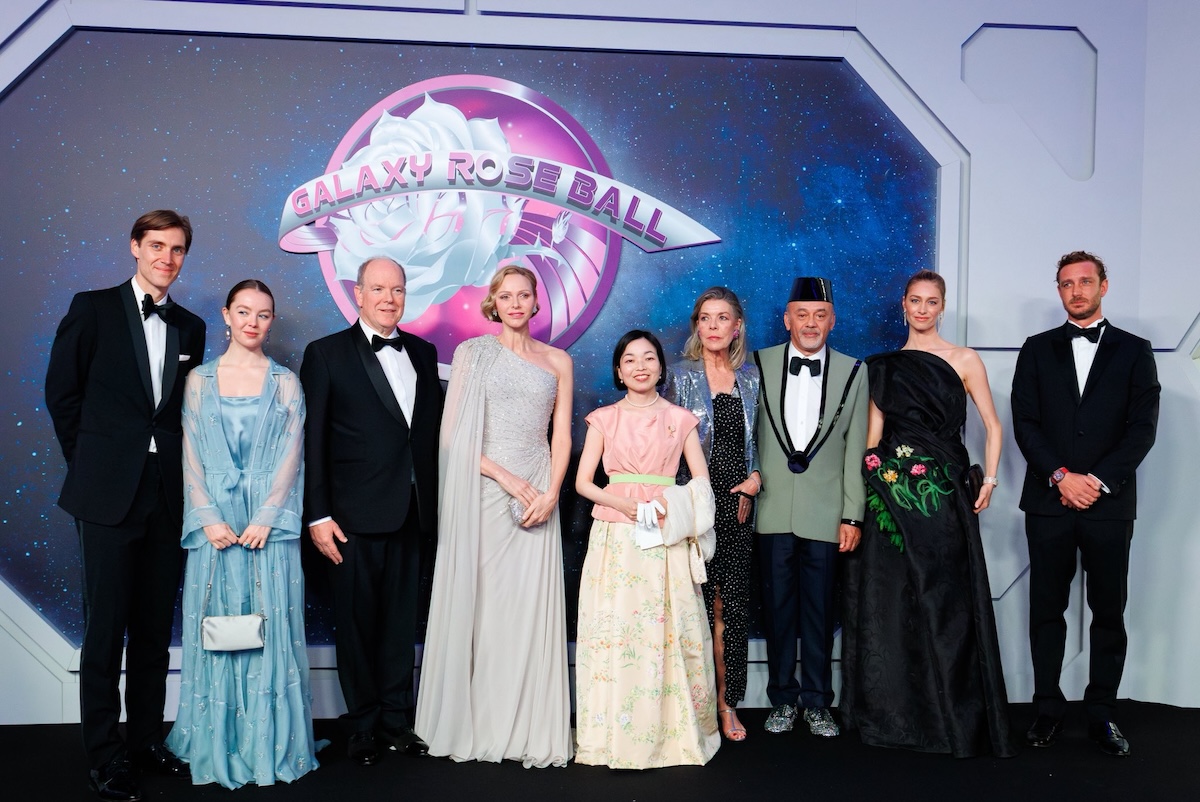
Prince Albert II and Princess Charlene at this year’s Galaxy themed Bal de la Rose with Princess Caroline of Hanover, Christian Louboutin, and members of the Princely Family. Photo source: Prince’s Palace

The project is this: the Meilland Princess de Monaco rose — the variety created in Princess Grace’s honour — will be sent into space, most likely aboard a SpaceX vehicle, with the International Space Station as an alternative depending on its operational timeline. The roses will spend between one month and six to eight months in orbit. They will not be grown in space; they will remain passive, exposed to conditions no rose has ever encountered in its evolutionary history.

“Microgravity is a stress the rose has never encountered in its entire history on Earth,” Miniou explains. “They experience differences of temperature, pressure, altitude — but the absence of gravity? Never. So by pushing them into this world where there is no gravity, they either die or they adapt.”

The scientific precedent gives him grounds for optimism. When grapevines were sent to space in a previous experiment, they returned demonstrably more resilient. They had developed a natural resistance of approximately 90 per cent to mildew — a disease that ordinarily requires heavy chemical treatment to suppress. Scientific papers have since been published on the results. Miniou expects analogous outcomes for the roses.

“If it works for roses, maybe it works for pears, apples, apricots. So poetic and scientific.”
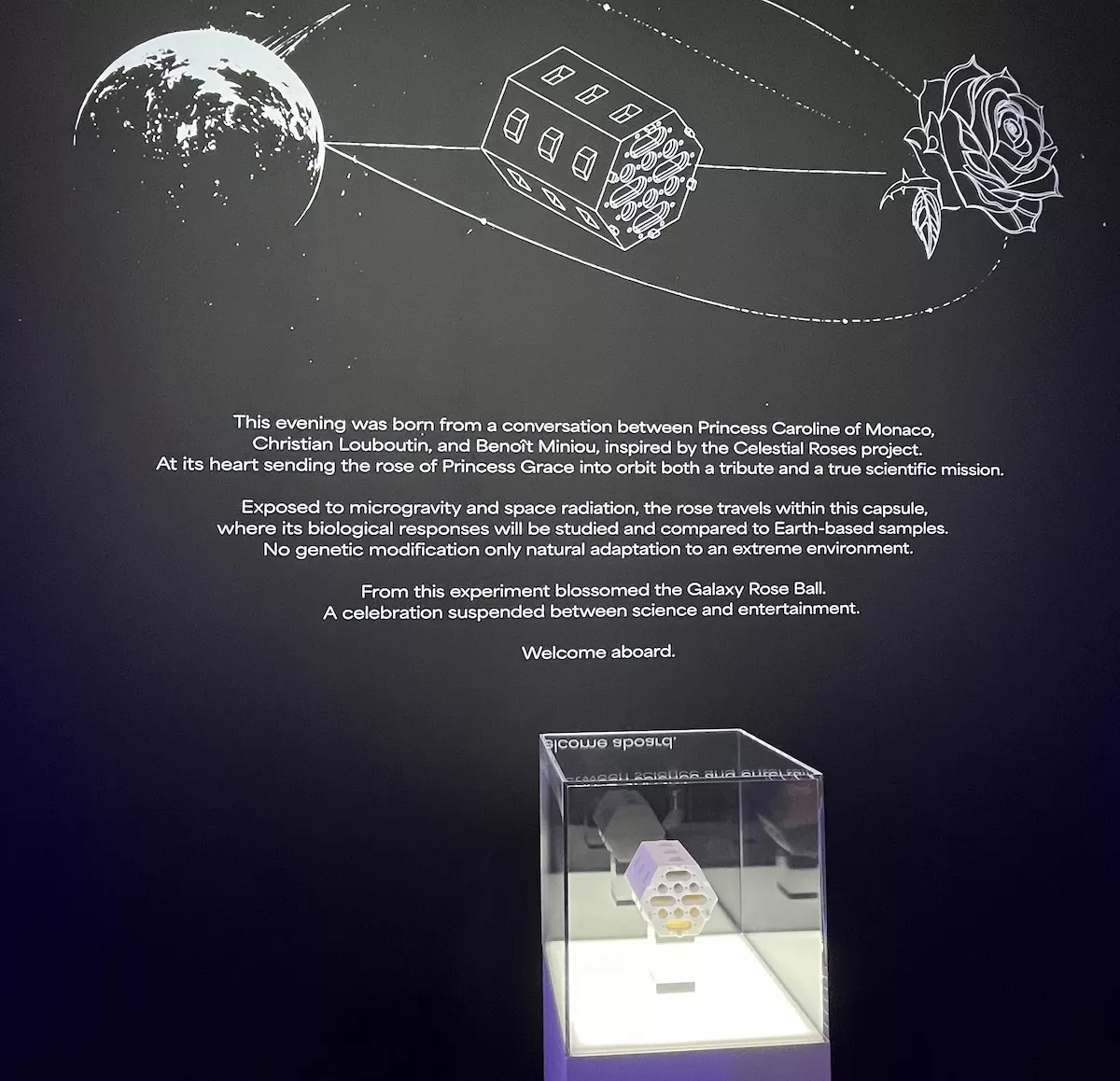
The concept was explained and displayed during the Bal de la Rose Galaxy 2026 event

The roses are currently held in laboratory conditions in Germany, where they have been studied for over a year to establish baseline data. When they return from orbit, Miniou’s scientific team will examine what has occurred at the DNA, genomic and microbiological levels. Some of the surviving roses will be planted in significant gardens around the world — possibilities under discussion include the Robert Louis Stevenson School in Pebble Beach, California, and the Villa Albertine in New York, where a sculpture of Le Petit Prince now stands outside the library. In his most cherished scenario, one of the returned roses might eventually be planted in the Princess Grace Rose Garden in Monaco, where Prince Rainier III created it in her memory after her death in 1982.

Miniou emphasises that all resulting scientific data will be publicly accessible. “I want this research to belong to the world—to allow it to flourish, freely and without constraint,” he says.

The Bal de la Rose and a princess’s legacy

Grace Kelly inspires Miniou in ways that go beyond the botanical. She was an Oscar-winning actress who became a princess; an American who became Monaco’s most internationally recognisable figure; a woman of genuine cultural conviction who used her position in service of art, children and humanitarian causes. “She inspires us, even to this day,” he says simply.

It was therefore significant when Princess Caroline of Monaco indicated that this year’s Bal de la Rose — the annual gala held in support of the Princess Grace Foundation, one of the most storied events in Monaco’s calendar — would take its theme from the rose-in-space project. Designer Christian Louboutin transformed the evening into something galactic.
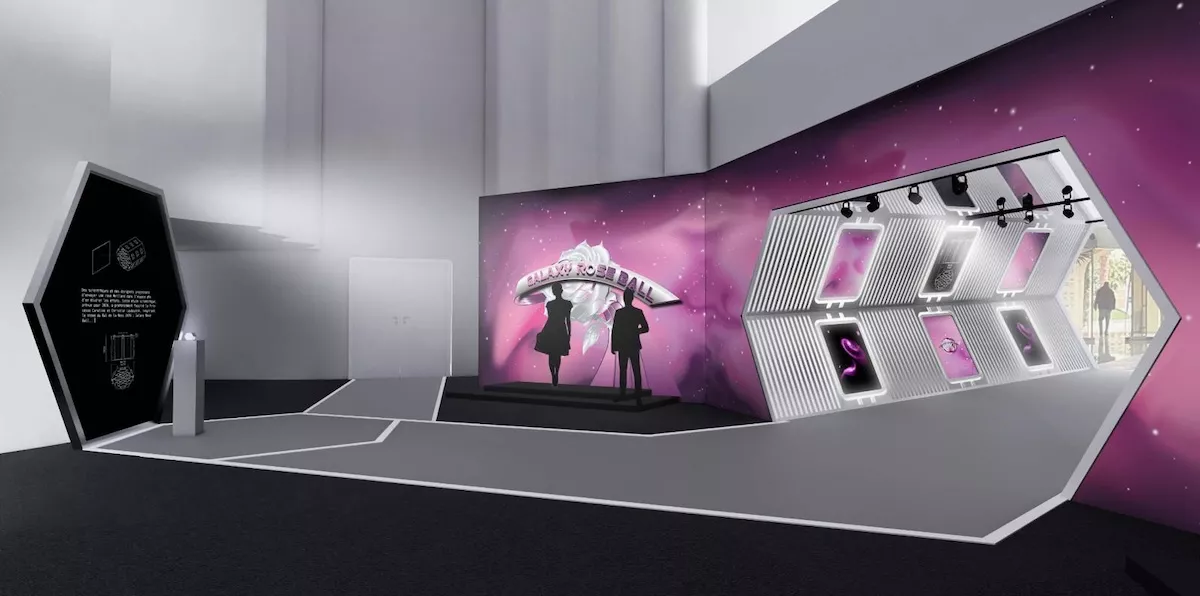
A rendering of the 2026 Bal de la Rose Galaxy Gala with the description of the rose in space project

The connection with Princess Grace feels, to him, not incidental but essential to the project’s spirit. “She loved roses. That’s why the Bal de la Rose is named after her passion for them. That’s why several roses are named after her. That’s why Prince Rainier created the rose garden to honour her memory.” Sending those roses into the sky she once admired carries, for Miniou, a weight that no brief can adequately capture, and sharing the scientific results with the world is what, he says, Princess Grace would be proud of.
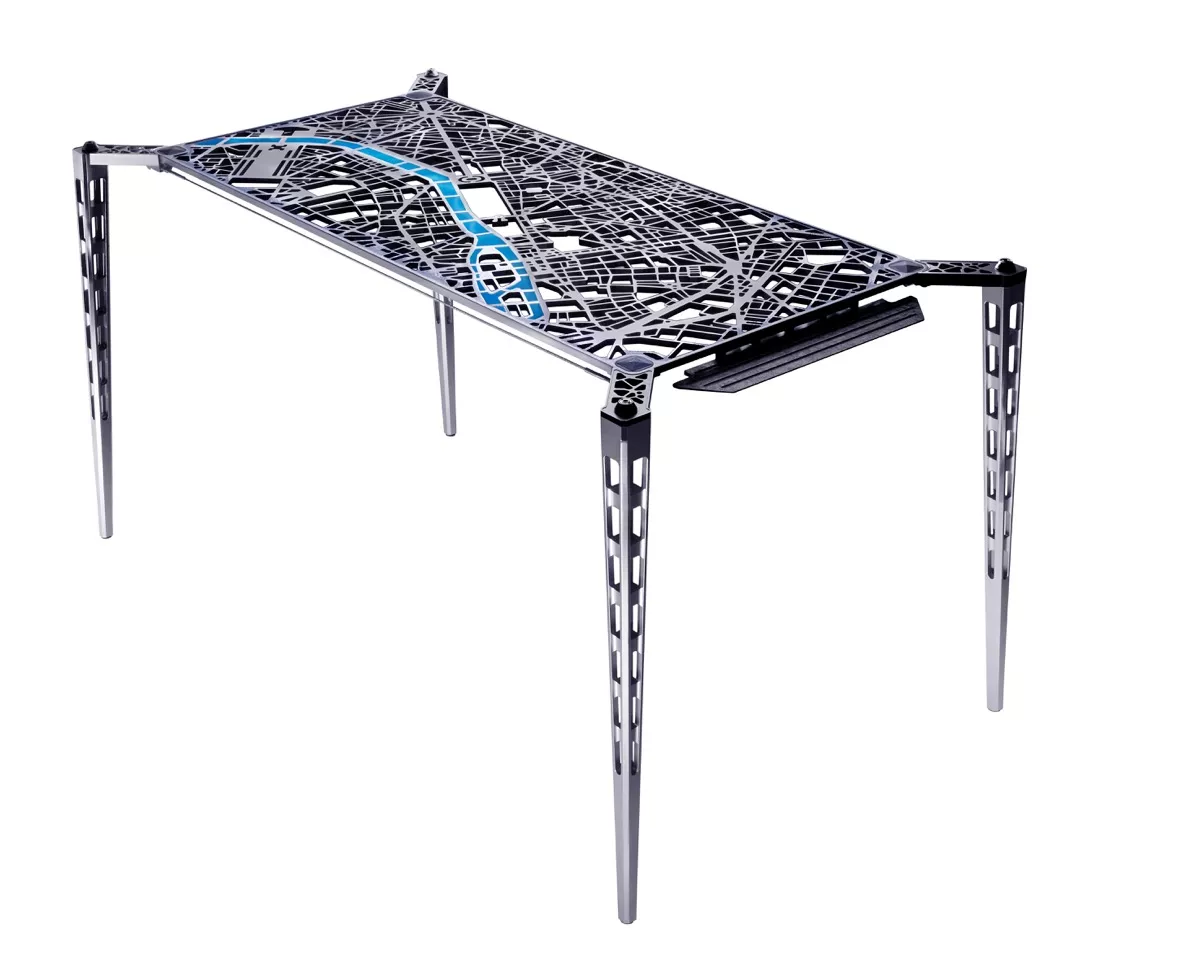
A table crafted in titanium lace, intricately depicting the map of Paris

Alone in the field

Asked whether anyone else does what he does, Miniou pauses. “So far, I think I’m the only one. I haven’t met anybody doing it.”

It is a statement that sounds implausible until you spend time understanding what the work actually involves: the years at Hermès, the scientific collaborators, the Egyptologists and ballistic engineers and master jewellers and space agency contacts accumulated over a decade and a half, the emotional intelligence required to make someone open up in ways they never have before, and the sheer nerve to return, each time, without knowing whether it will work.

“It’s like a high-level athlete — each time you go back on the field, you put your crown in the field and say, ‘Will I get it back or not?'” he says. “So far, each time, I have.”

Somewhere in a laboratory in Germany, a Princess Grace rose waits in careful cold, studied and measured, ready for a journey no rose has ever made. The dream catcher, for once, is catching his own dream — and taking it to space.

See also: 

Photos: Inside the jaw-dropping galaxy-themed Rose Ball of 2026

All photos supplied
 

Génération Monaco draws full house to environment conference in sixth edition of its series

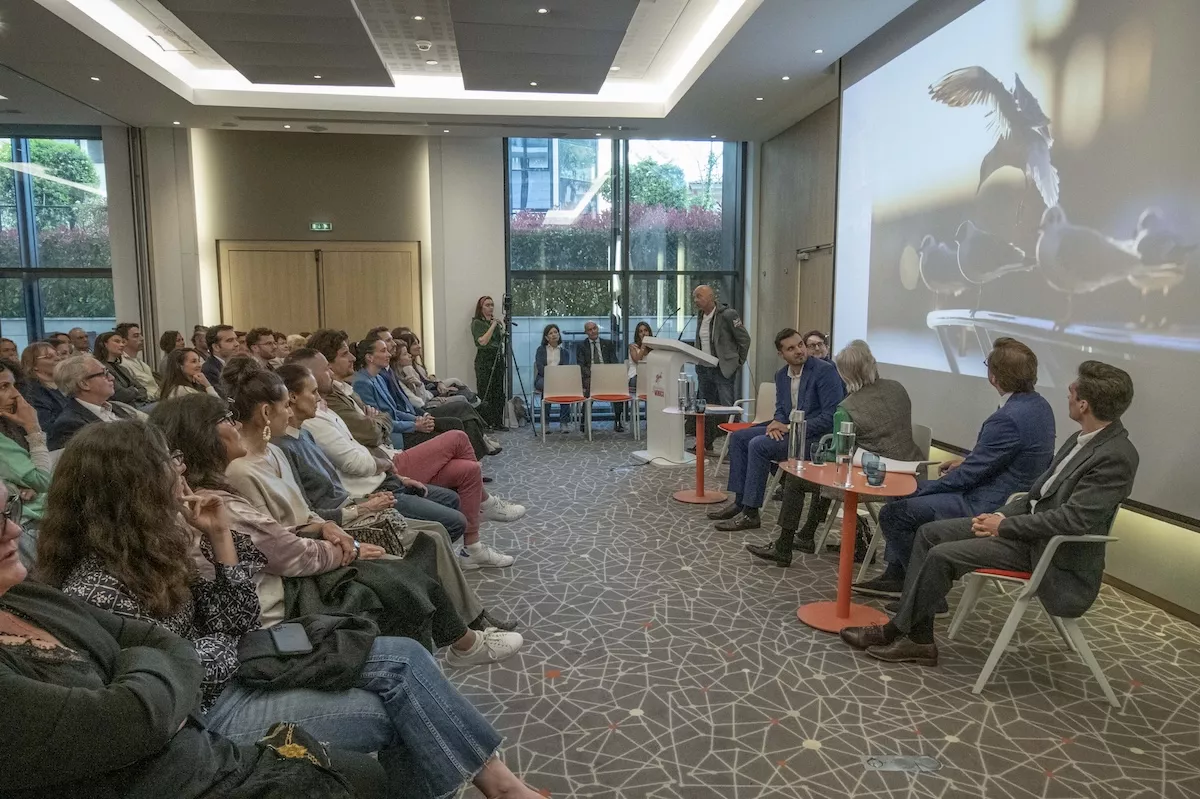
Génération Monaco, the political party led by Marc Mourou, held its sixth conference evening on Wednesday at the Novotel on boulevard Princesse Charlotte, drawing a full house of 180 attendees for a wide-ranging panel discussion on the environment — a mobilisation that Mourou described as “an enormous success.”

The environment follows health, attractiveness, education, sport and culture as the themes addressed in Génération Monaco’s ongoing conference series. Mourou described it as a subject “so dear to Monaco and important for the future of our country.”

Six Monegasque voices on one stage

The panel brought together six specialists, all Monegasque, covering a broad range of expertise: wildlife protection, sustainable construction, sustainable finance, circular economy and sustainable development. Christophe Blanchy, former head of collections at the Jardin Exotique and specialist in the protection of Monaco’s fauna and flora — whose photographs were displayed at the entrance to the room — was joined by Evelyne Shick-Tonelli, president of Ecopolis and founder of Radio Ethic, dedicated to ecology. Monegasque architect Benjamin Boisson, who specialises in eco-responsible construction and is leading the Larvotto upper boulevard project, also took part, alongside Jeremy Genin, director of research and investment in sustainable finance at Monaco Asset Management, Eddy Djhekar-Rinaldi, an engineer specialising in sustainable and smart buildings, and Nicolas Ménier, vice-president of Green Monaco, which supports public and private actors in circular economy and reuse initiatives.

Mourou noted the “osmosis on stage between speakers who serve the same cause — profiles dedicated to making Monaco as eco-responsible a country as possible.” The presentations were followed by more than an hour of questions and audience discussion.

Monaco’s environmental commitments

Isabelle Curau-Bloch, a member of Génération Monaco’s steering committee, provided a comprehensive overview of what is already in place across the Principality, highlighting Prince Albert II’s personal commitment through his Foundation, which marks its 20th anniversary this year. She noted that Monaco is a signatory to several international conventions and has committed to reducing greenhouse gas emissions by 55% against a 1990 baseline by 2030. By 2023, the Principality had already achieved a 41.1% reduction.

The next Génération Monaco conference takes place on 9 June, on the theme of security and Monaco’s defence in a geopolitical context.

Stay updated with Monaco Life: sign up for our free newsletter, catch our podcast on Spotify, and follow us across Facebook,  InstagramLinkedIn, and Tik Tok.

Photo provided by Generation Monaco


Prince Albert joins schoolchildren in Monaco’s gardens to mark ten years of Flowers for Bees

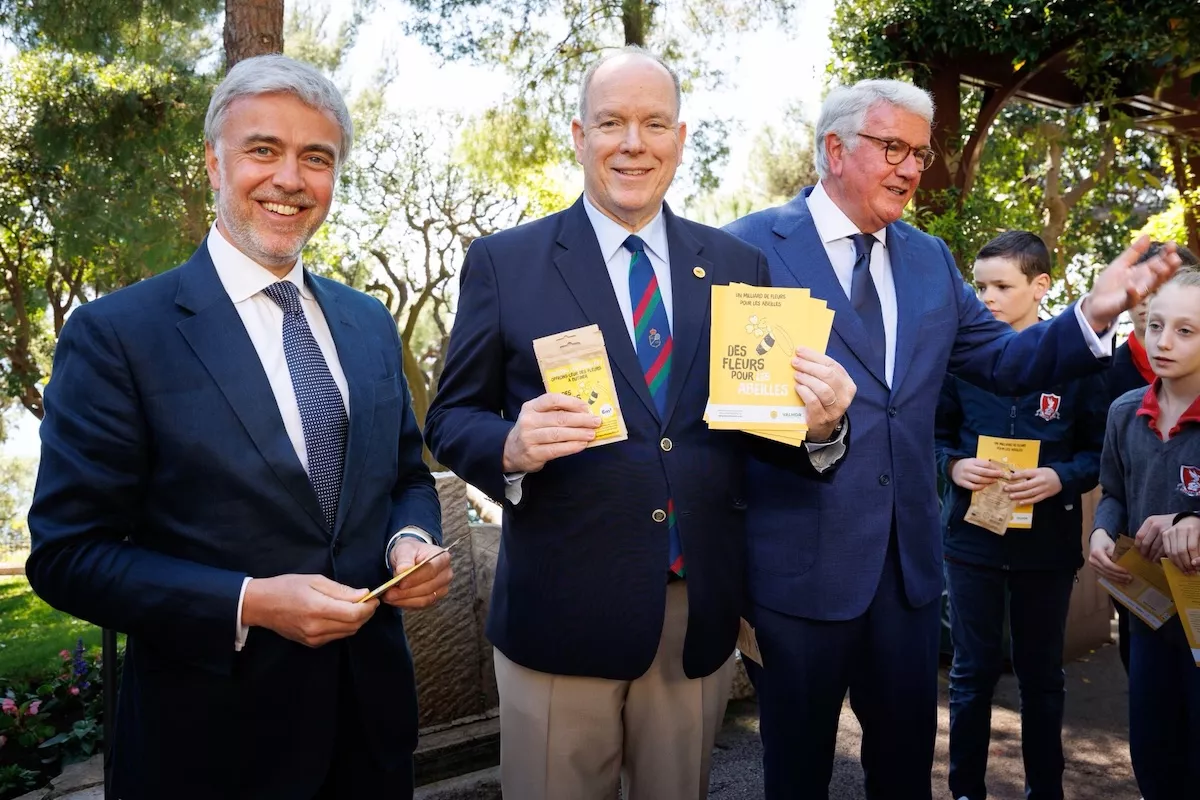
Ten children from the Institution François d’Assise–Nicolas Barré joined Prince Albert II Thursday in the Jardins Saint-Martin for a symbolic photograph marking the 10th edition of the Flowers for Bees campaign, alongside Thierry and Arnaud Dufresne, respectively the founding President and Vice-President of the Observatoire Français de l’Apidologie.

The 10-year-olds had been introduced to the role of bees in pollination by the OFA the previous year, making the gathering a reunion of sorts — a moment connecting their classroom learning to the broader campaign they had been part of.

Launched in 2017 by the Observatoire Français de l’Apidologie with the support of Prince Albert II and the Prince Albert II of Monaco Foundation, Flowers for Bees encourages the public to sow nectar-rich flowers to feed bees and preserve biodiversity. Since its creation, more than 1.5 million seed packets have been distributed and numerous wildflower meadows established across France and beyond.

The 10th edition runs from 9th to 24th May 2026, with the campaign continuing to make the case that individual gestures — however small — matter in the fight against the decline of pollinators.

Stay updated with Monaco Life: sign up for our free newsletter, catch our podcast on Spotify, and follow us across Facebook,  InstagramLinkedIn, and Tik Tok.

Photo credit: Michaël Alesi / Palais princier


Council of Europe Secretary General meets Monaco government officials and diplomats

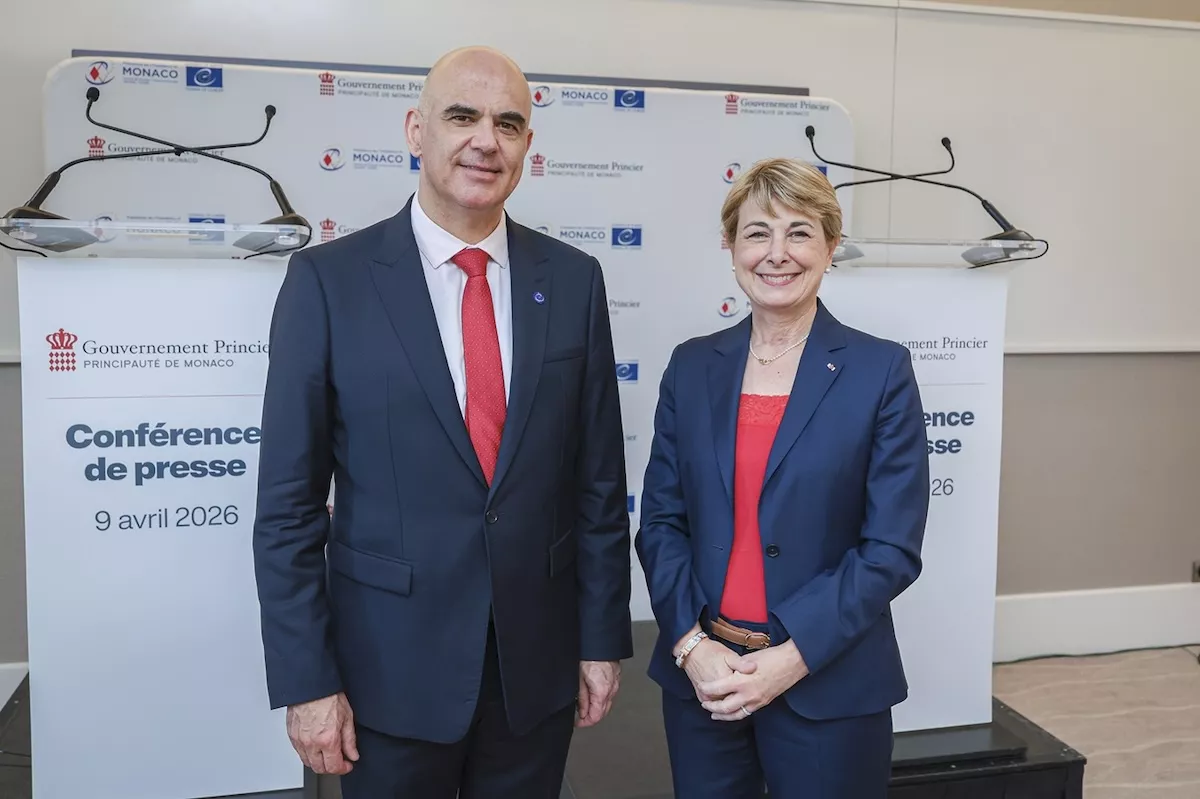
Council of Europe Secretary General Alain Berset held a series of high-level meetings with Monaco government officials during his two-day visit to the Principality on 8th and 9th April, as preparations intensify for Monaco’s forthcoming presidency of the Committee of Ministers from 15th May to 10th November 2026.

After being welcomed to the Palace by Prince Albert II, Alain Berset met separately with National Council President Thomas Brezzo and Samuel Vuelta Simon, Secretary of State for Justice, with discussions centring on Monaco’s commitment to the promotion of human rights, the rule of law and democracy — the three pillars at the core of the Council of Europe’s work.

He also addressed Monaco’s annual diplomatic conference, bringing together the Principality’s ambassadors, where he outlined the major challenges currently facing the Council of Europe in a shifting geopolitical landscape and highlighted the close relationship of trust between Monaco and the organisation.

A joint press conference with Minister of External Relations and Cooperation Isabelle Berro-Amadeï set out the priorities that will guide Monaco’s presidency, under the thematic thread: ‘The protection of all, through an effective organisation, to meet contemporary challenges’.

See also: 

Prince Albert II receives Council of Europe Secretary General ahead of Monaco’s historic presidency

Stay updated with Monaco Life: sign up for our free newsletter, catch our podcast on Spotify, and follow us across Facebook,  InstagramLinkedIn, and Tik Tok.

Photo credit: Stephane Danna, Government Communications Department 


Norman Foster’s sketch of iconic Yacht Club lands on Monacqua’s latest bottles

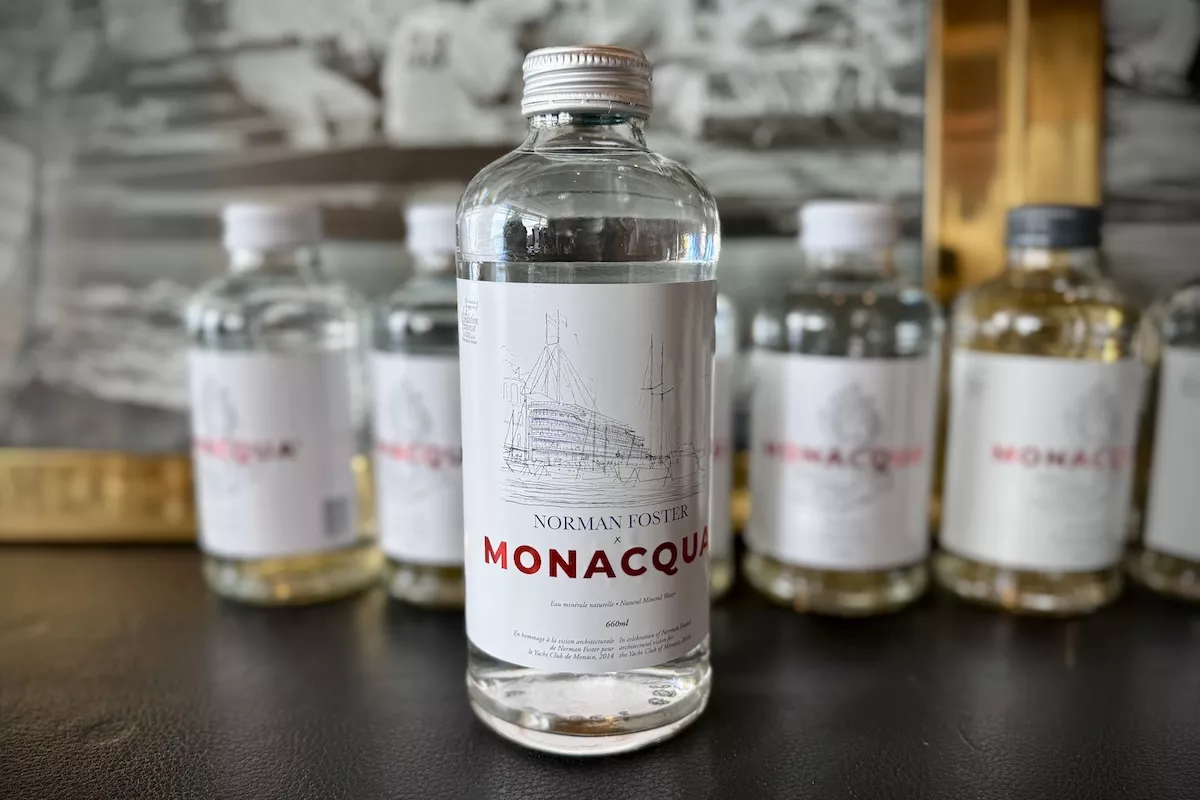
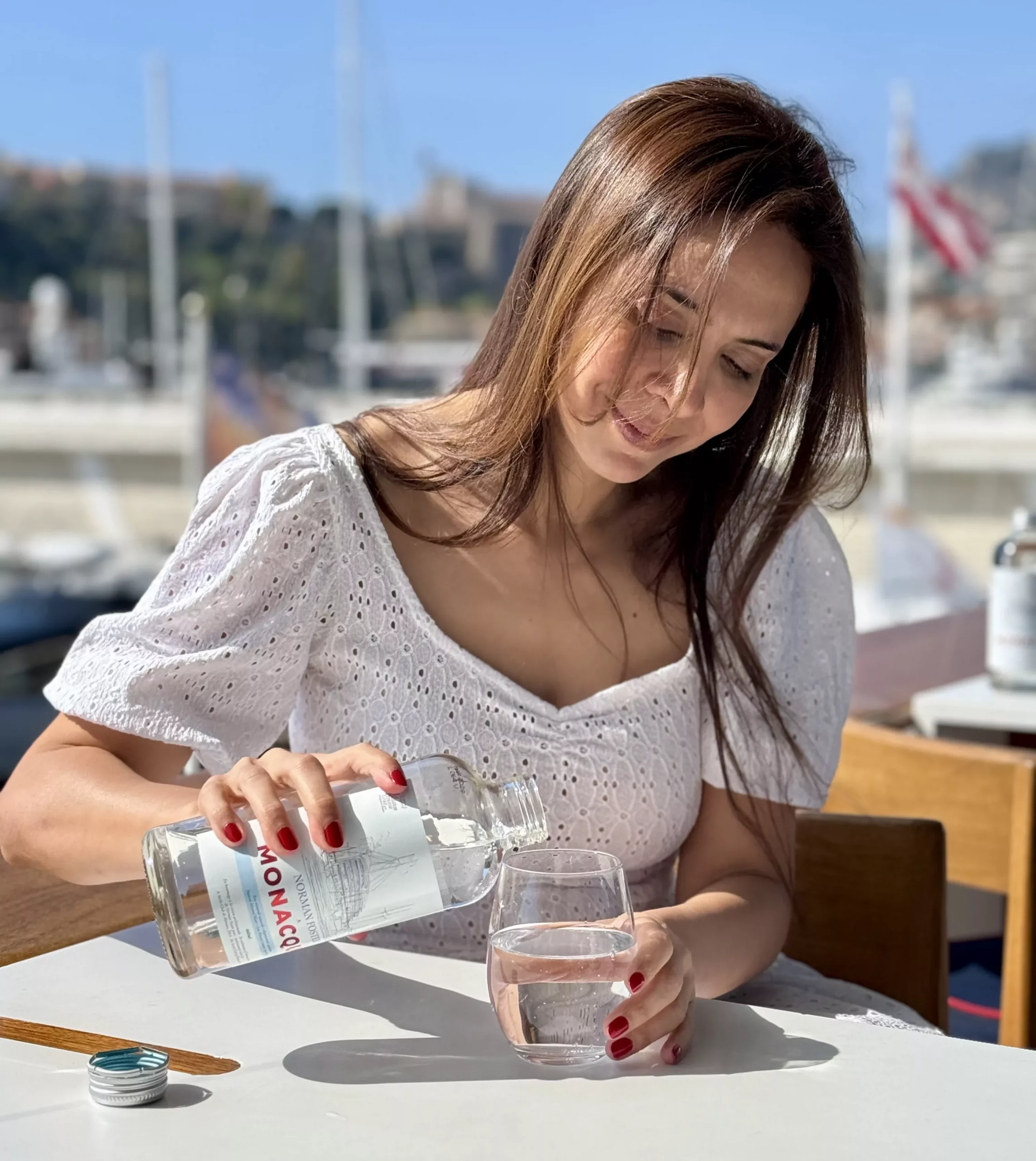
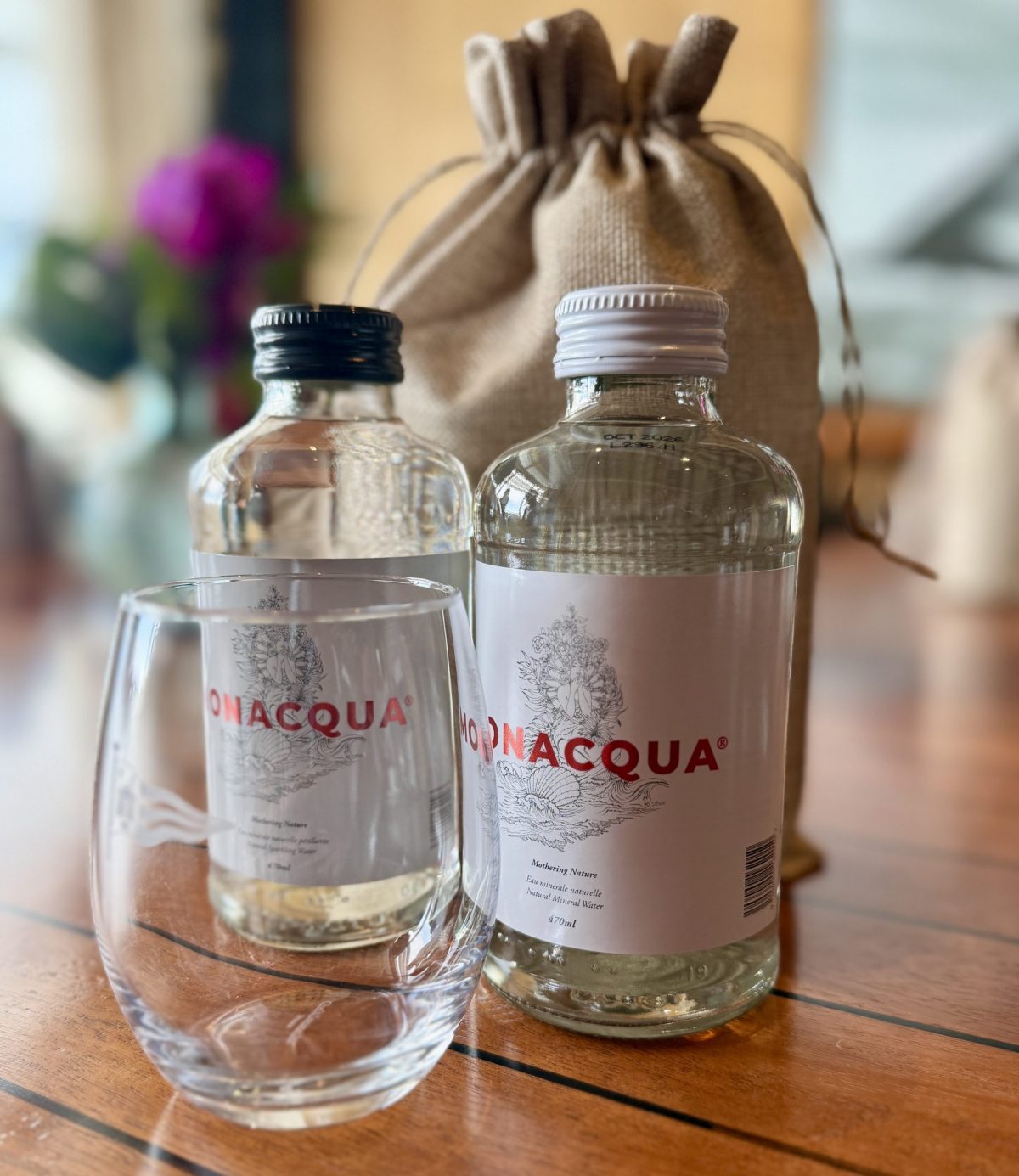
A hand-drawn sketch by Norman Foster — the architect’s own original drawing of the Yacht Club de Monaco, one of the most architecturally significant buildings the Principality has ever commissioned — is now on the shelves across Monaco, printed on the latest limited-edition bottles from local water brand Monacqua.

The collaboration was unveiled on Thursday 9th April at the Yacht Club de Monaco itself, in the presence of Princess Alexandra of Hanover. For Monacqua founder Geeta Kalwani, the moment was almost overwhelming. “To be launching this bottle in the actual Yacht Club, where this image was conceived, supported by the mind that actually conceived of the Yacht Club — I am incredibly proud,” she says.

The bottles are available across both glass and carton formats at standard retail pricing — a deliberate decision by Monacqua founder Geeta Kalwani to make the collaboration accessible to everyone, not just collectors.

Photo credit: Cassandra Tanti

An architect who shaped Monaco’s identity

Norman Foster’s relationship with Monaco is one of the most consequential architectural partnerships the Principality has known. Completed in 2014, the Yacht Club de Monaco transformed the harbour front and redefined Monaco’s relationship with the sea — a building so rooted in its setting that it has come to feel less like an addition to Monaco and more like an expression of what the Principality aspires to be. Praised internationally as a landmark of sustainable high-tech design, it cemented Foster’s place as one of the defining architectural voices in Monaco’s modern history, alongside a body of work across the Principality that spans more than two decades.

Foster himself is among the most decorated architects alive. A Pritzker Prize laureate, a holder of the Order of Merit — one of the most exclusive honours in the world, restricted to just 24 living recipients and awarded solely at the personal discretion of the Sovereign, his buildings define skylines across continents: the Gherkin and Millennium Bridge in London, the Hearst Tower in New York, Apple Park in Cupertino.

That a three-year-old Monaco water brand now carries his hand-drawn work is, by any measure, a remarkable thing.

“There is something very personal about a hand-drawn image, a closeness to the mind at work,” says Kalwani. “I particularly love the subject, as it speaks to the meeting of two things I hold dear: the sea and sustainability.”

Photo credit: Cassandra Tanti

A sketch, a Prince and an unexpected discovery

When the Yacht Club was completed, Foster presented Prince Albert II with a personal gift: the original sketch — the hand-drawn image that first imagined the building into existence. It is that same drawing that now appears on Monacqua’s bottles.

Kalwani did not know this when the collaboration began. She discovered it only when the bottles were presented to the Prince — a detail that gave the project a resonance it had not been designed to carry, and that speaks to how deeply Foster’s vision is woven into the fabric of Monaco.

Prince Albert II wrote to Kalwani ahead of the launch, expressing his conviction that the collaboration would further Monacqua’s commitment to Monaco’s cultural influence.

Culture in a bottle

At the heart of Monacqua is a belief that everyday life can be touched by joy when it is infused with art, design and culture — and that this should not be the preserve of collectors or gallery-goers. It is a philosophy that has shaped the brand’s decision to collaborate with some of the world’s most significant cultural figures, beginning with artist George Condo in 2025 and now with one of the defining architects of our time. By bringing Foster’s work onto a bottle that sits on a café table or a supermarket shelf, Monacqua is making the luxury of culture genuinely accessible.

Photo credit: Cassandra Tanti

The brand behind the bottle

Monacqua is three years old, founded in Monaco by Geeta Kalwani — a mother of three with a double master’s degree from Sciences-Po Paris and the Lee Kuan Yew School of Public Policy in Singapore, who has lived across a dozen countries and speaks eight languages. The brand began, she says, because she wanted pure water for her children, free from toxins. What she built is considerably more than that.

The water is sourced from two ancient European springs — one in Germany, one in Italy — both traceable to Roman times and certified free from nitrates, arsenic and contamination. It is sold in glass and carton formats, with the cartons 75% biodegradable and fully recyclable through Monaco’s yellow bin system. The brand is on track to sell approximately one million bottles annually, each one, as Kalwani puts it, a plastic bottle that was never made.

Monacqua also carries a formal partnership with the Princess Grace Foundation, contributing annually to support families of seriously ill children in paediatric hospitals in France. Last year those donations amounted to €10,000. A portion of every bottle sold goes directly to the Foundation.

Monacqua is proudly and deliberately local — born in Monaco, for Monaco, now accepting payment through Carlo, the Principality’s own digital currency.

Competing as a small independent against the giants of the bottled water industry is not without its challenges, but Kalwani is clear-eyed about what has driven the brand’s growth. “When I launched the business I was not thinking of necessarily making it profitable — I just wanted a good solution for the market, my children and the local community, because I just wasn’t happy with the plastic bottles around.

“But slowly the volume grew, and that’s thanks to the people themselves. The market has loved us, and the people are more powerful than anything else. We are here with a purpose — to have pure water, well packaged, and spread the word of culture. But I could not have been here without the support of the people.”

The papal seal of approval

The most striking testament to the brand’s standing in Monaco came not through a commercial decision but through one it knew nothing about. On 28th March 2026, during the historic visit of Pope Leo XIV — the first papal visit to Monaco in five centuries — the Monegasque government quietly chose Monacqua to provide water for the 15,000 people who attended the mass at the Stade Louis II. Kalwani found out only afterwards, when friends and clients began sending her photographs of the bottles in the crowd.

“We were numb with joy,” she says.

Auction specialist Simon de Pury perhaps said it best: “In less than two years, and in no small part thanks to its stellar artist collaborations, Monacqua has already attained cult status. It took Château Mouton Rothschild a little longer.”

The Norman Foster x Monacqua limited-edition bottles are available now across cafés, restaurants and supermarkets in Monaco.

Stay updated with Monaco Life: sign up for our free newsletter, catch our podcast on Spotify, and follow us across Facebook,  InstagramLinkedIn, and Tik Tok.

Main photo source: Monacqua


Tennis: Alcaraz and Sinner tested but on course for Monte-Carlo Masters final meeting

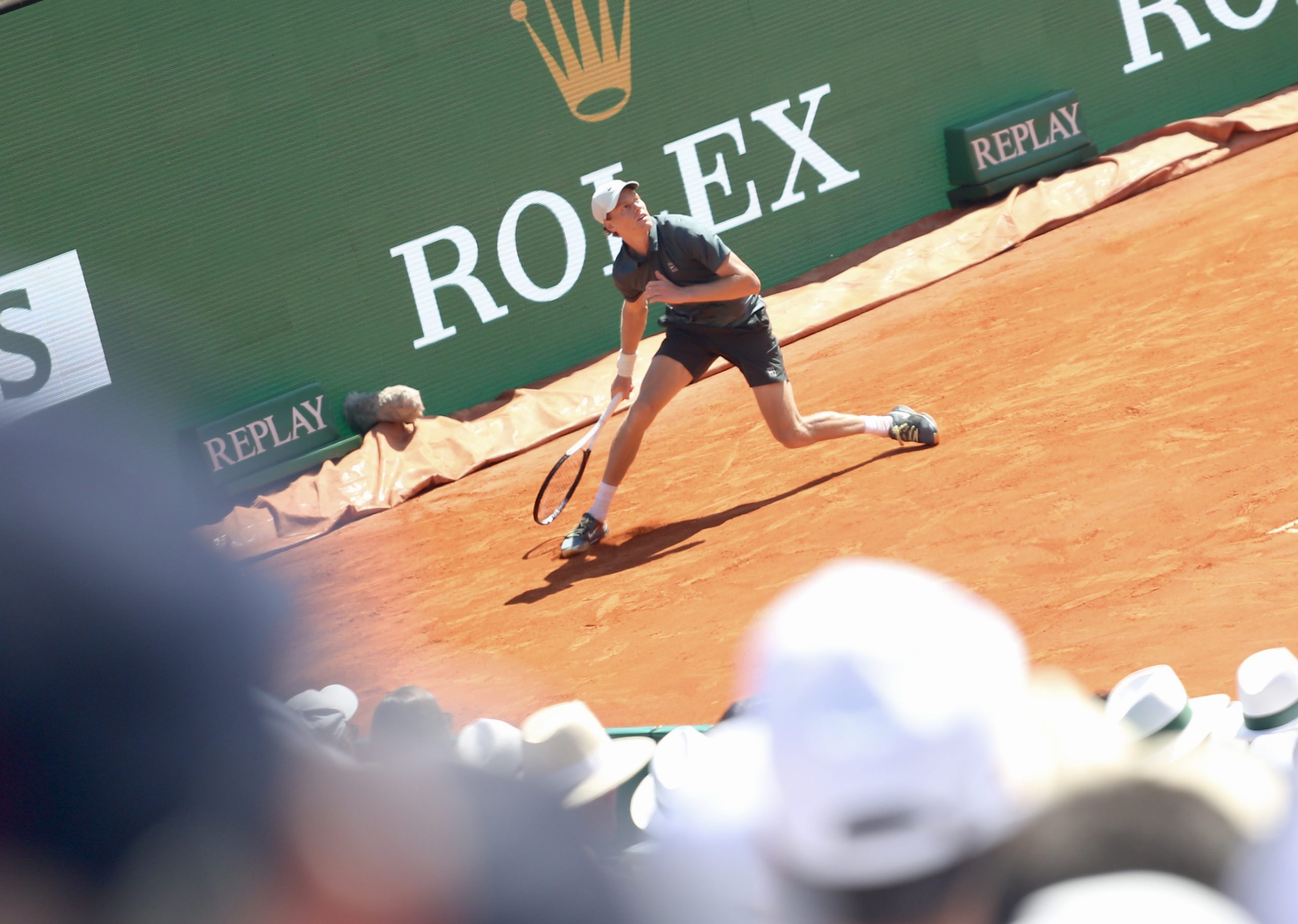
Sinner on the stretch to keep a ball in on the Monégasque clay

Neither Jannik Sinner nor Carlos Alcaraz had things all their own way on Thursday but both progressed against in-form opponents to remain on-track for a meet-up in the final of this year’s Monte-Carlo Masters.

Whilst Sinner and Alcaraz have created something of a duopoly in world tennis, there was a reminder that neither were infallible as both were tested on the clay of the Monte-Carlo Country Club. “I found myself in a difficult position,” admitted Sinner after his win over Tomas Machac. The Czech found himself in hostile surroundings, with his fans drowned out by another strong Italian following. However, he came into this tournament with confidence, having won his second ATP title just last month.

Machac may not have bettered Sinner but he did at least shatter the prevailing feeling of invincibility. On Wendesday, Daniil Medvedev suffered a humbling ‘Double Bagel’ on Court Rainier III (6-0, 6-0), and when broken on his first two service games by Sinner, he may have briefly feared a familiar fate. Winning one service game spared him (6-1), but didn’t provide hope of a challenge.

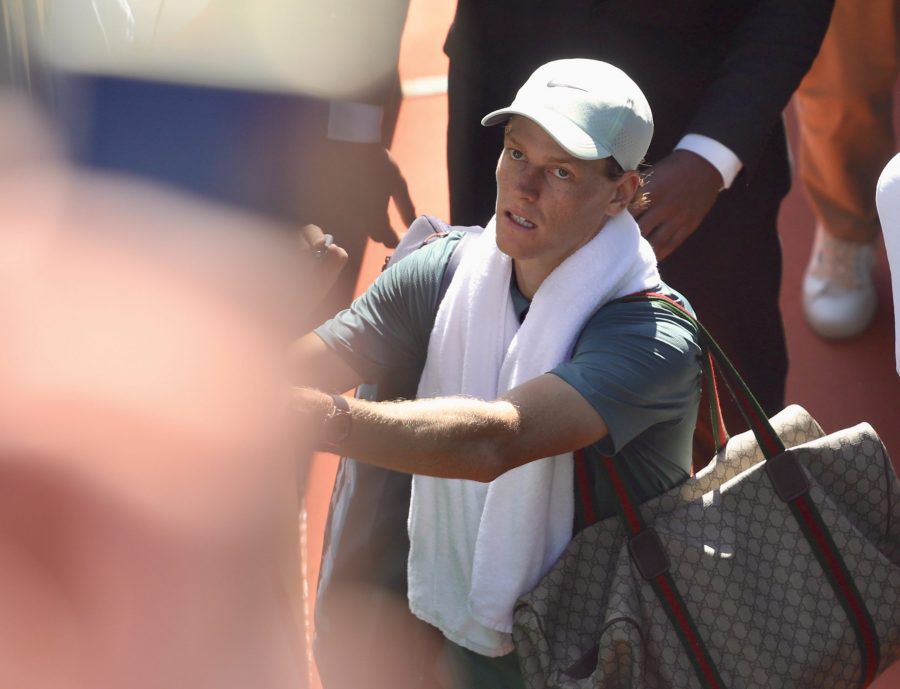
Sinner walking off court at the MCCC. Photo credit: Luke Entwistle, Monaco Life

Yet Machac did resist. Sinner missed a break point in the second game before his Czech opponent then fought back. Broken a first time, the Italian crowd tried to lift their national icon later in the set. However, he would succumb to a second break of serve (5-2). It was a long way back for Sinner to prevent ceding his first set in a Masters event since Shanghai back in October, a run extending an incredible 37 sets.

He did roar back, breaking Machac twice to take the second set to a tie-break, however, to the disappointment of the Tifosi, Machac would prevail (7-3) and take the match to a deciding set. Sinner regained his composure, broke Machac in the third game and then again in the ninth, avoiding a minor scare (6-1, 6-7, 6-3), but giving reason for optimism for Alcaraz, who needed to dispatch Tomás Etcheverry to secure his place in the quarter-finals.

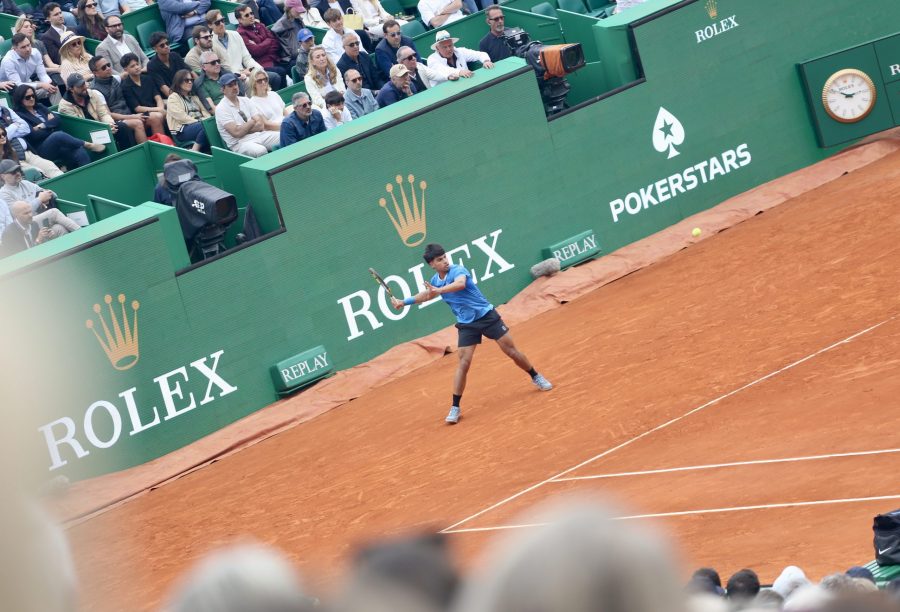
As Sinner did earlier in the day, Alcaraz broke Etcheverry, who won his first-ever ATP event earlier this year, three times in the first set. His dominance was assured but then shaken in the second. The Spaniard, defending his title, was broken in the third game and then again in the fifth. An immediate reply in the sixth was in vain as No.30 seed Etcheverry saw out the second set (6-4).

Alcaraz teased an opening in the first game of the third set with a double double fault, but having held, the Spaniard then broke on Etcheverry’s first service game. As the sun began to set over centre court, Etcheverry’s hope dimmed, the error from the world’s No.1 not forthcoming. He would not go quietly into the night, denying two match points valiantly before falling on the third (6-1, 4-6, 6-3).

Alcaraz in action at the Monte-Carlo Masters. Photo credit: Luke Entwistle, Monaco Life

With Sinner and Alcaraz needing over two hours each to overcome their opponents, the sun had already set when Valentin Vacherot came out on Court Rainier III. After the emotion of beating world No.5 Lorenzo Musetti on centre court the night before (7-6, 7-5), the Monégasque had to dial back in progress to the quarter-finals at the expense of No.74 seed Hubert Hurkacz.

Monaco’s history-maker Vacherot moves into world top 20

Faltering on centre court against lower-ranked opponents became a trend on Thursday and Vacherot did not buck it, losing the first set (7-6). However, the Monégasque came charging back in the second (6-3). In a close game, prevailing in key moments was going to be key and it is in this domain that Vacherot had the upper hand. The Monégasque took four of his eight break points, Hurkacz just two of his 13 and the latter would rue his wastefulness. It was in the seventh game that Vacherot, after a gruelling 10 minutes, would take the lead, which, despite being led 40-15 when serving for the match, he would not concede (6-7, 6-3, 6-4).

With the clock ticking past 21:30, the Monégasque supporters, who savoured the high and lows of the nearly three-hour game, were rewarded with a memorable and historic victory. It is a win that sees Vacherot move into the top 20 in the world rankings, becoming the first Monégasque to do so. When he plays against Alex De Minaur in his quarter-final on Friday, despite playing on familiar clay, he will be in unknown territory. No Monégasque has ever gone this far in the competition. Records have tumbled, and Vacherot will want to continue to break even more before the week is out.

Stay updated with Monaco Life: sign up for our free newsletter, catch our podcast on Spotify, and follow us across Facebook,  InstagramLinkedIn, and Tik Tok.

Photo credit: Luke Entwistle, Monaco Life