
Mondo Duplantis to headline 2026 Meeting Herculis EBS lineup

The Fédération Monégasque d’Athlétisme (FMA) unveiled its 2026 summer programme on Thursday 7th May, sharing the first major highlights of the upcoming Meeting Herculis EBS. The Hôtel Hermitage hosted the presentation in which Rodolphe Berlin, Vice President of the FMA, and Frédéric Choquard, Director of the federation, outlined the organisation’s ambitions for the upcoming summer season.

An expanded summer calendar will offer two new major athletics events. On 30th May, the FMA will organise the European Challenger Championships. This one-day competition brings together 18 nations, serving as the athletics equivalent of the Games of the Small States of Europe, which Monaco will host in 2027.

On 5th August at 6pm, the Monaco Athletics Festival will take place on Quai Albert-Ier. This event, organised in partnership with the ‘What Gravity Tour’ led by Mutaz Barshim, will bring together 12 of the world’s best high jumpers in the heart of Monaco.

Meeting Herculis EBS returns in July

The main event of the summer will be the Meeting Herculis EBS, scheduled for 10th July at Stade Louis II from 7pm. Over nearly 40 years, this event has been ranked several times as the best athletics meeting in the world and has been part of the Wanda Diamond League since its creation in 2010.

The 2025 edition featured elite performances, three continental records, several national records, and record-breaking national TV audiences. Expectations are already high for 2026 as the competition gears up for another highly competitive edition.

The FMA announced its expanded partnership with TVMonaco, which will handle the full production and live broadcast of the event. This growing collaboration highlights the importance of local media partnerships within the Principality.

The Meeting Herculis EBS will continue to welcome technological innovation. After successfully integrating the Wavelight pacing system, LED lights used to indicate world record and qualifying pace, the 2026 edition will debut adhesive race bibs designed to improve athlete comfort and movement. This technology, tested in 2025, will be rolled out across the Diamond League circuit.

Mondo Duplantis and a new pole vault format

Furthermore, Stade Louis II will feature the installation of a second pole vault runway designed to enhance the spectacle and create a unique viewing experience for fans. The idea was heavily encouraged by world record holder Mondo Duplantis, who confirmed his participation in the event.

Speaking on the addition of the second pole vault runway, Duplantis – who was at the presentation – said: “It took some convincing from my end. It would have felt weird to wake up and be so close to the competition and not be a part of it.”  Duplantis has recently become a resident of the Principality and has begun settling into life here both on and off the track. “Monaco is a really special place for me, a special place to compete as well.”

During the 2025 edition, he set a new meeting record at 6.05m, before narrowly missing another world record attempt. Speaking on competing this year, Duplantis added: “The mindset going into the competition, now that I’m here at the home stadium and where I’m training, it just feels like a world record is needed. That’s something I really want to do.”

Other headline athletes have begun confirming their appearance at the event. Faith Kipyegon, who set a still-standing world record in the mile during her 2023 appearance in Monaco, will compete at this year’s event. Jimmy Gressier, the 2025 world champion in the 10,000m, will also compete in the 5000m.

Beyond the competition, the Meeting Herculis EBS will host a full day dedicated to athletics, including nearly 50 amateur races held on the same day as the event. This initiative reflects the organisers’ desire to make athletics accessible to all. All participants will be invited to attend the meeting.

Stay updated with Monaco Life: sign up for our free newsletter, catch our podcast on Spotify, and follow us across Facebook,  InstagramLinkedIn, and Tik Tok.

Photo credit: Fédération Monégasque d’Athlétisme
Renzo Piano to transform Monaco’s Villa Sauber into a 4,000 m² cultural landmark

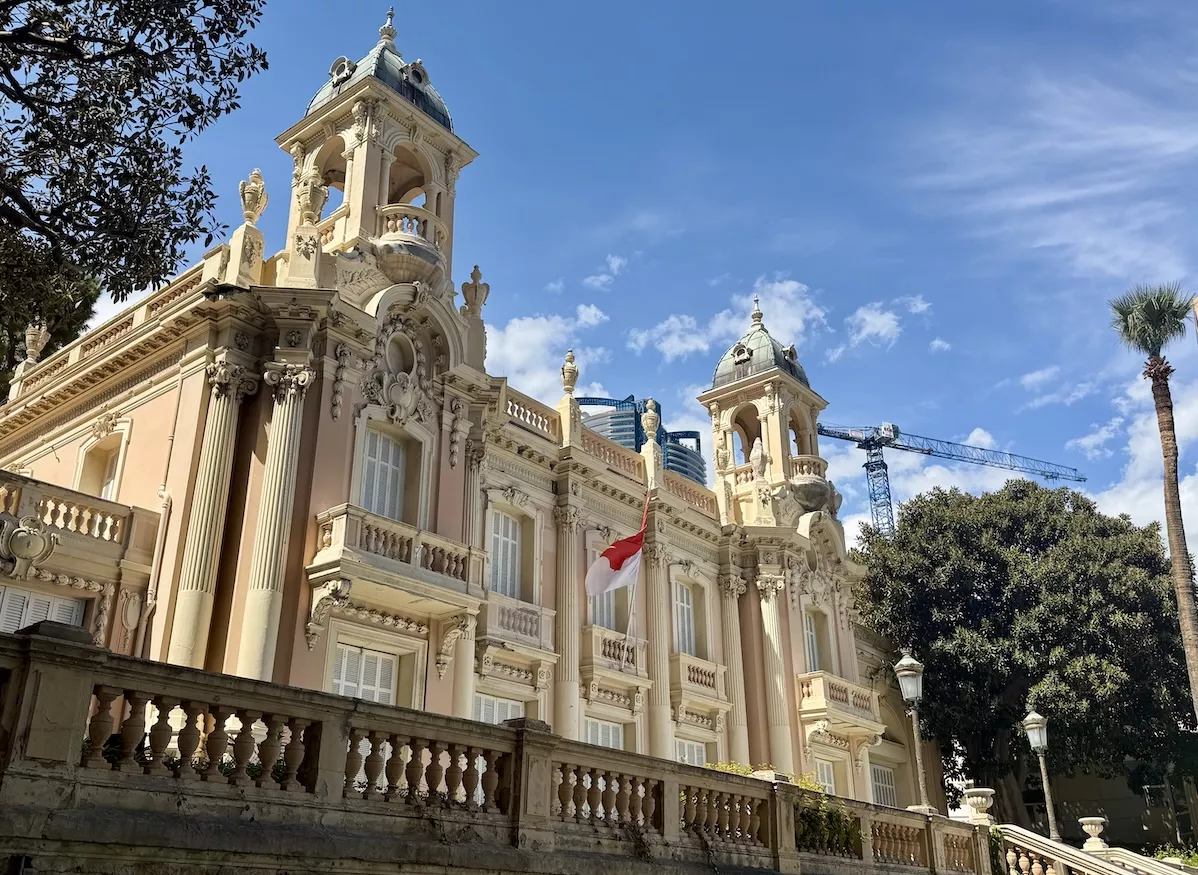
One of Monaco’s most significant cultural investments in a generation is about to begin. The Nouveau Musée National de Monaco has announced a major restoration and extension of the Villa Sauber, designed by the Renzo Piano Building Workshop, that will transform the building from a 600 m² exhibition space into a 4,000 m² cultural complex — more than six times its current size.

According to a statement released by the Prince’s Government on Friday, Work begins in September 2026 and is expected to complete in September 2029, during which time the NMNM will continue to operate from its Villa Paloma site.

What is being built

The project goes well beyond a simple expansion. The future Villa Sauber is conceived as an open cultural ecosystem, incorporating permanent collection galleries alongside spaces for large-scale temporary exhibitions — a capacity the museum has long lacked. New additions include a library, educational workshops, an auditorium, a café and a redesigned landscaped garden.

That garden is central to the architectural vision. Designed as the connective tissue between the historic villa and its new extension, it will be structured in sequences: a stone forecourt, a central clearing, an orangery planted with citrus trees, roses and jasmine, and an exotic wooded border that creates a green buffer between the museum and the surrounding urban environment. The garden will remain publicly accessible during museum opening hours throughout the works, with only three brief interruptions of two weeks each anticipated over the three-year construction period.

In preparation for the September start, Monaco’s urban planning authority has already begun transplanting trees and plants from the existing garden. The citrus trees have largely been replanted along the central reservation of Avenue Princesse Grace and in the terrace gardens of the Fairmont.

A new home for Monaco’s national collections

The project also addresses a long-standing gap in Monaco’s cultural infrastructure: the permanent housing of the national collections on Monegasque territory. From 2028, the NMNM’s reserves will be installed beneath the hill at Mareterra — Monaco’s newest land extension — ensuring that the Principality’s artistic heritage is preserved and stored within its own borders for the first time.

Accessibility has also been factored into the design, with improved pedestrian routes for those with reduced mobility between Avenue Princesse Grace and the Boulevard du Larvotto forming part of the broader works.

Stay updated with Monaco Life: sign up for our free newsletter, catch our podcast on Spotify, and follow us across Facebook,  InstagramLinkedIn, and Tik Tok.

Photo credit: Cassandra Tanti

Prince Albert II retraces a 500-year-old family legacy across the French countryside

Prince Albert II spent two days this week travelling through the Drôme, Indre-et-Loire and Maine-et-Loire regions of France on a journey that was equal parts history lesson and family pilgrimage — following in the footsteps of an ancestor who served the kings of France five centuries ago.

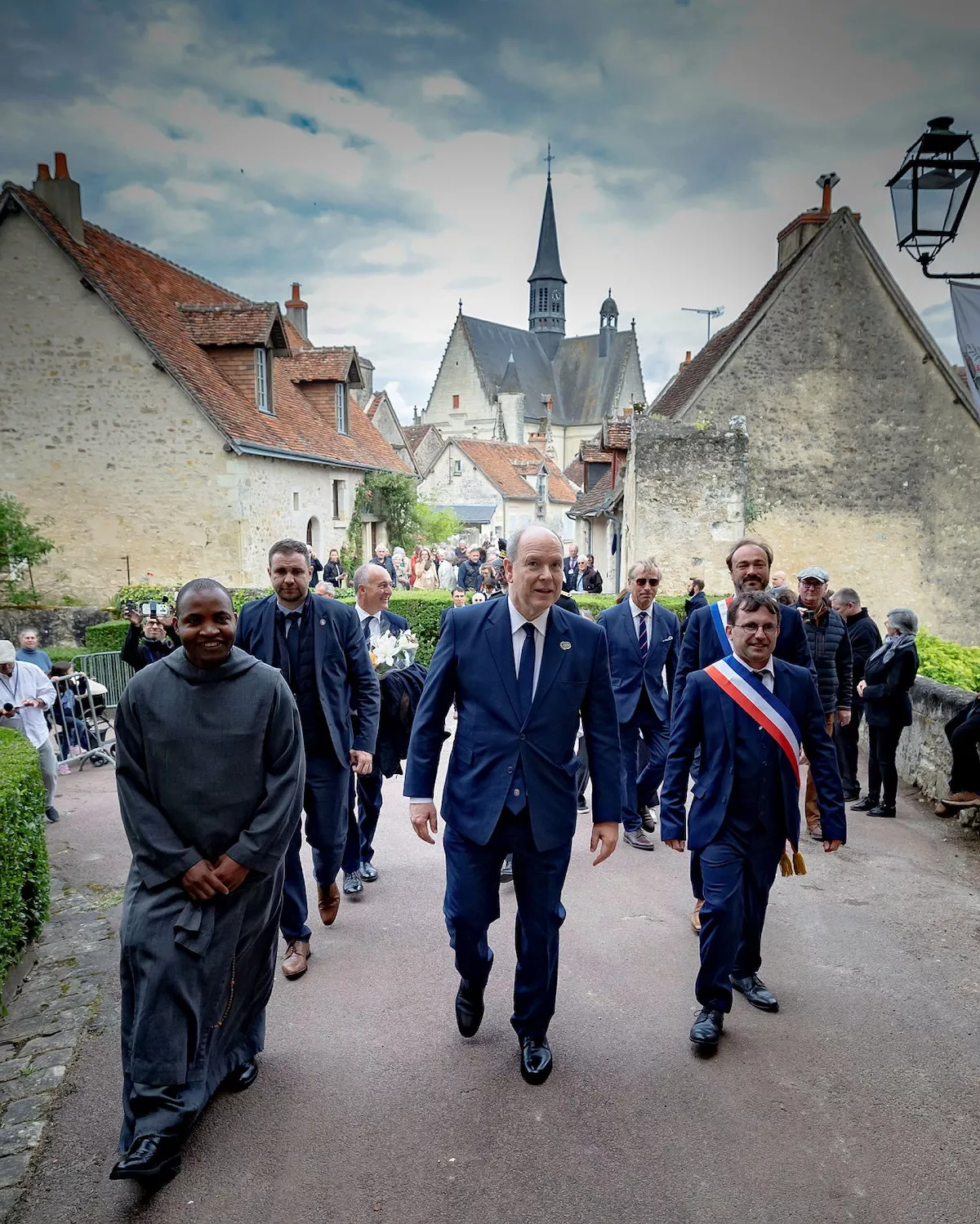
The trip, undertaken at the invitation of local elected officials, centred on Imbert de Batarnay (1438–1523), a remarkable figure from the Dauphiné who rose to become a trusted counsellor and diplomat to several French kings during the Italian Wars of the late 15th and early 16th centuries. His effigy in the collegiate church of Montrésor remains one of the finest examples of funerary architecture from that era.

Wednesday 6th May: Bathernay and Montrésor

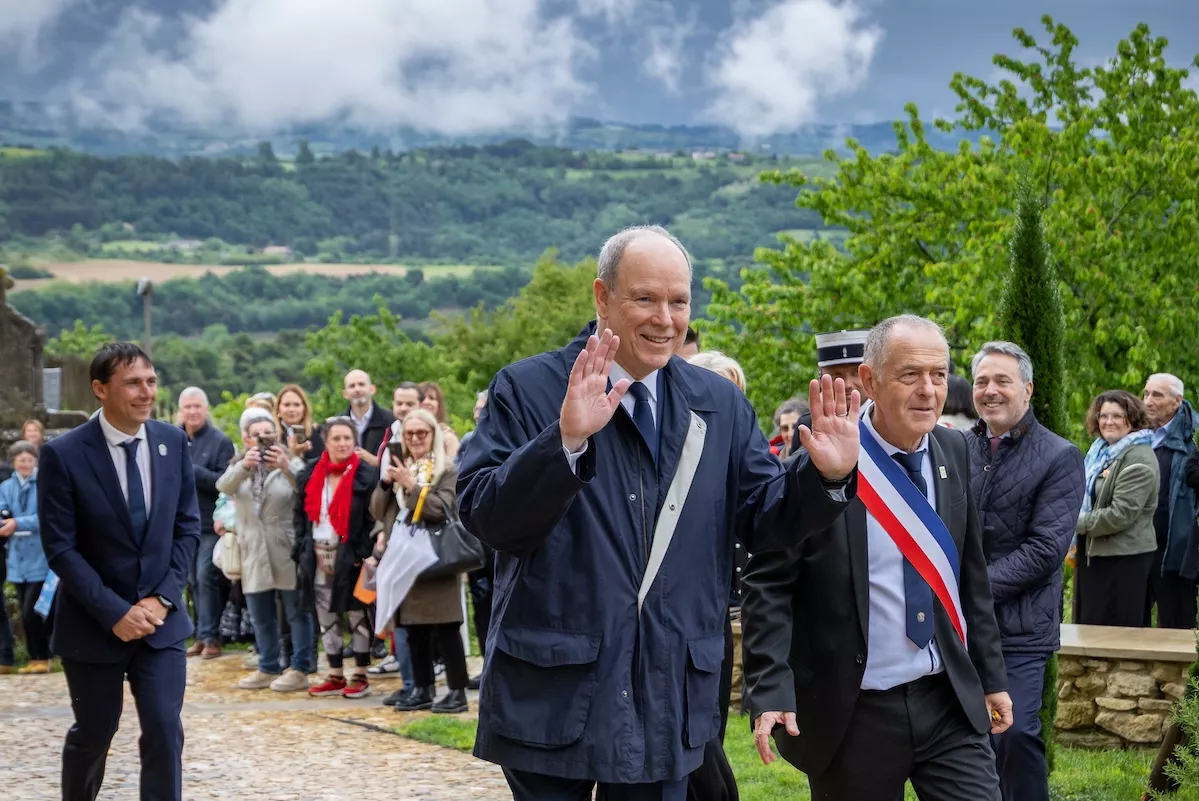
The Prince began in Bathernay in the Drôme, the ancestral home of Imbert de Batarnay, where he was welcomed by the Prefect of the Drôme and the town’s mayor. He visited the Romanesque church of Saint-Étienne, the former seigneurial residence, and a newly created interpretive museum space that benefited from his personal patronage.

Photo credit: Frédéric Nebinger, Prince’s Palace

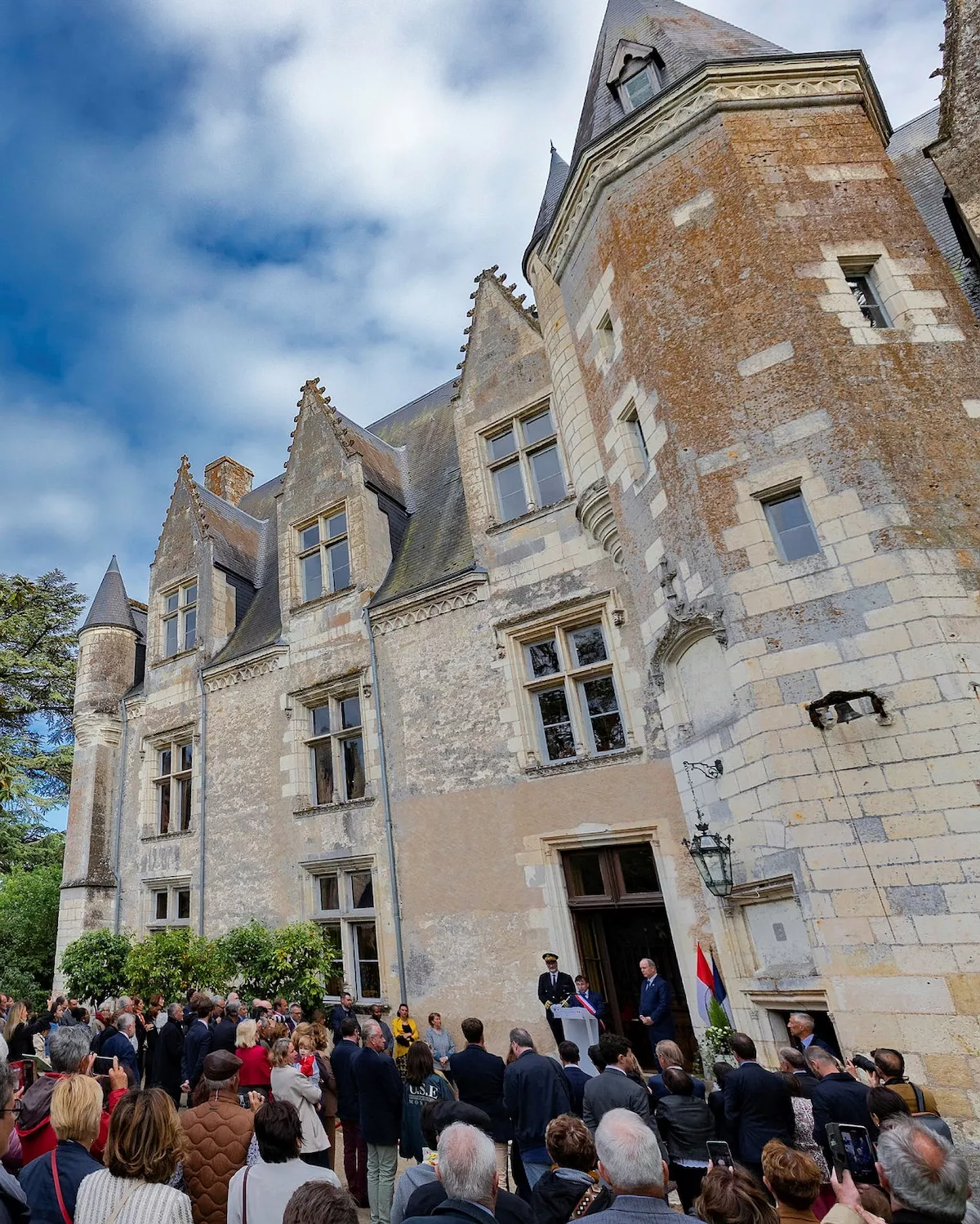
The afternoon took the Prince to Montrésor in the Indre-et-Loire, where he paused in contemplation before the tomb of Batarnay in the collegiate church before continuing on foot to the château, whose ramparts and interior rooms were presented to the visiting delegation. Both the mayor and the Prince addressed residents gathered in the château grounds.

The day concluded in Loches, where Prince Albert met privately with three business leaders from the department, each at the forefront of high-technology sectors.

Photo credit: Frédéric Nebinger, Prince’s Palace

Thursday 7th May: Bridoré and Saumur

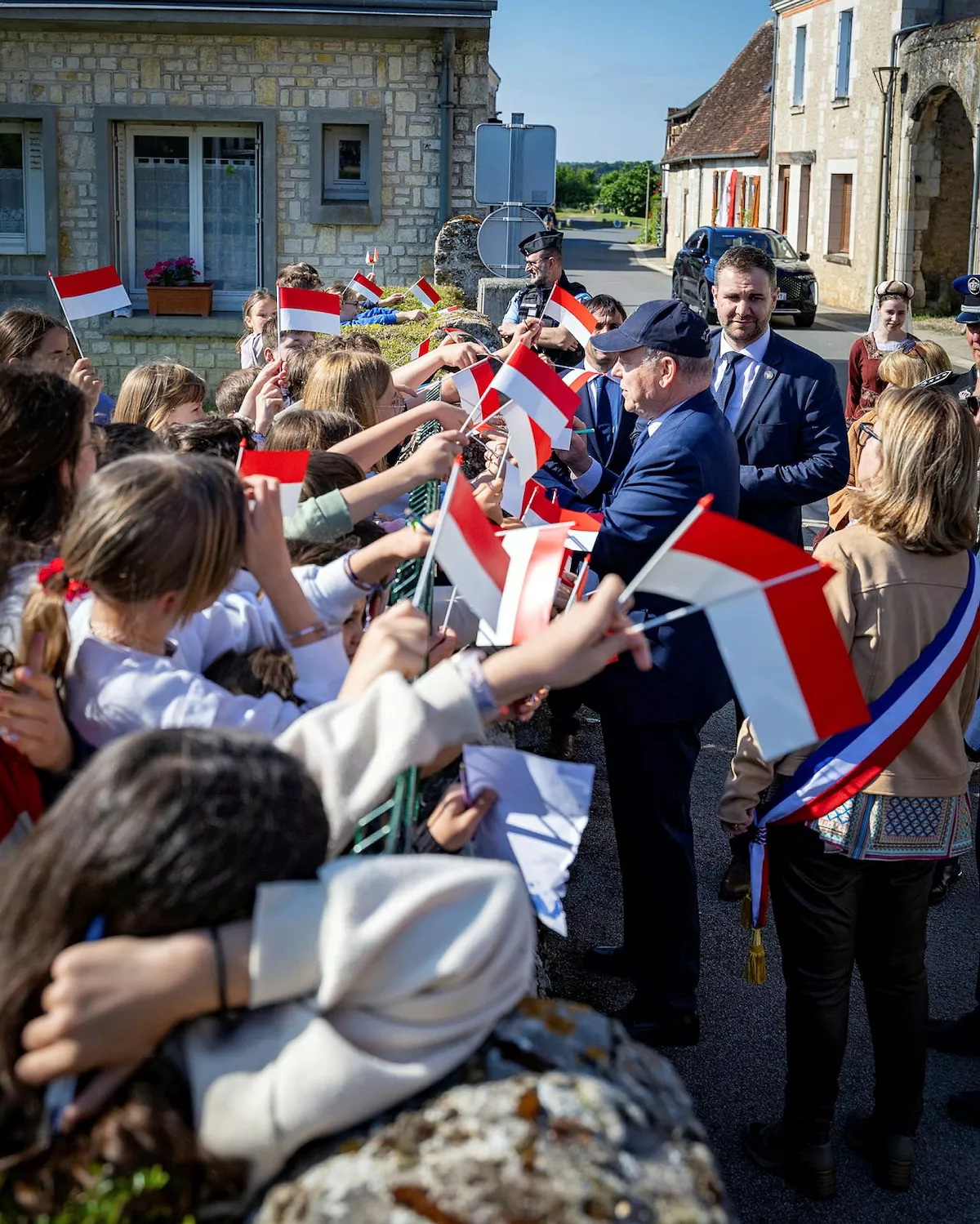
In Bridoré, another village closely associated with Batarnay, the Prince unveiled a plaque marking the site’s entry into the Grimaldi Historic Sites network — a promotional and heritage initiative connecting locations historically linked to the Grimaldi family across Europe. A visit to the village fortress and its keep followed, before an official ceremony on the steps of the town hall brought the local community together to mark the occasion.

Photo credit: Frédéric Nebinger, Prince’s Palace

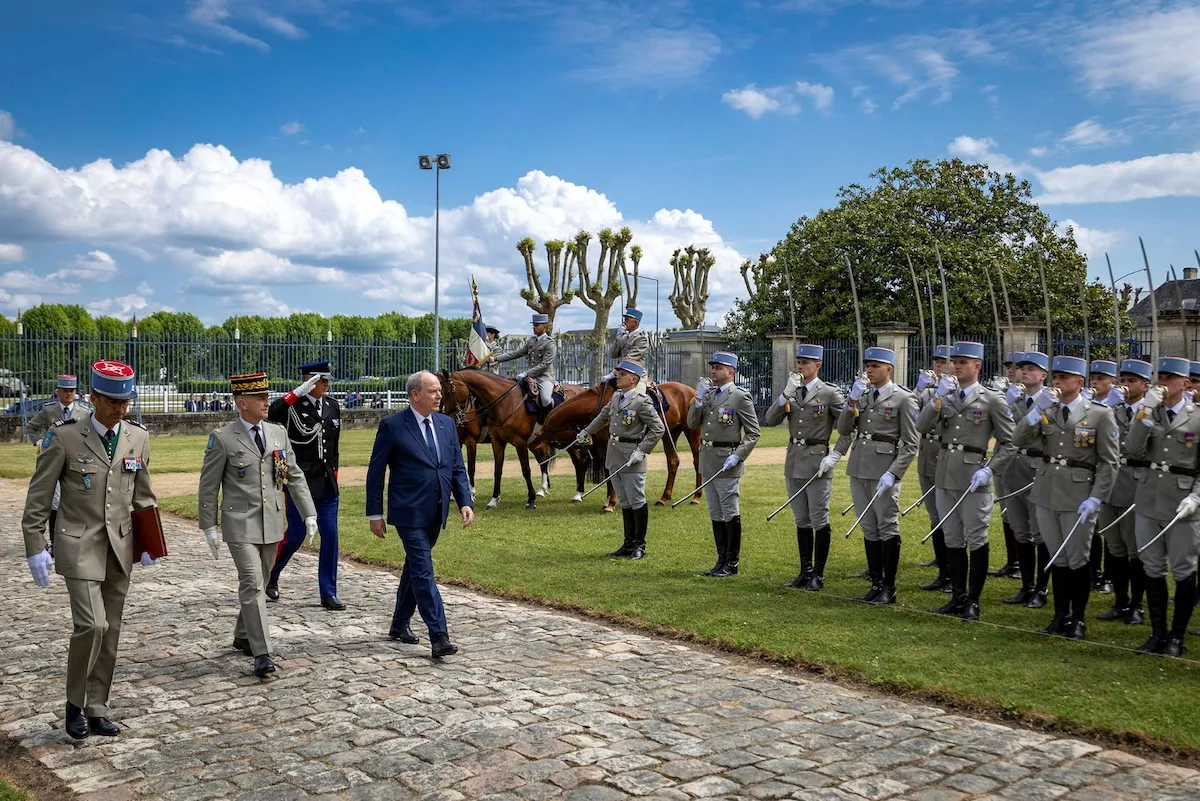
The visit concluded at the military schools of Saumur in Maine-et-Loire, under the theme ‘Lieutenants of yesterday and today: a year that educates and prepares for combat’. It was a homecoming of sorts: Prince Albert’s great-grandfather Louis II studied at the cavalry school there in 1894–1895. Military honours were rendered in the Cour Austerlitz under the command of General Olivier Baudet, followed by a review of troops and a tour of the 2nd training division, where the Prince was shown the latest advances in military instruction alongside cutting-edge equipment including the Jaguar armoured vehicle, the renovated Leclerc tank and military drones.

Photo credit: Frédéric Nebinger, Prince’s Palace

The visit to the Musée de la Cavalerie preceded the day’s final moment: Prince Albert gave the starting signal for the ‘Race for the Wounded’, a fraternal event mixing civilian and military participants that has become a symbol of the bond between the French armed forces and the nation they serve.

Under the 2002 Franco-Monegasque friendship treaty, France’s armed forces serve as guarantors of Monaco’s independence and sovereignty — a relationship that gave the Saumur visit a significance that extended well beyond ceremony.

Stay updated with Monaco Life: sign up for our free newsletter, catch our podcast on Spotify, and follow us across Facebook,  InstagramLinkedIn, and Tik Tok.

Main photo credit: Frédéric Nebinger, Prince’s Palace