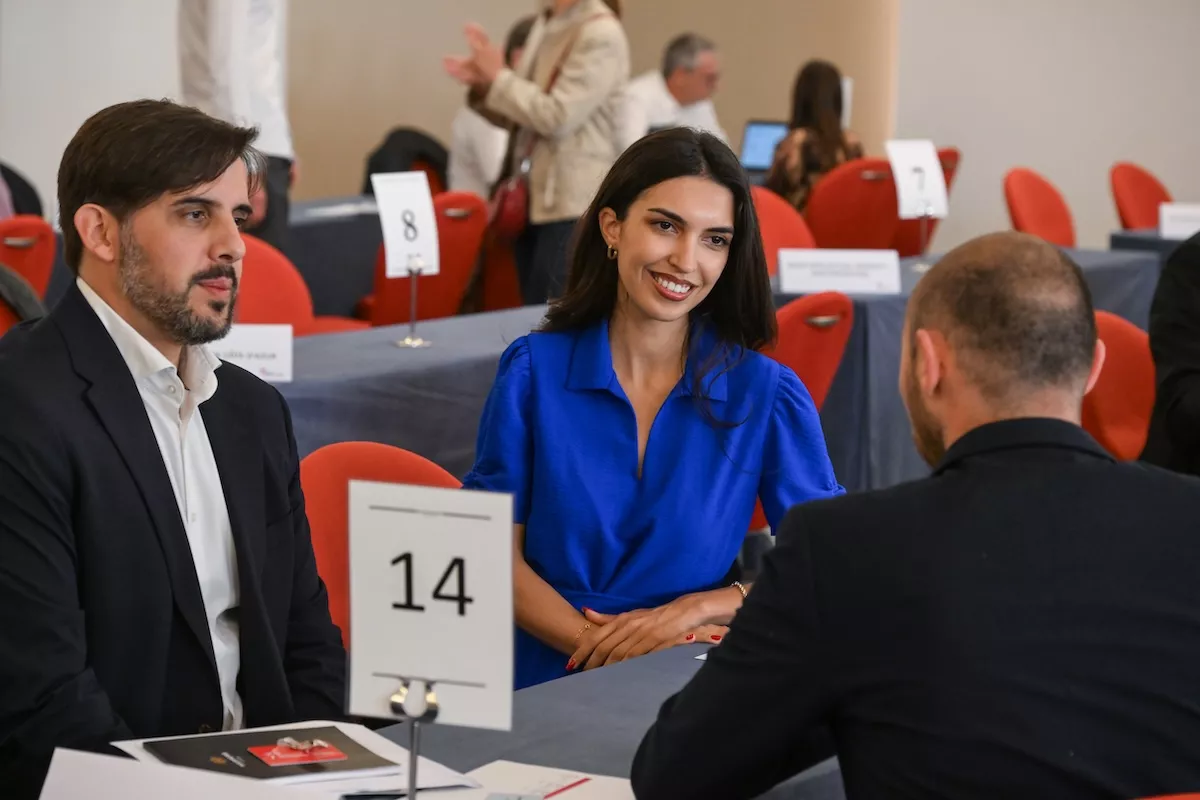
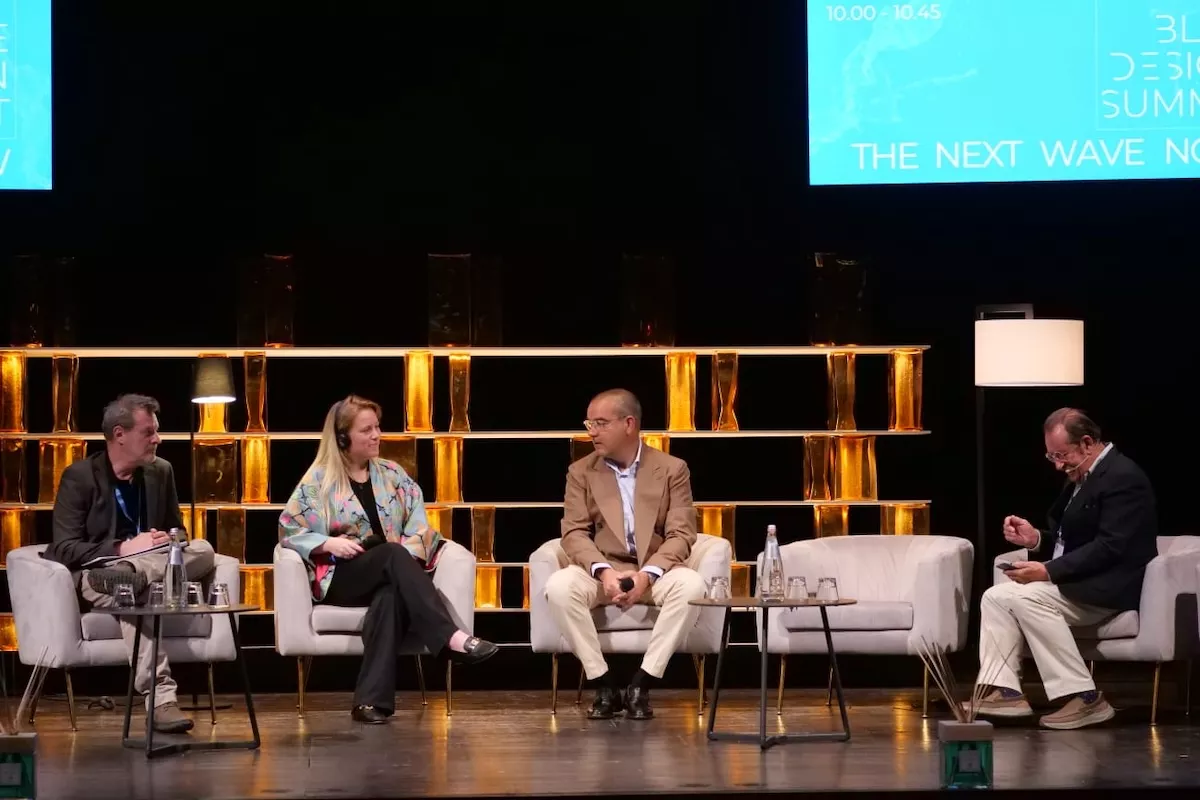
The Monaco Economic Board has committed to holding two dedicated B2B networking sessions per year after its latest edition drew more than 80 decision-makers from around 60 Monegasque companies and generated over 100 one-to-one business meetings.
The session, held on 21 May at the Monte-Carlo Bay Hotel & Resort, extended individual meeting slots from 10 to 15 minutes — a change that organisers say improved the quality of exchanges. The MEB has now separated these structured B2B sessions from its traditional members’ networking drinks, a format it trialled for the first time at the previous edition and has now confirmed as its standard approach.
Sectors and format
Participants came from a broad range of sectors including hospitality, events, banking, legal services, communications, and digital technology. The timed format was designed to bring together people who had come specifically to do business rather than socialise, with last-minute cancellations covered by impromptu on-site pairings arranged by the MEB team.
A cocktail on the terrace of the hotel’s Salle America followed the structured programme, giving participants the opportunity to follow up on initial conversations in a less formal setting.
Chamber of commerce focus
The MEB framed the decision to double the frequency of these sessions as part of a broader shift towards more practical, commerce-focused services for its members. A second B2B session is planned for the second half of 2026.
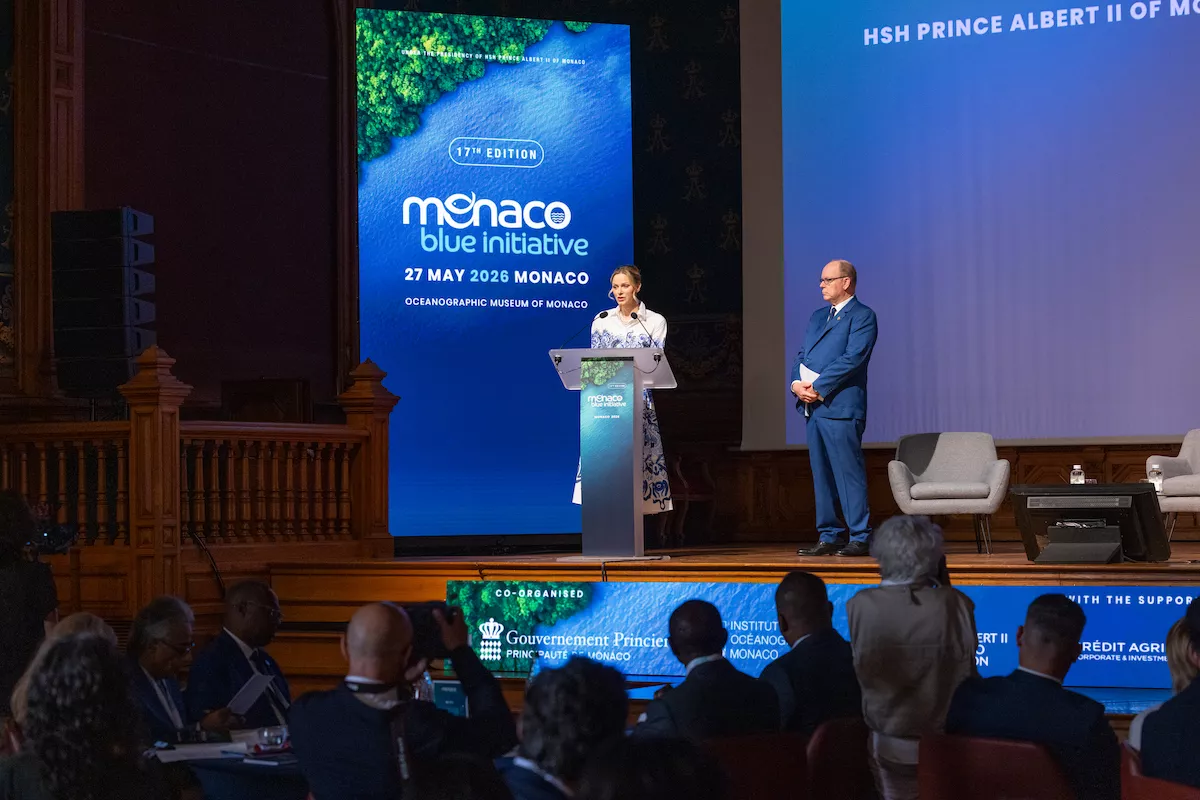
The 17th edition of the Monaco Blue Initiative, held on 27th May at the Oceanographic Museum, proved that the high seas are no longer just an environmental concern, but a distinct global asset class. From strict WTO deadlines to a historic local alliance between Monaco’s sovereign foundations, the summit mapped out a high-stakes transition from oceanic talk to bankable, concrete action.
Opening the discussions, Prince Albert II outlined the shifting economic paradigms facing global maritime policymakers. Long-term environmental costs associated with destructive farming and unregulated fisheries currently impose a massive global burden, quantified at approximately $22 billion annually. The core challenge is for international bodies to establish an effective framework that provides clear incentives and reduces uncertainty for private investors.
“Their cooperation is our focus today,” said Prince Albert II, adding: “Markets, whatever their strengths, need rules. They work to short horizons. They struggle with questions that unfold over decades, sometimes over centuries.”
The ocean is no longer viewed merely as a finite natural resource, but as a distinct financial asset class. This transition is backed by massive private sector acceleration, with nearly 3,000 global startups now actively engaged in ocean innovation. Furthermore, over $10 billion in donor funding and venture capital has been deployed to support breakthrough ocean technologies. Investment channels now span private equity, venture capital, private debt, and major infrastructure finance, signalling that sustainable blue investments are becoming both highly profitable and mainstream.
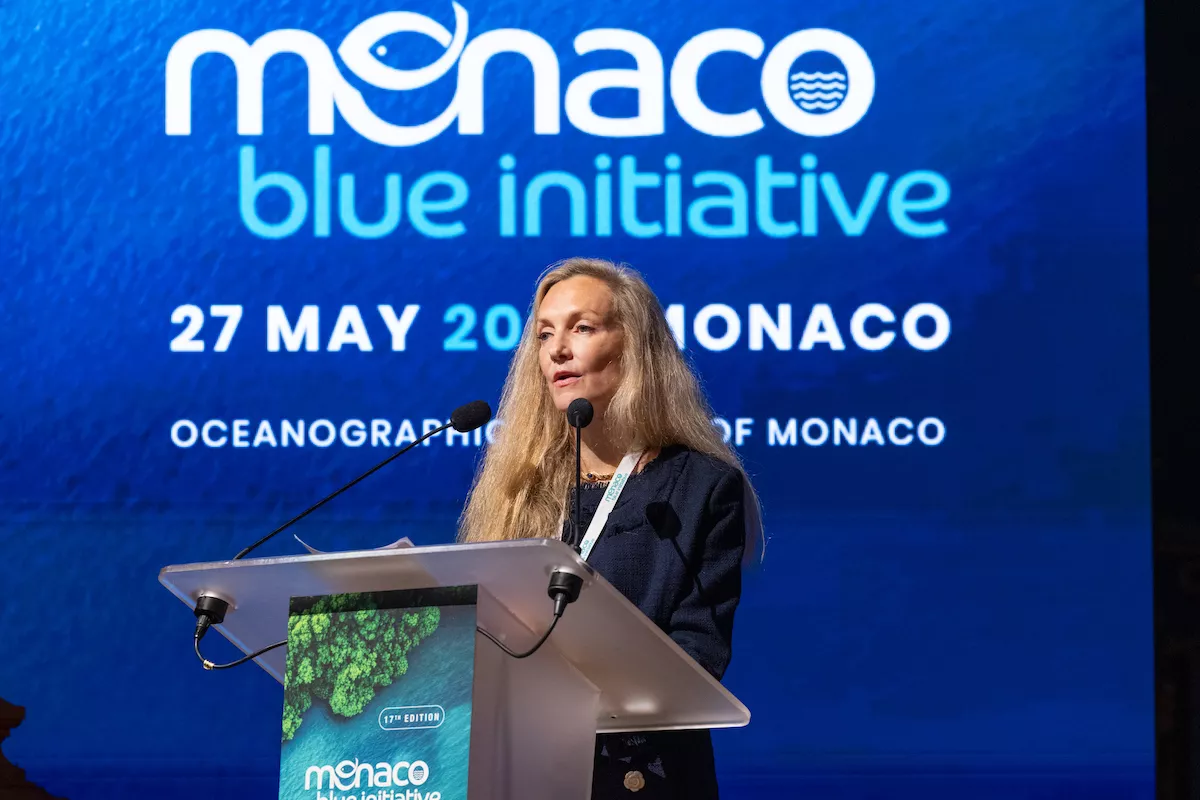
Jennifer Nordquist speaking at the MBI. Photo credit: Philippe Fitte
The September 2029 ultimatum: Why global fisheries face a fragile future
The macro-financial discussion was further elevated by a sharp call to action regarding global fisheries governance. Overfishing, habitat destruction, and illegal, unreported, and unregulated (IUU) fishing currently threaten the food security and livelihoods of over 600 million people worldwide who are reliant on marine resources.
A central focus of the summit was the historic WTO Agreement on Fisheries Subsidies, achieved three years ago. While 120 WTO members have formally deposited their instruments of acceptance, delegates urged the remaining 46 nations to ratify it immediately. The urgency of a global consensus was made clear on stage, with Jennifer Nordquist, Deputy Director-General of the World Trade Organization, noting that “fish certainly don’t recognise borders, and harmful subsidies in one part of the world may affect ecosystems and communities elsewhere”. To turn this policy into action, the WTO Fish Fund has already approved 26 grants—including a major three-year oversight programme in Ghana—to assist developing and least-developed nations in dismantling illegal fishing structures.
However, the clock is ticking. Under the current treaty, negotiators face a strict termination mechanism where they must finalise “Fish 2″—which explicitly targets subsidies contributing to fleet overcapacity—within four years of the first treaty entering into force, meaning a hard deadline of September 2029. “Here’s the thing,” warned Nordquist on stage, “if the second part of the treaty isn’t finalised, the first part may disappear. So, there is pressure to keep working.”
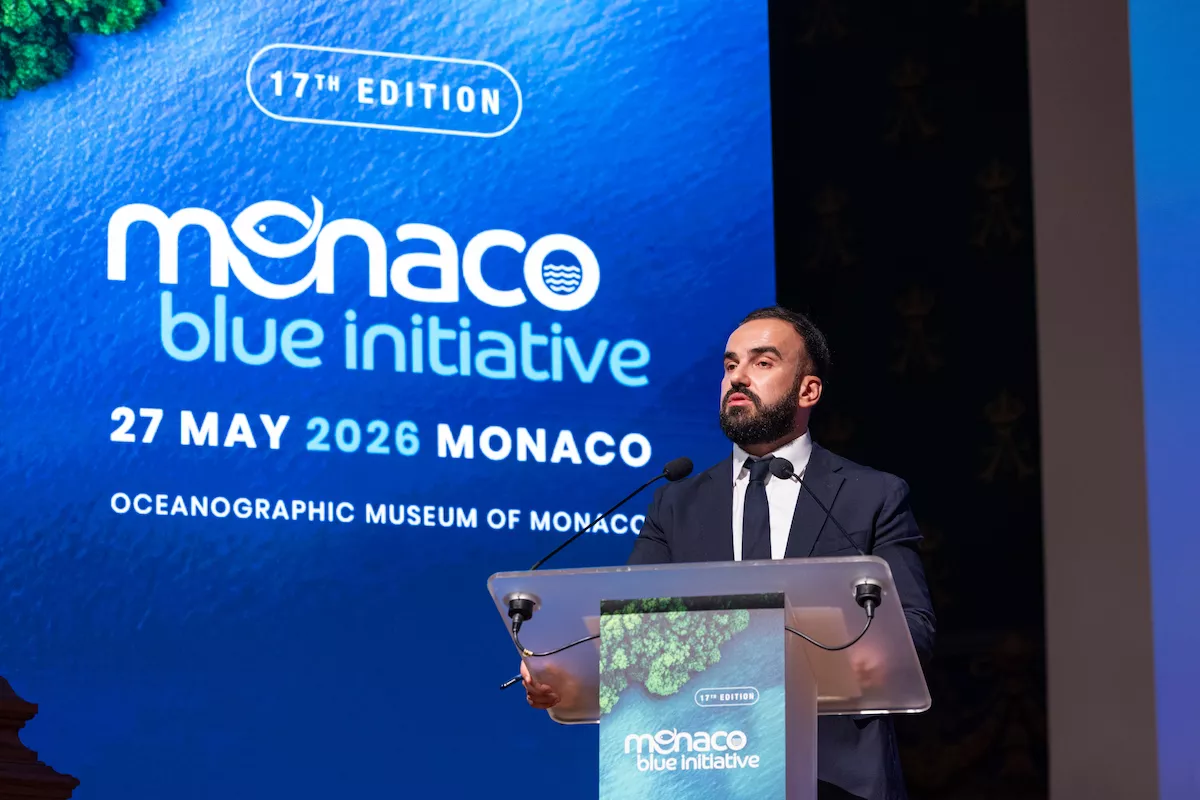
Sofjan Jaupaj, Aalbania’s minister of the environment. Photo credit: Philippe Fitte
National sovereignty: Case studies from Albania and Gabon
Sovereign delegates reinforced these roundtable findings, proving that modern ocean governance is fundamentally a strategy of national security and economic resilience rather than a secondary conservation hobby.
Albania shared its landmark legislative reform as an EU candidate country, revealing it has expanded its protected area system to encompass 22% of its entire territory across land, coasts, and marine ecosystems—the highest percentage in the Western Balkans. By legally declaring the 480-kilometre Vjosa River as Europe’s first Wild River National Park, Albania has proven that economic growth and nature protection can coexist. To scale this regionally, Albania recently launched the United by Climate platform. As Sofjan Jaupaj, Albania’s Minister of Environment, stated: “Our goal was simple: to create a common regional voice for environmental finance, to connect projects with financing, and to ensure that the Western Balkans are not left behind the global green transition.”
Similarly, Gabon, boasting nearly 800 kilometres of active coastline in the Gulf of Guinea, presented its blueprint for a sustainable blue economy. Acknowledging that access to capital remains the single greatest bottleneck for large-scale development, Gabon has enacted rigorous national legislation to expand Marine Protected Areas (MPAs) and reinforce maritime surveillance against illegal industrial trawlers. Mirroring the global panel calls, Gabon is empowering local coastal communities by partnering with NGOs to fund alternative, sustainable fish farming and aquaculture setups to build economic resilience. “For Gabon, protecting the ocean is not simply an environmental choice,” affirmed Aimé Martial Massamba, Gabon’s Minister of Sea, Fisheries, and the Blue Economy, “it is a strategic choice of peace, sovereignty, resilience, and shared prosperity.”
The closed-door breakthroughs: Dismantling isolated ocean governance
Beyond the main stage, the summit’s closed-door interactive workshops and roundtables delivered some of the day’s most vital breakthroughs, emphasising that a borderless ocean cannot be governed through isolated approaches.
A primary talking point from the workshops focused heavily on the implementation of the Biodiversity Beyond National Jurisdiction (BBNJ) treaty—widely known as the High Seas Treaty. Experts noted that a critical framing problem has historically plagued the treaty’s introduction. The BBNJ’s intention was never to undermine or weaken existing sector-specific international bodies like the Regional Fisheries Management Organizations (RFMOs), the International Maritime Organization (IMO), or the International Seabed Authority (ISA). Instead, it is designed to strengthen them, operating as a vital biodiversity and accountability anchor over global human activities to protect overarching ecological integrity.
Simultaneously, delegates exploring regional scalability examined the unique environmental and structural transitions within the Indian Ocean. The roundtable concluded that moving from regional protections to a global treaty requires a systemic assessment of the legal and geographical overlaps spanning national, regional, and multilateral frameworks. It also requires creating tangible socio-economic incentives to empower local coastal communities, directly linking their survival to high-seas conservation. Finally, panels urged the establishment of open, dynamic data-sharing and validation platforms between international scientific bodies, corporate actors, and financial institutions to make high-seas exploration both concrete and ambitious.
Twelve of the world’s leading superyacht design and naval architecture studios have formed a new international association, giving the creative side of an industry worth tens of billions of euros its first dedicated professional body.
The Superyacht Design and Naval Architecture Association — SYDNA — was launched at the Blue Design Summit in La Spezia on 19 May, with Norwegian designer Espen Øino, a familiar figure in Monaco’s maritime world, named as its president.
The superyacht design sector has grown significantly over four decades but has until now lacked coordinated representation. Where shipyards have long had the Superyacht Builders Association (SYBAss) to advocate on their behalf, designers and naval architects have operated without an equivalent body — leaving them without a collective voice when new rules and regulations are being drawn up.
“SYBAss has successfully got the industry’s voice heard before new rules and regulations become a fait accompli,” said Øino. “SYDNA allows us to have representation for elements specific to what we do as designers, whether that’s rules and regulations, how we deal with contracts, or other issues on which we will benefit from open discussion.”
Clair Rozemeijer, who serves as SYDNA’s executive director, said the association had been conceived to address challenges that individual studios cannot solve alone. “Together with SYDNA’s board members and founding members, we explored where meaningful collaboration could exist — not in the areas where companies compete, but in the areas where we can collectively strengthen the profession of yacht designers and naval architects.”
Four pillars
SYDNA will organise its work around four areas: professionalism, regulations, sustainability, and promotion. On professionalism, the association plans to develop standard contracts, ethical guidelines, and quality standards. On regulations, it intends to engage more actively with bodies including the IMO, ISO, and flag states. On sustainability, it will develop collective initiatives aligned with the Water Revolution Foundation’s Roadmap 2050. On promotion, it will work to confer credibility on members and function as an accreditation that clients can rely upon.
Luca Boldrini, managing partner of FM Architettura and SYDNA vice president, said the association would also improve how designers communicate with shipyards and brokers. “The process of building a yacht starts with the naval architect, exterior and interior designer, and increasingly that is happening without a shipyard involved. SYDNA means we can not only bring designers together better, but also enhance our communication, cross-fertilisation and collaboration with shipyards and brokers.”
Founding members
The 12 founding studios are Azure Yacht Design & Naval Architecture, Bannenberg & Rowell Design, Espen Øino International, FM Architettura, Hoek Design, Mulder Design, Nauta, Nuvolari Lenard, Philippe Briand Ltd, Van Oossanen Naval Architects, Winch Design, and Zuccon International Project. To qualify for full membership, studios must have been in operation for at least 10 years and have delivered at least five projects over 30 metres in the past decade.
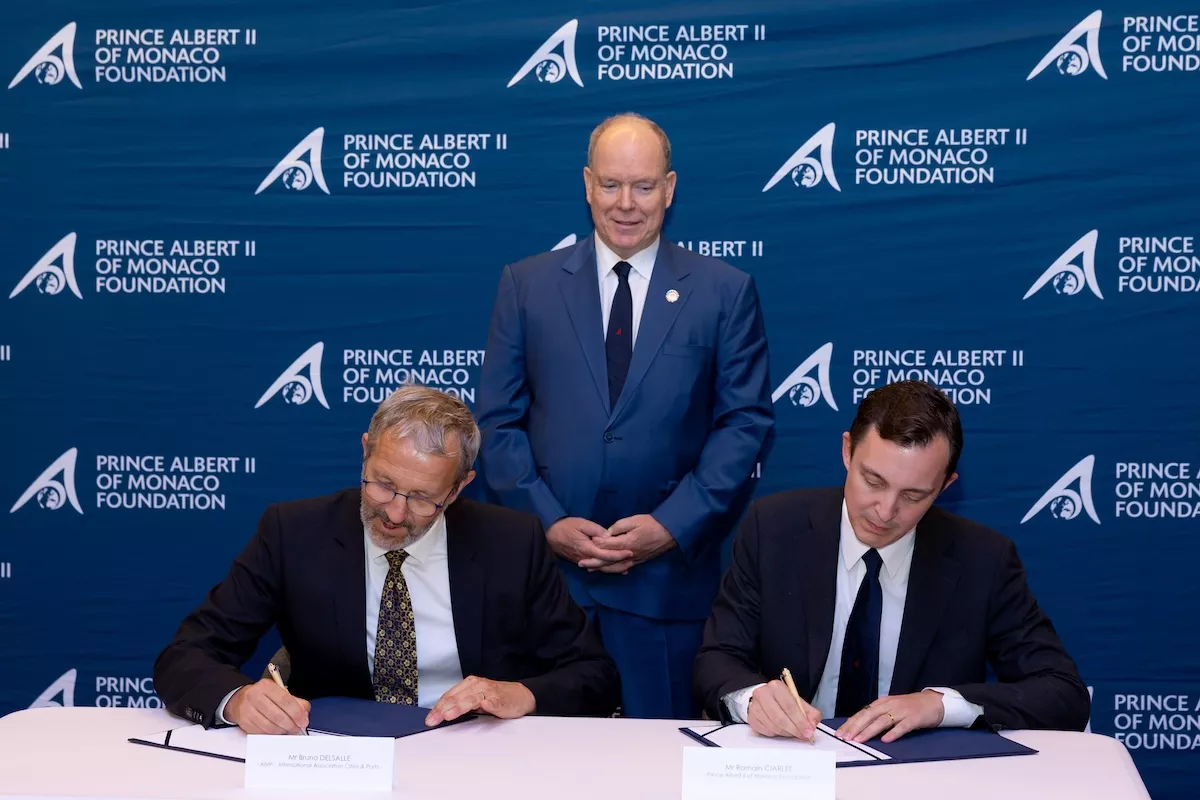
The Prince Albert II of Monaco Foundation and the International Association of Cities and Ports (AIVP) have signed a Memorandum of Understanding at the Grimaldi Forum, in the presence of Prince Albert II, on the opening day of the second Blue Economy and Finance Forum.
The agreement was signed by Romain Ciarlet, Vice-Chairman and CEO of the Prince Albert II of Monaco Foundation, and Bruno Delsalle, Director General of AIVP, establishing a formal framework for collaboration on sustainable and innovative development at the intersection of cities, ports and the ocean.
What the partnership covers
The two organisations will develop joint initiatives across a number of shared areas, including the promotion of talent and innovators working in the ocean sector. Practical collaboration will be structured around two existing frameworks: the Foundation’s Ocean Innovators Platform and the AIVP 2030 Agenda for Sustainable Port Cities.
The partnership also provides for the exchange of expertise and best practices, the participation of each organisation’s experts and innovators in relevant events, and the development of shared initiatives designed to strengthen dialogue between environmental protection, port-city development and the blue economy.
Signatories on the agreement
“This Memorandum of Understanding reflects our shared conviction that port cities have a central role to play in the transition towards a sustainable blue economy,” said Romain Ciarlet. “By joining forces with AIVP, we aim to foster dialogue, support innovators and promote solutions capable of reconciling economic development, ocean protection and the sustainable transformation of coastal territories.”
Bruno Delsalle described the signing as recognition of AIVP’s work on behalf of port cities worldwide. “Guided by shared values of solidarity, cooperation and responsibility in the face of the challenges of a global transition, our two organisations complement one another. This partnership reflects our shared ambition to harness the full potential of city-port ecosystems to foster the emergence of new value chains focused on the blue economy,” he said.
AIVP is an international network dedicated to sustainable port-city development, and its 2030 Agenda provides a strategic framework for member cities and ports worldwide. The Prince Albert II of Monaco Foundation, founded in 2006, works to advance environmental protection across biodiversity, climate, ocean and water resources, with a growing focus on blue economy investment through initiatives including the ReOcean Fund and the Ocean Innovators Platform.
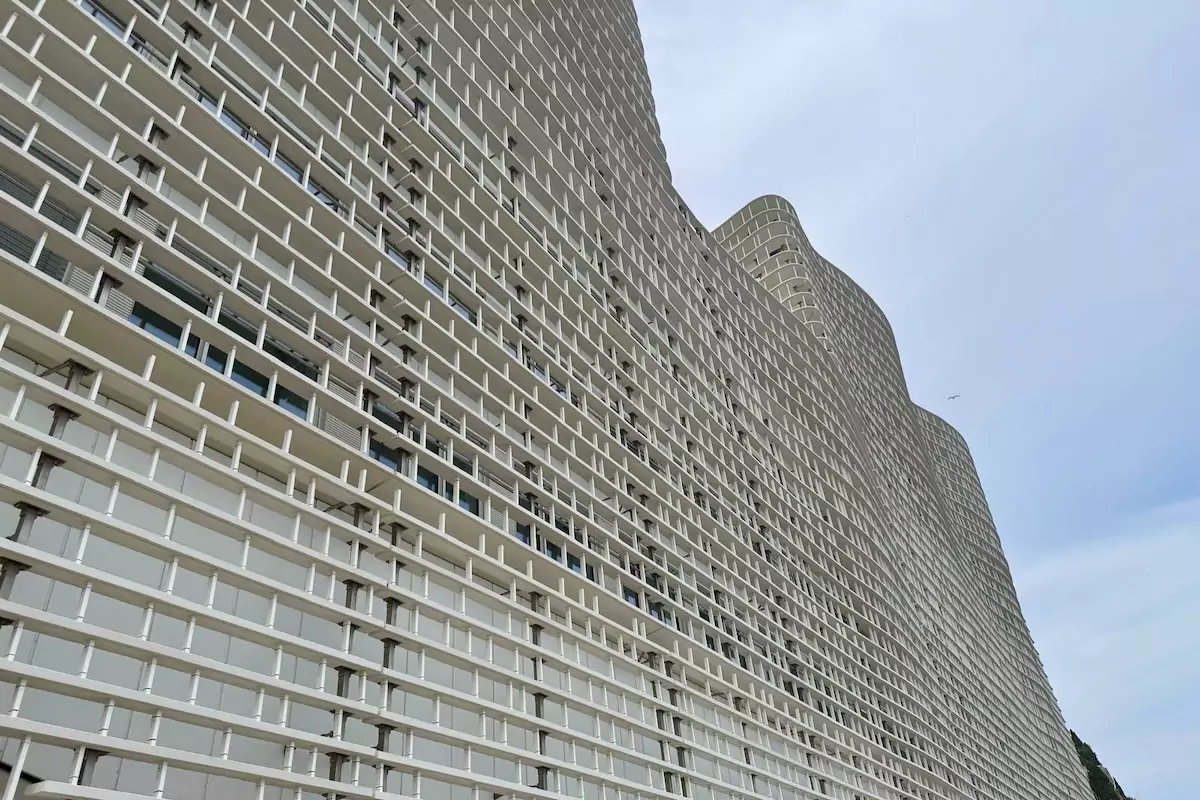
The new building of the Centre Hospitalier Princesse Grace (CHPG) will be formally handed over to hospital management teams on 1st July 2026, marking the close of a construction chapter that began a decade ago and paving the way for a phased migration of services before the first patients are received.
The handover represents a transition rather than an immediate opening. Hospital and government teams have been working together for several months on a preparatory period that will run through to the end of 2026 — a marche à blanc, or dry-run phase, designed to verify, test and certify the safety of every system before clinical activity begins in the new facility.
A decade in the making
The project spans 10 years of construction, from the first groundbreaking in 2016 through to the completion of the structural works in September 2024 and the current final phase of fit-out and equipment. At the height of activity, up to 700 workers were on site simultaneously.
“On 1st July, we will hand over the keys to the 40,000 square metres that the hospital teams will progressively occupy and make their own. But we will remain by their side, because delivering a hospital is far more than handing over a building: it means verifying, testing and securing every step before receiving patients,” said Céline Caron-Dagioni, Conseiller de Gouvernement-Ministre de l’Equipement, de l’Environnement et de l’Urbanisme.
“The cornerstone of Monaco’s healthcare system”
Health Minister Christophe Robino described the project’s significance in broader terms, noting its ambitions for patient access, quality of care and safety, as well as the cross-departmental collaboration it has required. “The NCHPG project is the cornerstone of Monaco’s healthcare system. It is a highly ambitious project designed to meet the population’s expectations in terms of access to care and quality of treatment, while ensuring the safety of all. It is also a project co-constructed between the teams of the Department of Equipment and those of the Department of Social Affairs and Health, and of course the CHPG’s own management,” he said.
The new building is the first phase of a wider modernisation of the CHPG — Monaco’s only public hospital — with the full project scheduled for completion by 2032.