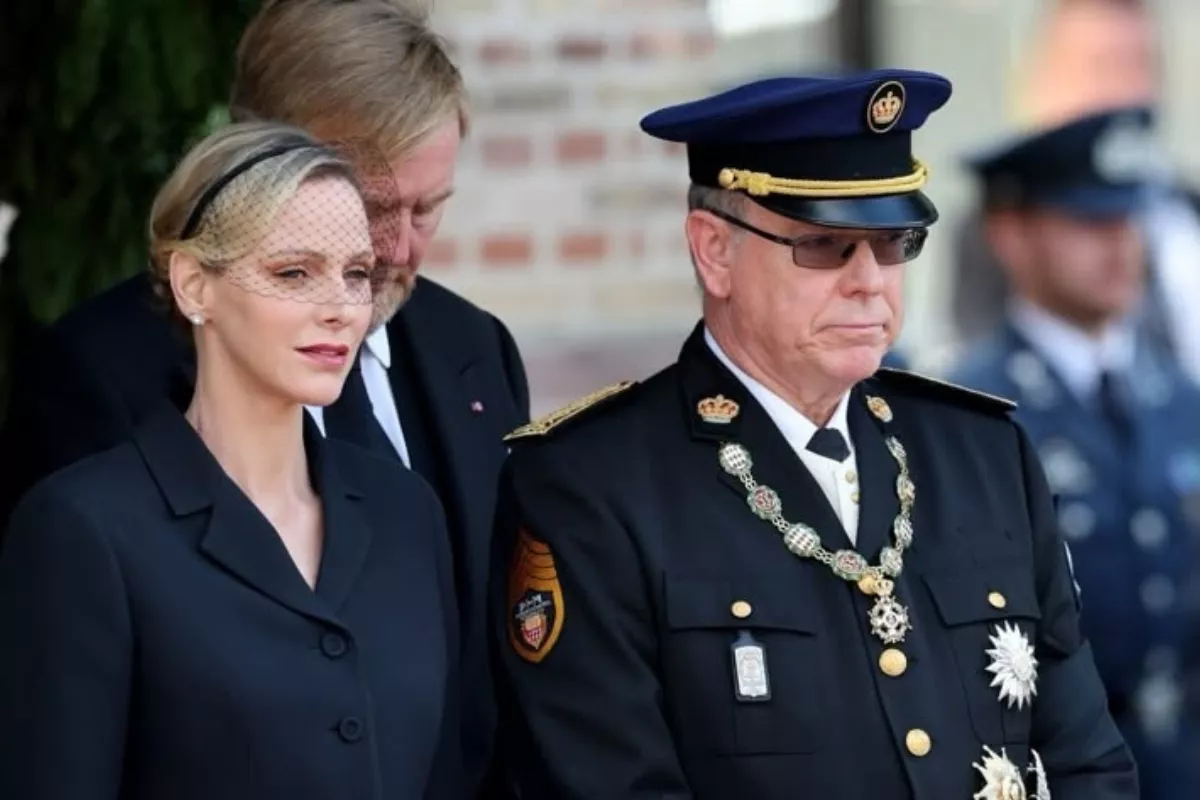
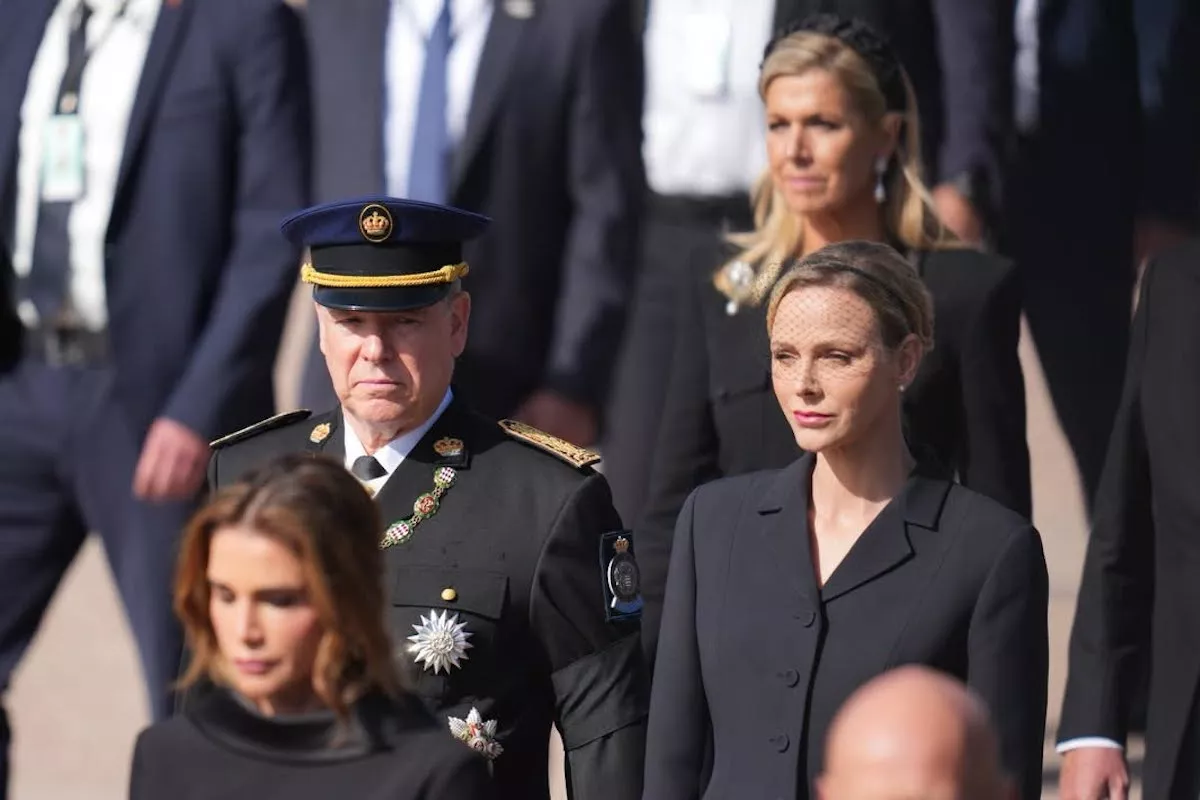
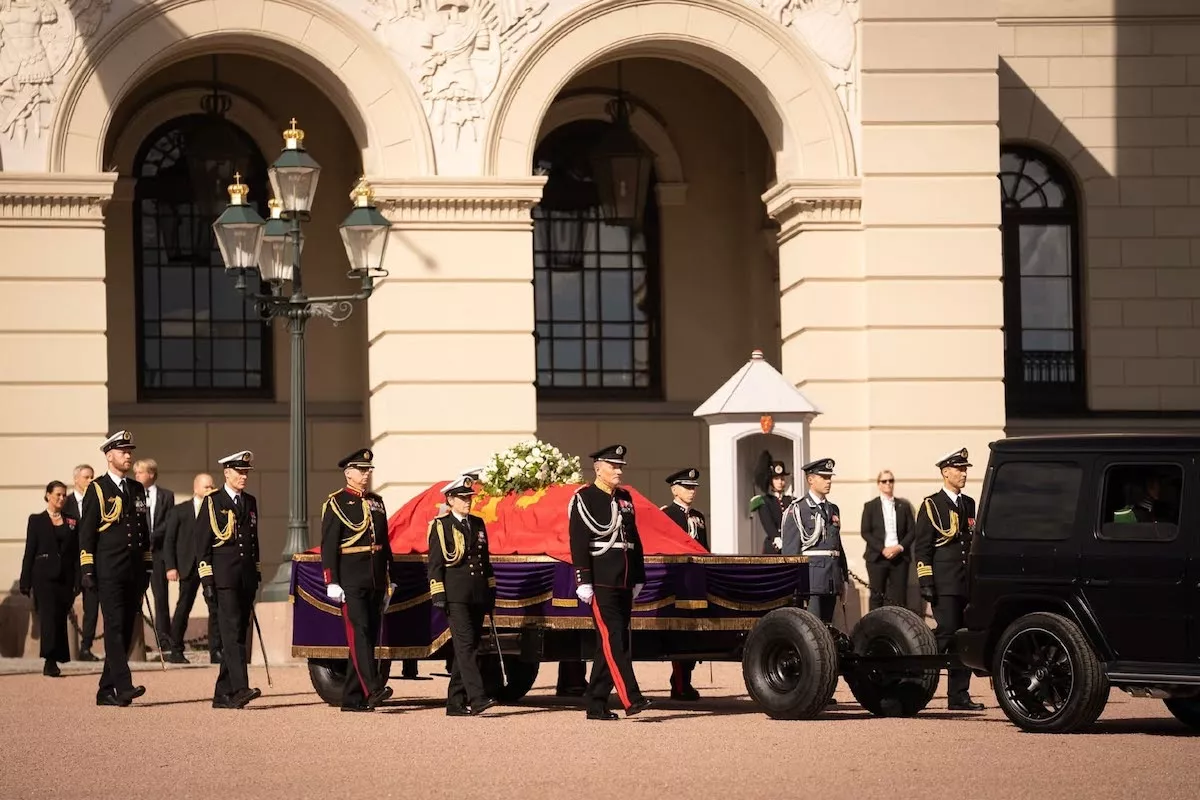
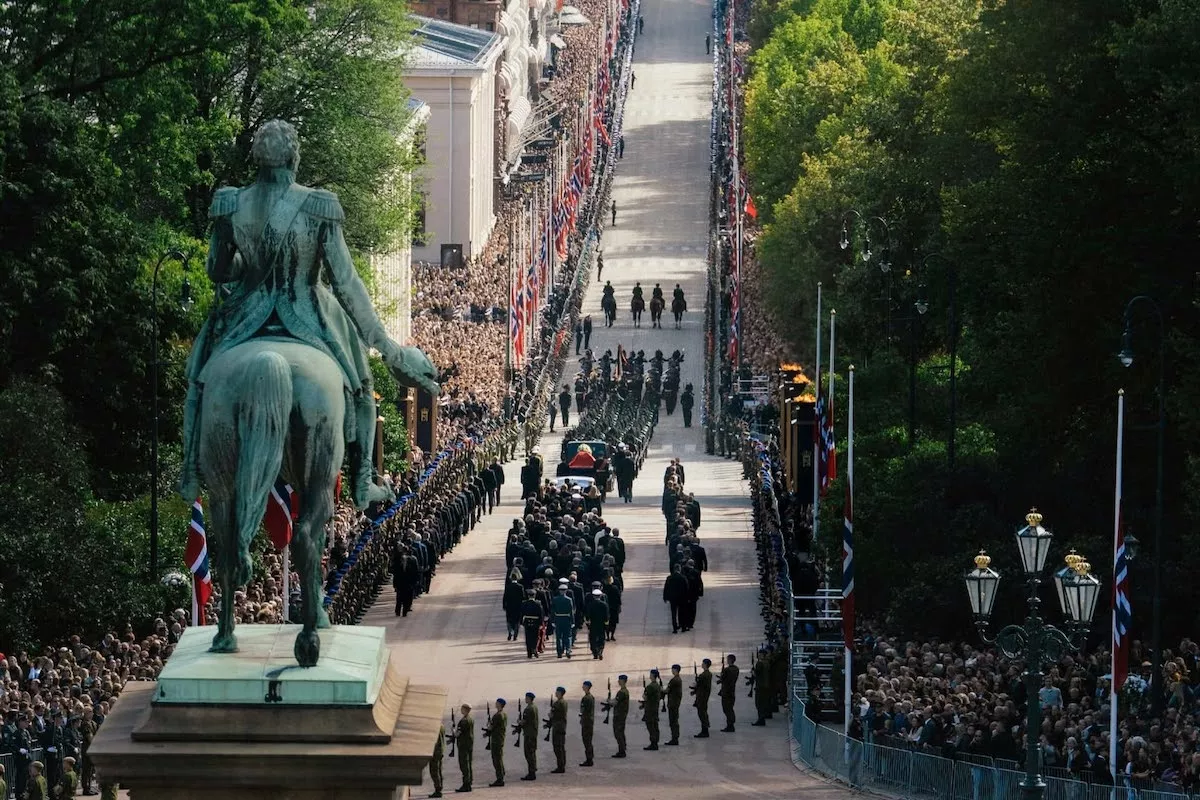
Prince Albert II and Princess Charlene joined European sovereigns and international dignitaries in Oslo on Wednesday 9th September to pay their final respects at the state funeral of King Harald V of Norway.
The prince and princess of Monaco attended the high-security service alongside representatives of global royal houses to honour the late monarch, who shaped modern Norwegian history across his decades-long reign.
Photo Credit: Det kongelige hoff – Getty Images – Chris Jackson – Peter Summers – Published by Palais Princier
Photo Credit: Det kongelige hoff – Getty Images – Chris Jackson – Peter Summers – Published by Palais Princier
Following the ceremony, the Princely Family issued a formal statement expressing their profound sympathy to King Haakon VIII, the Norwegian Royal Family, and the people of Norway.
Photo Credit: Det kongelige hoff – Getty Images – Chris Jackson – Peter Summers
Their attendance highlighted the enduring diplomatic and personal ties between Monaco and the Norwegian royal family, complementing the official tributes issued from the Palace back home on the day of mourning.
Princess Charlene and Prince Albert II and King Harald V’s funeral in Oslo. Photo Credit: Det kongelige hoff – Getty Images – Chris Jackson – Peter Summers – Published by Palais Princier
‘Monaco and the Automobile’ exhibition drew over 73,000 visitors
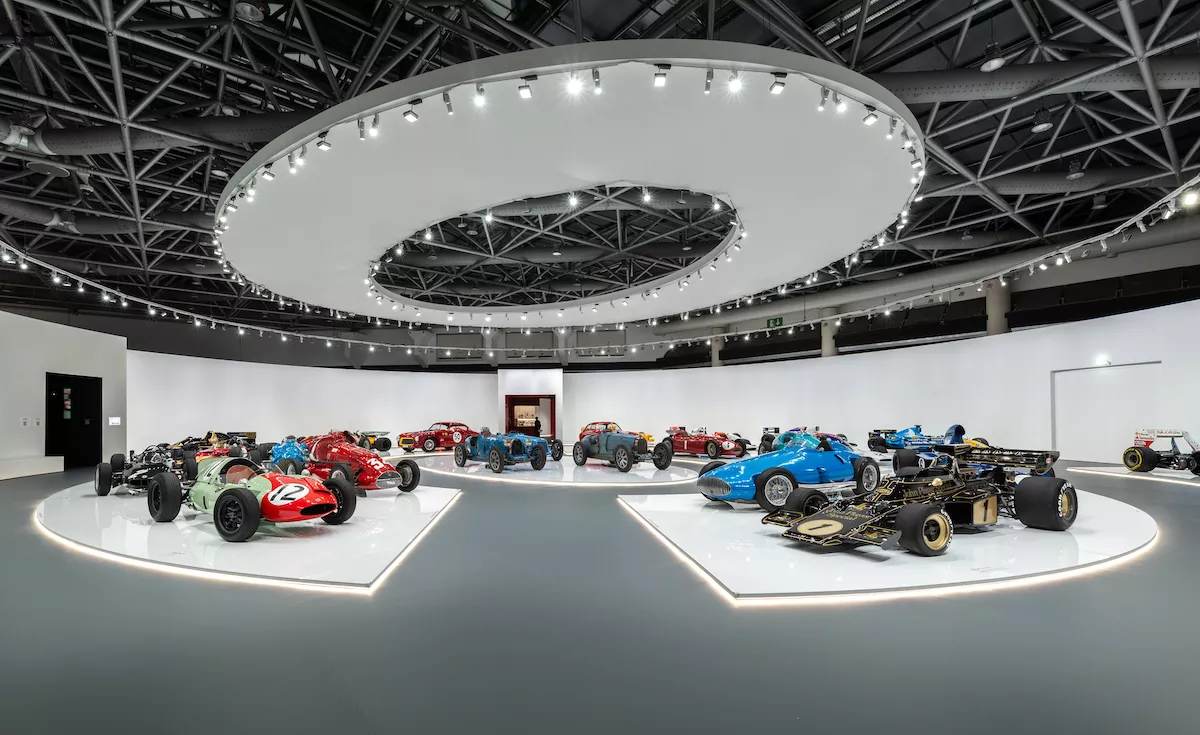
More than 73,000 visitors packed the Grimaldi Forum this summer to trace Monaco’s century-long romance with the motor car. Running from 1st July to 6th September, the major summer exhibition ‘Monaco & l’automobile, de 1893 à nos jours’ drew 73,077 visitors across 67 days – averaging nearly 1,100 people a day.
The turnout secured the exhibition fifth place in the cultural centre’s all-time summer rankings, sitting just behind 2025’s Pompidou masterworks showcase (76,500) and tying with 2008’s Reines d’Égypte.
For the Grimaldi Forum, dedicating its flagship summer slot to cars was a calculated risk. “We didn’t know exactly how the public would react,” admits general director Sylvie Biancheri, adding: “These numbers reflect both the relevance of Rodolphe Rapetti’s project and the public’s deep attachment to this history.”
130 years of racing and royalty
Spanning 3,500 square metres, the curation brought together more than 50 authentic vehicles tied directly to the Principality, backed by rare archives from the Automobile Club de Monaco.
The floor plan moved chronologically through milestones including the late-19th-century concours d’élégance, the birth of the Rallye Monte-Carlo in 1911, and the inaugural Grand Prix of 1929.
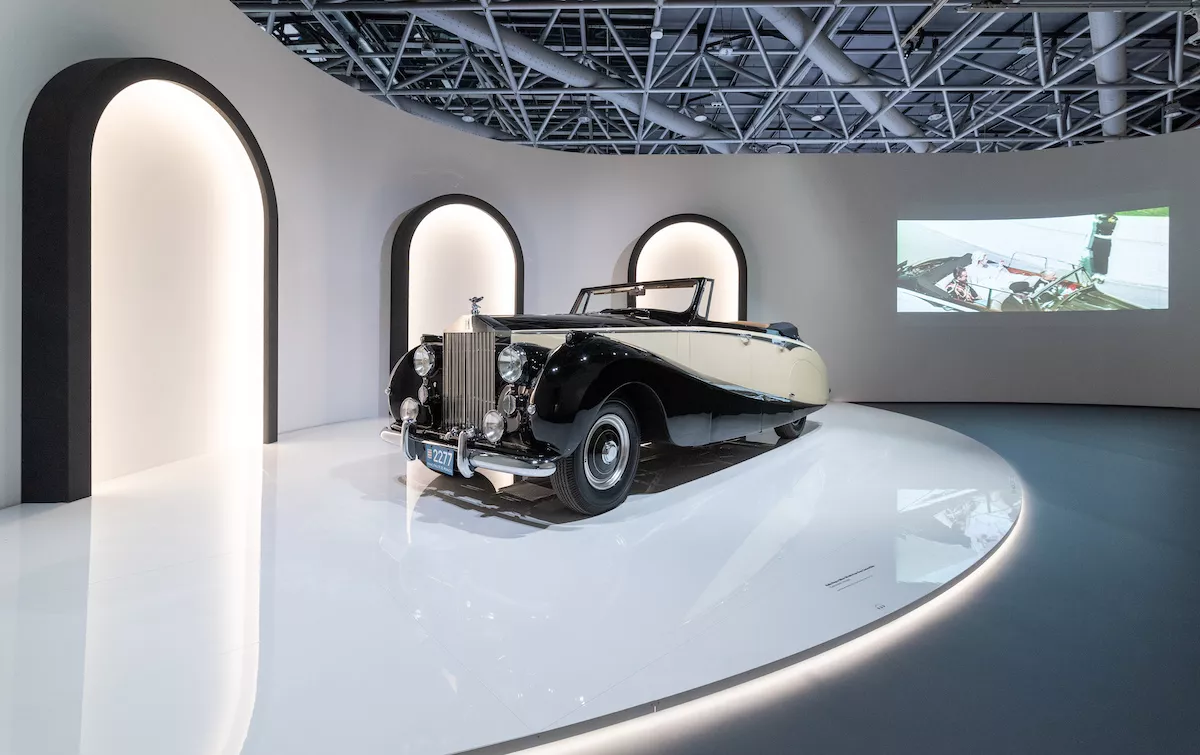
Room 1 — The Princely Wedding. Photo credit: Eric Zaragoza, Grimaldi Forum Monaco
Star attractions included the 1953 Rolls-Royce Silver Wraith used for the 1956 wedding of Prince Rainier III and Grace Kelly, legendary rally cars, historic Formula 1 single-seaters, a Venturi Formula E car, and tributes to local racing icons Louis Chiron and Charles Leclerc.
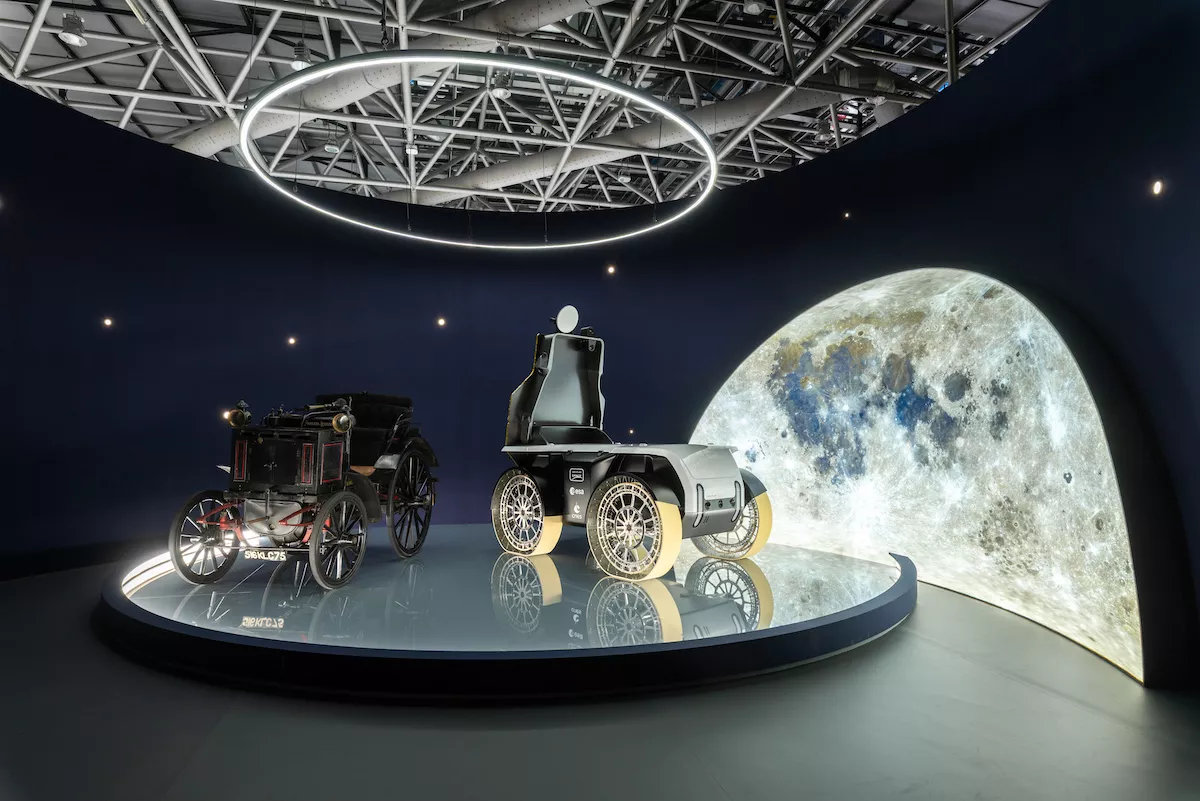
Bridging more than a century of engineering, the exhibition closed by pairing a running 1893 Panhard & Levassor—the oldest operational petroleum-powered car—against Mona Luna, a lunar rover developed by Venturi Space slated for the moon by 2030.
Room 7 — Venturi’s Mona Luna. Photo credit: Eric Zaragoza, Grimaldi Forum Monaco
Attracting a younger, new audience
Demographic data reveals the show successfully drew fresh crowds to the venue: 58% of attendees were first-time visitors to the Grimaldi Forum, and 55% were under 25. Furthermore, entries in the digital guestbook reflect a high level of satisfaction, scoring the exhibition an average of 9 out of 10.
Looking ahead to Magritte in 2027
With the engines now powered down, the Grimaldi Forum is already looking ahead to next summer. The venue confirmed its 2027 hit will transition entirely to surrealism, featuring more than 100 works by René Magritte sourced from public and private collections worldwide.
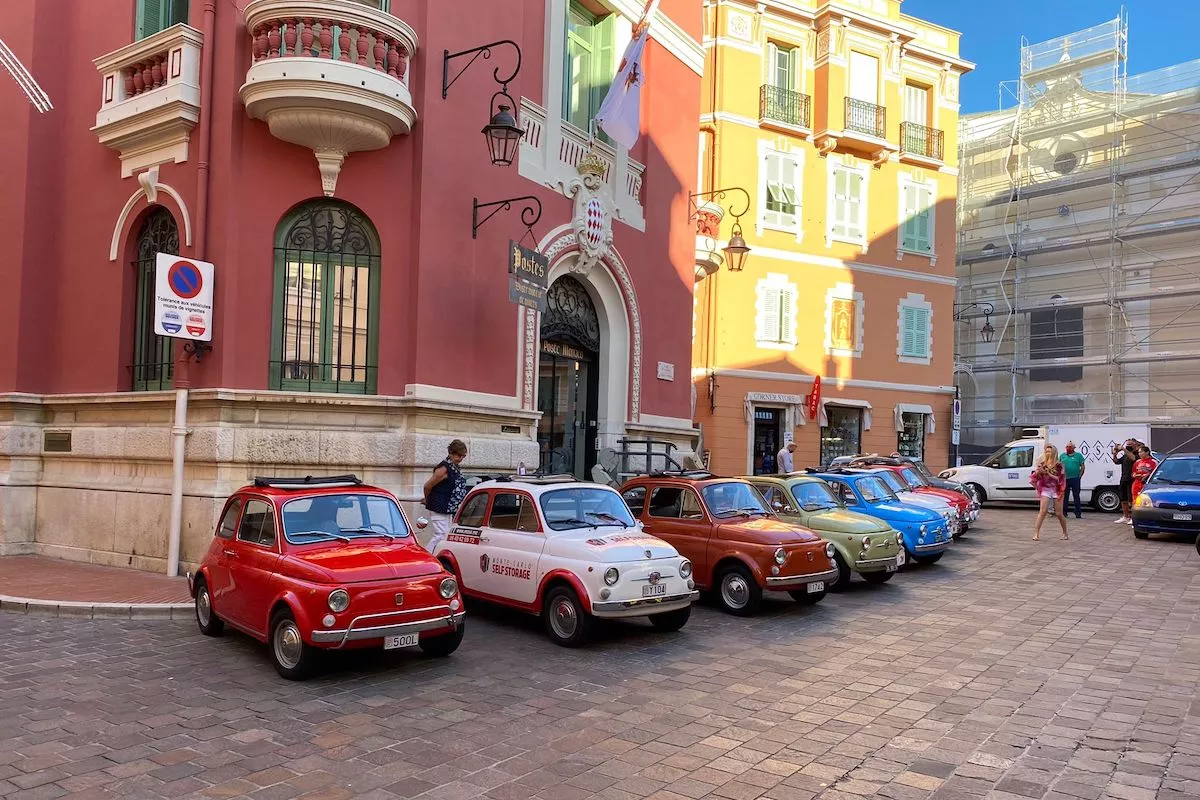
Classic Italian design meets the winding mountain roads of the Maritime Alps on Saturday 19th September as the Club Fiat 500 Monte-Carlo hosts its seventh annual Late-Summer Promenade across the Riviera.
Returning to a cherished tradition, this year’s parade of 10 to 12 vintage models gathers on the Place de la Mairie from 08:30am before a 09:30am departure. In past editions, the Mayor of Monaco personally flagged off the fleet—a gesture deeply valued by the club that highlights its strong institutional ties and natural home within the Principality.
Tackling the Col du Turini
Led by club president Massimo Peleson, the convoy leaves the coast behind for a scenic drive scaling the legendary Col du Turini before looping back to the Principality. Blending heritage motoring with challenging mountain switchbacks across the Alpes-Maritimes, the route showcases the enduring charm of Turin’s pocket-sized car against the dramatic backdrop of the Riviera hinterland.
Keeping numbers strictly limited preserves an intimate atmosphere for this community-focused celebration.
Celebrating automotive heritage
The late-summer event offers a practical nod to post-war Italian car culture. Originally built as affordable transport, the Fiat 500 remains a familiar and well-liked fixture of European motoring history.
Members of the public will have the opportunity to view the collection on the Place de la Mairie before the departure, highlighting the enduring appeal of the classic city cars.
Laurent Herschbach will become general manager of Hotel Metropole Monte-Carlo on 1st October, stepping into the role after almost three decades at the Ritz Paris. He succeeds Klaus Kabelitz, who ran the property on an interim basis through the peak summer season and now returns to London.
Herschbach joined the Ritz Paris in 1997, starting at the front desk and working his way up through almost every operational department. He went on to hold the posts of duty manager, front of house manager, room division director, director of food and beverage, director of operations and hotel director, before being appointed general manager of the Paris palace in March 2023. He led the hotel for close to three years, until Arnaud de Saint-Exupéry took over in October 2025, after which he moved into independent hotel management consulting.
That long tenure at a single address has given him a working knowledge of nearly every discipline in luxury hospitality, from the reception desk to the boardroom. He trained at the École d’Hôtellerie et de Tourisme du Luxembourg and later studied hotel management at Cornell University in the United States, adding further training in finance at HEC Paris.
A run of change at the Metropole
Herschbach arrives after a series of leadership changes at the Belle Époque hotel. Serge Ethuin stepped down in April 2026 following more than a decade at the helm and a career of over 40 years with the group. Kabelitz, who had been running The Kensington in London, was appointed to succeed him before taking on the interim role over the summer.
The hotel, which opened in 1886 in Monaco’s Carré d’Or district, a short walk from the Casino de Monte-Carlo, has been through a period of renovation in recent years. Forty-five rooms and suites have been redesigned by Jacques Garcia, and the Spa Metropole by Guerlain opened in July 2025. Its dining includes the two-Michelin-starred Les Ambassadeurs by Christophe Cussac, and the property forms part of The Leading Hotels of the World.
The task ahead
In his new position, Herschbach will oversee the hotel’s operations and its teams as it works to strengthen its standing among the world’s leading luxury properties while holding on to its Monégasque character. His appointment brings a period of settled leadership to one of the Principality’s landmark addresses after a year of movement at the top.
Monaco Life is written by qualified journalists, writing original content. Sign up for our free newsletter, listen to our podcasts on Spotify, and follow us across Facebook, Instagram, LinkedIn, and Tik Tok.
Photo provided
Monaco Trott’n’Roll returns for 12th edition in support of pediatric cancer research
Fondation Flavien will host the 12th edition of the Monaco Trott’n’Roll later this month at the Les Jardins d’Apolline, raising awareness and funds in the fight against pediatric cancers. It forms part of Septembre en Or, the international childhood cancer awareness campaign.
Since launching Monaco Trott’n’Roll in 2014, Fondation Flavien has used the event to bring families together while supporting its wider mission of advancing pediatric cancer research. The foundation says its work has since extended beyond the local level, with research projects reaching significant scientific milestones in recent years.
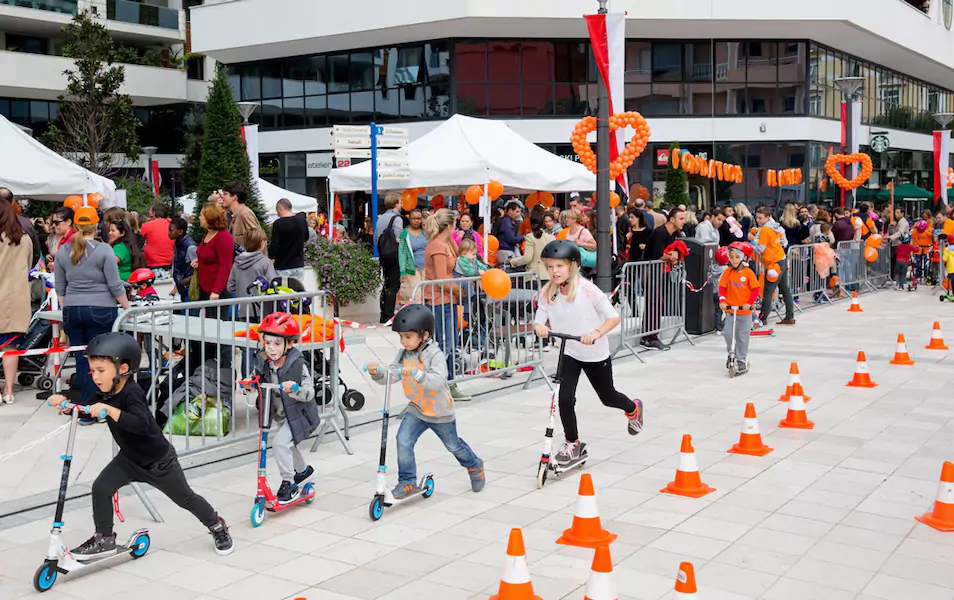
The event will be held on Saturday 19th September and will open to the public at 9am, with activities running throughout the day. The AS Monaco Kids Tour will join this year’s edition with football-related activities, while a scooter course and temporary skate park will be available for a symbolic fee of €2. Transformers and clowns will also roam the site throughout the day.
From 10am, bikers, motorcycles, and high-performance vehicles will take part in runs on Monaco’s Formula 1 circuit. The official inauguration will follow at 11am in the presence of representatives from the Principality, with the Monaco Fire Department also taking part and remaining on site throughout the day. A parade is scheduled for 2:30pm, followed by the event’s raffle draw at around 4pm.
Inflatable attractions, face painting, and merchandise stands will add to the day’s activities, while refreshments and snacks will be available from the Péché Mignon fairground team, alongside homemade hot dogs.
The event will come to a close at 6pm, following a full day of family entertainment celebrating Fondation Flavien’s mission of raising awareness and funds for pediatric cancer research. Visitors are encouraged to wear gold or orange in recognition of the cause and Septembre en Or.
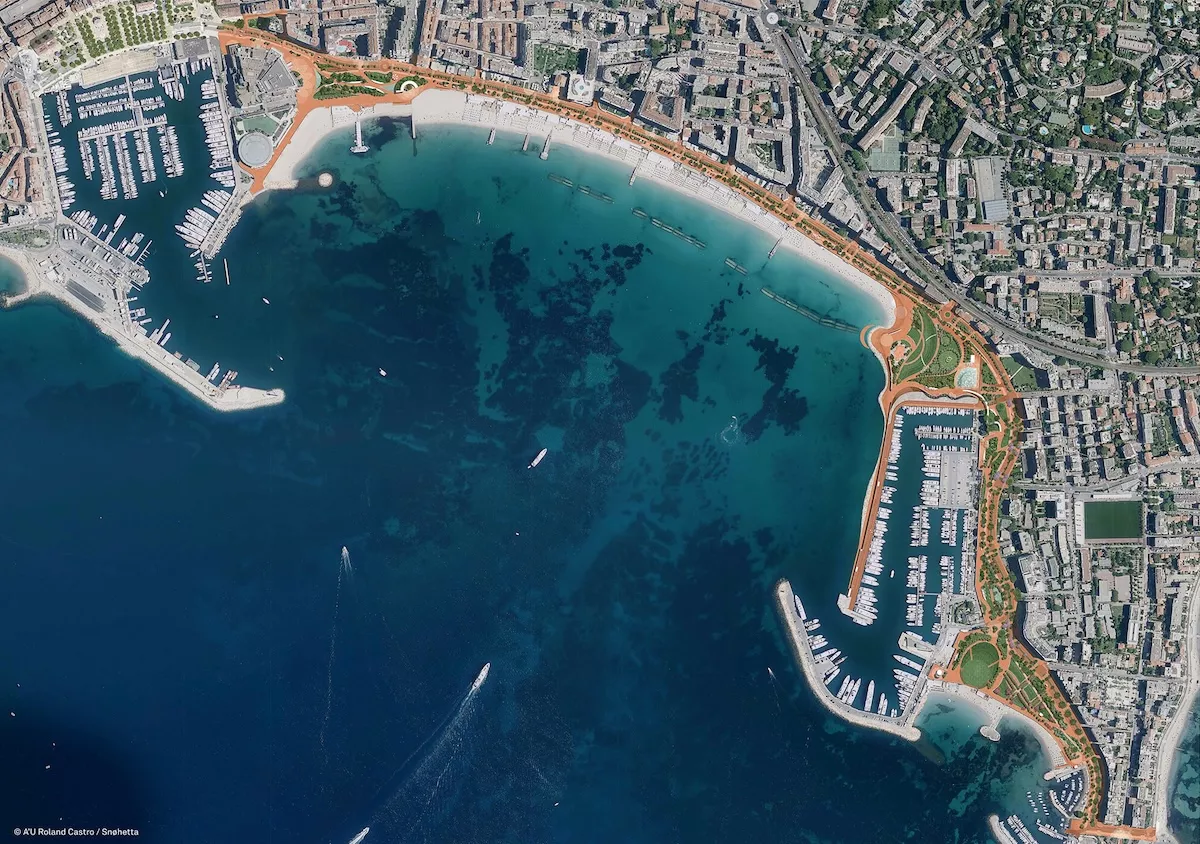
Cannes will launch the surface-level redevelopment of La Croisette in mid-October, once the MIPCOM trade fair has cleared the boulevard, marking the start of the most extensive remodelling of the seafront promenade in over 60 years.
Preparatory operations will begin in mid-September before construction starts between rue Macé and boulevard Alexandre III. Four work fronts will operate simultaneously, with the sections included in the current programme scheduled for completion by the end of 2028.
Originally planned to run from November 2024 until the end of 2025, the project was postponed after contractor bids exceeded the city’s estimates and new state levies placed additional pressure on municipal finances.
In November 2024, the Ville de Cannes estimated that the measures would remove €18 million from its finances by the end of the current municipal mandate. Rather than increase local tax rates, the municipality chose to revise the construction timetable and launch a new tender process.
According to the city, the new procurement process will allow the same project to proceed for €15 million less than the initial bids.
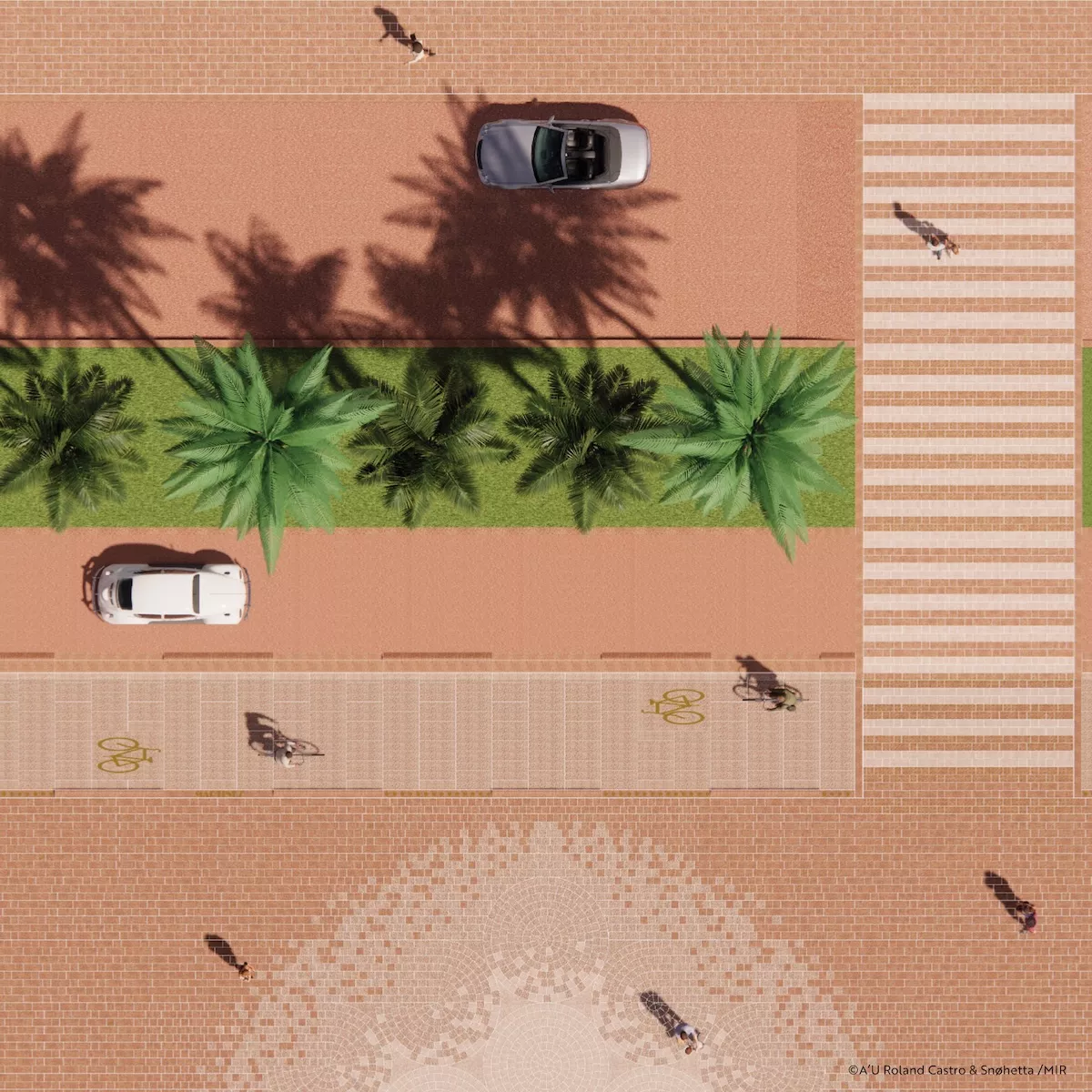
Birds-eye view of the new Croisette design
Wider footpaths, more trees and a continuous cycle route
The winning design was unveiled in September 2022 following an international architectural competition. It was developed by the Atelier d’Urbanité Roland Castro and Snøhetta, working with WSP, Observatoire International, JML Water Feature Design, Manifesto, Transitec and Cronos Conseil.
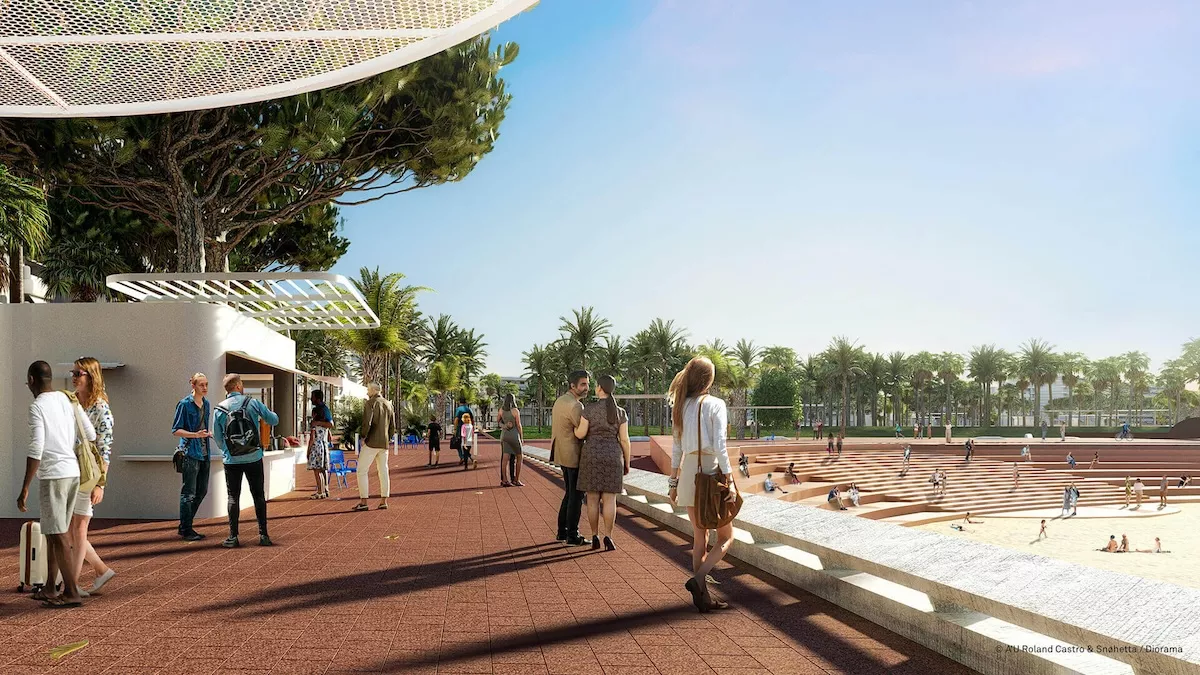
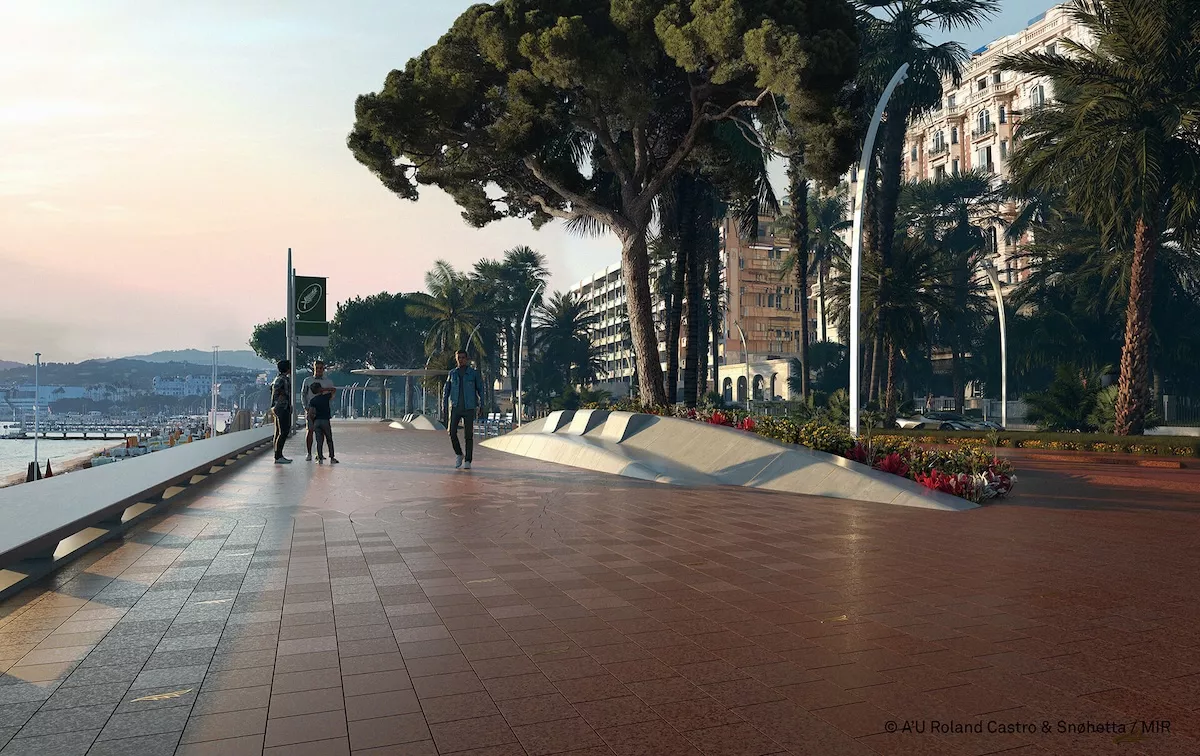
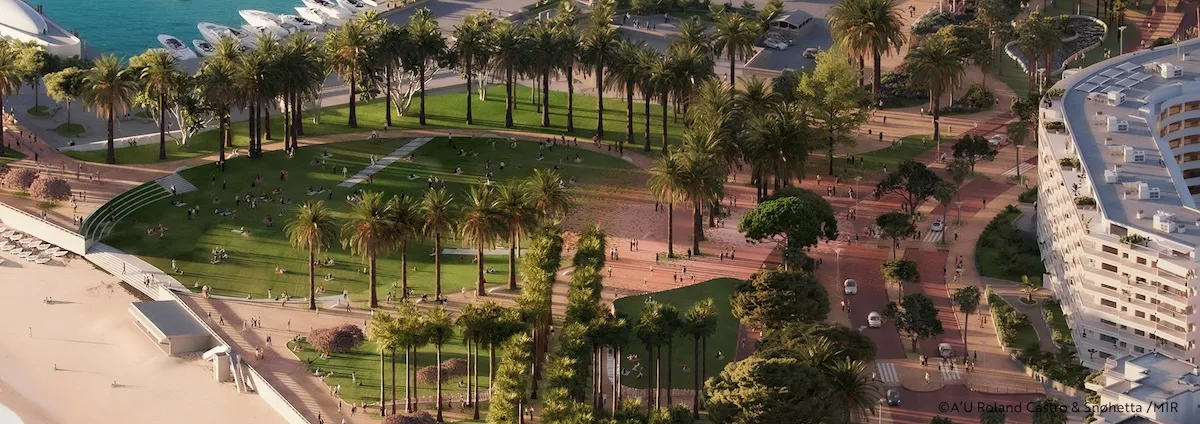
The project will widen pedestrian areas and introduce new paving inspired by the red tones of the Estérel massif and the historic Le Suquet district. Art Deco-influenced “Spotlights” will mark key points along the boulevard, while new benches, shaded structures, lighting and landscaped spaces will be installed.
A three-metre-wide, two-way cycle track separated from road traffic will run from the Palais des Festivals to La Roseraie. Once connected with the existing route to Palm Beach, it will provide 3.1 kilometres of continuous cycling infrastructure.
Pedestrian crossings will be widened and raised, the northern pavement will be enlarged and additional LED lighting and video surveillance will be installed. The Croisette’s familiar blue chairs will be retained.
Source: Atelier d’Urbanité Roland Castro and Snøhetta
By the end of the scheduled works, the redeveloped sections are expected to contain 692 trees planted in the ground, including 295 new plantings. Seventy palms removed during preparatory works will be kept in a nursery before being replanted on the boulevard.
The municipality also plans to use groundwater collected beneath the Lamy municipal car park to irrigate the landscaped areas, reducing the use of drinking water.
The wider master plan includes the Miroir des Lauréats, a reflecting pool at the foot of the Palais des Festivals, and an open-air Théâtre de la Mer at Square du 8-Mai-1945. These elements form part of the broader long-term vision for La Croisette rather than the initial construction section beginning in October.
According to the Ville de Cannes, the objective is to preserve the boulevard’s identity while improving accessibility, safety, mobility and comfort throughout the year.
The redevelopment plan for the Croisette. Source: Atelier d’Urbanité Roland Castro and Snøhetta
A redevelopment under way since 2017
The wider transformation of La Croisette has progressed through several stages since 2017. The first phase expanded 1.4 kilometres of beach between Zamenhof and Macé using 80,000 cubic metres of sand. That work ran from November 2017 to March 2019, followed by a further 33,500 cubic metres added to the two public beaches between September 2019 and March 2020.
A separate programme to renovate the boulevard’s 22 private beach establishments was carried out between September 2018 and March 2020.
Underground works followed from January 2022 until spring 2024, replacing drinking-water, wastewater and sanitation networks serving the hotels, residences, shops and beachfront establishments.
A marine thermal-energy network is also being installed across seven work areas in the city centre and eastern Croisette. The project, developed by the Cannes Lérins Agglomeration, is expected to begin entering service from October 2027 and will eventually provide heating and cooling to more than 50 buildings, including the Palais des Festivals et des Congrès, using energy recovered from the Mediterranean.
Square de Verdun. Source: Atelier d’Urbanité Roland Castro and Snøhetta
Construction organised around Cannes’ events
The surface redevelopment will be completed in two principal stages while maintaining access to hotels, businesses and residences.
From autumn 2026 to summer 2027, work will focus on the southern carriageway between rue Macé and rue du Canada and the northern carriageway between rue du Canada and boulevard Alexandre III. The section between rue Pasteur and rue du Docteur Zamenhof will be incorporated into the second stage.
Between autumn 2027 and the end of 2028, construction will switch to the opposite sides of those sections. Work will also extend to both sides of the boulevard between the Palais des Festivals and rue des Serbes.
Traffic will be maintained in the west-to-east direction, with temporary lane changes introduced according to the area under construction. A diversion will operate between rue Macé and rue Latour-Maubourg from mid-October.
The most significant pavement works will be concentrated during winter, while construction will stop during May to accommodate the Cannes Film Festival. Subsequent phases will address Pointe Croisette, Square de la Roseraie and the Port Canto gardens.
Monaco Life is written by qualified journalists, writing original content. Sign up for our free newsletter, listen to our podcasts on Spotify, and follow us across Facebook, Instagram, LinkedIn, and Tik Tok.
All images are provisional project renderings, subject to change. All heritage features will be preserved. Image credit: A’U Roland Castro & Snøhetta/MIR
All the headlines and highlights from Monaco, direct to you every morning