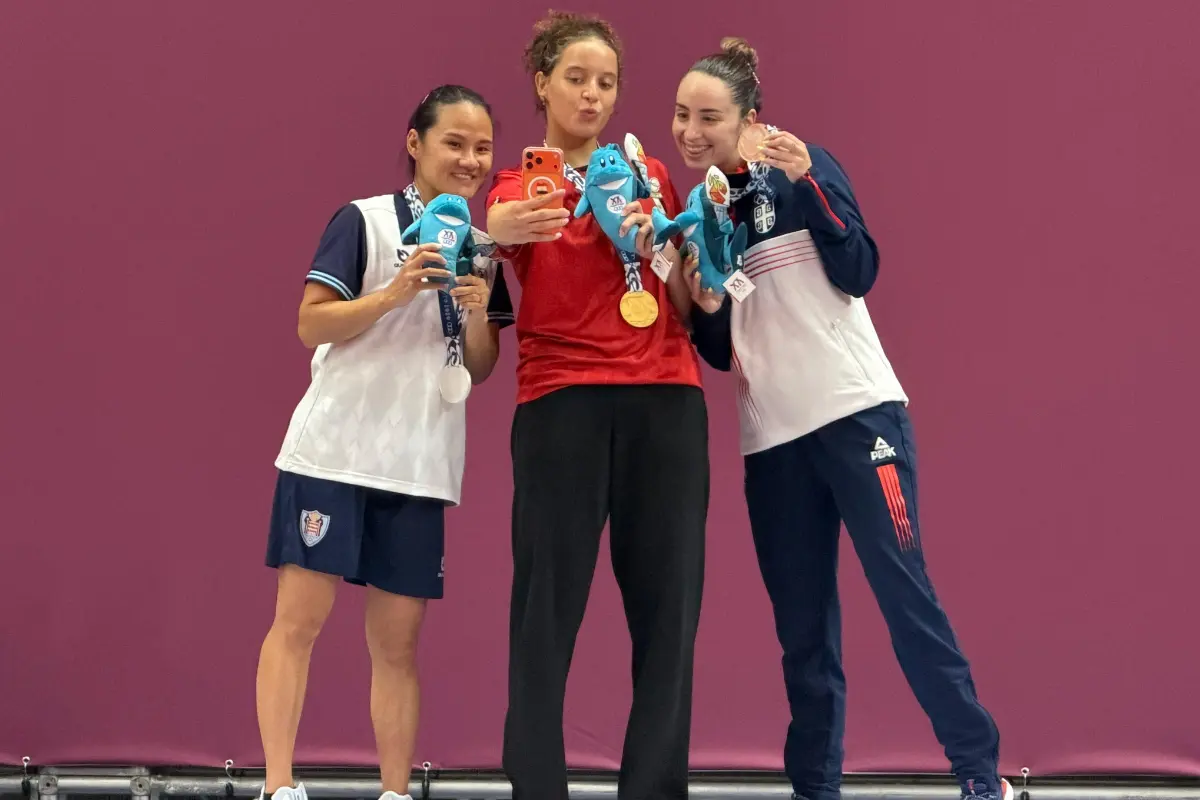
Xiaoxin Yang has successfully secured her third consecutive Mediterranean Games table tennis medal, claiming silver in Taranto after winning gold in Oran in 2022 and silver in Tarragona in 2018.
Throughout the tournament, Yang remained undefeated heading into the quarterfinals, where she overcame France’s Camille Lutz 4-1. The semifinal brought another 4-1 victory over Serbia’s Izabela Lupulesku to take her to the final. Despite winning the opening game 12-10, Egypt’s Hana Goda came back to win the next four games and claim the gold medal.
The result comes less than one year after Yang returned to competition following a maternity break. Although she was initially disappointed not to win gold, further reflection left her positive about the result and her progress. She shared, “It’s a good comeback and good progress. With two years to go until the Los Angeles Olympic Games, it’s a good sign.”
With this third consecutive medal added to her record, Yang’s Taranto performance marks another promising step in her return to competition. With Los Angeles 2028 approaching, the Monégasque table tennis player will look to build on this momentum and continue to progress over the next two years.
A rare Toyota 2000GT associated with the James Bond film You Only Live Twice and a vehicle from Prince Albert II’s private collection will be among the highlights of Saint-Jean-Cap-Ferrat Prestige on 12th and 13th September.
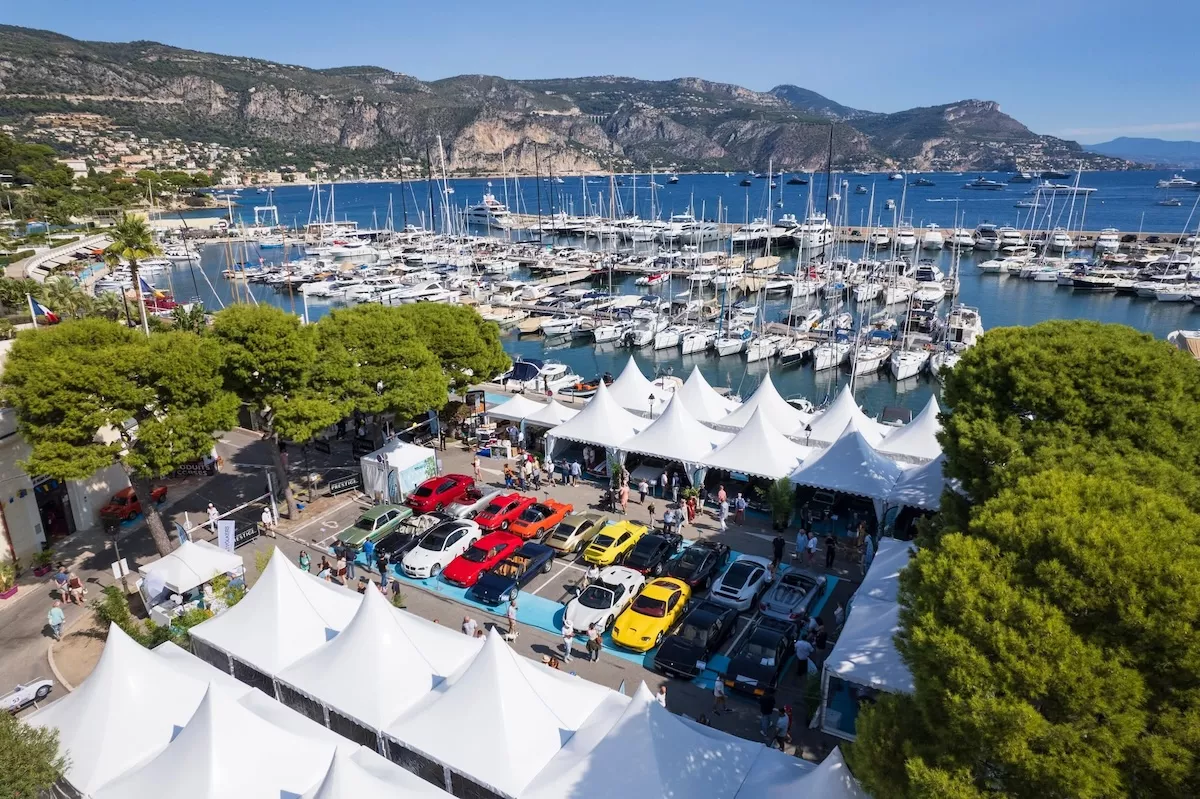
The free two-day event will turn Place du Centenaire and the port into an open-air display of historic cars, rare models and competition vehicles.
Now in its 13th edition, Saint-Jean-Cap-Ferrat Prestige combines its temporary automotive museum, Prestige Patrimoine, with parades and a Concours d’Élégance.
Japanese motoring takes centre stage
Japan will be the focus of the 2026 edition, with displays devoted to road-going versions of successful rally cars and some of the country’s best-known coupés.
The centrepiece will be a Toyota 2000GT, one of the most celebrated Japanese sports cars of the 1960s. A specially adapted convertible version appeared alongside Sean Connery in the 1967 Bond film You Only Live Twice.
A separate Monaco pavilion will feature the car, while another dedicated space will present a vehicle from the private collection of Prince Albert II. Its identity is being kept under wraps until the event.
Single-seaters associated with major international races will be displayed in the motor sport pavilion. Visitors will also be able to watch upholsterers, coach-trimmers and vehicle restorers demonstrate the specialist skills involved in preserving historic cars.
Concours d’Élégance returns to the port
The weekend’s Concours d’Élégance will be reserved for selected coupés and convertibles, judged on their design, authenticity and historical interest.
Former Formula One driver and Monaco resident Thierry Boutsen will preside over the jury. The public can also vote for a favourite vehicle, with ballots available at the exhibition welcome desk.
Cars entered in the competition will parade along Quai Virgile Allari at 3.30pm on Saturday. The main concours will begin at 3pm on Sunday, followed by the presentation of trophies and the Public Prize at 4.40pm. A final parade around the port is scheduled for 5.30pm.
Free activities for children
The Prestige Kids Village at the Théâtre sur la Mer will include an inflatable circuit with electric cars for children aged five and over, remote-controlled miniature cars for those aged three and above, and creative workshops.
Saint-Jean-Cap-Ferrat Prestige will run from 9.30am to 6pm on both days, with free admission to the displays, concours and activities.
Free shuttle buses will connect Le Cap with the village every 20 minutes, operating from 10am to 1pm and from 2.30pm to 6.30pm. Visitors can also reach the event on bus line 15, using the Port de Saint-Jean stop.
Monaco Life is written by qualified journalists, writing original content. Sign up for our free newsletter, listen to our podcasts on Spotify, and follow us across Facebook, Instagram, LinkedIn, and Tik Tok.
Photo source: St Jean Cap Ferrat Prestige
Two decades of rhythm and elegance: The Monte-Carlo Jazz Festival unveils its line-up for its 20th anniversary
Marking its prestigious 20th anniversary this autumn, the Monte-Carlo Jazz Festival returns to the legendary Salle Garnier of the Opéra de Monte-Carlo from 18th to 29th November. Under the inclusive concept of pure elegance, this special edition promises an immersive melodic journey bridging decades of jazz heritage and modern innovation.
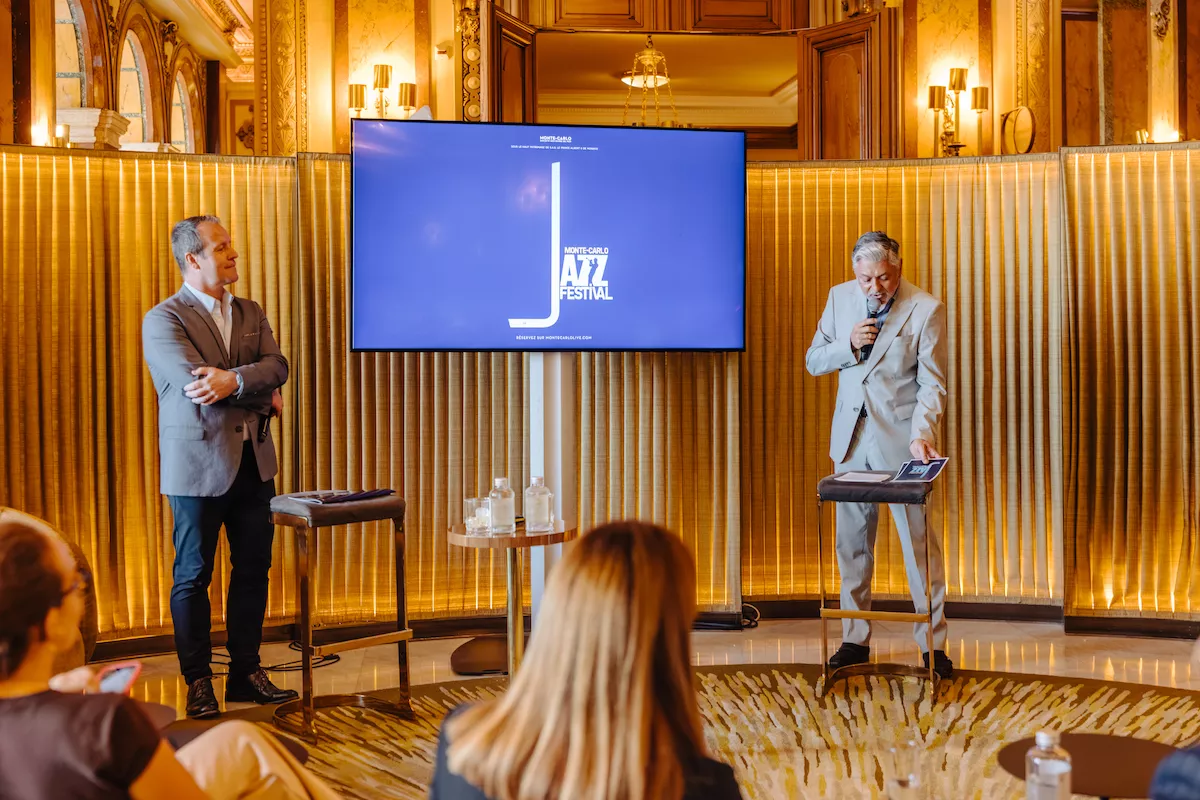
Stéphane Valeri, Chairman and Managing Director of Monte-Carlo Société des Bains de Mer (SBM), reflected on this significant anniversary during a press conference held at the Casino de Monte-Carlo on Thursday 3rd September.
He questioned whether the late Jean-René Palacio could have ever imagined such an adventure when he first conceived the event, while praising current SBM Artistic Director Alfonso Ciulla for brilliantly carrying the torch.
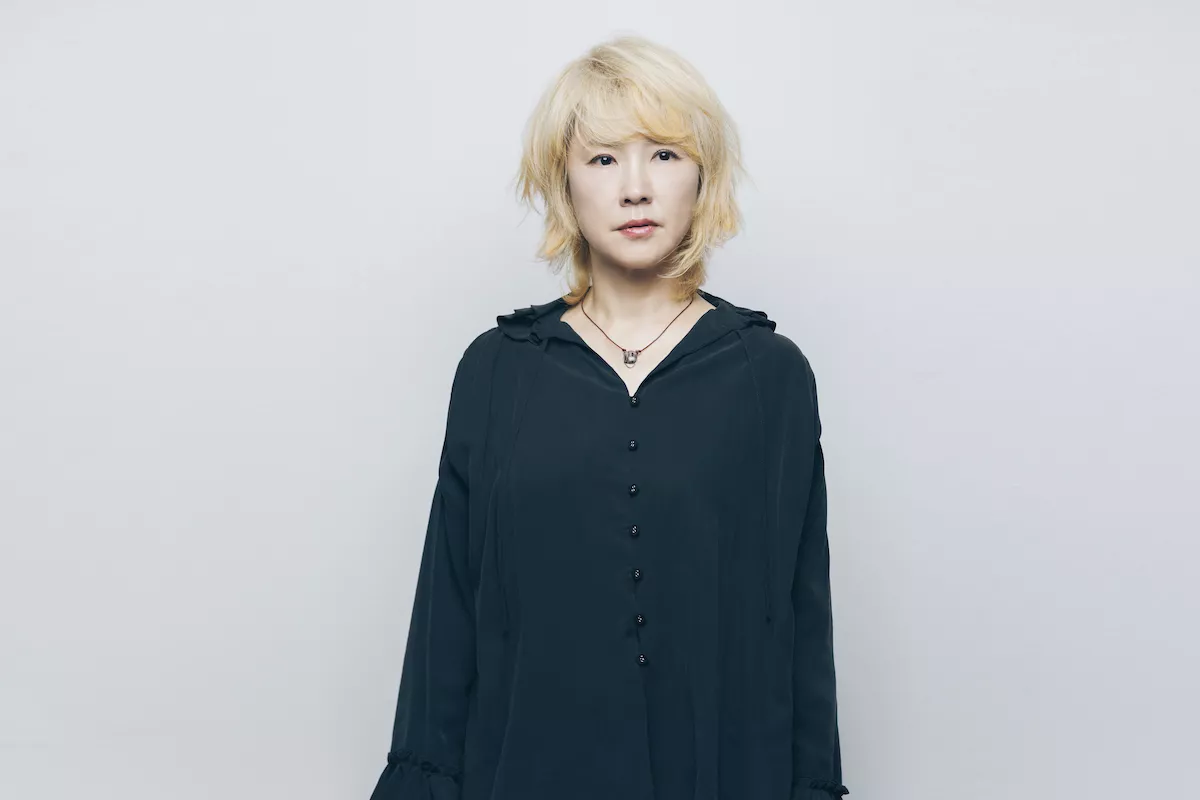
Youn Sun Nah. Photo credit: Monte-Carlo Société des Bains de Mer
A star-studded line-up bridges decades of tradition and innovation
Put together with an eclectic eye by Ciulla, the 20th-anniversary line-up will kick off on 18th November with a free opening show featuring young musicians from the Académie Rainier III.
The momentum will build on 20th November as South Korean vocalist Youn Sun Nah will bring 25 years of experience to the stage, followed by Grammy-winning superstar Gregory Porter.
Monte-Carlo Jazz Festival co-programmer,Reno Di Matteo, captured the feel of Porter’s participation, saying: “His performance is full of jazz, soul, and velour, promising to take audiences by the ears and guard them by the heart.”
Selah Sue & The Gallands. Photo credit: Monte-Carlo Société des Bains de Mer
Melody Gardot, Tyreek McDole, and The Brand New Heavies to headline at the 20th anniversary festival
The festival energy will continue on 21st November when the Thanda Choir will make its international tour debut, followed by Melody Gardot, who filled eight shows at the Olympia in Paris last July and will present a career-spanning performance. “It is a true honour to welcome an artist of Melody Gardot’s caliber to our magnificent Opéra Garnier for a career-spanning performance featuring a personal curation of her greatest works,” said Di Matteo during the press conference.
Celebrating the link between jazz and film, 22nd November will bring a special screening of Otto Preminger’s 1955 classic The Man with the Golden Arm, starring Frank Sinatra, in partnership with the Institut audiovisuel de Monaco.
On 25th November, Haitian-American prodigy Tyreek McDole will share the schedule with Belgium’s Selah Sue and the father-and-son duo The Gallands, a special coup de cœur for Di Matteo. “The father on drums and the son on keyboards wanted to accompany and present something entirely new alongside Selah Sue,” he explained, adding: “They worked, produced, and wrote together, and the result is simply incredible.”
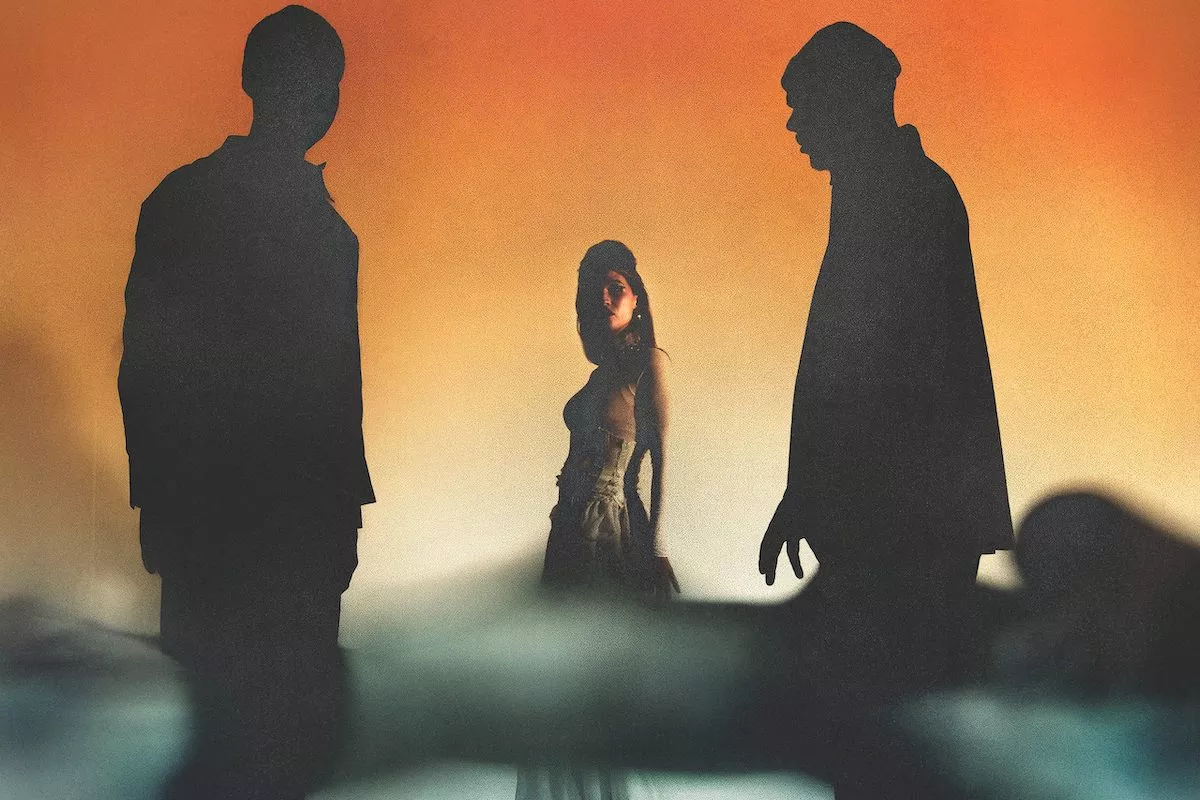
On 26th November, Gogo Penguin will present Necessary Fictions alongside Daudi Matsiko, followed by acid jazz pioneers The Brand New Heavies. Ciulla praised the legendary band, saying: “The Brand New Heavies bring pure groove, funk, and soul with energy that hasn’t aged a bit. They still serve up a spellbinding musical mix. Their gear is totally vintage—pure 1990s style—and they remain an extraordinary English band that completely defined that era.”
Marillion. Photo credit: Monte-Carlo Société des Bains de Mer
Rock, pop, and grand finales
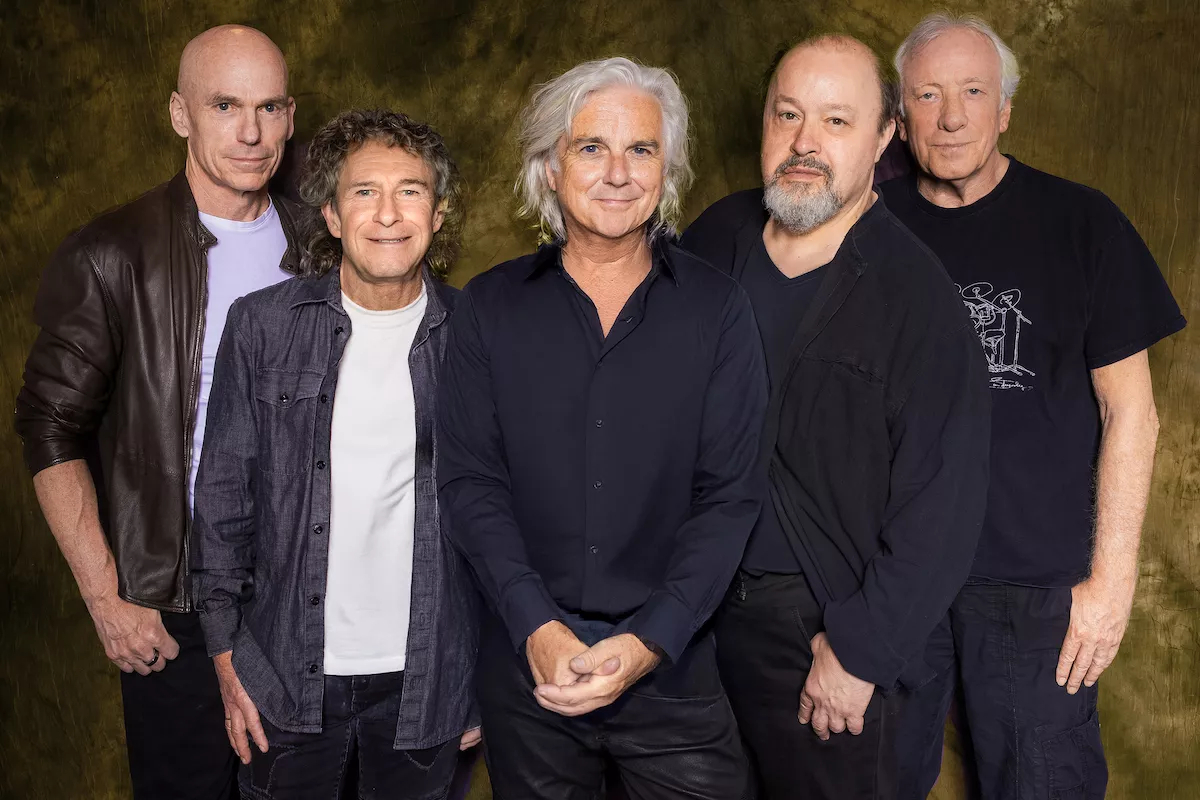
British rock pioneers Marillion will perform a unique date on 27th November, with Ciulla sharing that rock is not very far from jazz and reminding us that jazz is never a straight line.
The final days will feature 19-year-old viral sensation Lila-May and Thomas Dutronc on 28th November, before closing on 29th November with the three-time Grammy-winning Soweto Gospel Choir in their show JOY.
“These are voices that are powerful, generous, and terribly human,” Ciulla concluded.
From left to right: Reno Di Matteo, Monte-Carlo Jazz Festival Co-programmer, and Alfonso Ciulla, Monte Carlo SBM Artistic Director. Photo credit: Monte-Carlo Société des Bains de Mer
Julius Baer’s Monaco arm fined €1.5m over money-laundering failings
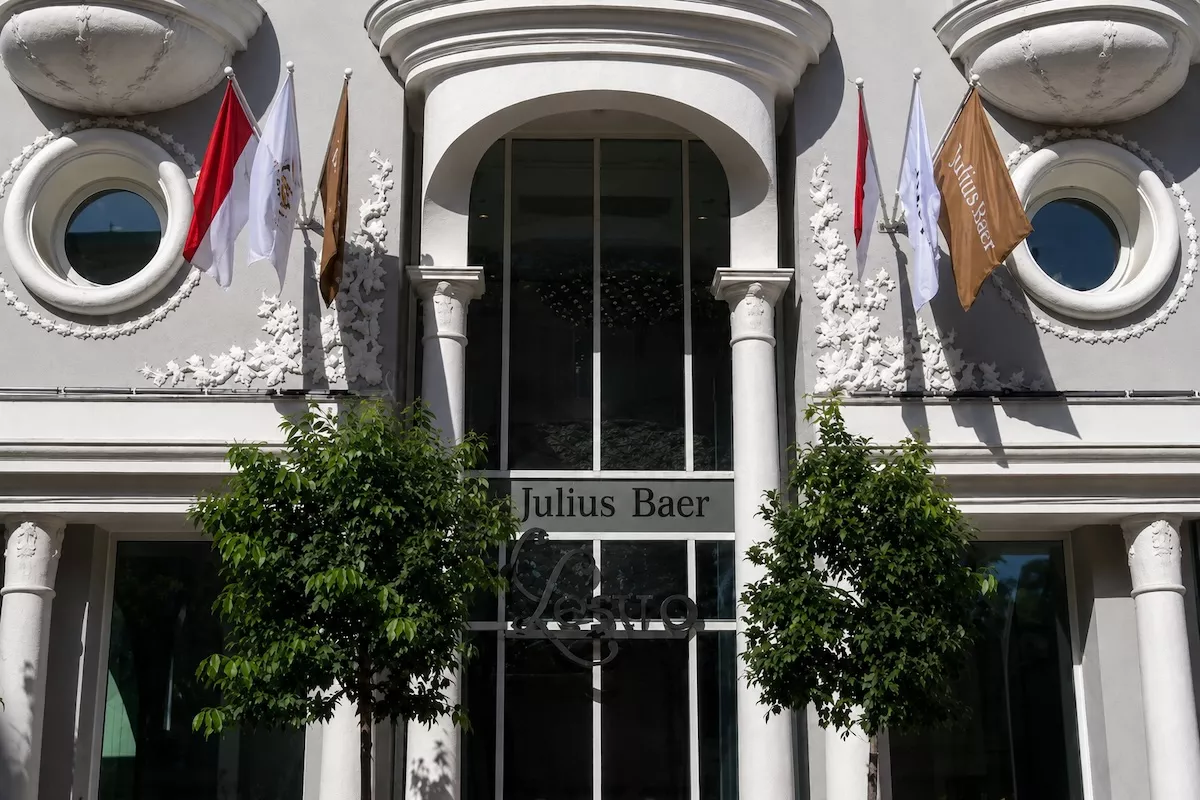
Julius Baer Wealth Management (Monaco) has been fined €1.5 million by the Principality’s financial regulator for serious anti-money-laundering failings, the latest sanction against a portfolio management company as Monaco works to strengthen its defences against dirty money.
The penalty was handed down by the sanctions committee of the Autorité Monégasque de Sécurité Financière (AMSF), whose decision — dated 25th August — was published in the Journal de Monaco on Friday 4th September and on the authority’s website. It followed an on-site inspection of the firm carried out in October 2024.
What the regulator found
The AMSF upheld both grievances against the company in full. A portfolio manager wholly owned by the Zurich-listed Julius Baer group, the firm had 25 staff and 908 client accounts at the time of the inspection, 44.1% of them classed as high or very-high risk, with 91.2% held with Bank Julius Baer Monaco.
The first grievance concerned the way the firm organised its anti-financial-crime controls within the group. Under an intra-group agreement with Bank Julius Baer Monaco, it delegated due diligence on its highest-risk clients to the bank’s compliance department while keeping lower-risk clients itself. The regulator found the arrangement was insufficiently framed: the agreement set out neither clear criteria for classifying client risk nor a documented process allowing the firm to satisfy itself that the checks carried out by the bank were complete, sound and up to date. Information, it found, flowed in one direction, without any mechanism for consolidation or joint decision-making.
The effect, according to the decision, was that the firm had become dependent on the bank’s checks without the contractual means to exercise real control over them — despite remaining ultimately responsible for meeting its legal obligations. The regulator found this had fed through into wider weaknesses, from the application of its risk-based approach and the identification of beneficial owners behind complex structures to establishing clients’ source of wealth, screening against targeted financial sanctions and monitoring transactions.
Suspicion reports filed hundreds of days late
The second grievance concerned the late filing of three suspicious-transaction reports, each submitted to the AMSF’s financial-intelligence unit long after grounds for suspicion had emerged.
In the first case, the beneficial owner of a client — a Russo-British national — was linked, by press reports identified during a 2021 review, to a corruption scheme, yet the firm did not file its report until June 2022, some 393 days later. The second concerned a €5 million payment credited in May 2019 to a Monaco company owned by a politically exposed person, which came from a counterparty the firm had not identified and could not properly document; the report was not filed until July 2023 — 1,202 days, or more than three years, after the transaction. In the third, two outbound transfers in mid-2023 triggered internal alerts, one of them to a payee whose bank details appeared on an altered invoice with no apparent link to the company that had issued it; that report followed 239 days later.
The decision tied these delays back to the same governance weaknesses, finding that the split of responsibilities and information-sharing between the firm and the group bank had left it unable to report suspicions in time.
Named for three years
The €1.5 million fine was set against a statutory maximum of €10 million. The committee weighed the firm’s turnover, which rose from €25.7 million in 2023 to €27.9 million in 2025, and noted that it belonged to an international group with the resources to fund a compliant system.
The AMSF rejected the firm’s request to have the decision published anonymously, ordering it to appear in named form for three years before being anonymised. It observed that other entities in the Julius Baer group had already faced published anti-money-laundering sanctions since 2020 — in Switzerland, the United States, France and Singapore.
A year of enforcement
The penalty is the latest in a run of sanctions by the AMSF, which replaced the former SICCFIN in 2023 and now serves as both supervisor and Monaco’s financial-intelligence unit. In May it fined UBS (Monaco) €6 million, and in July it fined Moncrief Private Bank — formerly Banque Havilland (Monaco) — €1 million for repeat compliance failings. The drive comes as Monaco works to leave the Financial Action Task Force “grey list” of jurisdictions under increased monitoring, on which it was placed in June 2024.
Monaco Life is written by qualified journalists, writing original content. Sign up for our free newsletter, listen to our podcasts on Spotify, and follow us across Facebook, Instagram, LinkedIn, and Tik Tok.
Main photo by Monaco Life
Prince Albert II urges AS Monaco Basket to rebuild ‘on solid foundations’
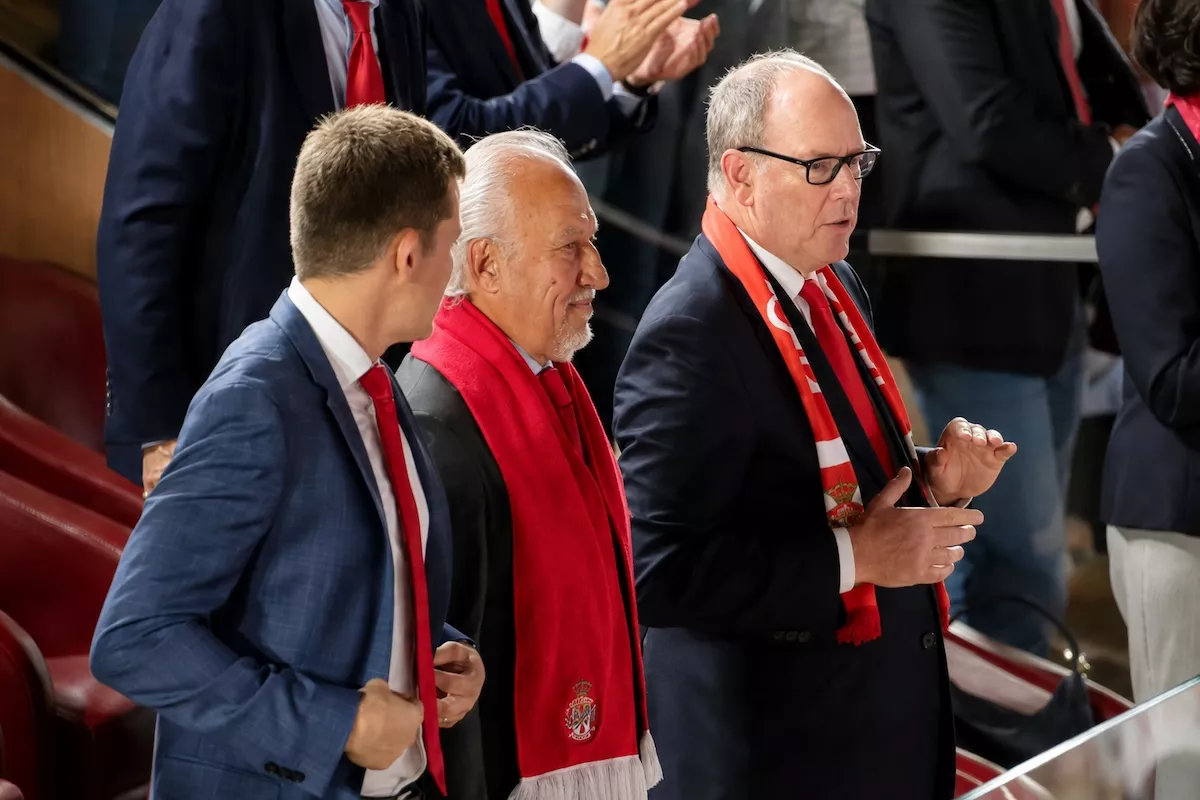
Prince Albert II has described the crisis surrounding AS Monaco Basket as a source of “profound disappointment”, urging the reigning French champions to rebuild “on solid foundations” after the club was shut out of professional basketball and forced to seek a place in France’s third tier.
In a statement issued by the Prince’s Palace on Friday 4th September, the Prince broke his silence on the turmoil that has engulfed the Roca Team, which lifted four domestic trophies only months ago but has since been barred from the Betclic Élite, Élite 2 and European competition over its finances.
From a clean sweep to the third division
The scale of the fall is stark. AS Monaco Basket completed a domestic quadruple in 2026 — the French championship, French Cup, Leaders Cup and Super Cup — and had been a fixture in the EuroLeague for five seasons, reaching the final in 2025. Yet on 3rd July the LNB’s financial watchdog, the DNCCG, refused to admit the club to the top two divisions for the 2026-27 season, citing its financial position. The FFBB’s appeals chamber upheld the ruling, and the CNOSF later recommended it stand.
On 28th August the French federation’s board declined to reopen the case, even after a new investor was reported ready to inject €10 million and the club said it had cleared its historic debts. On 1st September, the Roca Team announced it would apply to Nationale Masculine 1, pledging to refound its sporting, economic and social project on lasting foundations, with its youth academy at the centre of the rebuild.
‘A profound disappointment’
“The situation of AS Monaco Basket is, for many of us, synonymous with profound disappointment, and calls for clear-headedness and responsibility,” the Prince said. “Having already experienced similar difficulties in the past, in 1991, the club must today be able to rebuild on solid foundations.”
He credited the team with raising the Principality’s profile abroad, saying its performances, European standing and the enthusiasm it generates had “contributed greatly to Monaco’s international renown”.
‘An entire ecosystem to preserve’
The Prince called for the coming period to be approached “with seriousness, dialogue and a long-term vision”, stressing that the club amounted to far more than its first team. “Behind the professional team are employees, young people, directors, volunteers, supporters and an entire sporting ecosystem that must be preserved,” he said. “We must support the development of Monegasque basketball while guaranteeing stability, transparency and local roots.”
A message of confidence
Addressing those inside the club directly, the Prince said: “I address a message of confidence to the players, the staff, the directors, the volunteers and the supporters: these difficulties must be overcome collectively, with ambition and responsibility.” He also welcomed the Monegasque Government’s support for the club.
He closed by framing the sport as central to the Principality’s image. “Basketball has become a true showcase for Monaco. We must give it the means to continue its story and to contribute to the reputation of our Principality,” he said.
Should its application be accepted, Monaco would begin life in the third tier on 18th September at home to Berck — a world away from the EuroLeague nights of recent seasons, and with academy players expected to form the core of a much-changed squad.
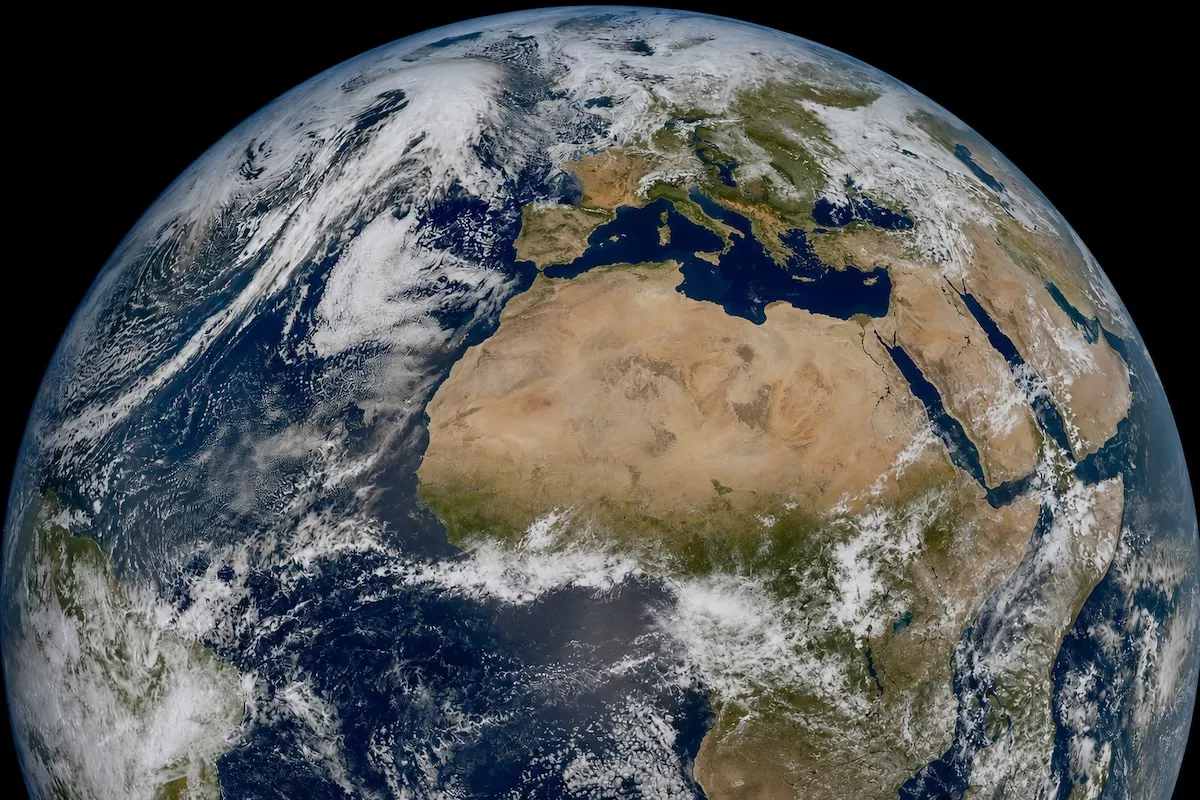
The United Nations’ weather agency has warned that El Niño is intensifying towards what could be the strongest event ever recorded, describing it as “off the charts” and forecasting with near-certainty that it will persist into 2027, raising the risk of extreme weather around the world.
The World Meteorological Organisation (WMO) issued the warning on Thursday at a press conference in Geneva, saying its forecasts showed a near 100 per cent likelihood that El Niño would last until February 2027, fuelled by exceptionally warm Pacific Ocean temperatures. It was the first time the agency had expressed such a degree of certainty.
‘Off the charts’
“If this trajectory continues, it may be stronger than anything since our monitoring began. So literally off the charts,” said WMO Secretary-General Celeste Saulo.
Sample Pacific Ocean temperatures in this year’s event — one of only four classed in the top “very strong” bracket in records dating back to 1950 — were already more than two degrees above normal, according to the WMO.
UN Secretary-General António Guterres said the science left no room for doubt about what was unfolding. “El Niño is being supersized before our eyes. The science leaves no room for doubt: the planet is in uncharted waters, and those waters are heating up,” he said.
What El Niño means for the weather
El Niño is a periodic warming of sea surface temperatures in the eastern Pacific, caused by weakening trade winds. It occurs naturally every two to seven years and tends to last up to 12 months. A very strong event can significantly shift rainfall and temperature patterns worldwide and fuel extreme weather such as typhoons.
The pattern often brings dry conditions and drought to Australia, Indonesia and southern Africa, while the west coast of South America, East Africa and the southern United States frequently see heavy rainfall. Europe tends to be less affected. This year’s event has already hit soft commodities in tropical regions, causing a severe food crisis across Central America’s “dry corridor”.
Warming into 2027
The WMO said El Niño would peak towards the end of this year, though its effects on global temperatures would carry into 2027. Average temperatures are often especially high in the year after an El Niño: 2024, the hottest year on record at around 1.6 degrees above pre-industrial levels, followed one.
“Normally after an El Niño event we tend to see a pulse in the global temperatures — a temporary one,” said Wilfran Moufouma Okia, the WMO’s chief of climate prediction services, referring to 2024. “2027 has the potential to be the warmest on record.”
Stepping up preparedness
Saulo said the agency was increasing its preparedness and early-warning efforts. “WMO is committed to working closely with partners across the United Nations and humanitarian system to provide the climate intelligence and insights needed to support disaster management and climate-sensitive sectors like agriculture, health, energy and water resources,” she said.