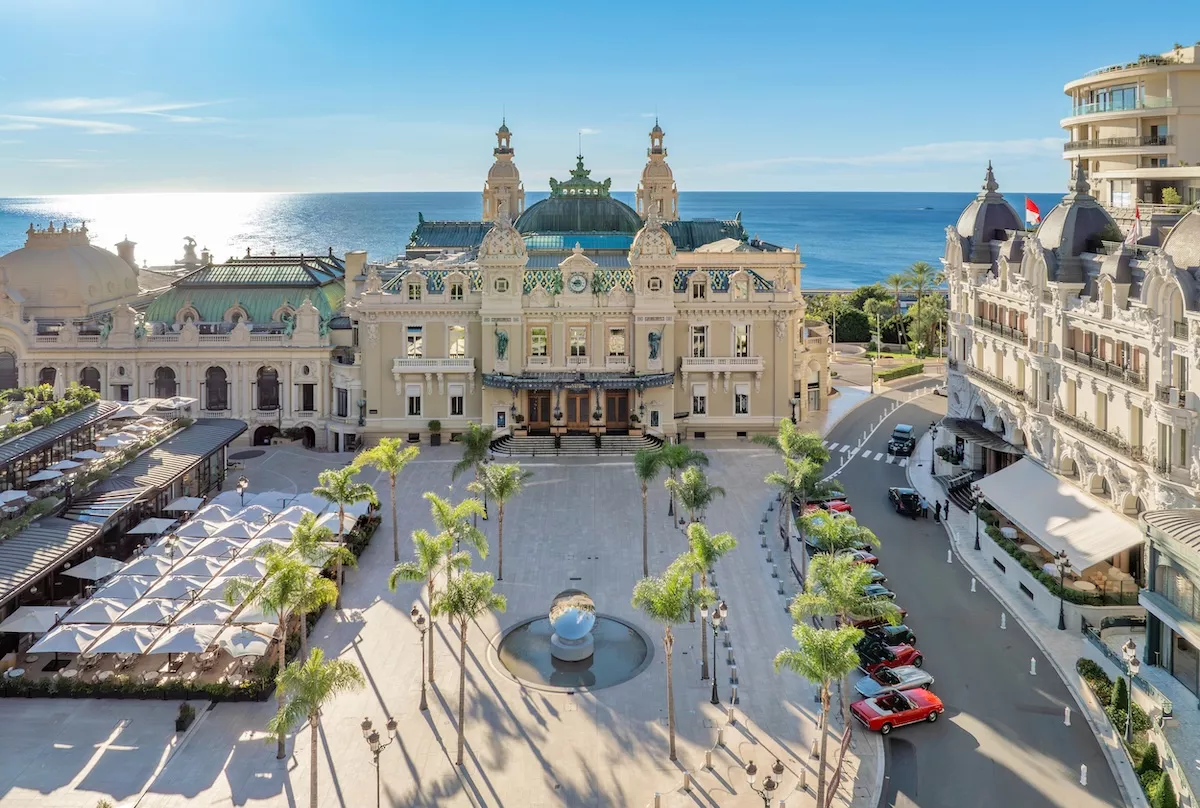
SBM launches climate adaptation plan after heat hits summer trade

Monte-Carlo Société des Bains de Mer has launched a group-wide climate adaptation review after extreme summer heat affected restaurant activity and exposed weaknesses across some of its venues.

The initiative was revealed by SBM Deputy Chairman Stéphane Valeri during a press conference following the group’s Annual General Meeting on Friday 18th September.

While SBM reported an 8% increase in revenue across July and August, Valeri said the growth was driven largely by accommodation, while restaurants recorded only a slight improvement.

“The restaurant business suffered from the heatwave this summer,” he said. “At lunchtime, when it is 30 or 31 degrees and the sun is beating down, people are less inclined to eat on a terrace or consume alcohol.”
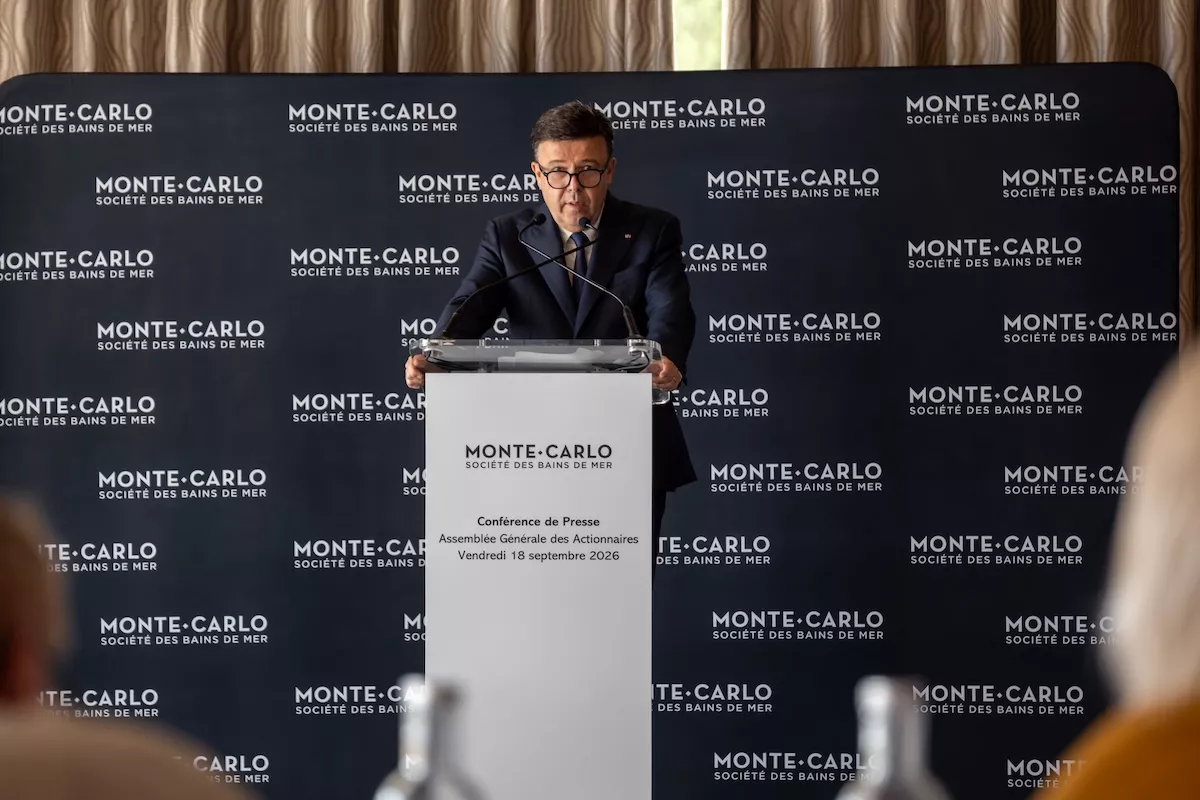
Stephane Valeri addressed the media on Friday after the MCSBM General Meeting. Photo source: MCSBM

Group-wide climate study ordered

Valeri has asked SBM’s new Director of Operations, Romain Meiran, to conduct a comprehensive study into how the group’s hotels, restaurants and entertainment venues must adapt to rising temperatures.

The report is expected by the end of 2026, allowing the first measures to be introduced in time for the beginning of the summer season in April 2027.

Proposals already being considered include greater use of vegetation and shade on terraces, more advanced misting systems, stronger air conditioning and lighter uniforms for employees working outdoors.

“This is something that concerns us all,” said Valeri. “We need to adapt better next year.”

Salle des Étoiles air conditioning to be upgraded

One of the priorities will be the Salle des Étoiles at the Sporting Monte-Carlo, where the existing air-conditioning system struggled to maintain comfortable temperatures during particularly hot evenings.

Valeri said the system would be strengthened after temperatures remained above 30°C at night during periods of the summer.

SBM is also assessing newer misting technologies capable of reducing temperatures without soaking guests – an important consideration, Valeri joked, for clients who do not want water falling on their hair.

Employee comfort will form another part of the review. The group is considering lighter uniforms for teams required to move continuously between tables and outdoor areas during extreme heat.

Later dining hours under consideration

Changing customer behaviour could also lead SBM to adjust the opening hours of some restaurant kitchens.

Valeri said demand at the traditional lunchtime peak had declined during the hottest periods, while more customers were arriving for lunch at 2.45pm or even 3pm.

“Eating at 3pm was not traditionally normal in Monaco, but customers are arriving increasingly late,” he said. “We may need to open kitchens later and close them later.”

The group will assess whether dining hours should shift at certain establishments to reflect both higher temperatures and the habits of its international clientele.

La Vigie among venues requiring changes

La Vigie Monte-Carlo is among the venues identified as needing further adaptation after lunchtime conditions became particularly difficult during the summer.

SBM plans to increase vegetation and improve guest comfort at the outdoor restaurant, which reopened this season under Italian chef Simone Zanoni. Valeri confirmed that Zanoni will return next year following what he described as a successful first season.

The climate review comes as the group continues to record strong overall growth. Revenue reached €271.3 million during the first quarter of the 2026/27 financial year, up 11%, while July and August delivered a further 8% increase across all business sectors.

Monaco Life is produced by qualified, multi-media journalists writing original content. See more in our free newsletter, listen to our Podcasts on Spotify, and check us out on  Facebook,  Instagram,  LinkedIn and Tik Tok. 

Main photo source: MCSBM
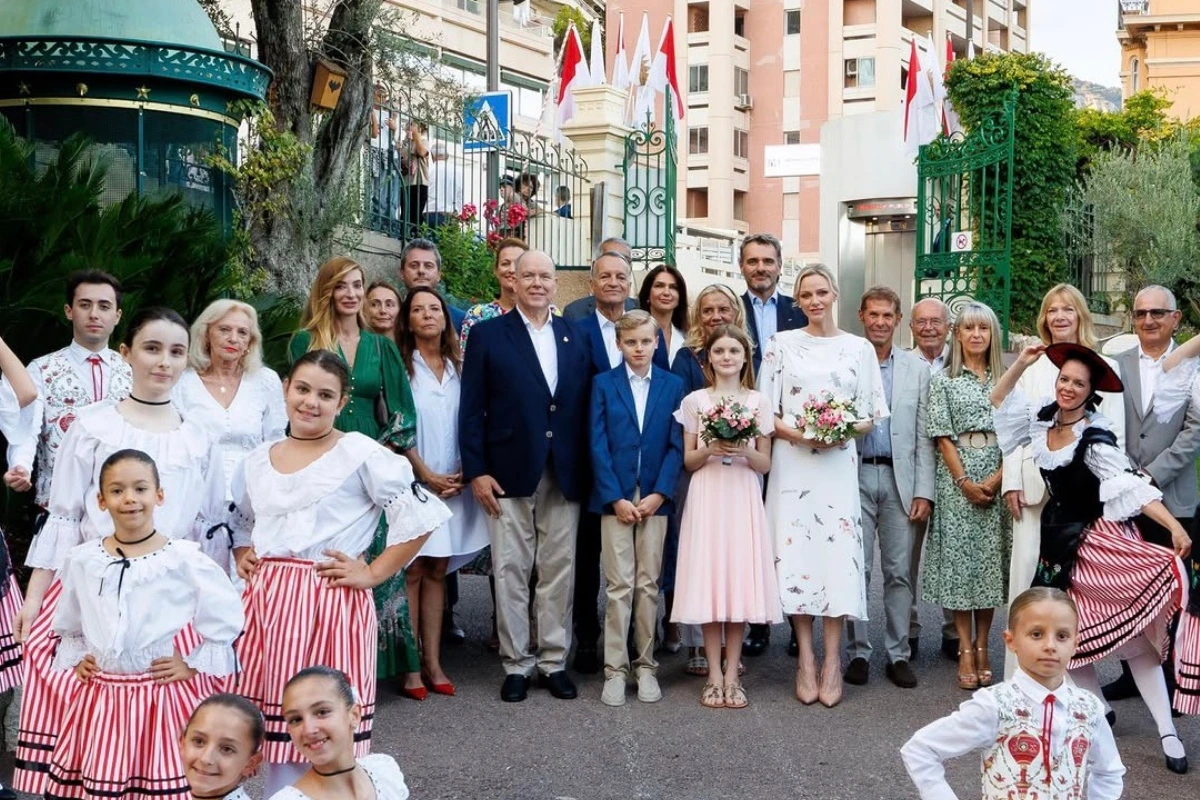
U Cavagnëtu marks Monaco’s return from summer

More than 800 Monegasques gathered at Parc Princesse Antoinette for the traditional U Cavagnëtu picnic, bringing the community together for its annual gathering.

The picnic took place on Saturday 19th September, with Prince Albert II and Princess Charlene attending alongside Hereditary Prince Jacques and Princess Gabriella, Leticia de Massy, and several other members of the Princely Family.

Welcomed by Mayor Georges Marsan and members of the Municipal Council, the Princely Family joined fellow Monegasques for the event, which traditionally marks the return from summer and offers an opportunity for the community to come together again.

MONEGASQUE TRADITIONS AT THE HEART OF THE EVENING

The evening began with the presentation of bouquets and traditional dances by La Palladienne, before an outdoor Mass was celebrated by Monsignor Dominique-Marie David, accompanied by traditional songs from the U Cantin d’A Roca choir.

Families gathered under the olive trees of Parc Princesse Antoinette with baskets brought for the occasion, along with Monaco City Hall’s selection of local specialties, including socca, barbecues, Monegasque fougasses, ice cream, and other treats.

The menu also extended beyond the Principality’s specialties as fresciœi di baccalà, a Ligurian specialty made with cod, was prepared on site in recognition of Monaco’s twinning with Dolceacqua, which will celebrate its third anniversary this November.

AN EVENING FOR ALL GENERATIONS

Music continued throughout the evening with a jazz quartet led by Académie Rainier III professor Lionel Vaudano, as well as performances from U Cantin d’A Roca.

Younger guests had the opportunity to take part in a tote bag decorating workshop and enjoy roaming clowns, while a photobooth gave families the chance to take home a memory from the evening.

Bringing together food, music, and traditions, U Cavagnëtu once again offered the community a chance to reunite following the summer and mark the beginning of a new season in the Principality.

Stay updated with Monaco Life: sign up for our free newsletter, listen to our podcasts on Spotify, and follow us across Facebook,  Instagram, LinkedIn, and Tik Tok. 

Photo credit: Frédéric Nebinger and Michaël Alesi / Palais Princier

Villa Kérylos calls for contributions during European Heritage Days

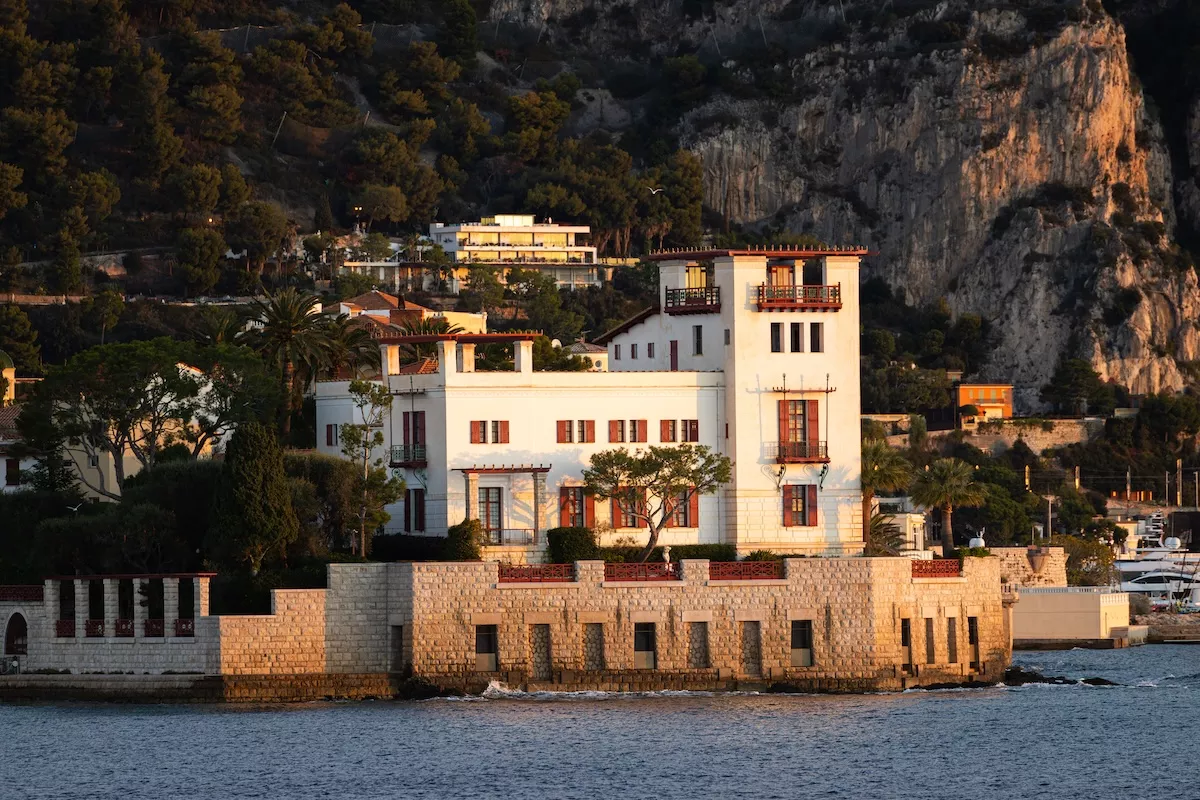
Villa Kérylos, the seaside estate built to mirror ancient Greece, will offer free admission during European Heritage Days on 19th and 20th September, while launching an urgent public appeal for old photos, documents, and archives to shape its upcoming exhibition on the Reinach family and architect Emmanuel Pontremoli.

Over the weekend, from 10am to 5pm, visitors can walk freely through the ancient-style rooms. Guides are also leading special tours called ‘Villa Kérylos: The History of a Residence, the Legacy of a Family.’

Best of all, the tour ends with a special visit to the servants’ kitchen, a room usually closed to the public.

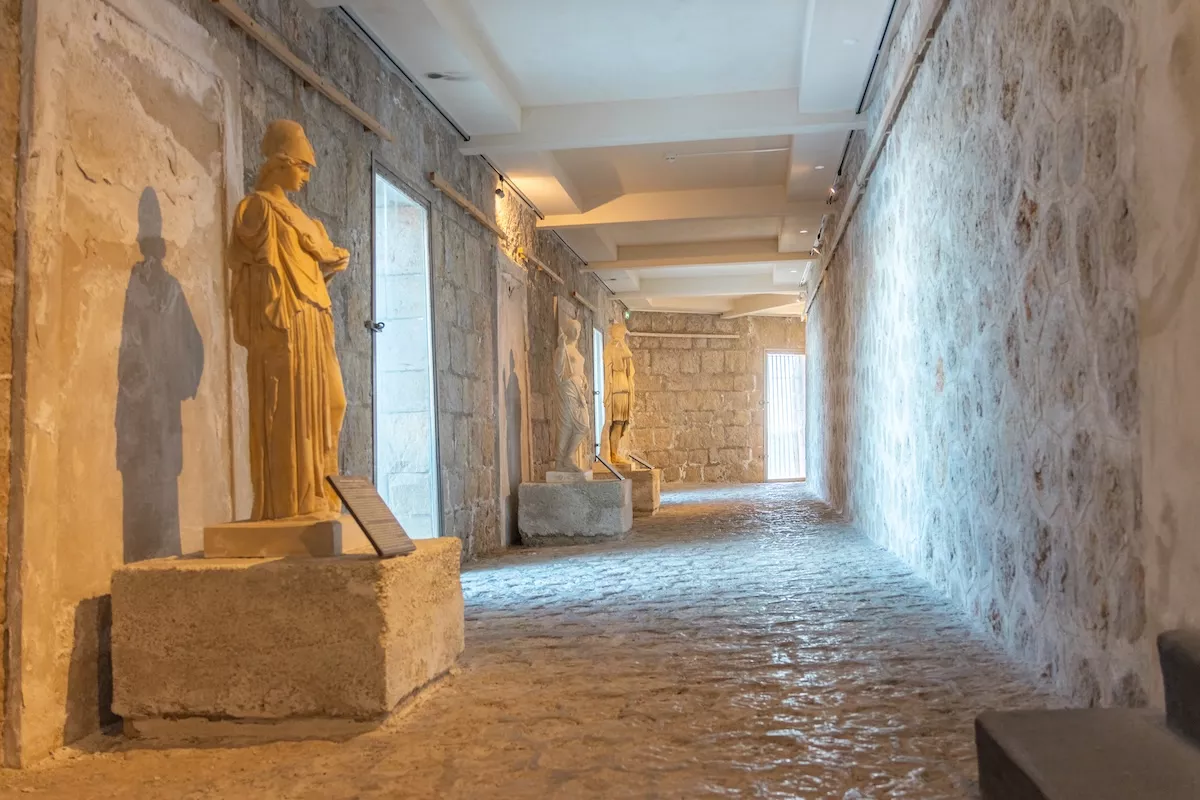
Inside Villa Kerylos. Photo credit: Clement Roux

Have you got family secrets? The search for lost treasures

This heritage weekend also marks the launch of an urgent call for contributions. To prepare for a new museum exhibition about the Reinach family and the architect Emmanuel Pontremoli, the team is searching for old photos, personal letters, documents, and family memories.

Organisers stress that even small or fragmentary items can help tell the story. With the owners’ permission, these personal contributions could end up featured right in the upcoming exhibition.

Anyone with relevant archives, documents, or personal accounts is invited to submit contributions by midnight on 30th November to exporeinach@villakerylos.fr. 

Stay updated with Monaco Life: sign up for our free newsletter, listen to our podcasts on Spotify, and follow us across Facebook,  Instagram, LinkedIn, and Tik Tok.

Villa Kérylos. Photo Credit: Erika Miannay 

“That’s Not What I Said”: What King Charles and Charles Spencer Can Teach Us About Communication

King Charles III and Earl Spencer have made headlines over the latter’s account of a telephone conversation in the days after the death of Diana, Princess of Wales.

In his new book, Charles Spencer alleges that the then Prince Charles made a deeply hurtful remark during a heated discussion about Diana’s funeral arrangements. Buckingham Palace has challenged his recollection, pointing to the effect that intense grief can have on memory.

The public will inevitably take sides over whose version is “true”. Yet this need not be an argument about dishonesty. It may instead offer a lesson in how communication and memory actually work.

In my experience, most communication failures — whether in the bedroom or the boardroom — are not caused by lying. They stem from the mistaken belief that what was said and what was heard are the same thing.

How often does a married couple leave the same conversation with completely different memories of it, while both remain utterly convinced they are right? This is the stuff that keeps many relationship therapists in business.

Memory is not a recording

We tend to imagine memory as a faithful record of events. It is not. Memory is reconstructive rather than reproductive.

We also make the mistake of thinking that communication is simply the transfer of facts. In reality, it is the transfer of meaning — and every one of us filters meaning. We reconstruct events from fragments of what happened, combining them with our beliefs, emotions, assumptions, life experiences and present-day understanding.

Emotion plays a powerful role in that process and is likely to be highly relevant to any recollection of the days after Diana’s death. When emotions run high, certain moments can become exceptionally vivid while others barely register. Our feelings influence both what we notice at the time and what we later remember.

We are also inclined to remember how an exchange made us feel. That emotional certainty can give us enormous confidence in our recollection years later, even when the precise words have become less reliable.

There can therefore be a significant gap between what one person believes they said, what another believes they heard and what either remembers afterwards.

In this royal dispute, the most memorable part of the alleged exchange may have been different for each person. One may remember particular words; another may remember the intended meaning or the emotion surrounding them. Earl Spencer has publicly stood by his account, while the Palace has questioned it. That does not, by itself, tell us exactly what was said in a private conversation nearly three decades ago.

Did the message land?

In everyday life, we devote enormous effort to choosing our words and remarkably little to checking whether they landed as intended.

It is one of the most common causes of workplace conflict. A manager knows with certainty what she intended to say, but she cannot know with the same certainty what the other person heard — unless she asks. Why don’t more bosses ask?

Consider a performance appraisal. How often do we remember the one piece of constructive criticism and forget the 10 positive comments that surrounded it? Emotion has a habit of climbing into the driving seat. Two people can leave the room remembering different conversations, and often do.

This is why good communication requires more than speaking clearly. It requires curiosity. “What did you hear me say?” may be one of the most useful — and underused — questions in any relationship or workplace.

The stories memory tells

Memory also changes over time. Diana died 29 years ago. Since then, recollections of those extraordinary days may have been subtly reshaped not only by how those involved felt at the time, but by everything that has happened since.

Psychologists also talk about self-serving bias: our tendency to interpret, and sometimes remember, events in ways that support how we see ourselves and the world. Identity matters. So does the story we have told ourselves — and others — over many years.

It turns out that recalling events is a complicated business. Ask my husband. We disagree about whether it was his idea or mine to move to Monaco. We can both vividly recall the conversation we had on an aeroplane 12 years ago. The trouble is that we remember it differently. Each of us is entirely convinced that he was the one who suggested it.

We tend to assume memory is like a photograph. Psychologists often suggest it is closer to a painting: the scene may be recognisable, but each of us adds our own colours.

Returning to the royal row, it is entirely possible for people to be sincere about how they remember an exchange while disagreeing profoundly about its words, meaning and tone. None of us was on that telephone call, and sincerity is not the same as perfect recall.

The rest of us might draw a more useful lesson than simply choosing a side. Say what you mean. Check what was heard. And when conflict arises years later, leave room for the possibility that certainty is not proof.

The Palace statement issued in the late Queen Elizabeth II’s name in 2021 may have captured the psychology rather better than anyone realised: recollections may vary.

Monaco Life is written by qualified journalists, writing original content. Sign up for our free newsletter, listen to our podcasts on Spotify, and follow us across Facebook,  Instagram, LinkedIn, and Tik Tok.

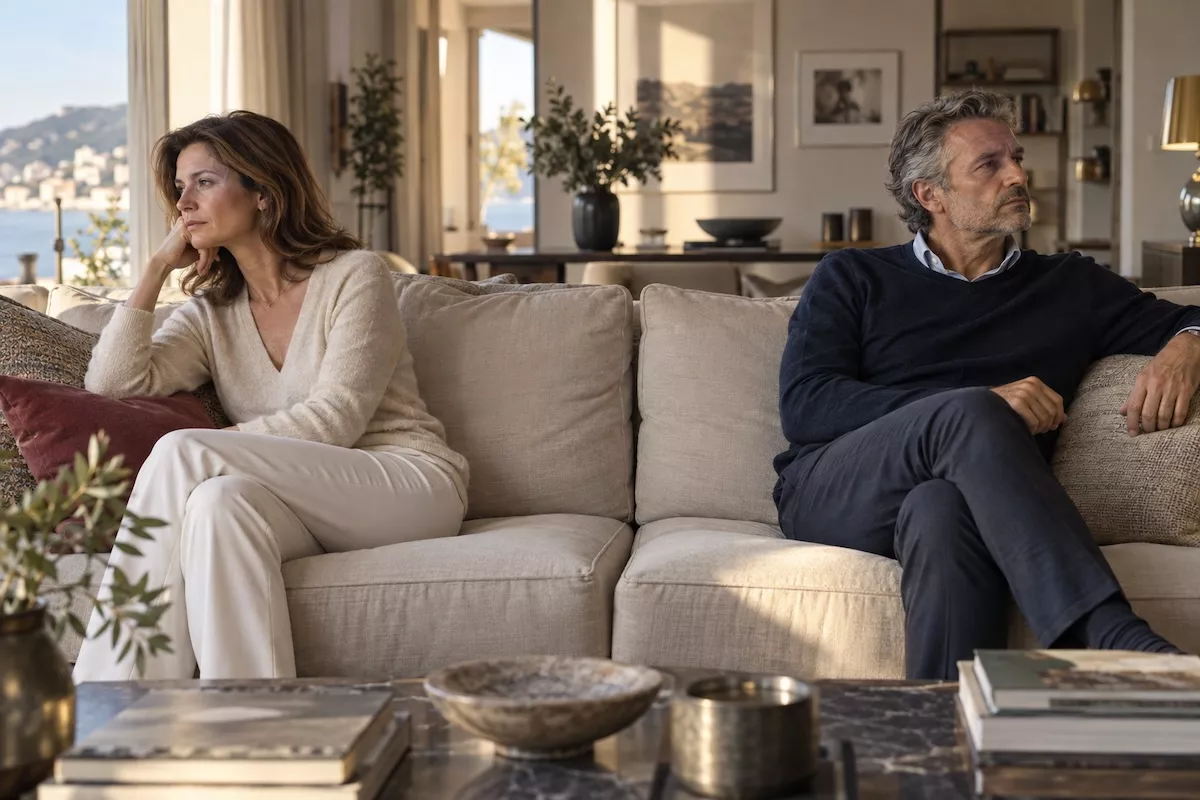
Image is AI generated by Monaco Life

Gavin Sharpe is a psychotherapist based in Monaco. The views expressed in this opinion piece are his own and do not necessarily reflect those of Monaco Life.

Tennis: Monaco’s Davis Cup rise continues with historic win over Finland

Monaco has made Davis Cup history after defeating Finland 3-1 to secure a place in the 2027 Davis Cup Qualifiers for the first time.

The historic result played out in Espoo, Finland, where Monaco faced the home team in a World Group I tie on 18th and 19th September. Entering the weekend ranked 35th in the Davis Cup nations rankings compared to Finland at 20th, Monaco looked to continue its quick rise after reaching World Group I for the first time earlier this year.

CATARINA MAKES HIS RETURN

The weekend began on Friday with Lucas Catarina making his return to competition following his retirement last year, facing Finland’s Otto Virtanen, currently ranked world No. 108.

Having not competed professionally in more than two years due to injury, Catarina struggled in the opening set, losing 6-0. He put up a stronger fight in the second, but Virtanen ultimately secured the match with a 6-3 second-set victory.

Catarina later revealed to Monaco Life that he had not originally expected to compete in Finland. However, after returning to training ahead of the tie, his level proved better than expected and he was ultimately selected to play. Despite his appearance in Finland, Catarina confirmed that he does not currently plan to make a full-time return to professional tennis.

Valentin Vacherot then faced world No. 446 Eero Vasa in Monaco’s second match of the day. The Monaco representative, world No. 21, took the first set 6-3 before a closer second set went to a tiebreak, where Vacherot secured a 7-6(3) victory, levelling the score at 1-1 heading into Saturday’s competition.

MONACO TAKES THE LEAD

Romain Arneodo and Hugo Nys opened Saturday’s competition against Finland’s Patrik Niklas-Salminen and Harri Heliövaara in doubles.

After losing the first set 6-3, the Monegasque duo turned the match around to win the following two sets 6-4, 6-3, giving Monaco a 2-1 advantage heading into the remaining singles matches. The comeback proved crucial, putting Monaco within one victory of securing its historic place in the Davis Cup Qualifiers.

Vacherot returned to the court next, this time facing Virtanen, with the opportunity to secure the decisive third victory for Monaco.

The opening set remained close before Vacherot took the tiebreak 7-6(3). Virtanen responded with a 6-4 victory in the second, sending the match to a deciding third set.

Vacherot ultimately came out on top, taking the third and final set 6-4, securing Monaco’s third victory of the weekend and making the fifth scheduled match unnecessary.

HISTORY MADE FOR MONACO

The result marks another historic step for Monaco’s Davis Cup team, which reached World Group I for the first time earlier this year and will now advance to the 2027 Davis Cup Qualifiers for the first time.

Vacherot played a key role in the achievement, winning both of his singles matches across the weekend. He spoke about the development of the Monaco team, particularly over the last five years, as well as the longstanding relationships between its players.

For Catarina, returning to the Monaco team also meant being part of a historic first for the Principality. Having first joined the Davis Cup team over 10 years ago, he has witnessed Monaco’s progression from fighting to remain in the lower divisions to now earning the opportunity to compete against some of the world’s leading tennis nations.

“Being back with the team for me was a very strange feeling, between nostalgia of my life as a tennis player that I could feel again for a week and the excitement of being able to live that again,” Catarina told Monaco Life. “I thought I would never feel that again. Just to be there with my friends and feel the emotions was amazing, playing the match even more.”

Catarina also credited the team’s rise to the development of its players and the strong friendships built across generations of Monaco’s Davis Cup team, including former players Benjamin Balleret and Thomas Oger, as well as current captain Guillaume Couillard.

“We managed through the years to build strong friendships between all of us and it’s always a big week of joy to be all together,” he said. “Everybody wants to win for the friends.”

The historic qualification adds another chapter to what has already been a remarkable period for Monegasque tennis. It comes less than a year after Vacherot surprised the tennis world with his victory at the Shanghai Masters. He will now return to China for the Asian portion of his season carrying another milestone with him, this time one achieved alongside his team.

Stay updated with Monaco Life: sign up for our free newsletter, listen to our podcasts on Spotify, and follow us across Facebook,  Instagram, LinkedIn, and Tik Tok. 

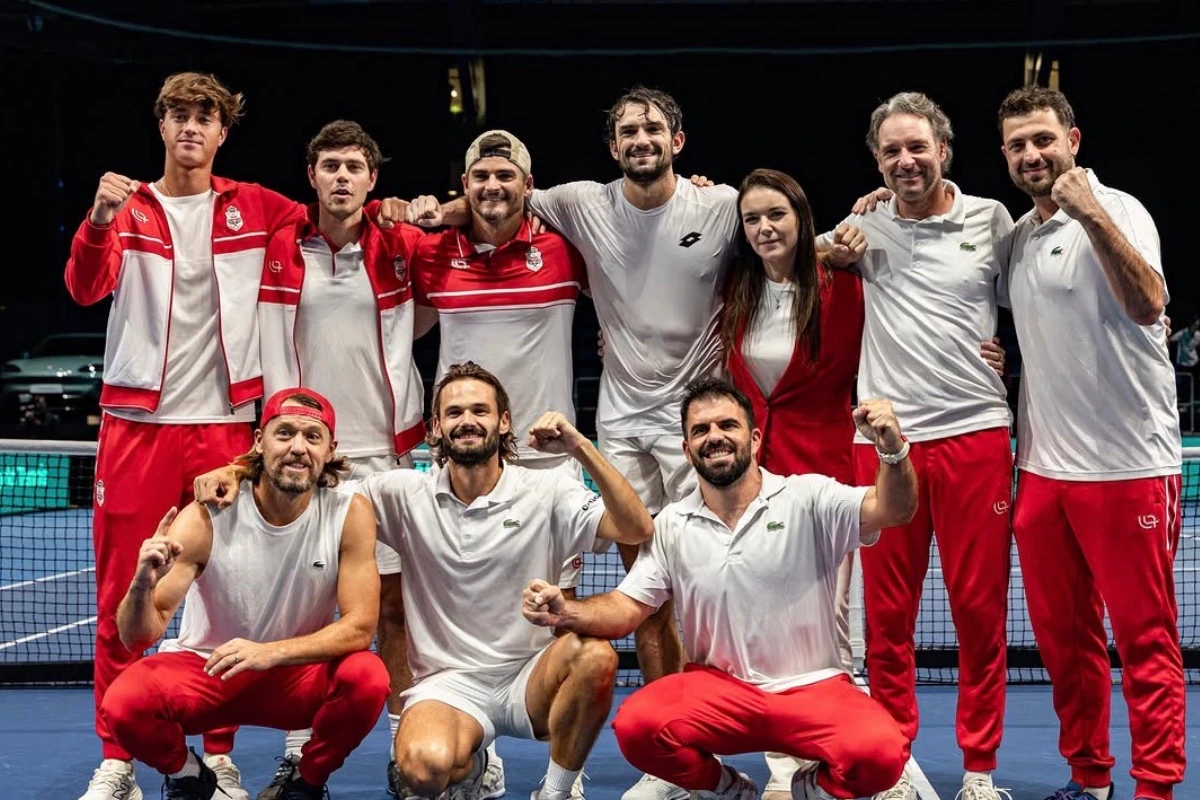
Photo credit: Manuel Vitali

Prince Albert II Foundation marks 20 years with star-studded Monaco gala

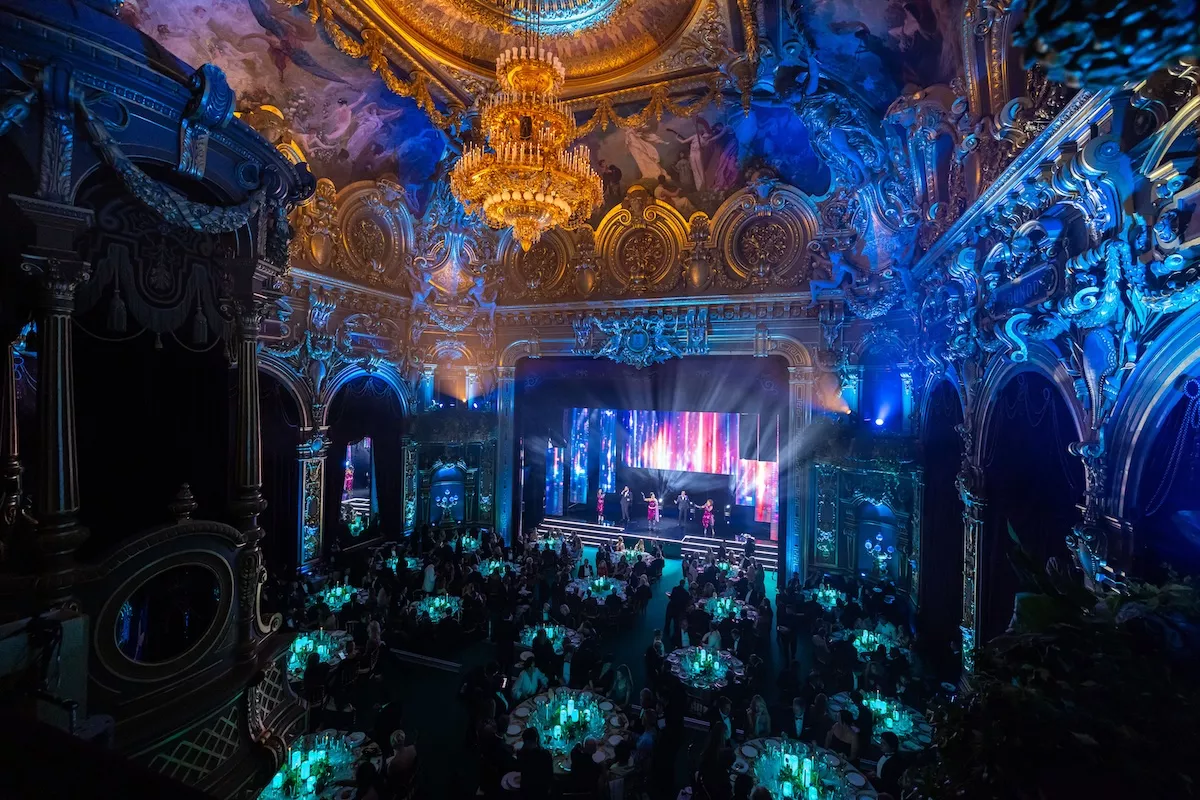
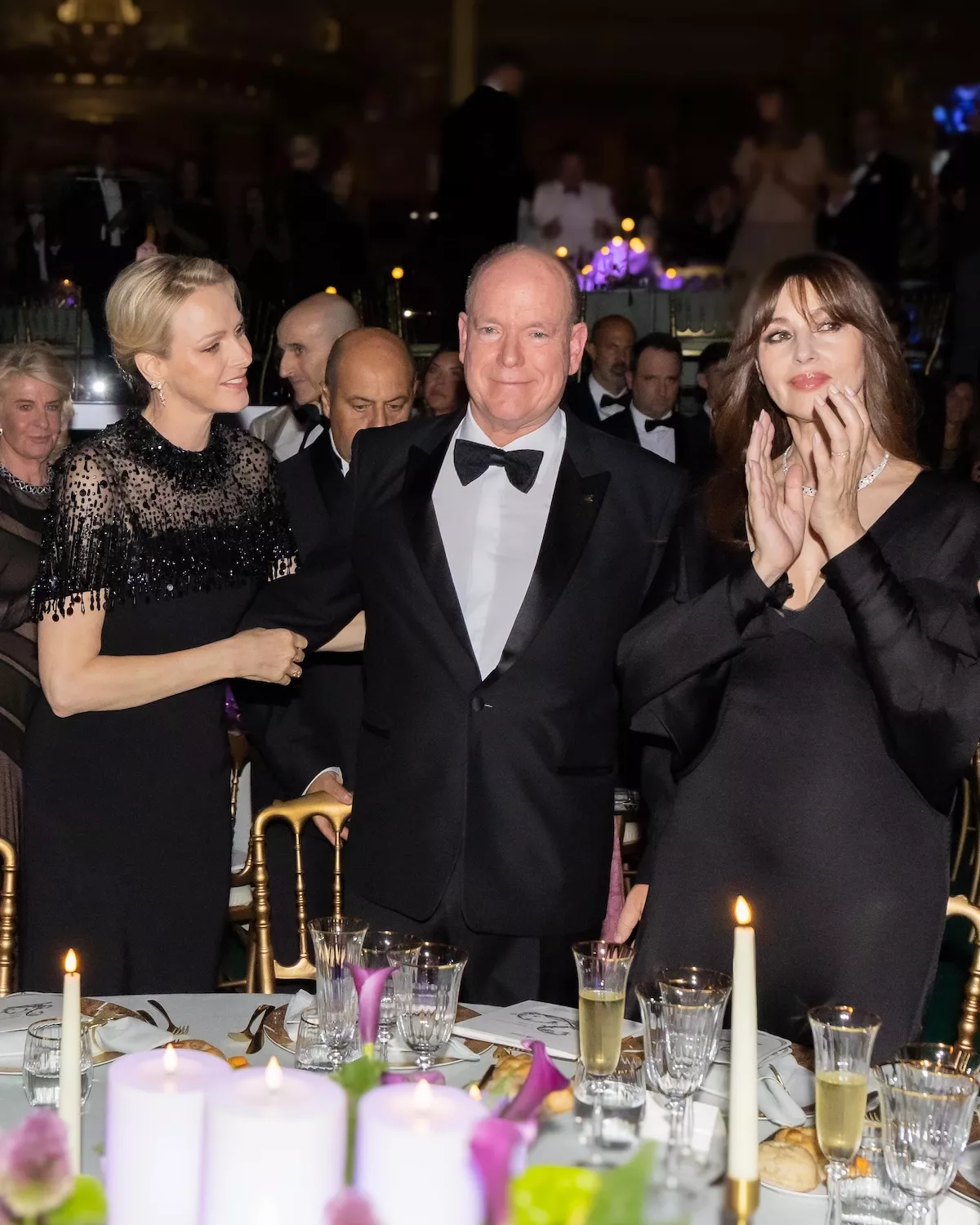
For one night, the gilded opera hall was transformed into the heart of the Amazon as Monaco gathered to celebrate 20 years of Prince Albert II’s Foundation — two decades in which a personal conviction of the Prince has grown into an international force for environmental action.

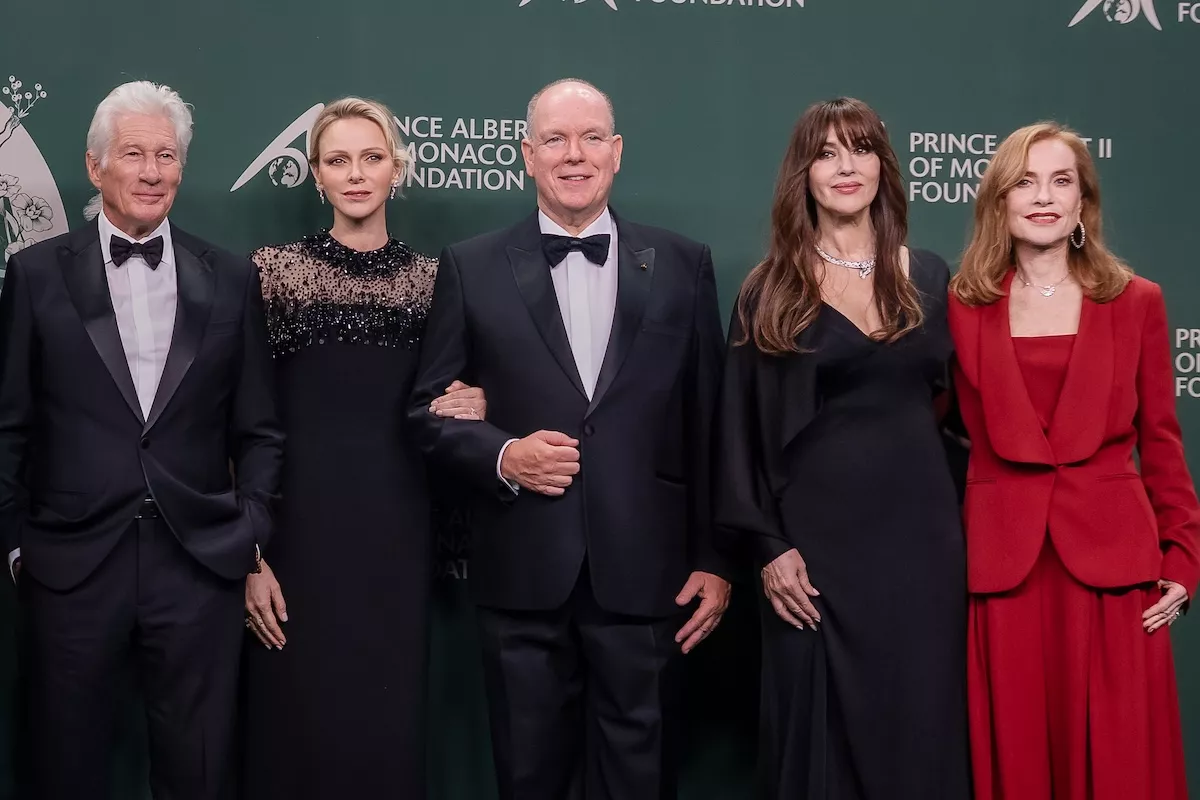
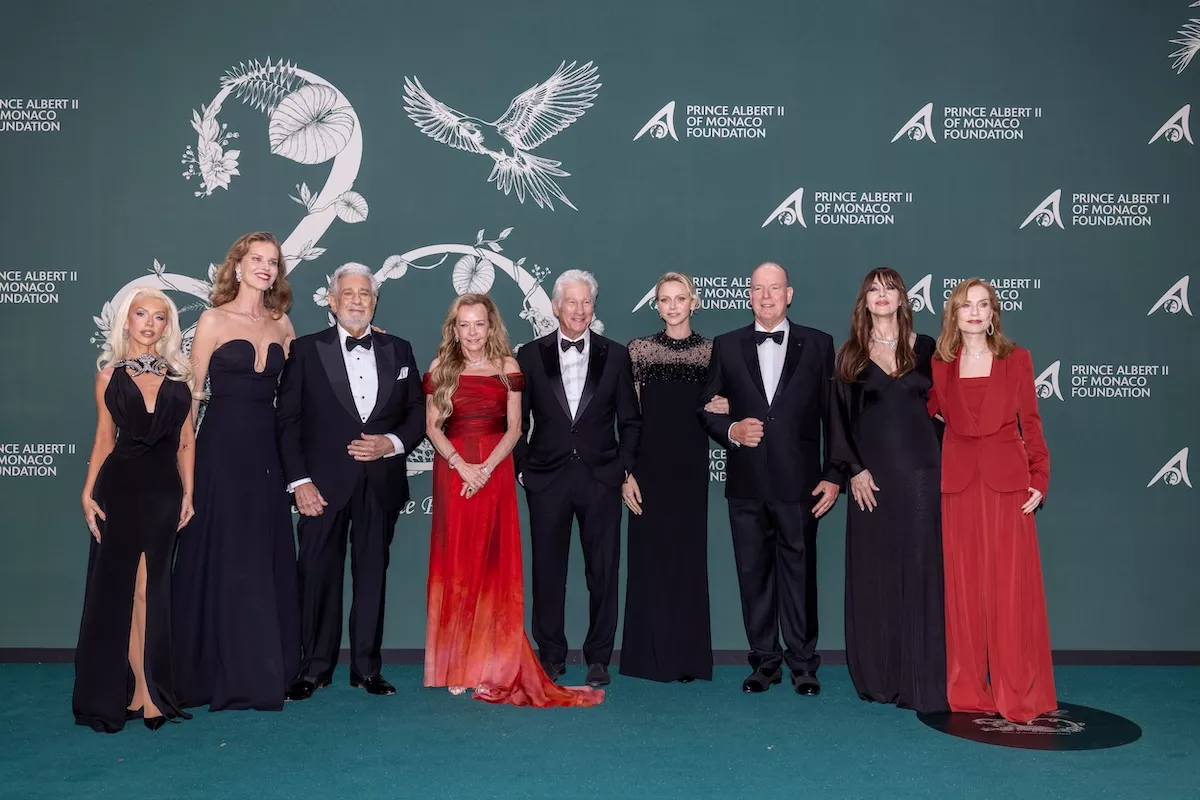
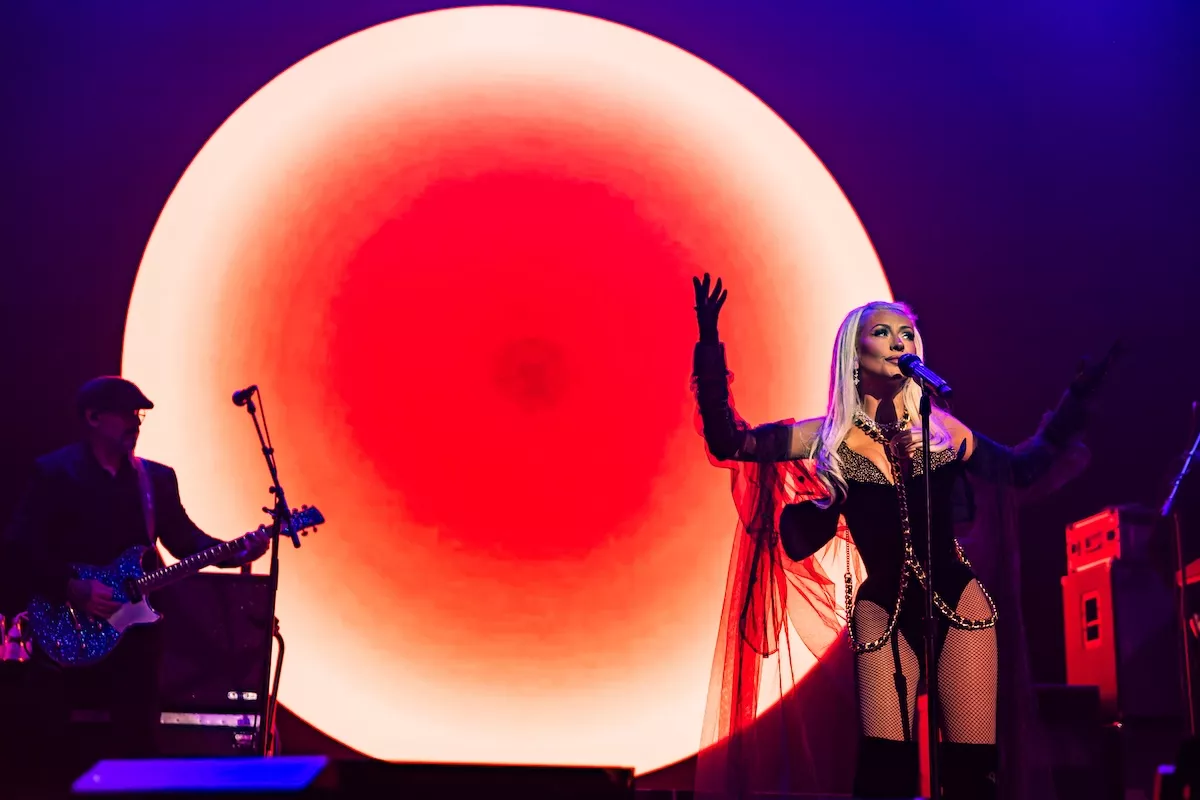
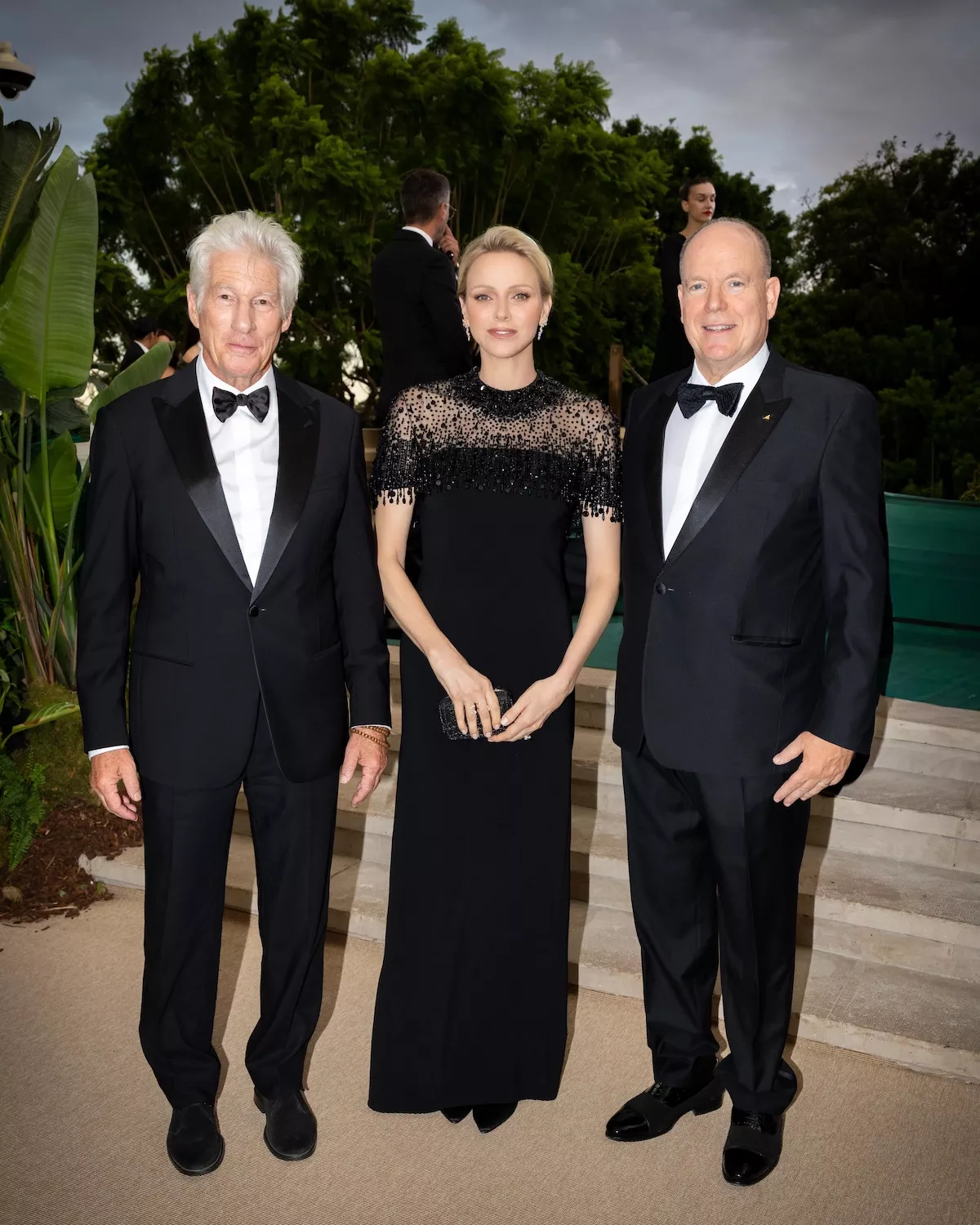
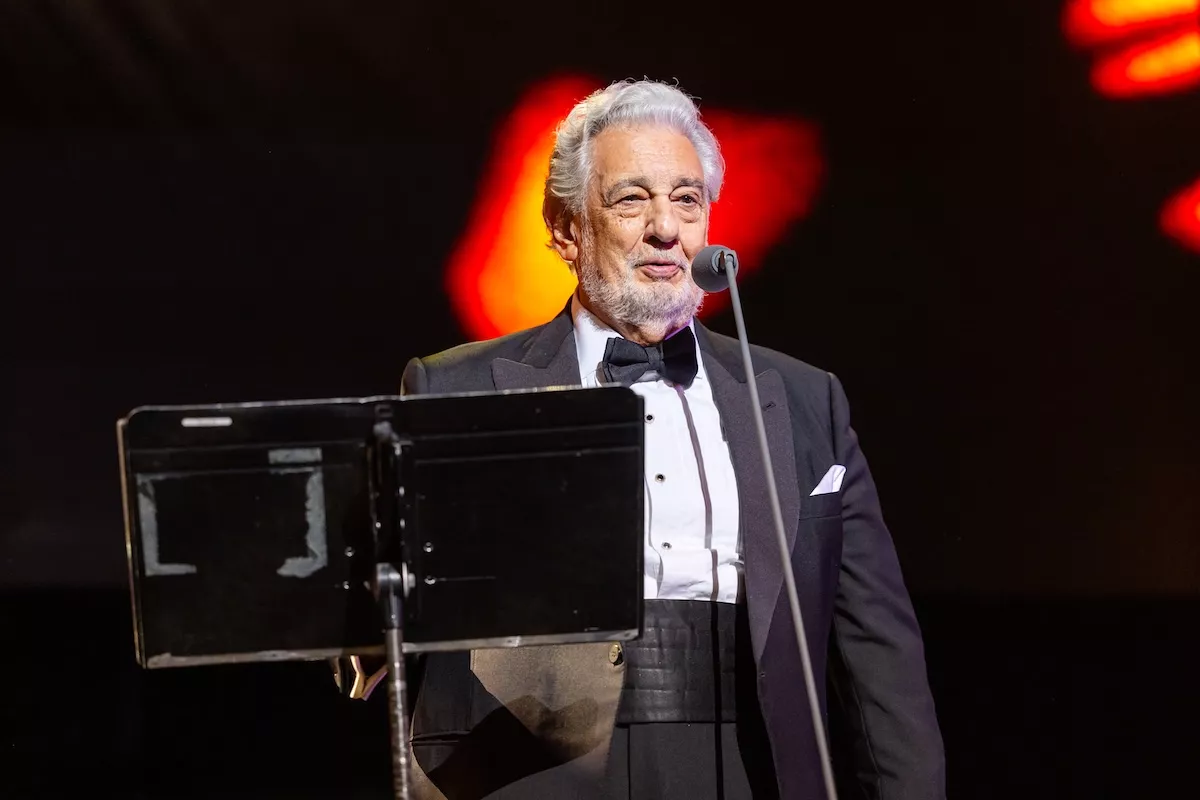
Prince Albert II and Princess Charlene presided over the anniversary gala on Friday 18th September, joined by Monica Bellucci, Richard Gere and Isabelle Huppert, with live performances by Christina Aguilera, Plácido Domingo and Sister Sledge carrying the celebration late into the evening.

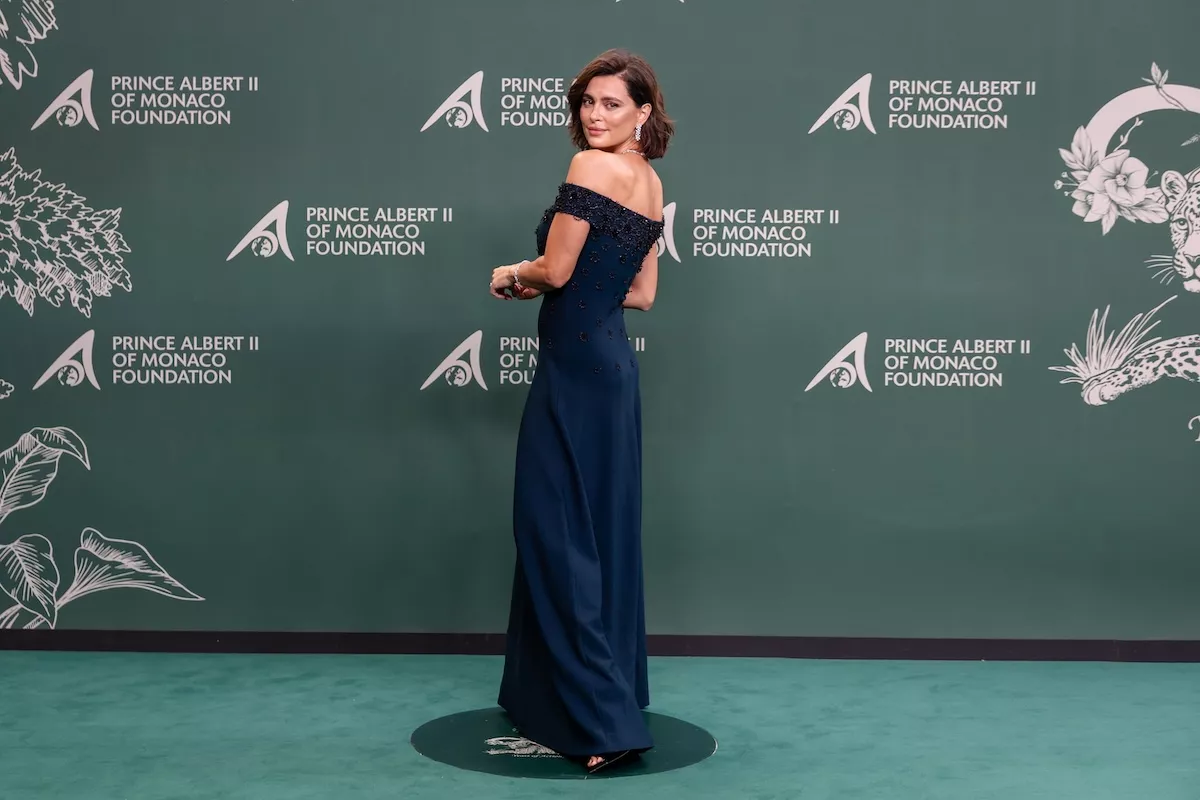
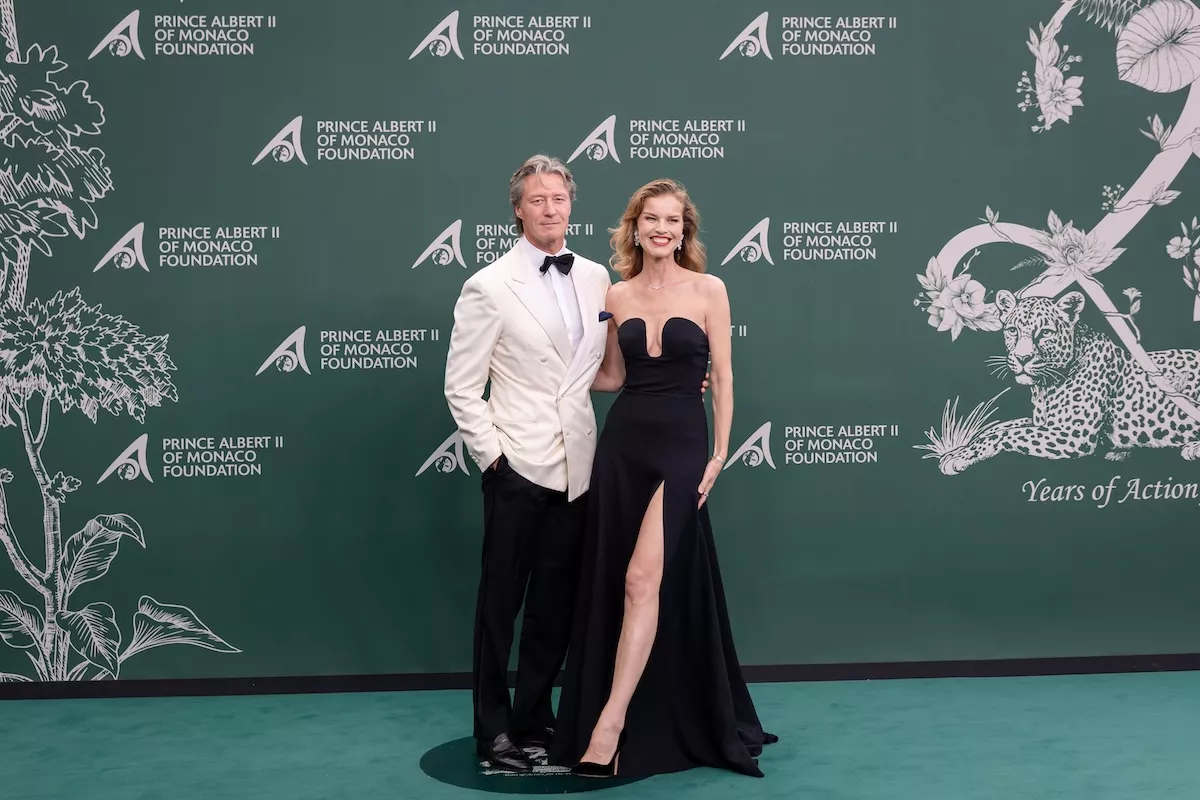
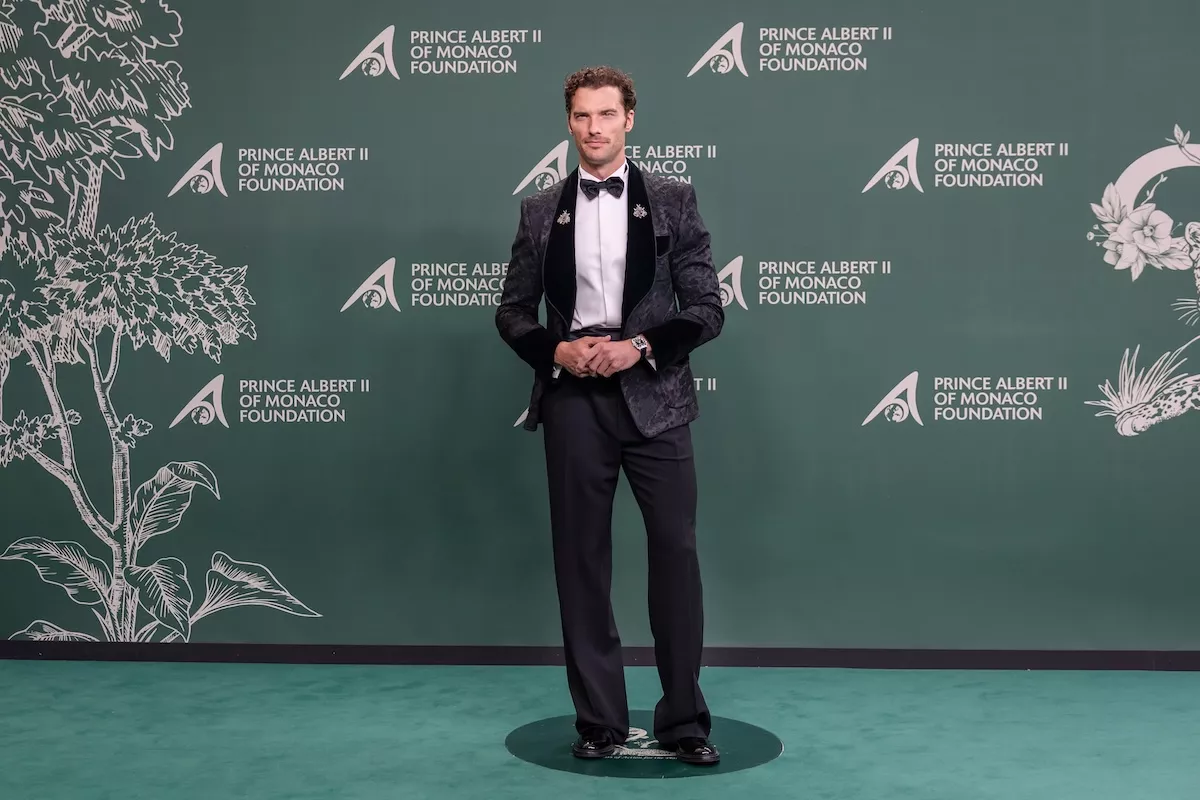
Eva Herzigova, Catrinel Marlon and Aurélien Muller were also among those walking the gala’s green carpet at the Opéra de Monte-Carlo.

Yet behind the famous faces and grandeur of the setting was a milestone of considerable substance. Since its creation in 2006, the Prince Albert II of Monaco Foundation has supported more than 830 projects around the world, advancing work on climate change, biodiversity and water resources.

Photo credit: Frederic Nebinger, Prince’s Palace

A purpose beyond any reign

Opening the evening, Prince Albert returned to the conviction that led him to establish the Foundation just one year after becoming Sovereign.

“Twenty years ago, I had come to a simple conclusion. A Head of State is given a position, a voice that is listened to, and a great many doors that open when he knocks; and it seemed to me that these were worth a good deal more if they were put to work for something that would outlast any reign,” he said. “So I set out to build a foundation that could act where a State cannot always act: quickly, across borders, and for the long term.”

That ambition has shaped the Foundation’s work across the Mediterranean Basin, the Polar Regions and the world’s least developed countries. Its projects bring together scientists, institutions, NGOs, local communities and economic partners, combining research with practical efforts to protect and restore natural ecosystems.

Photo credit: Philippe Fitte, FPA2

Hollywood voices support Monaco’s environmental mission

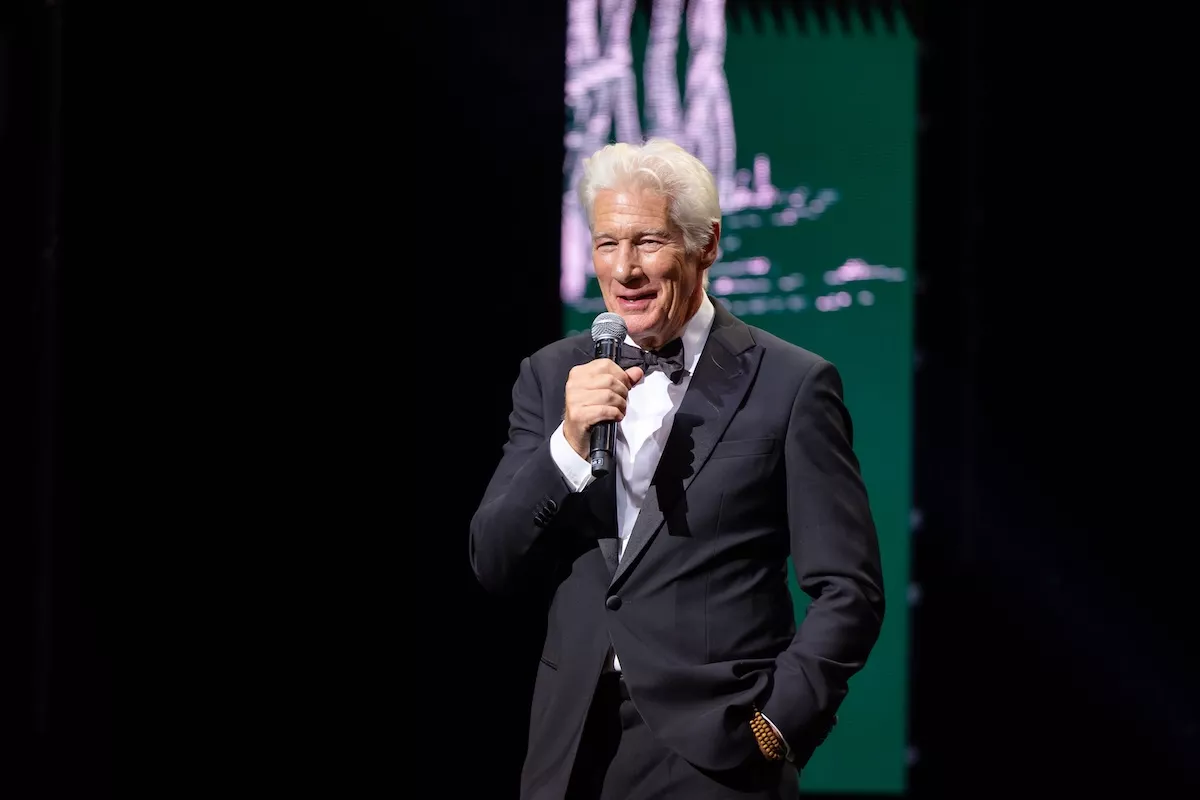
Guests of honour Monica Bellucci and Richard Gere used the occasion to pay tribute to Prince Albert’s sustained environmental leadership. Bellucci spoke of her respect for a commitment that has placed both people and future generations at the centre of environmental action.

Gere drew a direct connection between ecological responsibility and shared humanity.

“For twenty years, HSH Prince Albert II and his Foundation have helped keep environmental protection at the heart of the international conversation,” he said. “Caring for our planet is inseparable from caring for one another.”

Their presence reflected a central part of the Foundation’s approach over the past two decades: bringing the scientific and environmental worlds into conversation with international culture, philanthropy, business and public life.

Richard Gere addressing guests at the 20th anniversary gala. Photo credit: Philippe Fitte, FPA2

A night staged on a fitting scale

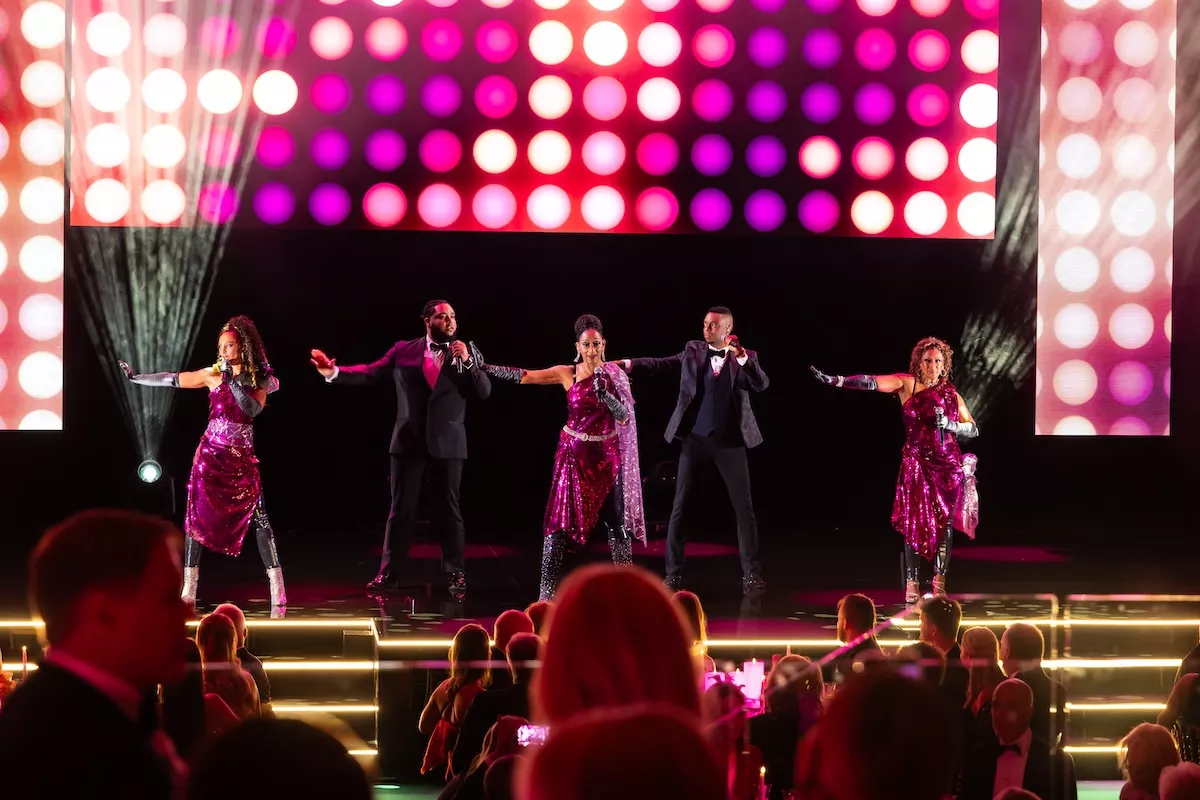
The anniversary was given all the scale its setting demanded. Michelin-starred chef Yannick Alléno devised the gala dinner, served beneath an Amazon-inspired transformation of the Salle Garnier. Christina Aguilera brought international pop power to the stage, while Plácido Domingo and Sister Sledge completed a line-up that moved from opera to disco.

Art and experience also became instruments of support during an auction conducted by Simon de Pury. Lots included works by Georges Condo, Urs Fischer and Secundino Hernández, an exclusive Chopard high-jewellery creation, an experience with Richard Gere, privileged access to Maison Petrus and a journey aboard the Venice Simplon-Orient-Express.

The evening was supported by the Foundation’s longstanding partners Rolex and UBS, alongside contributions from Chopard, the Museo Nacional Thyssen-Bornemisza, Maison Petrus and the Belmond Group.

Christina Aguilera performed at the gala. Photo credit: Philippe Fitte, FPA2

Twenty years — and a mission far from finished

The anniversary offered a moment to take stock of what has been achieved, but its message was firmly directed towards the future. Pressure on the climate, biodiversity, oceans and natural resources has intensified since the Foundation began its work in 2006. Its next chapter will continue to combine scientific research, field-based solutions, public awareness and international cooperation in response to those challenges.

On a night filled with music, cinema, art and Monaco spectacle, the clearest statement came from the purpose that first set the Foundation in motion: using the Principality’s international reach to deliver environmental action well beyond its borders.

See more in the gallery below. Credits: Philippe Fitte, Ed Wright, Frederic Nebinger

Monaco Life is written by qualified journalists, writing original content. Sign up for our free newsletter, listen to our podcasts on Spotify, and follow us across Facebook,  Instagram, LinkedIn, and Tik Tok.

Main photo credit: Philippe Fitte