Nine people extradited to Monaco under Interpol Red Notices

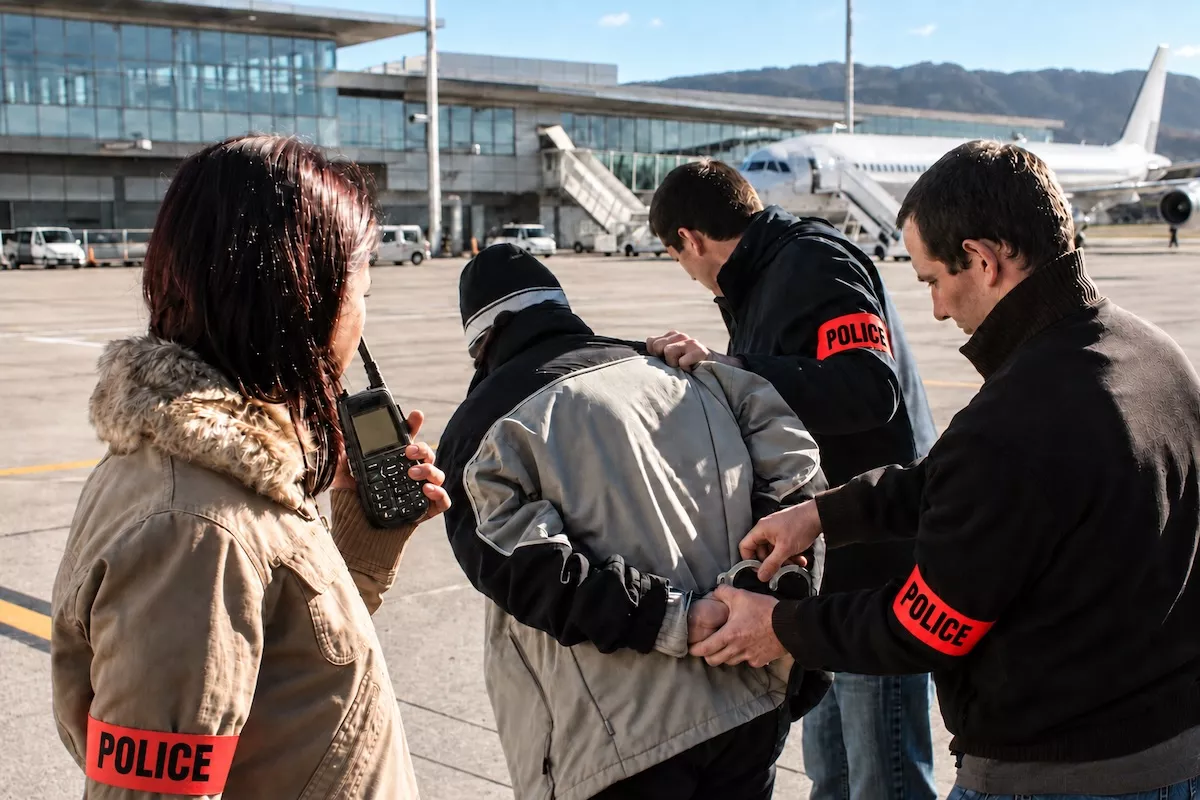
Nine people wanted by Monaco under Interpol Red Notices have been extradited to the Principality since the beginning of 2025, in cases involving drug trafficking, cybercrime and offences against people and property.

The extraditions were completed with assistance from authorities in France, Italy, Spain, Germany, the United Kingdom, Serbia and Azerbaijan, Monaco’s Police Department revealed on Monday 7th September, marking the International Day of Police Cooperation.

No information was released about the identities or nationalities of those extradited, the countries from which individual suspects were returned or the specific proceedings against them.

Monaco’s most public Red Notice

The most prominent Red Notice issued at Monaco’s request during this period concerned Anastasiia Berezovska, the 39-year-old Ukrainian woman suspected of involvement in the bomb attack that injured businessman Vadym Yermolaiev, his partner and their son in Monaco on 29th June.

Berezovska was wanted for attempted murder, placing an explosive device in a public place with criminal intent and criminal conspiracy. The Red Notice was issued on 3rd July after investigators traced her reported escape from Monaco through France and several other European countries.

She was not among the nine people extradited to Monaco. Her body was found with gunshot wounds near Kyiv on 6th July, according to Ukrainian prosecutors, and two men were subsequently detained in connection with her death. The investigation into the Monaco bombing and those suspected of assisting or directing the attack remains separate.

What is an Interpol Red Notice?

A Red Notice asks law-enforcement authorities around the world to locate and provisionally arrest a wanted person pending extradition, surrender or similar legal action.

It is issued at the request of a member country on the basis of a domestic arrest warrant or court order. Interpol stresses that a Red Notice is not itself an international arrest warrant, with each country applying its own laws when deciding whether to detain the person concerned.

Monaco’s role in the origins of Interpol

Monaco’s announcement also highlighted the Principality’s place in the history of international police cooperation.

In April 1914, Prince Albert I brought police and judicial representatives from 24 countries together in Monaco for the first International Criminal Police Congress. Discussions included extradition procedures, identification methods and the creation of centralised international criminal records.

The initiative helped lay the foundations for the organisation that would become Interpol, formally established in 1923.

Monaco Life is written by qualified journalists, writing original content. Sign up for our free newsletter, listen to our podcasts on Spotify, and follow us across Facebook,  Instagram, LinkedIn, and Tik Tok

Photo source: Monaco Government Communications Department 
 

Prince Albert II tours Lycée Albert 1er after 61-tonne CO2 cut

Following a construction schedule that began in July 2025 – with a strategic pause in June 2026 for the baccalauréat exams before wrapping up in late August 2026 – Monaco’s historic Lycée Albert 1er has emerged from a comprehensive structural and energy renovation.

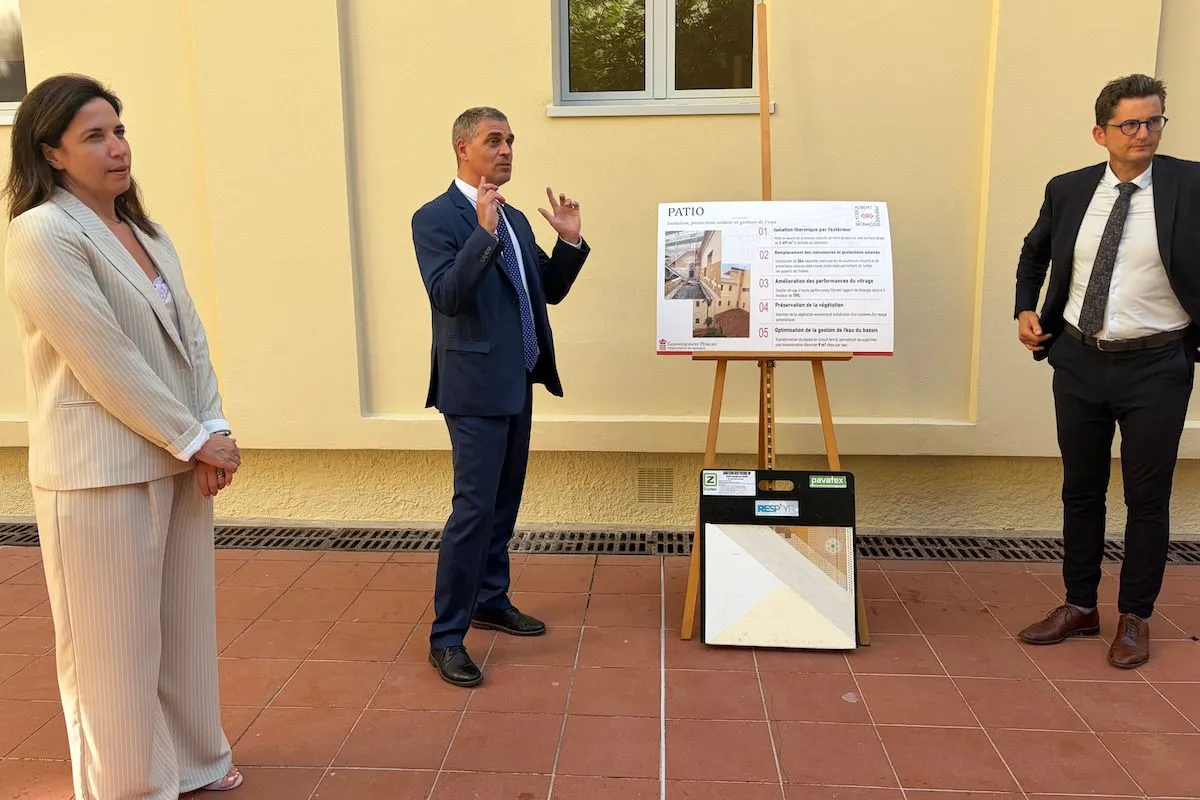
The modernised establishment was revealed during a press visit on Friday 4th September, guided by Anthony de Sevelinges, the Director of Public Buildings in Monaco.

What began as a focused environmental upgrade evolved into a holistic transformation of the 4 Place de la Visitation establishment, balancing strict Mediterranean sustainability standards with the preservation of its architectural heritage.

Anthony de Sevelinges, Director of Public Buildings in Monaco, during the press visit on Friday, 4th September. Photo credit: Virginia D’Umas

Deep decarbonisation and renewable energy 

The most striking engineering achievement is the complete elimination of gas across the entire building, including the kitchens. Ageing gas boilers were replaced by ten high-efficiency heat pumps generating a total capacity of 460 kW, slashing annual carbon dioxide emissions by an estimated 61 tonnes. Domestic hot water is now supplied by an innovative CO2 heat pump, while rooftop infrastructure has been entirely re-engineered. A new technical room houses the climate control systems with enhanced acoustic baffling, sitting alongside 250 square metres of photovoltaic panels for local renewable electricity generation. 

“The basic principle of this operation was primarily to eliminate fossil fuels, as this was one of the last buildings that still used gas. So, we created a 200-square-metre plant room with 10 heat pumps that provide both air conditioning and heating. There was also a particular focus regarding the neighbourhood, since the National Council is right next door. Therefore, a very technical study was carried out to truly minimise the acoustics,” said Sevelinges during the press visit.

Furthermore, extensive terrace spaces underwent complete waterproofing, thermal insulation, and high-reflectivity finishing, creating bright, protected outdoor areas allowing students to take their breaks in full comfort.

Climate adaptation and water conservation 

Designed under the Bâtiments Durables Méditerranéens de Monaco (BD2M) framework, the renovation rigorously targets resource efficiency and thermal comfort. The building envelope features thousands of square metres of exterior and interior wood-fibre insulation, paired with hundreds of replaced external joineries using recycled aluminium and high-performance double glazing that filters 70% of solar energy. Water management was similarly overhauled, notably converting the central courtyard basin into a closed-circuit system that eliminates a daily water wastage of nine cubic metres. Existing greenery was preserved and paired with automatic irrigation fed by new rainwater recovery tanks.

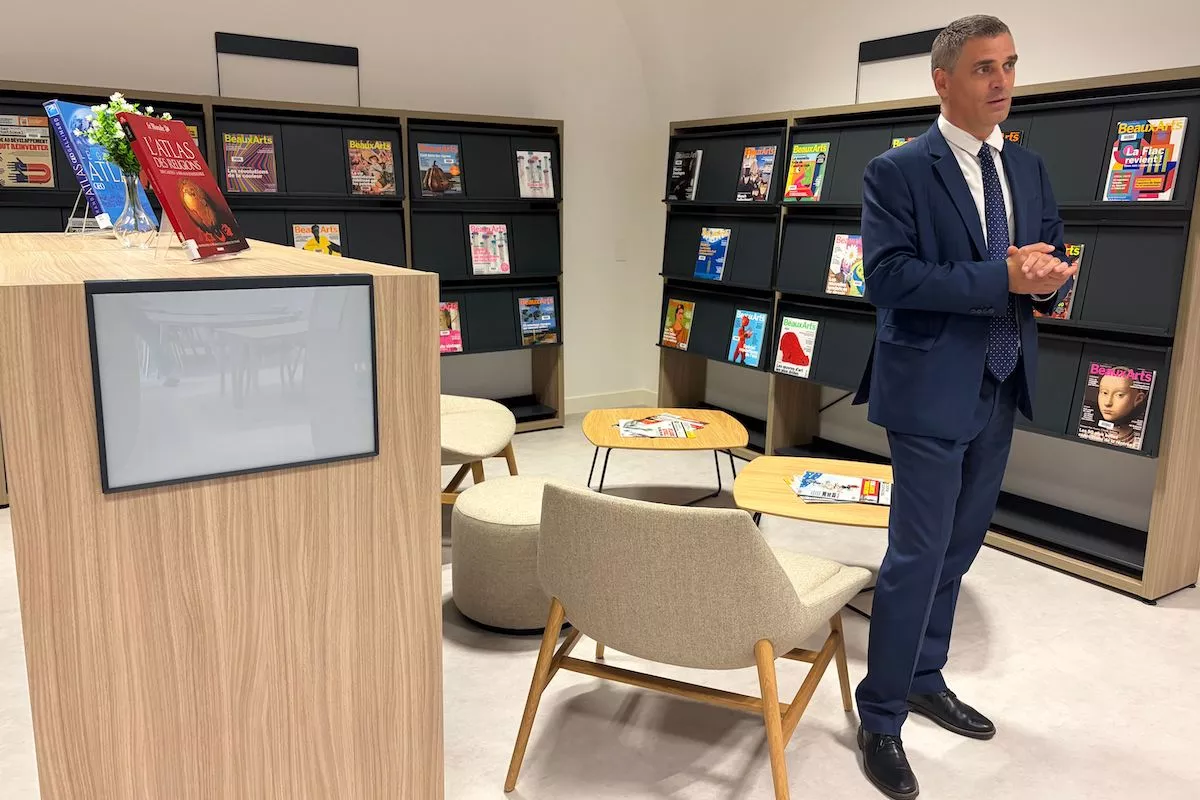
The new Documentation and Information Centre (CDI) of Lycée Albert 1er. Photo credit: Virginia D’Umas

Classroom comfort and modernised facilities 

Learning environments received widespread upgrades focusing on air quality, acoustics, and digital integration. Classrooms now benefit from double-flow ventilation, ceiling fans, air conditioning, and enhanced internal insulation. Acoustic comfort was reinforced throughout, while automated systems manage lighting and consumption with weekend cut-offs. Modernised classrooms are now equipped with interactive digital screens, renewed furniture, and bright LED fixtures.

“In the Documentation and Information Centre it’s mostly the acoustic aspect that has been updated. In fact, we changed the flooring, the false ceiling as well, and we also installed a wall mounting bracket to allow better sound insulation and comfort for students studying in the space,” explained Sevelinges.

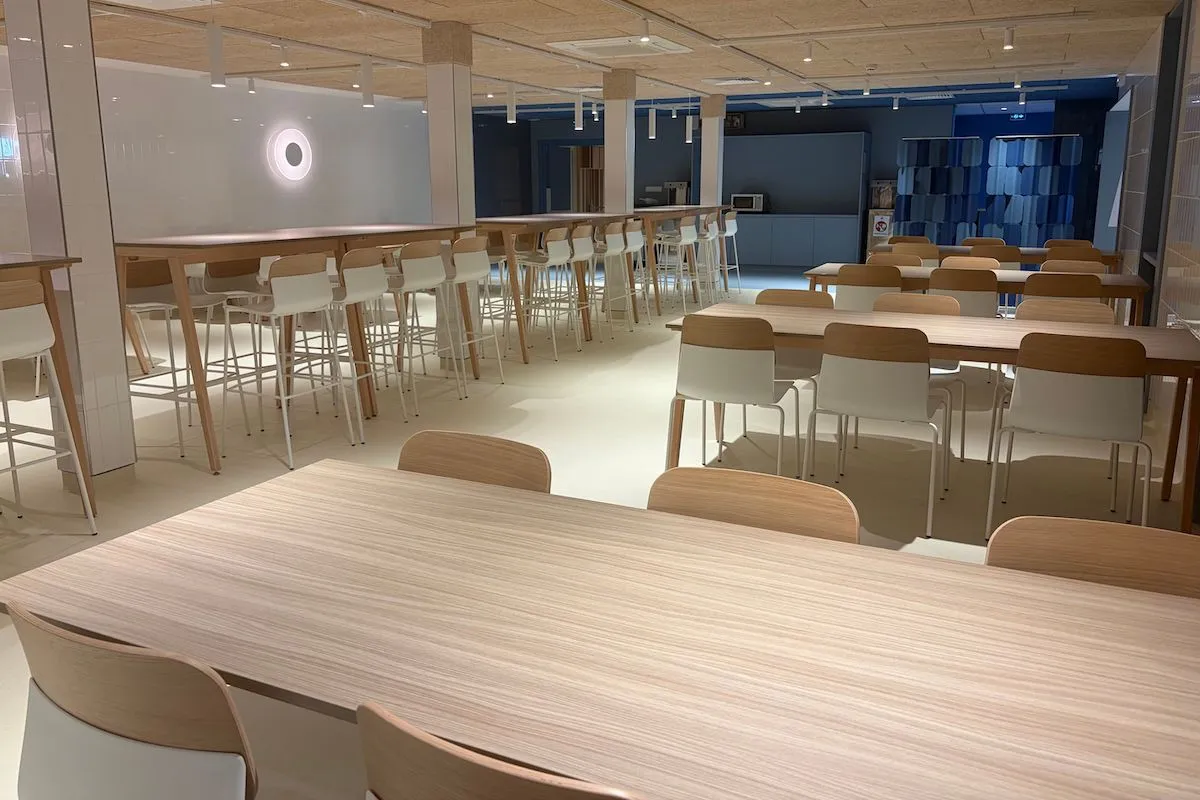
The new student refectory, overseen by architect Jérôme Hein. Photo credit: Virginia D’Umas

Catering and exterior spaces 

The student refectory, overseen by architect Jérôme Hein, features a completely modernised layout with new flooring, furniture, a dedicated cafeteria space, and acoustic ceiling baffles designed by Olivier Deverini to absorb dining hall noise. Kitchens transitioned entirely to electric cooking appliances.

Externally, the school grounds received renovated courtyards, repaired asphalt, and restored seating, successfully updating the historic educational facility for generations of Monégasque students.

Stay updated with Monaco Life: sign up for our free newsletter, listen to our podcasts on Spotify, and follow us across Facebook,  Instagram, LinkedIn, and Tik Tok.

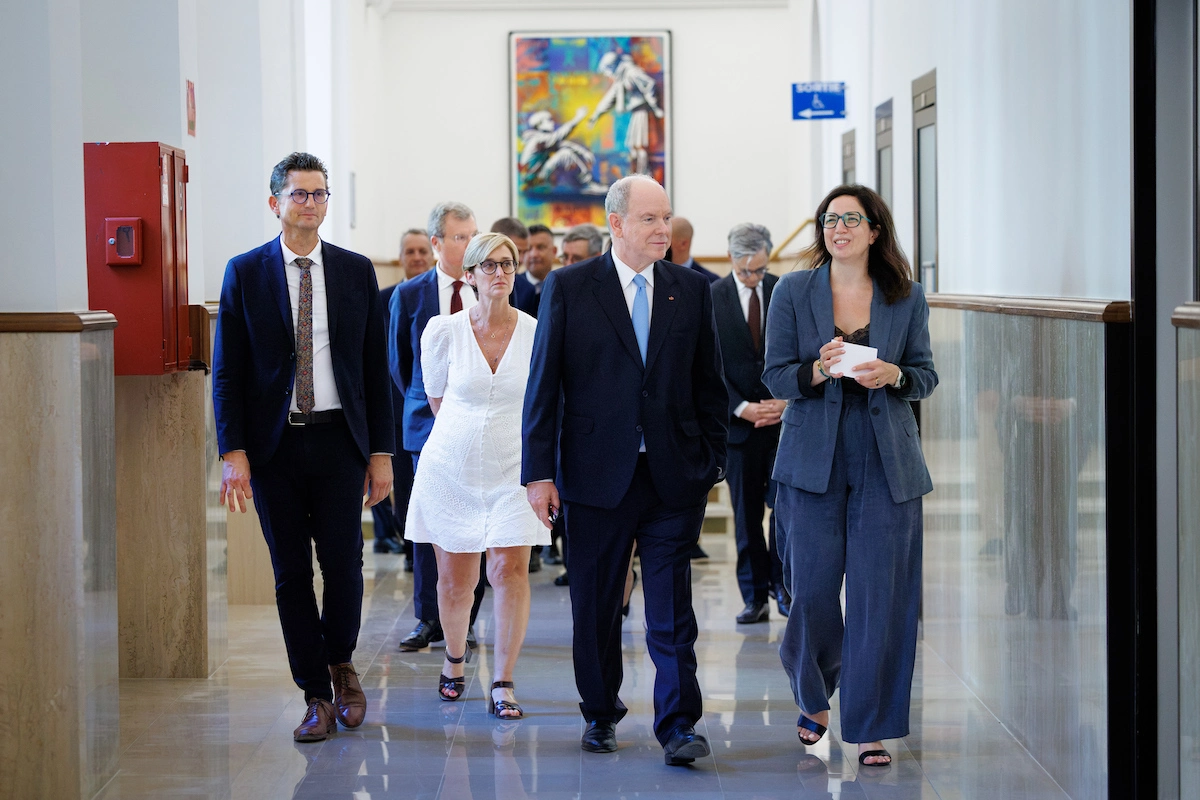
Prince Albert II visiting the renovated Lycée Albert 1er. Main photo credit: Michael Alesi 

Prince Albert II buys Les Baux house to restore and pass to Prince Jacques

Monaco is to buy and restore a historic house in Les Baux-de-Provence as a showcase for its Grimaldi Historic Sites, Prince Albert II has announced — a property he said would belong to the princes of Monaco and pass to Prince Jacques.

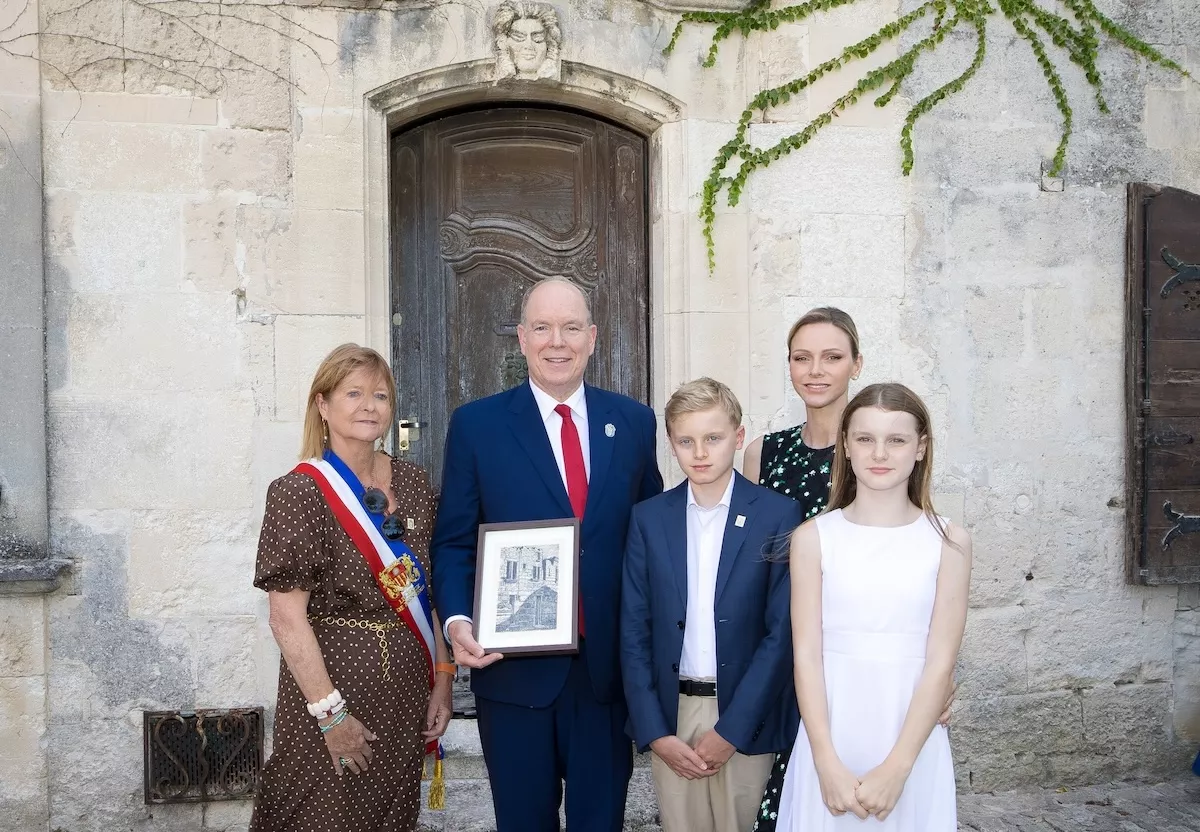
The Prince revealed the acquisition in his speech on the château esplanade, on the day his 11-year-old son, Prince Jacques, was symbolically handed the keys to the town and confirmed in his title of Marquis des Baux. “I am very happy to announce today the ongoing acquisition, from your commune, of a house in the village: the house known as the Connétable de Montmorency house, on the edge of the old ramparts,” he said.

The Connétable de Montmorency house

The property takes its name from Anne de Montmorency, the Constable of France and a leading figure at the 16th-century royal court, who reshaped the château and built elegant townhouses at Les Baux during the Renaissance. It stands on the edge of the village’s old ramparts. During the visit, Prince Albert II and Prince Jacques were photographed in front of the house and presented with an engraving of it.

A home — and a showcase

Prince Albert II framed the purchase as a legacy for his son and a new chapter for the Grimaldi Historic Sites network. “This house will be his — that of the princes of Monaco at Les Baux — but also a symbol and a showcase for the whole French network of Grimaldi Historic Sites,” he said, describing it as a “new relay” in an attachment he was passing to Prince Jacques. The house is to be restored under what he called an ambitious project over the coming months, and French media reported that it is intended to open as a museum dedicated to the Grimaldi Historic Sites. No purchase price was disclosed.

Centuries of ties

The acquisition deepens a bond dating to 1642, when, under the Treaty of Péronne, Louis XIII raised the seigneury of Les Baux to a marquisate and granted it to Hercule Grimaldi, son of the Monegasque sovereign. The title of Marquis des Baux has been borne by the heir to the throne ever since, and passed to Prince Jacques at his birth in 2014. One of France’s most visited villages, with around 1.5 million visitors a year, Les Baux was among the first communes to join the Grimaldi Historic Sites network.

Prince Albert II closed his address by pledging that the tie would endure. “We will always be — I assure you — Baussencs among the Baussencs,” he said, using the local name for the people of Les Baux.

See also: 

Prince Jacques handed the keys to Les Baux-de-Provence

Monaco Life is written by qualified journalists, writing original content. Sign up for our free newsletter, listen to our podcasts on Spotify, and follow us across Facebook,  Instagram, LinkedIn, and Tik Tok

Main photo credit: Michaël Alesi/Palais princier

Honouring the brave: Monaco commemorates 82 years of liberation

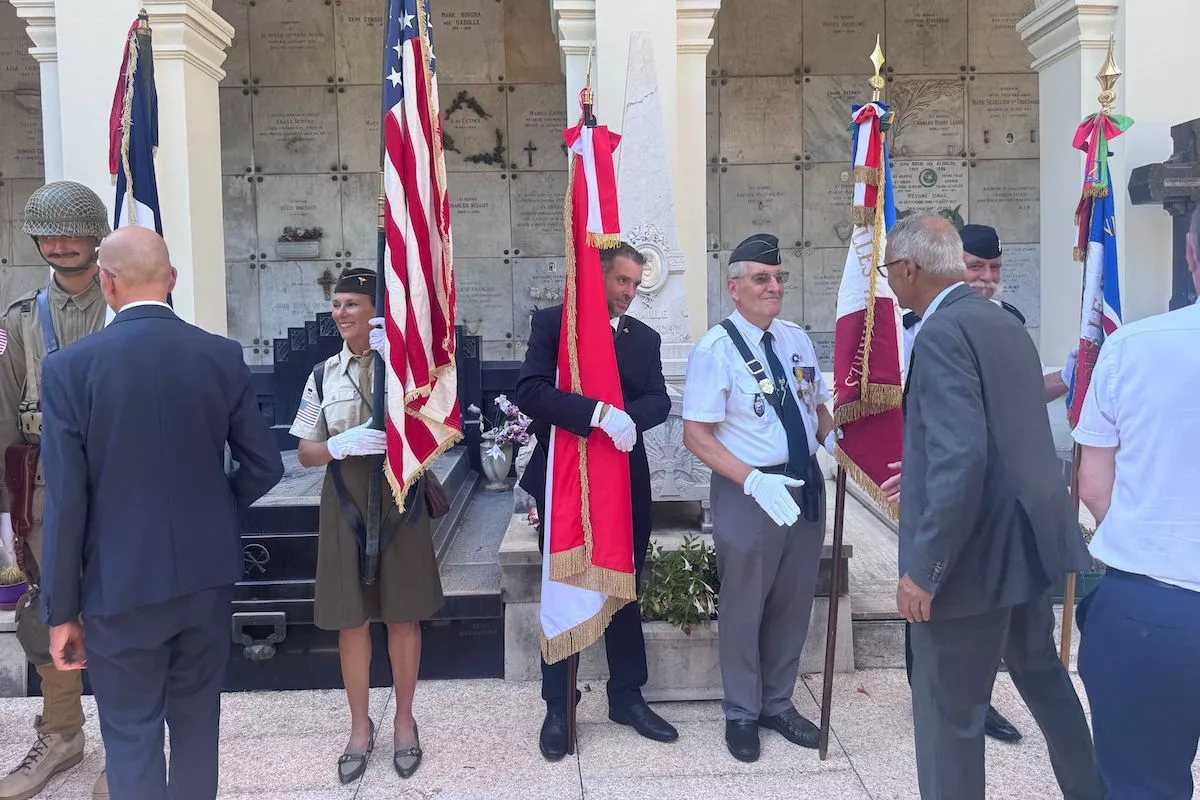
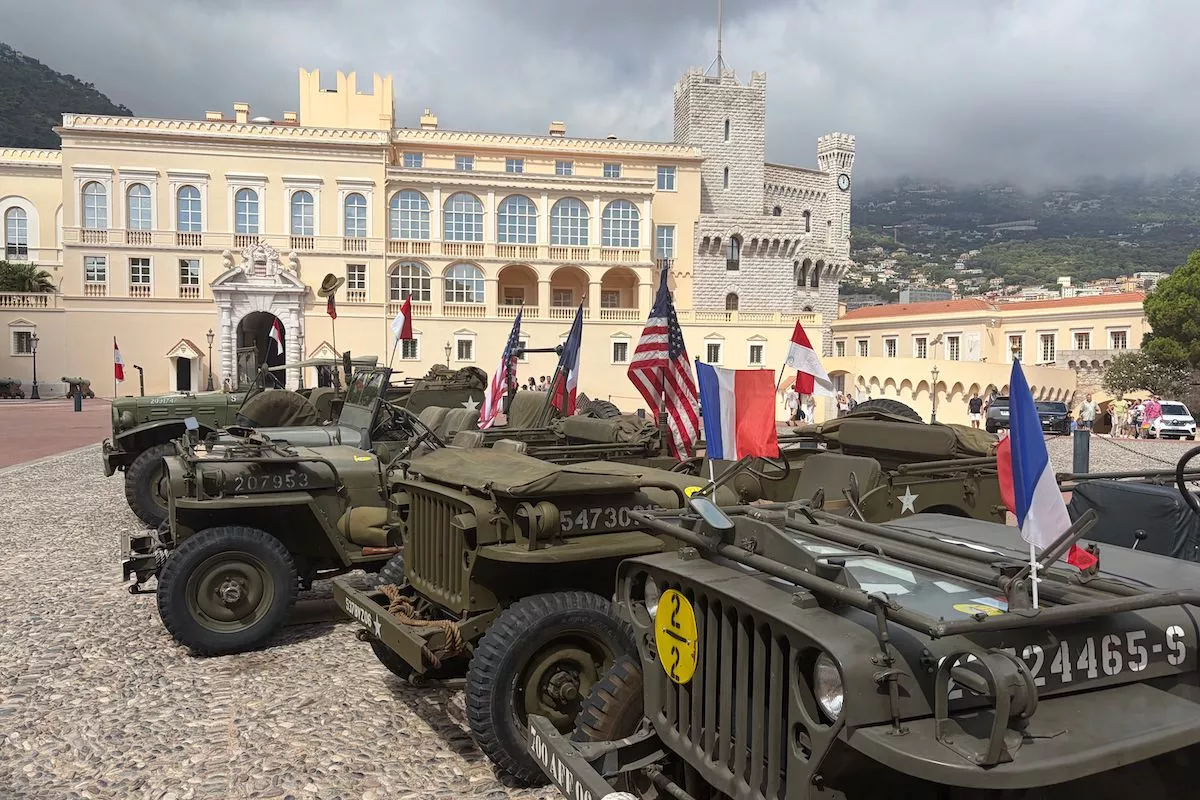
On Thursday 3rd September, Monaco came alive with the sights and sounds of 1944 to mark the 82nd anniversary of its Liberation from German occupation, blending vibrant living history with deeply moving institutional tributes.

The day’s commemorations kicked off in the morning, bringing together government officials, local representatives, and patriotic associations.

Proceedings began at the Maison de France before continuing at the National Council, attended by Minister of State Christophe Mirmand and members of the Prince’s Government to honour those who fought for the Principality’s freedom.

Photo credit: Virginia D’Umas

Vintage jeeps and chocolate bars 

Bringing history vividly to life, a convoy of authentic Second World War vehicles – including vintage Jeeps and motorcycles – rumbled through the streets of Monaco toward the Place du Palais.

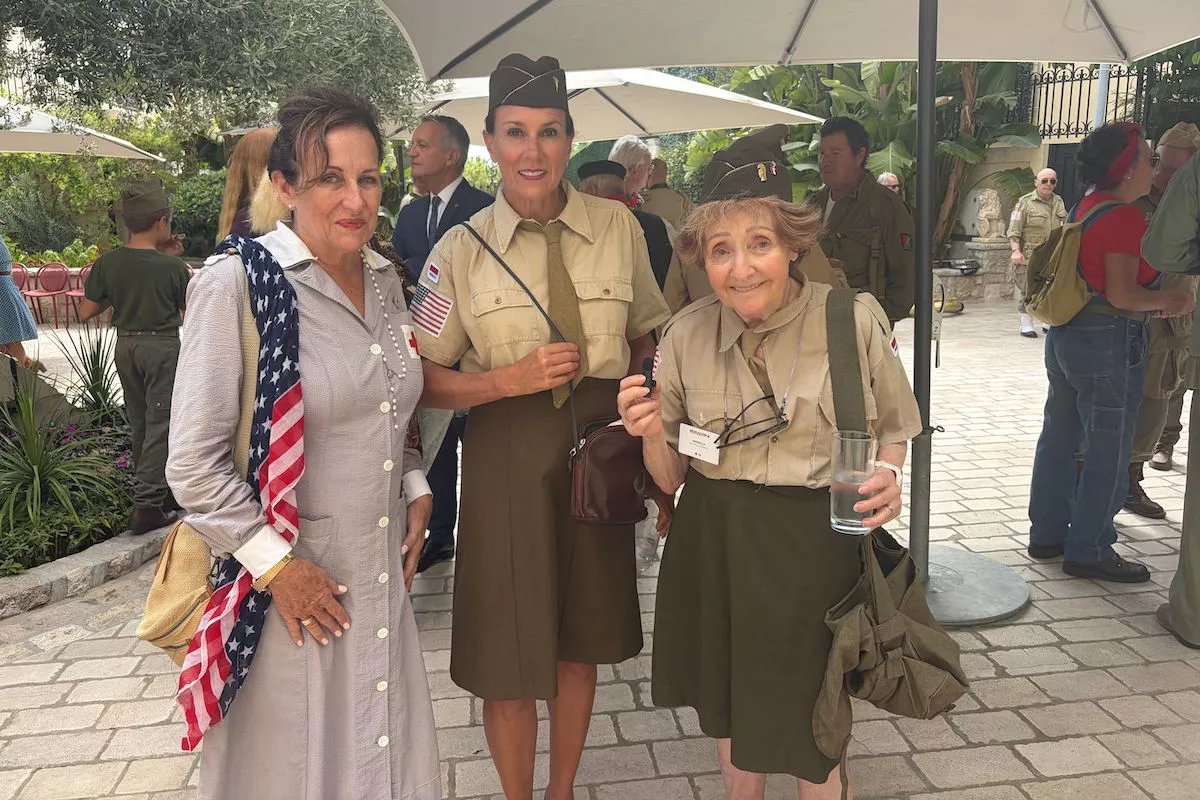
Members of the MonacoUSA association participated in full, authentic 1944 American military uniforms, delighting onlookers by handing out traditional chocolate bars to residents along the route in a cheerful nod to the historic arrival of liberating forces.

From left to right: Kimberlee Smith, Shae Clements and Merrily Tornatore (from MonacoUSA). Photo credit: Virginia D’Umas, Monaco Life

For the participants, the event was deeply personal. Kimberlee Smith from MonacoUSA shared her pride with Monaco Life in representing the organisation, saying, “I am very proud to be an American and to be a part of this. My father was in the service, as well as every member of my father’s family, and it’s a beautiful memorial day for us. We are here representing MonacoUSA, started by Princess Grace in 1973, to carry on her legacy.”

Echoing that sentiment, Merrily Tornatore, a member of the same association, added, “We are Americans, and we are here to represent our country. This is very important because we want to make sure the world knows what America really is and who Americans really are.”

Photo credit: Virginia D’Umas, Monaco Life

Camaraderie and music over lunch 

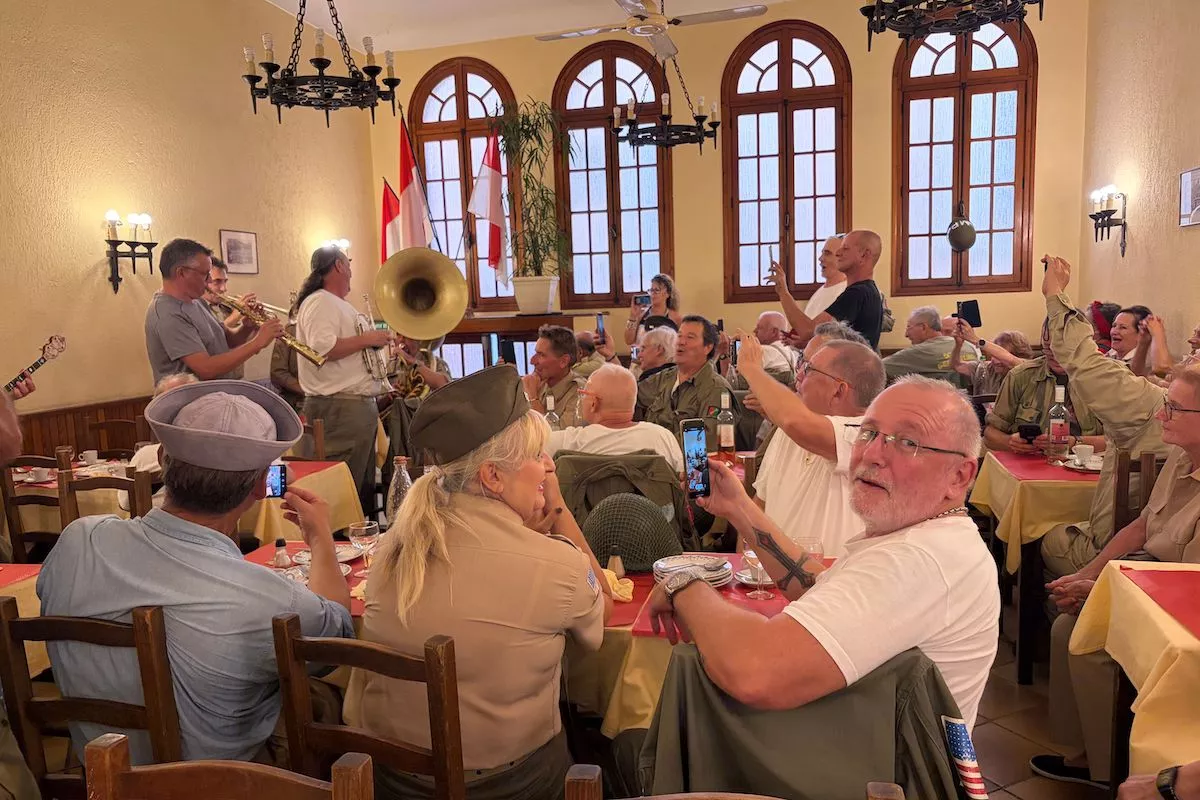
Between the morning ceremonies and afternoon tributes, members of the patriotic associations gathered for a convivial lunch where traditional food was shared, accompanied by lively music that filled the air with a true sense of 1944 camaraderie and celebration.

Solemn tributes at the cemetery 

The atmosphere shifted to solemn reflection when a formal remembrance ceremony began at 4pm at the Monaco Cemetery, gathering crowds of respectful residents and dignitaries alike. Official wreaths were laid at the War Memorial in memory of all the victims and fallen heroes of the conflict.

Attendees then gathered to pay their respects at the graves of Monegasque Resistance fighters René Borghini and Joseph Lajoux, serving as a powerful moment of reflection and remembrance to honour those who contributed to Monaco’s liberation and keep their memory alive for future generations.

Stay updated with Monaco Life: sign up for our free newsletter, listen to our podcasts on Spotify, and follow us across Facebook,  Instagram, LinkedIn, and Tik Tok.

Main photo credit: Virginia D’Umas

Charles Leclerc says vision was blurred after heavy Monza crash

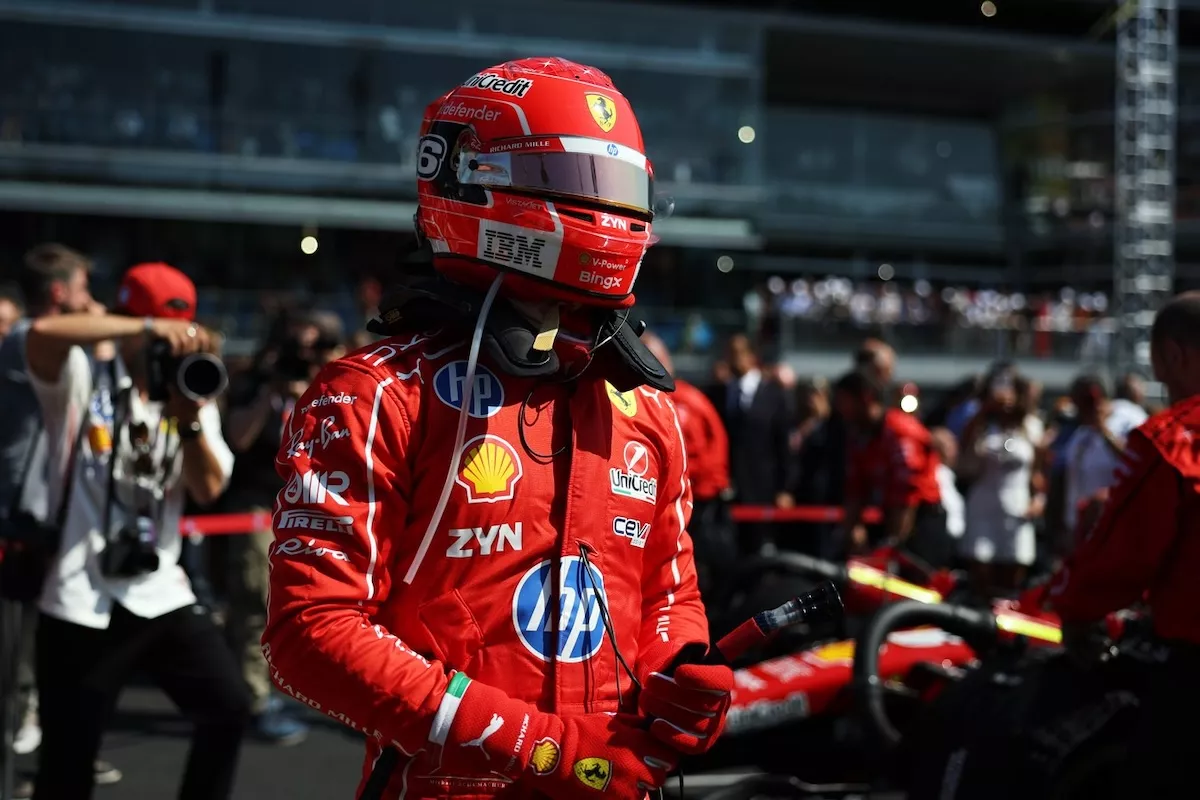
Charles Leclerc has revealed that his vision was briefly impaired after the heavy crash that ended his Italian Grand Prix on the second lap — the Monégasque’s first concern as he climbed from his wrecked Ferrari at Monza on Sunday.

Leclerc was running in the top four, battling McLaren’s Oscar Piastri into the Parabolica — the high-speed final corner now named Curva Alboreto — when he lost the rear of his SF-26 and speared into the barriers, bringing out the red flag. He climbed out unaided and was taken to the circuit’s medical centre, where checks found no injuries, but he later disclosed that his right eye had troubled him in the moments after the impact.

‘The right eye was not showing me great vision’

“The neck was OK, it was just the vision a little bit at first,” Leclerc told reporters. “The right eye was not showing me great vision, but now it’s all good, so that’s the thing I was most worried of getting off the car.”

He said the rest was “a bit of pain here and there, which is normal after a crash like this”, and confirmed he expected “quite a few additional checks” that night and the following day to make sure he was fit for this weekend’s Spanish Grand Prix in Madrid.

Photo source: Scuderia Ferrari Media Centre

A crash he couldn’t fully explain

Leclerc, a two-time Monza winner in 2019 and 2024, was left sitting on the grass as the tifosi looked on, his home-from-home race over inside two laps. He suggested the car had felt strange under power in the moments before he lost it, without drawing a firm conclusion. “For the crash itself, I went on throttle and on the first lap it felt kind of weird; I had to go back off and on throttle,” he said. “On that second lap, I tried to do the same thing, but I don’t know, it just felt a little bit weird. We’ll look into it.” He said he had noticed “a bit of a difference in power delivery” between the first and second laps — something Ferrari intends to examine.

Team principal Frédéric Vasseur described the accident as a fine margin. “On the second lap he was side by side with Oscar (Piastri) going into the last corner and went slightly onto the dirty side of the track, which was enough for him to lose the car and hit the barriers,” he said. “It was a big impact, so the most important thing is that Charles is okay.”

Too close with Hamilton

The crash had come moments after a tense opening-lap battle between the two Ferraris. Starting third and fourth, Leclerc and team-mate Lewis Hamilton ran side by side through the first chicane, with Hamilton forced across the gravel and dropping down the order; the seven-time champion suggested over the radio that he had been pushed off. Leclerc conceded the fight had gone too far. “With Lewis it was a way too close into Turn 1 and unfortunately in Turn 2 — I don’t know if we had contact or whatsoever,” he said. “I was quite a lot on the inside kerb and tried to make the corner, which I didn’t do tight enough, and then I obviously only saw in the mirrors what happened, which is never what you want between two cars, between two cars of the same team.”

Hamilton, who sits third in the championship, is now 36 points clear of Leclerc after the pair’s contrasting afternoons.

Hamilton salvages sixth as Mercedes win

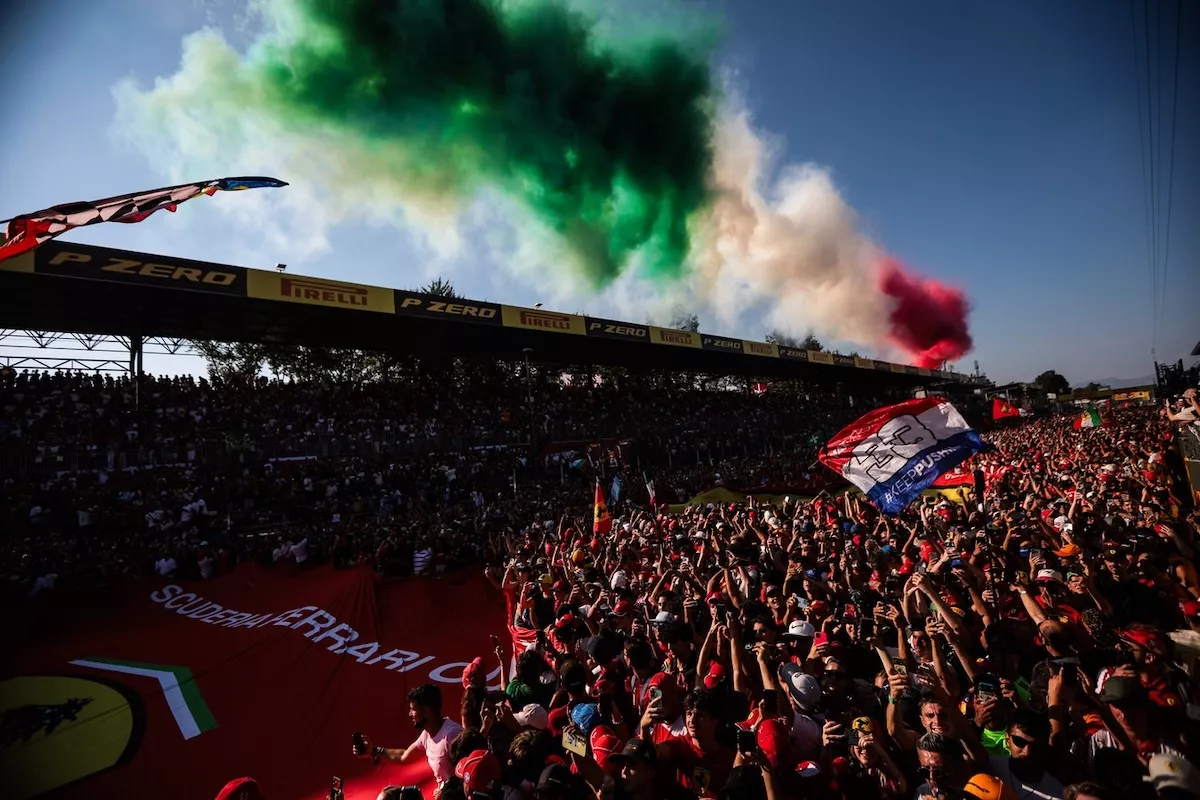
Hamilton lined up eighth for the restart on medium tyres and recovered to run as high as fourth, before slipping back on a circuit where Ferrari lacked straight-line speed, eventually finishing sixth. The race was won by Kimi Antonelli, leading a Mercedes one-two, on a weekend that also marked 30 years since Michael Schumacher’s first Monza victory for the Scuderia.

‘Turn the page’

Leclerc struck a determined note in Ferrari’s post-race statement. “It’s not the way we wanted our weekend to finish and we have to turn the page and look ahead to Madrid next week,” he said. “A huge thank you to all our tifosi who have supported us here at our home race. We will make sure to come back stronger.”

The season resumes with the Spanish Grand Prix at the new Madrid circuit from 11th to 13th September.


Thierry Lacoste, Prince Albert II’s former lawyer, charged in Monaco corruption inquiry


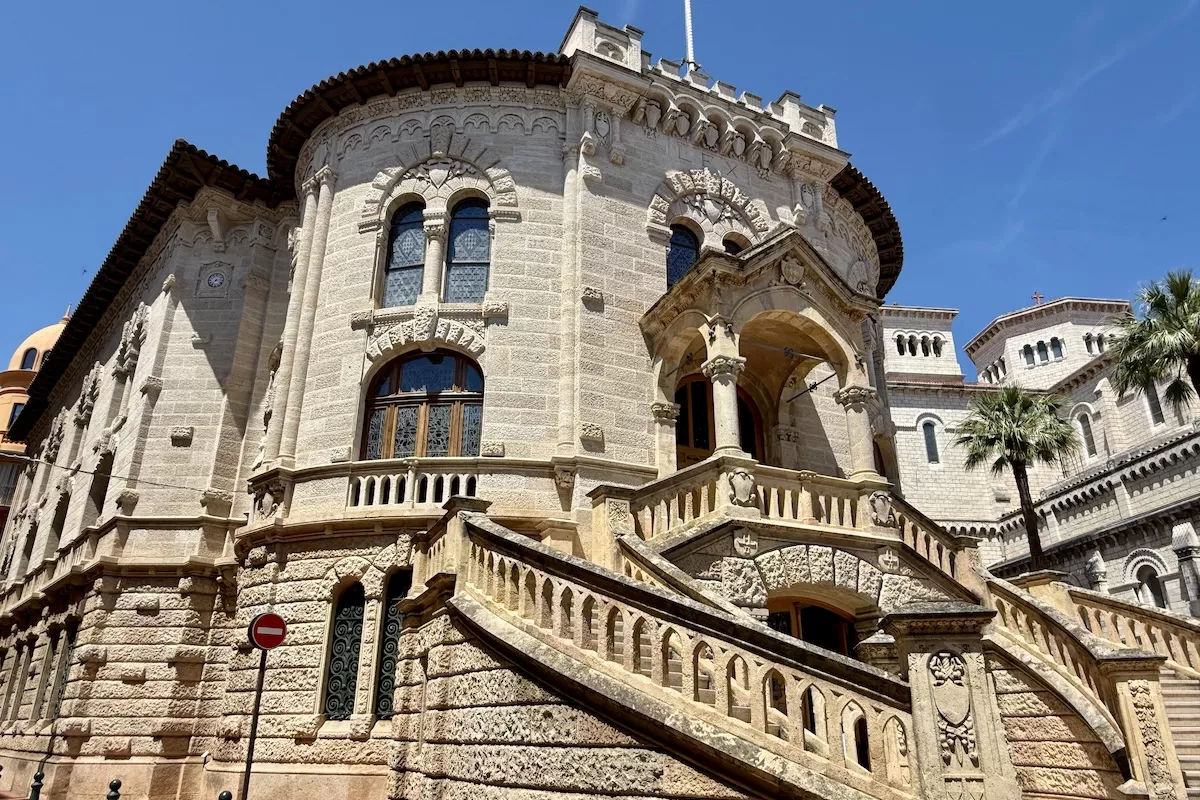
Thierry Lacoste, the former personal lawyer of Prince Albert II, has been charged by a Monaco investigating judge with criminal conspiracy, organised bribery of a national public official, organised influence peddling and money laundering, the Principality’s public prosecutor has announced.

In a statement issued on 5th September, the Parquet Général said Lacoste had been placed in police custody on 2nd September and questioned several times by investigators from the Sûreté Publique. After two extensions of his custody, he was brought before an investigating judge on the morning of 5th September, charged and placed under judicial supervision.

Lacoste contests the allegations and remains presumed innocent. The judicial investigation is continuing.

The charges are criminal conspiracy, active bribery of a national public official as part of an organised group, passive influence peddling as part of an organised group, and money laundering.

Part of a wider investigation

The charges form part of a broader judicial investigation into active and passive influence peddling, the illegal taking of interests, active bribery of a national public official and passive bribery by a national public official – all allegedly committed as part of an organised group – as well as laundering the proceeds of an offence and criminal conspiracy.

It was in the same investigation that Didier Linotte, the former president of Monaco’s Supreme Court, the Tribunal Suprême, was charged in June 2025, as Monaco Life reported at the time.

The Esplanade des Pêcheurs

The investigation followed a complaint by Monaco property developer Patrice Pastor concerning the Esplanade des Pêcheurs, a major development planned for Port Hercule.

The project, led by Caroli Immo, did not proceed after the State withdrew from the agreement. Monaco’s Supreme Court subsequently found the State’s decision unlawful and, in 2020, ordered it to pay Caroli Immo €136.992 million plus capitalised statutory interest dating from 23rd February 2018.

Prince Albert II, acting in a personal capacity, and the Monegasque State later joined the criminal proceedings as civil parties.

‘Dossiers du Rocher’

The wider affair became public in 2021 through an anonymous website known as the Dossiers du Rocher, which accused four former figures close to Prince Albert II – including Lacoste and Linotte – of collusion.

Linotte became the first of those figures to be charged by the Monegasque authorities when he was placed under formal investigation in June 2025 for offences including organised unlawful taking of interests and passive bribery.

Reaction

According to the French news agency AFP, the Prince’s lawyer, Cyril Bonan, said those who had taken part in the alleged conduct — and against whom the courts considered there to be serious and corroborating evidence — would have to answer for their actions and could no longer pass themselves off as victims.

Lacoste’s lawyers, in a statement reported by AFP, called the indictment shameful, dismissing what they described as a jumble of unfounded accusations and arguing that the Monegasque justice system had, since 2023, been used to serve the powerful.

Meanwhile Pastor’s lawyers, Antoine Vey and Richard Malka, said the criminal charges confirmed the seriousness of the conduct their client had denounced for years, AFP reported.

Monaco Life is written by qualified journalists, writing original content. Sign up for our free newsletter, listen to our podcasts on Spotify, and follow us across Facebook,  Instagram, LinkedIn, and Tik Tok

Photo by Monaco Life