Italian President Mattarella to make first state visit to Monaco

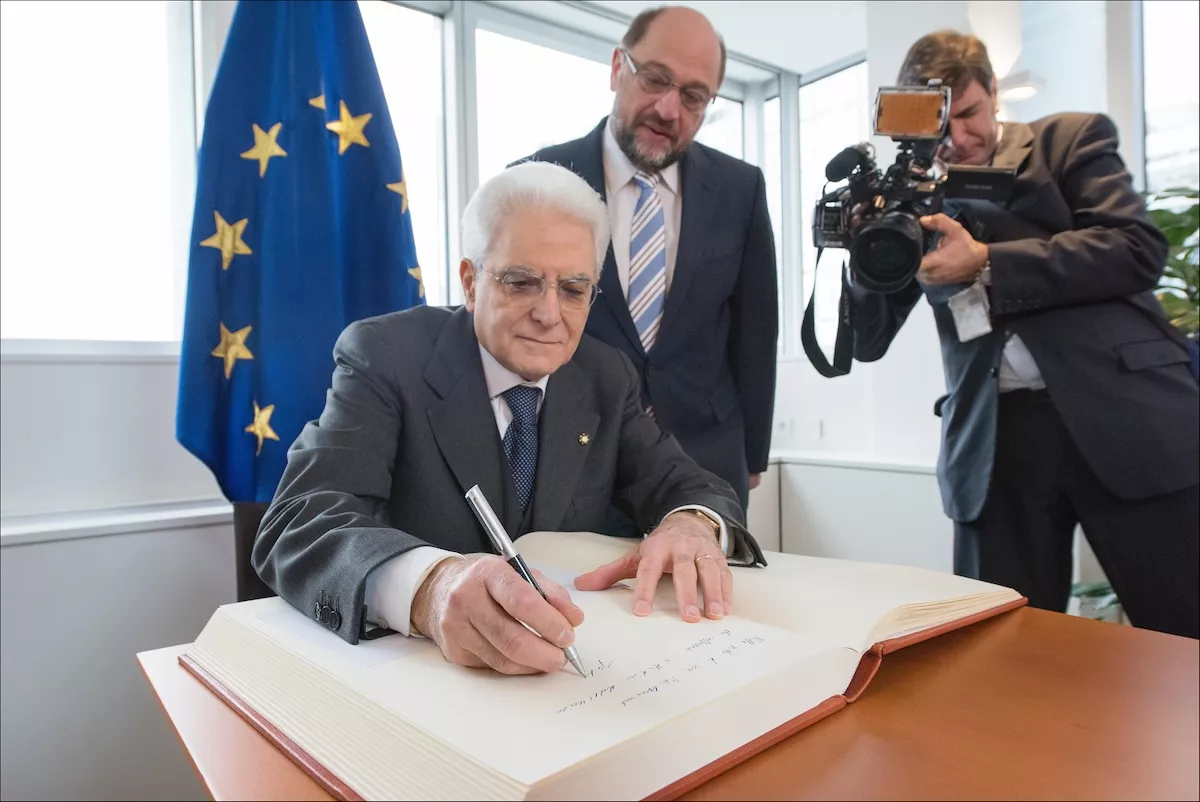
Sergio Mattarella, the President of the Italian Republic, will make a state visit to Monaco on Friday 2nd and Saturday 3rd October, the Prince’s Palace has announced — the first state visit to the Principality by an Italian head of state.

The visit comes at the invitation of Prince Albert II and Princess Charlene. Mattarella will be accompanied by his daughter, Laura Mattarella, a lawyer who has performed the role of Italy’s first lady since her father took office, her father being a widower.

Close and historic ties

The Palace said the visit reflected the close and historic relationship between the two countries, and pointed to the strength of bilateral relations, the ties of friendship between them and a shared wish to deepen cooperation on matters of common interest.

Mattarella has been President of the Italian Republic since 2015 and is the longest-serving president in the country’s history.

Programme to follow

The detailed programme for the two-day visit will be set out in a further official communication, the Palace said.

Monaco Life is written by qualified journalists, writing original content. Sign up for our free newsletter, listen to our podcasts on Spotify, and follow us across Facebook,  Instagram, LinkedIn, and Tik Tok. 

Photo: Sergio Mattarella, credit: European Parliament Flickr

Monaco United makes statement with 9-1 victory in Regional debut

Monaco United has made a statement in their Regional level debut, securing an impressive 9-1 victory over AS Cannes at home. In their first-ever match at this level, the newly promoted squad delivered an early indication of their ambitions for the season ahead.

After a dominant 2025-2026 season earned Monaco United promotion, the objectives entering this first season at Regional level were clear: to find rhythm, impose their style of play, and win their first home match. Coach Marco Simone and assistant coach Alexandre Gallet included several summer recruits in the starting lineup. The decision reflected the confidence placed in the new additions following the team’s preseason training and preparation.

Speaking on the new additions to the team, Gallet said, “I am not surprised to see them fully integrate into our style of play on the pitch, because they are players we carefully selected to strengthen the squad. The understanding will come with time as we play more matches and train together.”

The opening minutes of the match allowed Monaco United to settle into the game and gradually establish control of possession. Nearly thirty minutes into the game, Monaco United’s Sarah Magnier scored Monaco’s first goal of the season. The breakthrough gave the squad momentum, with Monaco United increasing the pressure and intensity to create more attacking sequences and chances. By halftime, Monaco had turned that breakthrough into a comfortable 3-0 lead.

Returning to the pitch, Monaco United built upon their established momentum. Although AS Cannes scored once, Monaco quickly regained control of the match, scoring six goals throughout the second half and ultimately securing a 9-1 victory at the final whistle. Despite the dominant result, Gallet explained that there is still more to come from the squad, admitting that they are “not yet at 100%.”

Marie Achouri, a new face for Monaco United this season, said, “We have a collective project, and I felt that determination from the very first training sessions. On the pitch, the automatisms will develop over time, but we are already well organised, as today’s result clearly shows.”

As the club emphasises development and growth across many levels, the U18 team also began their Coupe de France campaign. Traveling to Mougins, Monaco United was victorious with a 2-0 win after a strong collective performance. The team will now continue their Coupe de France ambitions, while developing their skills as they represent the future of the club.

Although one match alone will not define Monaco United’s season, an opening 9-1 victory offers a convincing indication that last year’s momentum has carried into the start of this season. With another promotion among the club’s ambitions, this opening result offers a promising start towards that goal.

Stay updated with Monaco Life: sign up for our free newsletter, listen to our podcasts on Spotify, and follow us across Facebook,  Instagram, LinkedIn, and Tik Tok. 

Photo credit: Flare Vision

Monaco–Australia business and networking event at MYS

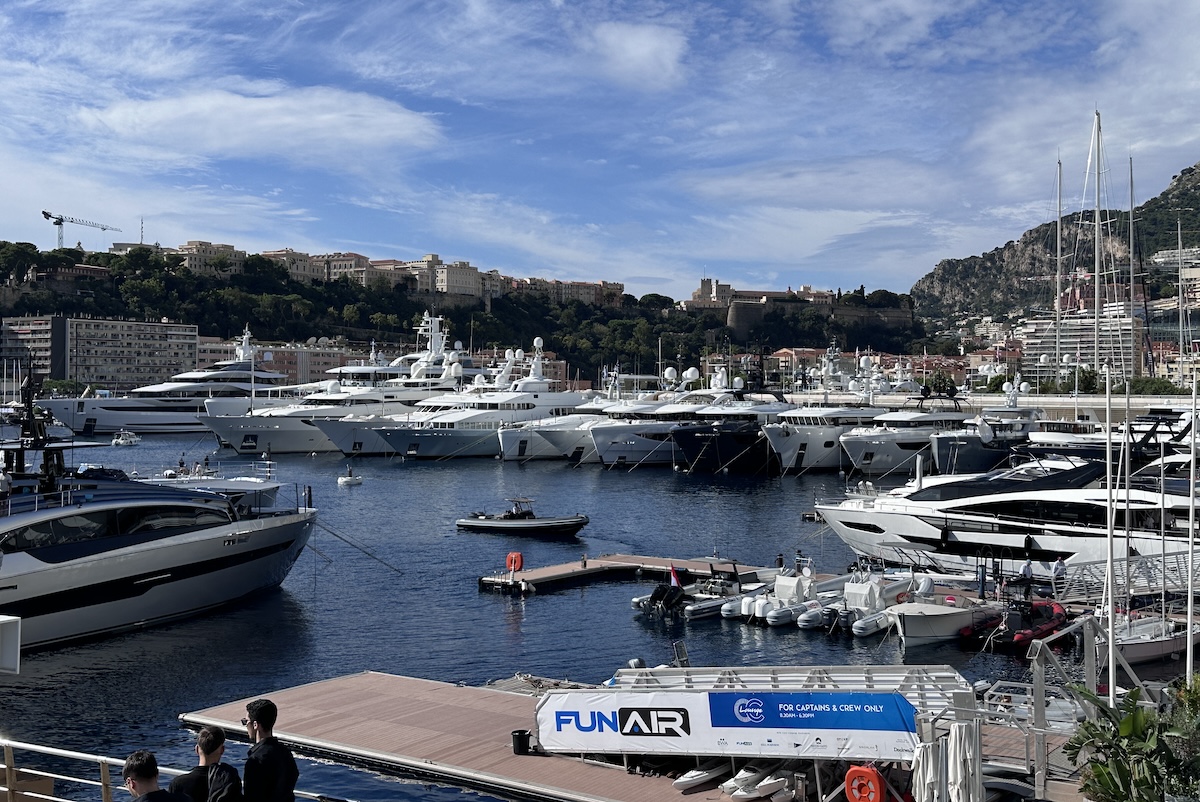
The Monaco Economic Board and the Australian Association of Monaco are to host a Monaco–Australia business and networking reception during this year’s Monaco Yacht Show, in what the organisers are billing as a “first-of-its-kind” gathering between the two.

The reception will be held on Thursday 24th September from 6pm to 8pm at the Sanlorenzo Monaco Lounge, 2 rue Imberty, falling on the second day of the show, which runs from 23rd to 26th September at Port Hercule. It is being staged with the support of the Embassy of Monaco to Australia, and in the presence of Australia’s Ambassador to Monaco, Lynette Wood, and Monaco’s Ambassador to Australia Marie-Pascale Boisson.

A growing partnership

The evening is intended to bring together business leaders, entrepreneurs and institutional representatives from both countries. The organisers describe it as a chance to foster new connections and business opportunities, and to mark what they call the growing economic partnership between the Principality and Australia. The choice of the Sanlorenzo Monaco Lounge places it firmly within the orbit of the Monaco Yacht Show, the Principality’s marquee autumn event and, this year, its 35th edition.

How to attend

UPDATE: Places are by invite only and the event is now fully booked.

Monaco Life is written by qualified journalists, writing original content. Sign up for our free newsletter, listen to our podcasts on Spotify, and follow us across Facebook,  Instagram, LinkedIn, and Tik Tok. 

Photo by Monaco Life

Heat and drought push French wine production towards 30-year low

France is heading for one of its smallest wine harvests in three decades after record summer heat, drought and shrinking vineyard areas reduced production across several of the country’s principal wine regions.

The Ministry of Agriculture’s statistical service, Agreste, estimates that France will produce 33.9 million hectolitres of wine in 2026 – the equivalent of approximately 4.5 billion standard bottles.

That would represent a decline of 6% from last year and 17% from the average recorded between 2021 and 2025, marking France’s third consecutive weak harvest.

Heat cuts into promising harvest

Conditions earlier in the growing season had pointed towards a more favourable vintage. However, successive heatwaves and a shortage of rainfall accelerated ripening, dried out grapes and reduced yields.

Harvesting consequently began unusually early across much of France, following a pattern also recorded in other European wine-producing countries.

The damage follows France’s hottest summer on record. Scientists have warned that human-driven climate change is increasing the frequency and severity of extreme heat and drought.

Champagne is among the hardest-hit regions, with production expected to fall 49% from 2025 and 47% below the five-year average.

Not all bad news for the 2026 vintage

Although volumes are sharply lower, early indications suggest that the quality of the surviving grapes may offer producers some consolation.

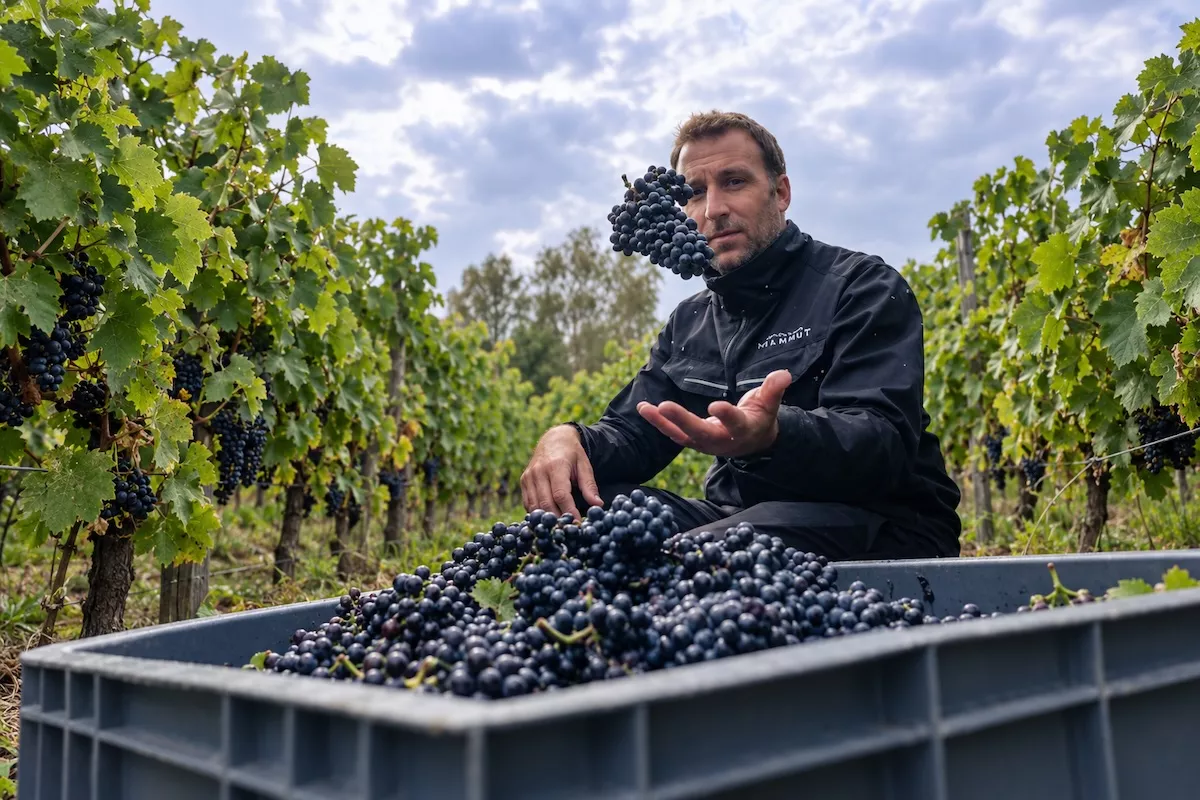
Maison Telmont, based in Damery in the Champagne region, began harvesting on 12th August – the earliest date in the house’s history – after spring frost, intense heat and drought reduced its crop.

The heat accelerated sugar accumulation, with grapes exceeding a potential alcohol level of 12% as they entered the press. Cooler nights helped preserve acidity, while disease pressure remained low and the harvested fruit was reportedly in very good condition.

“The 2026 vintage is showing considerable richness and aromatic complexity, despite the testing climatic conditions experienced by the vines,” said Telmont cellar master Brice Bezin. “The harvested grapes, with their remarkable sugar concentration and preserved acidity, should produce wines that are rich, structured and expressive.”

It is an early assessment, with the full quality of the vintage only becoming clear following vinification and ageing.

A wine industry under pressure

The climatic damage is compounding a structural contraction across the French wine industry. The area under production has fallen by 2.5% in a year as growers remove vines in response to oversupply and declining demand.

Domestic wine consumption is now at its lowest level in more than 60 years, reflecting changing tastes, health concerns and pressure on household spending. Producers have also faced disruption in export markets, including tariffs imposed by the United States.

France remains the world’s second-largest wine producer behind Italy and the largest exporter by value. However, the combination of lower demand, shrinking vineyards and increasingly volatile growing conditions is placing sustained pressure on one of the country’s most important agricultural industries.

The French government has announced an emergency support package worth more than €1 billion for farmers affected by this summer’s heatwaves and drought.

Monaco Life is written by qualified journalists, writing original content. Sign up for our free newsletter, listen to our podcasts on Spotify, and follow us across Facebook,  Instagram, LinkedIn, and Tik Tok. 

See also:

Interview: Ludovic du Plessis on why Telmont ditched gift boxes, hired DiCaprio and became Champagne’s greenest house

Photo source: Maison Telmont

Nine people extradited to Monaco under Interpol Red Notices

Nine people wanted by Monaco under Interpol Red Notices have been extradited to the Principality since the beginning of 2025, in cases involving drug trafficking, cybercrime and offences against people and property.

The extraditions were completed with assistance from authorities in France, Italy, Spain, Germany, the United Kingdom, Serbia and Azerbaijan, Monaco’s Police Department revealed on Monday 7th September, marking the International Day of Police Cooperation.

No information was released about the identities or nationalities of those extradited, the countries from which individual suspects were returned or the specific proceedings against them.

Monaco’s most public Red Notice

The most prominent Red Notice issued at Monaco’s request during this period concerned Anastasiia Berezovska, the 39-year-old Ukrainian woman suspected of involvement in the bomb attack that injured businessman Vadym Yermolaiev, his partner and their son in Monaco on 29th June.

Berezovska was wanted for attempted murder, placing an explosive device in a public place with criminal intent and criminal conspiracy. The Red Notice was issued on 3rd July after investigators traced her reported escape from Monaco through France and several other European countries.

She was not among the nine people extradited to Monaco. Her body was found with gunshot wounds near Kyiv on 6th July, according to Ukrainian prosecutors, and two men were subsequently detained in connection with her death. The investigation into the Monaco bombing and those suspected of assisting or directing the attack remains separate.

What is an Interpol Red Notice?

A Red Notice asks law-enforcement authorities around the world to locate and provisionally arrest a wanted person pending extradition, surrender or similar legal action.

It is issued at the request of a member country on the basis of a domestic arrest warrant or court order. Interpol stresses that a Red Notice is not itself an international arrest warrant, with each country applying its own laws when deciding whether to detain the person concerned.

Monaco’s role in the origins of Interpol

Monaco’s announcement also highlighted the Principality’s place in the history of international police cooperation.

In April 1914, Prince Albert I brought police and judicial representatives from 24 countries together in Monaco for the first International Criminal Police Congress. Discussions included extradition procedures, identification methods and the creation of centralised international criminal records.

The initiative helped lay the foundations for the organisation that would become Interpol, formally established in 1923.

Monaco Life is written by qualified journalists, writing original content. Sign up for our free newsletter, listen to our podcasts on Spotify, and follow us across Facebook,  Instagram, LinkedIn, and Tik Tok. 

Photo source: Monaco Government Communications Department 


Prince Albert II tours Lycée Albert 1er after 61-tonne CO2 cut

Following a construction schedule that began in July 2025 – with a strategic pause in June 2026 for the baccalauréat exams before wrapping up in late August 2026 – Monaco’s historic Lycée Albert 1er has emerged from a comprehensive structural and energy renovation.

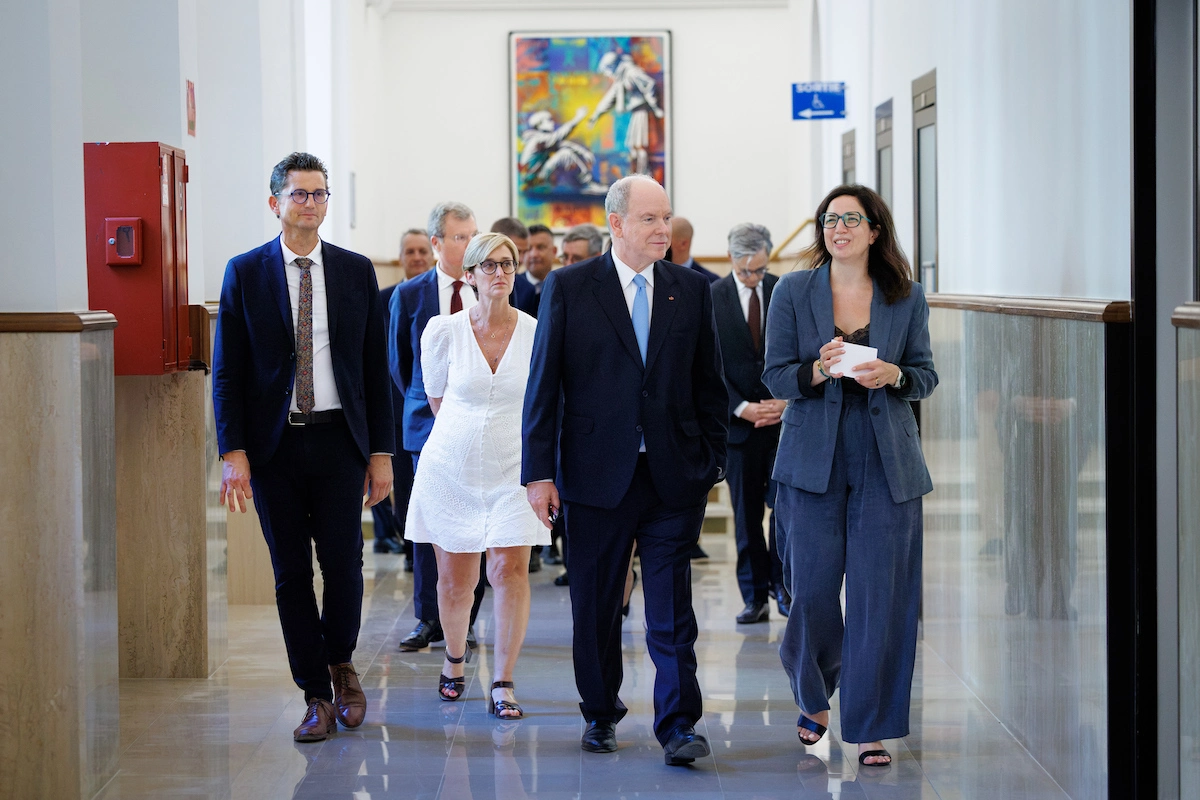
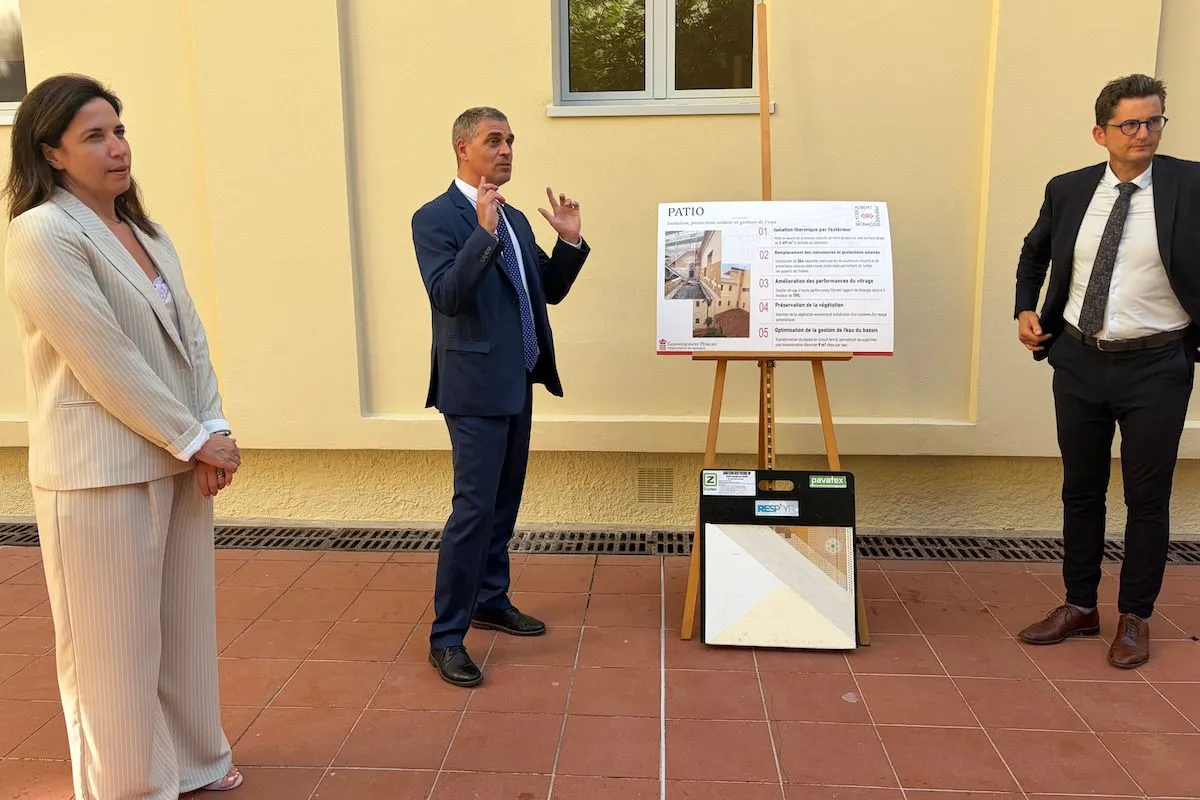
The modernised establishment was revealed during a press visit on Friday 4th September, guided by Anthony de Sevelinges, the Director of Public Buildings in Monaco.

What began as a focused environmental upgrade evolved into a holistic transformation of the 4 Place de la Visitation establishment, balancing strict Mediterranean sustainability standards with the preservation of its architectural heritage.

Anthony de Sevelinges, Director of Public Buildings in Monaco, during the press visit on Friday, 4th September. Photo credit: Virginia D’Umas

Deep decarbonisation and renewable energy 

The most striking engineering achievement is the complete elimination of gas across the entire building, including the kitchens. Ageing gas boilers were replaced by ten high-efficiency heat pumps generating a total capacity of 460 kW, slashing annual carbon dioxide emissions by an estimated 61 tonnes. Domestic hot water is now supplied by an innovative CO2 heat pump, while rooftop infrastructure has been entirely re-engineered. A new technical room houses the climate control systems with enhanced acoustic baffling, sitting alongside 250 square metres of photovoltaic panels for local renewable electricity generation. 

“The basic principle of this operation was primarily to eliminate fossil fuels, as this was one of the last buildings that still used gas. So, we created a 200-square-metre plant room with 10 heat pumps that provide both air conditioning and heating. There was also a particular focus regarding the neighbourhood, since the National Council is right next door. Therefore, a very technical study was carried out to truly minimise the acoustics,” said Sevelinges during the press visit.

Furthermore, extensive terrace spaces underwent complete waterproofing, thermal insulation, and high-reflectivity finishing, creating bright, protected outdoor areas allowing students to take their breaks in full comfort.

Climate adaptation and water conservation 

Designed under the Bâtiments Durables Méditerranéens de Monaco (BD2M) framework, the renovation rigorously targets resource efficiency and thermal comfort. The building envelope features thousands of square metres of exterior and interior wood-fibre insulation, paired with hundreds of replaced external joineries using recycled aluminium and high-performance double glazing that filters 70% of solar energy. Water management was similarly overhauled, notably converting the central courtyard basin into a closed-circuit system that eliminates a daily water wastage of nine cubic metres. Existing greenery was preserved and paired with automatic irrigation fed by new rainwater recovery tanks.

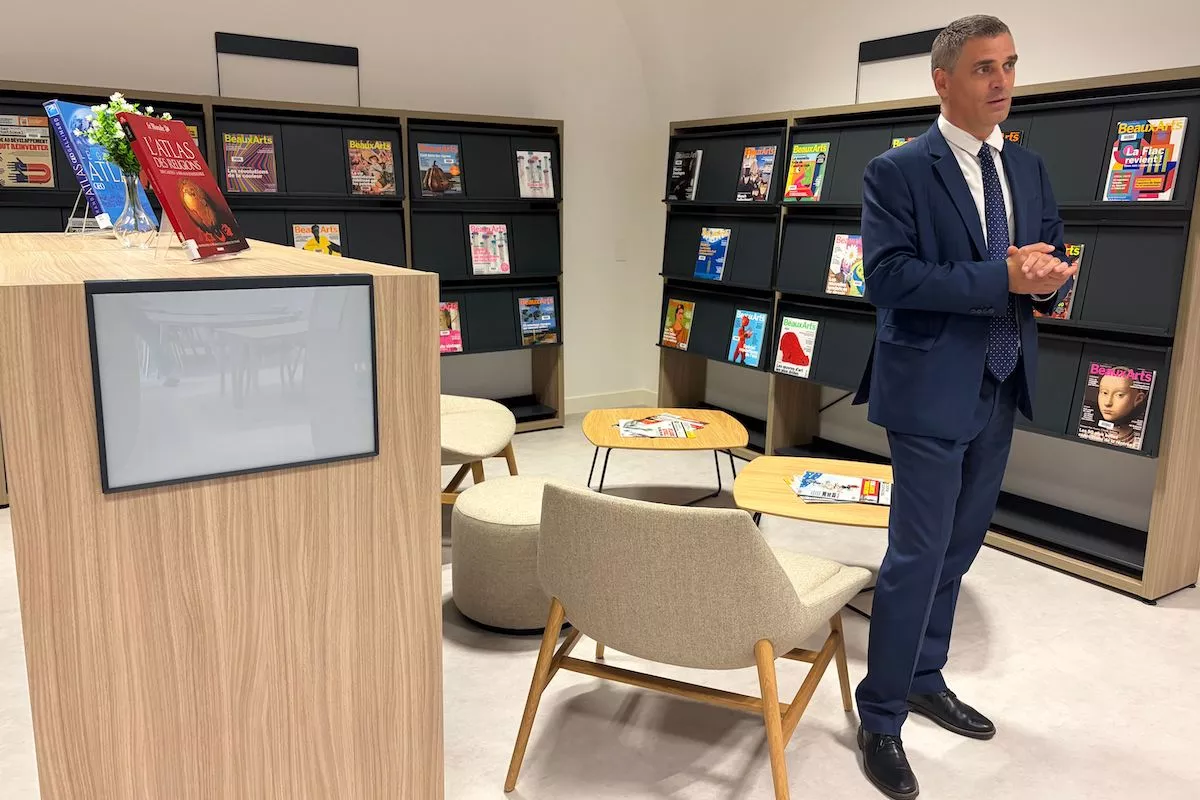
The new Documentation and Information Centre (CDI) of Lycée Albert 1er. Photo credit: Virginia D’Umas

Classroom comfort and modernised facilities 

Learning environments received widespread upgrades focusing on air quality, acoustics, and digital integration. Classrooms now benefit from double-flow ventilation, ceiling fans, air conditioning, and enhanced internal insulation. Acoustic comfort was reinforced throughout, while automated systems manage lighting and consumption with weekend cut-offs. Modernised classrooms are now equipped with interactive digital screens, renewed furniture, and bright LED fixtures.

“In the Documentation and Information Centre it’s mostly the acoustic aspect that has been updated. In fact, we changed the flooring, the false ceiling as well, and we also installed a wall mounting bracket to allow better sound insulation and comfort for students studying in the space,” explained Sevelinges.

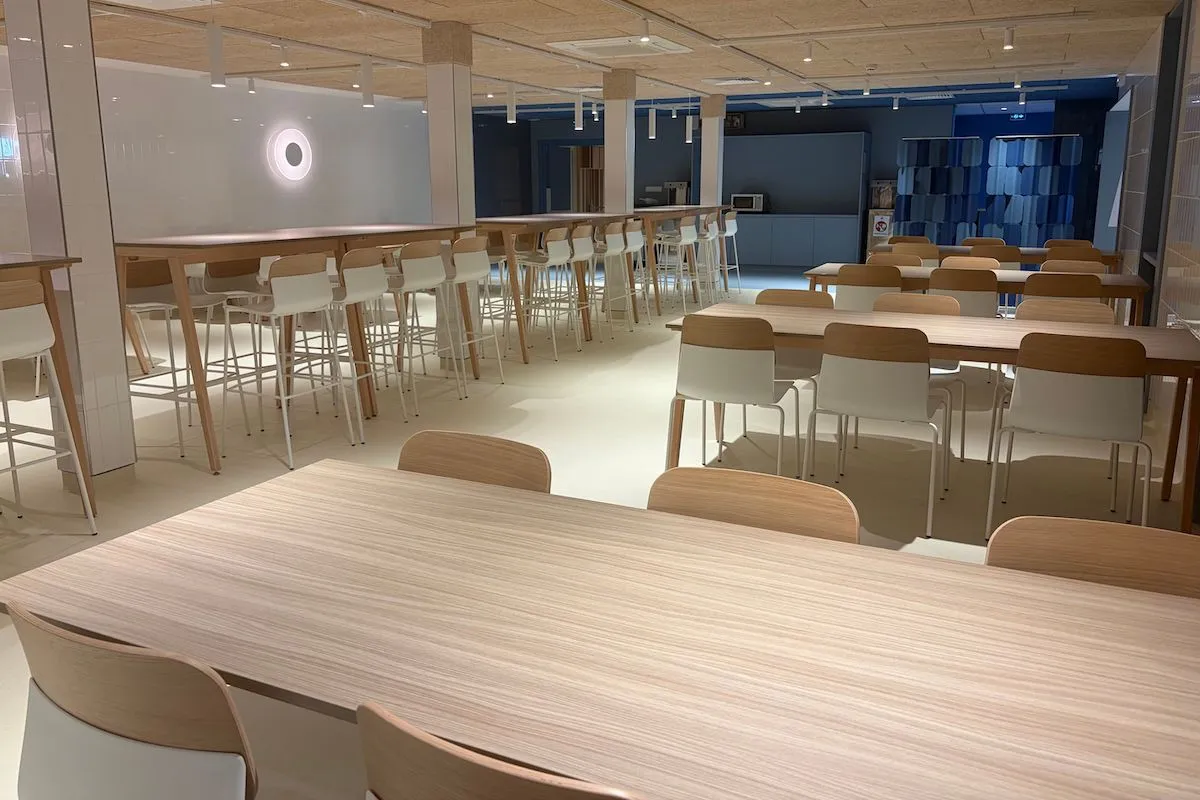
The new student refectory, overseen by architect Jérôme Hein. Photo credit: Virginia D’Umas

Catering and exterior spaces 

The student refectory, overseen by architect Jérôme Hein, features a completely modernised layout with new flooring, furniture, a dedicated cafeteria space, and acoustic ceiling baffles designed by Olivier Deverini to absorb dining hall noise. Kitchens transitioned entirely to electric cooking appliances.

Externally, the school grounds received renovated courtyards, repaired asphalt, and restored seating, successfully updating the historic educational facility for generations of Monégasque students.

Stay updated with Monaco Life: sign up for our free newsletter, listen to our podcasts on Spotify, and follow us across Facebook,  Instagram, LinkedIn, and Tik Tok.

Prince Albert II visiting the renovated Lycée Albert 1er. Main photo credit: Michael Alesi