Antarctic protection talks fail for tenth year as hopes turn to 2027

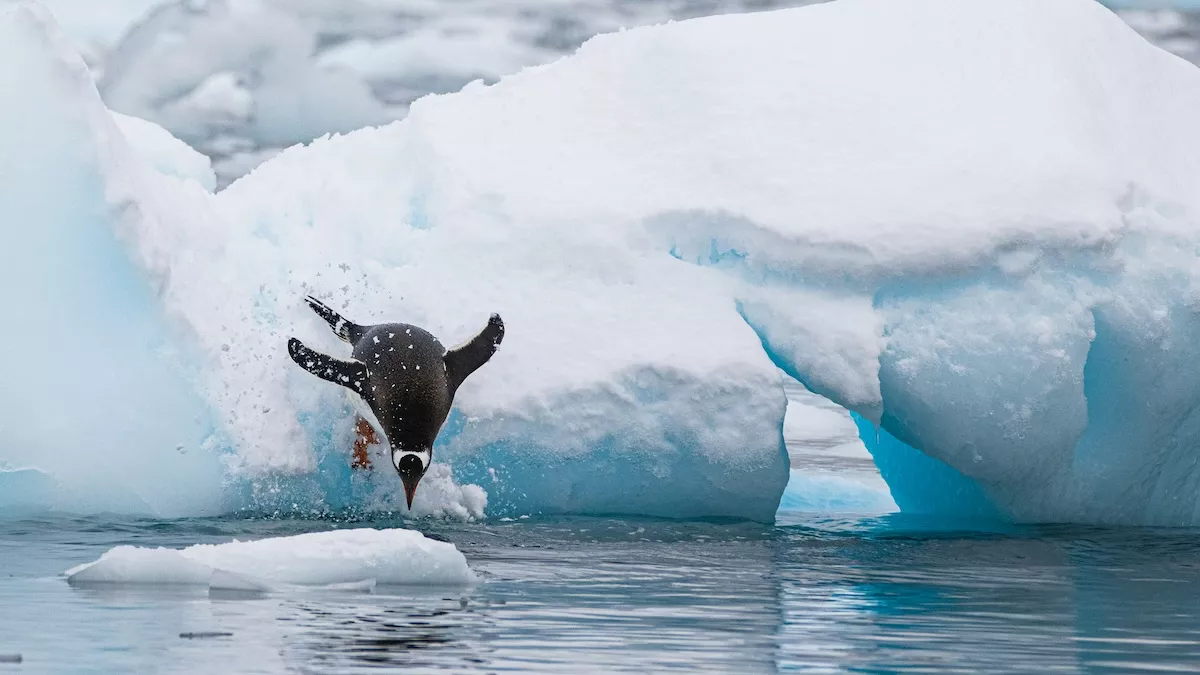
International negotiations to protect millions of square kilometres of Antarctic waters have ended without agreement for the tenth consecutive year, leaving critical habitats for penguins, seals and whales exposed to mounting pressures from climate change and commercial fishing. Despite the setback, conservation groups say progress in the final days of talks in Australia could provide a path towards a breakthrough in 2027.

The two-week meeting of the Commission for the Conservation of Antarctic Marine Living Resources (CCAMLR) concluded in Hobart, Tasmania, on Friday 30th October, without agreement on any new marine protected areas or stronger measures to manage fishing for Antarctic krill.

It marks a decade since the commission last established a marine protected area, despite longstanding proposals to safeguard some of the Southern Ocean’s most ecologically important regions.

The failure comes as scientists warn of mounting pressure on Antarctic ecosystems, where warming waters, changing sea ice and increasingly concentrated fishing activity are affecting the food sources on which marine wildlife depends.

Why Antarctic protection remains deadlocked

At the centre of the negotiations was a proposal from Argentina and Chile to establish a marine protected area covering approximately 456,000 square kilometres around the Antarctic Peninsula.

Known as Domain 1, the proposed reserve would protect important feeding and breeding habitats for penguins, seals and whales, while introducing restrictions on fishing in ecologically sensitive areas.

The peninsula is among the fastest-warming regions of the Southern Hemisphere. Its waters are also home to Antarctic krill, the small crustaceans that form a vital part of the Southern Ocean food web.

But decisions within CCAMLR require consensus among its 27 members, meaning any single member can prevent a proposal from being adopted.

The result has been years of stalled negotiations, even as governments have committed internationally to protecting 30% of the world’s oceans by 2030.

The commission has established only two marine protected areas since committing in 2009 to create a representative network across the Southern Ocean: one around the South Orkney Islands and another in the Ross Sea, agreed in 2016.

A possible breakthrough in 2027

Despite the latest failure, conservation organisations reported more constructive discussions than in previous years.

Argentina and Chile continued to champion the Antarctic Peninsula proposal, with support from other South American countries, including Brazil and Uruguay.

China also submitted a new marine protected area proposal for East Antarctica, an indication that discussions about expanding protection remain active among countries with differing interests in the region.

Crucially, several CCAMLR members agreed to continue negotiations between annual meetings, focusing on the Domain 1 proposal and revised management measures for the Antarctic krill fishery.

The aim is to resolve outstanding disagreements before the commission’s 46th annual meeting in 2027.

José María Figueres, former President of Costa Rica and chair of the conservation movement Antarctica2030, said the failure to reach an agreement should not be allowed to undermine the progress made.

“The science is clear, the proposals are ready, and the political support is within reach,” he said. “It is CCAMLR’s responsibility to protect the Southern Ocean. The world cannot wait.”

Former US Secretary of State John Kerry pointed to the agreement reached in 2016 to protect the Ross Sea as evidence that governments can overcome significant political differences.

He said countries had again moved closer to a potentially historic agreement, but warned that the opportunity could still be lost.

“Close enough isn’t enough,” he said. “History will judge this moment by whether what was outlined in Hobart is pushed across the finish line.”

Why krill fishing matters

Alongside the proposed marine reserves, negotiations focused on strengthening the management of Antarctic krill fishing.

Krill are small, shrimp-like crustaceans that feed on microscopic marine organisms and are themselves consumed by whales, penguins, seals and other species.

They are particularly important around the Antarctic Peninsula, where wildlife depends on dense concentrations of krill during feeding and breeding seasons.

Commercial fishing targets krill for products including aquaculture feed and nutritional supplements.

Conservation organisations warn that even when fishing remains within overall catch limits, concentrating activity in particular areas can reduce the food available to wildlife at critical times.

The Antarctic krill fishery reached its catch threshold early for the second consecutive year in 2026, prompting renewed calls for more geographically targeted fishing restrictions and stronger ecosystem monitoring.

The proposed reforms would distribute fishing activity across smaller management areas, introduce seasonal controls and improve monitoring of the effects on marine mammals and seabirds.

Claire Christian, executive director of the Antarctic and Southern Ocean Coalition, said the absence of new protections was particularly disappointing given the pressures already affecting the region.

“While progress was made, it is still regrettable that there are no meaningful outcomes that would increase protections for ecosystems and species increasingly under pressure from fishing and climate change,” she said.

Pressure mounts for international action

The failure to reach an agreement has prompted renewed calls for governments to elevate Antarctic protection to the highest diplomatic level.

Lord Zac Goldsmith, former British environment minister and an ambassador for Antarctica2030, said there were signs that the longstanding deadlock might finally be weakening.

“After ten years of stalemate, the deadlock does seem to be cracking, and that matters,” he said. “But penguins, seals and whales cannot feed on good intentions.”

He urged governments to use the coming months to resolve their remaining differences rather than reopen settled questions.

Geneviève Pons, vice-president of Antarctica2030 and president of Europe Jacques Delors, described the negotiations as a test of international cooperation.

“Protecting the Southern Ocean is not only an environmental priority, but also a test of international cooperation in a fragmented world,” she said.

She called on the European Union and its member states to maintain diplomatic pressure ahead of next year’s meeting.

The proposals still awaiting agreement extend beyond the Antarctic Peninsula to East Antarctica and the Weddell Sea. Together, they would protect millions of square kilometres of ocean, including krill breeding grounds and important feeding areas for whales.

Their adoption would also make a substantial contribution to the international target of protecting 30% of the world’s oceans by 2030.

For now, however, no new protections have been secured.

After ten years without agreement, the next twelve months will determine whether the diplomatic progress reported in Hobart can finally be translated into binding conservation measures.

Monaco Life is written by qualified journalists, writing original content. Sign up for our free newsletter, listen to our podcasts on Spotify, and follow us across Facebook,  Instagram, LinkedIn, and Tik Tok.

Photo credit: Birger Strahl, Unsplash
 

Inigo Lopez de la Osa closes Global Champions Tour season with Rabat podium

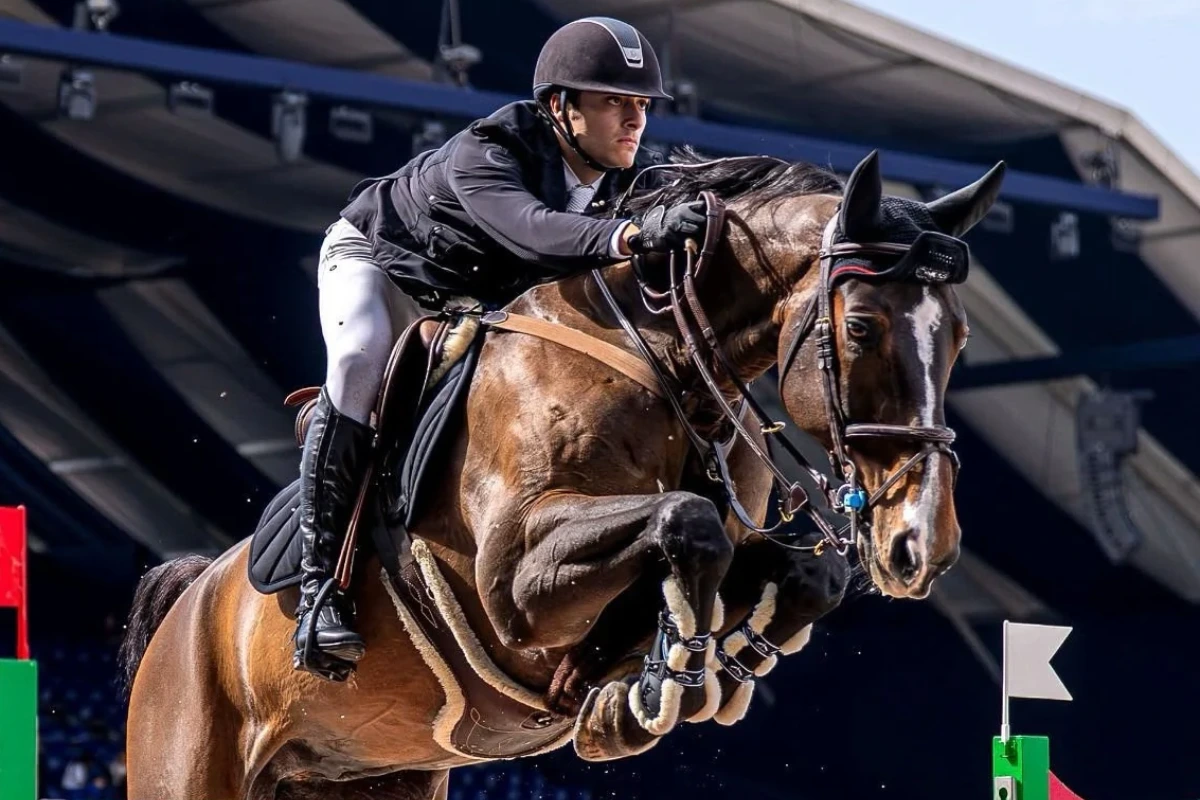
Inigo Lopez de la Osa secured third place aboard Desiree E Z as he concluded his second season on the Longines Global Champions Tour circuit in Rabat, Morocco.

The 23-year-old Monegasque rider delivered a clear round in Saturday’s Prix Wilaya de la Région de Rabat Salé Kénitra, completing the 1.45m against-the-clock competition in 60.85 seconds without penalties.

He also qualified on Friday for Sunday’s Grand Prix, in which he finished 26th aboard Nascar.

NEXT STOP VERONA

Lopez de la Osa ends his second consecutive season on the circuit with nine Longines Global Champions Tour appearances and six Grand Prix qualifications.

His next competition will take him to Verona, Italy, where he is set to compete at Fieracavalli.

Monaco Life is written by qualified journalists, writing original content. Sign up for our free newsletter, listen to our podcasts on Spotify, and follow us across Facebook,  Instagram, LinkedIn, and Tik Tok.

Photo provided

Cie Emotions Arts lights up the Stade Louis II

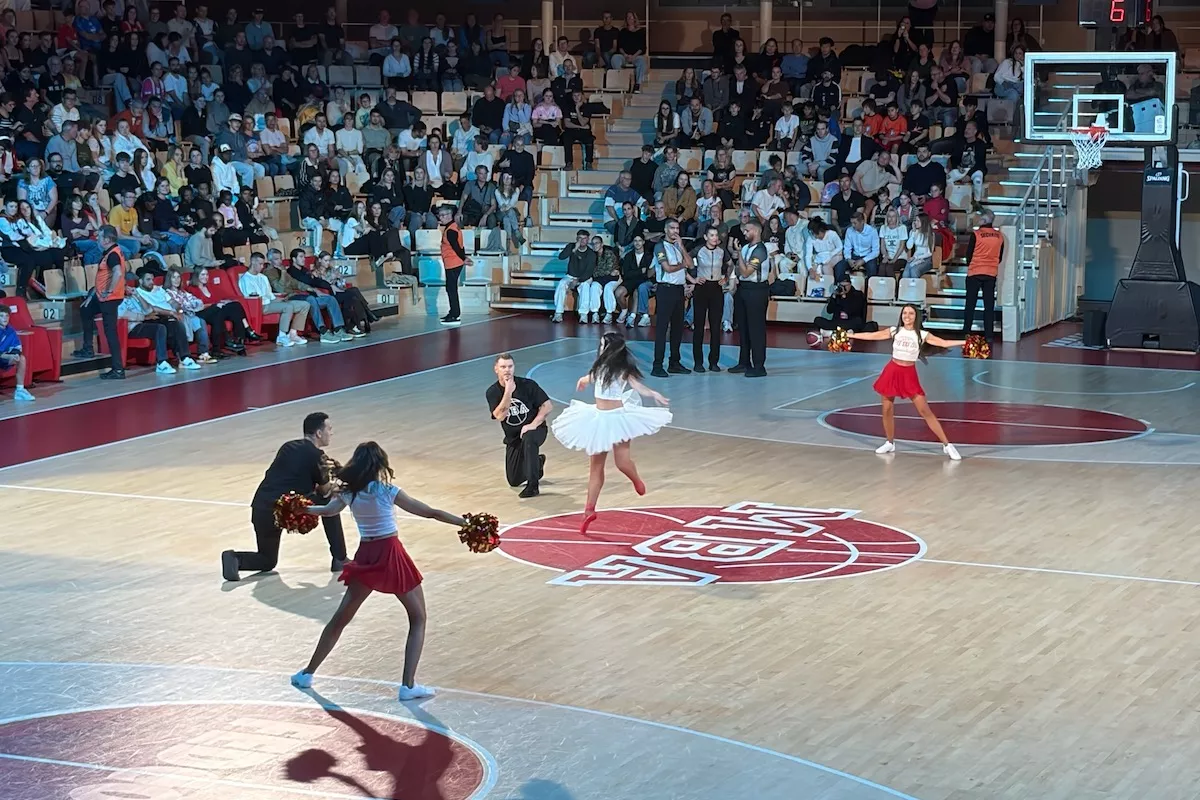
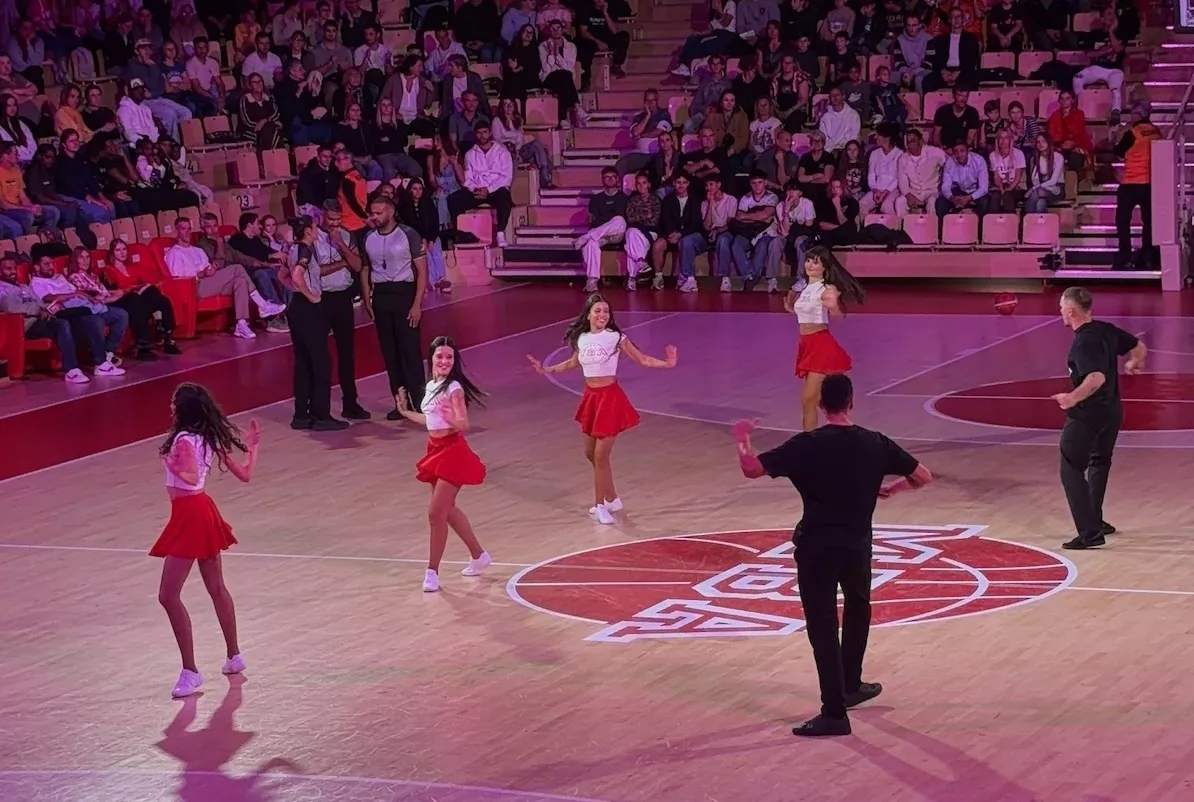
Dance company Cie Emotions Arts took to the court at the Stade Louis II during the Coupe de France basketball match between the Monaco Basket Association (MBA) and ASVEL, bringing high-energy performances to the game’s timeouts.

Twin sisters and co-founders Ginevra and Virginia De Masi set the tone, directing and performing as part of a six-dancer troupe. Off the court, Ginevra serves as President of ACLI Monaco, the Monegasque branch of the Christian Associations of Italian Workers, connecting her community leadership with her passion for dance. 

Twin vision on the court

“Bringing our artistic identity into such a prominent sporting arena was an incredible opportunity,” said Ginevra De Masi about her recent performance at the Stade Louis II, adding: “Dance and sport share the same core values, dedication, energy, and the drive to connect with people. Seeing the crowd respond to our rhythm during the game showed just how naturally these two worlds fit together.”

Cie Emotions Arts performing at the Stade Louis II during halftime at the MBA vs ASVEL clash. Photo credit: Monaco Life

Precision and teamwork under the lights

Joining the co-founders on the floor was a four-dancer lineup comprising Denisia Marletta, Sarah Muraca, Lhoussain Sabiri, and David Owel. Rather than simple sideline routines, the six-strong troupe delivered tailored choreography designed to build on the arena’s atmosphere and keep the crowd engaged throughout the stoppages in play.

“Behind every short routine on that court were hours of intense preparation, coordination, and shared focus,” said Virginia De Masi. “It wasn’t just about performing during the timeouts; it was about working as a unified team to elevate the energy in the stadium from start to finish. We couldn’t be prouder of what the group achieved.”

A seamless blend of sport and art

The performance highlighted a natural synergy between competitive sport and live performance, seamlessly integrating contemporary dance into a major match on the Monegasque sporting calendar and leaving a lasting impression on the Stade Louis II crowd.

Stay updated with Monaco Life: sign up for our free newsletter, listen to our podcasts on Spotify, and follow us across Facebook,  Instagram, LinkedIn, and Tik Tok. 

Photo credit: Monaco Life

Prince Albert cheers on Monaco’s young rider at first Olympic Games in Africa

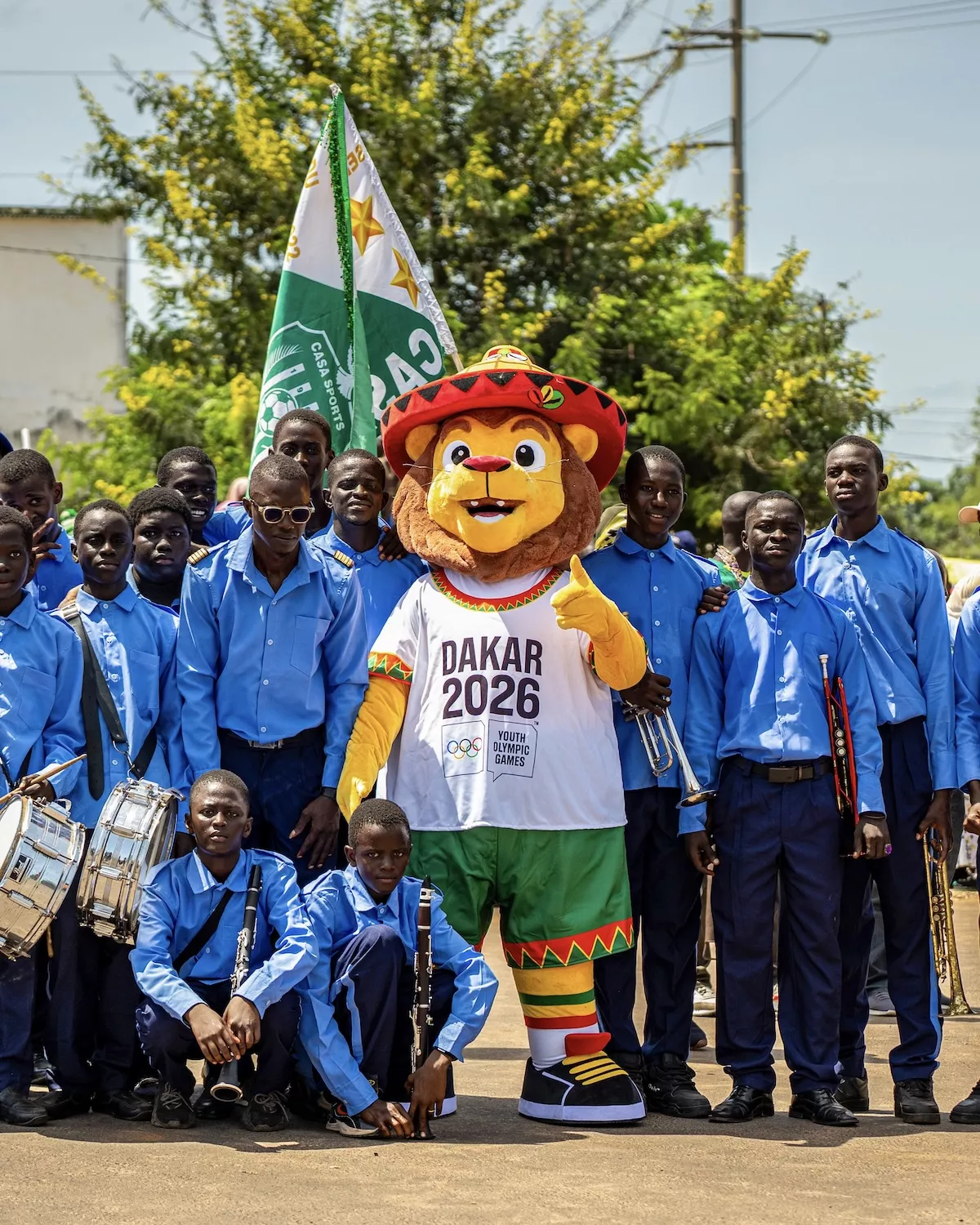
Prince Albert II was in Dakar for the opening of the 2026 Youth Olympic Games on Saturday 31st October, the first Olympic event ever held in Africa, and visited 16-year-old Monegasque rider Valentine Platini the following day ahead of her Olympic debut.

The Prince, an International Olympic Committee (IOC) member, travelled to the Senegalese capital from Cameroon. He arrived at the end of an African tour that also took him to Madagascar. He was welcomed on arrival by Guédel Ndiaye, Monaco’s honorary consul in Senegal.

The Games run until 13th November, and Monaco is represented by two athletes: Platini in show jumping and sprinter Maxime Connen, who competes in the men’s 100 metres on Sunday 8th November.

Photo credit: FEI/Kirsty Pasto / DR / ICO-Greg Martin

A summit and a spectacular opening

Before the opening ceremony, the Prince took part in the Dakar 2026 Summit, held in the presence of the President of Senegal and several heads of state. The summit’s theme was ‘Sport and Development: from Olympic momentum to a lasting legacy’.

That evening’s ceremony celebrated Senegalese culture and the diversity of the African continent through music, dance and tradition, with the young athletes at its centre. It also brought a special moment for the Principality, as Platini joined riders from several nations in the raising of the flags alongside the equestrian delegations.

Photo credit: FEI/Kirsty Pasto / DR / ICO-Greg Martin

Encouragement before competition

On Sunday 1st November, after talks with IOC President Kirsty Coventry, Prince Albert travelled to Diamniadio, around 30km from Dakar. There he toured the equestrian centre with Ingmar De Vos, President of the International Equestrian Federation (FEI), and Ibrahima Wade, Director General of the Dakar 2026 Organising Committee.

The visit gave the Prince the chance to meet Platini and the Monegasque delegation, and to pass on the Principality’s encouragement before she enters the competition. The equestrian events run from 3rd to 6th November. Platini rides in the individual show jumping, with the final on Friday 6th November, and will also compete for a combined European team in the mixed continental event on Thursday 5th November.

From the pool to the futsal court

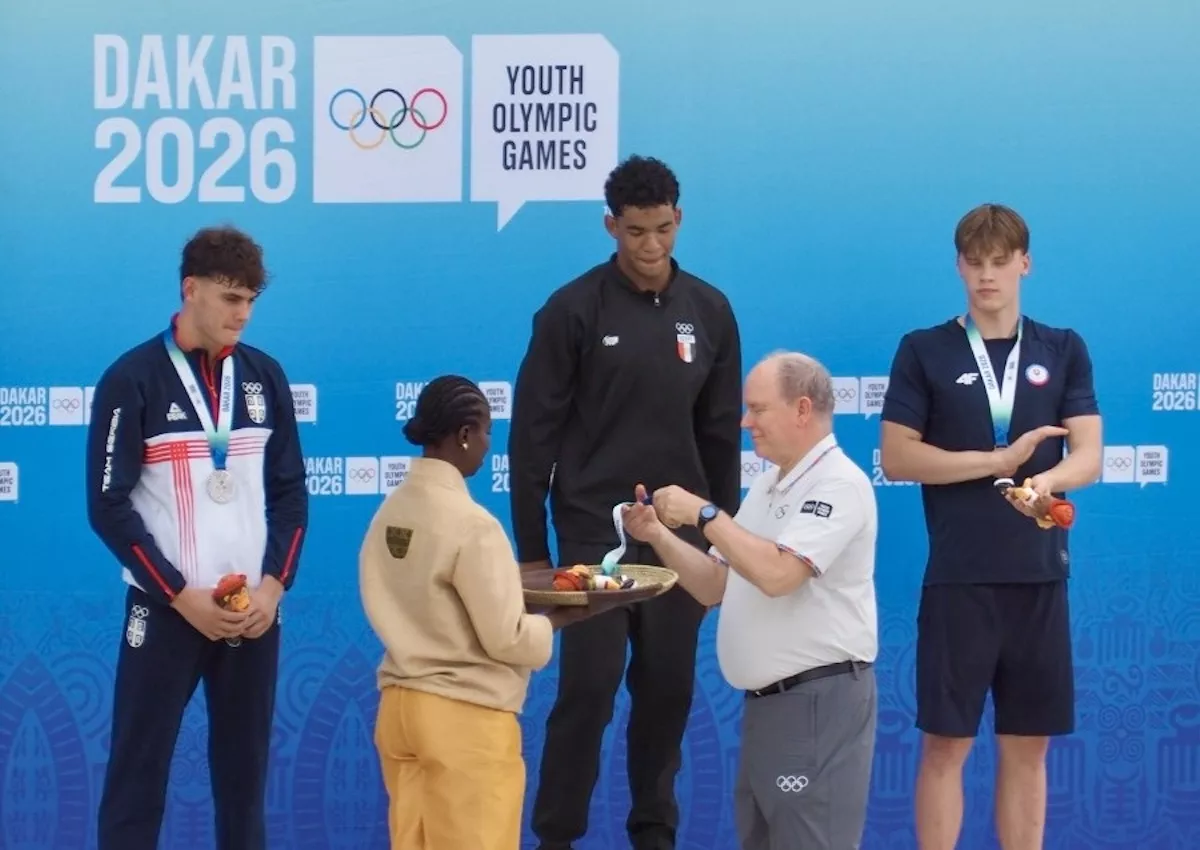
The Prince then made a tour of the competition venues. At the swimming complex, he watched the men’s 100 metres butterfly and presented the medals. There he met several leading figures of the international sporting world, including former IOC President Thomas Bach, former FIA President Jean Todt, actress Michelle Yeoh and Russian Olympic swimming champion Alexander Popov.

At the Iba-Mar-Diop sports complex in the Médina district, he watched Venezuela play Ukraine at futsal and France take on Argentina at rugby sevens. He also visited the DEX, a venue built to host major national and international events, where he watched table tennis.

The Dakar visit brought the Prince’s African trip to a close. According to the Palace, it reaffirmed the Principality’s commitment to the Olympic values, to promoting sport among young people and to building a lasting sporting legacy.

See also: 

Prince Albert II’s African tour brings unforgettable scenes

Monaco Life is written by qualified journalists, writing original content. Sign up for our free newsletter, listen to our podcasts on Spotify, and follow us across Facebook,  Instagram, LinkedIn, and Tik Tok.

No Finish Line returns to Monaco for eight days of fundraising

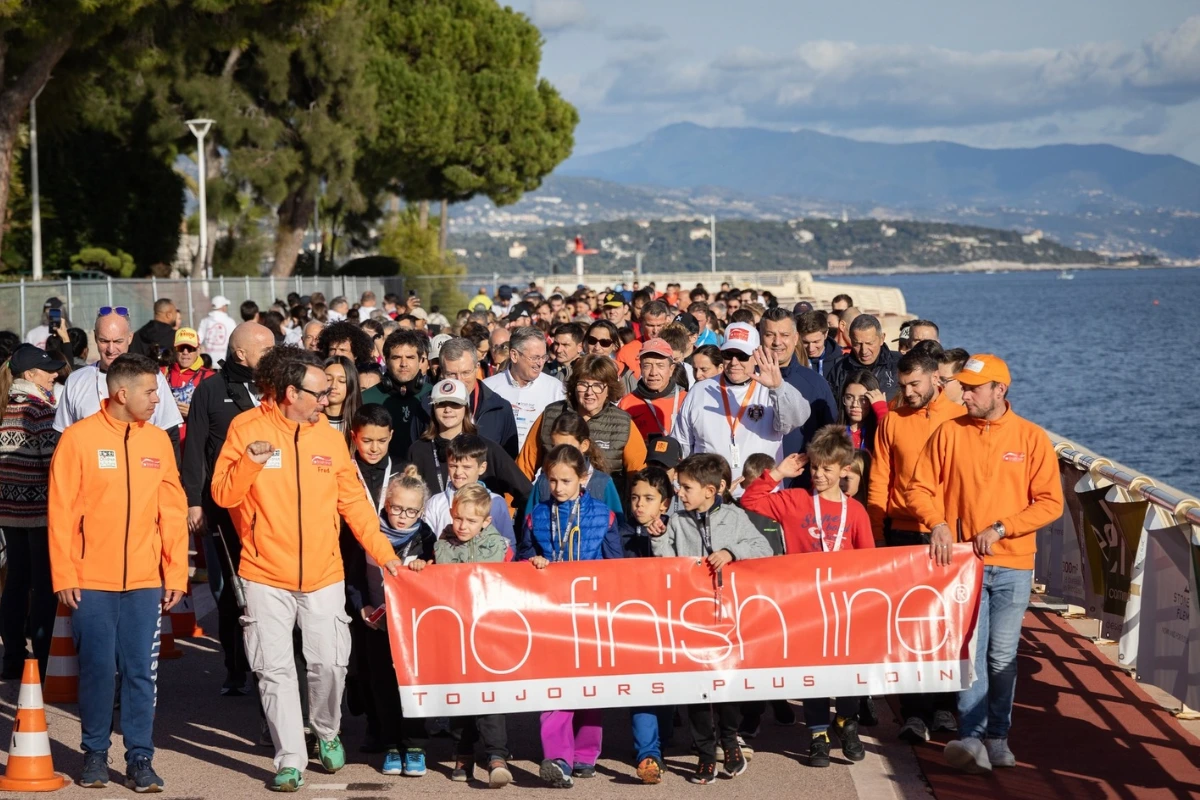
Monaco’s No Finish Line will return from Saturday 14th to Sunday 22nd November, inviting runners and walkers to turn their kilometres into support for sick and disadvantaged children.

Now in its 27th edition, the charity event is organised by Children & Future under the High Patronage of Prince Albert II. For each kilometre covered, the association donates €1 to projects helping children, with funding provided through registrations, sponsors, and donors. Participants can join individually or as a team, choosing their own pace and distance.

Since its creation in 1999, No Finish Line Monaco has brought together over 200,000 participants who have collectively covered almost 5.5 million kilometres and helped provide over €5.8 million for charities.

EIGHT DAYS OF WALKING AND RUNNING

The event begins at 2pm on Saturday 14th November and continues around the clock until 2pm on Sunday 22nd November.

Participants will follow an approximately 1.1-kilometre circuit in Fontvieille. Each participant receives a tracking chip that records completed laps, with one registration covering the whole week. This allows participants to return whenever they wish, whether for a short walk or longer run.

ENDURANCE CHALLENGES

For those seeking a tougher test, the programme includes an eight-day challenge, a 12-hour race on Thursday 19th November from 9am to 9pm, and a 24-hour trophy running from 8pm on Friday 20th November until 8pm on Saturday 21st November.

The 24-hour event is open to individuals and relay teams of up to six people. Strollers and dogs will not be permitted on the circuit during this period, although both are welcome at other times, with dogs kept on a short lead.

HOW TO PARTICIPATE

Standard registration costs €16 for adults and €9 for children aged 10 and under, plus a refundable €10 tracking-chip deposit.

On-site registration opens at 10am on Saturday 14th November at the Chapiteau de Fontvieille. Further information is available on the Children & Future website.

Monaco Life is written by qualified journalists, writing original content. Sign up for our free newsletter, listen to our podcasts on Spotify, and follow us across Facebook,  Instagram, LinkedIn, and Tik Tok.

Photo source: Children & Future