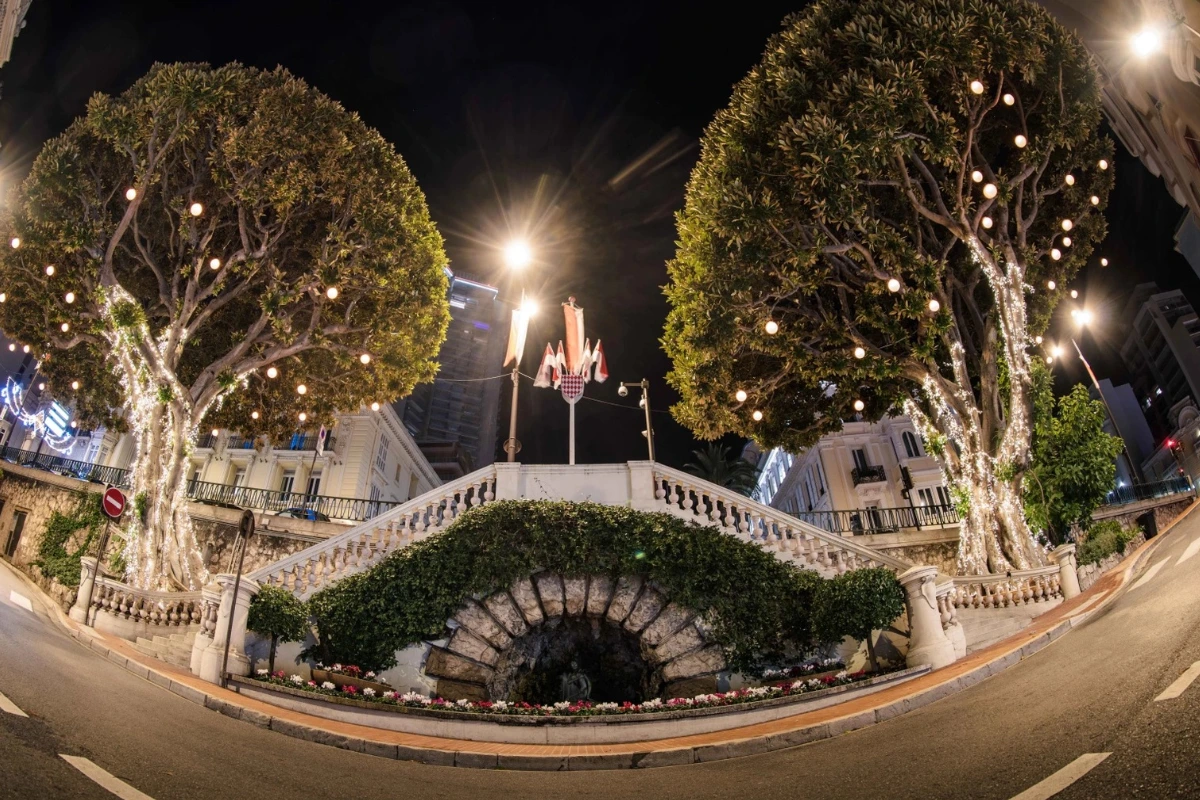
Monaco’s Christmas lights will be switched on at 5.30pm on Friday 27th November during a free public ceremony at Parc Princesse Antoinette, marking the start of the Principality’s festive season.
Mayor Georges Marsan and deputy mayor Axelle Amalberti Verdino, who is in charge of events and leisure, will light up the Principality from the park, which will stay open until 7pm for the occasion. The illuminations will then decorate neighbourhoods across Monaco throughout the festive period.
From the day of the switch-on, Parc Princesse Antoinette will stay open until 6pm every day through to Sunday 3rd January 2027, giving visitors more time to see its festive decorations.
Advent calendar workshop for children
The switch-on is the first in a series of festive events organised by the Mairie de Monaco. On Saturday 28th November, children aged six and over can personalise their own Advent calendar at a free workshop in the park’s Salle A Fàbrica, from 10am to 11.30am. Places are on registration by calling +377 93 15 06 05.
Christmas Village and ice rink return to Port Hercule
The Christmas Village, themed ‘La Forêt enchantée’, opens on Port Hercule at around 8pm on Friday 4th December and runs until 3rd January 2027, with food stalls and activities for all ages.
The Monaco ice rink returns alongside it for a second consecutive season, opening to the public after the village’s inauguration that evening and running until 7th March 2027. Entry costs €8 including skate hire and is free for children under five, while Monegasques and residents can buy a season pass for €80, or €20 for schoolchildren and students.
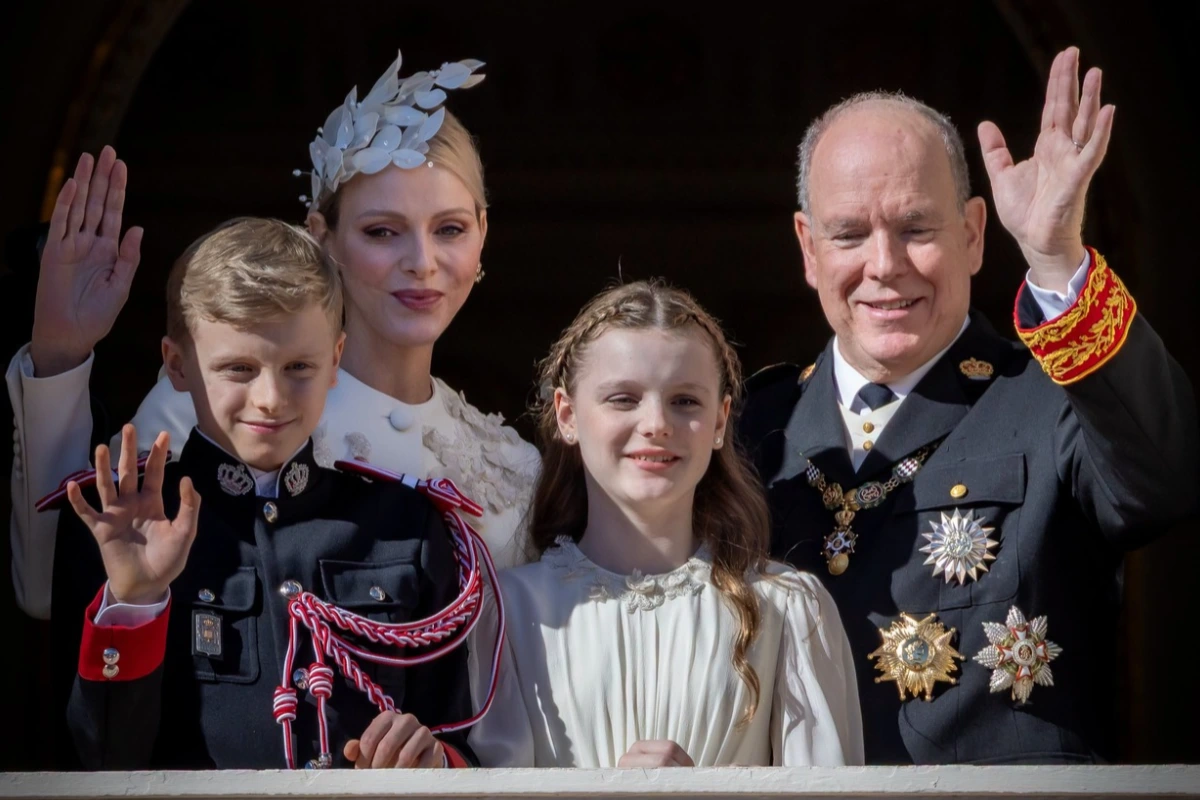
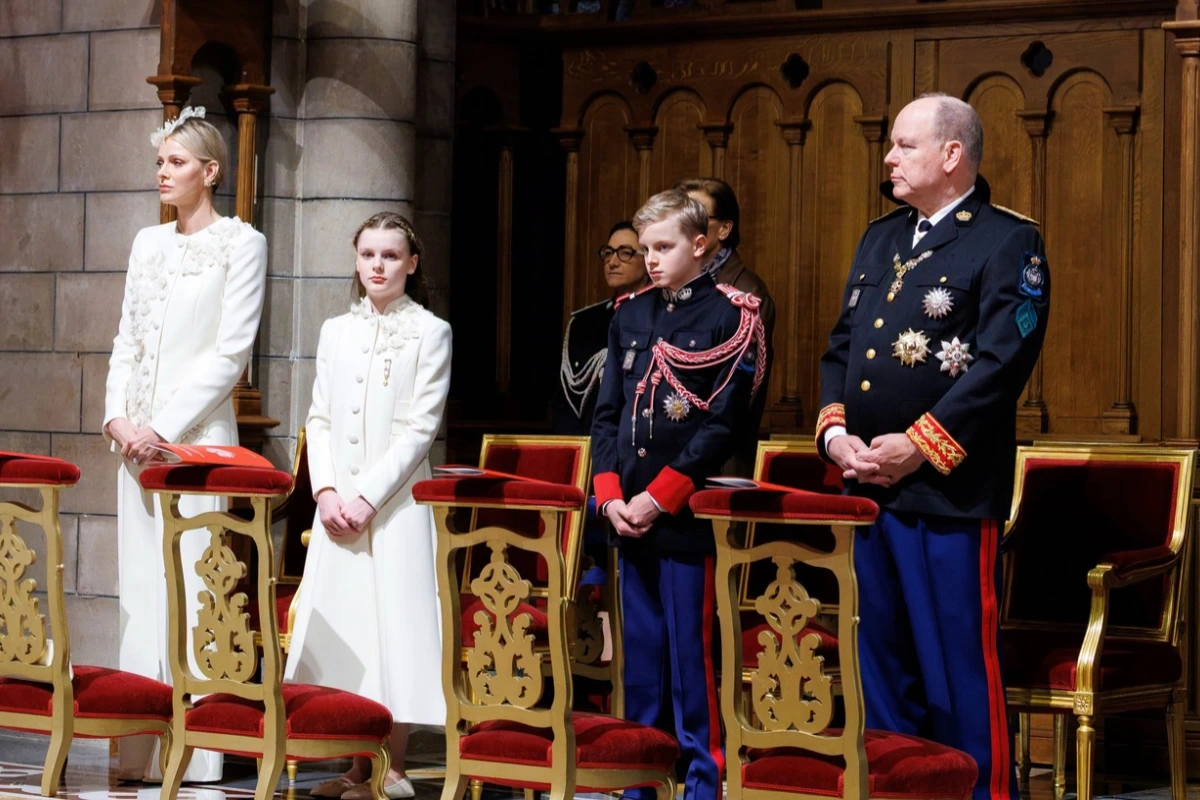
Flags waved and cheers rose across Place du Palais on Thursday 19th November as Prince Albert II, Princess Charlene, Hereditary Prince Jacques and Princess Gabriella appeared at the Palace window, the high point of a National Day that moved from the hush of Monaco Cathedral to the full military ceremony of the Palace square.
A London taxi with a royal past
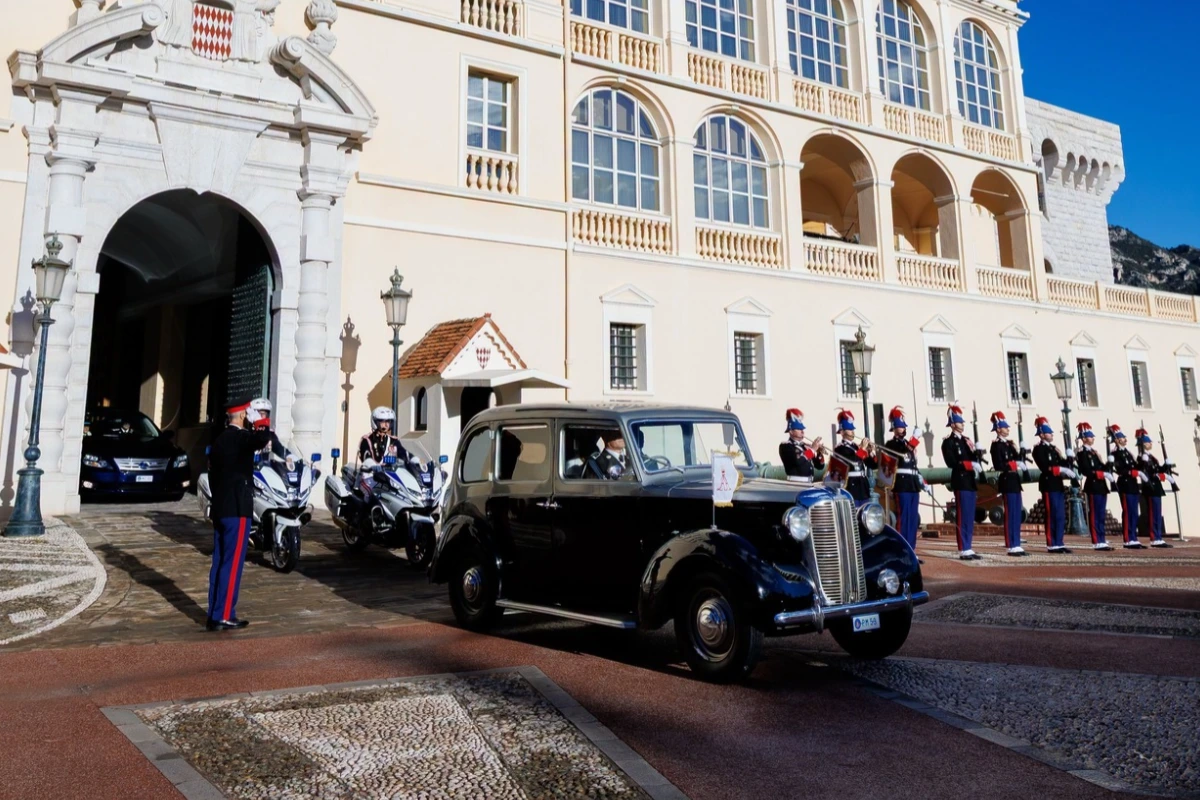
The morning began with a touch of family history. The Princely Family made the short journey from the Palace to the cathedral in a 1952 Austin FX3, the post-war London taxi Princess Grace brought to Monaco to take her children to and from school. Usually on display in the Prince’s car collection, it left the Palace with a motorcycle escort.
Thanksgiving Mass and Te Deum
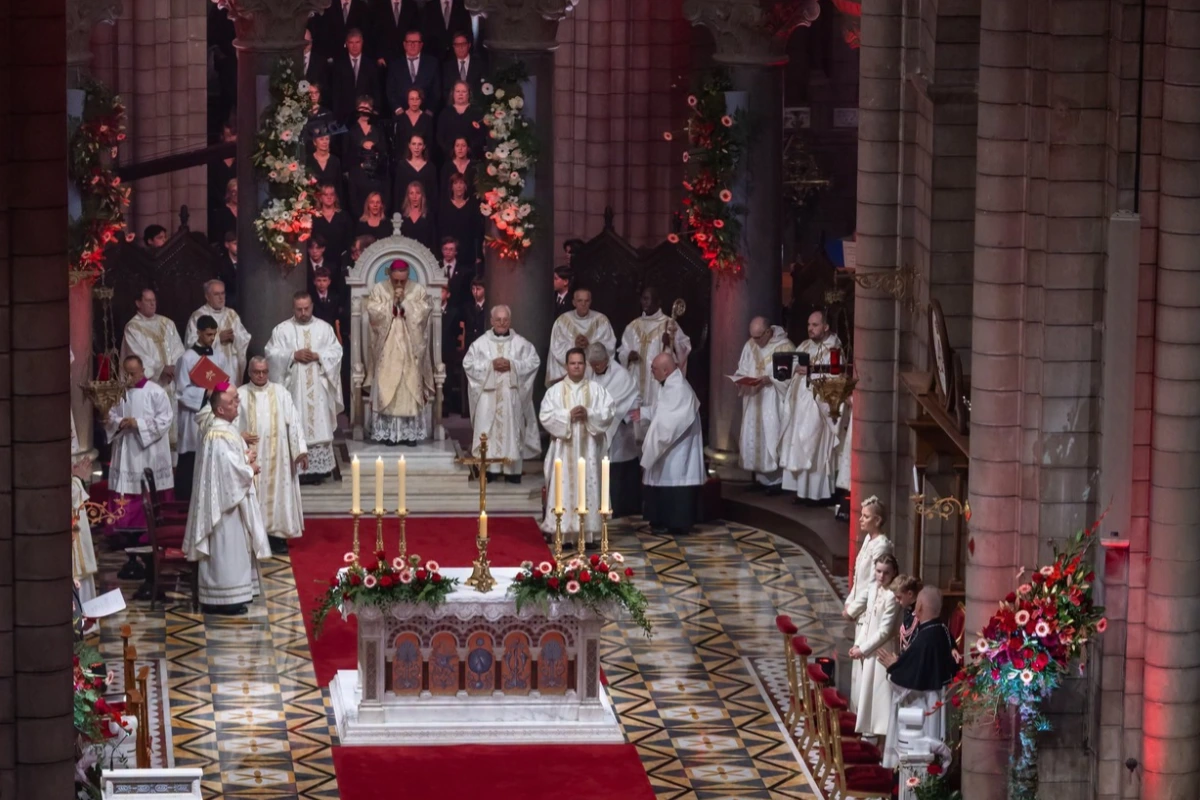
Inside the cathedral, Archbishop Dominique-Marie David led the 9.30am Thanksgiving Mass and Te Deum, with music from the Cathedral choir, Les Petits Chanteurs de Monaco and the Monte-Carlo Philharmonic Orchestra.
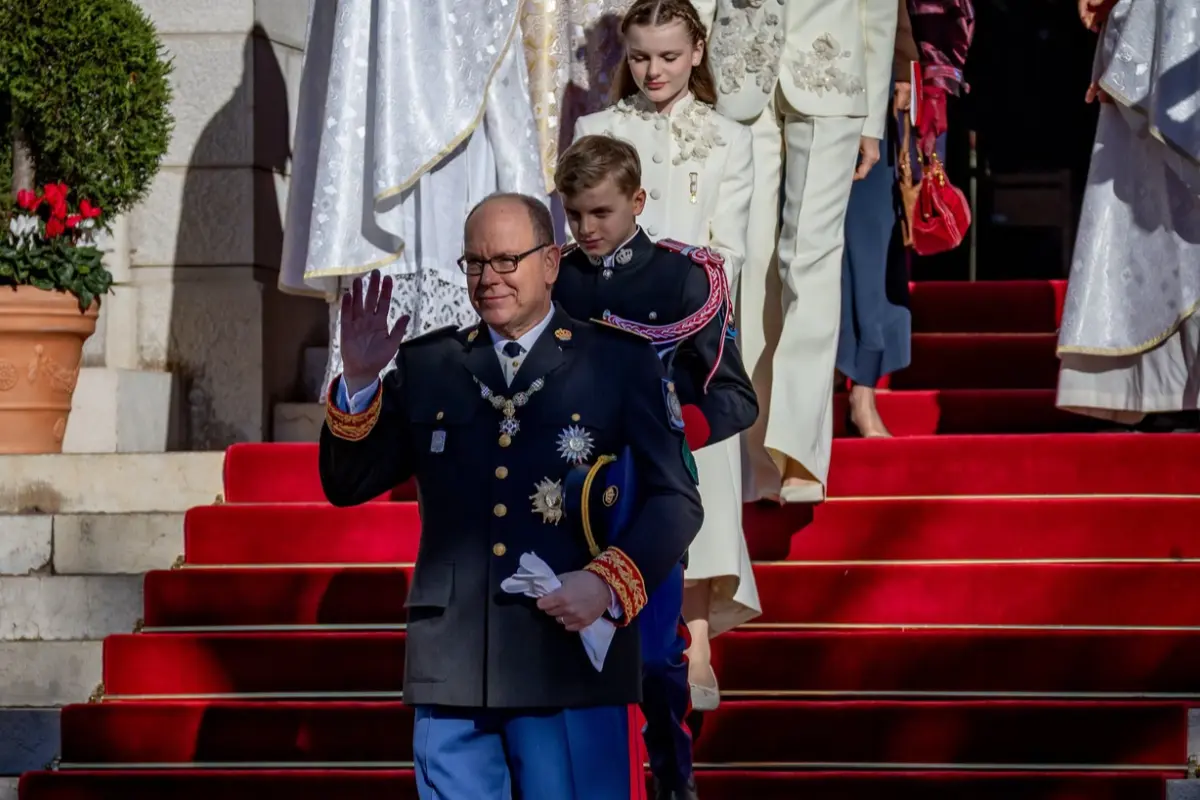
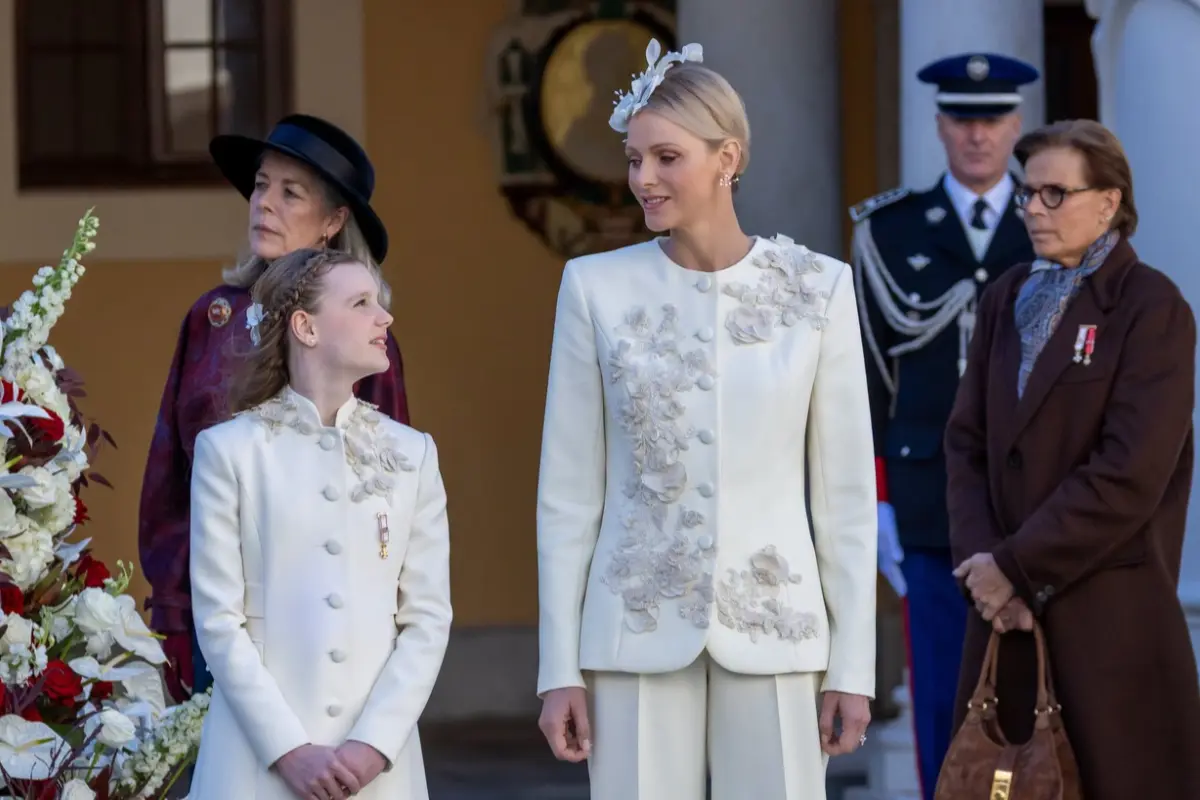
Hereditary Prince Jacques wore the uniform of the Prince’s Carabiniers, echoing his father’s military dress, while Princess Charlene and Princess Gabriella chose matching beige outfits finished with floral embroidery.
Princess Caroline and Princess Stéphanie sat behind the Sovereign and his family, surrounded by the next generation of the Grimaldis: Andrea Casiraghi and Tatiana Santo Domingo, Charlotte Casiraghi, Pierre Casiraghi and Beatrice Borromeo, Louis and Marie Ducruet, and Camille Gottlieb.
As the service ended, Prince Albert raised a hand in greeting to the spectators gathered outside and led his family down the red-carpeted cathedral steps.
Honours in the Cour d’Honneur
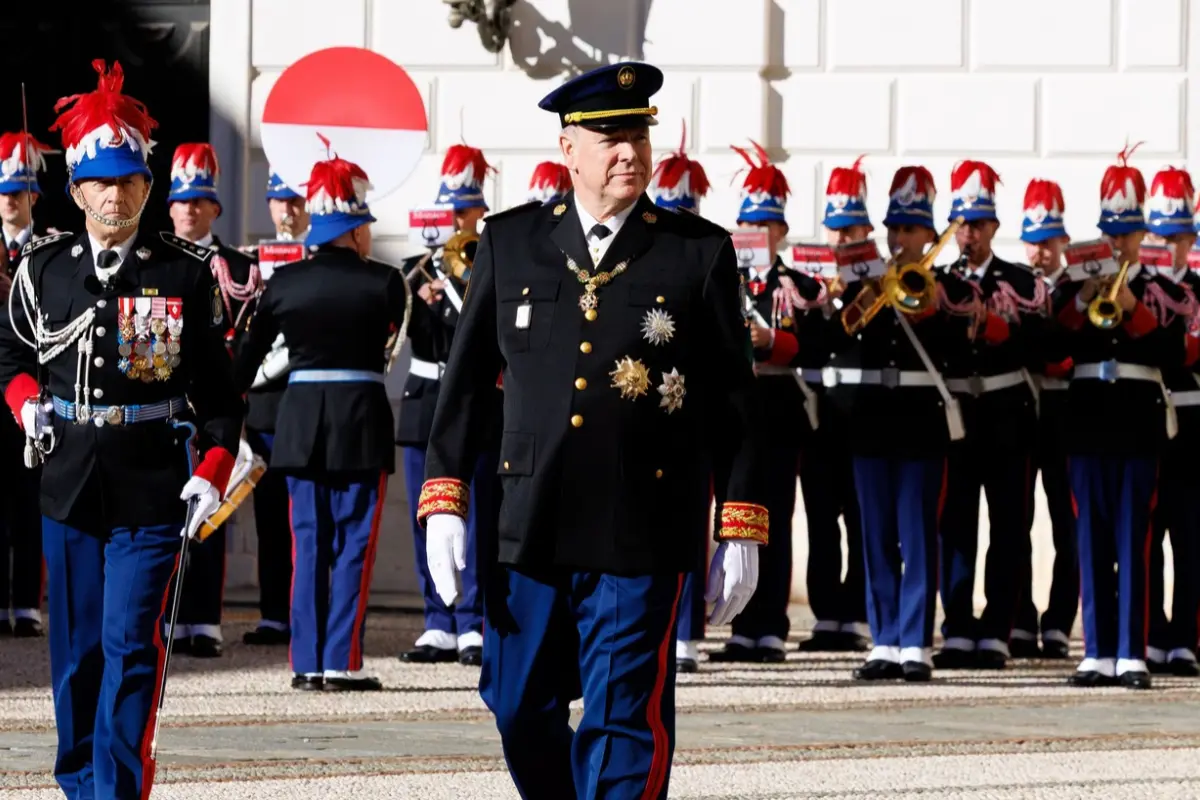
Back at the Palace, Princess Charlene and Princess Gabriella shared glances in the Cour d’Honneur as Prince Albert II reviewed the troops and presented rank insignia to 41 military personnel promoted during the year, as reported by Monaco Life on the day.
Sixty years of the Carabiniers’ music
The Orchestra of the Prince’s Carabiniers, which began under Prince Rainier III, marked its 60th anniversary throughout the ceremonies. A lone bagpiper opened ‘Amazing Grace’ before the full orchestra joined in, and as the troops paraded through Place du Palais, the musicians struck up the ‘Marche du Prince Jacques’. Before the final honours, musicians and Carabiniers formed the number 60 in the square.
Cheers beneath the Palace windows
“Prince Albert, hourra!” “Princess Charlene, hourra!” The calls rang out from the square as spectators, many dressed formally for the occasion, waved their flags and called up to the family by name. The Prince and his family waved back.
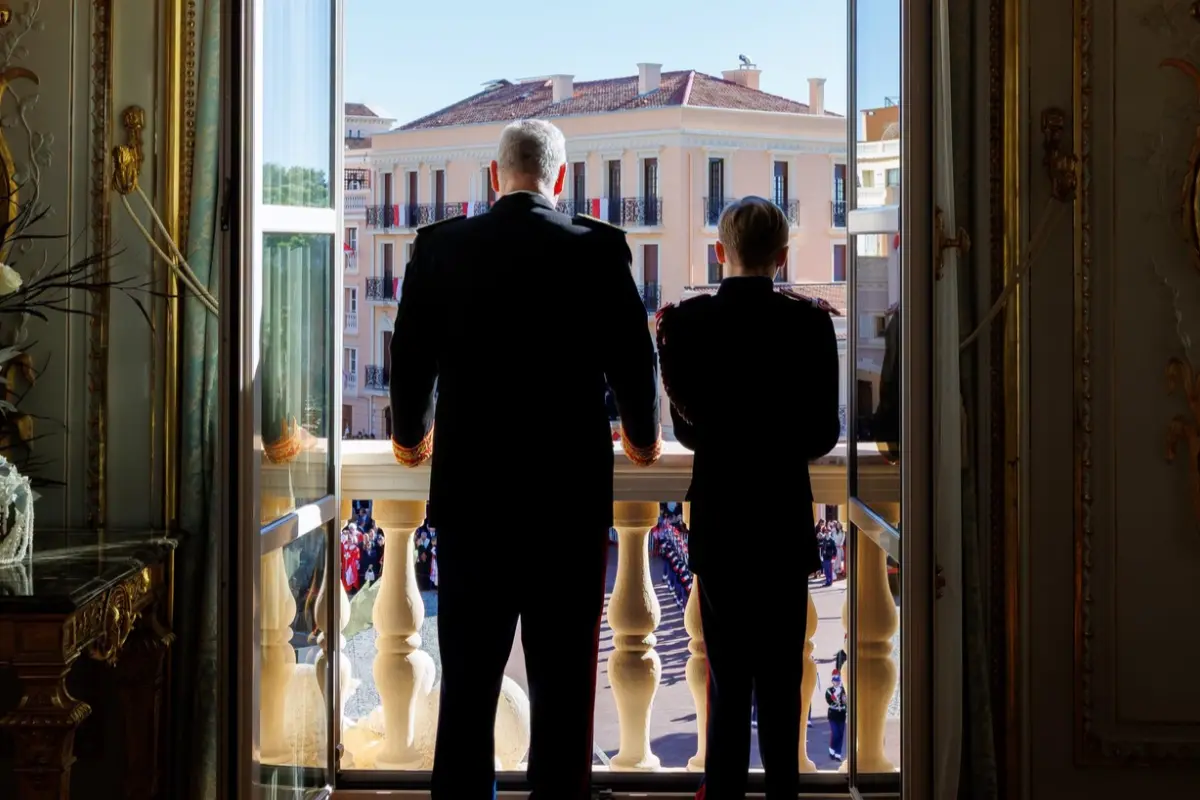
Inside the Palace, father and son stood side by side, Prince Albert and Hereditary Prince Jacques looking out over the crowd that had gathered to celebrate the Principality.
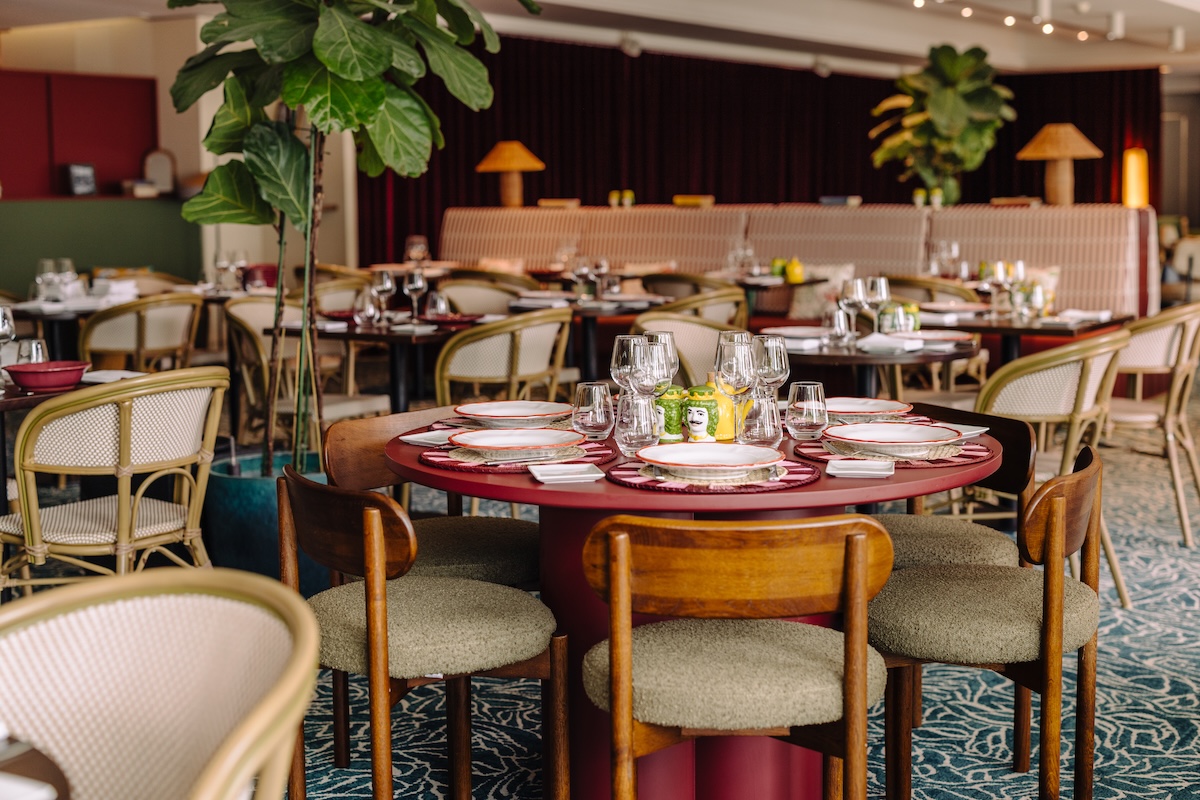
Sunday brunch at Le Méridien Beach Plaza has become an Italian family affair. Under the new La Bisnonna name and chef Pantaleo de Pinto, the buffet is generous, the arancini are exceptional, and lunch feels rather like a visit to nonna’s house.
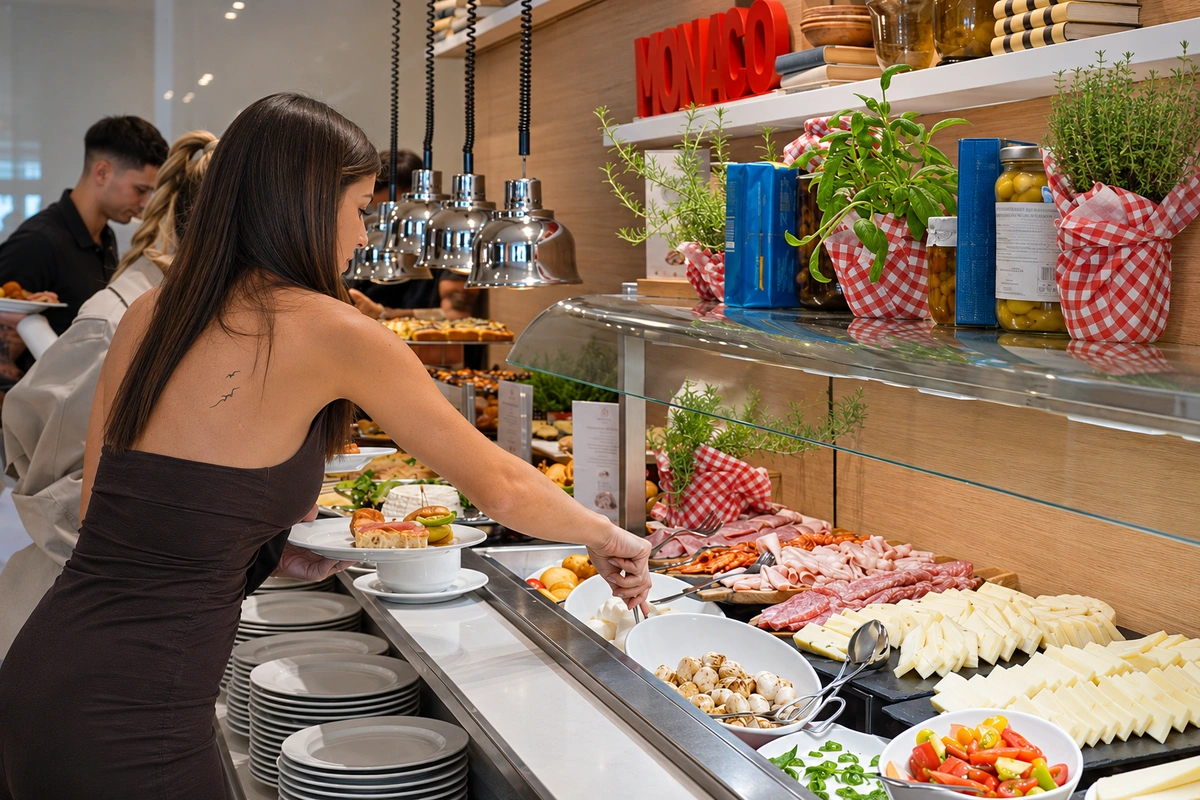
There are copious amounts of charcuterie and cheese, baskets of bread, focaccia, pizzas, Italian salads and antipasti. For anyone who enjoys picking and choosing, then returning for more of a favourite, there is plenty to keep you occupied before you even consider the hot dishes.
La Bisnonna means “great-grandmother”, and that spirit of feeding everyone generously runs through the brunch. Chef Pantaleo De Pinto, originally from Puglia, brings experience that includes working with Joël Robuchon and overseeing Monaco’s Mozza. Here, the emphasis is on familiar Italian food and the pleasure of sharing a long Sunday lunch.
The arancini deserve particular attention
The antipasti selection is substantial enough to make a meal of, especially with the steady temptation of another slice of focaccia or a little more cheese.
But do not overlook the arancini. These were the best my family and I have tasted, and we went back for more. Take one to try, certainly, but leave space on your plate for a few others.
That is both the attraction and the challenge of this brunch: it is easy to settle on a handful of favourites while overlooking everything still to come.
Photo credit: Cassandra Tanti, Monaco Life
From osso buco to freshly carved porchetta
The hot buffet follows the traditional brunch format, with covered serving dishes offering everything from scrambled eggs to osso buco and oven-roasted potatoes.
There is seafood in a tomato sauce and lasagna di melanzane, the aubergine dish layered with slow-cooked Bolognese, mozzarella and Parmesan. The selection gives those wanting breakfast something familiar, while offering plenty for anyone arriving firmly in the mood for lunch.
Then there is the carving station, with porchetta and freshly sliced ham, accompanied by delicious little Gorgonzola cones. Between this and the antipasti, the Italian identity feels well established throughout the buffet.
Save room for the chocolate fountain
Anyone familiar with Le Méridien’s brunch will be pleased to know that the chocolate fountain remains. The candy sticks have gone, with an abundance of fresh fruit taking their place.
Around it, the dessert selection runs from tiramisu, chocolate mousse and panna cotta to tarts and rum babas. There is also the ice-cream station, where scoops are served with a choice of toppings.
Saving room takes some discipline. It is worth making the effort, particularly if you are visiting with children, for whom this part of the buffet is likely to require considerable attention.
Photo source: Le Meridien
A family lunch with time for parents, too
Even during our early visit following the launch, the brunch was already proving popular with families. The children were enjoying themselves, and the Kids Club gives parents the opportunity to linger over lunch – or another limoncello spritz – while the hotel’s entertainment team keeps younger guests occupied.
The new 250-square-metre club is a welcome part of the offer. A family brunch becomes considerably more relaxing when the children have somewhere they want to go once they have finished eating.
At €85 per adult, excluding drinks, this is a Sunday outing rather than an everyday lunch. But the breadth of the buffet, the quality of the food and the children’s provision make it good value for a family occasion. Children aged four to 12 pay half price, while those under four eat free.
For residents and visitors looking for a generous, relaxed family lunch in Monaco, La Bisnonna is an appealing option. We would happily return for the dishes we missed, and considerably more of those arancini.
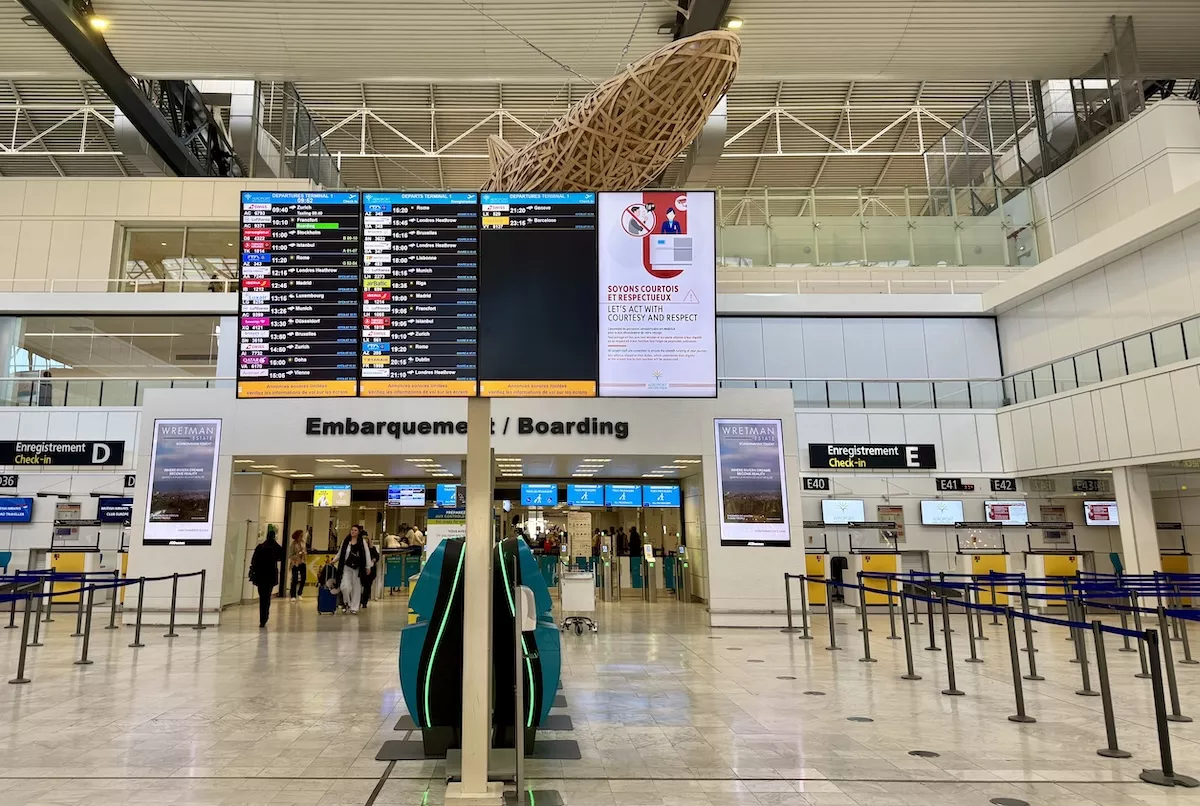
Travellers between the French Riviera and Scotland will have another direct flight option next summer, with British Airways subsidiary BA Cityflyer launching a weekly service between Nice and Glasgow.
The seasonal connection will operate from mid-May to early October 2027, offering passengers a direct alternative to an itinerary involving a change of aircraft. The route forms part of British Airways’ wider expansion of its European summer programme.
Different departure days in each direction
The airline’s published timetable lists flights from Nice to Glasgow on Saturdays, beginning on 15th May and continuing until 2nd October, leaving Nice at 1pm and arrive in Glasgow at 2.45pm.
Services in the opposite direction will operate on Sundays from 16th May to 3rd October, departing Glasgow at 7.15am and reaching Nice at 10.55am.
Glasgow Airport says the Nice route will join BA Cityflyer’s returning seasonal services to Palma and San Sebastián in summer 2027.
Banks in France must now check customers’ ability to repay before granting even small or short-term overdrafts, under rules taking effect on Friday 20th November. Existing overdraft authorisations are unaffected.
The change brings borrowing of less than €200, or repayable within a month, within the consumer-credit framework. It extends affordability checks to facilities previously excluded from those requirements, as France implements a European directive intended to strengthen borrower protection and reduce over-indebtedness.
The practical difference arises when applying for a new overdraft. The bank must assess whether the customer can repay it, even where the amount is modest or intended to cover only a brief gap between payments.
Overdrafts remain available
The reform has prompted the Economy Ministry to reject claims that overdrafts are being abolished.
Banks remain free to approve or refuse applications. The new obligation requires an assessment of the borrower’s financial position, proportionate to the amount, duration and risks of the proposed borrowing. It does not require banks to stop offering the facilities.
Information considered may include income, other financial resources, assets, debts and regular expenses. Banks must also provide clear information about borrowing costs. For smaller and shorter overdrafts, consultation of France’s national register of personal credit repayment incidents is optional, according to Service Public.
No fresh application for every use
Customers do not have to seek permission each time they use an overdraft already agreed within their account terms. That principle continues under the new rules, and authorisations established before 20th November are not affected by the new provisions.
An authorised overdraft can still carry interest and charges, while exceeding the agreed limit may generate additional fees. The reform changes the checks required before granting borrowing; it does not make an overdraft free or create an automatic entitlement to one.
Patients booking injections or laser treatments just across the border in Beausoleil or Cap-d’Ail must now wait at least five days after receiving a quote, under a French decree that also limits how much of a doctor’s working time can be spent on cosmetic procedures.
The decree, published in France’s Journal officiel on Saturday 14th November and in force since the following day, sets out for the first time who may carry out non-surgical cosmetic procedures such as injections and medical lasers, and under what conditions. It covers procedures performed purely to change a person’s appearance, with no therapeutic, functional, reconstructive or diagnostic purpose. Cosmetic surgery is not affected.
A 30 per cent cap on cosmetic work
Aesthetic medicine is not a recognised speciality in France, and the decree treats it as a sideline: cosmetic procedures may only be carried out alongside a doctor’s main speciality and cannot exceed 30 per cent of their working time.
Doctors must declare their cosmetic activity to both their departmental Medical Council and the Regional Health Agency (ARS), and send them evidence of its share of their workload every year. The Medical Council will keep an up-to-date list of doctors practising aesthetic medicine, to be made public, showing which of five areas each doctor is trained in: preventive and anti-ageing treatments, hair removal and hair treatments, the eye area, genital aesthetics and body contouring.
Who can perform treatments
The procedures are now reserved for qualified plastic, reconstructive and aesthetic surgeons, for doctors granted a complementary right of practice, known in France as a DEC, and for doctors with at least five years in their own speciality who have completed approved theoretical and practical training. The content of that training, and any exemptions from it, will be set by ministerial order.
A five-day cooling-off period
Waiting rooms must display the doctor’s diploma or DEC alongside a notice stating that cosmetic treatments are non-therapeutic and rest on the patient’s free and informed choice.
Before any procedure, patients, or parents in the case of minors, must receive an information sheet setting out the skills the treatment requires and its risks, complications and side effects, with a signed copy kept in the medical file. Doctors must also provide a detailed, dated and signed quote explaining how to report serious adverse effects, after which patients must wait at least five days before treatment. The waiting period can be waived for a series of identical treatments the patient has already agreed to with the same doctor.
Consent must be recorded in the patient’s medical file, and doctors must hand over written aftercare instructions. Breaches can lead to suspension and fines.
Phased rollout through 2031
Doctors already practising who meet the conditions for a DEC have until 1st July 2027 to apply for one, and may keep working until the Medical Council rules on their application.
Doctors who have practised aesthetic medicine exclusively for five years or more must show by 31st December 2028 that it accounts for no more than 50 per cent of their working time, and have until 31st December 2031 to reach the 30 per cent limit. Those who have practised it for less than five years must meet the 30 per cent cap by 31st December 2028.