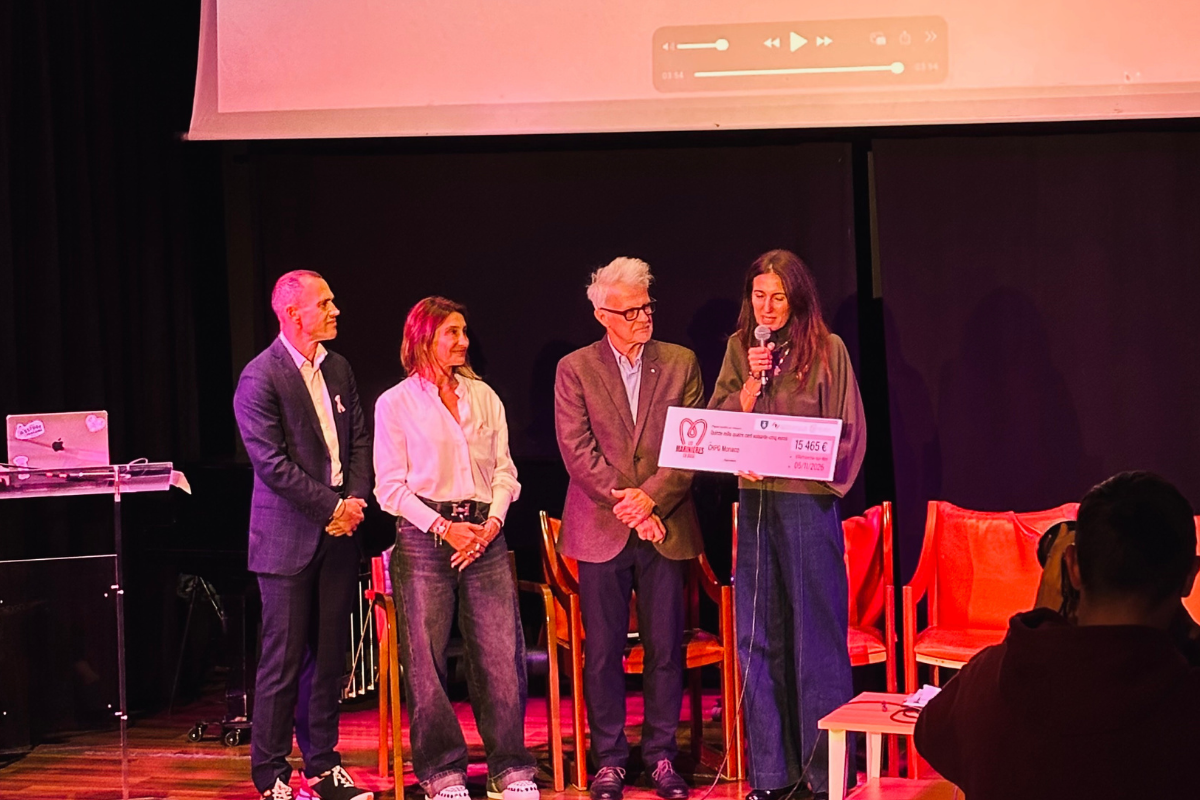
Les Marinières en Rose has donated €15,465 to the Princess Grace Hospital Centre (CHPG) to help fund supportive care for breast cancer patients, following its fifth fundraiser in Villefranche-sur-Mer.
The cheque was presented during an evening dedicated to supportive care at the citadel’s auditorium on Thursday 5th November. The event brought together healthcare professionals, specialists, volunteers, and supporters to discuss the role these services play during and after cancer treatment.
PATIENT SUPPORT
For founder Patricia Plessis, the evening offered an opportunity to thank those involved and show how their efforts will support patients.
“This evening was an opportunity to thank everyone and make everything we have done tangible by presenting this cheque for €15,465 to Monaco’s CHPG,” she said.
Plessis explained that the donation would help fund services including socio-aesthetic care, dietary support, adapted physical activity, and music therapy. She described these as “very important, essential, and necessary during and after treatment.”
The round-table discussion explored how supportive care fits into patients’ treatment pathways, its practical benefits, and who can access it. Speakers also addressed how professionals working outside CHPG contribute to that care.
Among those taking part were CHPG deputy director Laure Santori-Bini, head of supportive care Dr Stéphane Picard, dietitian Amélie Fighetti, and socio-aesthetic practitioner Karlana Passavoir. The discussion also included perspectives from sophrology, cancer prevention, shiatsu, and a patient partner from Nice University Hospital.
“I am very happy to have been able to initiate this first round table with all these healthcare and cancer professionals,” Plessis said. “It was very interesting to have them with us.”
SIXTH EDITION CONFIRMED FOR NEXT YEAR
Plessis also announced that Villefranche-sur-Mer’s town hall has approved Saturday 2nd and Sunday 3rd October 2027 for the sixth edition of Les Marinières en Rose.
Organisers are hoping to build on this year’s participation and increase the amount raised for CHPG.
“We are expecting even more participants, with the aim of donating even more money to CHPG,” she said.
Monaco Life is written by qualified journalists, writing original content. Sign up for our free newsletter, listen to our podcasts on Spotify, and follow us across Facebook, Instagram, LinkedIn, and Tik Tok.
Photo credit: Roxane Pastor / Communication C21 Lafage
Are you ageing faster than you think? The signs your body may be giving you
You can look younger than your age and still age faster than you think. From VO₂ max and muscle strength to wrinkles, memory, sleep and libido, here is what modern health assessments can really tell us.
When did you last notice that a sleepless night takes longer to recover from? That name you once remembered instantly now escapes you? Or that your skin looks different after a long-haul flight?
These changes may seem unrelated. Some are perfectly normal; others deserve attention. But together, they raise a fascinating question: how well is your body ageing beneath the surface?
For years, a health check-up was mainly about finding out whether something was wrong. Today, a new generation of high-end health assessments are shifting the focus towards prevention, performance and longevity. Ambition is no longer simply to detect disease, but to understand how the body changes over time — and what we can do about it.
The most interesting clues are not always the ones you might expect.
Your body’s hidden fitness score
If there is one number worth knowing beyond your cholesterol level, it may be your VO₂ max.
Put simply, it measures how efficiently your body uses oxygen during intense exercise. Think of it as your aerobic engine: the better it works, the more effectively your heart, lungs, blood vessels and muscles deliver oxygen where it is needed.
VO₂ max generally declines with age, but lifestyle makes a considerable difference. Two people in their 50s can have dramatically different levels of fitness. One may struggle with a flight of stairs; the other may run up a hill without thinking twice.
Why does this matter? Cardiorespiratory fitness is strongly associated with cardiovascular health and the risk of premature death. It is also something you can work to improve.
A laboratory exercise test can measure VO₂ max, while some wearable devices estimate it. Neither number tells the whole story, but tracking changes over time can reveal whether your fitness is moving in the right direction.
What your face can — and cannot — tell you
Wrinkles, thinning skin and pigmentation are among the most visible signs of ageing. Over time, the skin loses collagen and elasticity, while years of sun exposure can accelerate these changes.
But your face is not a biological clock. Genetics, sun exposure, smoking and skincare all influence how you look. Someone with pronounced wrinkles may be physically fit, while someone with exceptionally smooth skin may have high blood pressure or an increased risk of diabetes.
Grey hair is equally misleading. It is strongly influenced by genetics and does not reliably reveal how quickly the rest of your body is ageing.
Still, changes in appearance matter. They can tell us something about the skin itself and, in some cases, cumulative environmental exposure. The trick is knowing what a particular sign can tell us — and what it cannot.
Memory, attention and the fear of losing your edge
For many people, the prospect of ageing is less about wrinkles than about the mind.
Forgetting an acquaintance’s name is one thing. Finding it increasingly difficult to concentrate, follow a conversation or remember new information is another.
Some changes in processing speed are common with age, but significant or persistent cognitive difficulties should not automatically be dismissed as part of getting older. Sleep problems, stress, mood, medication and medical conditions can all affect memory and attention.
Cognitive assessments can provide a baseline, testing areas such as memory, concentration and processing speed. If concerns arise, a clinician can determine whether further investigation is needed.
The goal is not to chase a perfect brain score. It is to recognise meaningful changes early and protect the habits that support brain health, including physical activity, good sleep and social engagement.
Libido: the conversation we should be having
Sexual health is another part of ageing that is often overlooked — despite being closely linked to quality of life.
Libido can change with age, but there is no universal timetable. Hormonal changes may play a role, as can stress, relationship dynamics, sleep, medications and general health.
A decline in sexual desire does not automatically mean that hormones are out of balance. Equally, persistent changes in libido, erectile function or sexual comfort may sometimes be the first reason someone seeks help for an underlying problem.
Depending on the symptoms, a medical assessment may include a review of medications, relevant hormone tests and checks for conditions such as diabetes or cardiovascular disease.
In other words, sexual wellbeing is not separate from health. It belongs in the conversation.
The everyday clues: muscles, sleep and recovery
How easily do you get out of a chair? Can you carry your luggage without feeling exhausted? How quickly do you recover after exercise?
These ordinary moments can reveal changes in strength and physical function. Grip strength, walking speed and simple movement tests give clinicians useful information about muscle function and mobility.
Sleep offers another clue. Frequent waking, persistent fatigue and feeling unrefreshed may affect concentration, mood and physical performance. Wearables can track patterns in sleep, resting heart rate and heart-rate variability, or HRV, which measures variations in the time between heartbeats.
But these devices are not crystal balls. HRV fluctuates with stress, exercise, illness and sleep, while consumer sleep trackers cannot reliably diagnose every sleep disorder. The information becomes more useful when interpreted alongside symptoms and longer-term patterns.
Changes in eyesight and hearing deserve similar attention. They can affect independence and quality of life, and some causes are treatable. Dental health also matters, although gum disease and tooth loss reflect many factors beyond age alone.
The numbers inside your blood
Some of the most important changes are invisible. Blood pressure, cholesterol, bone resorption markers, glucose and HbA1c — a measure of average blood sugar over approximately two to three months — can reveal risks long before symptoms appear. Depending on individual circumstances, a doctor may recommend additional tests.
Preventive health assessments can also help identify certain cancer risks before disease manifestation. Some cancers develop over many years, and evidence-based advanced screening can detect some cancers or precancerous changes early, when treatment may be more effective.
Then there are epigenetic clocks, which analyse patterns of DNA methylation associated with ageing. They are among the most intriguing tools in longevity research because they attempt to measure biological changes beyond chronological age.
Surprisingly, such assessments often overlook telomeres — the protective caps at the ends of our chromosomes that naturally shorten as we age. Measuring telomere length provides crucial insights into cellular health and biological reserves, making it another essential piece of the longevity puzzle.
Yet there is a catch. Different clocks measure different things, and no single test can reliably predict how long an individual will live. A younger biological-age result does not automatically mean better health, either.
The same principle applies to expensive, comprehensive health audits: more tests do not necessarily mean better answers.
The real luxury is knowing what matters
Imagine having a detailed picture of your cardiovascular fitness, muscle strength, metabolic health, sleep and other relevant markers — then repeat selected measurements a year later.
What matters is not whether every number looks perfect. It is whether meaningful changes are emerging, whether risks are being addressed and whether your health strategy is making a difference.
For Monaco’s health-conscious community, this is where personalised longevity medicine becomes genuinely interesting. A thorough assessment should lead to a meaningful conversation with a qualified physician — not a competition among plastic surgeons, a Botox marathon, a shopping list of dozens of supplements, or a race to achieve the youngest biological age.
Science cannot yet tell us exactly how fast every individual is ageing. But it can help us understand important aspects of health, identify risks and make better-informed decisions.
Ultimately, the most valuable measure of ageing may be less glamorous than a laboratory score: whether you can think clearly, move freely, sleep well, maintain meaningful relationships and enjoy the life you have built.
You cannot stop the clock. But understanding what is happening beneath the surface may help you make the years ahead healthier — and more rewarding.
About the author
Dr Aleks Letnikovs is a physician working in preventive medicine, healthy ageing and longevity. He has participated as a speaker at international medical conferences, including the Aesthetic & Anti-Aging Medicine World Congress in Monaco, where he has presented on preventive medicine and age-related health issues.
Monaco Life is written by qualified journalists, writing original content. Sign up for our free newsletter, listen to our podcasts on Spotify, and follow us across Facebook, Instagram, LinkedIn, and Tik Tok.
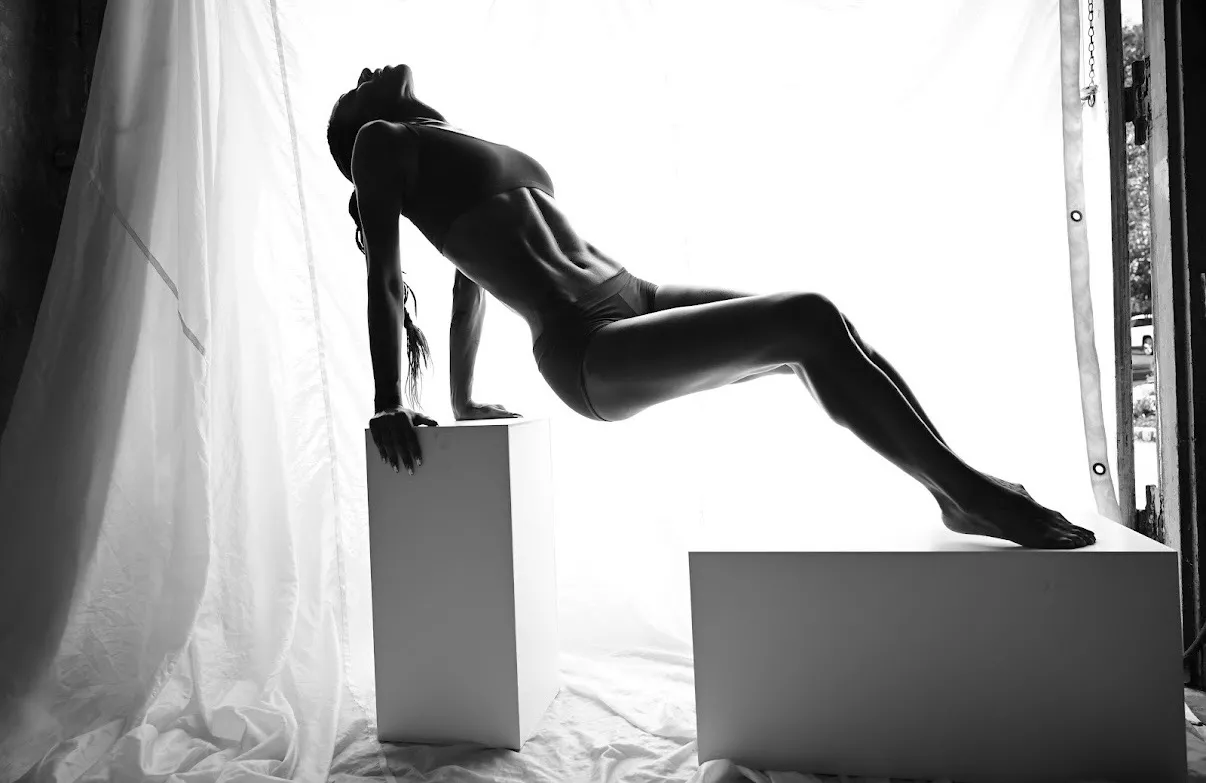
Image is AI generated by Monaco Life
Monaco’s public auditor goes online with new multilingual website
Monaco’s audit authority, the Commission Supérieure des Comptes, has launched its own website, giving residents, journalists and international observers direct access for the first time to its reports on how public money is spent, in French, English and Italian.
Developed with the government’s Interministerial Delegation for Digital Transition, the site at cscomptes.gouv.mc brings together the Commission’s annual public reports, details of its audits, the laws that govern its work and news of its international activities.
Watching over public funds
Established under Article 42 of the Constitution, the Commission audits the accounts and financial management of the State, the Municipality and Monaco’s public bodies. Its remit also extends to organisations that receive public funding and to unlisted companies in which the State holds more than half the capital.
Its six members, appointed by Sovereign Ordinance for five-year terms, are chosen for their expertise in public accounts and swear an oath before the Prince to act impartially and independently. Until now, its annual findings have been published as an annex to the Journal de Monaco, the Principality’s official gazette.
A step towards greater transparency
Bringing the reports together in one place, in three languages, is intended to make the oversight of public spending easier to follow, both for residents and public managers in Monaco and for international institutions and fellow audit bodies abroad.
The launch follows the redesign of the government’s main website, gouv.mc, earlier this year. Both projects are part of a wider effort to make Monaco’s public administration more accessible and transparent.
In partnership with the Princess Grace Foundation-USA, Monaco Life presents a monthly series spotlighting the lives and artistic contributions of the Foundation’s Award winners.
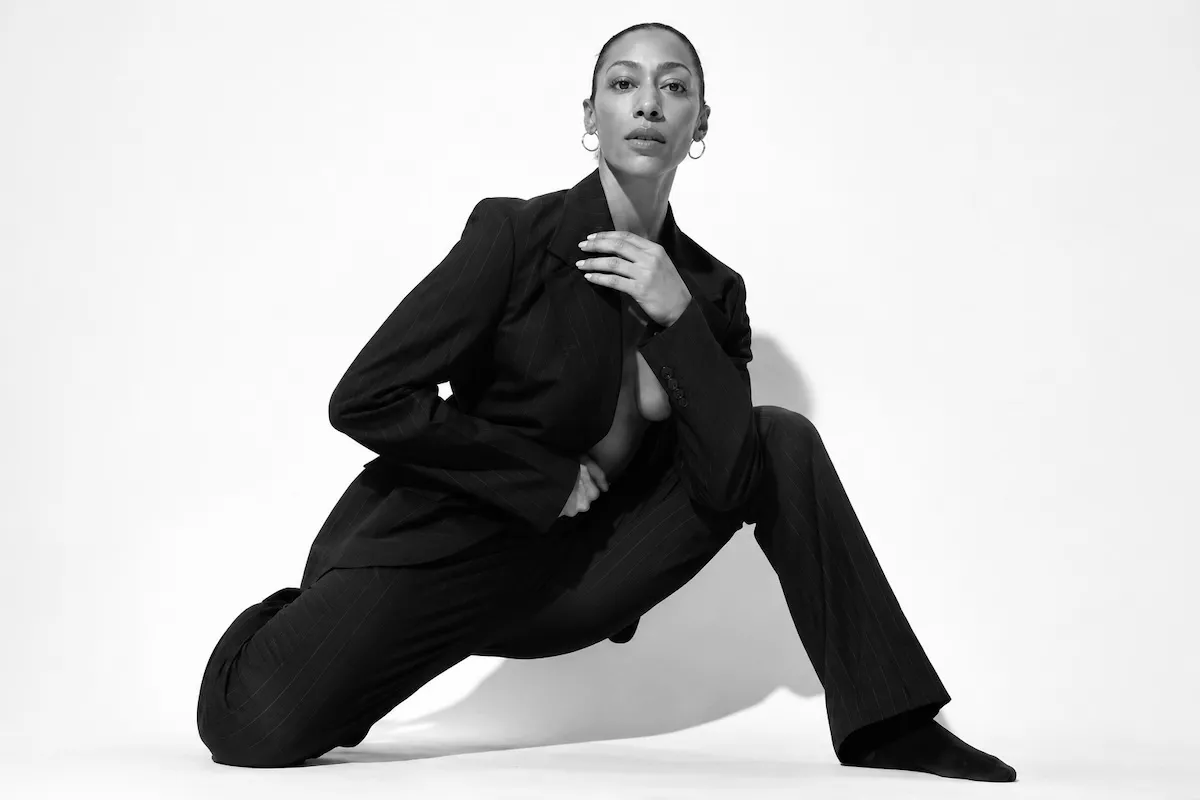
For dancer and choreographer Rena Butler, movement has always been a way of discovering what lies beyond the familiar. From her Chicago roots and studies in Taiwan to performing with A.I.M by Kyle Abraham, Bill T. Jones/Arnie Zane Company and Hubbard Street Dance Chicago, Butler has built a career shaped by curiosity, transformation and an openness to the unknown.
Since receiving the Princess Grace Award for Choreography in 2019, Butler has continued to expand her creative voice, creating work for leading dance companies and cultural institutions across the US and abroad, from Chicago and San Francisco to Canada, the Netherlands, France, Sweden and Germany.
In this conversation, she reflects on the experiences that shaped her as an artist, the power of being seen at a pivotal moment in her career, what dance has taught her about letting go, and why grace, both onstage and off, has come to mean something entirely different with time.
Leaving home
You grew up in Chicago and later trained in Taiwan and at SUNY Purchase. How did leaving home and experiencing dance in different cultures begin to shape the artist you became?
Being in new places, experiencing new sights, sounds and smells undoubtedly invigorates me, yet change, although constant, makes me feel incredibly uncomfortable. I think it is somewhere betwixt those two opposing feelings that the liminal space that continually imbues my character, my life and my artistry exists.
I grew up in Chicago, and leaving home to experience dance in Taiwan and later at SUNY Purchase exposed me to very different ways of seeing, moving, listening and understanding the world. But I don’t think the greatest transformation came simply from being in different places. It came from being continually asked to reconsider what I thought was familiar. Every new environment required a certain amount of surrender. I had to listen before I could understand, observe before I could participate, and become comfortable with not always knowing where I belonged.
Travelling and leaving home has, in many ways, become the most familiar pattern in my life, because it is the only pattern that has remained constant. There are always comings and goings, departures and arrivals, beginnings and endings. I am continually shape-shifting, as a dancer, traveller, artist, choreographer and person. Each place leaves something inside of me, and I leave something of myself behind.
Rena Butler, credit: Steve Vaccariello
Three stages of becoming
You danced with A.I.M by Bill T. Jones/Arnie Zane Company, Kyle Abraham’s Dance Vanguard, and Hubbard Street Dance Chicago – three very different artistic worlds. What did each teach you about finding your own voice?
I feel incredibly fortunate that my career placed me inside three very different artistic ecosystems at such formative moments in my life. Looking back, I almost see them as three different stages of becoming. A.I.M taught me how to express myself, Bill T. Jones taught me how to think more deeply about what I was expressing, and Hubbard Street gave me the agency and freedom to truly begin authoring my own voice.
Was there a moment when you stopped thinking of yourself primarily as a dancer interpreting someone else’s vision, and realised you had something of your own to say as a choreographer?
The creator in me was there very early. I was about ten years old when MTV’s ‘Making the Video’ became a major obsession of mine. I was fascinated by the process of watching an idea become a world. I was also a huge Janet Jackson fan, and I remember thinking, I want to make things like this. I want to work with her.
My original dream was actually much broader than choreography. I imagined myself creating for television, music and film. Dance became the doorway through which I eventually entered that world.
As a dancer, I spent years learning how to interpret someone else’s vision, and eventually I became increasingly curious about what would happen if I built the vision myself. Hubbard Street was a major turning point because I was given the agency to choreograph and really explore my voice as a creator.
So although my life looks slightly different from the one the ten-year-old me imagined, in a beautiful way, a major part of that dream actually came true. I’m creating worlds. I’m working with dancers, musicians, filmmakers, designers and other artists. I’m telling stories through movement.
“To be seen in that moment meant everything”
In 2019, you received the Princess Grace Award for Choreography. Where were you when you learned you had won, and what did that recognition mean to you at that point in your career?
I was actually coming home from a solo surfing trip in Costa Rica. I remember receiving a phone call from Diana and completely breaking down in tears in the middle of my airport transfer. I was overwhelmed with emotion.
At that point in my career, I honestly didn’t believe prestigious awards like the Princess Grace Award were necessarily available to Black female creators like myself. It was, and still is, incredibly rare to see Black women consistently recognised as contenders for the highest levels of prestige within our field. The dance world is not separate from the larger society we live in, and those patterns of visibility, or invisibility, are deeply reflected within our arts institutions.
To be seen in that particular moment, in 2019, meant everything to me. I had become accustomed to holding my own visibility: believing in myself, advocating for myself, and essentially holding my own mirror, because there weren’t always many mirrors being held up to me. Receiving that recognition felt like a gigantic gust of fresh air.
New places, new bodies
Since then, your choreography has taken you from Hubbard Street to the Dutch National Ballet, the National Ballet of Canada and San Francisco Opera. When you enter a new company or a new country, how does that place, and the dancers you meet there, find its way into the work?
I have a very deep, curious appetite, and I think I’m constantly looking for environments that will satisfy it. When I enter a new place, I’m being invited to observe, listen, taste, smell, question and explore. The dancers become a huge part of that education too. Every body comes with its own history, intelligence, instinct and way of understanding movement, and I’m interested in discovering what happens when my language meets theirs.
I’m also very interested in the vulnerability of constantly being confronted with the new. It can be uncomfortable, but there is almost always something intriguing on the other side of that discomfort. Sometimes it finds its way directly into the choreography; sometimes it simply expands the way I see.
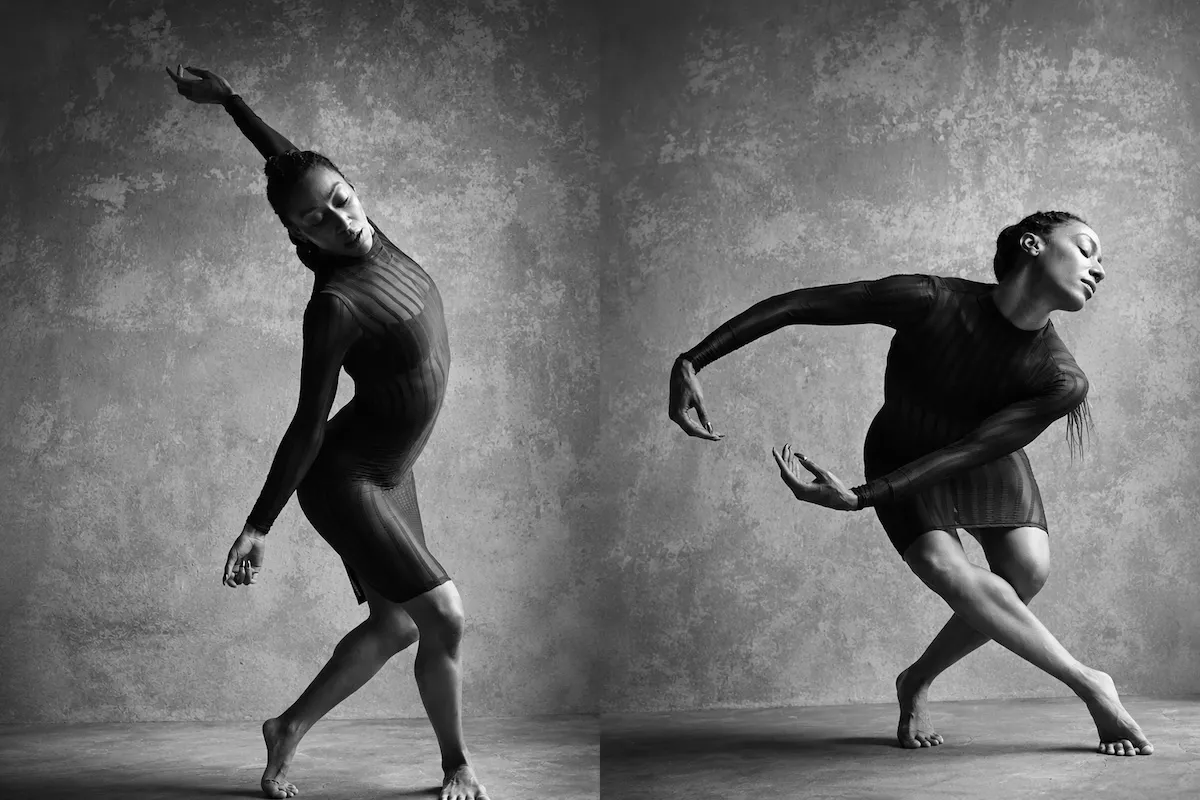
Rena Butler, credit: Steve Vaccariello
The art of letting go
Dance is one of the most fleeting art forms: something can take months to create and then exist fully for only a few minutes onstage. Is that impermanence part of what you love about it?
I think it’s a very bittersweet experience. There are some works you build that hold so much meaning. You nurture them for months, sometimes years, and when they leave you, there is a genuine sense of grief. You wish there could be some permanence to them, some way of holding on to the exact moment, the exact bodies, the exact energy that existed in that room.
But I also think dance continually teaches me the lesson of letting go. Life shepherds you towards that lesson over and over again: this was beautiful, and now you have to release it. There’s something almost cheeky about that wink from life. Yes, but let go. Let it flow.
Believing in talent
Princess Grace was a passionate supporter of the arts, and the Foundation created in her memory has carried that legacy forward for generations of artists. As one of its Award winners, has that influenced the way you think about mentorship, patronage and believing in talent before you know where it will lead?
Absolutely. Receiving the Princess Grace Award made me deeply aware of what it means for someone to believe in an artist before the full picture of their life and career has revealed itself. There is something incredibly powerful about being supported at a moment when you are still becoming.
I was still very much in the process of discovering who I was as a choreographer when I received the award. Someone looked at what I was making and essentially said, I see something here. I believe this is worth investing in. That kind of belief can alter the trajectory of an artist’s life. It gives you permission to take yourself seriously before you necessarily have all the evidence to do so.
It has made me think a lot about mentorship and patronage as forms of stewardship. Sometimes supporting an artist isn’t about knowing exactly what they will become. In fact, I think the beauty is in not knowing. It is about creating enough space, resources, encouragement and trust for someone to discover what is possible.
That has certainly influenced the way I show up for younger artists. I try to remember what it felt like to be the person still searching, still experimenting, still a little green. I want to be someone who can offer a mirror, but also a door: someone who can say, I see you. Keep going. There may be something here that you haven’t even discovered yet.
What grace means now
The word ‘grace’ belongs naturally to both Monaco and dance. What does grace mean to you now, not simply as a quality of movement, but as a human quality?
For a long time, I understood grace through the body: the refinement of a gesture, the ability to make something difficult appear effortless. But the older I get, the more I understand grace as a human quality. It is knowing when to hold on and when to let go, remaining curious in the face of uncertainty, and allowing yourself to evolve without needing to know exactly who you are becoming.
A dream day in Monaco
What does a dream day in Monaco look like to you?
My dream day in Monaco would begin slowly, with a good coffee, a view of the Mediterranean and nowhere to rush off to. I’d spend the morning swimming, wandering through the old town and taking in the architecture, history and beautiful surroundings. I love places that engage all my senses, so I’d happily spend hours exploring, perhaps stopping by the Oceanographic Museum to satisfy my curiosity.
In the afternoon, I’d treat myself to a luxurious spa experience before getting dressed for an evening at the opera or ballet. As someone who spends so much time creating performances, there’s something wonderful about simply sitting in the audience and enjoying someone else’s artistry.
I’d end the night with a delicious Mediterranean meal, good wine, even better conversation and a peaceful walk along the water. A little adventure, culture, indulgence, and plenty of time to simply enjoy being there.
Follow Rena Butler on Instagram @RenaButler.
Monaco Life is written by qualified journalists, writing original content. Sign up for our free newsletter, listen to our podcasts on Spotify, and follow us across Facebook, Instagram, LinkedIn, and Tik Tok.
Main photo credit: Theik Smith
Monaco train shutdown: your guide to replacement buses, road closures and travel times on 10th and 11th November
Two road tunnels serving Monaco’s railway station will close to ordinary traffic on 10th and 11th November to accommodate replacement buses during the planned rail shutdown, according to a new municipal order published on Friday.
The Sainte-Dévote and Débarcadère tunnels will be closed to vehicles throughout Tuesday and Wednesday, until the end of the interruption to rail services. The restrictions will not apply to SNCF replacement buses, emergency vehicles or police.
The measures, confirmed in the Journal de Monaco on 6th November, provide further details of how the Principality will manage the disruption as major engineering works suspend trains between Nice, Monaco, Menton and Ventimiglia.
Where to catch replacement buses
SNCF has confirmed that replacement coaches will connect Monaco directly with Nice Grand-Arénas, Nice-Vauban, Menton and Ventimiglia.
At Monaco-Monte-Carlo station, passengers will board replacement coaches at the Sainte-Dévote Parvis exit, while arriving coaches will drop passengers at the Monte-Carlo exit, at the drop-off area.
Services are scheduled approximately every 15 minutes during peak periods, from 6.30am to 9.30am and 4.30pm to 7.30pm, and every 30 minutes outside those hours.
However, SNCF warns that seating capacity will be very limited and advises passengers to work from home or postpone non-essential journeys wherever possible.
Replacement bus operating hours
On Tuesday 10th November, direct coaches will operate from Nice Grand-Arénas, Nice-Vauban, Menton and Ventimiglia towards Monaco between 6am and 9pm. Services leaving Monaco for those destinations will run between 6am and 10pm.
On Wednesday 11th November, services from both Nice bus stations towards Monaco will operate from 6am until 4.30pm, with departures from Monaco continuing until 6.30pm.
Coaches from Menton and Ventimiglia will run towards Monaco from 6am until 6pm, with return departures from Monaco operating until 5pm.
Special arrangements for rail subscribers
ZOU! rail subscribers can use designated alternative bus services without additional charge, but must present a completed, printed Pass Travaux Abonnés ZOU! together with their valid subscription.
Passengers using a ZOU! smartcard must also carry printed proof of their subscription.
The pass is valid for the two days of engineering works.
When will trains resume?
SNCF expects services to begin resuming on Wednesday evening, with the first listed train departing Nice towards Menton and Ventimiglia at 5.23pm. The first listed return service from Ventimiglia towards Monaco and Nice is scheduled for 6.42pm.
Passengers are advised to check individual departures before travelling, as the restoration of services will be gradual.
The tunnel restrictions may also be adjusted or lifted by Monaco’s authorities according to operational requirements.
Full replacement transport arrangements, including departure locations and passenger information, are available on the official SNCF TER website.
Monaco Life is written by qualified journalists, writing original content. Sign up for our free newsletter, listen to our podcasts on Spotify, and follow us across Facebook, Instagram, LinkedIn, and Tik Tok.
Photo by Monaco Life
Monaco passes sweeping new law to bring order to sport
Monaco’s National Council has voted through a comprehensive new law governing sport in the Principality. The law sets rules for everything from shared sports facilities and paid coaches to leave for athletes and criminal penalties for doping, six months before Monaco hosts the Games of the Small States of Europe.
Bill No. 1088 on sport was adopted on Thursday 5th November, nearly three years after it was tabled by the Government in December 2023. Its stated aim is to give sport a clear legal framework so that it can be practised by as many people as possible, in every discipline, at any age and at any level.
“The objective was indeed ambitious,” Interior Minister Lionel Beffre told councillors, thanking Mathilde Le Clerc, President of the Education, Youth and Sport Committee, for her report on the text.
Sharing space in a small territory
Much of the law is shaped by Monaco’s size. Sports facilities and equipment across the Principality must now be recorded so they can be used and shared more widely. The law also sets rules for sporting activity on public land and for the organisation of sporting events.
“The law sets out rules governing the practice of sport on public property, in order to retain control over our space, which is, after all, rather limited,” said Beffre.
Event organisers will need authorisation and insurance under the bill as tabled. Paid coaches and instructors will need recognised qualifications and authorisation to work in Monaco.
Support for clubs and elite athletes
Sports associations that receive a new ‘sport’ label will be eligible for specific financial support and priority access to facilities.
For top athletes, the law enshrines agreements designed to support high-performance sport. It also introduces sports leave, which allows people taking part officially in international competitions or competitions abroad to request an exceptional authorised absence from work, subject to approval by public and private employers. In the bill as tabled, that leave was capped at 12 days a year.
The text also strengthens the rules for Monegasque sports federations. It places Monaco’s international commitments on doping in law, with a system of sanctions for doping offences to complement the existing Monegasque Anti-Doping Committee.
Years in the making
Beffre said the text was the result of extensive consultation with institutions, committees, private bodies, insurers, federations, associations and coaches, both while it was being drafted and after it was tabled. He credited his predecessor, Patrice Cellario, for his role in bringing it forward.
“I note that this law was awaited by elected officials and by the population, but it was also awaited by the Government,” he said. “Considerable work has been carried out, almost as much, if not more, in its approach, in defining its scope and the rules and measures it contains, as in the drafting itself.”
He described the process as one of institutional dialogue with the committee and the National Council, aimed at “a balanced framework, worthy of the values that sport conveys”.
“Important, even fundamental”
The law comes as Monaco prepares to host the Games of the Small States of Europe from 17th to 22nd May 2027. Beffre linked the event to the Principality’s long-standing commitment to sport and to the passion of its Princes.
“This bill is intended to regulate an area that is important, even fundamental, for many Monegasques and residents,” he said. “Sport contributes significantly to wellbeing. It gives everyone resources and often allows people to find their own fulfilment. It also often brings greater social cohesion and inclusion and contributes to the development of the Principality.”
Monaco Life is written by qualified journalists, writing original content. Sign up for our free newsletter, listen to our podcasts on Spotify, and follow us across Facebook, Instagram, LinkedIn, and Tik Tok.
Photo is AI generated by Monaco Life
All the headlines and highlights from Monaco, direct to you every morning