25 years later: Swiss Air Force aerobatic team returns to Monaco for commemorative reunion

Monaco has welcomed back members of the PC-7 Team, the official aerobatic display team of the Swiss Air Force, for a commemorative visit marking their celebrated performance during the 2001 Monaco Grand Prix.

In 2001, the team made aviation history when it was invited to perform a spectacular aerial display for the opening celebrations of the Monaco Grand Prix. Ten aircraft and a helicopter were deployed from Switzerland, operating out of Le Luc-Le Cannet airfield before flying over the Principality to deliver a precision formation display showcasing Swiss aviation expertise at its finest.

Since its creation in 1989, the PC-7 Team has served as a flying ambassador for the Swiss Air Force, formed to mark its 75th anniversary. What began as a commemorative initiative quickly evolved into an internationally recognised aerobatic team, performing across Switzerland and abroad. The team completed its first international displays in 1992 and continues to represent Swiss precision, discipline and elegance using the iconic Pilatus PC-7 Turbo Trainer, later upgraded in 2007 with the modernised NCPC-7 cockpit system.

The 2001 Monaco visit was marked not only by its aerial spectacle but also by memorable moments off the runway. The team was received at the Prince’s Palace by Prince Rainier III and later joined guests, organisers and Formula 1 figures at an exclusive event at the Sporting Monte-Carlo, closing a landmark Grand Prix weekend in style.

Shared skies, lasting ties: PC-7 TEAM reunion celebrates Swiss-Monaco friendship

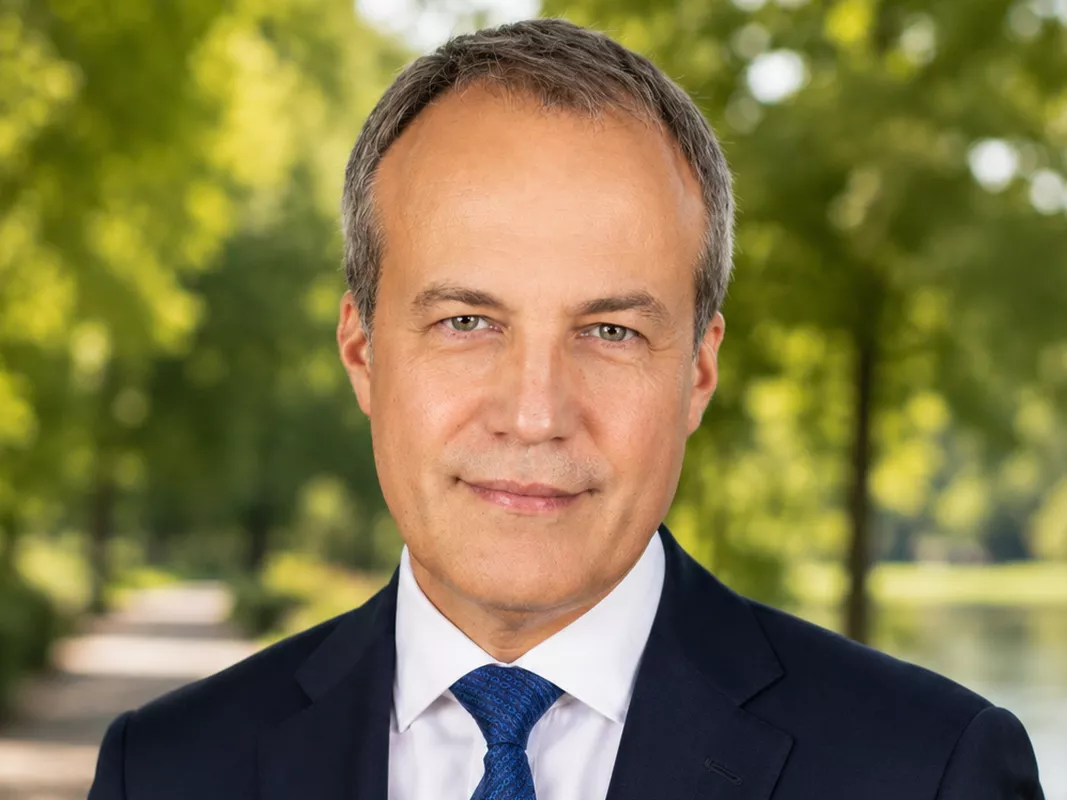
A quarter of a century later, that historic moment has brought key figures back to the Principality. From 1st to 3rd May, former PC-7 TEAM commander Lieutenant Colonel Rudolf Wattinger, former team leader Peter Merz—who later served as Commander of the Swiss Air Force and is now CEO of Skyguide—and former PR officer Philippe Hertig, now Senior Partner at Egon Zehnder, reunited in Monaco alongside their spouses.

They were welcomed once again by the Club Suisse de Monaco, which organised the commemorative visit. The gathering served not only to celebrate a defining moment in Swiss aviation history, but also to highlight the enduring ties between Switzerland and Monaco.

From left to right: Captain Philippe Hertig, Club President Arik Roschke, Lieutenant Colonel Rudolf Wattinger and Captain Peter Merz

Marked by shared memories, friendship and pride, the reunion underlined how a single aerial performance 25 years ago continues to resonate today—still remembered as a highlight of Monaco’s Grand Prix legacy. 

Monaco Life is produced by real multi-media journalists writing original content. See more in our free newsletter, follow our Podcasts on Spotify, and check us out on Threads,  Facebook,  Instagram,  LinkedIn and Tik Tok

All photos courtesy of Club Suisse de Monaco

The EU-Mercosur trade deal takes effect — here is what it means for Europe

A trading zone of 700 million people came into force on Friday 1st May as one of the world’s largest trade agreements began its provisional application.

The EU-Mercosur deal — 25 years in the making — links the European Union with the four founding Mercosur nations of Argentina, Brazil, Paraguay and Uruguay. Negotiations began in 2000 and ran through multiple phases before a political agreement was reached on 6th December 2024, with EU member states formally endorsing it on 9th January 2026.

By 2040, the European Commission projects it will deliver more than €77.6 billion in increased EU GDP, boost annual EU exports by up to €50 billion — a rise of 39% — and support up to 600,000 jobs across Europe.

What changes for businesses

The most immediate practical effect for European businesses is the reduction of tariffs on industrial goods. Duties on cars, which currently run as high as 35% in Mercosur countries, will come down significantly, as will those on machinery, currently between 14% and 20%, and pharmaceuticals, currently up to 14%. The Commission estimates EU firms will save more than €4 billion per year as a result.

European companies will also gain the right to bid on Mercosur government procurement contracts for the first time. Brazil’s federal procurement market alone exceeds €8 billion per year.

The agreement also secures more reliable access to critical raw materials. The EU currently imports 82% of its niobium — used in superconducting magnets for MRI scanners and cancer treatment — from Mercosur countries. Formalising that supply relationship is considered strategically important given the EU’s broader green and digital transition ambitions.

What it means for food and farming

For EU agricultural producers, the deal reduces tariffs on key exports into Mercosur markets, with wine and spirits facing duties of up to 35% in those countries, chocolate 20% and olive oil 10%. EU agricultural exports are projected to increase by almost 50% overall, with dairy exports expected to rise by more than 100% by 2040 and beverages by 54%.

The agreement also protects European geographical indications — products such as Champagne, Parmigiano Reggiano or Prosciutto di Parma — from imitation in South American markets, ending what Brussels describes as unfair competition.

The more contentious question has been the direction of agricultural trade flowing the other way. Beef and poultry imports from Mercosur into the EU are capped at 1.5% and 1.3% respectively of total EU annual production. Rice, honey and ethanol carry additional protections. A €6.3 billion safety net has been established to protect EU farmers in the event of market disturbances, and the European Commission has committed to monitoring agricultural markets closely as the agreement beds in, with safeguard provisions that can be triggered if sensitive sectors come under pressure.

Standards and sustainability

The EU has been explicit that the deal does not lower European food safety or environmental standards. Only imports that meet EU food safety rules will be permitted, border inspections are being reinforced, and audits in exporting countries will increase over the next two years. Meat produced using substances banned in the EU — including certain hormones and antibiotics — remains prohibited.

Beyond trade, the agreement includes binding commitments to implement the Paris Climate Agreement, preserve biodiversity and tackle deforestation in Mercosur countries, strengthen workers’ rights and enforce intellectual property protections. Whether those commitments prove enforceable in practice has been a central concern of critics, particularly given deforestation pressures in Brazil.

The Commission will continue working towards the agreement’s full ratification in line with EU treaty requirements, with provisional application covering the trade elements while the broader partnership agreement works through national parliaments.

Stay updated with Monaco Life: sign up for our free newsletter, catch our podcast on Spotify, and follow us across Facebook,  InstagramLinkedIn, and Tik Tok.

Image has been created by Monaco Life using AI

Monaco’s EuroLeague journey ends after loss to Olympiacos

It was another tough night for the Roca Team on Tuesday 5th May as they fell to Olympiacos in a 105-82 loss at home, marking an end to their EuroLeague season. In this do-or-die matchup, Monaco had to show up ready to perform – but without Daniel Theis and Alpha Diallo available due to injury, the fatigued team was reduced to a roster of only eight players.

Monaco started the game strong with a 7-0 run before Olympiacos could finally respond with a three-point shot, foreshadowing the night ahead. The team showed up with high intensity and aggressive defense. Despite struggling a bit beyond the arc, it appeared that Monaco had rediscovered their shot and was finding more success than in their first two matchups.

AS Monaco players prepare for tip-off before their home playoff battle against Olympiacos. Photo Credit: Kayla Sauceda / Monaco Life

The energy in the arena was powerful, as many Olympiacos fans traveled to support their side and made themselves heard. But Monaco’s fans responded with equal enthusiasm, lighting up the atmosphere from the moment the team stepped onto the court.

With just over two minutes remaining in the first quarter, fatigue appeared to be catching up to the Roca Team as energy began to fade and mistakes were being made, allowing Olympiacos to take their first lead of the game and pull away.

The second quarter further emphasised these struggles, as Monaco’s efforts made little ground against an Olympiacos team that played at a pace far quicker than Monaco could keep up with. Although the Roca Team found their momentum again briefly, this short-lived effort ended with a turnover and points for Olympiacos, allowing the Greek side to enter halftime with a 61-40 lead.

The second half of the game only continued to reinforce the damage done by Olympiacos. Not only was the team’s energy fading, but it was felt across the arena as cheers softened and hope began to disappear. A strong start to the final quarter reignited a brief moment of hope as Monaco reduced the deficit to just 12 points. However, Monaco was unable to sustain this momentum. With just over five minutes remaining in the game, Matthew Strazel suffered an injury, reducing their already small roster even further.

Although Monaco’s EuroLeague season has now come to an end, the Roca Team still has national competition ahead and another championship to fight for. After overcoming injuries, roster limitations, and a demanding playoff run, reaching this level of competition was still an achievement for the club.

Stay updated with Monaco Life: sign up for our free newsletter, catch our podcast on Spotify, and follow us across Facebook,  InstagramLinkedIn, and Tik Tok.

Featured Photo credit: Stéphane Danna / Monaco Info

Star Wars is coming to the Grimaldi Forum — with a live orchestra

A galaxy far, far away is coming to Monaco. On Saturday 17th April 2027, the Grimaldi Forum’s Salle des Princes will screen Star Wars: A New Hope with John Williams’ legendary score performed live by the Sinfonia Pop Orchestra, under the musical direction of Jordan Gudefin.

The concert forms part of a touring celebration of the film’s 50th anniversary. An orchestra of nearly 100 musicians will perform in precise synchronisation with the film as it plays on screen — from the opening fanfare to the medal ceremony finale — placing the audience inside the music in a way no recorded soundtrack can replicate.

A score that changed cinema

Williams’ music for the original Star Wars, released in 1977, won the Academy Award for Best Original Score and remains among the most recognised pieces of film music ever written. Heard live, across a full symphonic ensemble, it transforms what is already one of cinema’s most beloved films into something else entirely.

The screening runs for two and a half hours including an interval, with the film presented in its original version with French subtitles.

Practical information

Tickets and accessibility enquiries for those with reduced mobility can be directed to the Grimaldi Forum on +377 99 99 30 00.


What is hantavirus — and why is the MV Hondius outbreak raising alarm?

A cruise ship diverted to Cape Verde, three deaths, and patients being airlifted to the Netherlands — the outbreak aboard the MV Hondius has put hantavirus in international headlines. But what exactly is it, and how concerned should the public be?

Hantavirus is a group of viruses found in rodents — mice and rats being the most common carriers — and transmitted to humans primarily through the inhalation of microscopic particles from dried droppings, urine or saliva. The risk rises significantly when those materials are disturbed and become airborne, such as during cleaning, construction work or contact with infested spaces. Direct contact with infected animals can also transmit the virus, though this is less common.

Crucially, human-to-human transmission is very rare and, where it has occurred, has required prolonged and very close contact. This is why the World Health Organisation has assessed the overall public health risk from the Hondius outbreak as low for the general population.

What it does to the body

Initial symptoms resemble a severe flu: fever, headache, muscle aches, dizziness, chills and gastrointestinal disorders. In serious cases, the virus progresses to hantavirus pulmonary syndrome — a rapid deterioration involving severe respiratory distress, pneumonia, acute respiratory distress syndrome and potentially fatal shock. This progression can occur quickly, which is what makes the disease particularly dangerous once it takes hold.

The incubation period typically runs between two and four weeks after exposure, though it can range from one week to eight weeks — a window that makes tracing the source of an outbreak genuinely difficult.

No specific treatment

There is no approved antiviral treatment for hantavirus. Clinical care focuses on managing symptoms and supporting respiratory function, often in intensive care settings. Different variants of the virus exist, with the American strain — responsible for outbreaks in North and South America — considered the most severe. The MV Hondius departed from Argentina, which has raised questions about where and how passengers may have been exposed during the voyage.

The Hondius outbreak

As of 6th May, the WHO had confirmed eight cases among passengers, including three deaths and one critically ill patient. The first symptoms appeared between 6th and 28th April, with some patients deteriorating rapidly. Three patients, including the ship’s doctor, have been evacuated by medical aircraft to the Netherlands. The remaining asymptomatic passengers are expected to disembark in Tenerife, where they will undergo health screening under a protocol developed jointly by the WHO and the European Centre for Disease Prevention and Control, before being repatriated to their home countries.

Separately, the WHO is tracing more than 80 passengers from a flight to Johannesburg that carried a Dutch woman who subsequently died from hantavirus after being evacuated from the island of St Helena — a reminder that the incubation period means cases can surface weeks after initial exposure.

Stay updated with Monaco Life: sign up for our free newsletter, catch our podcast on Spotify, and follow us across Facebook,  InstagramLinkedIn, and Tik Tok.

AI generated image

From a former president’s home, Monaco signs on to America’s biggest birthday

In a Washington residence that once belonged to a US president, Monaco quietly made history last month. On 28 April, the Principality signed a formal partnership with America250 — the bipartisan congressional commission overseeing the United States’ 250th independence anniversary celebrations — becoming one of a select group of international partners contributing to what will be one of the most significant commemorations in American history.

The signing took place at the Monaco Embassy, a building with its own slice of American heritage: the Ambassador’s residence was once the home of President Warren G. Harding. It was an apt setting for an agreement rooted in the idea that the relationship between Monaco and the United States runs deeper than diplomacy.

A room full of transatlantic heavyweights

The evening, organised by Ambassador Maguy Maccario Doyle alongside America250 President Rosie Rios, drew a guest list that reflected the breadth of Monaco’s American connections. Charles Rivkin — President and CEO of the Motion Picture Association and a former US Ambassador to France and Monaco — was present, alongside René Augustine, Vice President of Public Policy at Paramount, and Bill Nelson, the former NASA Administrator, US Senator and astronaut who will visit Monaco in the coming days to speak with students about space exploration.

Also in the room were J.B. Kelly, President of the Prince Albert II of Monaco Foundation–USA, and Ginna Levine of the Princess Grace Foundation–USA — a reminder that Monaco’s ties to America are bound up as much in culture and personality as in formal relations.

Grace Kelly, Hitchcock and Hollywood

The cultural dimension of the partnership will be celebrated with a private screening of To Catch a Thief — Alfred Hitchcock’s 1955 thriller filmed on the French Riviera, which starred Grace Kelly in what would be one of her final Hollywood roles before she became Princess of Monaco. Organised by the Motion Picture Association, the screening serves as both a tribute to Grace Kelly and a reflection on the extraordinary thread that runs between a small Mediterranean principality and the world’s most powerful film industry.

Ambassador Maccario Doyle said the partnership “reflects not only a shared history, but also a shared will to build the future together.” Rosie Rios emphasised the importance of international voices in America’s anniversary — and Monaco, it seems, has plenty to say.

Stay updated with Monaco Life: sign up for our free newsletter, catch our podcast on Spotify, and follow us across Facebook,  InstagramLinkedIn, and Tik Tok.


Photos source: Monaco Government Communications Department