Monaco’s new Princess Grace Hospital building to be handed over on 1st July

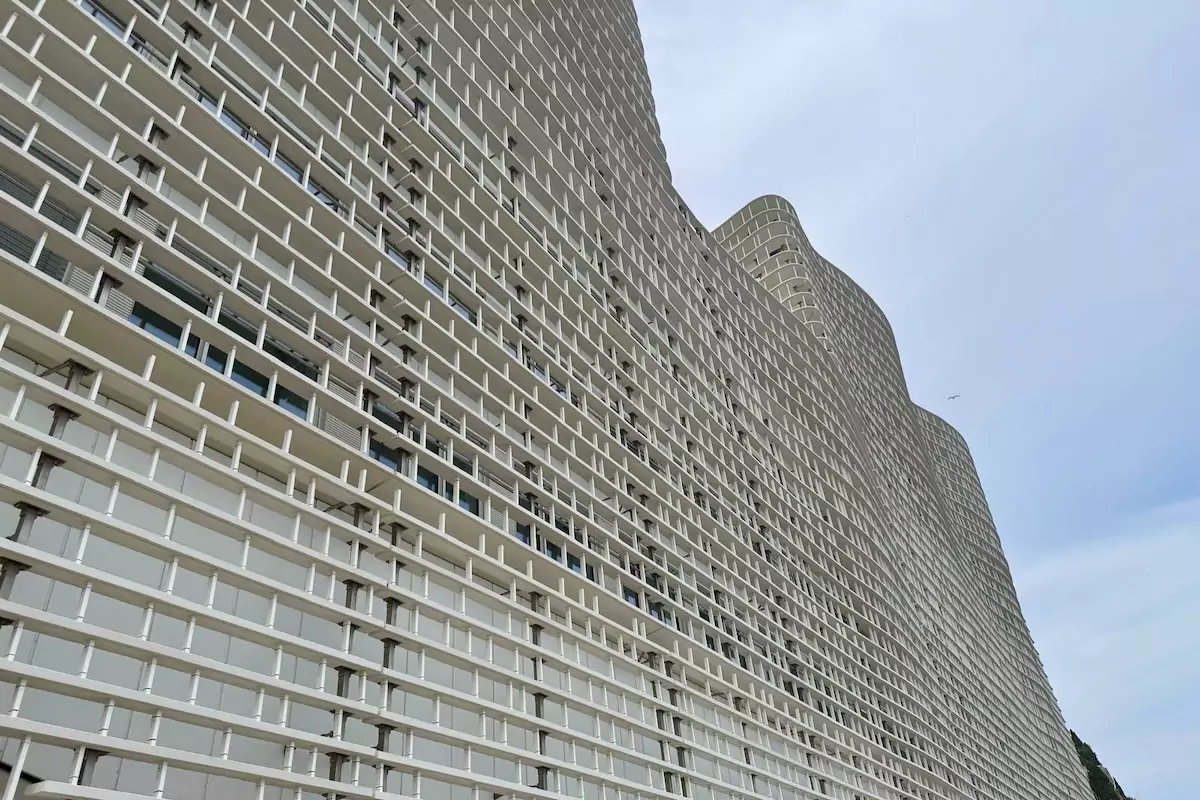
The new building of the Centre Hospitalier Princesse Grace (CHPG) will be formally handed over to hospital management teams on 1st July 2026, marking the close of a construction chapter that began a decade ago and paving the way for a phased migration of services before the first patients are received.

The handover represents a transition rather than an immediate opening. Hospital and government teams have been working together for several months on a preparatory period that will run through to the end of 2026 — a marche à blanc, or dry-run phase, designed to verify, test and certify the safety of every system before clinical activity begins in the new facility.

A decade in the making

The project spans 10 years of construction, from the first groundbreaking in 2016 through to the completion of the structural works in September 2024 and the current final phase of fit-out and equipment. At the height of activity, up to 700 workers were on site simultaneously.

“On 1st July, we will hand over the keys to the 40,000 square metres that the hospital teams will progressively occupy and make their own. But we will remain by their side, because delivering a hospital is far more than handing over a building: it means verifying, testing and securing every step before receiving patients,” said Céline Caron-Dagioni, Conseiller de Gouvernement-Ministre de l’Equipement, de l’Environnement et de l’Urbanisme.

“The cornerstone of Monaco’s healthcare system”

Health Minister Christophe Robino described the project’s significance in broader terms, noting its ambitions for patient access, quality of care and safety, as well as the cross-departmental collaboration it has required. “The NCHPG project is the cornerstone of Monaco’s healthcare system. It is a highly ambitious project designed to meet the population’s expectations in terms of access to care and quality of treatment, while ensuring the safety of all. It is also a project co-constructed between the teams of the Department of Equipment and those of the Department of Social Affairs and Health, and of course the CHPG’s own management,” he said.

The new building is the first phase of a wider modernisation of the CHPG — Monaco’s only public hospital — with the full project scheduled for completion by 2032.

Stay updated with Monaco Life: sign up for our free newsletter, listen to our podcasts on Spotify, and follow us across Facebook,  InstagramLinkedIn, and Tik Tok.

Photo by Monaco Life
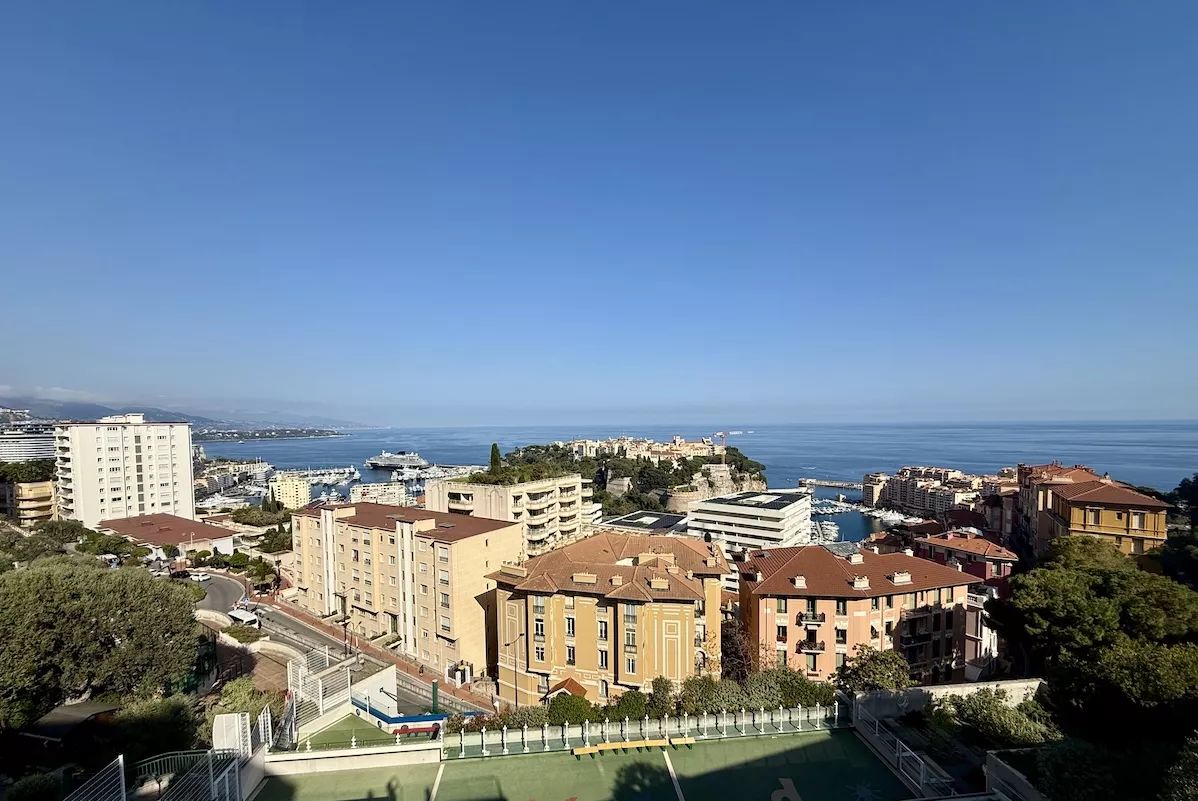
Why do almost half of Monaco’s residents live in just two districts?

More than four in ten of Monaco’s residents live in just two districts, according to the latest population census figures published by IMSEE, Monaco’s statistics institute, with the Principality recording an average population density of 18,681 inhabitants per square kilometre.

Monte-Carlo is the most populated district with just over 8,300 residents, followed closely by La Rousse with nearly 8,000. Together the two districts account for 43% of the Principality’s total resident population.

A tale of contrasts

At the other end of the scale, Monaco-Ville — the historic rock that forms the oldest part of the Principality — is the least populated district with just over 1,000 inhabitants, representing 2.6% of the total population. Larvotto follows with 2,287 residents, or 5.9%.

La Condamine and Jardin Exotique sit in the middle of the range, with 5,446 and 4,997 residents respectively — 14% and 12.9% of the population. Les Moneghetti and Fontvieille have relatively similar populations, with 4,498 and 4,297 residents, each accounting for just over 11%.

Monaco’s districts

The figures are based on the district boundaries defined by Sovereign Order No. 4,481 of 13 September 2013, under which Ravin Sainte-Dévote has been incorporated into Les Moneghetti.

The data underlines the concentration of Monaco’s population in its northern and central districts, with the traditional residential and commercial heart of Monte-Carlo continuing to account for the largest share of the Principality’s 38,000-strong resident population.

Stay updated with Monaco Life: sign up for our free newsletter, listen to our podcasts on Spotify, and follow us across Facebook,  InstagramLinkedIn, and Tik Tok.

Photo credit: Benjamin Vergely, Monaco Department of Tourism


Basketball: Monaco advance to Betclic Elite semi-finals after improved Game 2 performance

AS Monaco Basket secured its place in the next stage of the Betclic Elite playoffs on Wednesday 27th May, defeating JL Bourg-en-Bresse 114-103 in a noticeably more composed showing than Game 1. The Roca Team showed clear improvements in rebounding and shooting efficiency, allowing Monaco to remain in control for much of the night.

Game 2 saw a sharper Roca Team from the opening minutes. Monaco opened the scoring for the night and quickly began building their lead. Although Bourg remained within reach and momentum threatened to shift at times, Monaco’s improvements came into play early. By the end of the first quarter, Monaco had shot perfectly beyond the arc and already built a 10-point lead.

The second quarter followed a similar pattern as Monaco maintained control and continued building on their lead. One major improvement visible in this match was Monaco limiting Bourg’s second-chance opportunities. By halftime, the Roca Team found themselves comfortably leading Bourg 65-49.

However, the third quarter brought back familiar concerns for Monaco. With over 6 minutes remaining, Bourg had applied enough pressure to reduce the lead back to single digits. Tension was noticeably building across the court as Bourg capitalized on Monaco’s mistakes, but the Roca Team ultimately managed to pull through the difficult stretch and regain control.

As the game neared its end, Monaco rediscovered its rhythm and extended its lead once again. A stop-start final stretch filled with fouls slowed the pace, but Monaco ultimately remained in control to secure the victory.

Several Monaco players showed up in playoff performance form for Game 2. Jaron Blossomgame and Matthew Strazel each finished with 22 points, while Elie Okobo recorded a double-double with 21 points and 11 assists. Yoan Makoundou added 19 points, and Terry Tarpey contributed a double-double of his own with 11 points and 13 rebounds. This limited roster showed up for one another when it mattered most.

With this victory, Monaco officially moves on to the Betclic Elite semi-finals, where they will face Nanterre as the team continues its pursuit of another title.

Stay updated with Monaco Life: sign up for our free newsletter, catch our podcasts on Spotify, and follow us across Facebook,  InstagramLinkedIn, and Tik Tok.

Photo credit: AS Monaco Basket

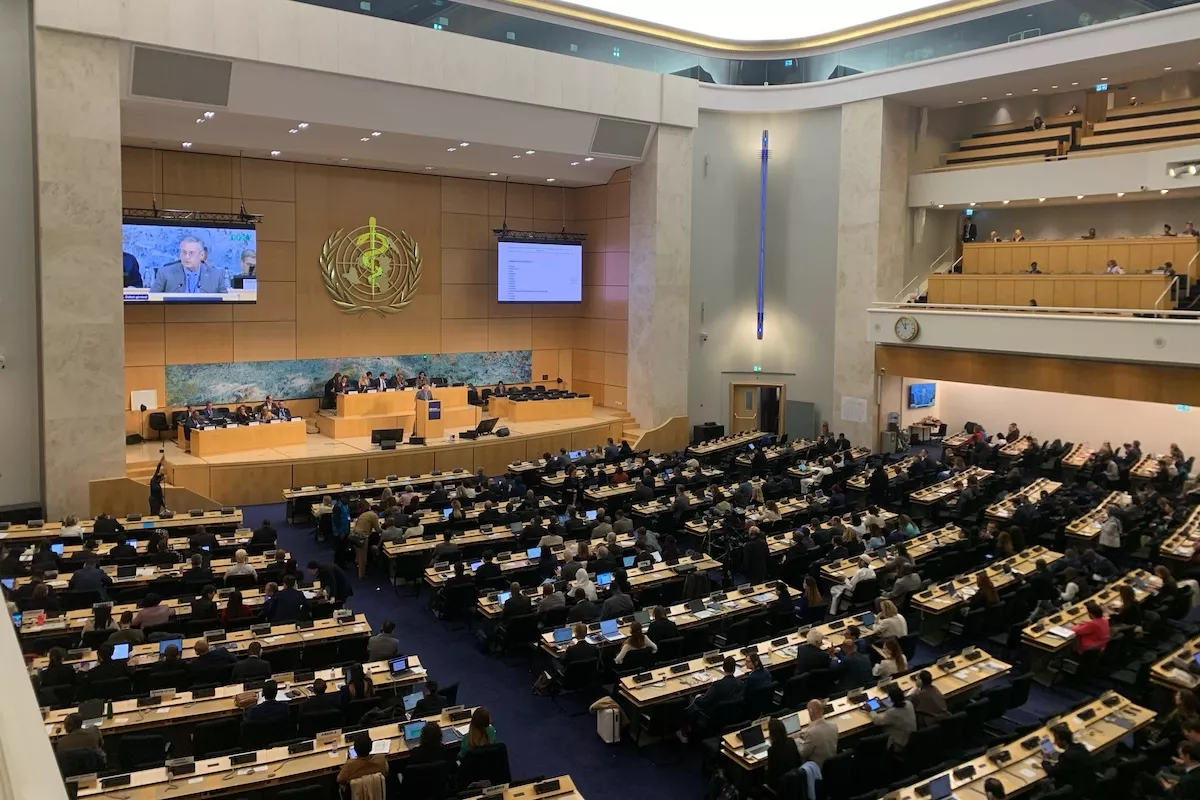
Monaco calls for WHO reform at World Health Assembly in Geneva

Monaco’s Minister of Social Affairs and Health, Christophe Robino, led the Principality’s delegation to the 79th World Health Assembly in Geneva from 18th to 23rd May, using the forum to call for ambitious reform of the World Health Organisation.

Robino was accompanied by Ambassador Carole Lanteri, Monaco’s Permanent Representative to the United Nations Office in Geneva. This year’s general debate was held under the theme ‘Redefining Global Health: A Shared Responsibility’.

Call for a stronger WHO

Speaking during the general debate, Robino stressed the need for the WHO to operate with greater clarity, agility, and impact in an international environment strained by an unprecedented number of conflicts. He reaffirmed Monaco’s longstanding commitment to the Organisation and to multilateralism more broadly, according to a government statement.

Monaco’s intervention on health priorities

Monaco took the floor on several priority issues on the Assembly’s agenda, including health emergencies, the place of health within the 2030 Sustainable Development Goals, and mental health.

On the sidelines of the Assembly, the delegation participated in a number of parallel events, including a session on the mental health of young people in the age of social media — a subject the Princely Government is currently examining as part of its own ongoing work on the issue.

Stay updated with Monaco Life: sign up for our free newsletter, listen to our podcasts on Spotify, and follow us across Facebook,  InstagramLinkedIn, and Tik Tok.

Photo source: Government Communications Department 

Monaco presents Indian Ocean mission report at Blue Initiative with 25 recommendations for marine governance

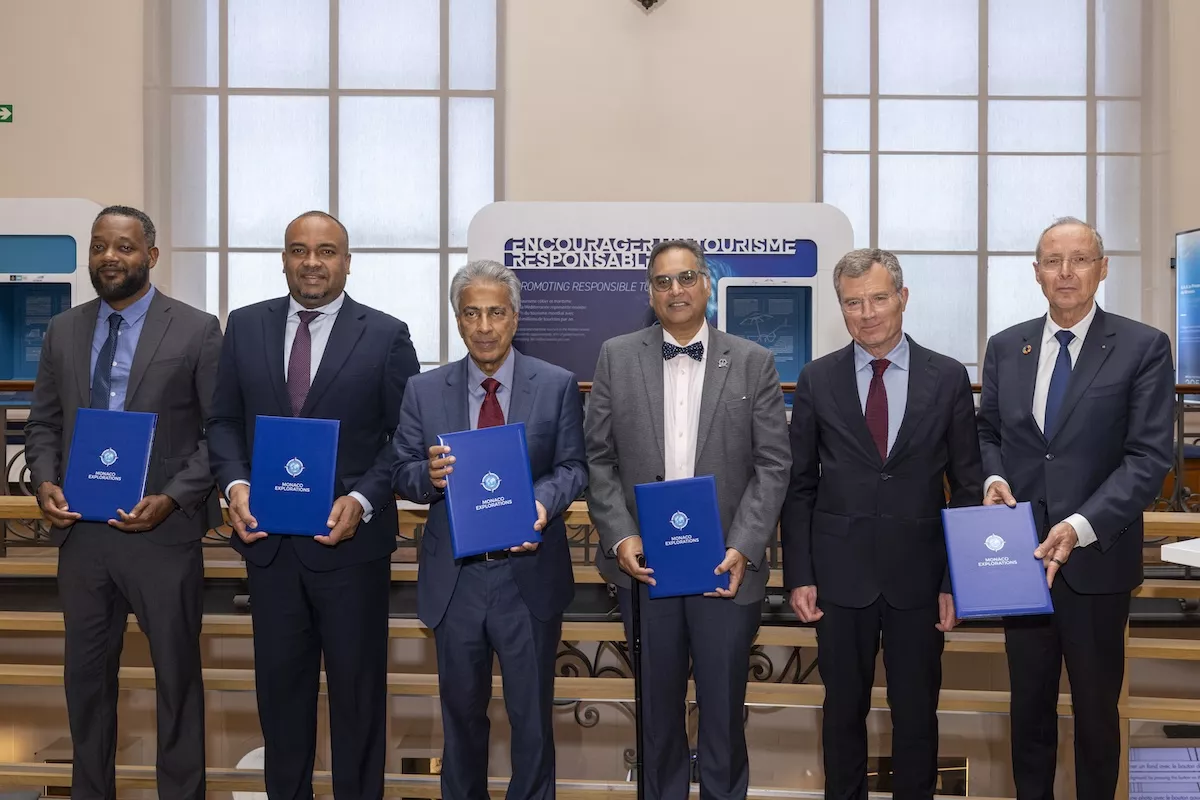
The Explorations de Monaco presented the final report of their 2022 Indian Ocean mission at the Oceanographic Museum on Wednesday, as part of the Monaco Blue Initiative, four years after the expedition was conducted across waters shared by Mauritius, the Seychelles, and the Saya de Malha Bank — one of the world’s largest submerged landmasses.

The presentation brought together Monaco’s Minister of State Christophe Mirmand, Foreign Affairs Minister Isabelle Berro-Amadeï, Mauritius Agriculture and Blue Economy Minister Dr Arvin Boolell, and Seychelles Principal Minister and Fisheries Minister Wallace Cosgrow, alongside scientific and institutional stakeholders from across the region.

Twenty-five recommendations

The report’s conclusions centre on four priority areas: the preservation of marine ecosystems, the sustainable management of fisheries resources, the fight against human-driven pressures on the ocean, and the strengthening of regional cooperation.

Twenty-five recommendations were formally presented, developed through a collaborative Science to Policy Workshop held in Port Louis, Mauritius, in November 2025. They focus on improving scientific monitoring, consolidating the link between research and policy decision-making, and supporting concrete action for the long-term sustainability of Indian Ocean marine spaces.

Photo credit: Philippe Fitte

BBNJ as a framework for progress

Discussions highlighted the potential of the BBNJ Agreement — the UN High Seas Treaty that entered into force in 2024 — to address the growing environmental challenges facing the south-western Indian Ocean, particularly in relation to the governance of areas beyond national jurisdiction. The Joint Management Area shared between Mauritius and the Seychelles was a focal point of the mission and its recommendations.

Participants underlined the need for integrated, science-based governance built on data sharing and cooperation between regional and international institutions — precisely the kind of multilateral framework that the Monaco Blue Initiative was convened to advance.

Monaco’s ocean commitment

The Explorations de Monaco was established at the initiative of the Monegasque Government and brings together the Prince Albert II of Monaco Foundation, the Oceanographic Institute, the Scientific Centre of Monaco, and the Yacht Club de Monaco. It coordinates international collaborative missions linking Monegasque institutions with partners around the world.

The Indian Ocean report presentation came on the same day as the Blue Initiative’s panel discussions on BBNJ implementation and high seas marine protected areas, reinforcing Monaco’s position as a key convener of international ocean governance during its presidency of the Council of Europe’s Committee of Ministers.

Stay updated with Monaco Life: sign up for our free newsletter, listen to our podcasts on Spotify, and follow us across Facebook,  InstagramLinkedIn, and Tik Tok.

Photo credit: Philippe Fitte

Monaco has more centenarians per capita than anywhere in the world — and women are closing the gap with men

Monaco’s 2025 census has confirmed the Principality’s status as the world’s oldest country by population, with 60 residents aged 100 or over among fewer than 39,000 inhabitants — the highest number of centenarians per capita of any nation.

The latest figures from IMSEE reinforce Monaco’s unique demographic profile. The Principality not only leads the world in centenarians per capita, ahead of Hong Kong, Japan and Uruguay, but also records the planet’s highest proportion of residents aged 65 and over, at around 37%, alongside a life expectancy of 87 years. The new census data offers further insight into how Monaco’s population is continuing to age, while also revealing subtle shifts in the gender balance across different age groups.

Women are catching up

For most of Monaco’s modern history, women have lived significantly longer than men. That gap is narrowing. The average age of residents in 2025 stands at 47.2 years — 47.7 for women, 46.5 for men — and the gender difference has fallen from 3.3 years in 2000 to just 1.2 years today. It is the first time since the turn of the century that the mean age has actually dipped, albeit fractionally.

Before the age of 30, the population is almost perfectly balanced between men and women. In the 55 to 64 bracket — the largest single cohort in the Principality, accounting for 16.2% of all residents — men hold a slight numerical advantage, peaking at 383 men at age 62 compared with 324 women at age 59.

From 70 onwards, the balance tips. Women account for 54.1% of residents aged 70 and over, and by 75 the divergence widens further: women make up 16.3% of the total female population in that age group, against 13.5% of men.

Of Monaco’s 60 centenarians in 2025, the majority were women — consistent with global patterns of female longevity, even as the gap between the sexes continues to close.

A population unlike any other

The shape of Monaco’s age pyramid is striking. Nearly 5,800 residents — 14.9% of the population — are aged 75 or over, a proportion almost identical to that of residents under 16, who account for 15.1%. In most countries, the young significantly outnumber the very old. In Monaco, they are in almost perfect equilibrium.

The total resident population stands at 38,857, split between 19,127 men and 19,730 women. Among the 32,629 adults, more than half are married and nearly a third are single. Men are proportionally more likely to be married than women — 52.7% against 48.5% — while women are more likely to be widowed, a reflection of their longer survival.

Monaco’s longevity is attributed to a combination of factors: advanced medical infrastructure, Mediterranean diet, mild climate, and a resident population with the means to access the best available healthcare. The census suggests those advantages are increasingly shared between the sexes.

See also:

How Monaco’s population has changed over a decade — and who is moving in now

Stay updated with Monaco Life: sign up for our free newsletter, listen to our podcasts on Spotify, and follow us across Facebook,  InstagramLinkedIn, and Tik Tok.

Photo credit: Cassandra Tanti