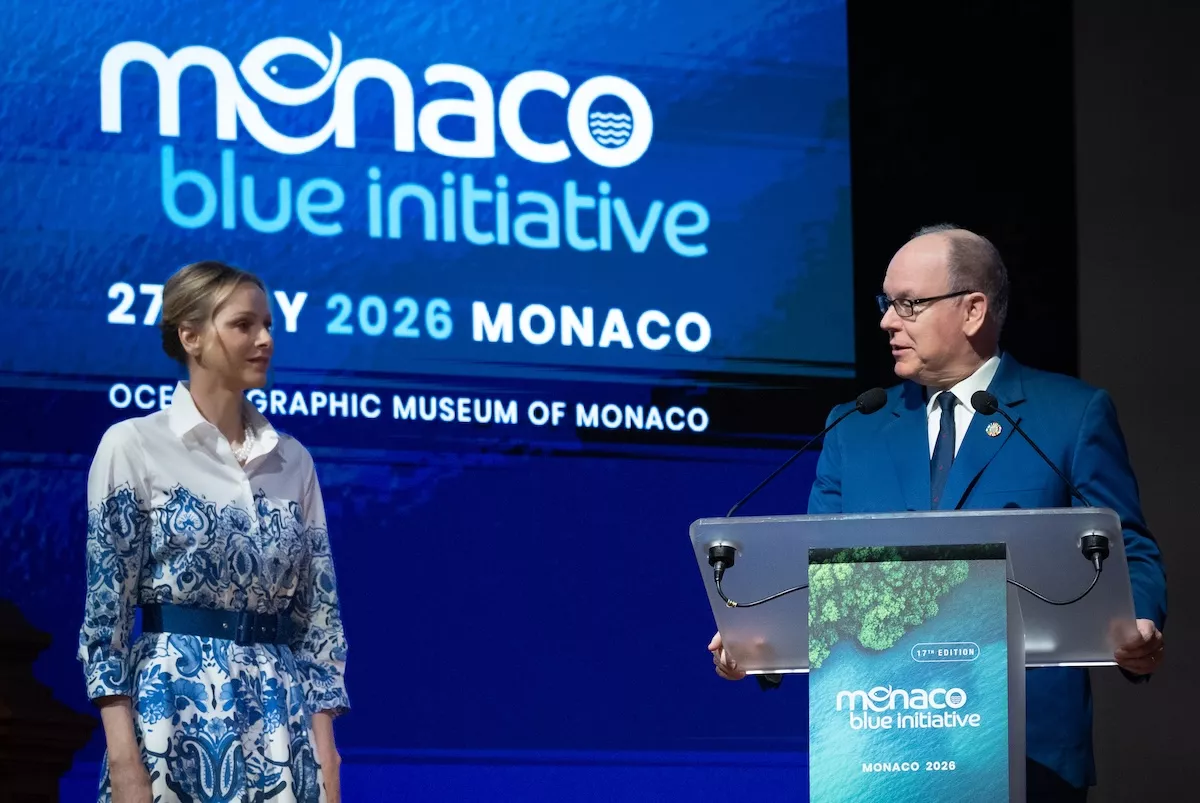
The Princess Charlene of Monaco Foundation and the Prince Albert II of Monaco Foundation have formally signed a partnership agreement placing sport at the service of ocean awareness, with the couple present for the signing at the 17th edition of the Monaco Blue Initiative on Wednesday 27th May.
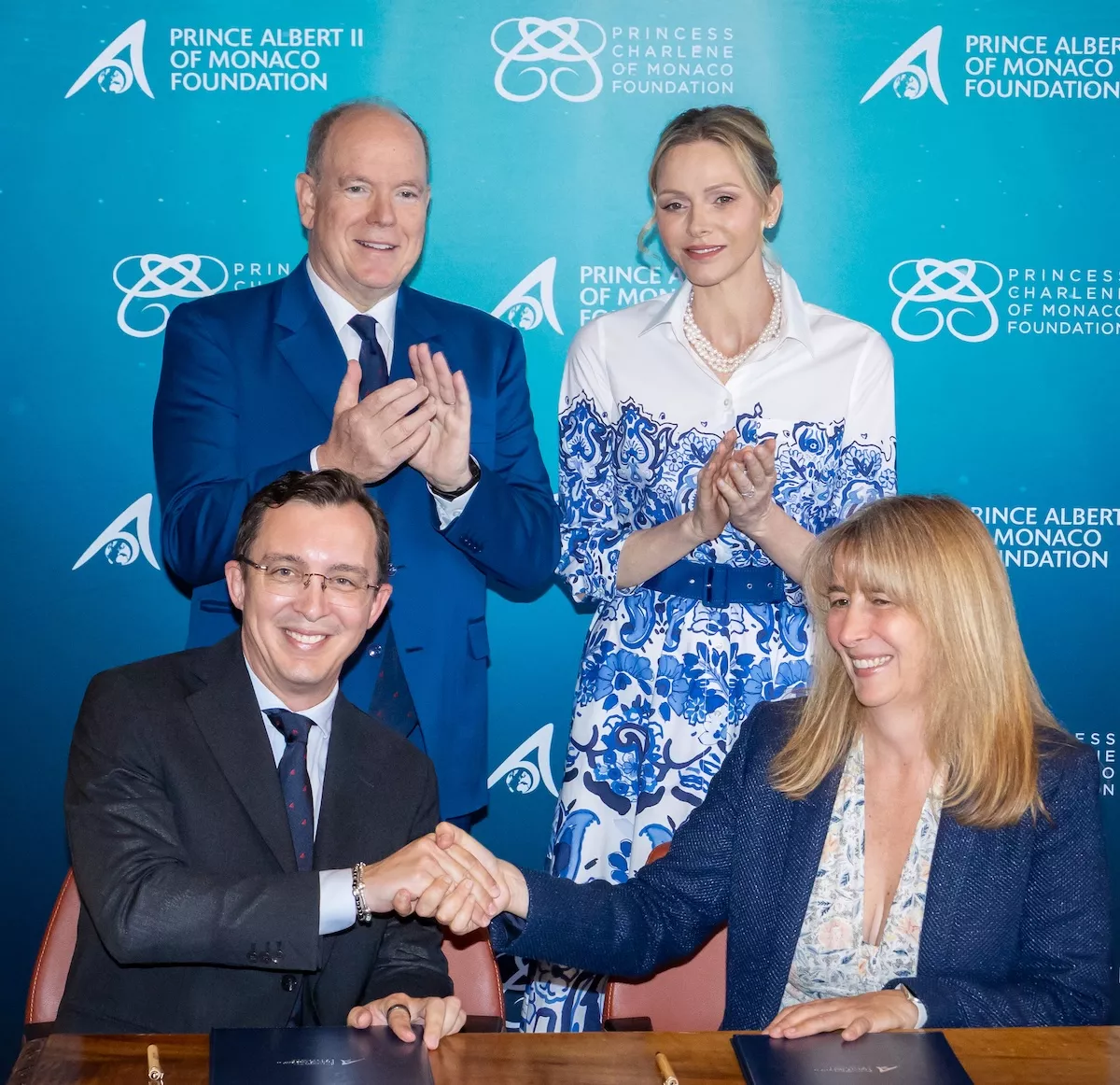
The agreement was signed by Anne Boggio, CEO of the Princess Charlene of Monaco Foundation, and Romain Ciarlet, Vice-Chairman and CEO of the Prince Albert II of Monaco Foundation. It marks the first formal collaboration between two institutions whose missions have long run in parallel — one focused on ocean knowledge and governance, the other on sport, education, and drowning prevention.
A crossing for the Pelagos Sanctuary
The partnership’s first public expression will be a water bike crossing from Viareggio, Italy, to Monaco on 19th and 20th June, under the name ‘Together Crossing for the Pelago’. The event will traverse the Pelagos Sanctuary, the first transboundary marine protected area in the Mediterranean, extending over 87,500 km² between France, Monaco, and Italy and dedicated to the protection of marine mammals including several species of whales and dolphins.
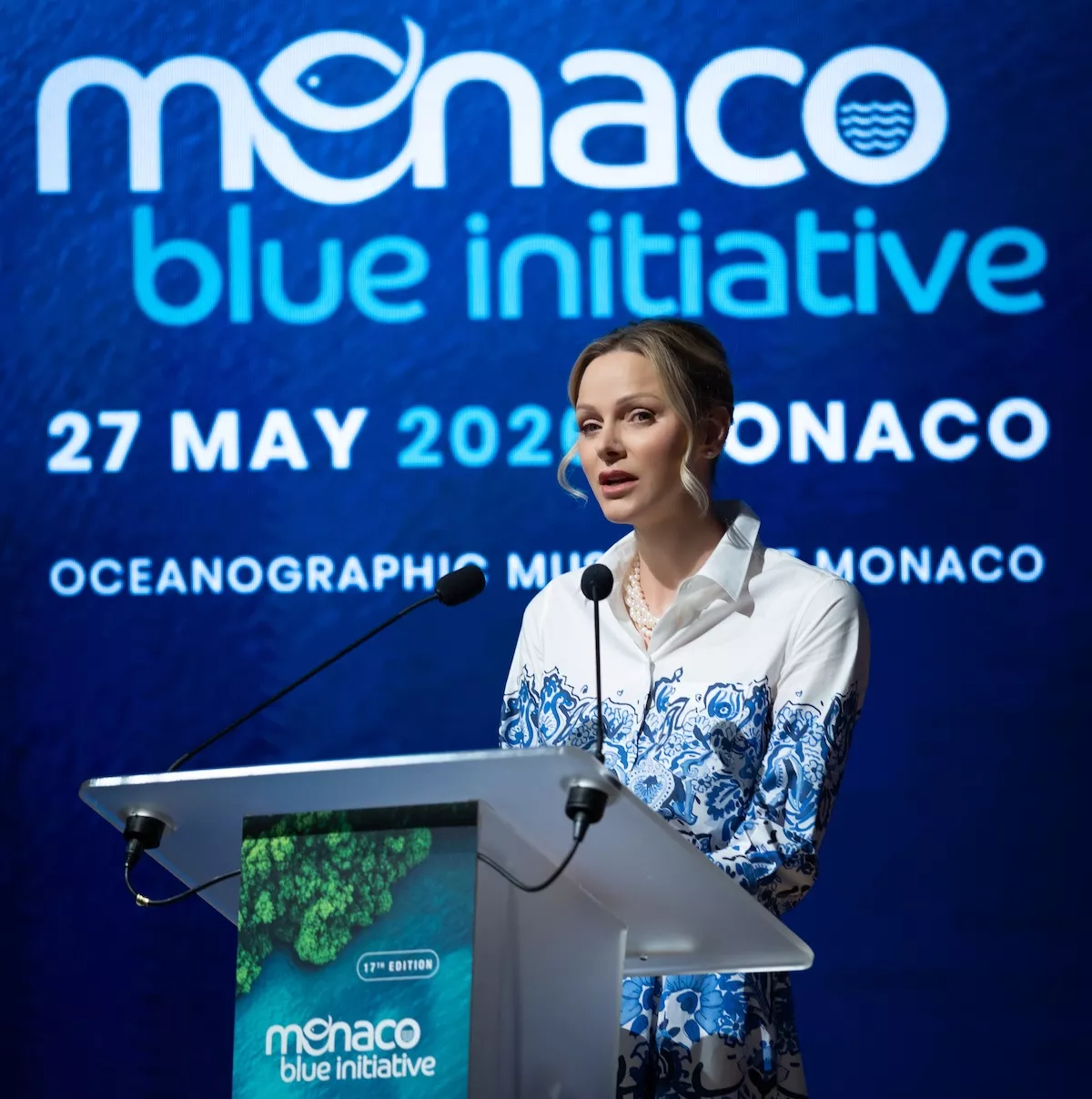
Princess Charlene addressed the Monaco Blue Initiative crowd directly during the partnership announcement. Photo credit: Frédéric Nebinger, Manuel Vitali, Prince’s Palace
Speaking at the signing, Princess Charlene said: “By connecting sport with ocean conservation, my Foundation aims, through The Crossing taking place in June, to inspire engagement, promote the protection of the Mediterranean, and demonstrate that human achievement and environmental responsibility can move forward together.”
Prince Albert II welcomed the partnership as part of a broader philanthropic responsibility, saying: “This year, our two Foundations have formed a partnership on sport and the environment. Within it, the Princess Charlene of Monaco Foundation will hold in the coming weeks an event to raise public awareness. It builds on the work we have shaped around the Pelagos Sanctuary, which protects marine mammals in the Mediterranean.”
Prince Albert II and Princess Charlene witnessed the signing of the agreement between Romain Ciarlet, Vice-Chairman and CEO of the Prince Albert II of Monaco Foundation, and Anne Boggio, CEO of the Princess Charlene of Monaco Foundation. Photo credit: Frédéric Nebinger, Manuel Vitali, Prince’s Palace
Three shared priorities
The two foundations have identified three areas of joint focus: drowning prevention, swimming education, and marine conservation in the Mediterranean. Further joint initiatives are expected to be announced in the coming months, combining field-based action, awareness-raising and sporting events.
The Yacht Club de Monaco (YCM) held its annual Fête de la Mer on Saturday 23rd May, dedicated to St Peter, the patron saint of fishermen. This year’s event featured a new two-day regatta, the Spring Cup, and was themed ‘Twenty Thousand Leagues Under the Sea.’
The event coincided with World Boating Day 2026, a global initiative organised by The Superyacht Life Foundation. This year’s global campaign included 143 events across 28 countries, designed to showcase the inner workings of the maritime industry.
“The Fête de la Mer retains its simple, intergenerational appeal that is behind its success,” said Bernard d’Alessandri, General Secretary and Director of the Yacht Club de Monaco. “It’s about families coming together, discovering new activities, interacting with associations and enjoying the sea another way. It’s a day that reflects Monaco’s strong attachment to the marine environment and maritime cultures.”
Traditional fleet blessing and debut regatta
The morning began with a boat parade at sea. Monseigneur Dominique-Marie David, Archbishop of Monaco, officiated a blessing in front of the Oceanographic Museum to honour sailors lost at sea. Following the ceremony, the participating vessels returned to Port Hercule.
The 2026 edition also hosted the first Spring Cup, a two-day regatta held in the bay of Monaco. Fifteen teams of YCM members competed against each other using identical Fusion II dinghies.
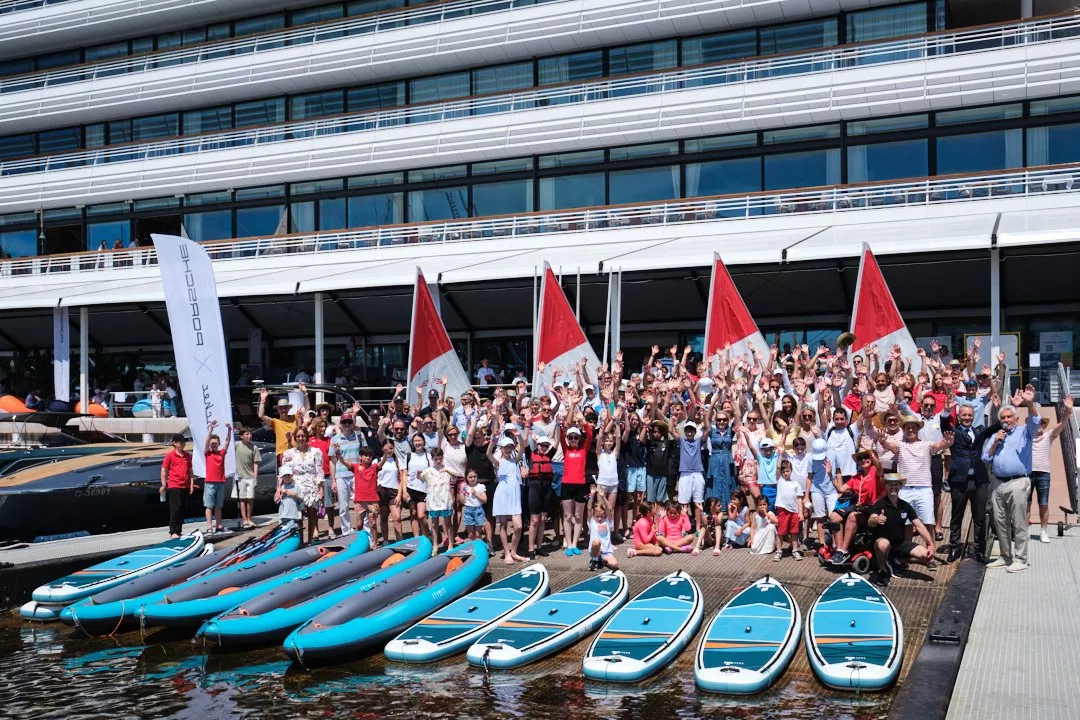
Photo credit: Meri, Superyachtlife
Port Hercule activities and local participation
Throughout the day, public activities took place along Quai Louis II and the YCM Marina. These included demonstrations of Sipaboards and electric paddleboards developed with BMW, sailing introductory sessions on Echo and Hansa 303 dinghies, scuba diving trials, kayaking, and E-Foiling. The maritime police also conducted jet-ski rescue demonstrations.
Local institutions set up informational stands to raise awareness about the marine environment. Participants included the Prince Albert II of Monaco Foundation, the Mairie de Monaco, the Oceanographic Institute, the Monaco Protection for Nature association, and the Rotary Club Monaco.
Maxime Nocher represented Team Monaco E1 with remote-controlled E1 race boats, and attendees used simulator games to preview the upcoming 13th Monaco Energy Boat Challenge.
World Boating Day and cluster initiatives
The Cluster Yachting Monaco organised parallel professional meetings and site visits in conjunction with World Boating Day. The International University of Monaco and YPY Monaco participated in these sessions to introduce students to yachting professions.
“World Boating Day is about opening up the world of boating to anyone with a connection to the water, whether through work, lifestyle or curiosity,” said Dilan Sarac, Executive Director of The Superyacht Life Foundation.
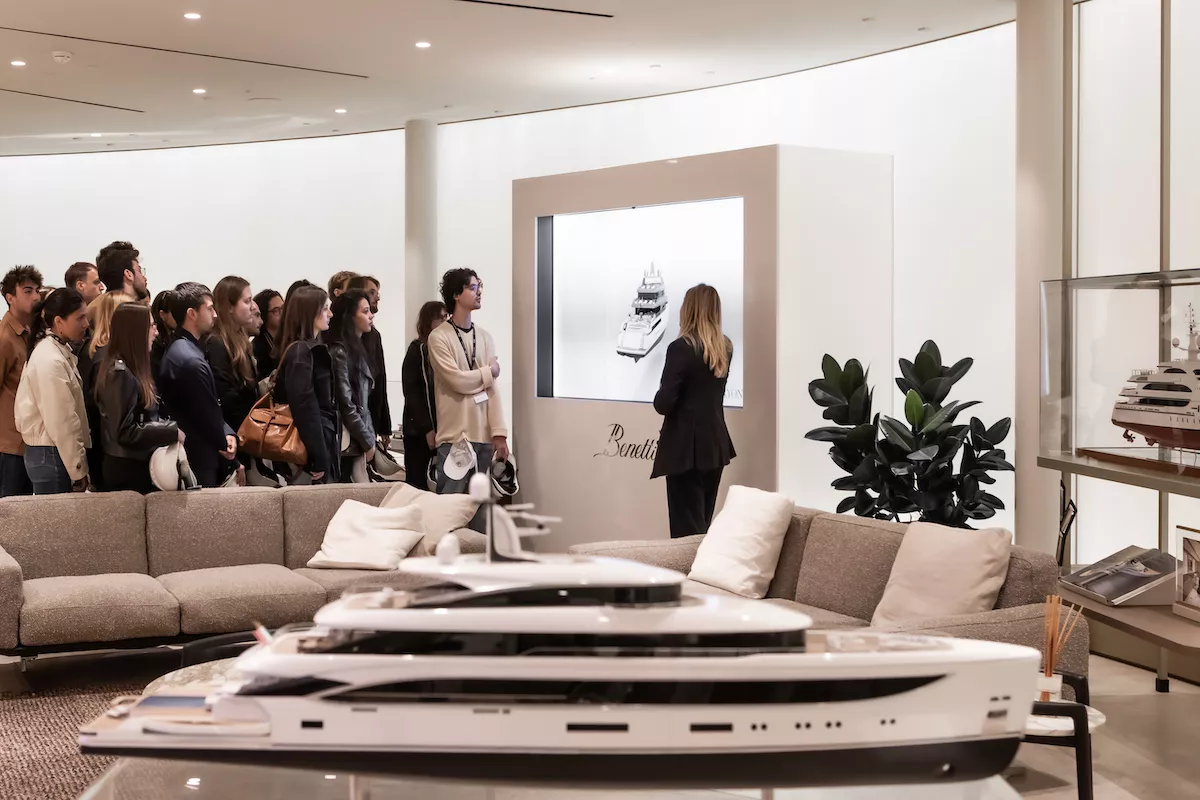
Internationally, the campaign included a design exchange hosted by Benetti in Italy, and hosted canal journeys for low-income residents by Feadship in Amsterdam. Environmental clean-ups were coordinated globally by Metstrade, Plastic Whale, and The Ocean Conservation Trust. In the United States, the Santa Barbara Maritime Museum and Fort Lauderdale’s Pier Sixty-Six held public workshops teaching boating basics.
The next event on the Yacht Club de Monaco calendar is the 13th Monaco Energy Boat Challenge, which focuses on sustainable propulsion technologies and takes place from 8th to 11th July 2026.
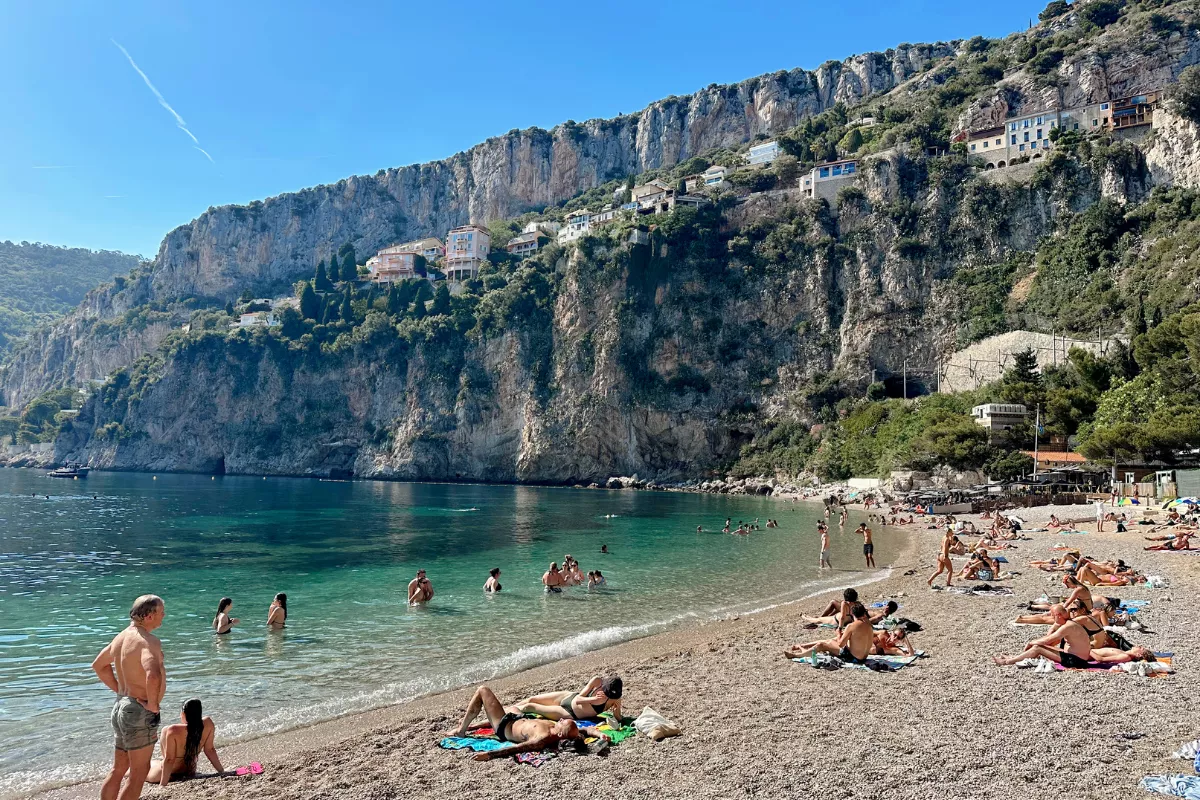
Just outside of Monaco, one of the French Riviera’s most beautiful coastal trails awaits in Cap-d’Ail. Beginning near the Promenade Cap-d’Ail and stretching towards Plage Mala, the route offers a scenic escape filled with stunning sea views, hidden beaches, and a glimpse into one of the Riviera’s most beautiful corners.
The path begins next to Plage Marquet, tucked behind a small parking lot. From the outset, you are met with incredible sea views of the Mediterranean’s striking blue waters, setting the tone for the walk ahead. As you continue along the path, you’ll come across many different tiny beaches, as well as quieter spots where locals come to enjoy the sea.
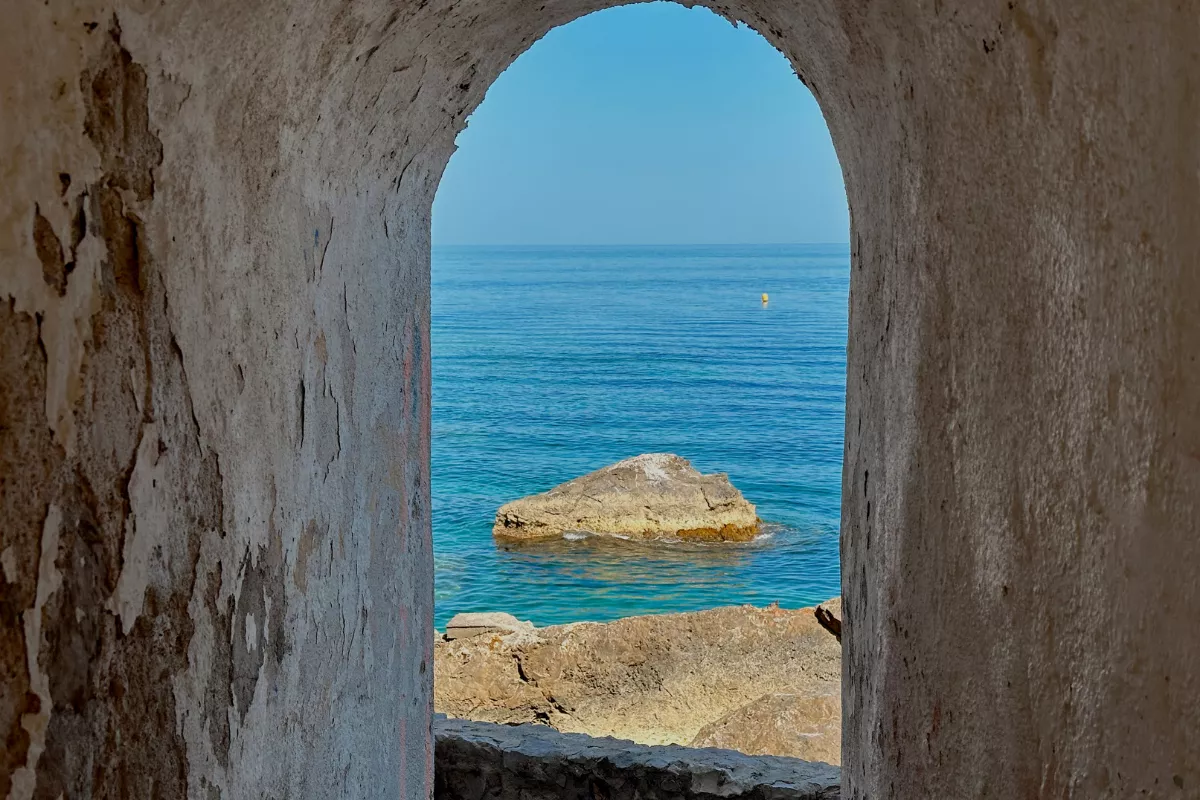
A scenic moment along the route, just minutes into the walk. Photo credit: Kayla Sauceda / Monaco Life
One of the standout moments comes only minutes into the route. A crowd favourite photo opportunity, a narrow archway, can be found along the path. If you look behind you after walking through, you’ll be met with a beautiful view of the sea, though you can always leave it a surprise for the return journey. Informational signs are also placed throughout the trail, sharing details about various plants and animals you may come across during the walk.
For the majority of the walk, the path is well-paved and clean. However, on days when the water gets rougher, it is important to be mindful, as you may get splashed and should take extra care to avoid slipping.
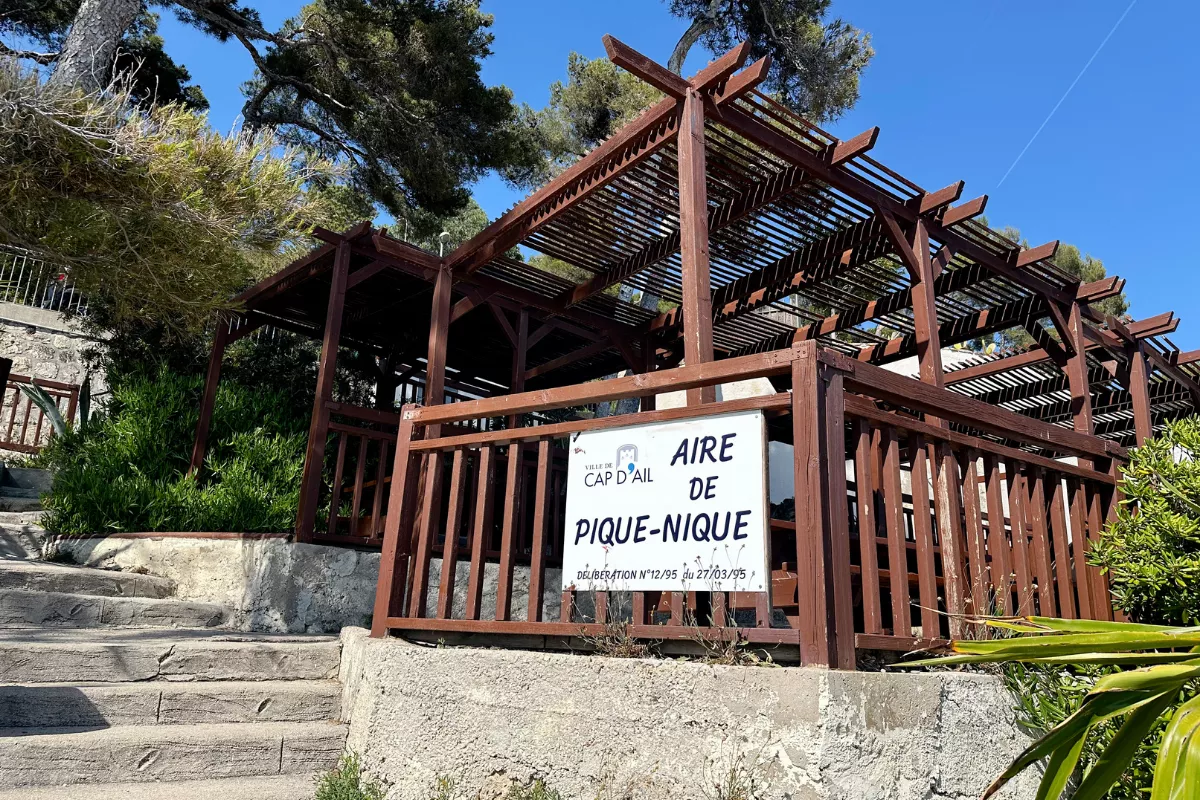
A quiet stop along the route for those looking to pause before continuing towards Plage Mala. Photo credit: Kayla Sauceda / Monaco Life
Additionally, about 10 minutes in, after the first small bout of stairs and incline, you’ll find the Aire de Pique-nique. This seating area offers picnic benches where visitors can enjoy lunch, take a moment to rest, read, or simply enjoy the views.
The trail is regularly used for training purposes, making it popular among runners as well. Families with children and dog owners also frequently make the walk, though many choose to turn back before reaching the more demanding pre-Mala stairs or end up carrying their little ones for that part.
As the walk continues, the trail gradually becomes more demanding, though turning back at any point is completely okay. As you begin to approach Plage Mala, this is where the battle of the stairs really begins. Unfortunately, many of the stairs are not as well-paved as the earlier path itself. Despite there being a variety of ways to access the beach, many visitors share the same feedback regarding the number of stairs involved. Still, the reward feels fitting. Plage Mala offers some of the bluest waters on the Riviera, paired with a serene atmosphere.
With both a restaurant and water sports available during the summer, many may choose to cool off and go for a swim, have a bite to eat, or maybe even rent a boat before returning towards the Cap-d’Ail port.
As the trail offers little shade, visitors should be sure to bring water, apply sunscreen before beginning, and come prepared for plenty of sun. For those looking to escape Monaco for a few hours, the coastal trail from Cap-d’Ail to Plage Mala offers a rewarding walk well worth the journey.
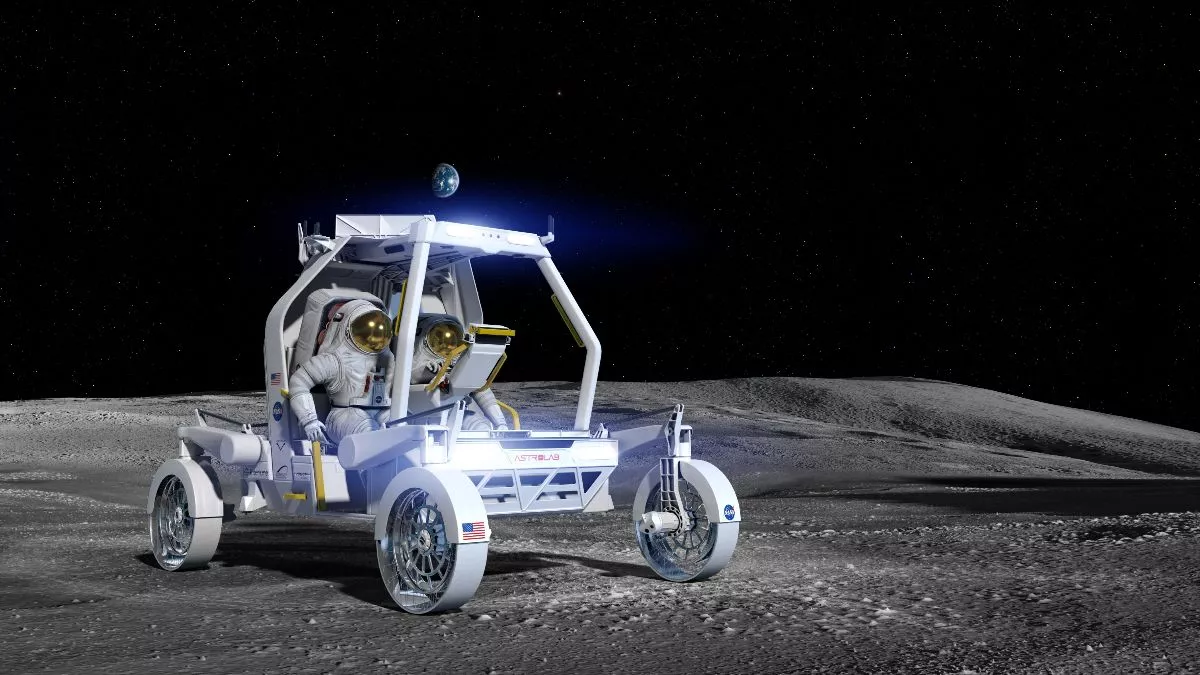
A Monaco-connected space technology company is set to send its innovations to the Moon, after NASA selected US firm Astrolab as one of two providers of a crewed lunar rover for the Artemis programme — with Venturi Space supplying three of the vehicle’s critical systems.
Venturi Space, the space division of Monaco-based Venturi Group headed by president Gildo Pastor, will provide the Crewed Lunar Vehicle (CLV-1) with hyper-deformable wheels, high-performance batteries, and a battery management system. NASA anticipates the rover will reach the lunar South Pole by 2028.
Monaco technology built for the Moon’s extremes
The three Venturi Space subsystems each address the punishing conditions of the lunar South Pole, where temperatures swing between –240°C and +130°C and lunar nights last the equivalent of up to 14 Earth days.
“I would like to congratulate our strategic partner Astrolab on securing this historic contract,” said Gildo Pastor. “This selection also confirms the value of the technologies developed by Venturi Space. I am particularly proud of this, and equally proud of the work accomplished by our teams in France, Switzerland and Monaco.”
The hyper-deformable wheels — made from materials invented by Venturi Space — are designed to absorb surface irregularities, resist sinkage, and maintain traction on severe slopes. The high-performance batteries are engineered to protect and regulate the rover’s power supply through extreme thermal cycles and extended periods of inactivity. The battery management system monitors cell states and ensures the safety and availability of the entire power architecture throughout the mission.
“A historic contract”
“The prospect of seeing a crewed lunar rover equipped with our technologies accompany NASA astronauts represents a key milestone in Venturi Space’s trajectory,” said Dr Antonio Delfino, Director of Space Affairs at Venturi Space”. “In six years, thanks to the trust of our strategic partner Astrolab and the impetus of our President Gildo Pastor, we have developed breakthrough technologies for one of the most hostile environments ever explored: the lunar South Pole.”
Road to the Moon — and beyond
The technologies equipping CLV-1 share the same foundation as those being developed for Mona Luna, Venturi Space’s own European lunar rover programme, which aims to support European ambitions in lunar exploration with a first mission expected around 2030.
The Artemis campaign is NASA’s programme to return humans to the Moon and establish sustained surface operations at the lunar South Pole.
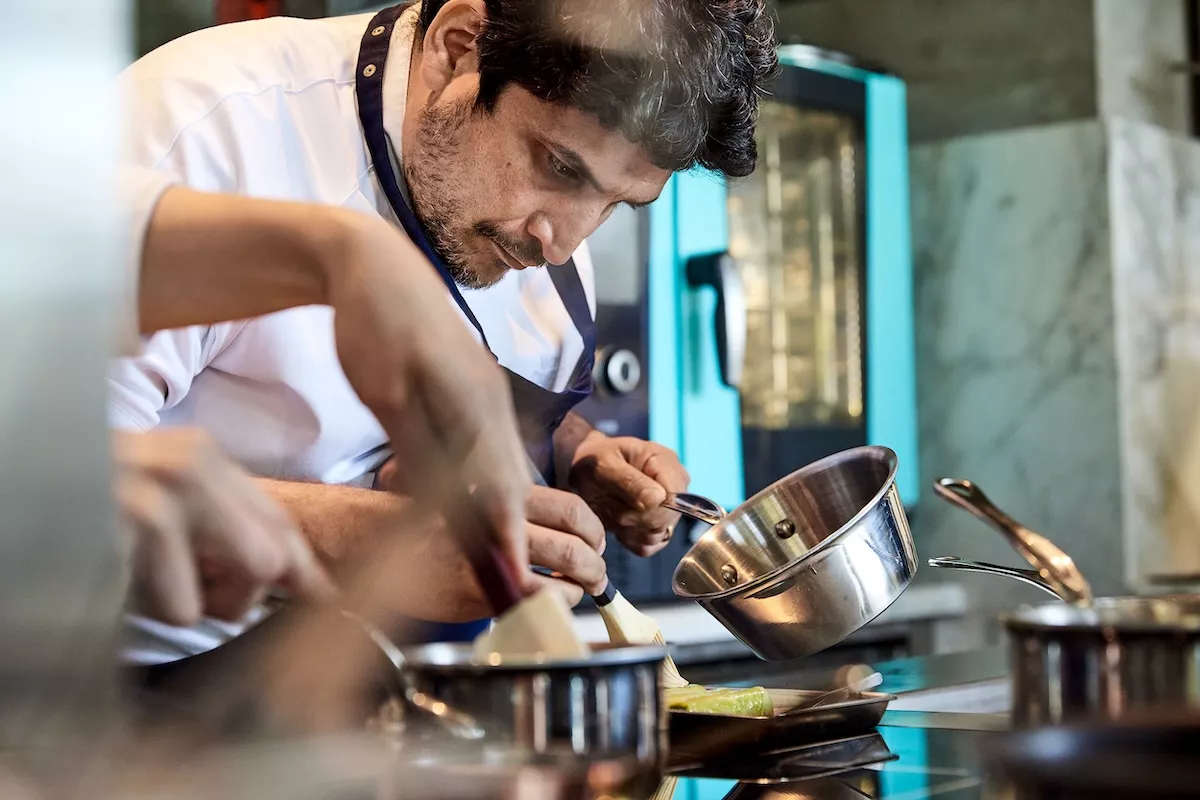
For its 13th edition, Sunset — the beach party that has become one of the most iconic events of Monaco Grand Prix weekend — has pulled off its most ambitious collaboration yet. From 5th to 7th June at the Méridien Beach Plaza, Casa Sunset x Mauro Colagreco will see the chef behind Mirazur, the three-Michelin-starred restaurant in Menton named the world’s best, sign an exclusive gastronomic menu inspired by some of his most iconic dishes — served open-air, facing the Mediterranean, to the sound of music that runs until 3am.
On paper, it is an unexpected pairing: a chef whose cuisine is rooted in contemplation, nature and the rhythms of the Côte d’Azur, joining forces with a beach party defined by energy, spectacle and the unmistakable intensity of Monaco’s Grand Prix weekend. Yet for Mauro Colagreco, that contrast was precisely the appeal.
The chef behind the three-Michelin-starred Mirazur in Menton, who today oversees restaurants across several continents and holds eight Michelin stars globally, has created an exclusive menu for Casa Sunset inspired by some of his most emblematic dishes.
In this conversation with Monaco Life Editor-in-Chief Cassandra Tanti, Mauro Colagreco reflects on why Monaco Grand Prix weekend inspired him creatively, how the idea of luxury hospitality is evolving, and why emotion now matters just as much as technical perfection in gastronomy.
You describe Casa Sunset as “a different way of living gastronomy — more relaxed, but still deeply centred on pleasure and sharing.” Do you think fine dining has become too formal, and are people now looking for emotion and atmosphere as much as technical perfection?
I think people today are searching for experiences that feel sincere and alive. Technical precision remains essential in gastronomy — it is part of the craft and the discipline behind every plate — but it is no longer enough on its own. What truly stays in people’s memories is emotion: the atmosphere, the energy around the table, the feeling of connection.
At Casa Sunset, we wanted to create a more relaxed and spontaneous expression of our cuisine, while keeping the same level of attention to ingredients, balance and creativity. Gastronomy should never feel distant or intimidating. It should create pleasure, movement, sharing and moments that people genuinely live together.
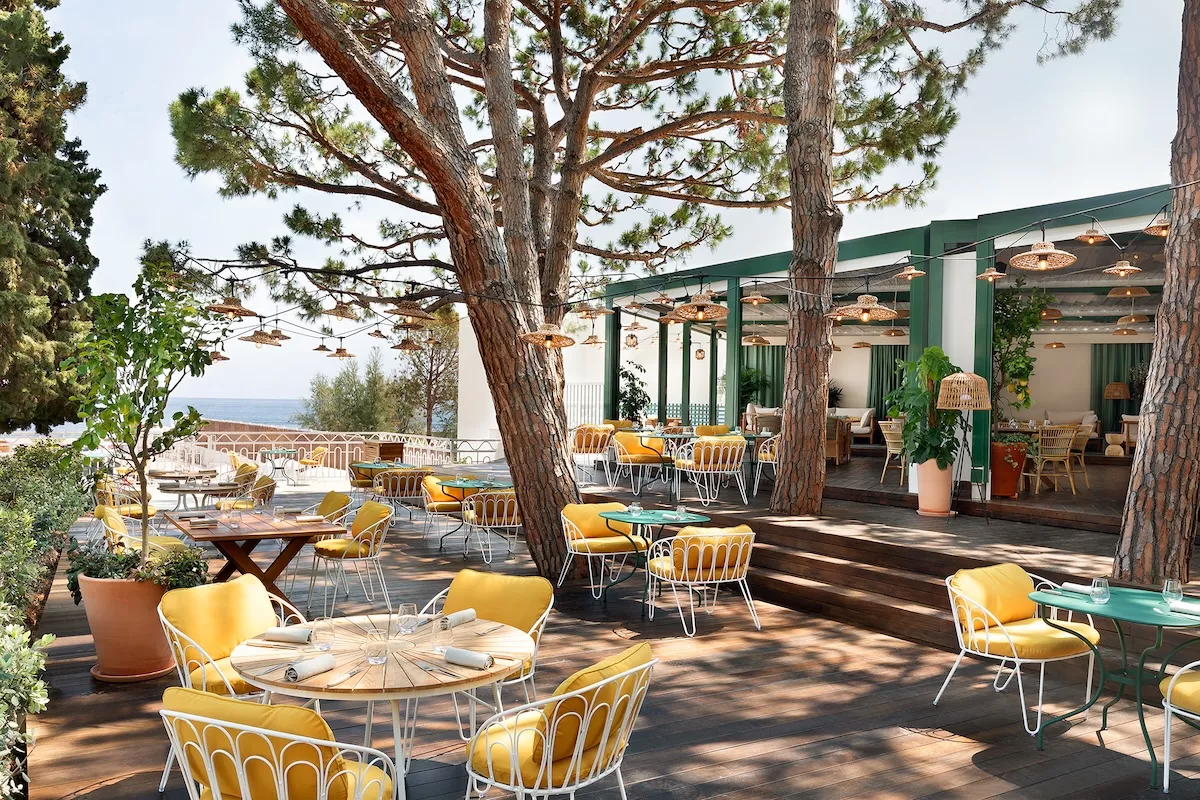
Sunset takes over the Muse restaurant at Le Meridien Beach Plaza for the entire grand prix weekend
You built Mirazur around contemplation, nature and rhythm. Monaco Grand Prix weekend is almost the opposite — loud, fast and hyper-social. What interested you about bringing your cuisine into that environment?
That contrast is precisely what made the project interesting to me. Monaco during Grand Prix weekend has a very unique energy — intense, international and almost cinematic. For a few days, the Principality becomes a place where cultures, creativity and celebration all intersect.
Rather than opposing that atmosphere, we wanted to engage with it. Casa Sunset gave us the opportunity to imagine a cuisine that could dialogue with this vibrant rhythm while still remaining connected to our Mediterranean identity and our philosophy around seasonality and nature.
It was not about recreating Mirazur in Monaco, but about translating part of our universe into a different context: more immediate, more festive, more open to movement, music and the sea.
Luxury has changed enormously over the past decade. People still want exclusivity, but they also want spontaneity, energy and experience. How has that shift changed the way you think about hospitality?
Luxury today is much less about formality and much more about authenticity and emotion. People still appreciate excellence, of course, but they also want experiences that feel human, personal and alive.
Hospitality is no longer only about creating beautiful spaces or exceptional cuisine. It is about creating memories, emotions and meaningful moments of connection. Sometimes that can happen in a very refined dining room, and sometimes it can happen in a lively atmosphere by the sea during the Grand Prix.
For me, true luxury is the quality of attention: attention to people, to products, to nature, to detail and to the energy of a moment.
You have created restaurants and concepts across very different cultures and continents. How do you stop global expansion from diluting identity — especially when your cuisine is so closely tied to place and nature?
For me, identity does not come from reproducing the exact same cuisine everywhere. It comes from maintaining the same philosophy and the same values wherever we create.
Every project must develop a relationship with its own territory, its local producers, its seasons and its cultural environment. What connects all our projects is not a fixed aesthetic, but a way of thinking about food: respect for biodiversity, attention to nature, creativity rooted in place and a strong human dimension.
I have always believed that a cuisine can be deeply anchored in its region while remaining open to the world. Travel, encounters and cultural exchange have always nourished my work.
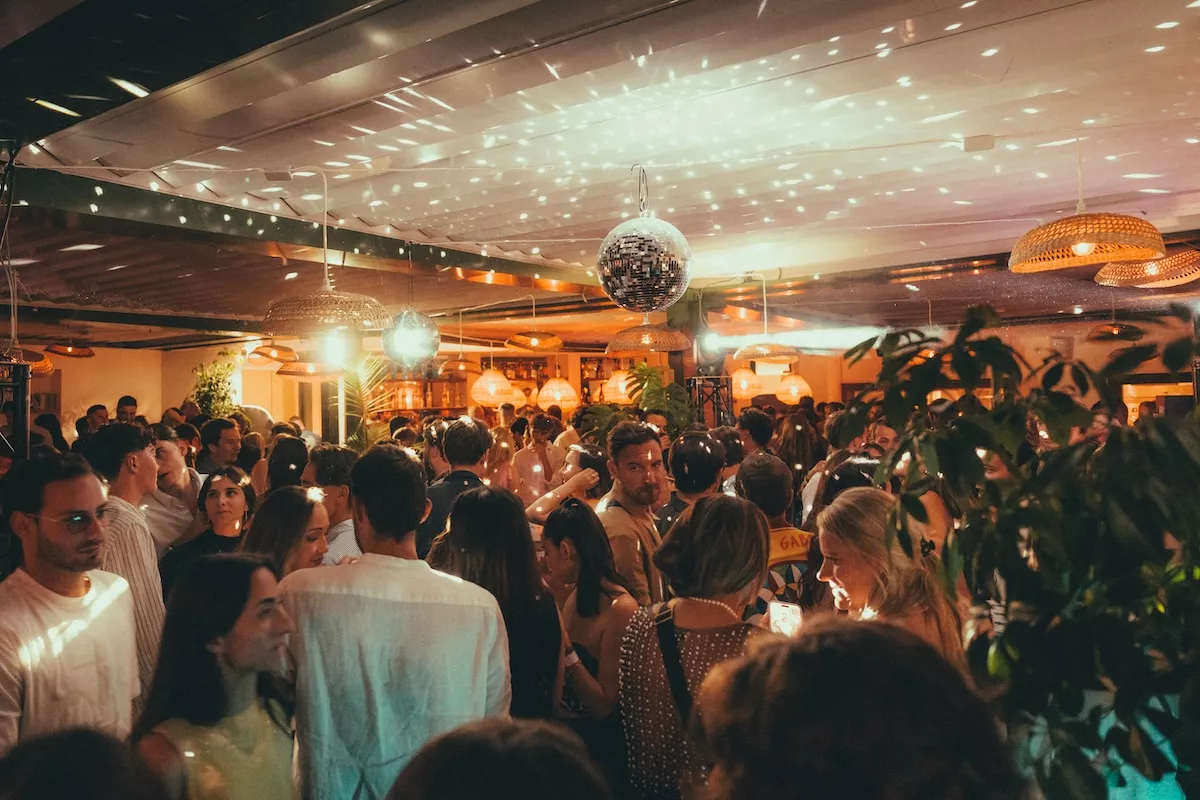
The after party at Sunset
You often talk about emotion in cooking. What emotion do you actually want people to leave with after an experience like Casa Sunset during Grand Prix weekend?
Above all, I would like people to leave with a feeling of joy and vitality. Monaco during the Grand Prix is filled with excitement and movement, and we wanted Casa Sunset to reflect that energy while still creating something warm and deeply human.
I hope guests remember not only the food, but also the atmosphere — the sea, the music, the conversations, the feeling of sharing a special moment together.
For me, gastronomy is ultimately about creating connection. If people leave feeling inspired, emotionally touched and more connected to the people around them, then the experience has succeeded.
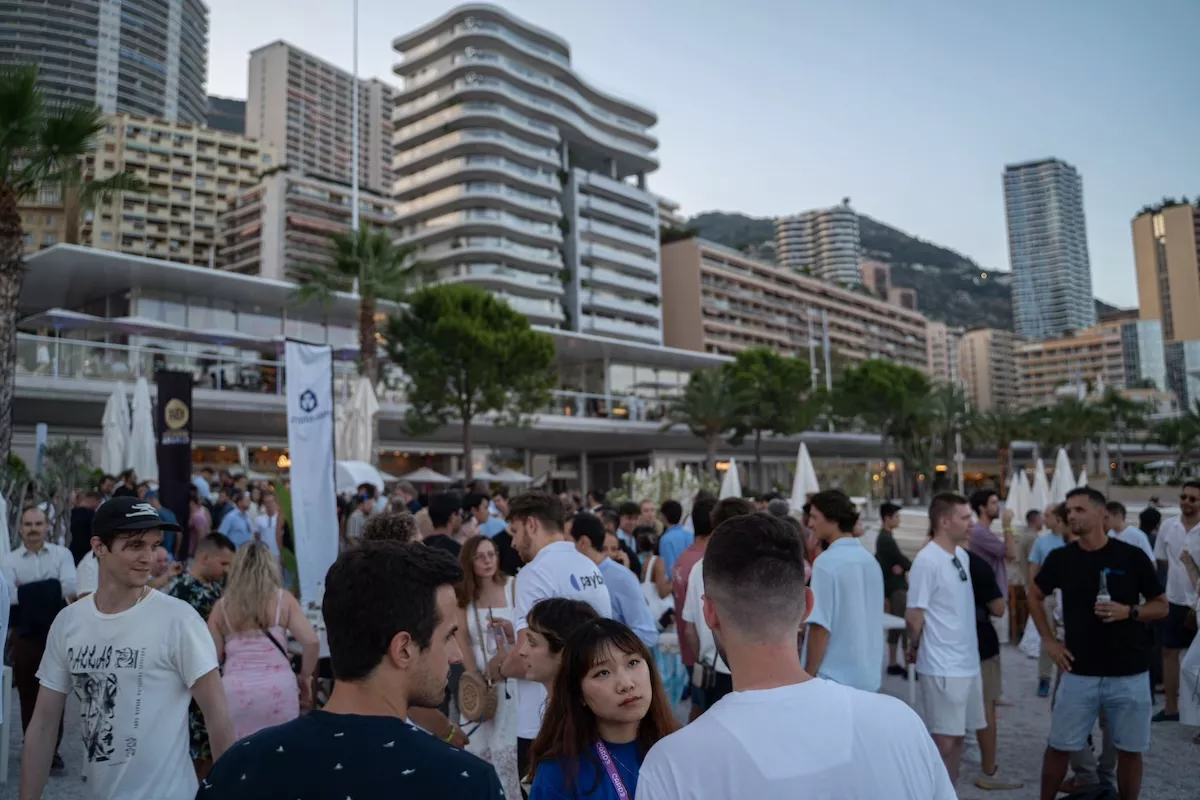
Monaco’s major Web3 and artificial intelligence conference returns to One Monte-Carlo on 9th and 10th June, with organisers expecting more than 2,000 attendees including technology founders, investors, and policymakers.
The WAIB Summit Monaco, now in its second year, takes place just after the Monaco Grand Prix and has established itself as a meeting point for the cryptocurrency, blockchain, and AI industries, combining technical sessions with business networking. Last year’s inaugural edition featured 150 speakers from companies including Microsoft, Coinbase, Crypto.com, Galaxy Digital, and AS Monaco.
What’s planned
The two-day programme will focus on Web3, artificial intelligence, and digital assets. A private session for family offices and institutional investors will bring together representatives from Standard Chartered, BNP Paribas, and Galaxy Digital, while startup pitching sessions will give selected Web3 and AI companies the opportunity to present directly to investors.
A hackathon for developers runs alongside the main conference, as does an AI Film Festival examining the technology’s growing role in filmmaking. The festival’s jury includes Anthony Bourached, associate professor of machine learning at University College London, and Vincent Lowy, former head of ENS Louis-Lumière.
A gala for prominent figures across both sectors will feature workshops and discussions on technology and influence, and the WAIB Summit Monte-Carlo Awards will recognise innovation across Web3 and AI.