Keys to new Centre Hospitalier Princesse Grace handed to hospital director

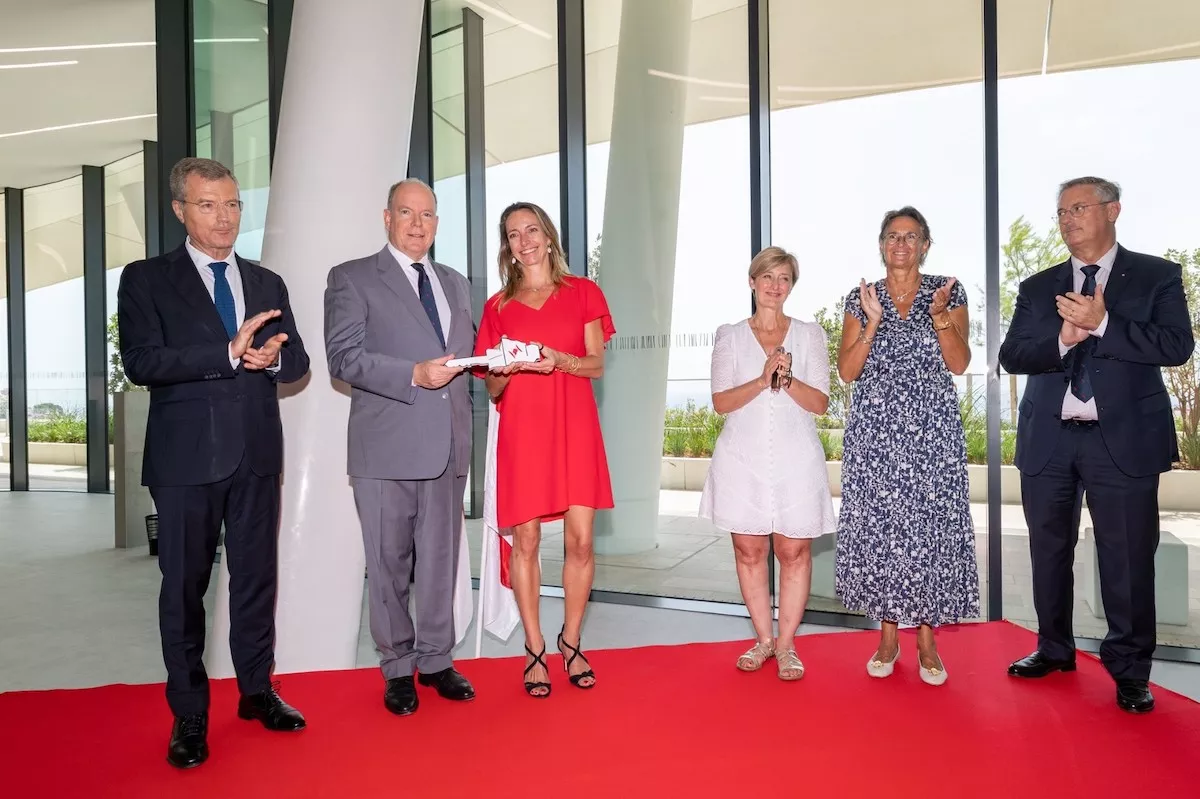
The official handover of the new Centre Hospitalier Princesse Grace (CHPG) building took place Monday 13th July, as Prince Albert II transferred the keys to the hospital director, Benoîte Rousseau de Sevelinges, in the presence of Minister of State Christophe Mirmand and senior government officials. The event signals the transition from the construction phase to the period of operational preparation, during which staff will ready the facility to receive patients.

Addressing the assembly, Prince Albert II framed the new facility as a central element of the Principality’s health strategy.

“These keys do not close a construction site: they open a future. This hospital is more than public equipment; it is a vital pillar of our country that expresses our constant desire to make health a lasting priority,” said Prince Albert II.

Minister of State Christophe Mirmand added that the extensive effort required to reach this stage, acknowledged the contributions of over 150 companies and the hundreds of workers involved. Addressing the medical staff, saying: “We have given you the tool: you will give it its soul.”

Engineering in a constrained environment

The project involved navigating significant logistical and technical hurdles, including building over a void and shifting the alignment of Avenue Pasteur, all while maintaining the operations of the existing hospital. Céline Caron-Dagioni, Minister of Equipment, Environment and Urbanism, explained the complexity of the site, saying that they were equipped with a logistics lot to manage all supplies in a constrained area: “It wasn’t a calm river, but through the strength of the collective teams, we always managed to find the right solutions.” 
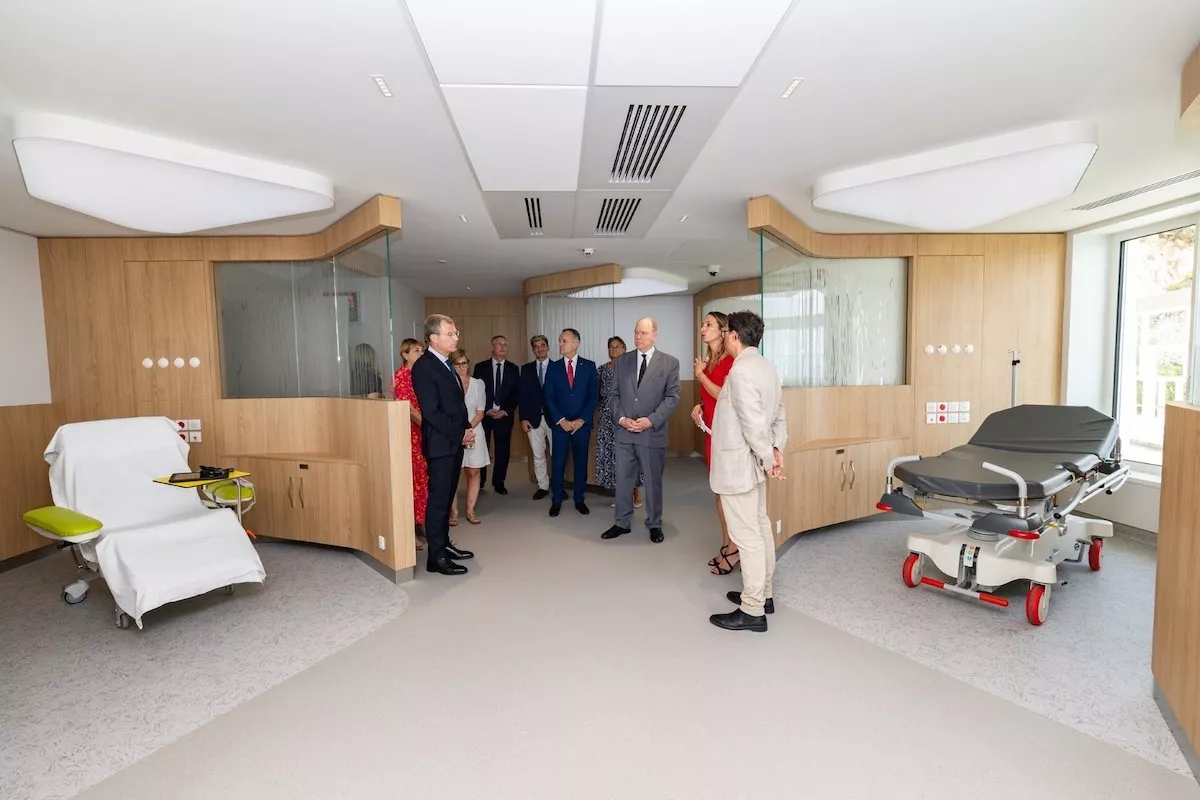
Prince Albert II visiting the new Centre Hospitalier Princesse Grace / Photo credit: Manuel Vitali – Direction de la Communication

Facility upgrades and sustainability

The new building has achieved ‘High Quality Environmental’ (HQE) Excellent certification. Technical features include a connection to the Principality’s thalassothermic loop, energy-efficient elevators, and over 2,000 square metres of green space. Operational improvements include an increase of approximately 60 beds dedicated to psychiatry, the integration of modular hybrid operating rooms and surgical robotics, and a clinical design focused on secured patient pathways and the expansion of ambulatory care.

Operational timeline

The site will now undergo a series of technical trials, including full-scale simulations and ‘blank runs’ to verify system reliability. Support services, such as the pharmacy and laboratory, are scheduled to begin operations late in 2026. The phased transfer of hospital departments will commence in the first quarter of 2027, with the first patients expected to be received in January. The project will reach its final conclusion with the completion of Phase 2 in 2033. This development reinforces the medical partnership between the Principality and France, ensuring a continuum of care for both residents and the surrounding region.

Monaco Life is produced by real multi-media journalists writing original content. See more in our free newsletter, follow our Podcasts on Spotify, and check us out on Threads,  Facebook,  Instagram,  LinkedIn and Tik Tok

Main photo: From left to right: Christophe Mirmand (Minister of State), Prince Albert II, Benoîte Rousseau de Sevelinges (Director of the CHPG), Céline Caron-Dagioni (the Government Counsellor-Minister of Equipment, Environment and Urbanism),and Christophe Robino (Government Counsellor-Minister of Social Affairs and Health). Credit: Manuel Vitali – Direction de la Communication
A solemn tribute: Remembering the victims of the 2016 Nice terrorist attack

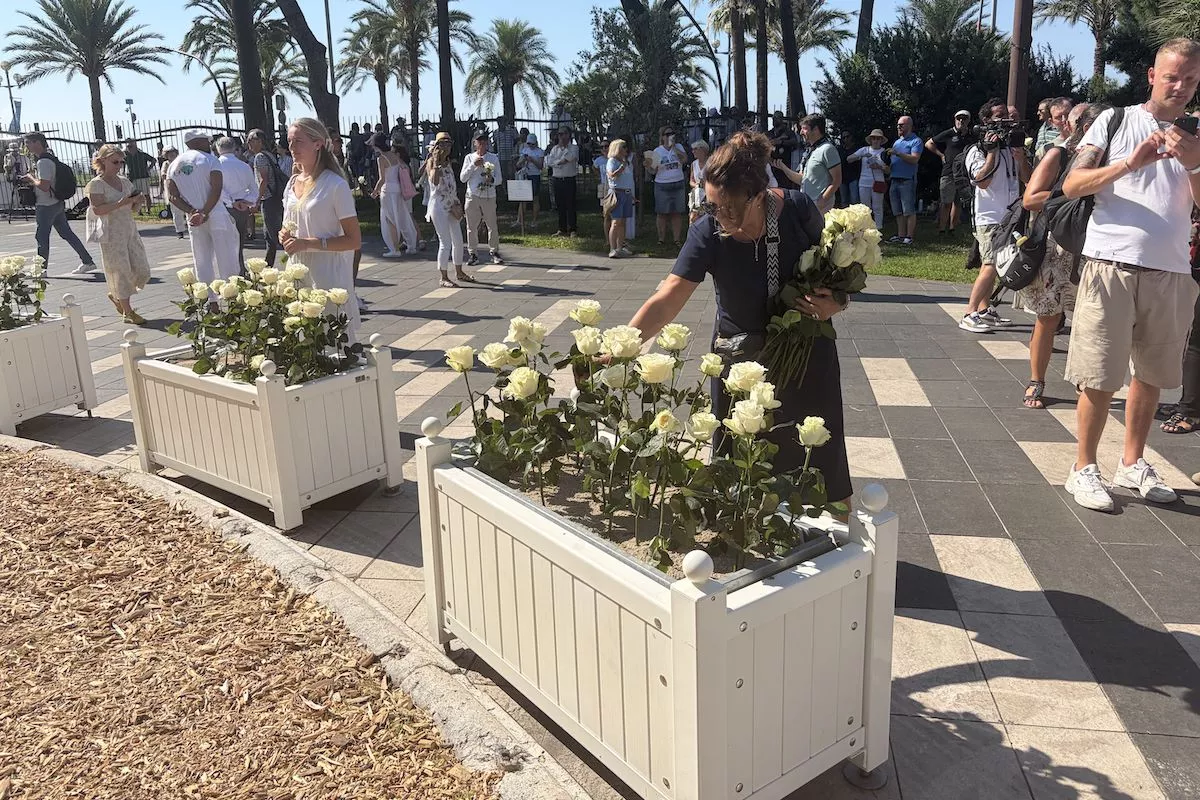
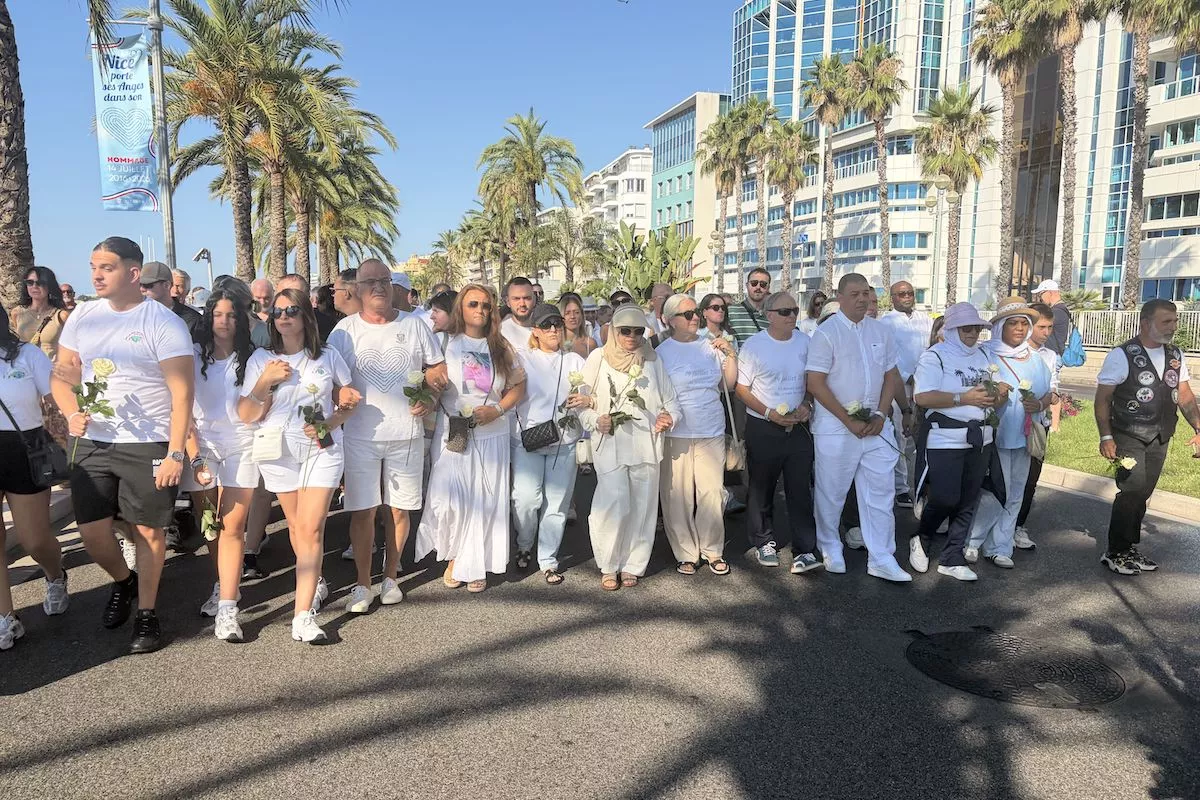
Ten years have passed since the tragic terrorist attack that struck the city of Nice on 14th July 2016, claiming 86 lives and injuring hundreds. As the city approached its annual commemoration, the community gathered on Sunday 12th July for a solemn, participative march along the Promenade des Anglais.

Organised in close collaboration with the victims’ associations—’Promenade des Anges’, ‘Mémorial des Anges’, ‘Life for Nice’, and ‘Une voie des enfants’—the march served as a collective time for tribute and reflection. The journey began at 9am near the Lenval Hospital, proceeding to the Jardin Albert Ier, where participants laid white roses to honour those lost.

Voices of remembrance

The march remained a crucial tradition for those seeking to pay their respects. Reflecting on the heavy atmosphere, attendee Alexandre N. told Monaco Life: “Coming here is a necessity. It is deeply moving and brings back so many memories, but we gather to stand in honour of those no longer with us. To forget them is not an option.”

For the families affected, the event provided a vital sense of community. Reflecting on the impact, participants noted that finding support and connection with others is a key part of moving forward and building resilience in the face of such tragedy.

Salwa, who attends the commemoration every year out of respect for those lost and the families grieving their loved ones, shared her experience of the trauma with us, saying: “Some memories never fade—they are permanently seared into our minds.”

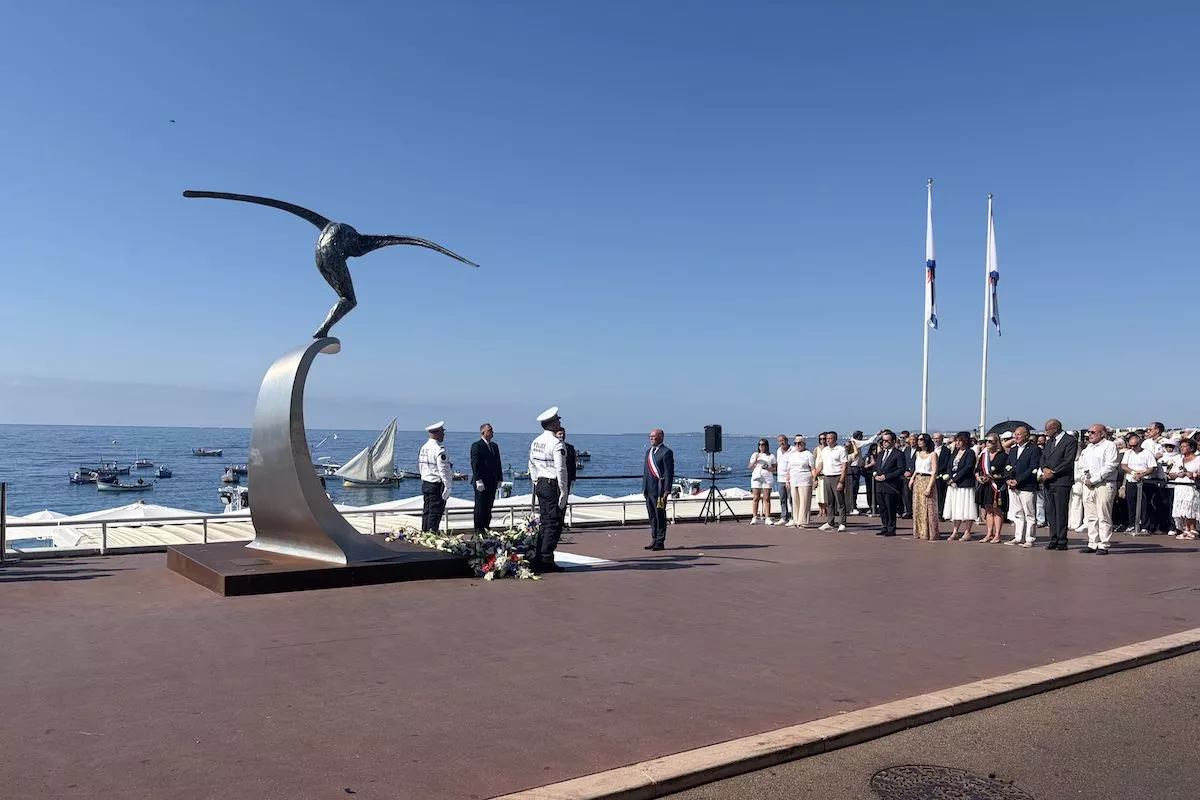
Honouring lives lost: Wreaths are laid at the ‘L’Ange de la Baie’ memorial by MP Éric Ciotti, standing in solidarity with families and local leaders. Photo by Monaco Life

A legacy of quiet dignity

Following the tribute to the firefighters, the procession stopped at the L’Ange de la Baie memorial statue, created by Jean-Marie Fondacaro, where wreaths were laid. The tribute included the participation of the Mayor of Nice, Éric Ciotti, alongside victims’ families and representatives of local associations.

The march then continued toward the Jardin Albert 1er, a path marked by shared silence and mutual support. Upon arrival, the atmosphere shifted into a space of quiet, profound reflection. Families of the deceased and members of the public approached the music kiosk to place white roses, a gesture of grace underscored by the delicate, peaceful melodies of a harpist. Throughout the verdant expanse of the garden, photographs of the victims were displayed among the trees—each portrait serving as a poignant, personal reminder of the vibrant lives that were tragically cut short.

A quiet, moving tribute as the public leaves white roses to honour those lost at the Jardin Albert 1er music kiosk. Photo by Monaco Life

As the formal procession concluded, the Jardin Albert 1er remained open to the public throughout the remainder of the day. This extended window provided citizens, visitors, and those still grieving the opportunity to return to the heart of the city to pay their respects. Within this sanctuary of silence, the community reaffirmed its commitment to keeping the memory of the victims alive, ensuring that even a decade later, the bonds of solidarity remain unbroken.

Monaco Life is produced by real multi-media journalists writing original content. See more in our free newsletter, follow our Podcasts on Spotify, and check us out on  Facebook,  Instagram,  LinkedIn and Tik Tok

Main photo: Memorial march in tribute to the victims of the 14th July 2016 terrorist attack. Credit: Virginia D’Umas


Swiss Solar Boat claims overall victory at Monaco Energy Boat Challenge

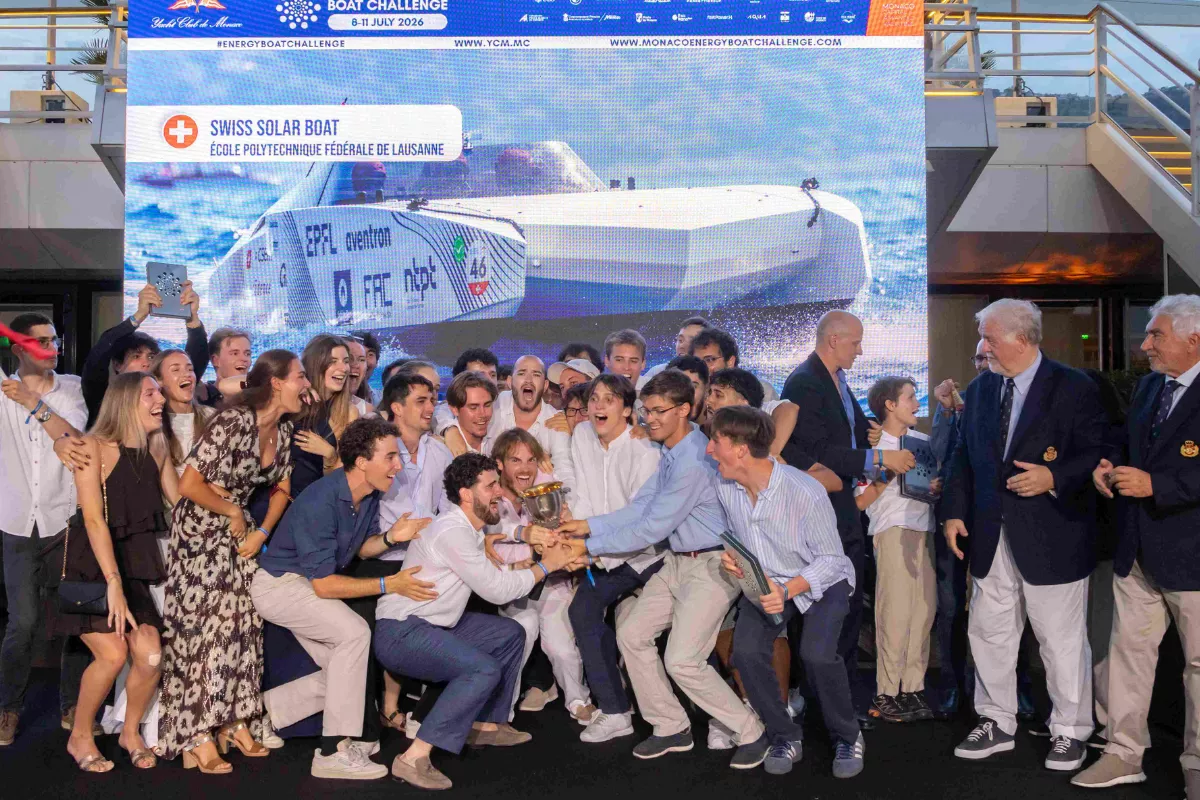
After four days of competition in the Principality, the 13th Monaco Energy Boat Challenge has concluded with Swiss Solar Boat being crowned the overall champion. The Challenge brought together 54 teams from 21 countries.

The Challenge represents an opportunity for higher education, research, and industry professionals to combine their knowledge to help shape the future of boating. Their innovations are developed and tested in real conditions, with support from the Corporate Mentoring Programme to accelerate the maritime sector’s energy transition.

Bernard d’Alessandri, Director and General Secretary of the Yacht Club de Monaco, said, “Yet again, the Challenge demonstrates that innovations destined to transform the maritime sector often gain momentum in Monaco,” highlighting the event’s role in shaping the future of the industry.

This year, Swiss Solar Boat was the overall winner as they consistently finished on the podium in the sports events and the E-Championship, also winning the Design and Eco-Design prizes.

Technological performance also reached new milestones, with average speeds increasing by around 8%, despite a self-imposed reduction of nearly 30% in permitted power. Additionally, the championship race saw just 30 centimeters between the top two teams. A new speed record was also set by the Frauscher x Porsche – 790 Spectre boat, achieving an average speed of 51.05 knots.

The debut of e-methanol was also one of this year’s highlight innovations, used by the Surge Methanol Foiling Team Twente. This fuel is converted back into hydrogen to power a fuel cell, providing significant storage advantages.

The weekend also offered conferences on advanced yachting technologies and alternative fuels for sustainable yachting. These topics are not only relevant to the competition, but also prove to be especially important for the Principality.

Additionally, a Job Forum held before the races connected students and companies through interview opportunities. Milena Idolo, Design Unit Coordinator for the Politecnico di Milano team, shared, “It is a great opportunity to speak directly with companies, discuss our future, and discover future opportunities.”

NatPower H and Aqua superPower, both taking part in the Challenge, announced their partnership to speed up the global rollout of electric charging solutions for ports and marinas.

Looking ahead, the event will enter a new phase in 2027 with the launch of the Monaco Energy Boat Challenge World Series. This new phase will enable new teams to join the Challenge while maintaining the standards that define the final in Monaco. The Challenge will continue to foster, test, and accelerate innovations that will help shape the future of the yachting industry.

Stay updated with Monaco Life: sign up for our free newsletter, listen to our podcasts on Spotify, and follow us across Facebook,  InstagramLinkedIn, and Tik Tok.

Photo provided

New arrivals at Princess Antoinette Park’s animal garden

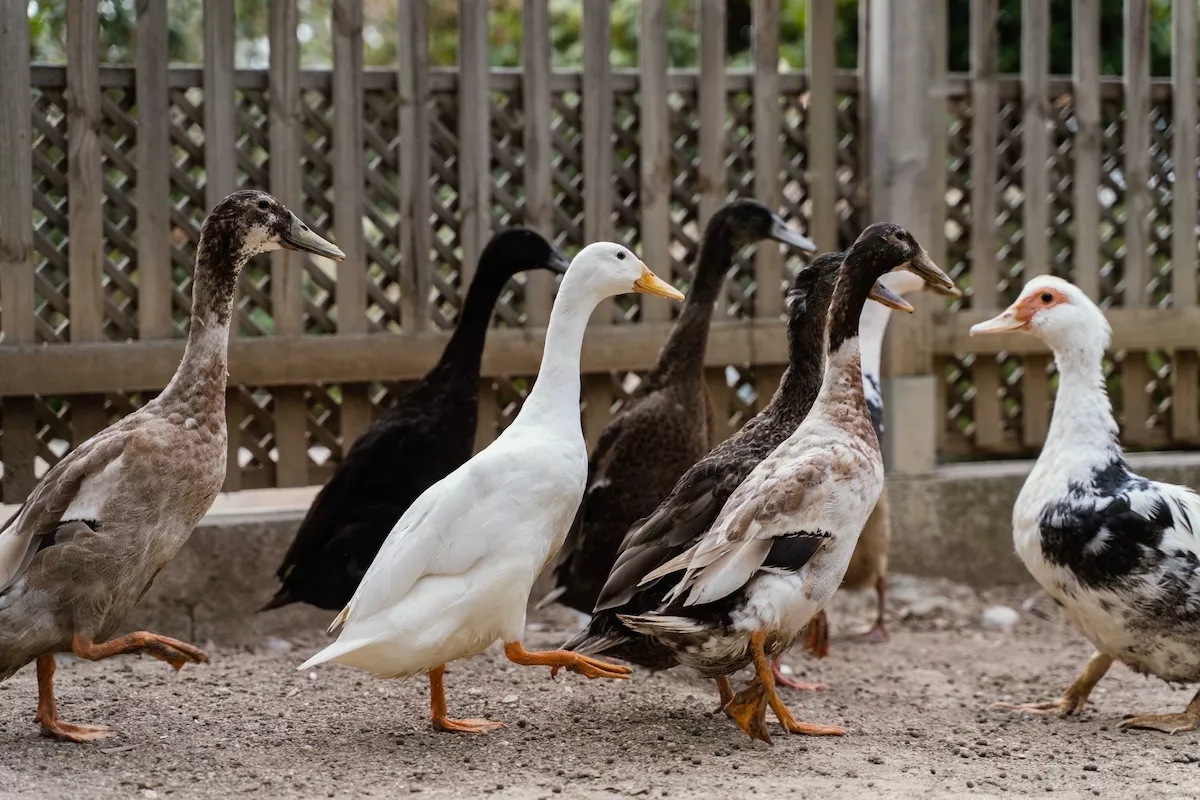
Families visiting Monaco’s Princess Antoinette Park have some new residents to meet this summer, with two hens and four ducks joining the park’s popular animal garden.

The animals have been transferred from the Monaco Zoological Garden, which is currently closed for renovation works, and will be cared for at the municipal park during the refurbishment.

“Thanks to the generous proposal from the Monaco Zoological Garden, whom I would like to warmly thank, and as part of its temporary closure for renovation works, we were delighted to welcome two new hens and four ducks,” said Axelle Amalberti Verdino, Deputy Mayor responsible for City Events.

“This wonderful collaboration allows us to continue our commitment to animal welfare while offering families a lively and welcoming animal garden.”

The Princess Antoinette Park animal garden, managed by Monaco’s City Hall, is a popular destination for local families and visitors alike, providing children with the opportunity to discover a variety of animals in a peaceful green setting.

The new arrivals are now settling into their home and can already be seen by visitors exploring the park.

Stay updated with Monaco Life: sign up for our free newsletter, listen to our podcasts on Spotify, and follow us across Facebook,  InstagramLinkedIn, and Tik Tok.

Photo source: Mairie de Monaco


One in three shark species now faces extinction, foundation warns on World Shark Day

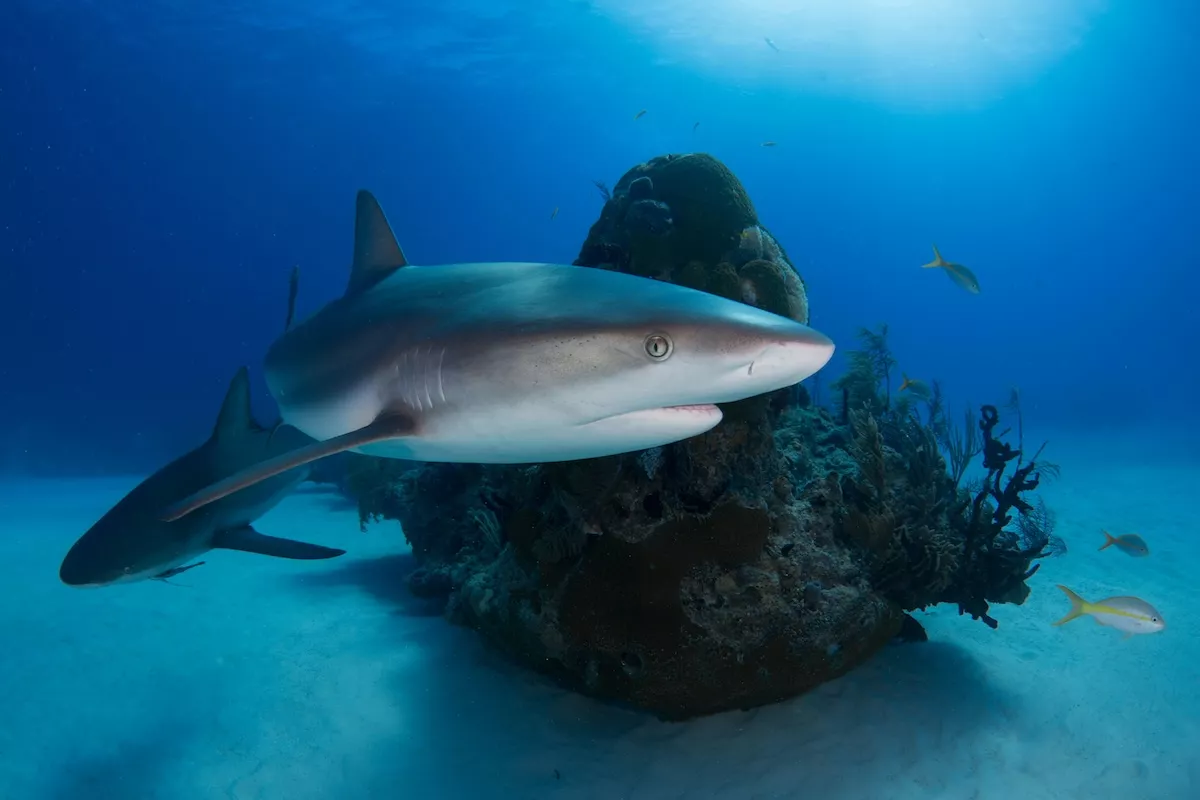
More than a third of the world’s shark species are now threatened with extinction, the Fondation de la Mer has warned to mark World Shark Day on 14th July, as overfishing, the fin trade and climate change drive one of the ocean’s most important predators into steep decline. With more than 500 species spread across marine, estuarine and freshwater ecosystems, sharks play a major ecological role, the French marine foundation says, yet their populations are falling at an alarming rate.

As predators at the top of the food chain, sharks help shape the structure, functioning and resilience of marine ecosystems. They keep other species’ populations in check, pick off the sick and injured much as large land predators do, and carry nutrients between habitats as they travel and through their waste, which can boost the productivity of the waters around them. Yet the foundation notes that films and advertising continue to spread misconceptions about the animals.

A population in freefall

The figures are stark. According to the IUCN Red List, more than a third of shark species are threatened with extinction, and the global abundance of sharks and rays fell by around 71% between 1970 and 2018. The European Union is among the main exporters of fins to Asia, supplying close to 45% of the products found on consumer markets in Hong Kong, Singapore and Taiwan in 2022, according to a report by the International Fund for Animal Welfare. The scale of illegal, unreported and unregulated fishing is laid bare by another finding: 81% of shark fin exporters declared no exports at all between 2015 and 2021.

Climate change compounds the pressure. Rising temperatures can harm sharks’ ability to reproduce, while ocean acidification can dull some species’ ability to detect prey, pushing them into new areas where they are more exposed to human activity.

Projects from the Gulf of Guinea to Polynesia

To help turn the tide, the foundation backs field projects around the world. Since 2023 it has supported the association Over The Swell in the Gulf of Guinea, through Mission William, which studies and protects whale sharks and other threatened migratory megafauna between the Gulf of Guinea and Saint Helena. Using tracking tags to map the animals’ routes, the project is testing whether a whale shark migratory corridor links the two areas, a finding that would strengthen the case for protecting a region already among the world’s worst affected by illegal industrial fishing. In French Polynesia, the foundation supports work on the great hammerhead shark of the Tuamotu, gathering data to identify the species’ key habitats and guide its conservation.

‘Sentinels of the ocean’

“Each year, nearly 100 million sharks are killed worldwide, mainly to feed the fin trade. This staggering figure is a reminder of the urgency to act,” said Alexandre Iaschine, director-general of the Fondation de la Mer. “Contrary to popular belief, sharks are not threats to be eliminated but indispensable sentinels of the ocean’s health. Protecting them means preserving the balance of marine ecosystems. That is the whole meaning of the Fondation de la Mer’s commitment: to support those who act on the ground and to accompany them in preserving these species, as fascinating as they are essential.”

Stay updated with Monaco Life: sign up for our free newsletter, listen to our podcasts on Spotify, and follow us across Facebook,  InstagramLinkedIn, and Tik Tok.

Photo credit: Alex Rose, Unsplash

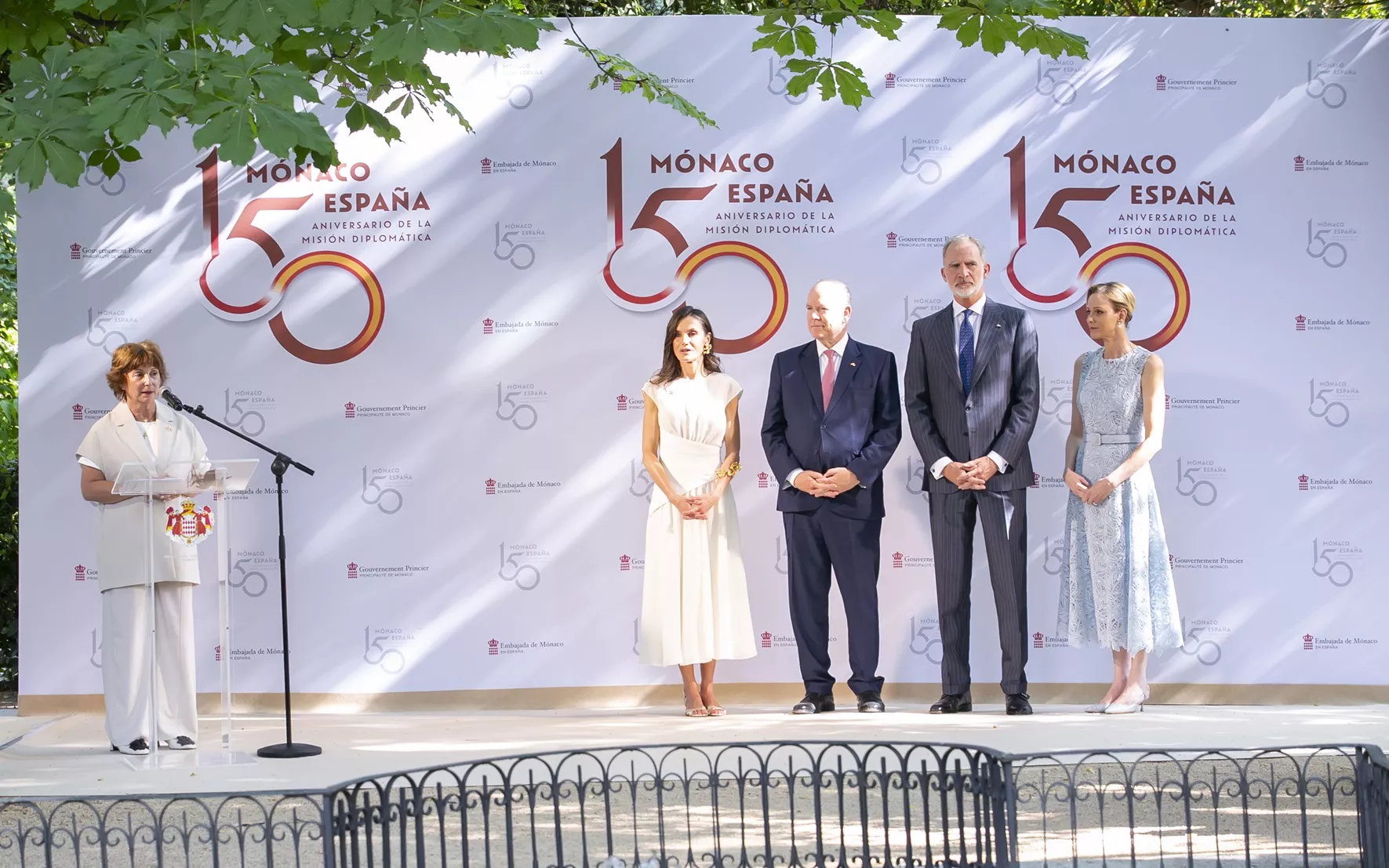
Exhibition celebrating five centuries of Monaco-Spain ties tours Spain

An exhibition tracing five centuries of shared history between Monaco and Spain is continuing its journey across Spain as part of celebrations marking the 150th anniversary of the Principality’s diplomatic mission in the country.

Titled ‘Monaco and Spain, Five Centuries of Shared History’, the travelling exhibition highlights the longstanding political, diplomatic, cultural and scientific ties between the two nations through a collection of archival documents, artworks and historical artefacts.

The exhibition opened in Madrid on 1st June at the Villanueva Pavilion of the Royal Botanical Garden in the presence of King Felipe VI and Queen Letizia of Spain and Prince Albert II and Princess Charlene of Monaco.

During the visit, Prince Albert II held a working meeting with King Felipe VI, where the two Heads of State reaffirmed the strength of relations between Monaco and Spain. The Sovereign Prince and his delegation also met with Spanish Prime Minister Pedro Sánchez, underlining the close political dialogue and cooperation between the two countries.

Following its successful debut in Madrid, the exhibition moved to Seville, where it was inaugurated on 22nd June at the headquarters of the Fundación Cajasol in the presence of its President, Antonio Pulido Gutiérrez, and representatives of the Andalusian regional authorities.

The exhibition will next travel to Palma de Mallorca, where it will be hosted at the Club de Mar, before continuing to the Central Library of Santander. Its Spanish tour will conclude in Barcelona this autumn.

The travelling exhibition forms one of the flagship events commemorating 150 years of Monaco’s diplomatic presence in Spain, showcasing the enduring friendship and cooperation that have connected the Principality and the Kingdom for more than five centuries.

See also: 

Prince Albert and Princess Charlene conclude two-day official visit to Madrid

Stay updated with Monaco Life: sign up for our free newsletter, listen to our podcasts on Spotify, and follow us across Facebook,  InstagramLinkedIn, and Tik Tok.

Photo credit: Julia Robles