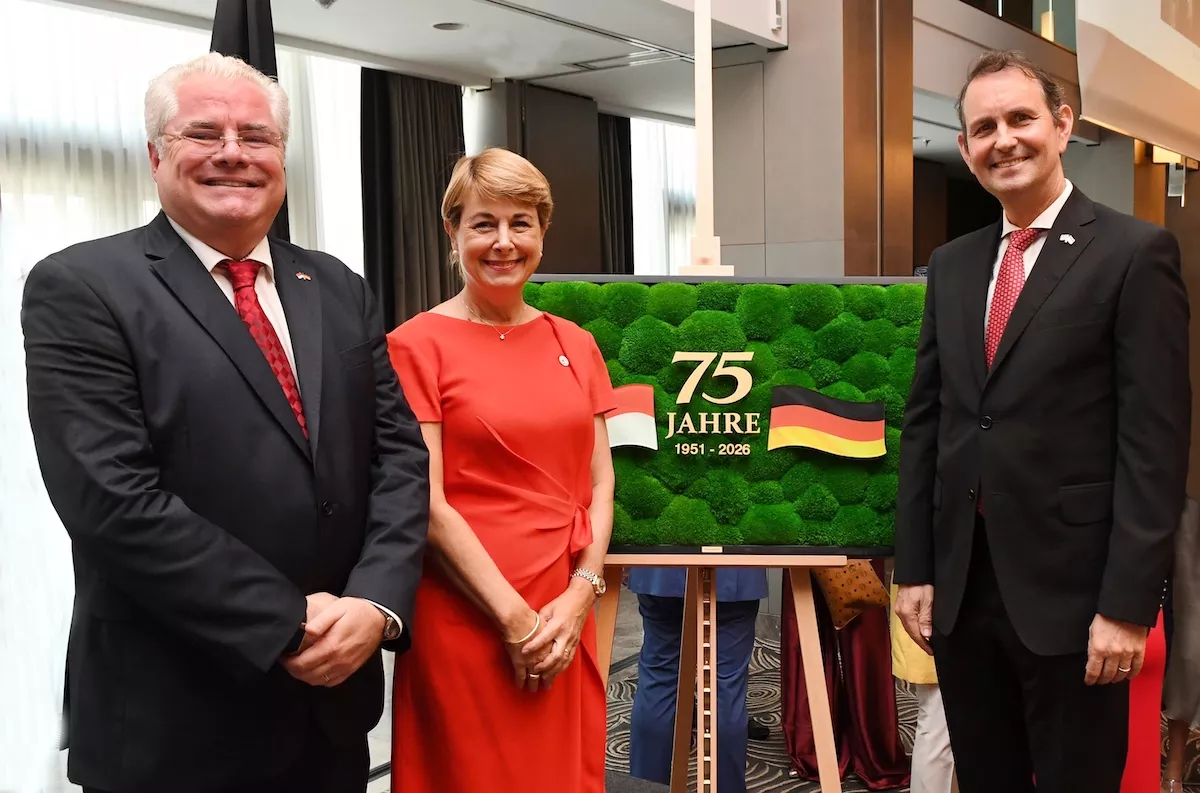
Monaco marked the 21st anniversary of the accession of Prince Albert II with a diplomatic reception in Berlin that also celebrated 75 years of relations between the Principality and Germany.
Hosted by Lorenzo Ravano, Monaco’s Ambassador to Germany, the reception took place on 10th July at the Waldorf Astoria Berlin, bringing together nearly 300 guests, including senior government officials, diplomats and representatives from the business, financial and cultural sectors.
Among those attending was Isabelle Berro-Amadeï, Monaco’s Minister of Foreign Affairs and Cooperation, alongside Christoph Israng, Director General for Europe at Germany’s Federal Foreign Office. More than 70 ambassadors joined the event, as well as Monaco’s honorary consuls in Munich, Hamburg, Potsdam and Düsseldorf, and members of the German International Club.
In her address, Berro-Amadeï highlighted the strength and diversity of the relationship between Monaco and Germany, pointing to cooperation across a range of sectors. She cited the recent inauguration of Monaco-themed attractions at Europa-Park, Germany’s largest theme park, by the Princely Family on 29th June as the latest example of the close ties between the two countries.
The Minister also underlined the shared values that continue to underpin the bilateral relationship, including a commitment to multilateralism and international cooperation.
For his part, Israng praised the longstanding collaboration between Germany and Monaco in scientific research and ocean conservation. He also pointed to examples of successful partnerships in sport, including German offshore sailor Boris Herrmann and Team Malizia, whose ocean racing campaigns have become closely associated with Monaco and Prince Albert II’s environmental initiatives.
Following the speeches, guests listened to the national anthems of Monaco and Germany, performed by members of the Berlin Diplomatic Choir, before viewing a photographic presentation tracing 75 years of diplomatic relations between the two countries.
The reception served both as a celebration of Prince Albert II’s accession to the throne and as a milestone in Monaco’s longstanding diplomatic partnership with Germany, reflecting decades of cooperation in diplomacy, science, culture and environmental action.
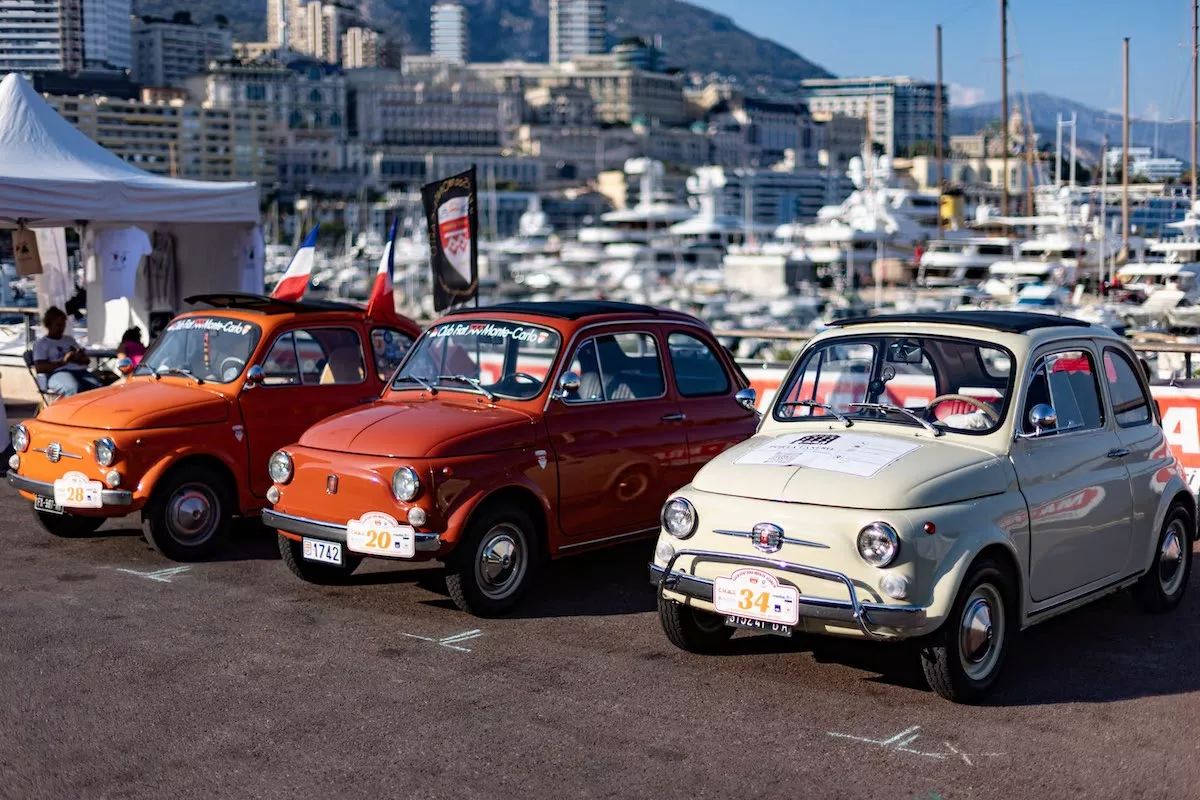
Port Hercule was transformed into a display of nostalgia this weekend as the sixth Monte-Carlo Fiat 500 Meeting brought more than 100 classic vehicles to the Principality. Enthusiasts from France, Italy and across Europe gathered to celebrate the enduring charm of the iconic Italian city car, which first arrived on the scene in 1957.
Organised by the Monte-Carlo Fiat 500 Club, the event highlighted the passion behind these lovingly restored machines. One of the most poignant exhibits was a car formerly owned by the late Jean-René Palacio, the respected artistic director of Monte-Carlo Société des Bains de Mer. Its current owner noted that keeping the vehicle in Monaco serves as a tribute to Palacio’s memory and the many miles the pair travelled together across the local roads.
The gathering offered a full programme of entertainment, capturing the spirit of la dolce vita through traditional parades, live music, and driving simulators. The event also had a charitable focus, with the local Scout movement managing the refreshment stand to raise vital funds for their upcoming projects. Now a firm fixture on the summer calendar, the meeting proved once again that, nearly 70 years after its debut, the Fiat 500 remains one of the world’s most beloved classics.
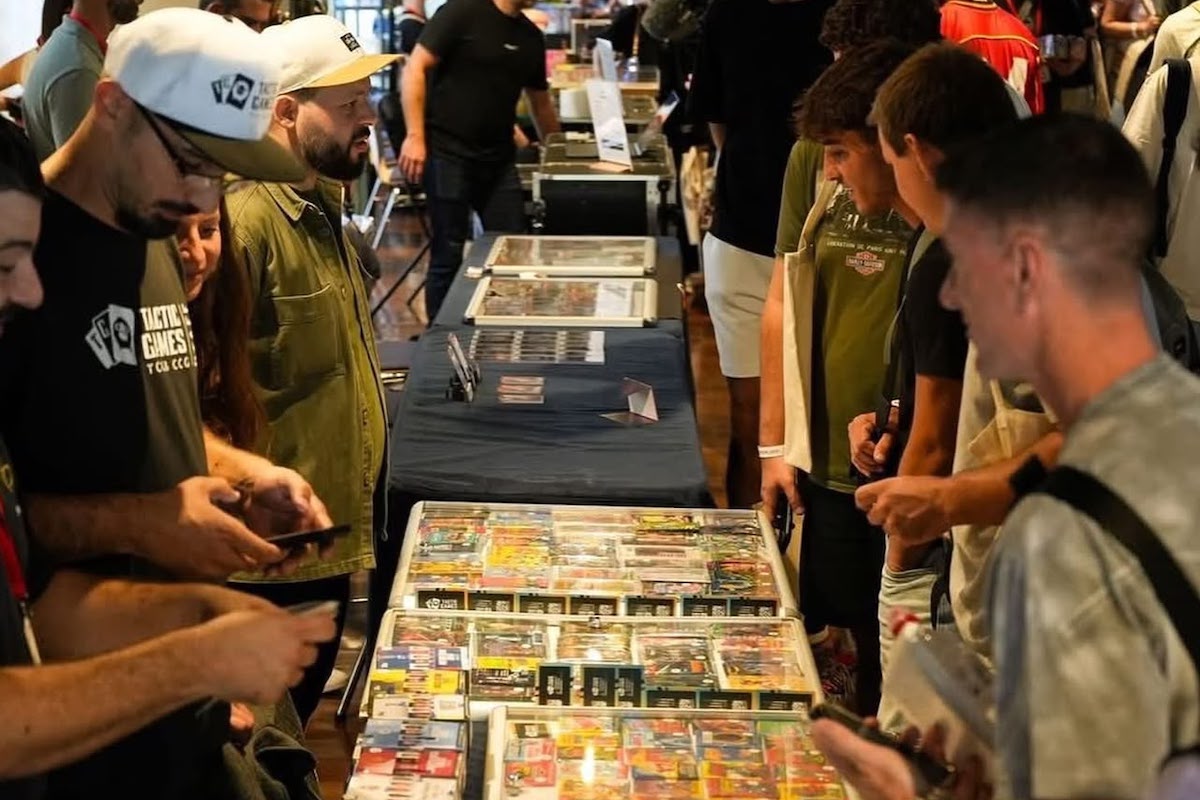
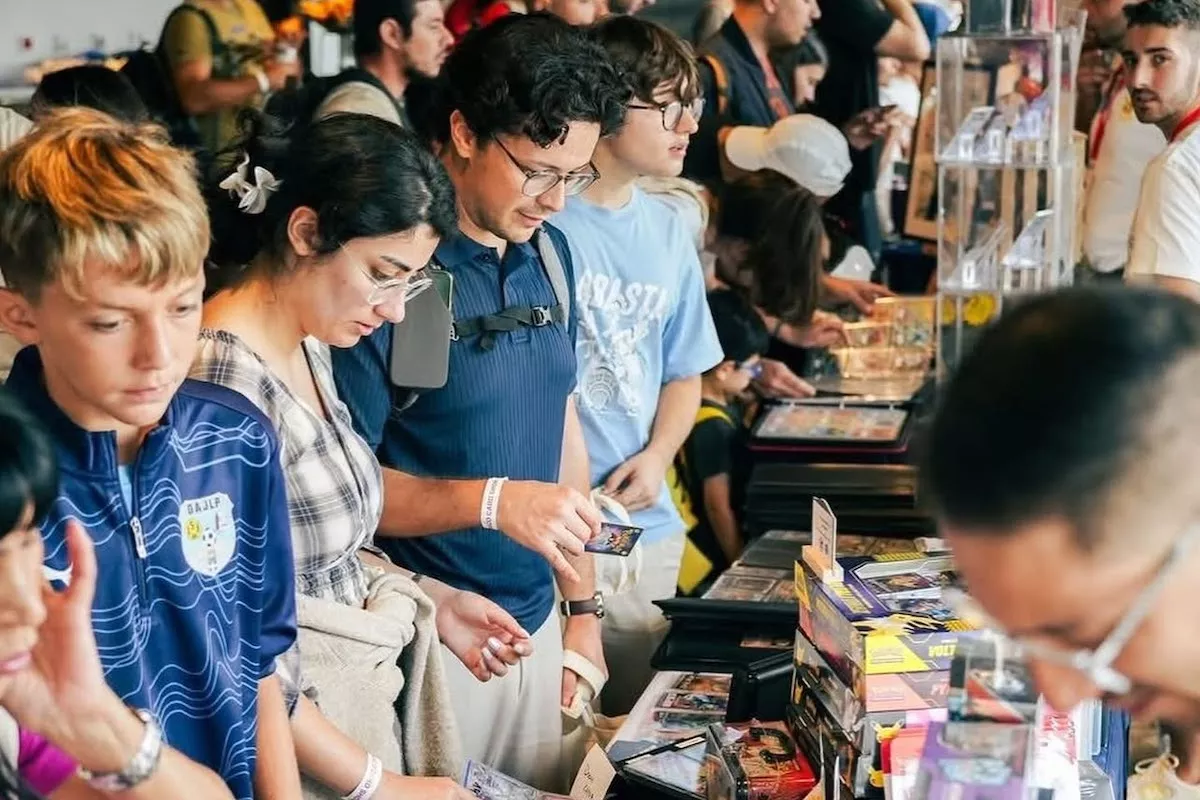
Doubling its exhibition space to over 1,200 square meters, the Monaco Card Show is returning for its second year on 12th September, bringing nearly 60 exhibitors, major industry players, and sports legends together to reflect the growing European trading card market.
Organisers reported that all exhibitor spaces for the event sold out within days, drawing specialist shops, manufacturers, collectors, artists, grading companies, and breakers to a venue twice the size of last year’s debut.
Rapid growth and sold-out exhibition spaces
Founded by local residents and childhood friends Dominique Gastaldi and Nicolas Bermond, the convention was established to capture the expanding European trading card market, a sector that has increasingly mirrored multi-billion-dollar industries in the United States and Asia.
“After the success of our first year, the Monaco Card Show is raising the bar among major card conventions in Europe,” Bermond said. “This year, we are providing more space, more exhibitors, and more partners, while keeping our main goal: bringing this world to life and sharing it with everyone, right here in Monaco.”
New family-friendly features and community focus
Building on the diverse atmosphere of its inaugural gathering, the expanded schedule introduces several new operational elements, including a dedicated and supervised Kids Zone. The day’s itinerary also features high-profile autograph sessions with sports legends, a renewed collaboration with A.S. Monaco Football, and a charity card collection drive to support a local organisation.
Photo credit: Monaco Card Show
Covering a broad spectrum of pop culture and athletics—ranging from sports cards and Pokémon to TCG, Marvel, and Disney properties—the event underscores the steady commercial maturation of trading cards across Europe.
“Trading cards are experiencing incredible growth,” Gastaldi said. “In the US and Asia, this industry is worth several billion dollars, and Europe is following the same dynamic today. With major industry players present on 12th September, we confirm our ambition to become a strong and recognised gathering.”
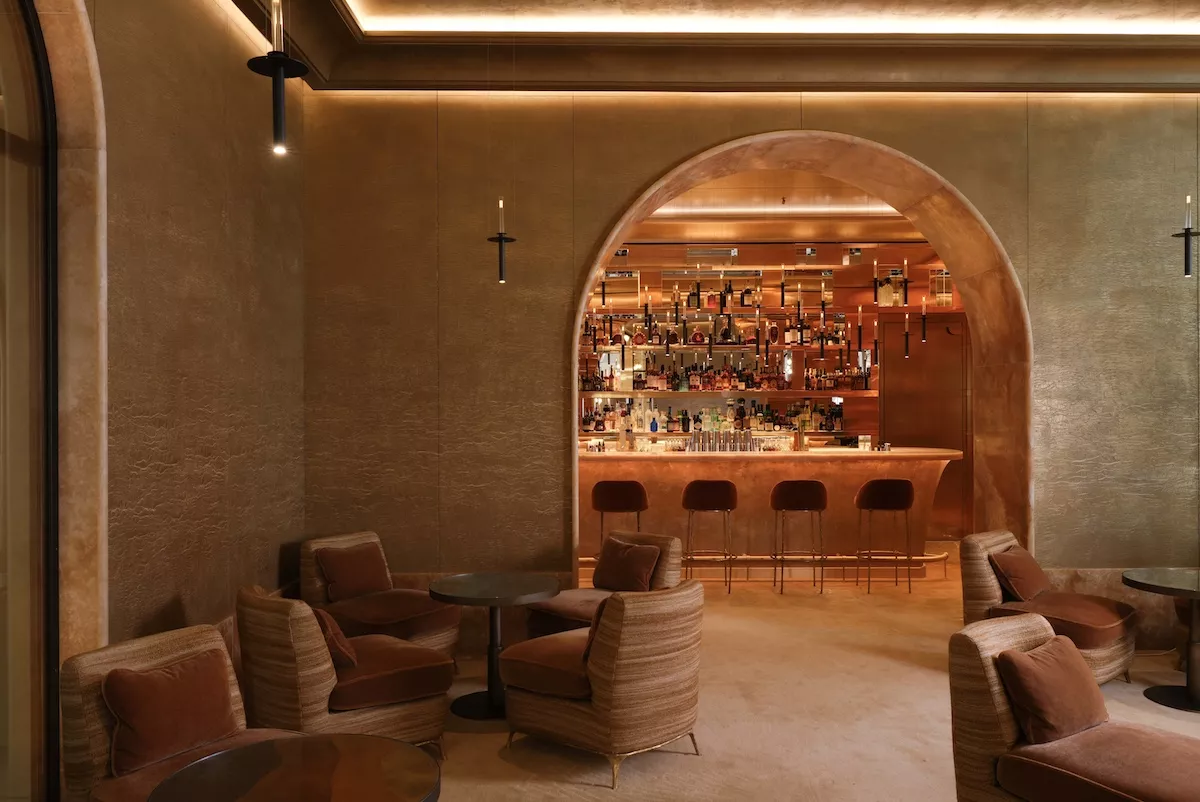
The Hôtel Hermitage Monte-Carlo has spent decades with one of Monaco’s finest interiors sitting largely unused. The Winter Garden, with its wrought-iron and glass canopy, was largely admired in passing, but rarely lingered in. Gustave, the bar that opened beneath it in early June, is the first serious attempt to change that.
There was also a vacancy to fill. The closure of the Crystal Bar, which made way for L’Abysse Monte-Carlo, had left the Hermitage without a bar of its own, and the Winter Garden was the obvious candidate to take on the role.
The name honours Gustave Eiffel, whose workshops were commissioned in Monaco during the period and whose engineering vocabulary the dome speaks fluently. Société des Bains de Mer (SBM), which has combed the archives, describes the structure as belonging to the Eiffel school — a distinction that places it among the finest examples of a movement rather than resting on a single signature.
Five rooms, and a terrace that earns its place
Gustave is the work of Franco-Iranian interior architect Shirine Zirak, who has arranged it as five interconnected spaces taking in the lobby and two adjoining rooms. The original layout has been largely respected, with the chandelier and mouldings left alone and the furniture, lighting and planting doing the reinterpreting. The lighting scheme is the most consequential change: after dark it pushes the dome forward rather than competing with it, which is arguably the whole point of the project.
The terrace is the discovery. It is small, planted, and set slightly apart from the traffic of the hotel, with a checkerboard stone floor and wrought-iron furniture that reference the winter gardens of the late 19th century, when greenery ran through the decorative scheme and into the mouldings themselves. It reads as a genuine throwback rather than a pastiche of one, and its scale is what makes it work. Inside, the rooms take their cue from the salons of the 18th century and are arranged for conversation as much as for eating.
The cocktails at Gustave are worth returning for
Forgotten spirits, and food worth ordering properly
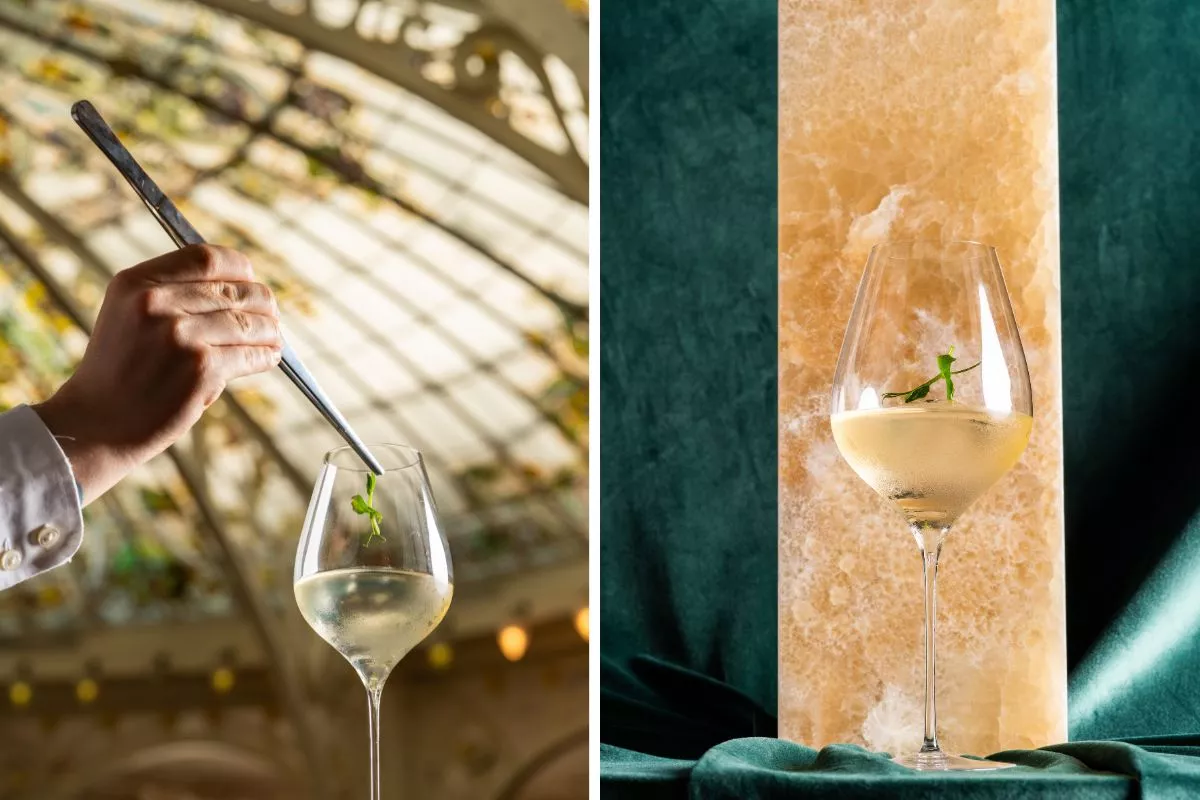
The drinks list is the work of head bartender Julien Lecharpentier, who draws on Art Nouveau and the great Parisian cafés, with a stated interest in rediscovering forgotten spirits and putting classic ingredients through modern technique. The cocktails are the strongest argument for a return visit. The finger food is delicious and worth treating as more than an accompaniment. Manouché “Pavyllon Style” and Crispy Shrimp are must-tries on an extensive menu that includes everything from Iberian charcuterie and Osciètre Caviar to Beef fillet with pepper or Bernaise sauce and Miso Black Cod.
Gustave opens daily from midday until 1am, across lunch, dinner, the afternoon and the late evening, with live music from Thursday to Saturday between 6pm and 10.30pm.
Part of a longer programme
The bar arrives alongside 40 new rooms and suites, including the redesigned Diamond Suites, as part of the renovation Société des Bains de Mer began at the Hermitage in 2024. Chief executive Stéphane Valeri has been explicit about the ambition, describing the dome as the hotel’s finest feature and one that had gone underappreciated, and setting the American Bar at the Hôtel de Paris as the standard Gustave should aim for. A further phase of work is scheduled for spring 2027.
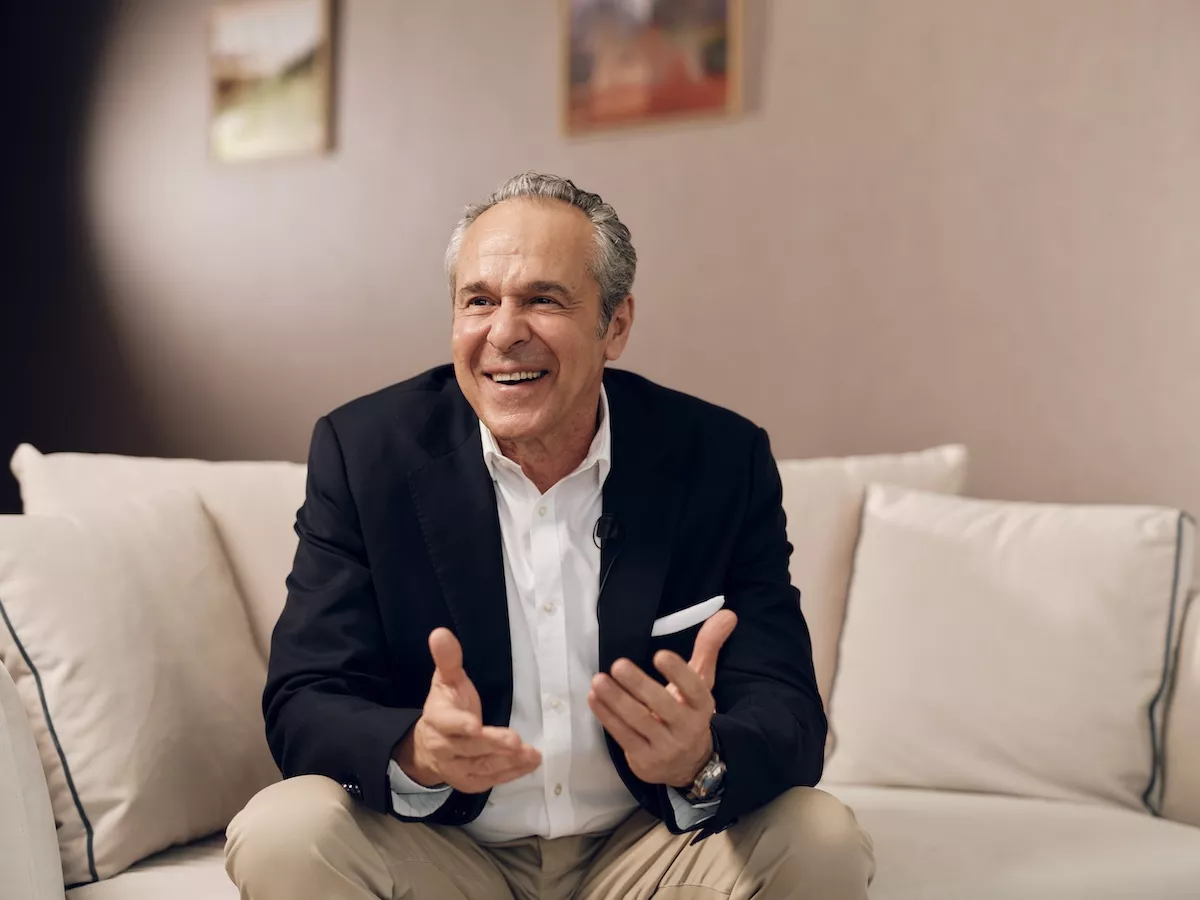
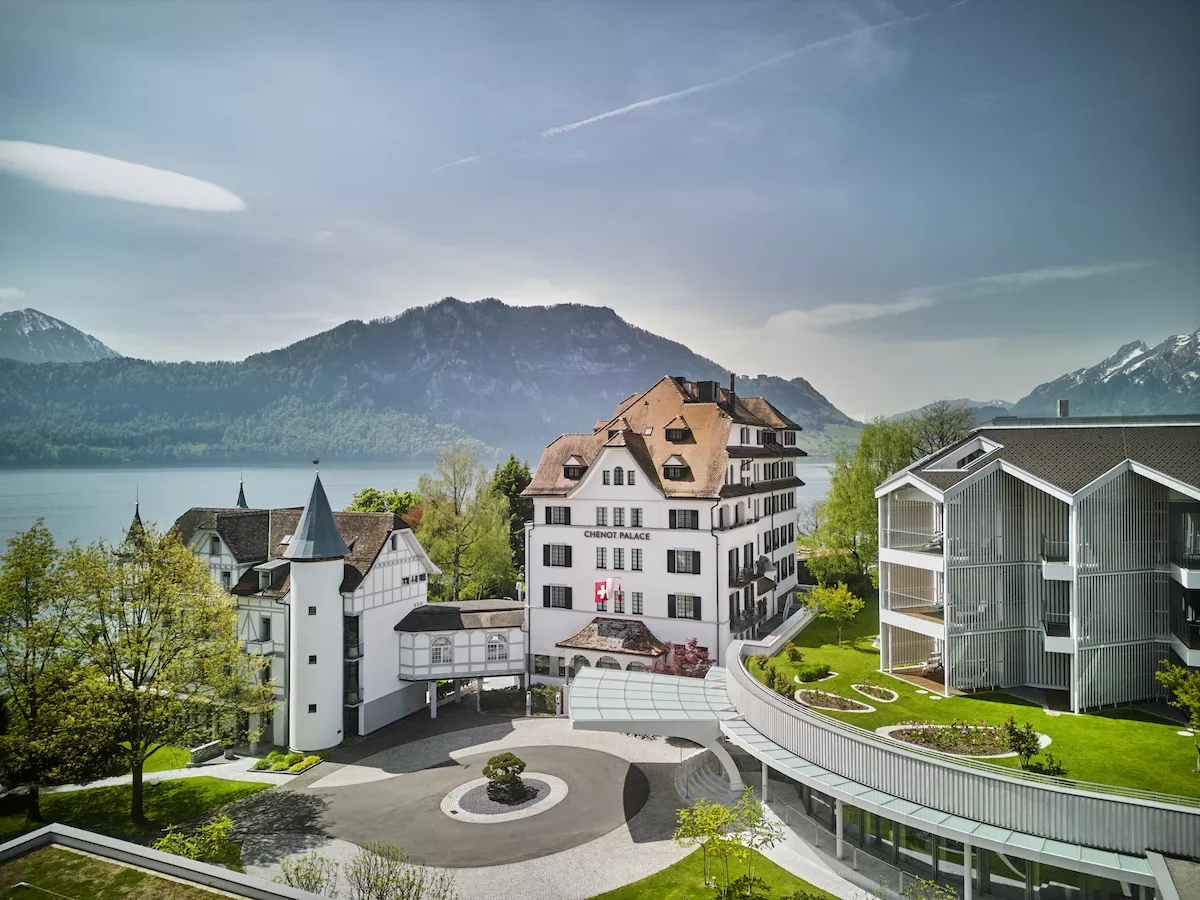
On the shores of Lake Lucerne, inside a discreet Swiss clinic that has welcomed royalty, industrialists and heads of state for more than fifty years, a very different kind of luxury is being practised. It has nothing to do with square footage or thread count. It is measured instead in mitochondria, muscle metabolism and the number of good years a person has left to enjoy the life they’ve built. This is Chenot – and its founding premise is that the ultimate five-star experience is not a suite, but a body restored to its full capacity. I sat down with Dr George Gaitanos, Chenot’s Chief Operating and Scientific Officer, to understand exactly what that means, and why the world’s most discerning individuals now consider it essential.
Dr Gaitanos arrives at longevity science from an unusually rigorous background – a physiotherapist by training, later an exercise physiologist, with a PhD from Loughborough University and postdoctoral research into muscle metabolism at Sweden’s Karolinska Institute, built on decades spent with elite athletes. It is that scientific severity, layered underneath the marble and mountain views, that separates Chenot from the wellness industry’s more decorative corners.
“We’re not a company that treats disease,” he tells me. “We’re a company that creates health. Health is something you practise daily. Health is a skill – something that you train.”
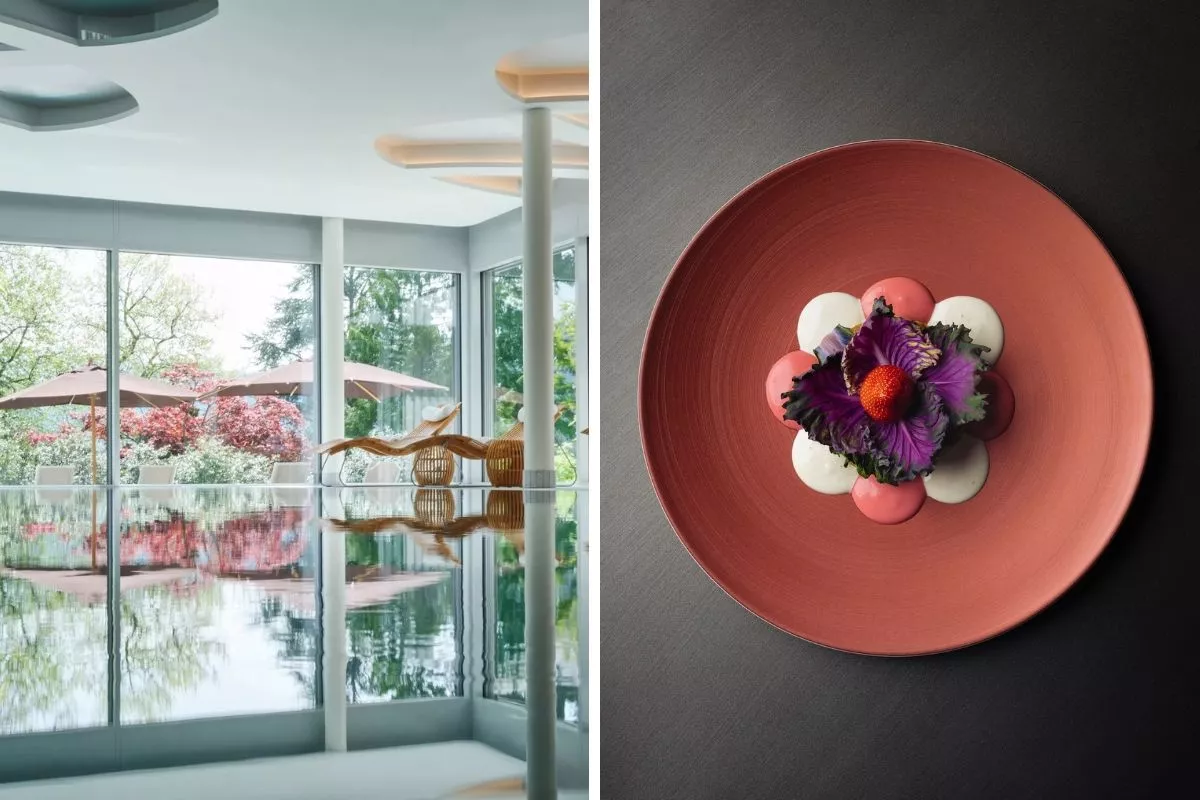
Chenot Palace Weggis, Switzerland
It is a deliberate departure from an industry that has spent the last decade selling supplements and biological-age scores.
“What we’re interested in is functionality, resilience and your ability to adapt to life,” he explains. “We don’t want to reach 100 and spend the last 20 years in bed. We want to reach 100 with full functionality, doing the things we enjoy.” That is the essence of healthspan over lifespan – and it is the singular pursuit around which Chenot has built an entire clinical universe.
Inside the Method: precision engineered recovery
Nothing about a stay at Chenot is left to chance. Every guest begins with an exhaustive medical consultation and a battery of diagnostic screening – body composition, cardiovascular function, metabolic health – before a single treatment is prescribed. From there, doctors, therapists and practitioners orchestrate a programme built around a basic principle: place the body under precisely calibrated stress, and its own intelligence will do the rest.
“The programme is all about putting stress into the body,” explains Dr Gaitanos. “The body is defending the stress, and in defending it is activating repairing mechanisms.”
He describes the effect with an interesting analogy: “Imagine every cell of your body like a mobile phone. At the beginning of life it’s full of energy. As damage accumulates, the battery becomes rusty and the energy begins to fall. What we’re actually doing is cleaning the battery and putting energy back into the system.”
That cleaning unfolds across a choreography of therapies refined over five decades. Guests follow the Chenot Diet, a scientifically validated, plant-based programme of roughly 850 calories a day – researched and published alongside the University of Nottingham – engineered to switch the body into a state of cellular renewal known as autophagy. “The body is actually eating the body,” Dr Gaitanos says, describing how damaged cellular material is broken down and cleared to make way for healthy new growth.
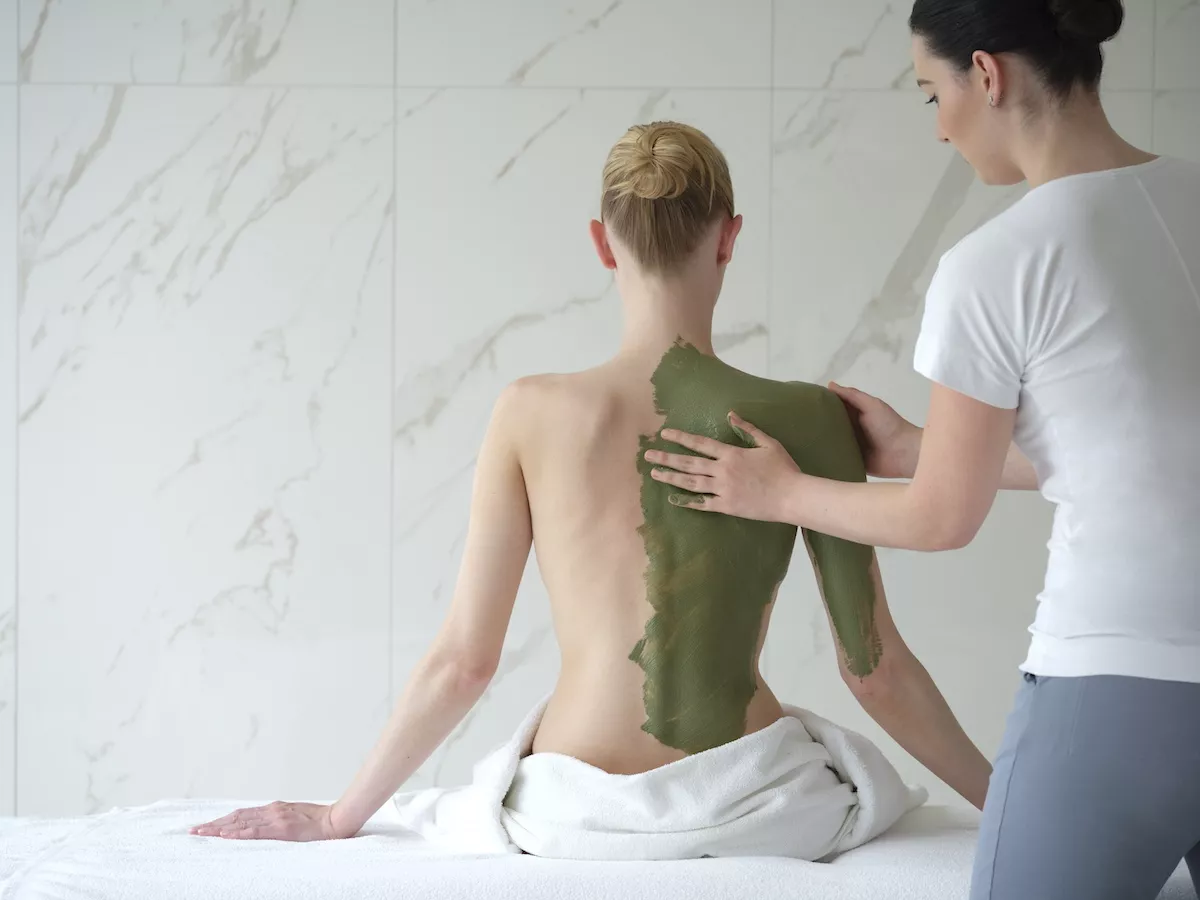
Hydrotherapy follows in three precise movements: immersion in a warm, oil-infused bath, a heated therapeutic mud wrap, and a final stage in which rising core temperature activates the heat-shock proteins responsible for cellular repair. “In a way we’re inducing fever,” Dr Gaitanos explains. “This is what you are experiencing in daily life when you have an infection – how does your body respond, to get rid of the toxin? By fever.”
Traditional Chinese medicine and therapeutic massage complete the daily choreography, calming the nervous system and supporting the body’s own drainage systems after each carefully engineered challenge.
It is, in short, a level of medical rigour and personalisation that few destinations on earth attempt to offer – let alone deliver inside a setting as serene as a private Swiss lakeside estate.
An experience, not a prescription
What distinguishes a week at Chenot from any pharmacy shelf or downloadable app is the totality of the experience – the sense of being expertly guided, every hour, by people whose sole focus is one’s own biology. “Health isn’t just about managing problems,” Dr Gaitanos has said of the approach, “it’s about fostering positive emotions and creating experiences that maximise wellbeing every day.” Architecture, light, colour and acoustics are all considered as part of the treatment itself, a philosophy Chenot describes as neuroaesthetics – the conviction that an environment can either accelerate ageing or actively support recovery.
This, ultimately, is what guests are paying for: not information, which is freely available, but transformation, delivered with medical precision inside an environment built entirely around their recovery. “The action is entirely up to you,” Dr Gaitanos says of what happens once a guest returns home. “We provide the science, the knowledge and the environment” – and it is that environment, meticulously built over 50 years, that no amount of self-discipline alone can replicate.
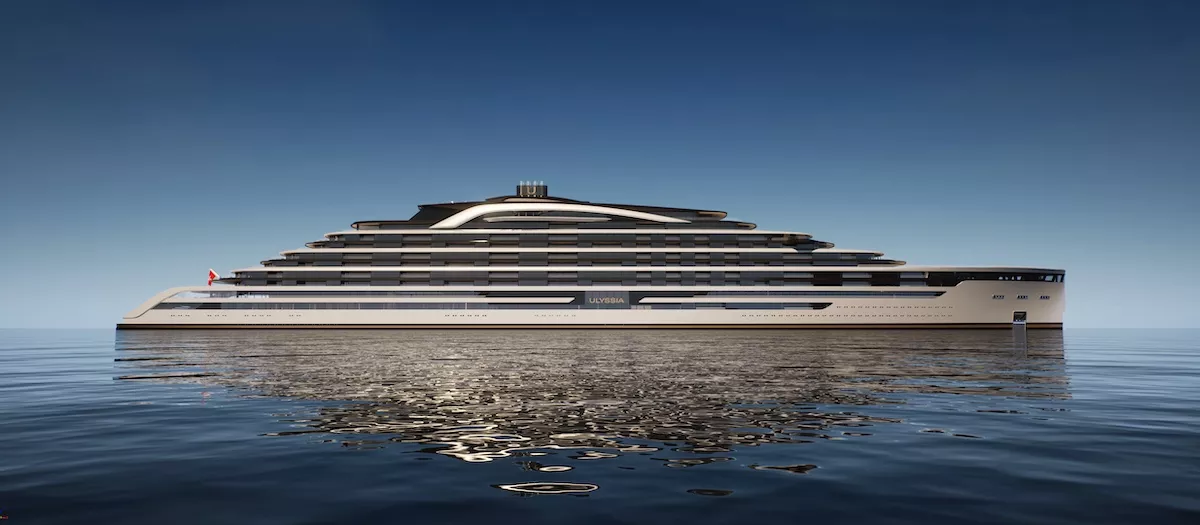
ULYSSIA. Credit: Espen Oino International
Setting sail: Chenot comes to ULYSSIA
It is this exacting philosophy that recently secured Chenot one of the most prestigious partnerships in its history, and one of the most significant in the world of ultra-luxury travel. When ULYSSIA – the 323-metre vessel set to become the world’s first, and most exclusive, luxury residential superyacht – is delivered in 2031, Chenot will be its official health and wellness partner, bringing the full Method aboard for a community of owners for whom no earthly luxury remains out of reach.
It is difficult to overstate what a coup this represents for both parties. ULYSSIA’s owners had the pick of every wellness name on the planet, and chose five decades of clinical authority over anything more fashionable. In return, the brand secures an entirely new frontier: the chance to place its Method, for the first time, inside what will be the most exclusive residential address afloat – available not for a single week a year, but as a permanent feature of daily life at sea.
As the yacht moves between the world’s most extraordinary destinations – from the Mediterranean to the fjords of Norway, from South America to the South Pacific – each new environment will be woven into the experience itself, through bespoke excursions, nature-based movement and immersive activities designed around wherever the vessel happens to be anchored. “We are constantly in biological conversation with the environment we live in,” Dr Gaitanos says. “Every destination changes what you see, what you hear, what you eat and what you experience. This isn’t a static place, and that’s what makes it so unique.”
It is, in effect, the ultimate expression of everything perfected over 50 years: precision, luxury and biology brought into a single, uninterrupted way of living.
And it rests on the same philosophy the company was built on in the first place. Rather than treating disease, the focus is on creating health.
As Dr Gaitanos says, ageing is inevitable, but functional decline is not. Health is not defined as the absence of illness, but as the body’s ability to adapt, repair and respond to life.
The Les Voiles Blanches charity campaign has set sail along the Mediterranean coast, with the Skaf yacht serving as a floating collection point to gather donations for children receiving long-term treatment at the Lenval Foundation hospital in Nice. Led by the initiative’s founder, known as the “White Pirate”, the voyage will connect coastal communities from the Bouches-du-Rhône to Monaco in support of young patients and their families.
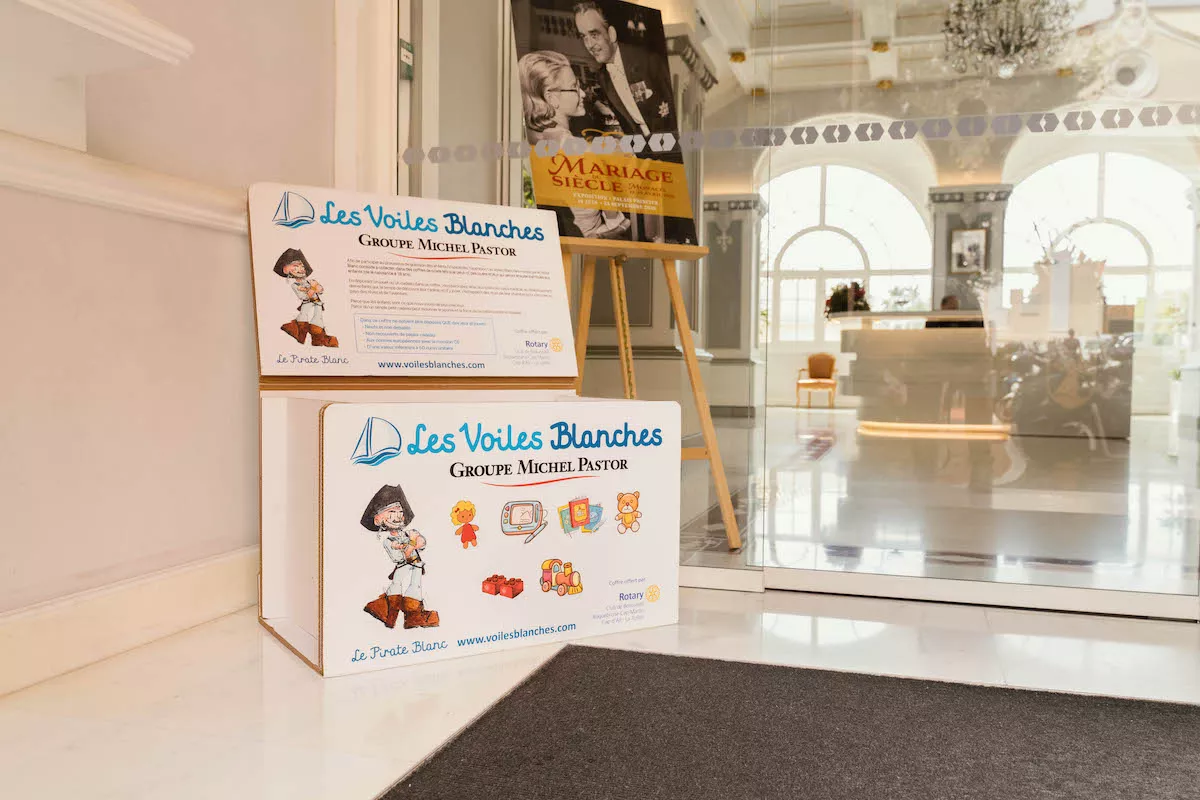
The Mairie de Monaco is facilitating the drive locally, providing access points for the public to contribute to the mission. Donations of new games and toys are being accepted at the main hall of the Town Hall and under the central marquee at the Marché de la Condamine.
To protect vulnerable patients, organisers ask that all donated items be new and left unwrapped. The hygiene measure ensures the gifts can be safely distributed to children receiving treatment at the Lenval Foundation hospital.
Extending a gesture of kindness
The collection will continue until 8th September, with donation points available throughout the campaign for anyone wishing to support children receiving long-term treatment at Lenval Foundation hospital.