AS Monaco Summer Village to return to Port Hercule with free activities and events

Returning for a third consecutive summer, the AS Monaco Summer Village will once again transform Port Hercule into a hub of football-themed activities, events, and fan experiences from 24th July to 9th August. The free event will be open daily from 4pm to 10:30pm.

The program of activities includes precision contests on a giant target, human foosball, quizzes about AS Monaco, and other on-site surprises.

A mini football pitch will provide space for visitors of all ages to put their skills to the test, while additional tournaments will be held throughout the two-week program. A 4v4 football tournament for 12 to 15-year-olds will take place on 29th July from 6pm, with team registration available via inscriptions.tournoi@asmonaco.com.

The village will also host appearances from various members of the club, offering fans the opportunity to meet club personalities, take photos and create lasting memories.

Portuguese footballer Flávio Nazinho will kick off these festivities with an autograph session on 27th July at 6:30pm, marking one of his first public appearances since joining AS Monaco.

Additionally, a pop-up shop featuring the club’s new 2026/27 jerseys will be available, alongside official merchandise.

Following the success of the initiative last year, the collection of new school supplies to benefit Les Enfants de Frankie will return throughout the event. Visitors are invited to drop off items including notebooks, pens, glue, and rulers with the club staff present on site. The collected supplies will be donated to families in need across the region to help them prepare for the beginning of the school year.

Alongside the AS Monaco Summer Village, Port Hercule will also feature rides, sports activities, and food stalls throughout the summer festivities. Fireworks displays are also scheduled for 25th July at 10pm and 1st August at 9:30pm, followed by evening entertainment.

Stay updated with Monaco Life: sign up for our free newsletter, listen to our podcasts on Spotify, and follow us across Facebook,  Instagram, LinkedIn, and Tik Tok

Photo credit: AS Monaco

How Core cracked Monaco’s online payment problem

When Carlo launched in Monaco in 2019, its founders were not setting out to build an online payment system. They were creating a cashback application designed to encourage people to shop locally. But running the platform meant confronting a problem that had frustrated Monaco businesses for years: accepting payments online in the Principality was far more difficult than it was in neighbouring France or elsewhere in Europe.

International platforms could not simply be connected to a Monaco business. The number of authorised providers was limited, smaller merchants were often unable to meet their requirements, and navigating the regulatory and technical system required specialist knowledge.

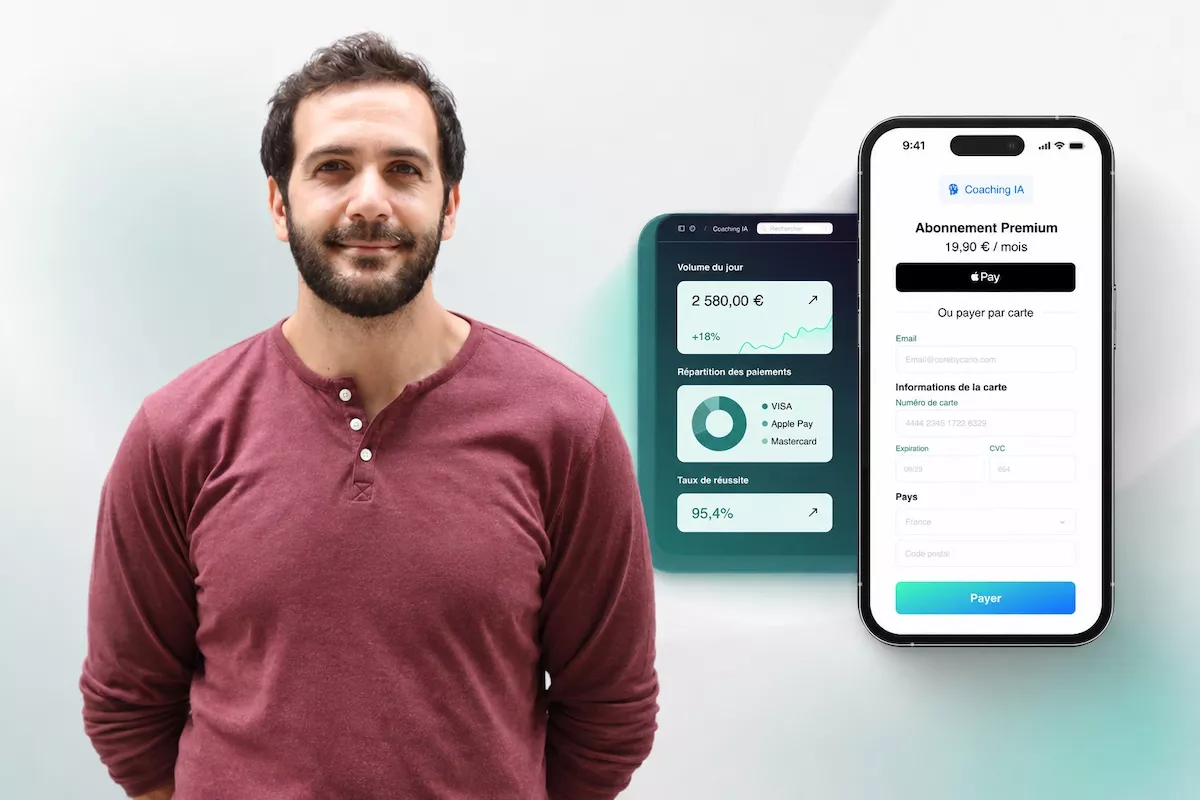
Over several years, the team behind Carlo was forced to solve each of those problems for its own platform. That experience ultimately enabled the company to create Core, which Carlo CEO Antoine Bahri describes as Monaco’s first locally developed online payment solution dedicated to Monégasque businesses.

“We had to face those issues constantly,” Bahri tells Monaco Life, “so we developed a solution specifically for Monaco.”

The challenge hidden behind Monaco’s borders

The first hurdle was regulatory. Payment institutions operating in the European Economic Area can generally obtain a licence in one participating country and use passporting arrangements to offer services across the wider market. Monaco, however, is not part of that system.

“Most payment institutions register in certain countries, including Ireland, the Netherlands and Lithuania, where obtaining a licence can be easier or the approach is considered more modern and less conservative,” explains Bahri. “They can then operate in France, Italy and the rest of the EU. However, because Monaco is not in the EU and its agreement is with the Bank of France, only payment providers registered with the Bank of France can operate in Monaco.”

That drastically reduces the number of companies available to Monaco merchants. Those that do operate in the Principality may focus on large clients, particular industries or businesses processing substantial payment volumes.

For an independent retailer or a start-up wanting to add a payment page to its website, the minimum transaction volumes demanded by some providers can be prohibitive. Others may consider the Monaco market too small to pursue.

This is why a business in France or the UK might be able to connect a payment platform and begin selling relatively quickly, while a Monaco company can discover that the same option is unavailable only after it has built its website or application.

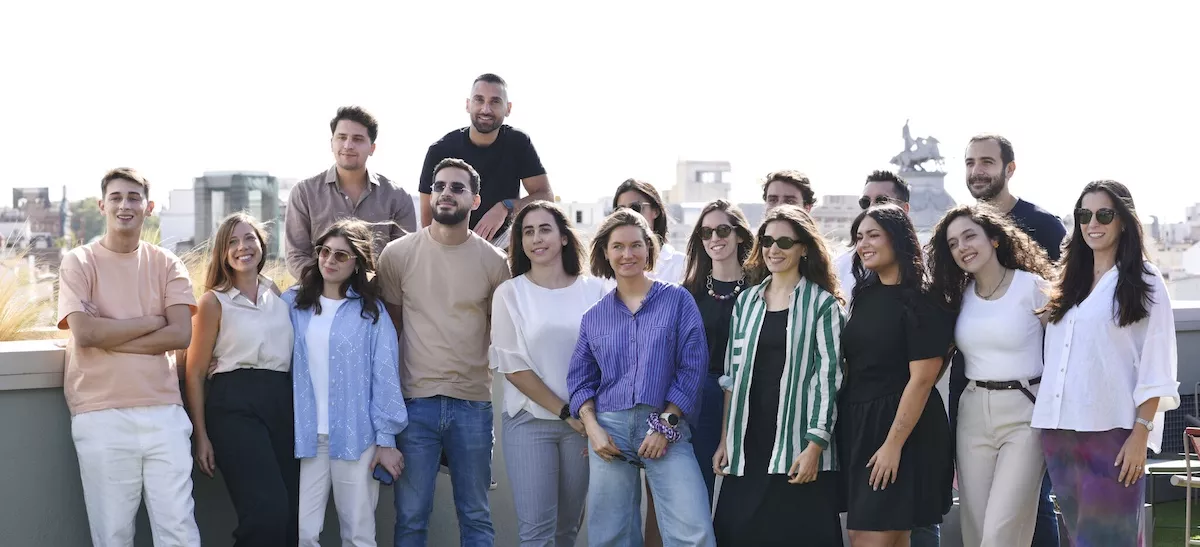
The Core team

Carlo was forced to master the payments system

Carlo encountered these barriers while developing its cashback application.

The platform needed to process purchases and distribute payment flows across a growing network of merchants. That required its founders to understand not only how payments were authorised, but also how funds could be transferred to Monaco bank accounts, how different payment methods could be integrated and how the service could comply with the applicable French regulatory framework.

“The payments sector is very specific,” says Bahri. “It is an entire world in itself, and we learnt a great deal about it while building Carlo.”

Carlo worked with Lemon Way, a French payment institution specialising in marketplace businesses. The relationship gave the company access to payment infrastructure, but Carlo still had to build the technology and operational systems needed to manage its own network.

Today, Carlo works with more than 800 merchants. Handling payments across that network required the company to create an infrastructure capable of processing transactions and distributing funds reliably.
Security could not come at the expense of simplicity

Solving the regulatory problem was only one part of the challenge. Carlo also had to make payments secure without creating a cumbersome process.

“When you introduce a security system such as 3D Secure, you have to ensure that the customer journey remains frictionless,” says Bahri. “You do not want the payment process to become such a hassle that the customer has to complete too many validation stages. If there is too much friction, the customer will abandon the purchase.”

The company worked with specialists in Monaco on systems security and GDPR compliance. Bahri says the Principality’s established banking industry made it possible to find companies accustomed to handling sensitive personal and financial information.

“Monaco is well prepared in this regard because it has banks that handle highly sensitive personal and financial information,” he says. “From a very early stage, we were able to find people who could guide us through these issues and help us implement appropriate security measures around payments.”

Each transaction processed through Carlo also helped the company understand how customers behaved, how suspicious activity could be identified and where limits or additional verification were needed.
Monaco Taxi online app was possible thanks to Core

Monaco Taxi became the decisive breakthrough

Once Carlo had established a functioning payment infrastructure, other Monaco businesses began taking notice. By 2021 and 2022, companies were approaching the team for help implementing payment systems similar to Carlo’s. The requests revealed that its internal solution could address a much wider problem.

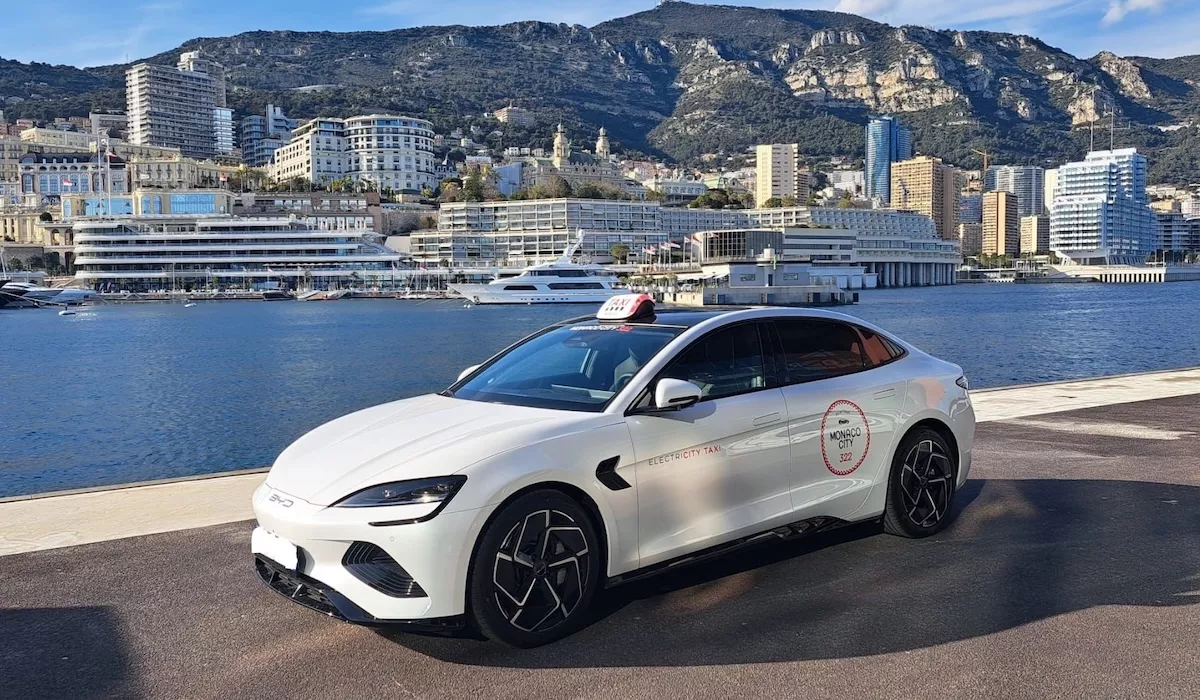
The turning point came in 2024, when Carlo began building a tailored payment system for Monaco Taxi. The project took the infrastructure developed for Carlo and applied it to a separate Monaco service. The resulting payment solution launched in April 2025, allowing customers to pay for taxi journeys digitally. It proved that the technology could work beyond Carlo’s own cashback platform.

“That’s when we decided to turn it into a separate product and launch Core,” says Bahri. “It only took us about six months – because the infrastructure was already there.”

The breakthrough was therefore not a single technological invention. It was the culmination of several years spent solving Monaco’s regulatory, banking, security and customer-experience problems one at a time.

Turning a tailored solution into two products

Core was created with two principal services. Core PayLink allows a business to send a customer a payment link without building a complete e-commerce website. The merchant can track the transaction and receive confirmation when it has been completed, while the customer can pay using Visa, Mastercard or Apple Pay.

The product now has more than 60 clients, including retailers, concierge companies and car and limousine services.

It is particularly useful during events such as the Monaco Grand Prix, when customers may want to order flowers, reserve a service or purchase a product before arriving in the Principality.

Core Checkout provides a payment page that can be integrated directly into a website or application. It is aimed partly at the start-ups establishing projects in Monaco that need to process payments or operate digital marketplaces.

Apple Pay reveals how quickly payment habits are changing

Building a Monaco-specific solution also means responding to the habits of an unusually international customer base. Many Monaco consumers travel frequently and expect to use the same payment methods they rely on elsewhere. Yet not every provider authorised to operate in the Principality offers those options.

Carlo introduced Apple Pay in February 2026. According to Bahri, around 20% of its users adopted it within the following few months. The company is now considering Wero, a European digital payment system supported by a group of banks, along with direct bank payments using open-banking technology.

“We know that we need to adapt continuously,” says Bahri. “We are also working on introducing direct debit through open banking, allowing customers to register their bank accounts and make payments with less friction.”

Why Monaco became the ideal testing ground

Monaco’s unusual regulatory position created the original problem, but its size helped Carlo solve it. With merchants, customers, financial specialists and government departments concentrated in a small area, feedback came quickly and the technology could be adjusted in response, while the Principality’s international population brought experience of payment products used in other markets, showing what customers expected of a modern system.

“It is a particularly interesting place to use as a laboratory. For us, it was the best possible testing ground,” said Bahri.

From in-house fix to commercial product

Carlo has since expanded into Aix-en-Provence and Bordeaux, and the technology developed in Monaco is now offered through Core Ecosystem, a white-label payment and rewards platform for resorts, shopping centres and territories. Core exists because Carlo’s founders had to understand Monaco’s payment problem in order to build their original platform, and the system they built for themselves, refined across hundreds of merchants and proved through Monaco Taxi, is now a service for the wider business community.

Stay updated with Monaco Life: sign up for our free newsletter, listen to our podcasts on Spotify, and follow us across Facebook,  InstagramLinkedIn, and Tik Tok.

Main photo of Carlo CEO Antoine Bahri
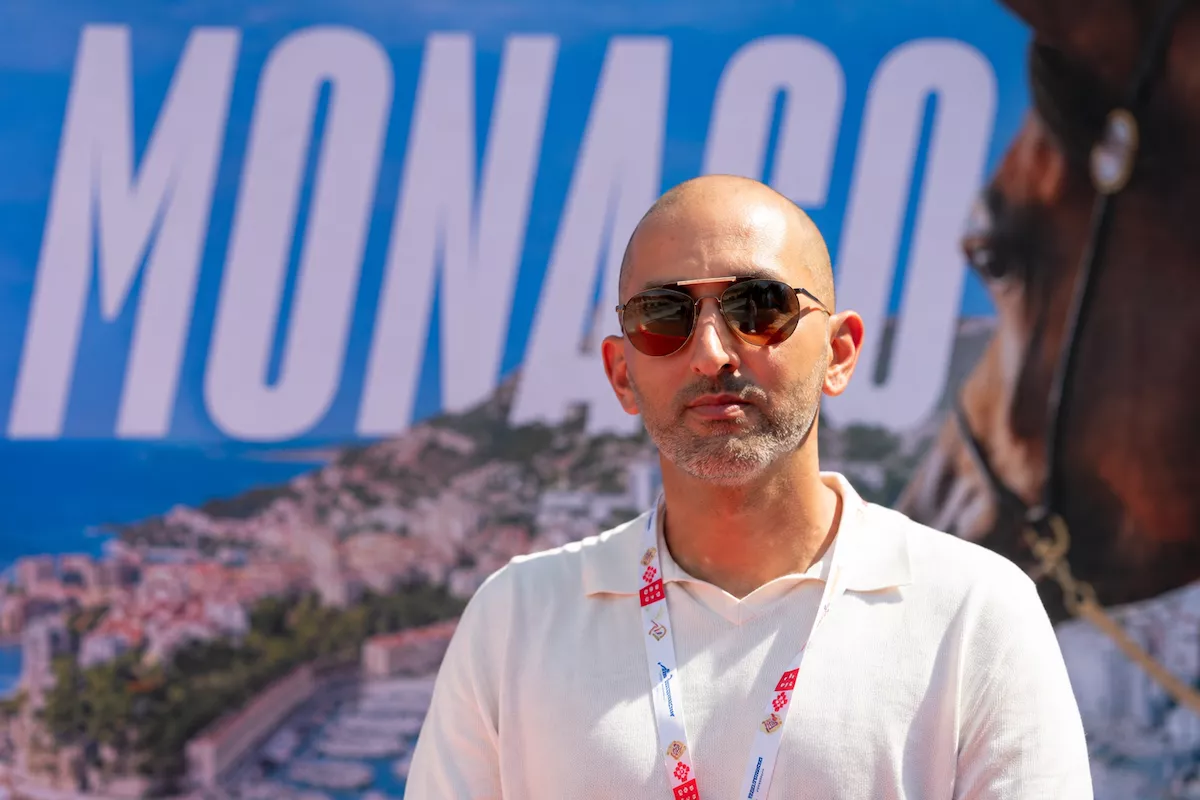
Interview: Sheikh Mohammed Bin Nasser Al Thani on Qatar’s vision for Arabian horse sport

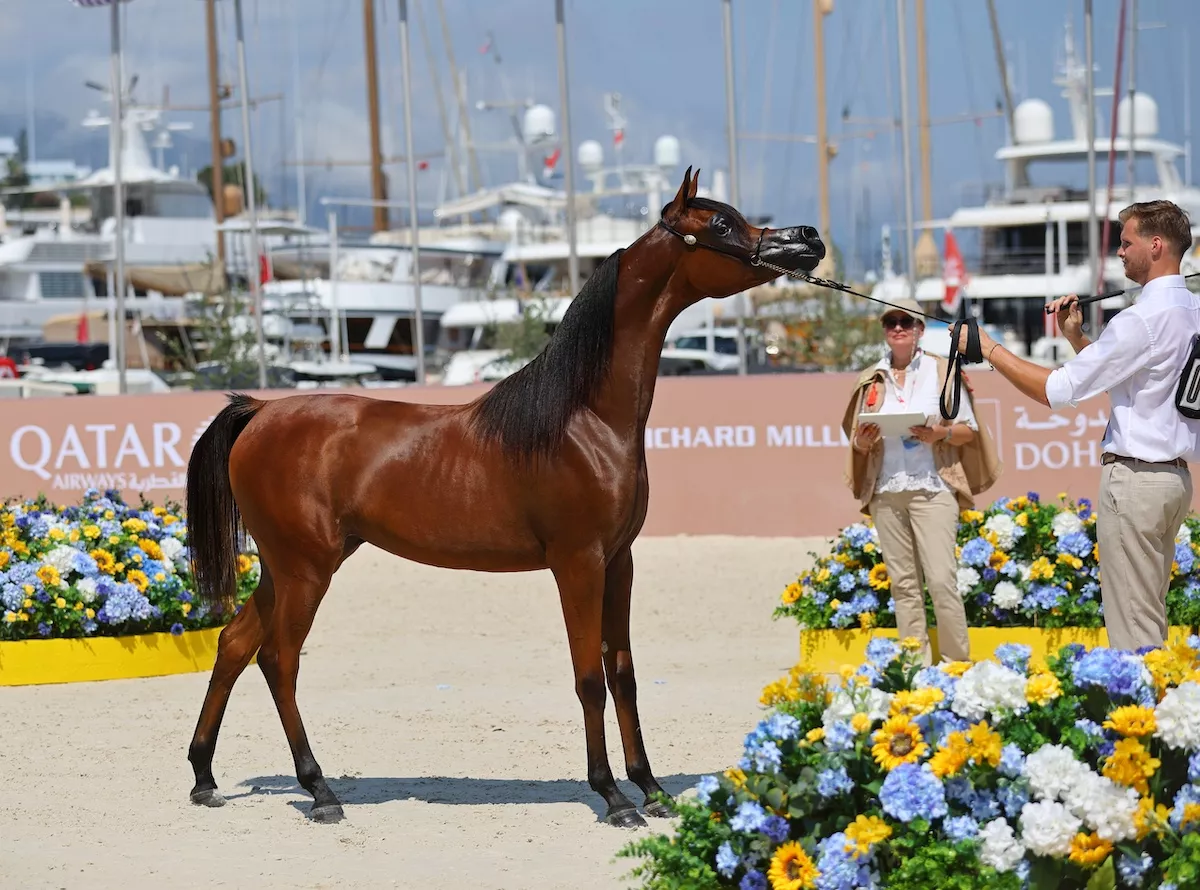
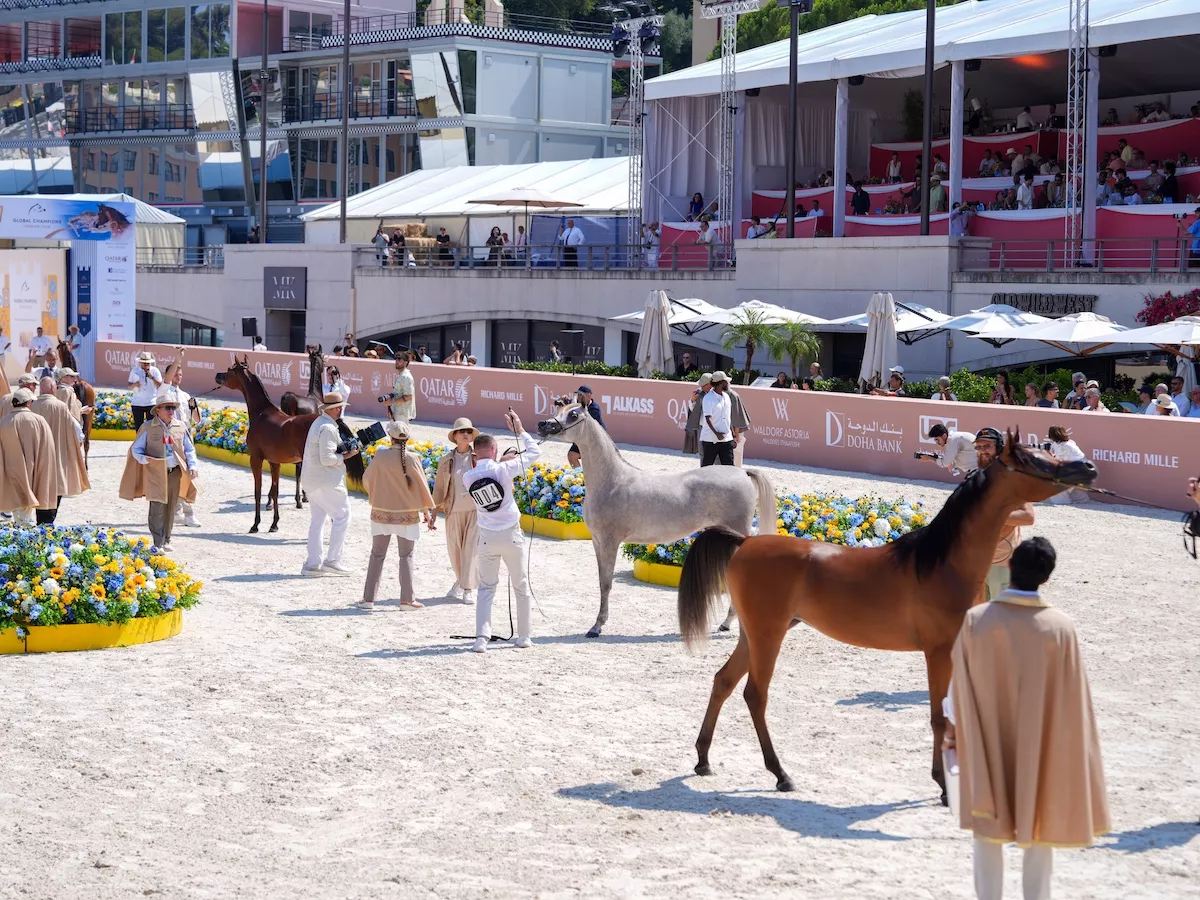
The Global Champions Arabians Tour made its Monaco debut this month, but for organisers the Principality represents far more than another stop on an international calendar. It is part of a long-term strategy to transform Arabian horse competition from a regional tradition into a global sporting brand.

For two days, Port Hercule became home to some of the world’s finest Purebred Arabian horses as the Global Champions Arabians Tour (GCAT) arrived in Monaco for the first time. The event welcomed 86 horses from several countries competing for a share of a $636,000 prize fund as the fourth stage of the 2026 Europe and Middle East circuit, with the top three horses in each championship qualifying for the World Arabian Horse Championship Supreme in Paris later this year.

But behind the competition lies a much broader ambition.

Speaking to Monaco Life’s Cassandra Tanti, Sheikh Mohammed Bin Nasser Al Thani, Deputy CEO of the Global Champions Arabians Tour, said Monaco was chosen not simply for its glamour, but because of its international reputation as a sporting destination capable of introducing Arabian horse competition to entirely new audiences.

“Monaco has an exceptional ability to bring together sport, culture and international influence in a way that very few destinations can,” he said. “For the Global Champions Arabians Tour, it represents the ideal environment to introduce the Arabian horse to new audiences while remaining true to its heritage. Hosting our inaugural Monaco stage is not simply about adding another destination to the calendar; it is about becoming part of one of the world’s most respected sporting and cultural landscapes.”

The strategy reflects Qatar’s wider investment in global sport over the past decade, but Sheikh Mohammed says Arabian horses occupy a unique place within that vision because they are inseparable from the country’s culture.

“The Arabian horse is an integral part of our history and identity, so investing in its international development is a natural extension of that vision,” he said. “Through GCAT, we are preserving an important cultural heritage while presenting it through a modern, world-class championship that resonates with audiences around the world.”

The challenge is balancing commercial expansion with protecting a tradition dating back more than 2,500 years. Arabian horses originated on the Arabian Peninsula, where Bedouin tribes selectively bred them for endurance, intelligence and loyalty before the bloodlines spread across Europe, Asia and Africa, influencing many modern horse breeds.

For Sheikh Mohammed, those two objectives are not in conflict.

“Commercial growth provides the resources needed to protect and promote the Arabian horse on a global scale, but heritage will always remain at the heart of everything we do,” he said. “Every decision we make is guided by a simple principle: to elevate the sport while respecting the history, traditions and values that have shaped it for centuries.”

Like many traditional sports, Arabian horse competition also faces the challenge of attracting younger audiences. Rather than changing the sport itself, GCAT has focused on how it is presented.

“We are investing in digital storytelling, innovative event experiences and world-class production to present the sport in ways that resonate with younger audiences without compromising its authenticity,” Sheikh Mohammed said. “Our goal is to create meaningful connections between people and the Arabian horse, ensuring that its remarkable heritage continues to be appreciated for generations to come.”

The economic benefits are also part of the equation. Beyond the competition, Sheikh Mohammed believes events such as GCAT create value through tourism, hospitality and international exposure while bringing together owners, breeders and industry professionals from around the world.

“Our ambition is to create partnerships that generate long-term value for every host city,” he said.

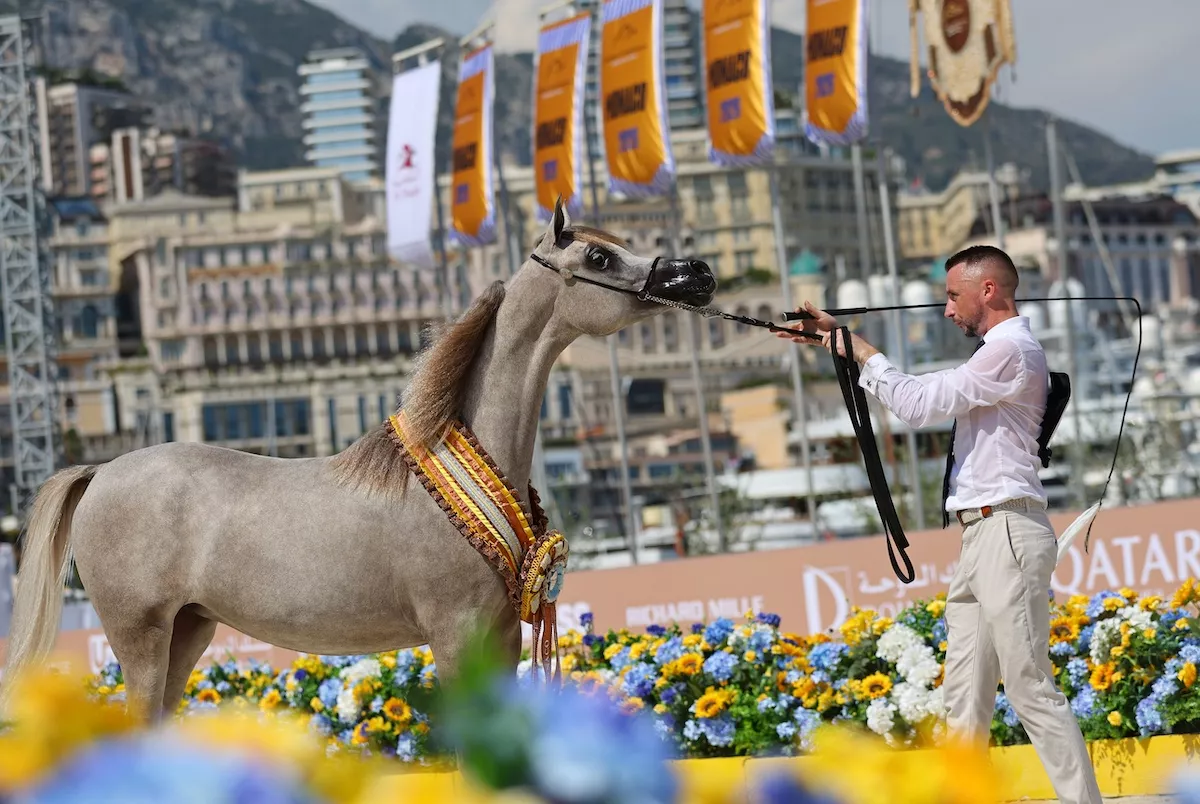
The inaugural Monaco stage also delivered memorable sporting performances. Dubai Arabian Horse Stud claimed both the Senior Stallions title with D Shahhar and the Senior Mares championship through D Najlah, while Al Wajba Stud won both junior championships with Aesar Al Wajba and Expectations Al Wajba.

The winners received specially designed Monaco-themed awards featuring Riviera blue detailing, golden sunflower motifs and crystal-embellished neckpieces inspired by the Principality.

With Monaco now added to a calendar spanning Europe, the Middle East and the Americas, the Tour continues next month in London before culminating in the World Arabian Horse Championship Supreme in Paris. For Sheikh Mohammed, however, success will not be measured simply by expansion.

“Our ambition is for GCAT to become the undisputed global benchmark for Arabian horse sport,” he said. “Growth is important, but it must always be purposeful.”

Stay updated with Monaco Life: sign up for our free newsletter, listen to our podcasts on Spotify, and follow us across Facebook,  Instagram, LinkedIn, and Tik Tok.

Photos source: GCAT


Villa Paloma opens after hours for three summer evenings

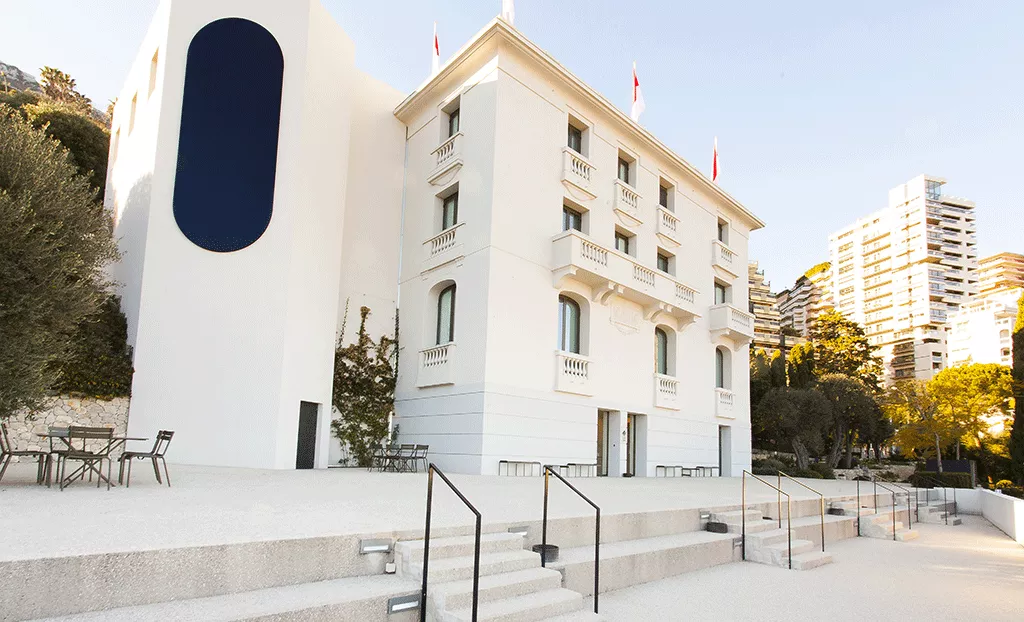
The Nouveau Musée National de Monaco (NMNM)  is keeping Villa Paloma open into the evening three times this summer, with free access to its Victor Brauner exhibition, food and drink in the garden, and an open-air screening of a Palme d’Or winner’s most recent film.

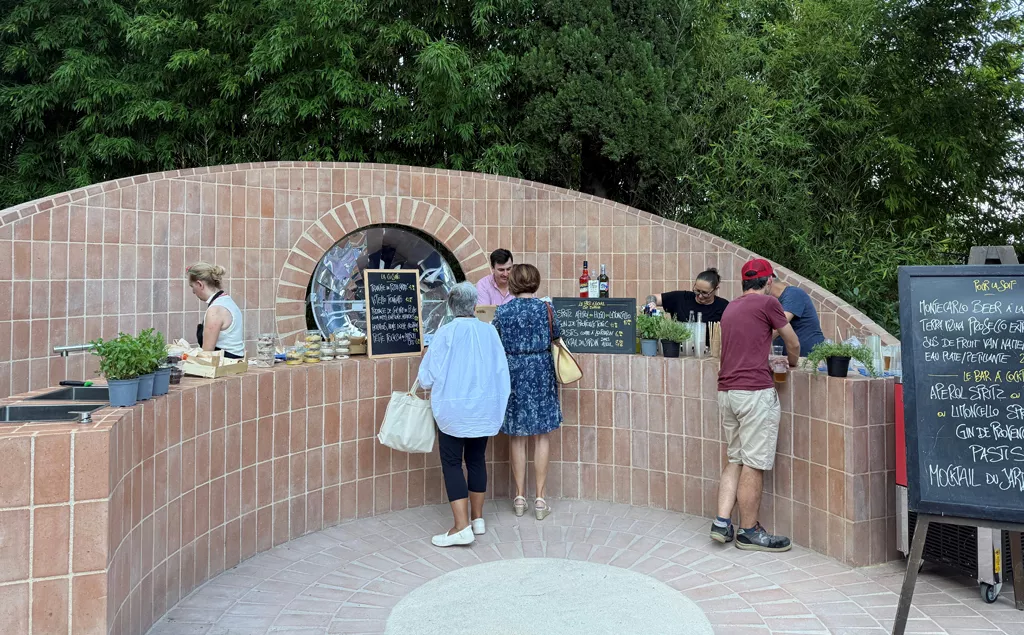
The nocturnes run on Thursday 23rd July and Thursday 20th August, from 6pm to 9pm. On both evenings, Monaco Vinalia Gourmet will serve food and drinks at Régulus, and admission to Victor Brauner, L’Aventure magique will be free throughout.

A film in the garden

The centrepiece of the programme falls between the two, on Thursday 6th August. The evening follows the same pattern — Régulus open from 6pm, free entry to the Brauner exhibition until 9pm — before the garden turns into an outdoor cinema at 9pm for a screening of Memoria.

Released in 2021, the film is the work of Thai director Apichatpong Weerasethakul and stars Tilda Swinton alongside Elkin Díaz and Jeanne Balibar. Swinton plays a Scottish horticulturist specialising in orchids who travels to Bogotá to visit her ailing sister. During her stay she strikes up friendships with a French archaeologist overseeing a construction project and a young local musician, all while being pursued by a mysterious and deafening sound that nobody else can hear.

What follows is less a narrative than an immersion — a slow, sensory walk through the Colombian jungle in which image and sound bleed into one another, and which places Weerasethakul firmly in the lineage of the Surrealists. That connection gives the screening an obvious logic alongside the Brauner exhibition upstairs.

Weerasethakul shared the Jury Prize at Cannes for Memoria, 11 years after winning the Palme d’Or in 2010 for Uncle Boonmee Who Can Recall His Past Lives, the first Thai film to take the festival’s top prize. Memoria runs for 136 minutes and will be screened in its original version with French subtitles.

Attendance is free but places must be booked in advance by emailing public@nmnm.mc.

Villa Paloma, photo source NMNM

The pavilion that cooks by sunlight

Régulus itself is worth arriving early for. The semicircular brick pavilion was created by architect and artist Guillaume Aubry and inaugurated by Princess Caroline of Hanover in July 2024, built along the original lines of Villa Paloma’s antique garden, laid out in 1913 by the landscape architect Octave Godard. It faces due south and follows the sun across the day, with a solar oven at its centre that heats and cooks what is served at the counter. The museum describes it as neither a café nor a cocktail bar nor an agora, but something of all three.

Brauner until January

The exhibition runs until 3rd January 2027 and brings together more than 160 paintings, drawings and sculptures tracing Victor Brauner’s career from the 1920s to the 1960s, drawn from a private collection assembled in Monaco. Ten non-Western objects once owned by the artist, on loan from the Musée d’art moderne et contemporain de Saint-Étienne Métropole, sit alongside them, with a scenography by Christophe Martin.

Stay updated with Monaco Life: sign up for our free newsletter, listen to our podcasts on Spotify, and follow us across Facebook,  Instagram, LinkedIn, and Tik Tok.

Main photo: Régulus, photo source NMNM


Suspect arrested after €1m jewellery theft from elderly Monaco resident

A man suspected of stealing jewellery worth more than €1 million from an elderly Monegasque resident while posing as a police officer has been arrested in France following a joint cross-border investigation, the Monaco Public Prosecutor’s Office announced on Wednesday.

According to the prosecutor, the theft took place on 14th July, when the suspect allegedly gained the victim’s trust by impersonating a police officer before making off with jewellery valued at more than €1 million.

The communiqué credits the rapid response of Monaco’s Sûreté Publique and close coordination with French police forces, working under the authority of several French public prosecutors, with quickly identifying the suspect and locating his home in France.

French authorities searched the suspect’s home on 17th July, where investigators “recovered numerous additional pieces of jewellery as well as a substantial amount of cash”. The prosecutor did not specify whether the recovered jewellery included the items stolen from the Monegasque victim.

The suspect was remanded in custody on 19th July after being formally charged by a French investigating magistrate with organised fraud (escroquerie en bande organisée) – suggesting investigators believe the suspect deceived the victim into handing over the jewellery, rather than stealing it through burglary or robbery. The investigation remains under the authority of the French judicial system and is continuing.

The Monaco Public Prosecutor’s Office released no further details regarding the suspect’s identity or whether investigators believe additional victims may be linked to the case.

Monaco Life is written by a team of real journalists writing original content. To stay updated, sign up for our free newsletter, listen to our podcasts on Spotify, and follow us across Facebook,  InstagramLinkedIn, and Tik Tok.

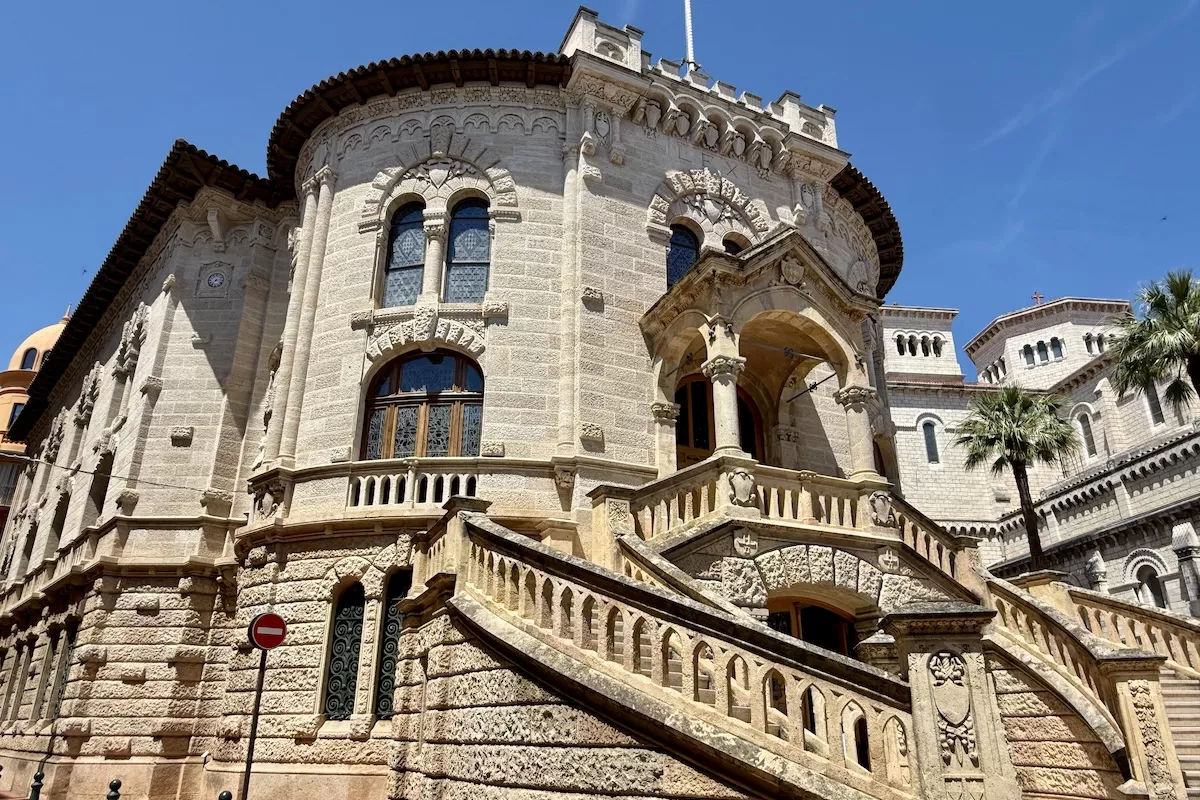
Photo of Monaco’s court house by Cassandra Tanti


Hôtel Hermitage Monte-Carlo launches exclusive summer pop-up boutique

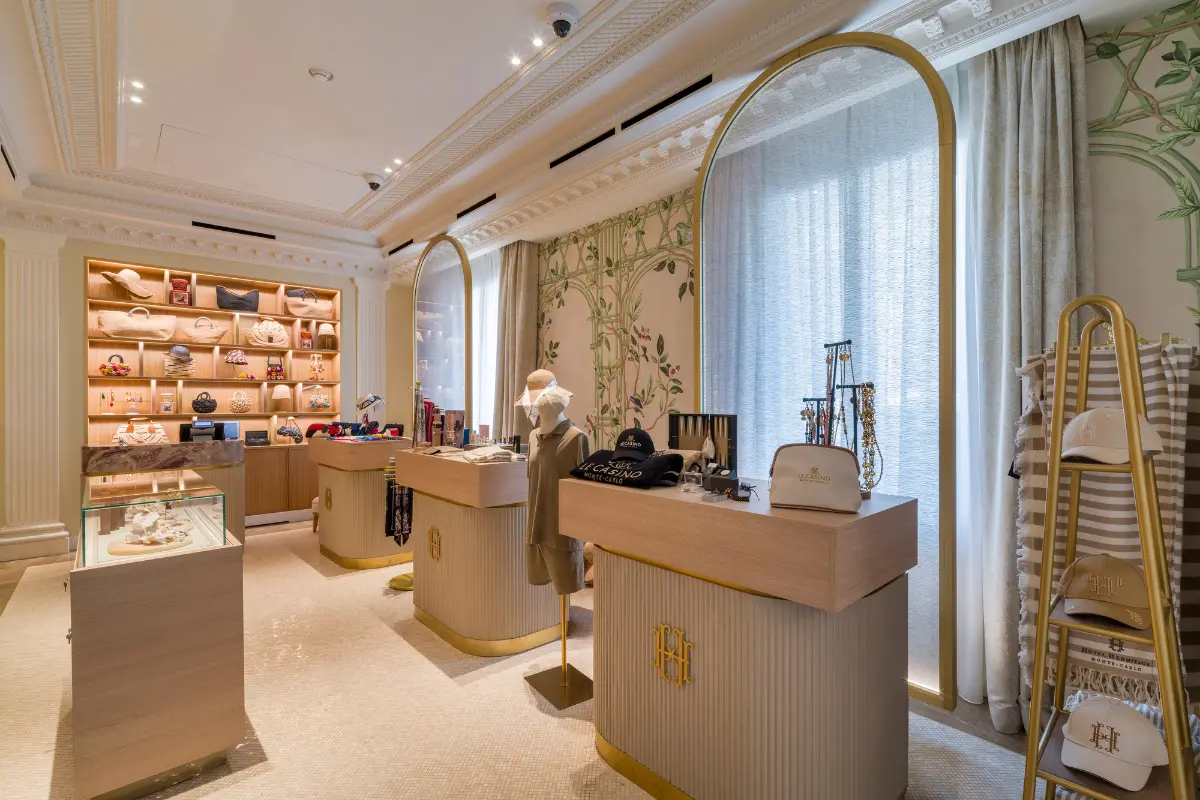
Hôtel Hermitage Monte-Carlo has inaugurated its first pop-up boutique, located just outside the new Gustave Bar. The boutique offers a curated collection of exclusive brands unavailable elsewhere on the French Riviera. Until 31st August, the pop-up invites guests to shop for swimwear, accessories, jewelry, bags, children’s toys, and more from 14 carefully selected brands.

One of the boutique’s standout collaborations is with IBELIV, which has renewed its partnership with Monte-Carlo Société des Bains de Mer through a co-branded collection of raffia bags and hats. Liva Ramanandraibe, founder of the Madagascan brand, presented the new collection during the boutique’s opening evening. He told Monaco Life: “The lifestyle here is very much Dolce Vita, and our summer collections have always been inspired by the Mediterranean. It creates a natural connection between our craftsmanship, our techniques and the way of life here.”

Among the additional brands featured at the pop-up are colourful, creative handbags by Jamin Puech, exclusive pieces from the Scandinavian ready-to-wear label Almada, and sunglasses from Kering Eyewear.

Spanish brand Heimat Atlantica has collaborated with Monte-Carlo Société des Bains de Mer on a collection of woven bags featuring decorative charms. Luxury lifestyle brand Perfect Moment has also taken this opportunity to unveil its swimwear collection, while Cannes-based designer Chynoax continues its collaboration with Monte-Carlo Société des Bains de Mer through a range of clothing and accessories.

Corsican designer Maria Battaglia also offers a collection of jewelry inspired by the Mediterranean, with a portion of proceeds supporting the Mare Vivu association and its marine conservation efforts. Monaco-based brand Monoïkos 1297 completes the selection with pieces inspired by the Principality.

For younger visitors, a co-branded collection by Tartine et Chocolat and Monte-Carlo Société des Bains de Mer features soft toys and baby linens, while Moulin Roty and Maileg offer additional children’s collections.

Cardmaker Grimaud has a collection of playing cards available, while S.T. Dupont presents its iconic lighters and writing instruments.

Open daily from 11am to 7:30pm until 31st August, the boutique offers visitors the opportunity to discover exclusive collaborations and limited collections in the elegant surroundings of one of Monaco’s most iconic hotels.

Stay updated with Monaco Life: sign up for our free newsletter, listen to our podcasts on Spotify, and follow us across Facebook,  InstagramLinkedIn, and Tik Tok.

Photo provided by Monte-Carlo Société des Bains de Mer