Monaco confirms Ukraine cooperation in bomb investigation but joint team yet to be formed

Monaco’s Prosecutor General has confirmed that the Principality is actively cooperating with Ukrainian authorities over the attempted assassination of businessman Vadym Iermolaiev and his family, in the first official statement from the office since the case took a dramatic international turn.

The communiqué, received by Monaco Life on Friday 7th August, comes after both Iermolaiev and reports quoting Ukrainian authorities raised concerns that Monaco was not participating in a joint investigation into the 29th June bombing.

It also follows the killing in Ukraine of Anastasiia Berezovska, the woman identified by Monaco investigators as the principal suspect in the attack. According to Ukrainian authorities, Berezovska was shot dead shortly after returning to the country, just days after the explosion in Monaco.

Monaco says investigation remains active

“The investigations relating to the attempted assassination by explosives committed on 29th June are continuing actively under the authority of the investigating judges, in liaison with the authorities of several countries, including Ukraine,” the Prosecutor General’s Office said.

The statement marks the first time Monaco’s prosecution authorities have publicly addressed the international dimension of the investigation since Ukrainian prosecutors announced Berezovska’s death and the arrests of two men suspected of killing her.

Among those detained is a serving officer of Ukraine’s Main Intelligence Directorate, known as HUR, who Ukrainian prosecutors say confessed to Berezovska’s murder. A former law enforcement officer was also detained.

Joint investigation team under consideration

The Monaco prosecutor confirmed that the creation of a formal joint investigation team with the Office of the Prosecutor General of Ukraine is being considered.

“The establishment of a joint investigation team with the Ukrainian Prosecutor General’s Office is envisaged, but at this stage, cooperation through international letters rogatory is being prioritised,” the statement said.

International letters rogatory allow judicial authorities in one country to formally request evidence or investigative work from another. Monaco said requests for mutual legal assistance had been sent and received by both sides and were currently being executed.

Monaco seeks evidence from Ukrainian murder inquiry

According to the communiqué, the requests are intended to facilitate the exchange of evidence and documents gathered during the two countries’ respective investigations.

“They are aimed in particular at exchanging evidence and documents produced in the respective investigative proceedings, especially concerning the identity of the person who died in Ukraine and the statements made by the suspects in this intentional homicide,” the statement said.

The reference concerns Berezovska and the testimony reportedly provided by the two men detained over her killing. Ukrainian prosecutors previously said the suspects had transferred money to Berezovska’s cryptocurrency wallets and bank accounts, prompting investigators to examine whether they may also have been connected to the Monaco attack.

The Prosecutor General’s Office added that “a visit by investigators from Monaco’s Sûreté publique has been requested in this context”.

Statement follows criticism over cooperation

The communiqué follows public claims that cooperation between Monaco and Ukraine had not progressed far enough.

In an open letter reported by Monaco Life in July, Iermolaiev called for a “complete, independent and transparent investigation” and said his family was seeking “the truth, protection and justice”. Reports in other media also quoted Ukrainian officials as saying attempts to establish a joint investigation had not received the necessary response from Monaco.

Friday’s statement confirms that a joint team has not yet been established, but says formal judicial cooperation is underway and that investigators from the Principality could travel to Ukraine.

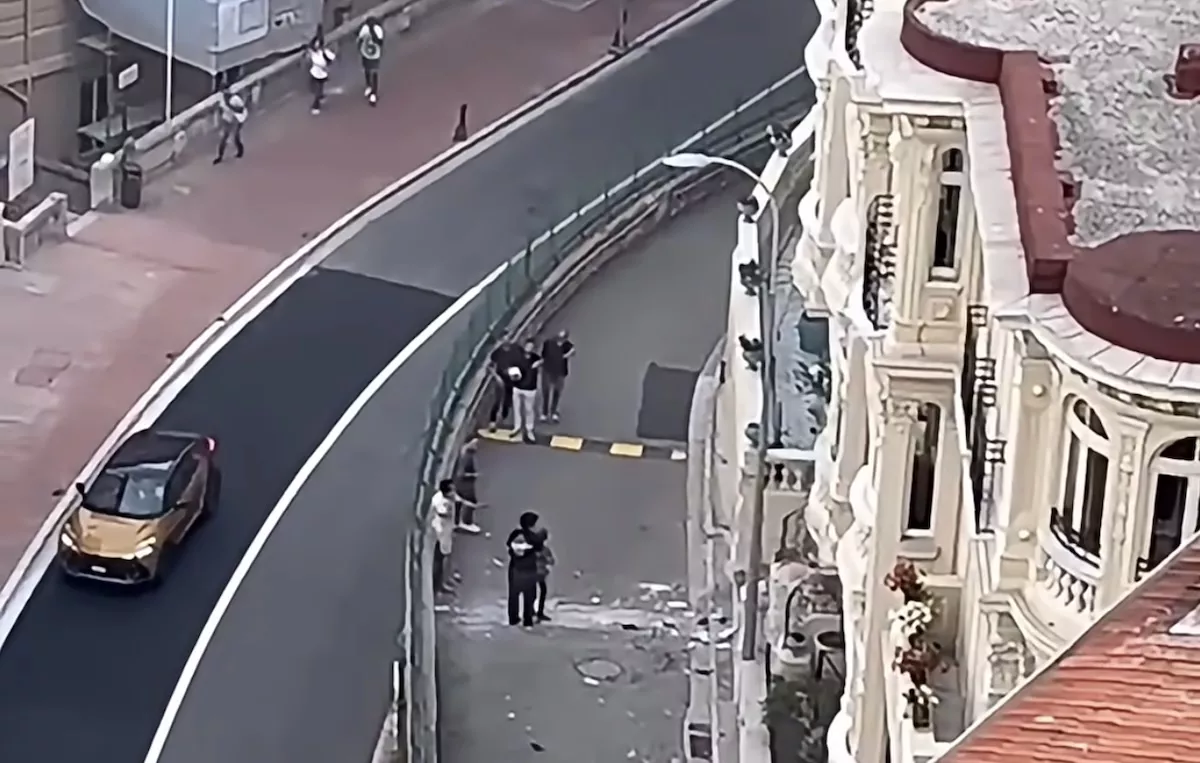
Iermolaiev, his partner Anna and their 13-year-old son were seriously injured when an explosive device detonated outside their Monaco residence on 29th June. Investigators are continuing to establish who ordered the attack and whether others were involved.

See also: 

Vadym Iermolaiev breaks silence after Monaco bombing: “Our survival was nothing short of a miracle”

Monaco Life is produced by qualified, multi-media journalists writing original content. See more in our free newsletter, listen to our Podcasts on Spotify, and check us out on  Facebook,  Instagram,  LinkedIn and Tik Tok


La Réserve de Beaulieu brings together two of France’s most celebrated chefs

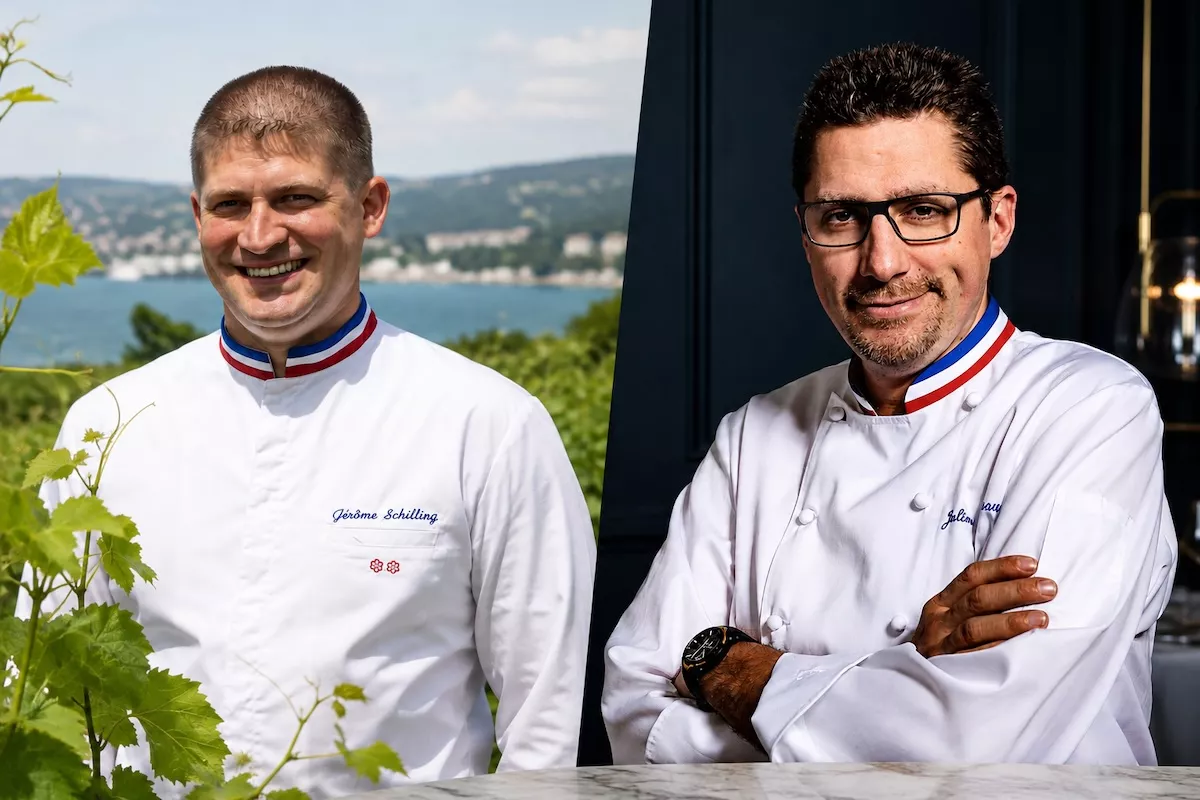
Two of France’s most decorated chefs will cook side by side at La Réserve de Beaulieu on 26th August, when the hotel’s Restaurant des Rois hosts a four-hands dinner bringing together Julien Roucheteau and Jérôme Schilling.

Roucheteau, named Meilleur Ouvrier de France in 2019, heads the one-Michelin-starred Restaurant des Rois and cooks in a Mediterranean register. His guest, Jérôme Schilling, is the two-Michelin-starred chef of Restaurant Lalique at Château Lafaurie-Peyraguey in Bommes, in the Sauternes wine country near Bordeaux, and was himself named Meilleur Ouvrier de France in 2023, with a cuisine closely tied to the vineyards around him.

A menu in dialogue

For one evening, the two chefs have devised a single menu conceived as a conversation between their styles. Among the courses are Roucheteau’s crab in a crisp gavotte wafer with tarragon hummus and a touch of ginger, Schilling’s signature plate of cauliflower, oyster and caviar, and one of the Lalique chef’s creations of confit hake with bergamot and elderflower. A medallion of royal spiny lobster with maceron pepper leads towards a sweet finale built around the Solliès fig.

An emblematic Riviera table

The dinner is part of La Réserve de Beaulieu’s gastronomic season, which regularly brings guest chefs to the Restaurant des Rois. A short drive along the coast from Monaco, the hotel has stood at the water’s edge in Beaulieu-sur-Mer since 1880 and once drew Europe’s royalty and Hollywood names.

The four-hands dinner takes place on Wednesday 26th August and is available by reservation only, priced at €245 a head, excluding drinks.

See also: 

Inside Michelin starred Le Restaurant des Rois at La Réserve de Beaulieu

Monaco Life is produced by qualified, multi-media journalists writing original content. See more in our free newsletter, follow our Podcasts on Spotify, and check us out on  Facebook,  Instagram,  LinkedIn and Tik Tok

Photos provided


Inside Domaine de la Sylviane: the historic Valbonne estate now for sale

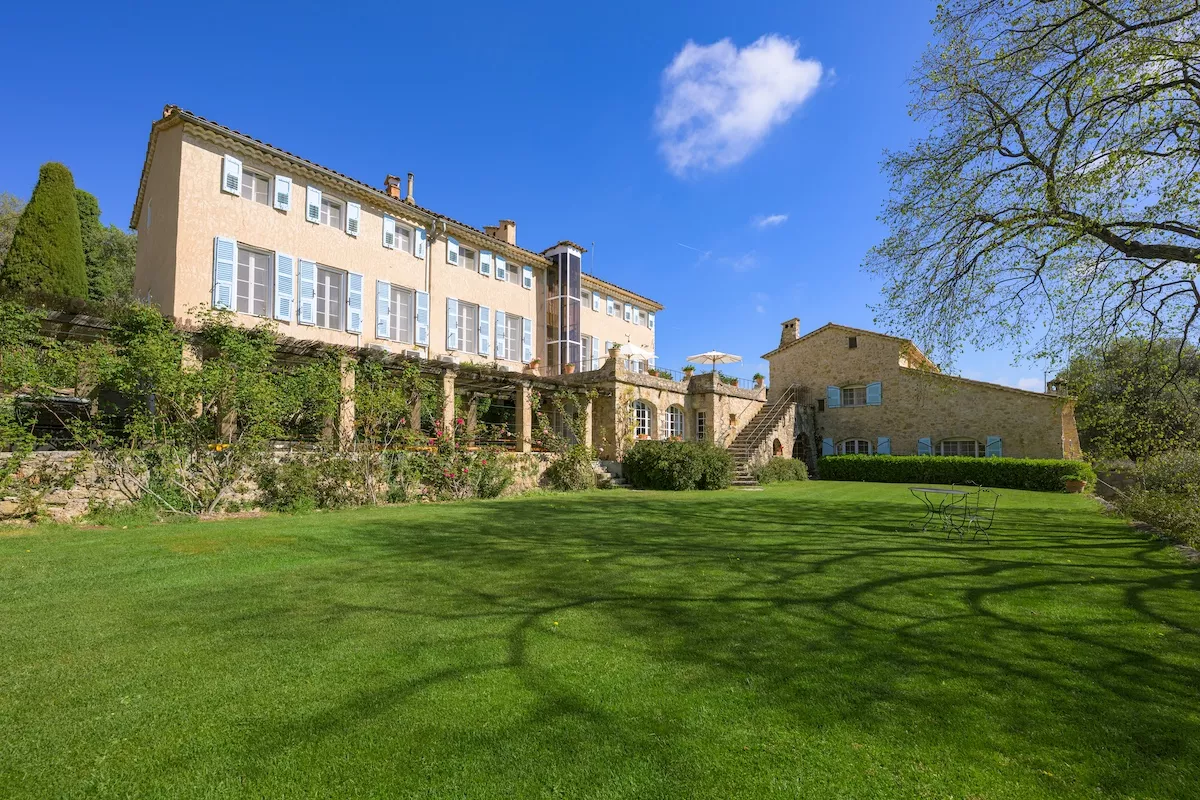
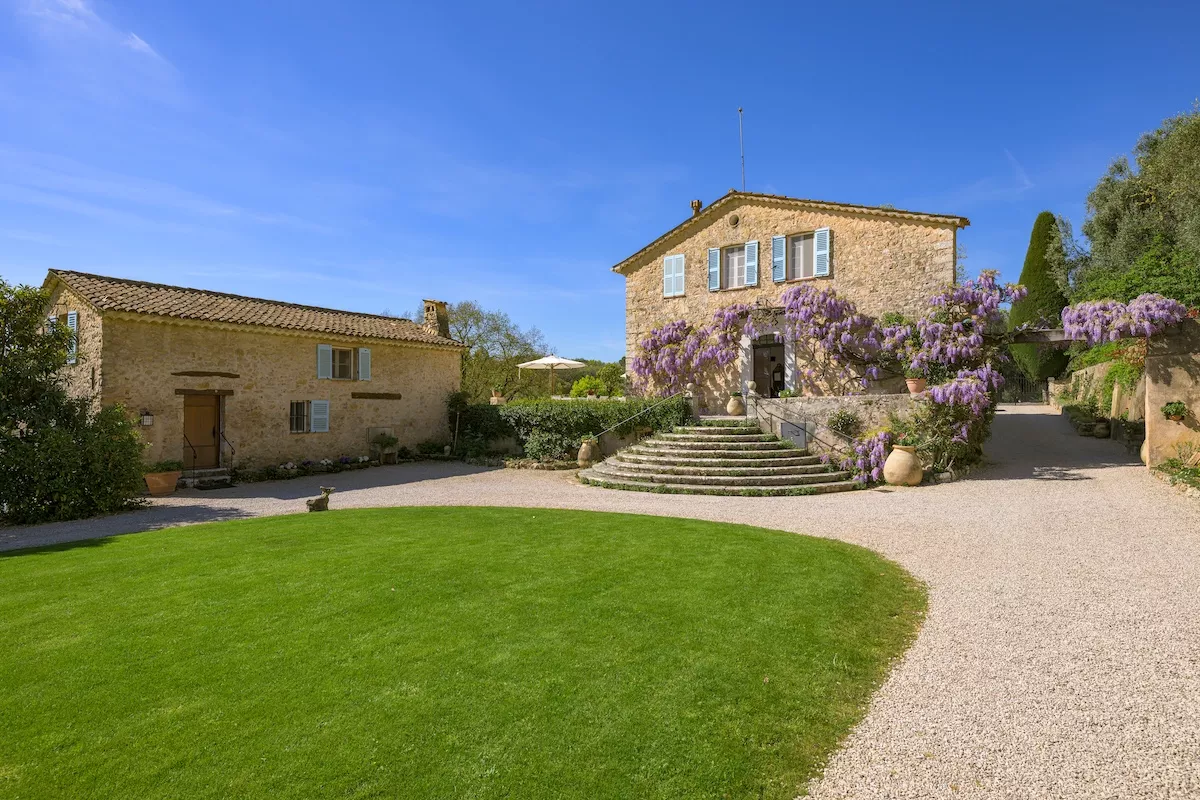
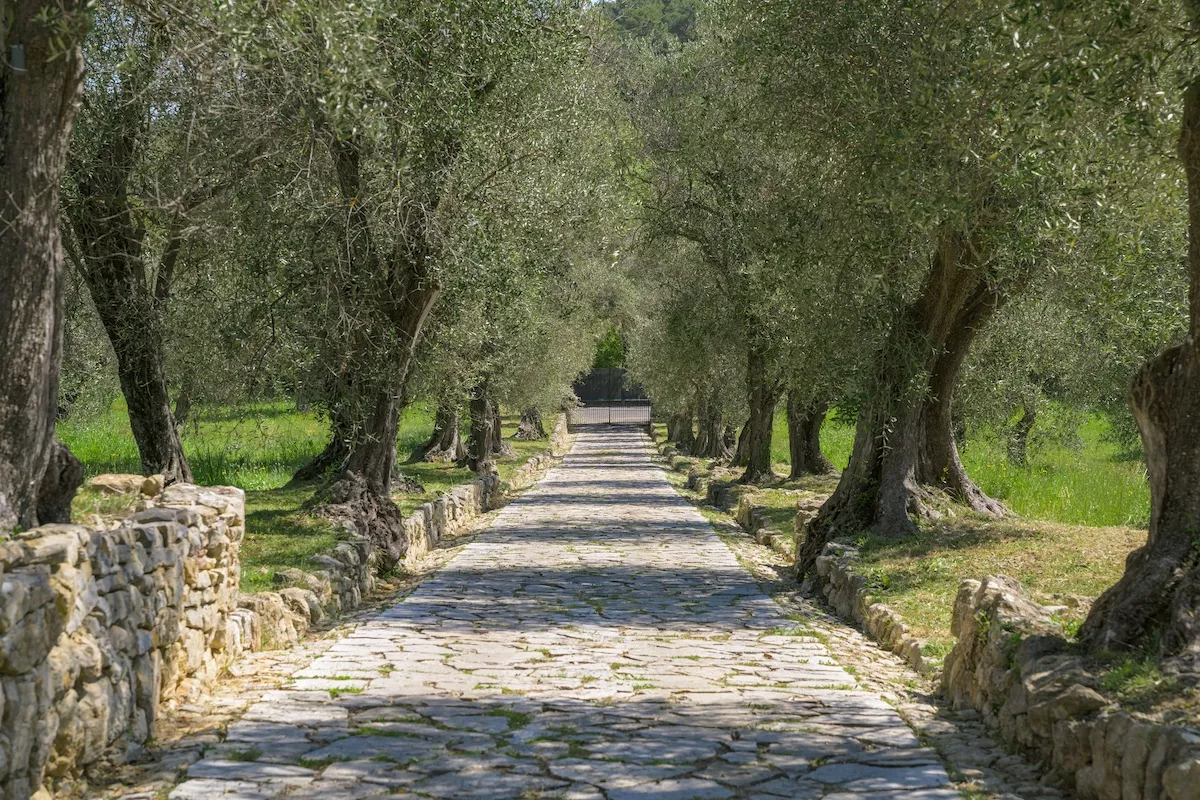
A short walk from the medieval village of Valbonne, behind stone walls and a screen of century-old olive trees, sits an estate that has watched over the Provençal hills since the age of the monasteries. Domaine de la Sylviane, a gated property of roughly ten hectares built around a former monastery, has been offered for sale for the first time in half a century by Carlton International. There is nothing quite like it on the market today, and few properties anywhere carry a story so remarkable.

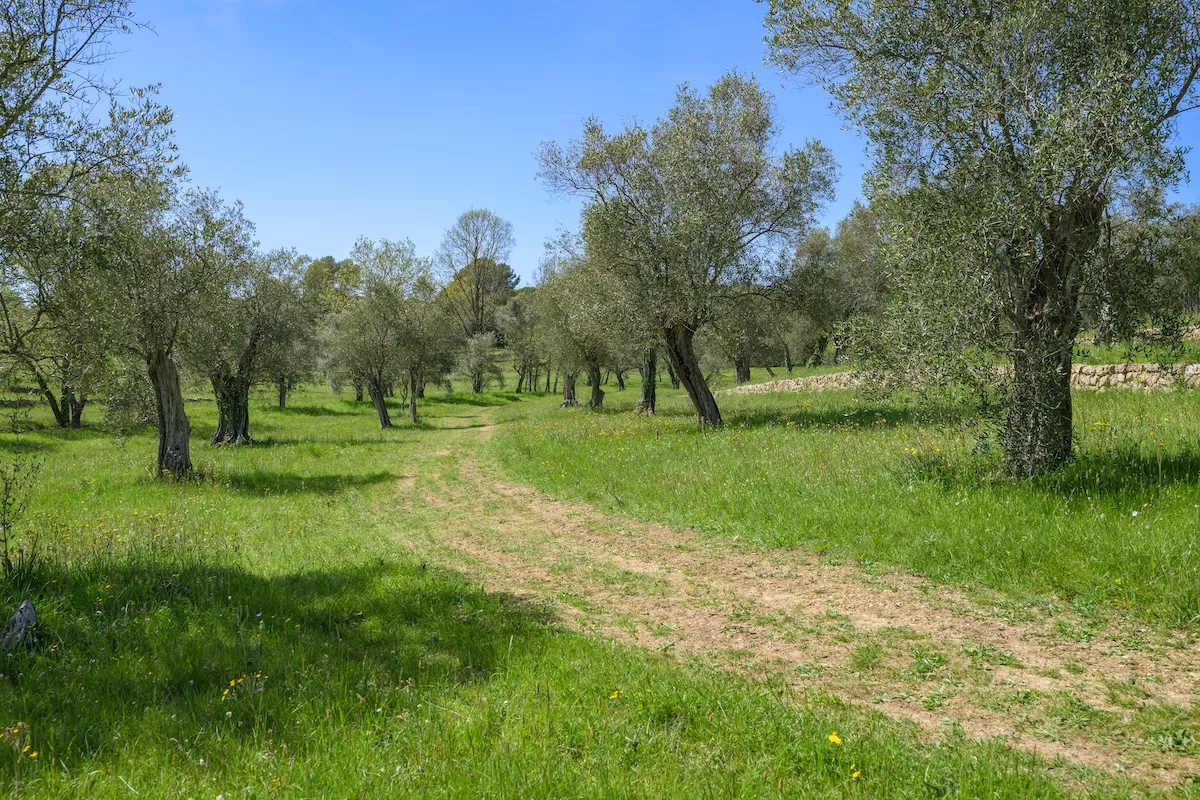
For all the history behind it, Domaine de La Sylviane’s appeal begins with the property itself. “What makes it so rare is exactly that – there is only one,” Philip Weiser, Founder and CEO of Carlton International, tells Monaco Life. “Where else can you walk to a renowned Provençal village in less than ten minutes and then return to a 17th-century monastery surrounded by 10 hectares of land and around 600 olive trees producing award winning olive oil? There really isn’t another property like it.”

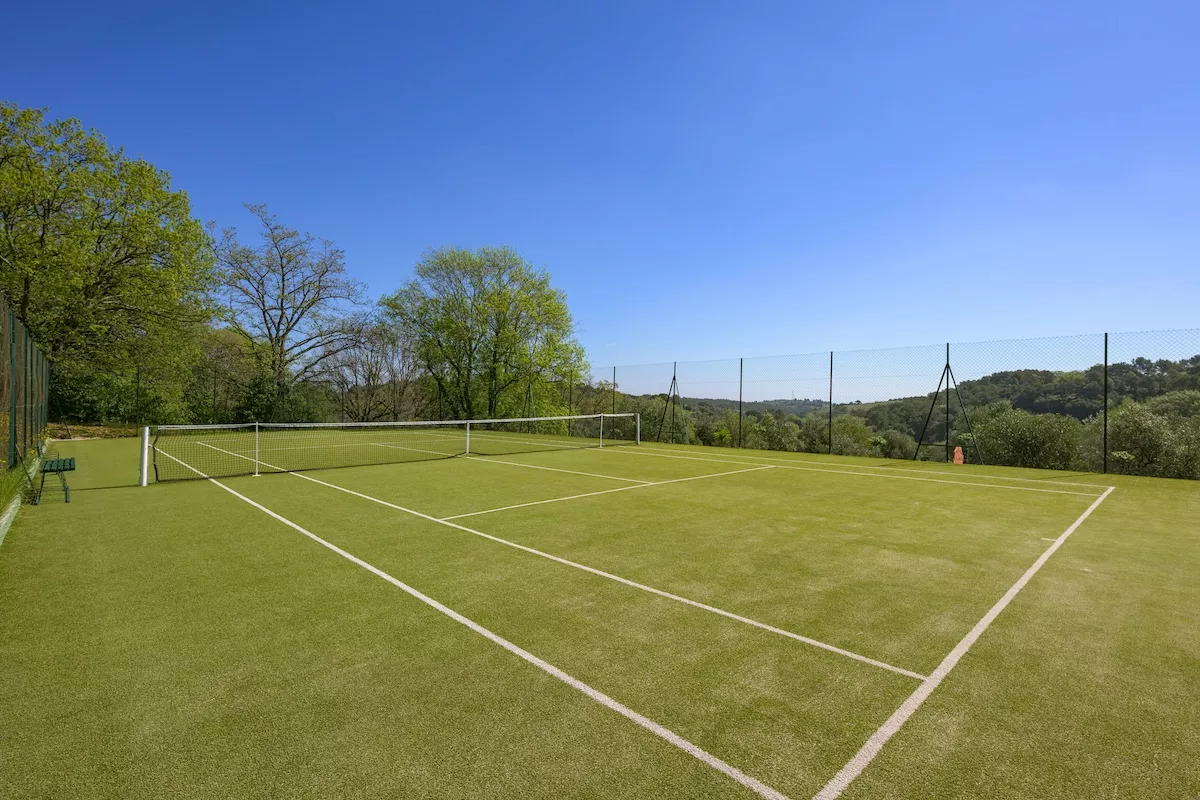
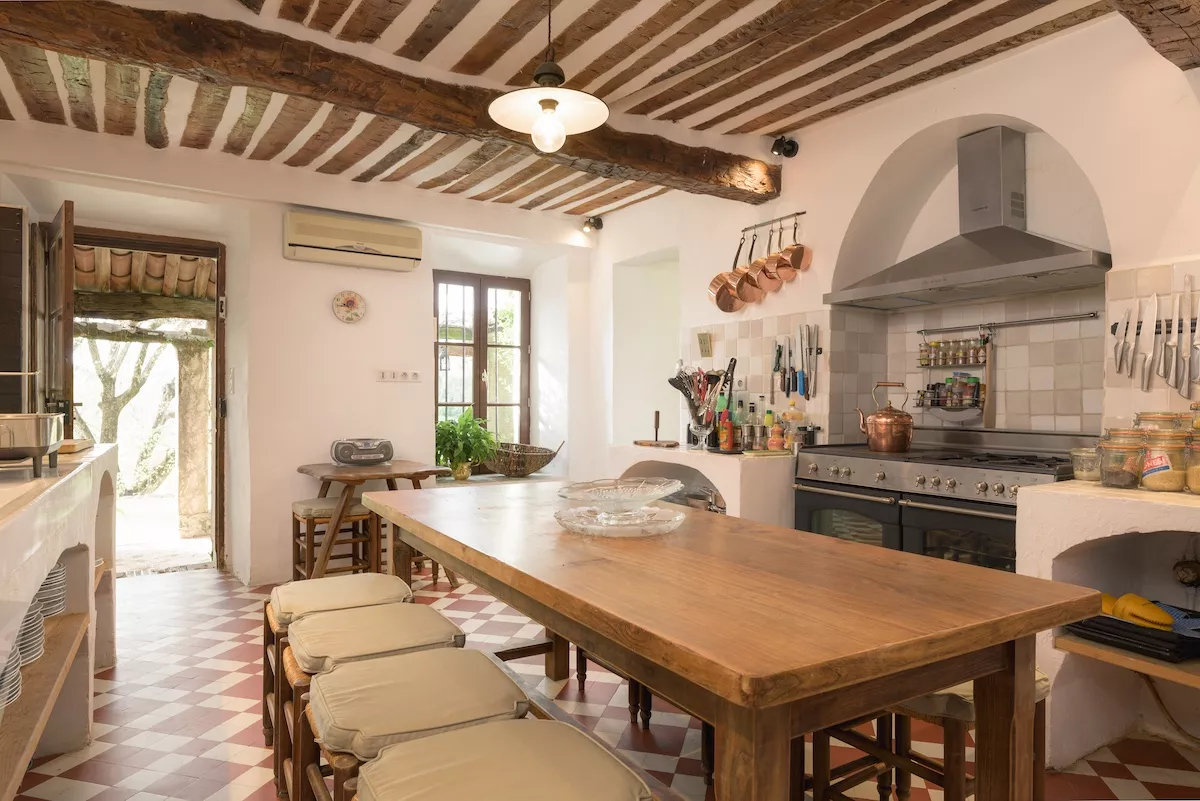
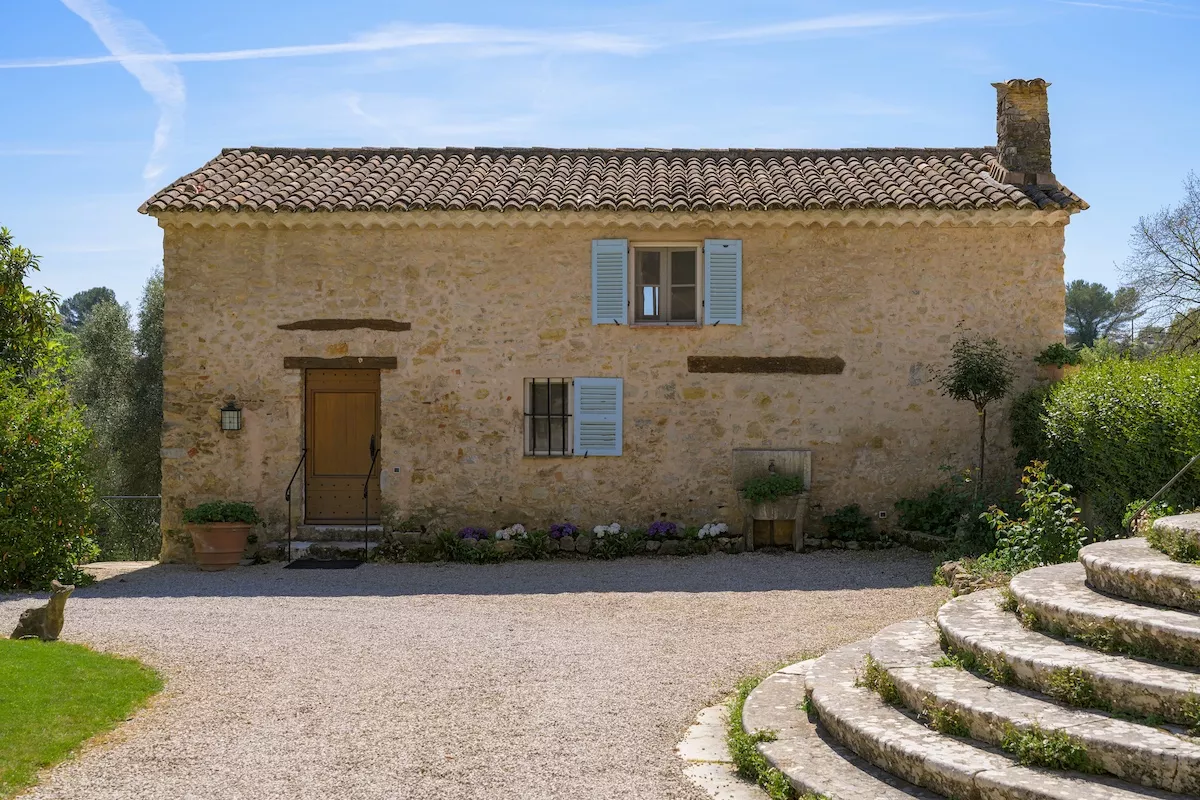
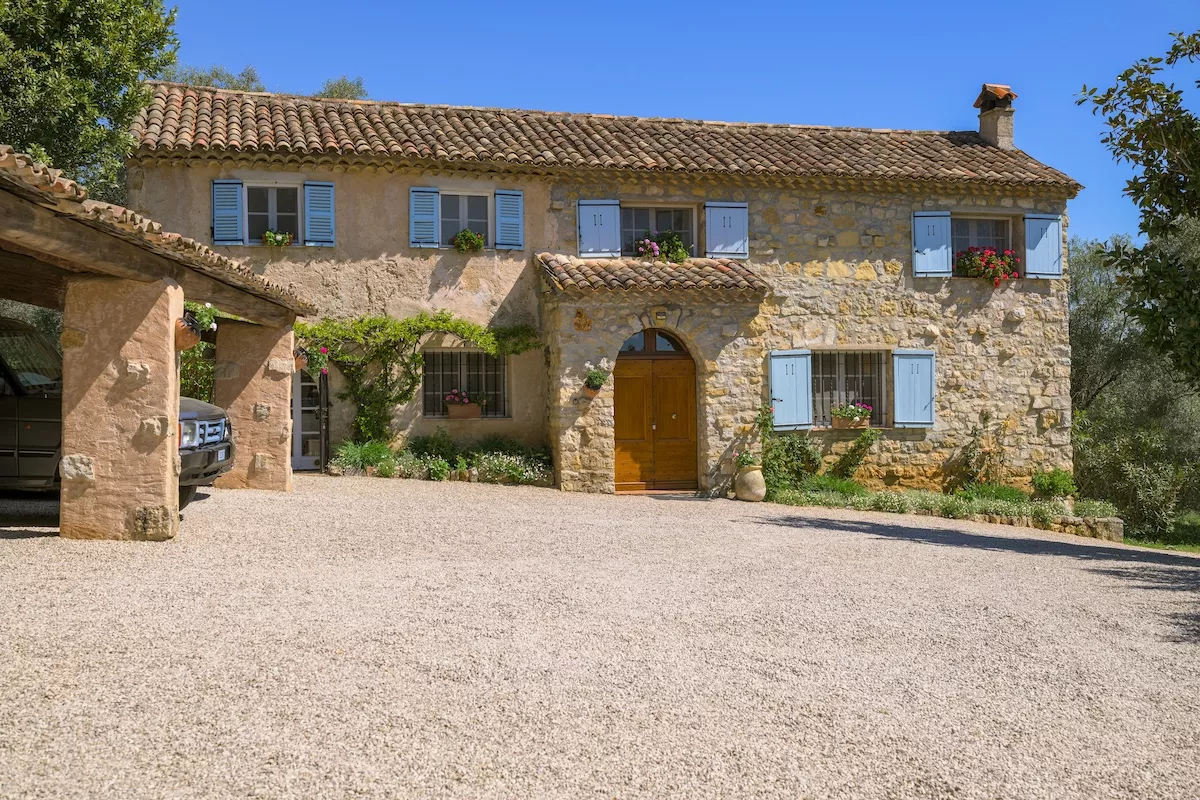
Rather than a single grand house, the estate is closer to a private hamlet. A collection of stone buildings, grown up around the original monastery over the centuries, hold 13 bedrooms and around 1,000 square metres of living space across roughly ten hectares (25 acres) of gated, walled grounds. “It isn’t one enormous mansion. It’s a little village,” says Weiser. Walkable to Valbonne yet screened entirely from view, it comes with its own olive grove, a heated pool and a synthetic tennis court — a working home that trades grandeur for privacy and authenticity.

Eight centuries of history at Domaine de la Sylviane

The estate’s roots reach back to the founding of Valbonne itself. In 1199, monks of the Chalaisian order established the abbey of Sainte-Marie-de-Valbonne on land in the valley, a community later handed to the powerful abbey of Lérins, on the Île Saint-Honorat off Cannes, in 1346. It was the Lérins monks who, in the early 16th century, laid out the village of Valbonne in the grid pattern that still defines it today.

Domaine de La Sylviane belongs to that monastic chapter. According to the estate’s history, the monastery building that still stands here was completed in 1679 and served as the agricultural arm of the community, supplying milk, meat, wine and olive oil and working land that once extended across more than a hundred hectares. An underground passage is said to have linked it to the village, its course still traceable today. Eight centuries on, the olive trees remain in production, yielding up to 1,200 litres a year.

A general, a wartime secret and a Grimaldi cousin

The centuries that followed left their marks. In the early 19th century, the estate is said to have been granted to one of Napoleon’s generals in reward for his service, and it took its present name from that later owner’s daughter, Sylvie. Her sister Louise gave hers to the neighbouring estate, La Louisianne.

Its most striking chapters are more recent. During the Second World War, Domaine de La Sylviane sheltered prisoners of war escaping the German occupation, a clandestine episode passed to the present family by Camille Rayon, the Antibes-born resistance figure known as ‘Archiduc’ who ran the Allied parachute-drop network across the south of France.

After the war, the estate passed to Count Guy de Jacquelot du Boisrouvray, a first cousin of Prince Rainier III of Monaco. His mother, Countess Joséphine de Polignac — the elder sister of Rainier’s father, Prince Pierre, Duke of Valentinois — lived on the estate, tying this quiet corner of Provence directly to the Grimaldi line.

In 1973, the property was acquired by the current owners, who have retained it ever since and are now bringing it to the open market for the first time.

Inside Domaine de la Sylviane’s Le Manoir

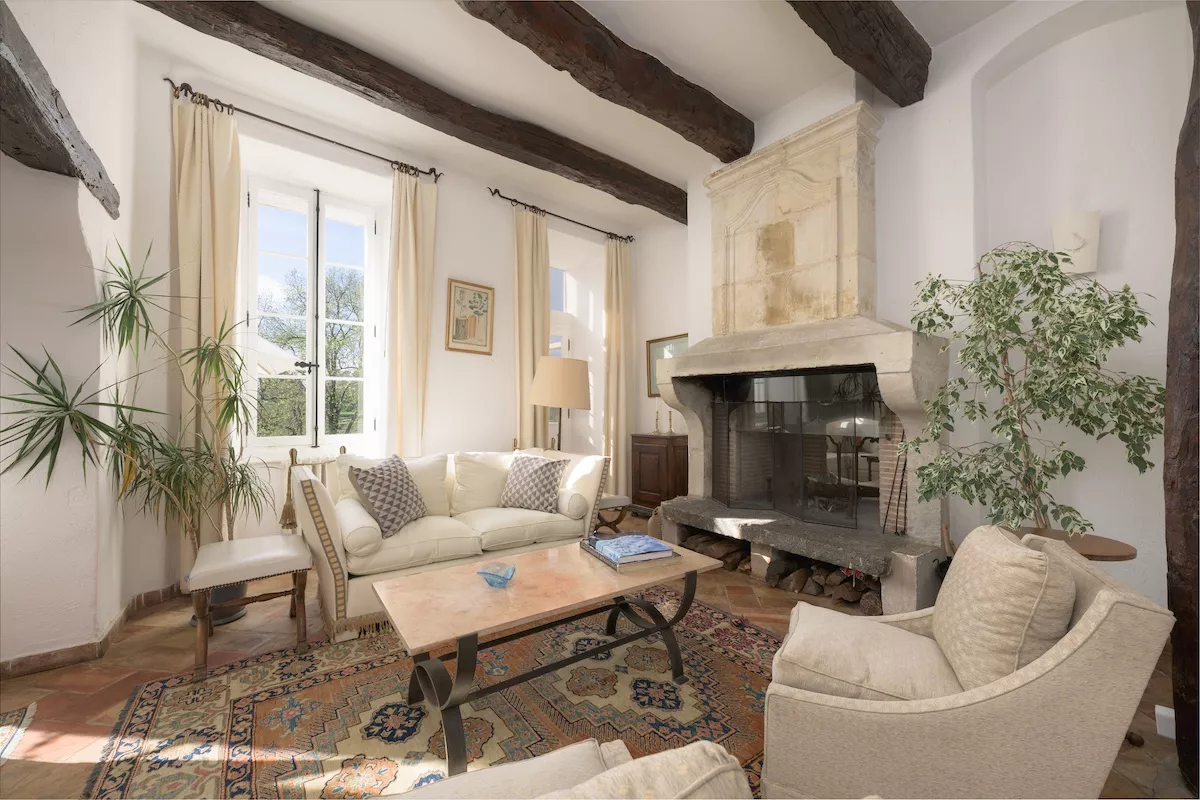
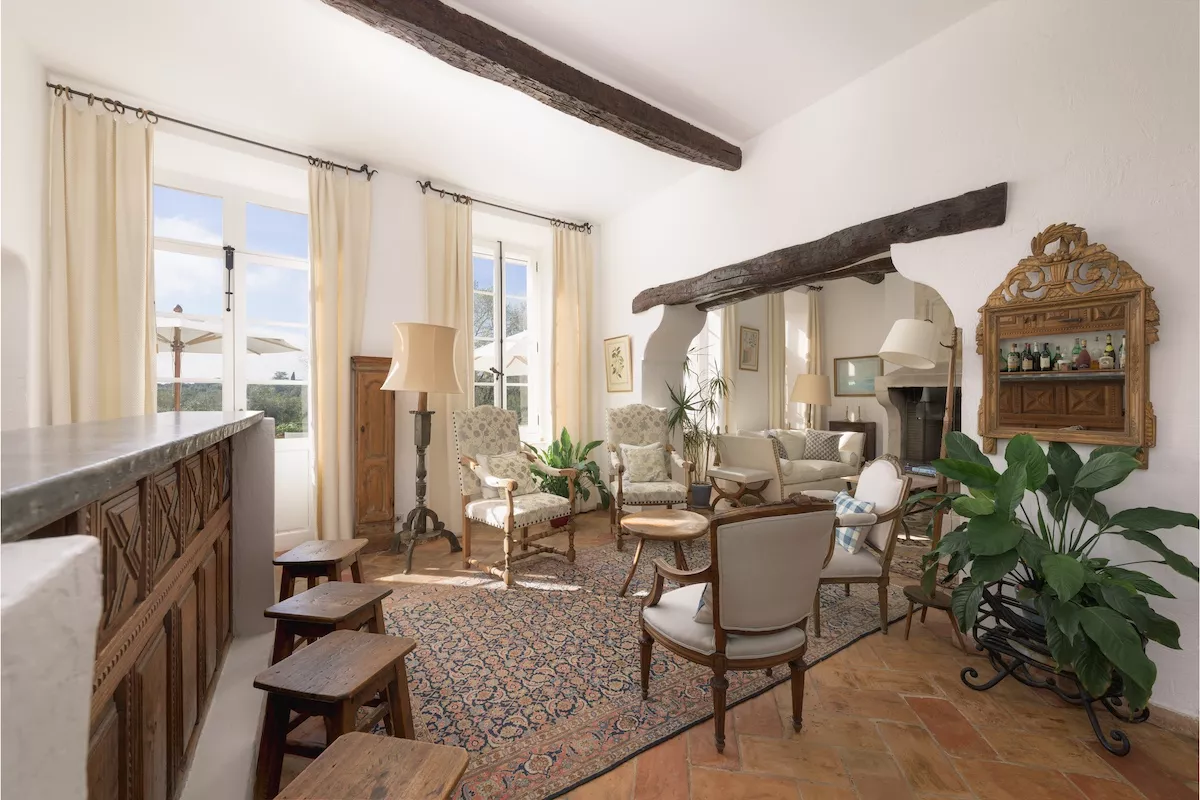
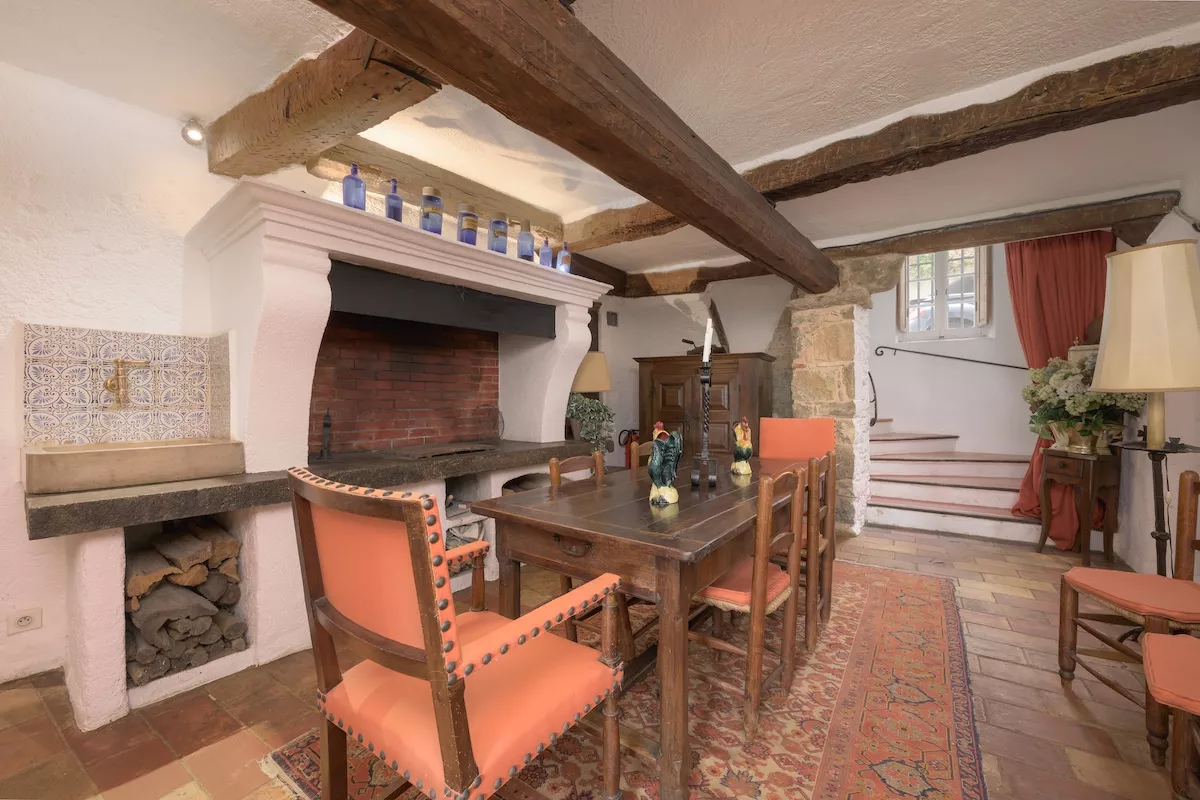
For all its age, Domaine de La Sylviane is a working home rather than a museum piece. The principal residence, ‘Le Manoir’, is arranged around an inner courtyard, its reception rooms set beneath exposed beams.

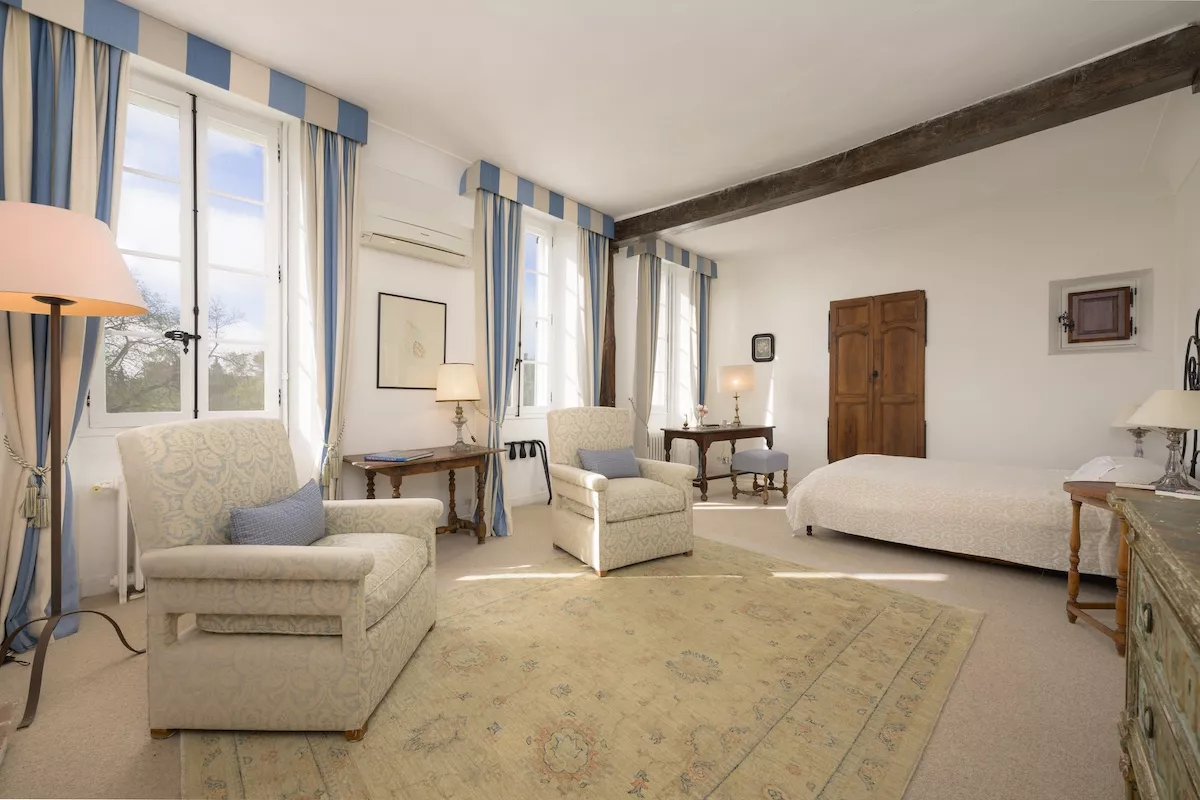
A private lift now serves the upper floors — one of several modern additions, alongside air conditioning throughout, that have been worked into the old walls without stripping them of character. The rooms are charming rather than palatial, a legacy of the building’s first life.

Room to live, room to host

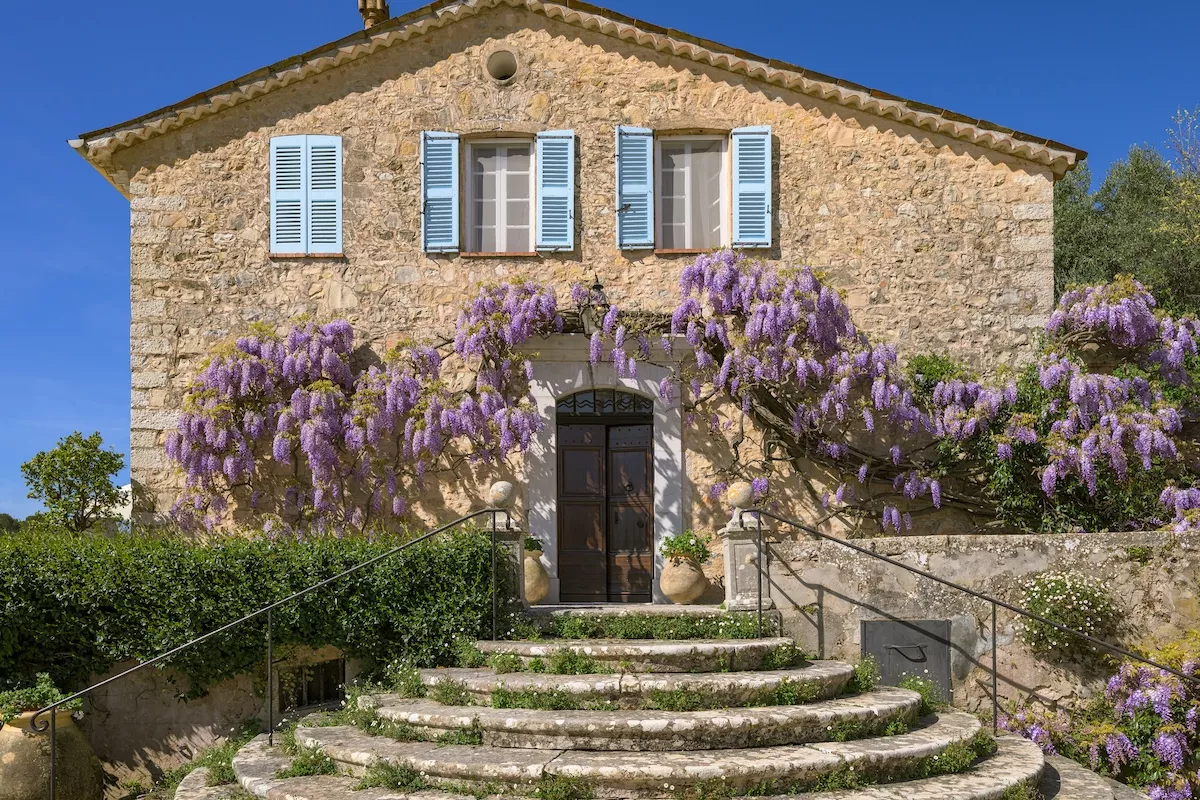
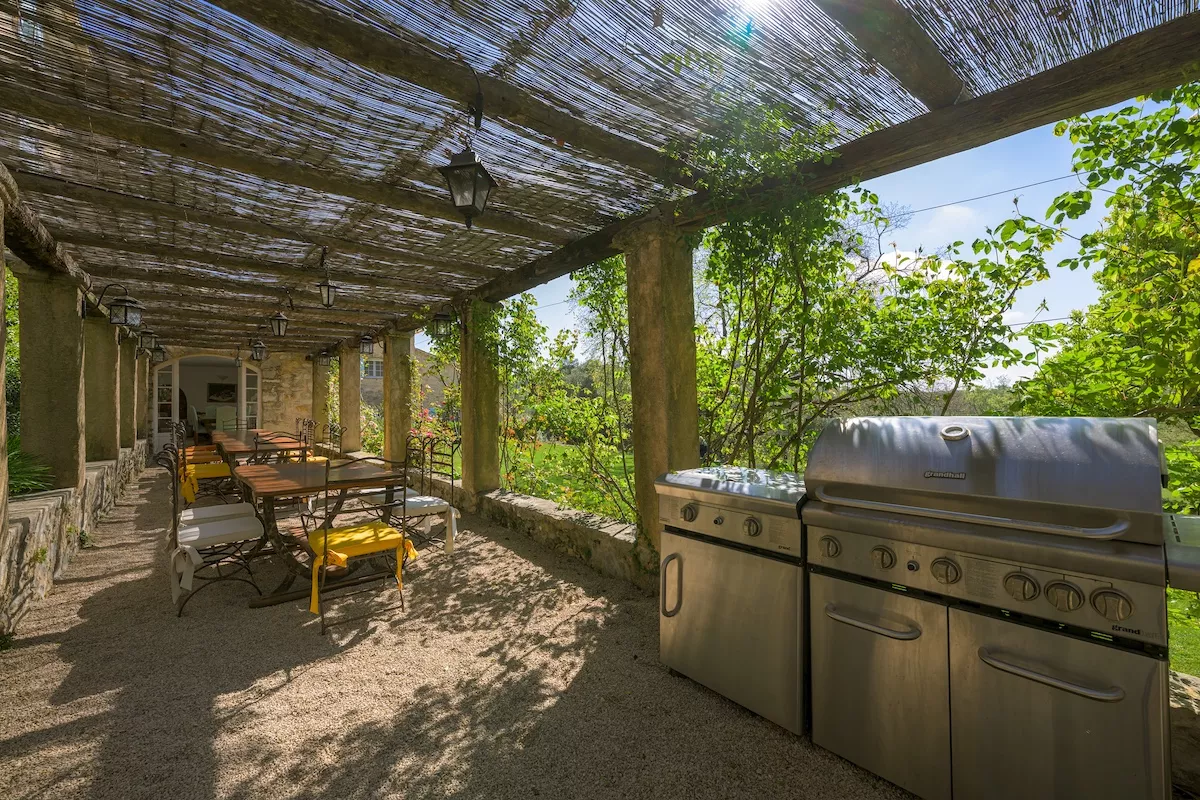
Beyond the manor, the estate offers the flexibility that comes with several independent buildings. ‘La Ferme’ adjoins the main house and is divided into two self-contained apartments opening onto the olive groves. ‘La Bergerie’, thought to be the oldest building on the estate, has been reworked into a characterful cottage with a beamed sitting room and fireplace, while ‘Le Pigeonnier’, a former home to the silent order’s carrier pigeons, now stands as a single-level guest house among the terraces.

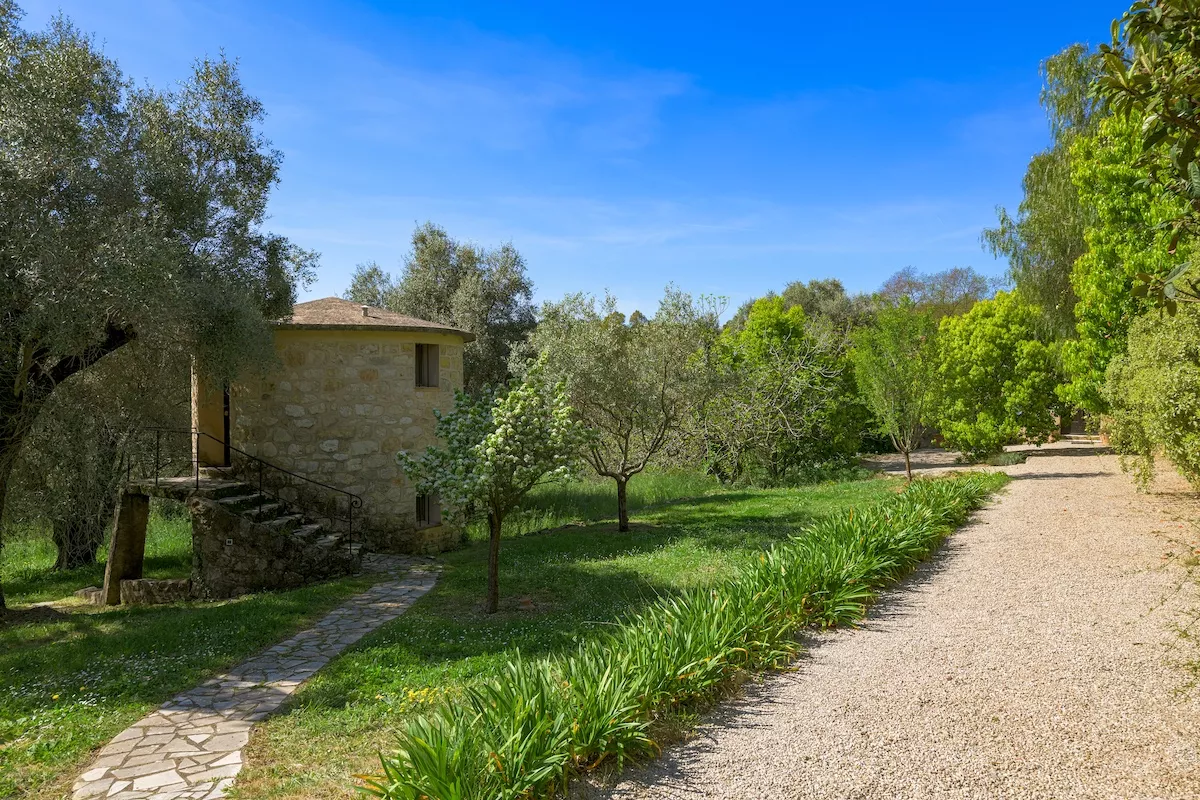
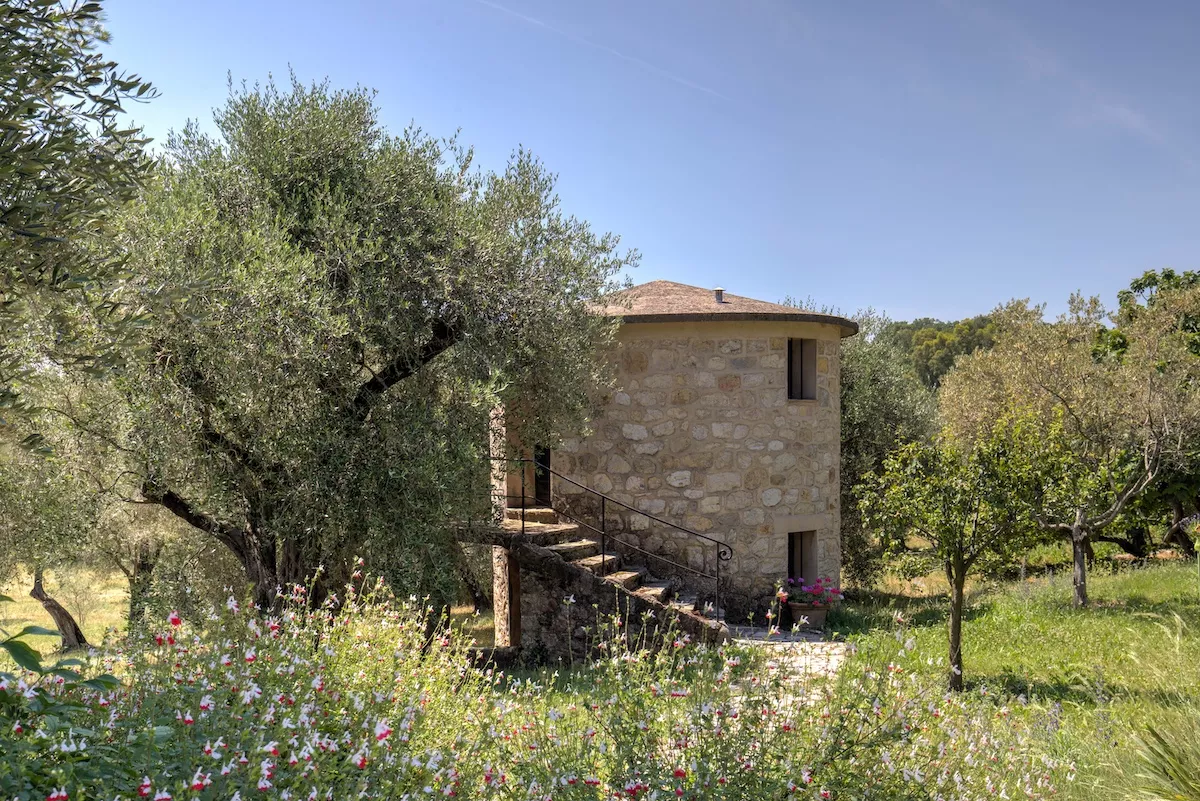
Staff accommodation is kept discreetly apart: a converted grain house, ‘La Tour’, rises among the olive trees, and a caretaker’s house sits just outside the gates, keeping the steady presence a domain of this size depends on. Because each building stands on its own, the estate lends itself as easily to multi-generational family life as to entertaining on a grand scale.

The grounds of Domaine de la Sylviane

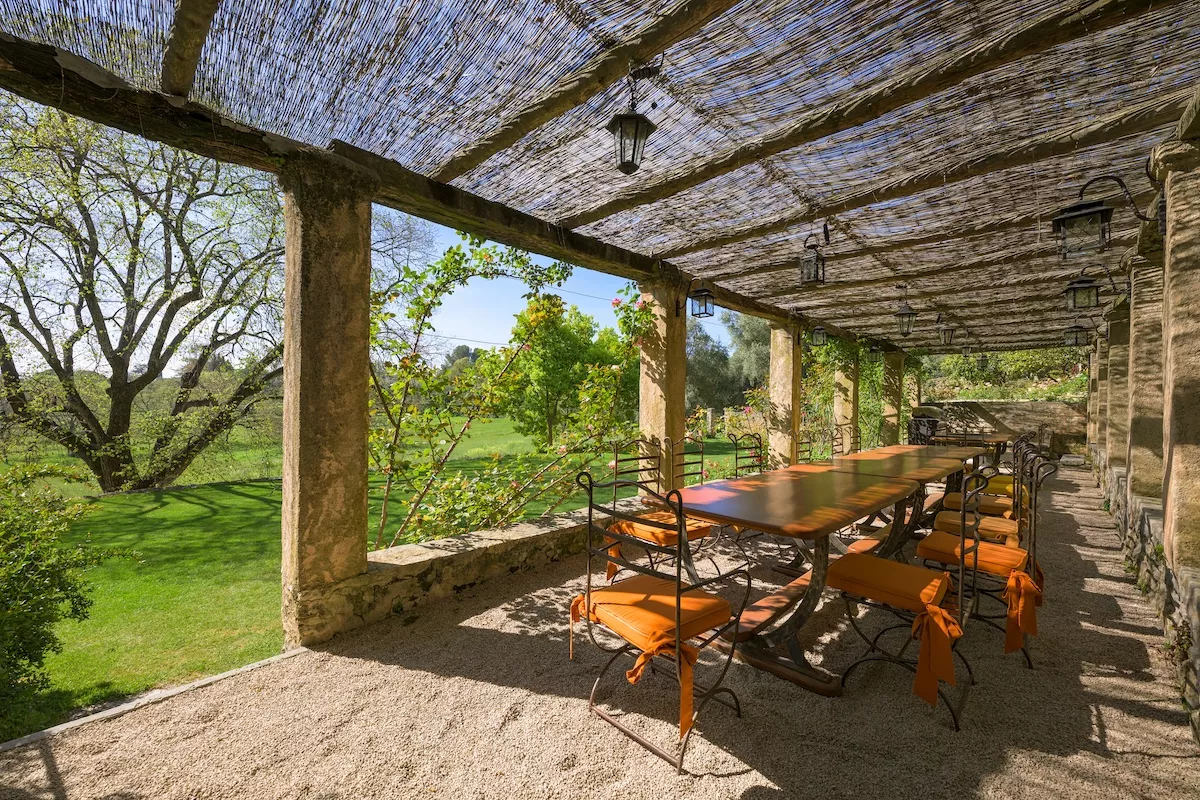
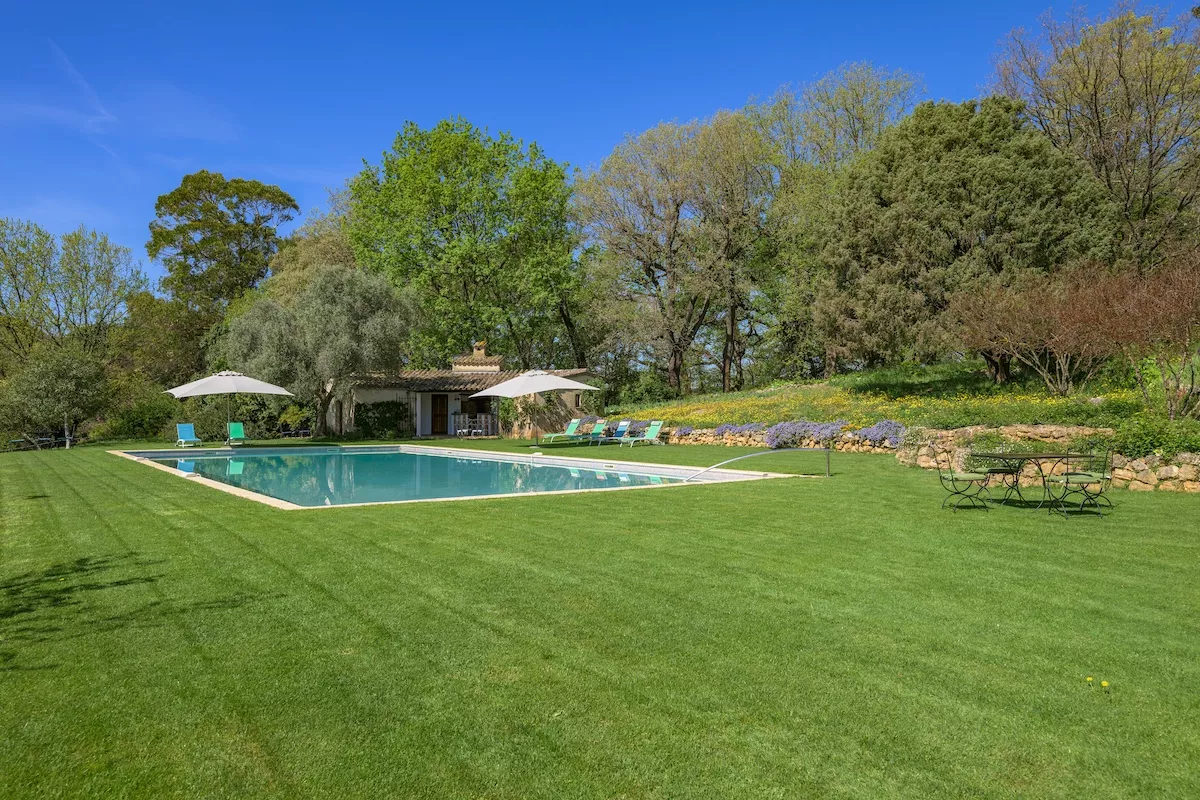
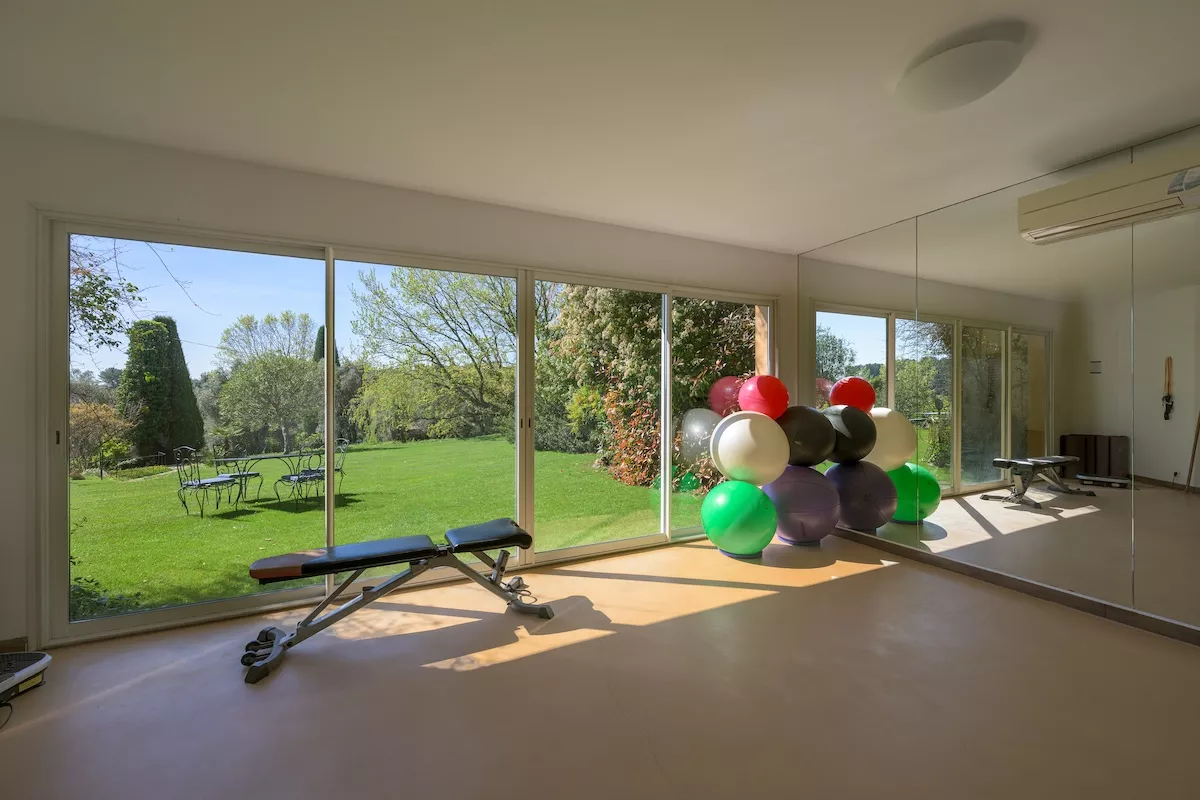
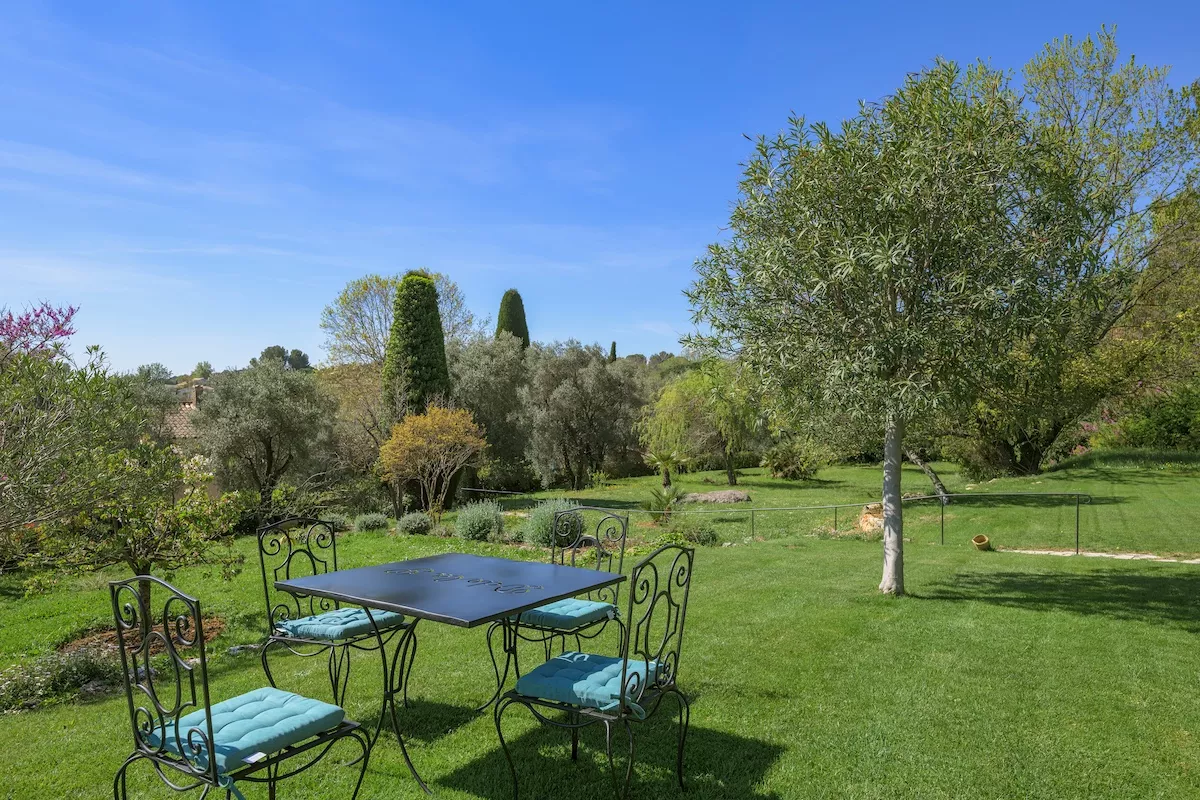
Much of the appeal lies beyond the walls. A vast heated swimming pool sits apart from the residences against a sweep of lawn, framed by olive trees, with a stone-and-timber pool house and a gym alongside. A synthetic tennis court looks down on the olive groves and the sea, while a pétanque court a few steps from the main house carries the ritual of the village square into the grounds. The olive grove anchors it all, a landscape little changed for generations and still tended much as it always has been.

The seclusion is near-total and the whole property is enclosed. “It offers security without feeling like a fortress,” says Weiser.

Why Domaine de la Sylviane is so rare

Estates of this scale, provenance and privacy are rare anywhere, and rarer still here. Valbonne lies in the green hills of the Alpes-Maritimes behind Cannes and Antibes, a tranquil, long-prized pocket of the Riviera that has drawn an international set in search of space, discretion and the Provençal way of life without surrendering the coast.

For Philip Weiser, the draw is human in scale rather than showy. “The land itself is invaluable simply because you cannot find land like this anymore,” he says. The buyers he has in mind are not chasing a trophy, “looking for glamour, wild parties or ostentation”. They are from northern Europe, perhaps, or a cultivated American, or Australians and New Zealanders who have built successful businesses around the world and want an authentic home in the South of France.

What such a buyer would be acquiring has no obvious equal on the Riviera: a former monastery turned private hamlet, eight centuries of history worked into its stone, an olive grove that still presses its own oil, and ten hectares of near-total seclusion, all a ten-minute walk from one of the loveliest old villages in Provence. Land like this is no longer made, and estates like this seldom, if ever, come to market.

The Domaine de la Sylviane is marketed by Carlton International, the French Riviera specialist founded in 1995 and now operating with six offices from Saint-Tropez to Monaco. The property is listed under reference 15114, with the price available on request through the agency’s Valbonne office: Tel: +33 (0)4 92 94 09 94 or mobile: +33(0)6 60 96 95 01 – info@carlton-group.com

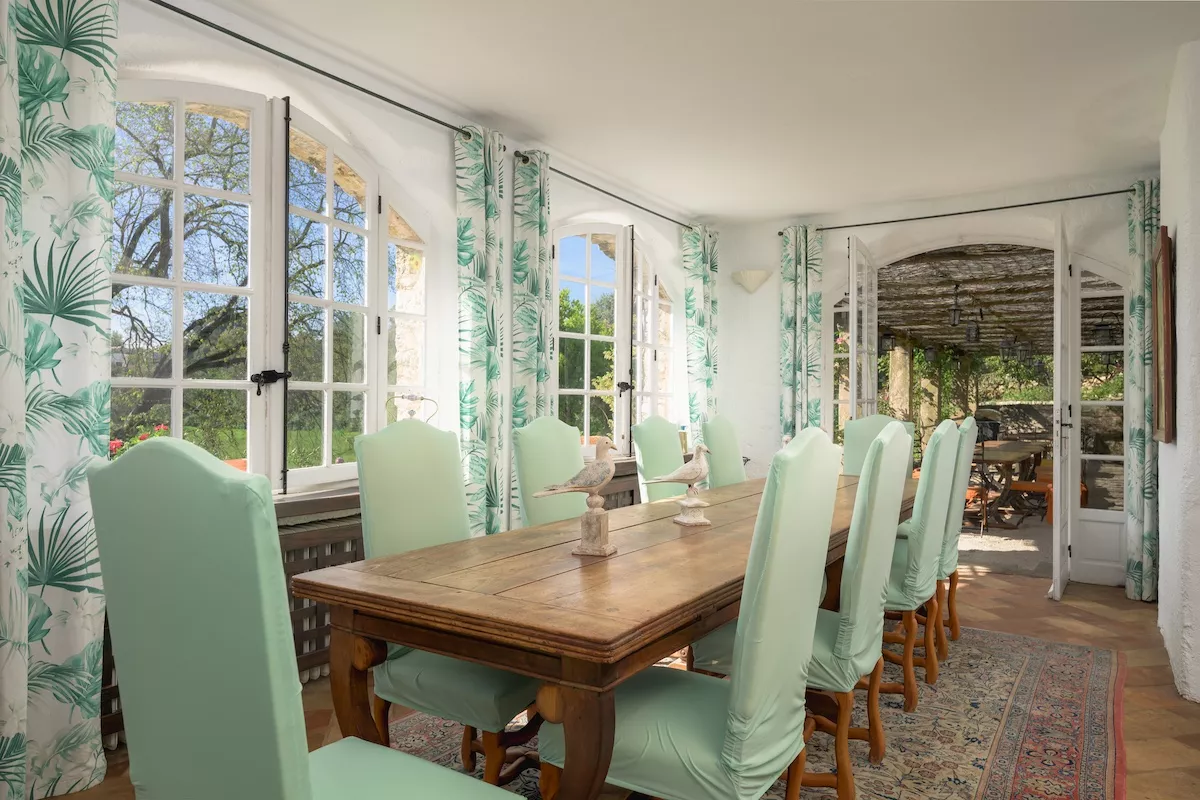
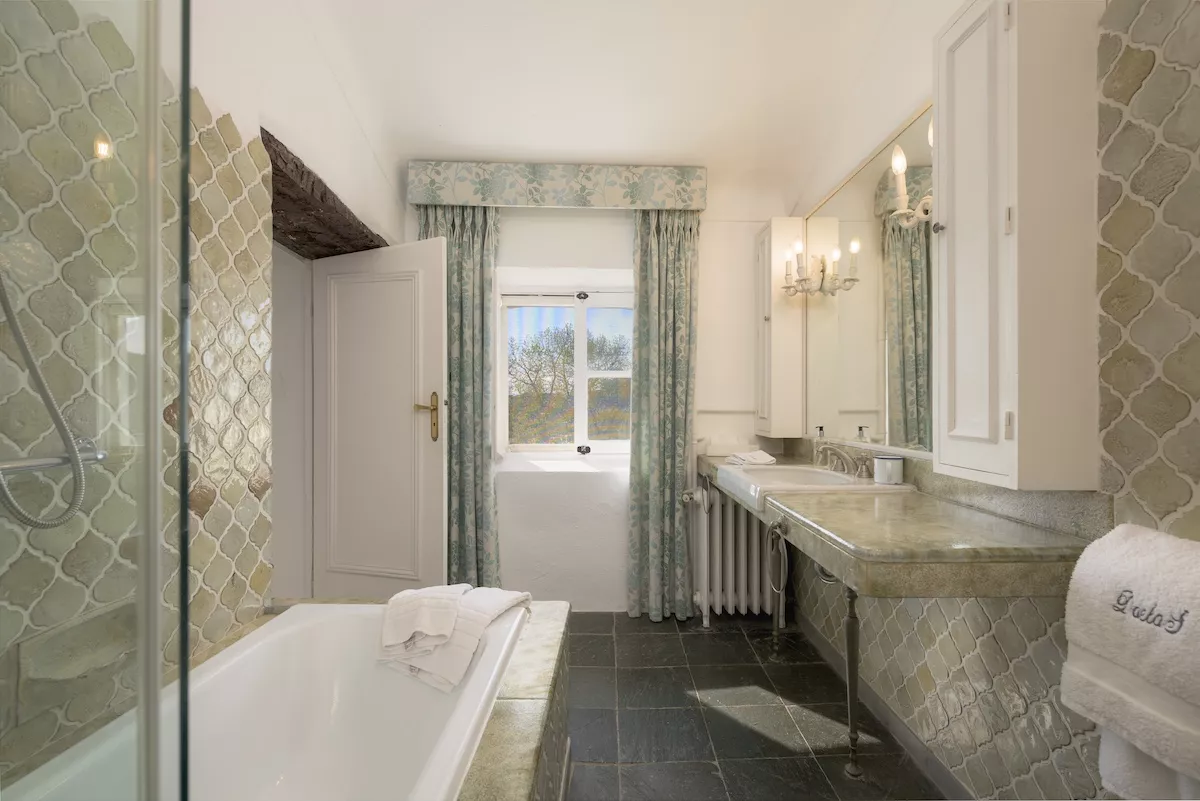
See more photos of Domaine de la Sylvaine in the gallery below…

Monaco Life is produced by qualified, multi-media journalists writing original content. See more in our free newsletter, follow our Podcasts on Spotify, and check us out on  Facebook,  Instagram,  LinkedIn and Tik Tok

Photos courtesy of Carlton International

Monaco E-Prix’s future secured until 2031, with new 2027 dates

The Monaco E-Prix will remain on the Formula E calendar until at least 2031, after the all-electric championship and the Automobile Club de Monaco (ACM) extended their partnership, and next year’s race has been brought forward to 1st and 2nd May.

The 2027 double-header, on Saturday 1st and Sunday 2nd May, moves two weeks earlier than the 15th and 16th May originally announced. Formula E said the change, confirmed after a vote of the FIA World Motor Sport Council, fits Monaco’s 2027 events calendar and removes a clash with the FIA World Endurance Championship, whose 6 Hours of Spa-Francorchamps falls on 15th May.

A landmark for the Principality

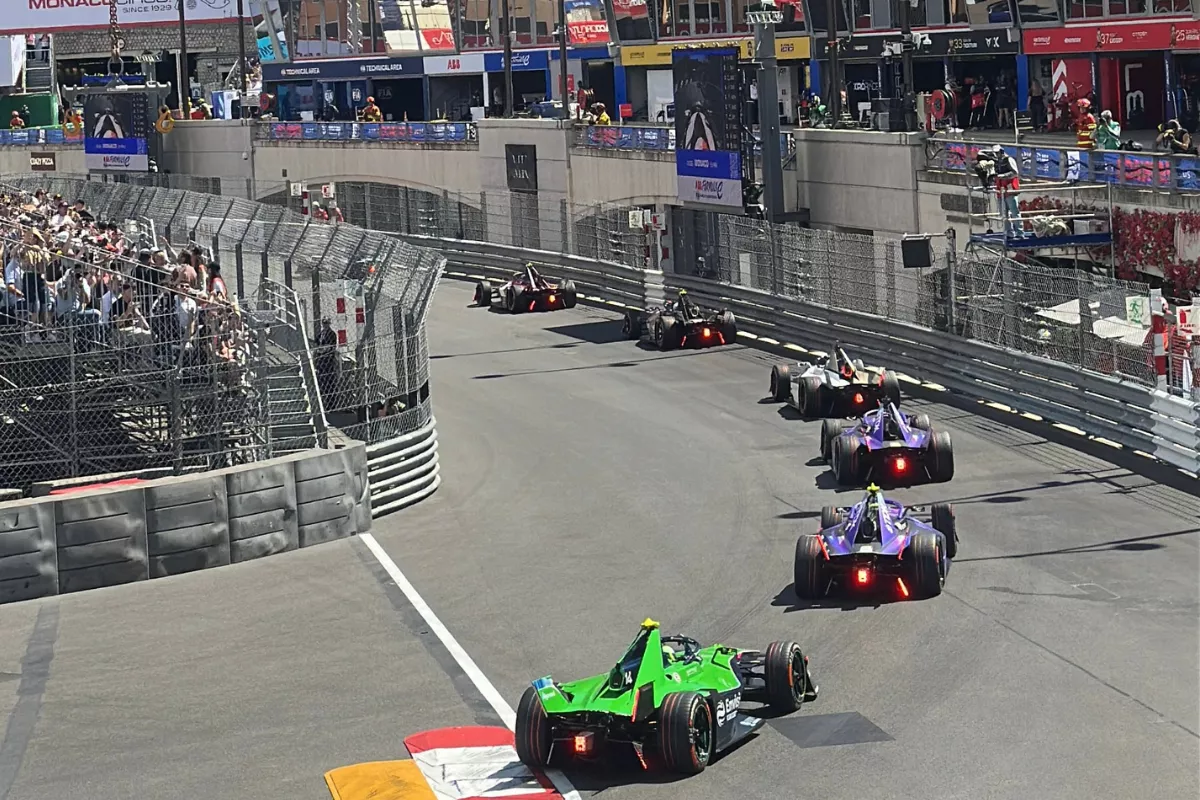
The five-year extension secures the future of one of the championship’s showpiece events. First held in 2015 as a biennial race on a shortened layout, the Monaco E-Prix has been an annual fixture since 2021 and is now run on the full Circuit de Monaco, the same streets used by the Formula 1 Grand Prix.

“This extension underscores the Principality’s central role in the evolution of electric mobility,” the ACM said, adding that the deal would ensure the continuity of an event that has become a highlight of the international calendar. “There is no stage in motorsport quite like the Circuit de Monaco,” said Alberto Longo, Formula E’s co-founder and chief championship officer.

A new era on track

The extension coincides with the arrival of Formula E’s new GEN4 car for the 2026-27 season, its most powerful yet, with around 600 kilowatts of power and all-wheel drive. Monaco fans had an early look during the 2026 E-Prix, when the two-time Monaco Grand Prix winner David Coulthard drove the new car in a demonstration run on the circuit. The season will also introduce a new format for double-header weekends, pairing the traditional E-Prix with a shorter, flat-out race billed as ‘E-Prix Unleashed’.

Details on ticket sales for the 2027 Monaco E-Prix are due in the coming months.

See also: 

Exclusive interview with Formula E driver Maximilian Günther: “It’s like playing chess while driving a high-speed race car”

Monaco Life is produced by qualified, multi-media journalists writing original content. See more in our free newsletter, follow our Podcasts on Spotify, and check us out on  Facebook,  Instagram,  LinkedIn and Tik Tok

Photo credit: Kayla Sauceda, Monaco Life

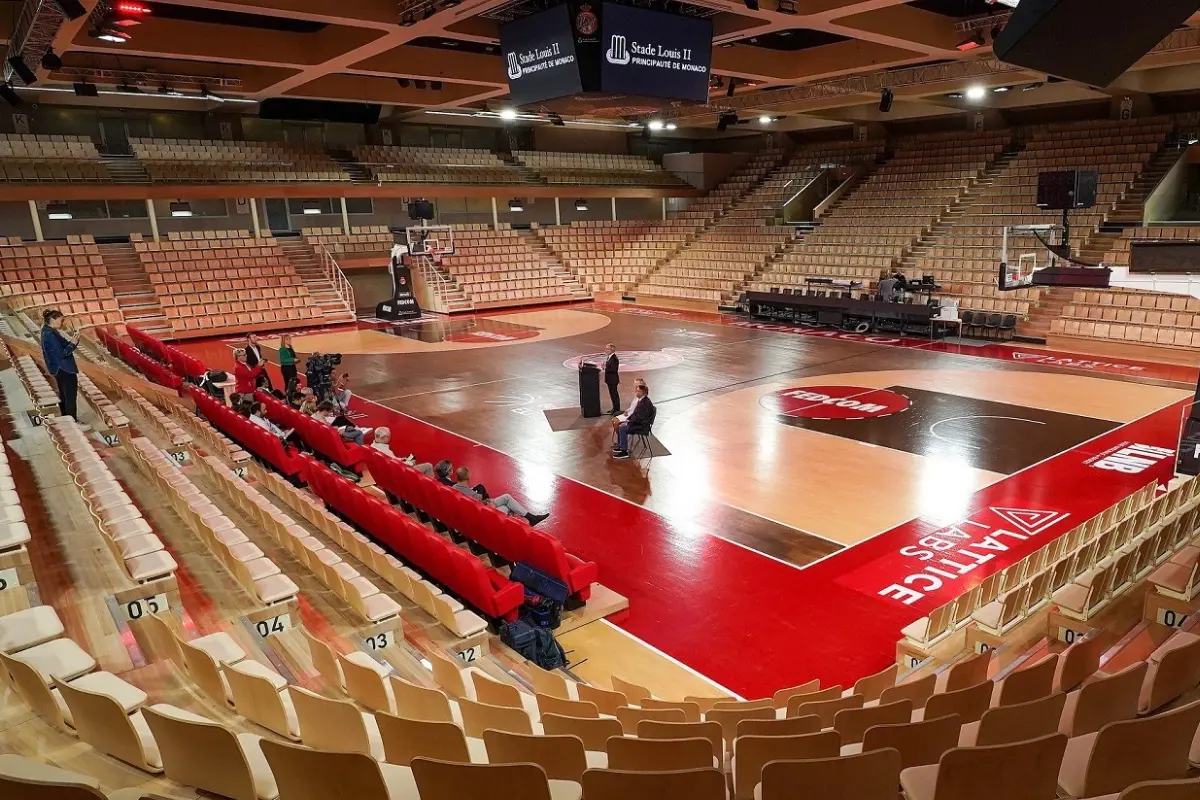
AS Monaco Basketball appeals Betclic Élite decision as uncertainty surrounds 2026-2027 season

Following a successful 2025-2026 season, reigning Betclic Élite champions and EuroLeague playoff contenders AS Monaco Basketball find themselves facing an uncertain future just one month before the start of the new season.

The current uncertainty is a stark contrast to the club’s recent success. Over the past several seasons, Monaco has established itself among Europe’s elite, winning domestic trophies while also reaching the EuroLeague championship game in the 2024-2025 season.

On Tuesday 4th August, the Roca Team announced that it has referred its case to the French National Olympic and Sports Committee (CNOSF), the next stage in the French sports dispute resolution process, following the French Basketball Federation Appeals Chamber’s decision to reject the club’s admission into the league.

In their statement, the club confirmed it remains “fully determined to explore all legal avenues provided for under French sports law” while continuing its restructuring process internally.

The latest appeal comes after a complicated summer for the reigning French league champions. Just weeks after winning the 2025-2026 title, the club found itself facing financial and administrative challenges that arose during the season. Without an immediate resolution, Monaco was left in a compromised position. The FFBB Appeals Chamber upheld a decision refusing the club’s registration for the upcoming season after required documentation was not submitted within an extended deadline set by the federation.

The uncertainty is not limited to the domestic competition. As part of its ongoing restructuring, Monaco will not compete in the EuroLeague this season and is set to participate in the EuroCup, a significant change after several years of competing at Europe’s highest level.

The ongoing uncertainty has also stalled preparations for the upcoming season. While other clubs have confirmed signings and assembled their teams, AS Monaco has yet to officially announce a playing roster. With the club’s future still unresolved, it is unknown when these decisions will be made, and there is not much time left to resolve the situation as players also need certainty over their futures.

The CNOSF conciliation process forms Monaco’s latest opportunity to overturn the decision and regain its place in Betclic Élite before the start of the 2026-2027 season. If the appeal is unsuccessful, further legal options may remain available under French sports law. However, time is running out to reach a resolution. With the club’s first EuroCup game scheduled for the end of September, the window to finalize the situation is rapidly closing.

Stay updated with Monaco Life: sign up for our free newsletter, listen to our podcasts on Spotify, and follow us across Facebook,  InstagramLinkedIn, and Tik Tok.

Photo credit: AS Monaco Basket

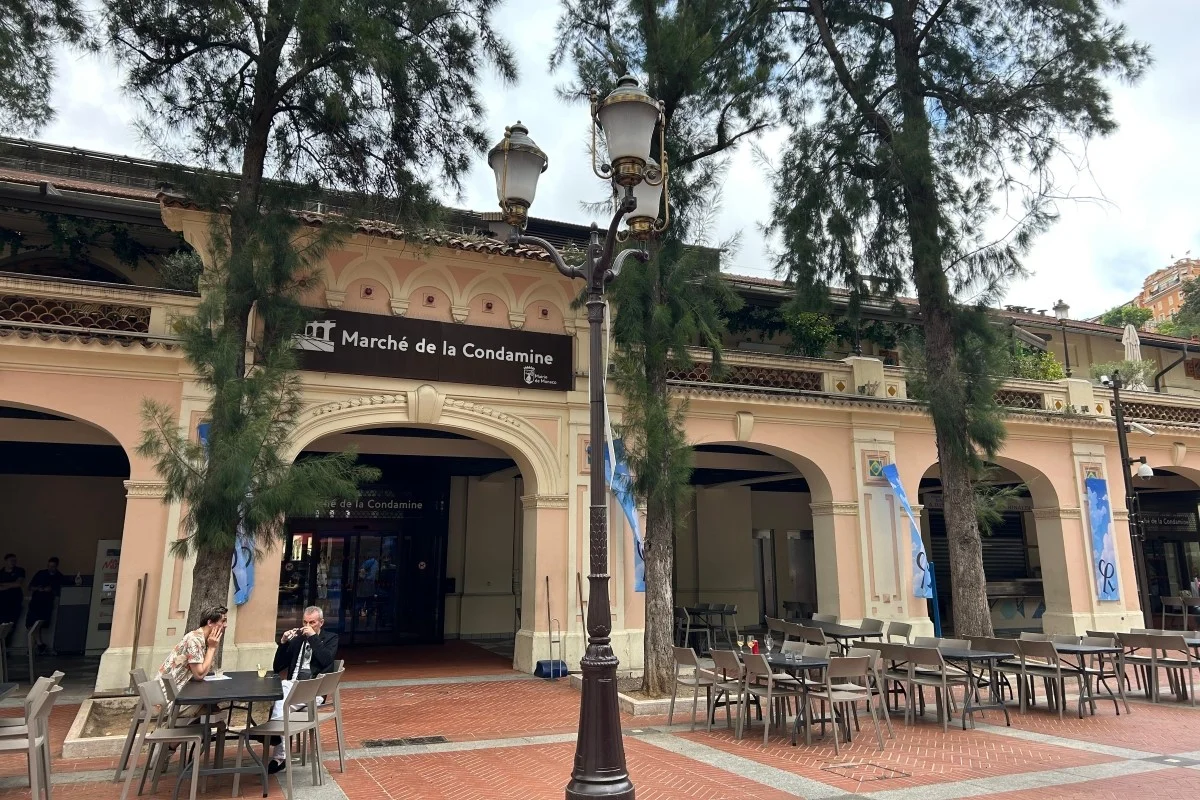
Place d’Armes car park reopens after Condamine Market works

The Place d’Armes car park in Monaco has reopened to the public, having been closed since mid-June for strengthening and refurbishment work carried out alongside the restructuring of the Condamine Market.

Monaco’s Mairie confirmed that the car park has been accessible again since 5th August. It had been shut, initially until the end of July, so that the ceilings of its entry and exit ramps could be reinforced, with the public-parking authority also using the closure to carry out repairs and improvements across the structure.

Part of the Condamine Market overhaul

The work was tied to the wider, 13-month overhaul of the Condamine Market, which began in January and is due to be completed in early 2027, with the market’s traders relocated to Place d’Armes for the duration. While the car park was out of use, drivers had been directed to nearby options, including the Condamine and Colle car parks.

Monaco Life is produced by qualified, multi-media journalists writing original content. See more in our free newsletter, follow our Podcasts on Spotify, and check us out on  Facebook,  Instagram,  LinkedIn and Tik Tok

Photo by Monaco Life