Heavy rain brings wildfire relief, but the fire season is far from over

A major spell of rain and thunderstorms across the Var and Alpes-Maritimes is bringing much-needed relief from the extreme conditions that have fuelled wildfires this summer, with further storms possible into Friday. But after weeks of exceptional heat and drought, experts warn that it will take considerably more rain to remove the underlying fire danger.

The change in weather has been dramatic. After weeks dominated by heat, parched vegetation and heightened wildfire alerts, repeated waves of thunderstorms have swept across south-eastern France, delivering substantial rainfall across the Var and Alpes-Maritimes.

The most intense phase began around midday on Thursday, when very heavy thundery showers developed particularly over inland areas and higher ground. More than 3,000 lightning strikes were reported in the Alpes-Maritimes and 2,500 in the Var by early afternoon, while torrential rain fell across large parts of the region.

Météo-France warned that the strongest storms from Provence to the Côte d’Azur could produce 40 to 60mm of rain in just one hour, and locally even more, along with hail and strong wind gusts.

The unsettled spell extends into Friday. Météo-France said several waves of thunderstorms would move through the south-east through Thursday night and Friday morning, with storms possible from the Provençal coast and Côte d’Azur towards the Alps. Some could again be locally strong and very wet, particularly around the Côte d’Azur, before conditions progressively improve.

Much-needed rain after weeks of extreme conditions

For the Var and other fire-prone areas of Provence, the rainfall could not have come at a more important time.

Weeks of extreme heat and exceptionally dry conditions have left forests and vegetation highly vulnerable to fire. Météo-France reported earlier this week that soils across France had reached their driest levels since records began, while forest-fire danger has remained significant around the Mediterranean.

The lack of rain has been particularly pronounced in the south-east. July brought virtually no relief to parts of the Riviera, leaving vegetation increasingly dry as successive periods of extreme heat pushed temperatures higher.

The amount of water delivered by this week’s storms can rapidly change conditions at the surface. Grasses, leaves, pine needles and other fine vegetation that ignite easily become wet, while falling temperatures and much higher humidity make it considerably more difficult for fires to start and spread.

For firefighters who have spent much of the summer facing exceptionally challenging conditions, the rain therefore represents a significant reprieve.

Will the rain end the wildfire danger?

Not yet. While the difference on the ground may be immediate, one spell of heavy rain cannot reverse the effects of a prolonged drought.

Surface vegetation can absorb moisture relatively quickly, but deeper soils, forest litter, trees and larger vegetation require sustained rainfall to recover from months of moisture loss. Mediterranean vegetation can also dry out remarkably quickly if temperatures rise again, humidity falls and strong winds return.

The determining factor will therefore be what happens after this storm system passes. Several substantial rainfall events through the remainder of August and into September would progressively restore moisture to vegetation and soils and could bring a more lasting reduction in wildfire danger. If this week’s storms are instead followed by another prolonged spell of heat, low humidity and strong winds, conditions could deteriorate again rapidly.

Lightning presents another complication. Thousands of strikes were recorded across the Var and Alpes-Maritimes during Thursday’s storms, and lightning can ignite vegetation where strikes occur away from the heaviest rainfall or where fuels remain dry.

Heavy rain brings a different set of risks

The same rain helping to suppress the immediate wildfire danger is also creating new hazards. With Météo-France warning of rainfall totals reaching 40 to 60mm in an hour and potentially more in some locations, intense storms can overwhelm drainage systems and cause rapid runoff, local flooding and hazardous driving conditions.

Recently burned areas are particularly vulnerable. When wildfire destroys vegetation, hillsides lose some of their ability to hold soil and absorb water. Heavy rain can then run rapidly across the surface, carrying soil, ash and debris downhill and increasing the risk of erosion and mudslides.

Residents are being urged to continue following Météo-France vigilance alerts while the unsettled weather persists.

Fire season is far from over

Despite the welcome rain, southern France remains firmly within its summer wildfire season. Around nine out of 10 forest and vegetation fires in France are caused by human activity, meaning the risk does not disappear simply because vegetation is temporarily wetter. Authorities continue to urge extreme caution around forests and other natural areas throughout the summer.

The longer-term picture is also increasingly challenging. The French government has warned that climate change is contributing to more severe droughts, more frequent fire outbreaks and an expansion of wildfire risk into parts of the country that historically faced a much lower threat.

For the Mediterranean coast, however, this week’s change in weather is significant. After weeks of relentless heat, exceptionally dry soils and intense wildfire pressure, the soaking rain across the Var and Alpes-Maritimes is providing the region’s forests — and its firefighters — with a badly needed reprieve.

Stay updated with Monaco Life: sign up for our free newsletter, listen to our podcasts on Spotify, and follow us across Facebook,  Instagram, LinkedIn, and Tik Tok

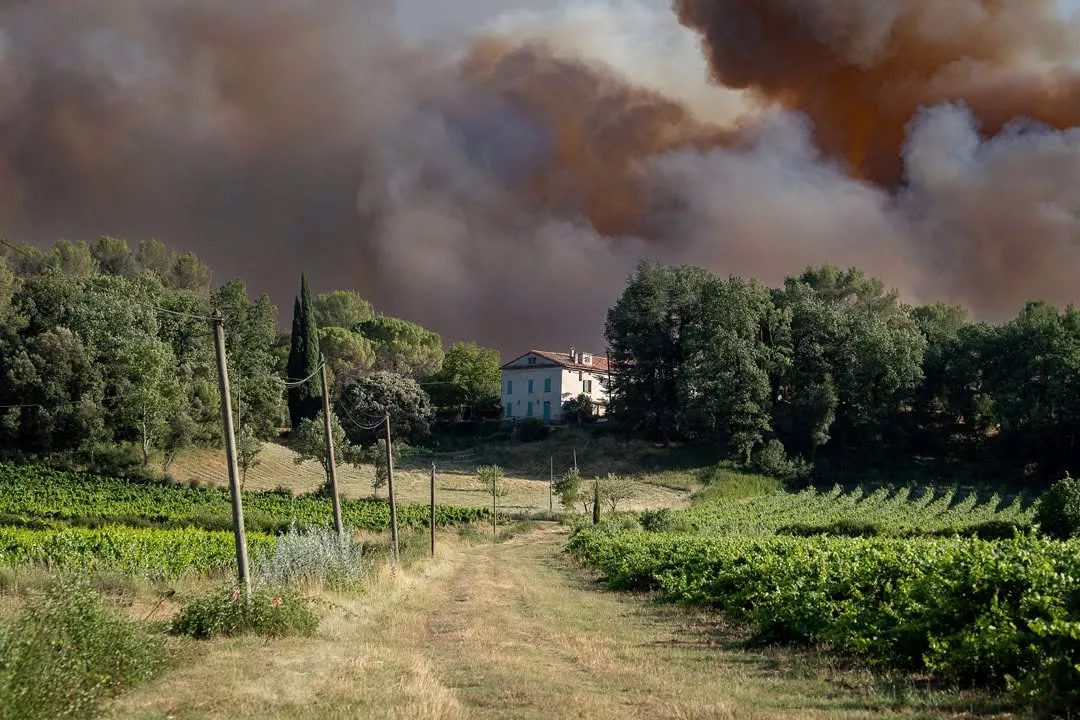
Photo source: Prefect du Var


How to have your say on the next generation of euro banknotes

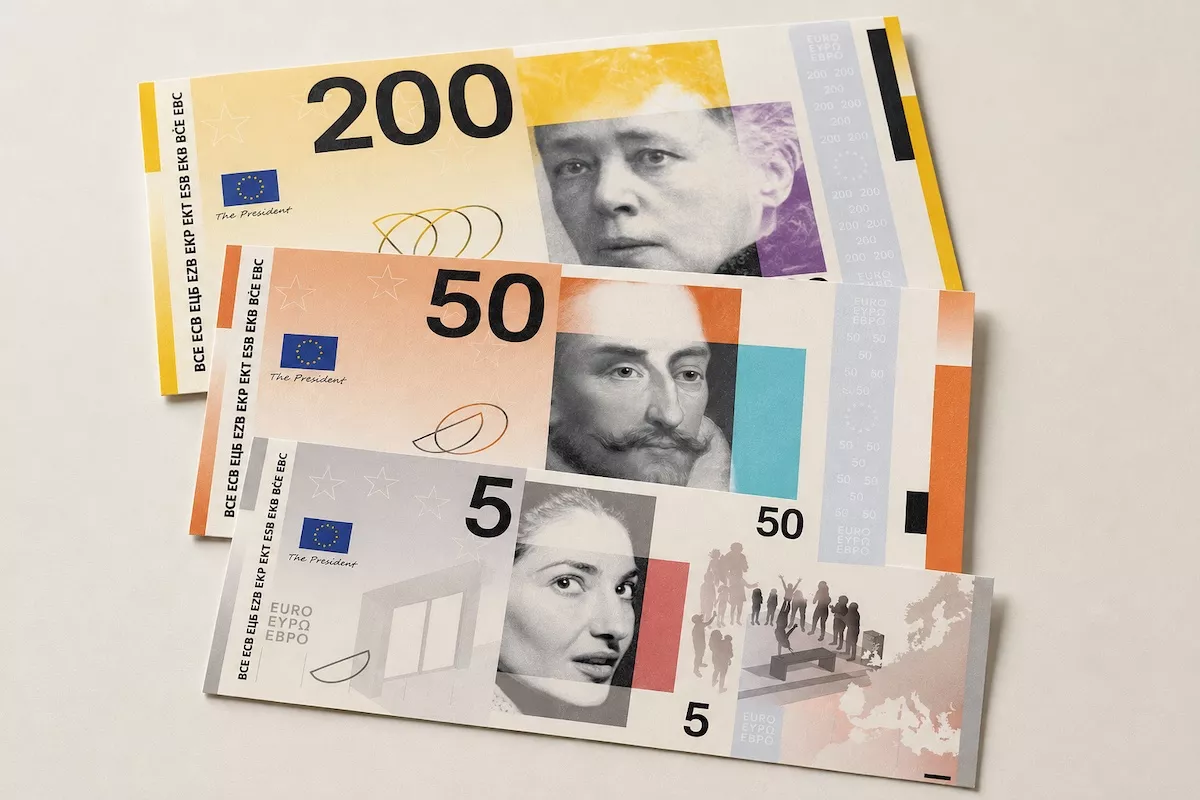
The European Central Bank has revealed 10 possible designs for the next generation of euro banknotes, and everyone is being invited to help choose the winner.

The public survey is open to people of all ages, nationalities and countries of residence. Citizens, residents and expatriates can therefore all participate, whether or not they live within the European Union.

Voting remains open until 11.59pm CET on 21st September 2026. Participants can view each proposed series and register their preferences through the ECB’s online survey, available in all 24 official EU languages.

European culture competes with rivers and birds

The shortlisted designs are based on two themes: European culture and Rivers and birds.

The cultural proposals feature prominent Europeans on the front of each denomination. Maria Callas appears on the €5 note, Ludwig van Beethoven on the €10, Marie Curie Skłodowska on the €20, Miguel de Cervantes on the €50, Leonardo da Vinci on the €100 and peace campaigner Bertha von Suttner on the €200.

The reverse sides depict shared cultural spaces and activities, including street performances, music festivals, schools, libraries, museums and public squares.

The alternative nature theme follows Europe’s rivers from mountain springs to the sea. The designs feature birds including the wallcreeper, kingfisher, bee-eater, white stork, avocet and northern gannet, while European institutions appear on the reverse.

New banknotes remain several years away

More than 1,200 designers applied to take part in the Europe-wide competition. Of these, 25 were invited to develop proposals before an independent jury selected the final 10.

The ECB’s Governing Council is expected to choose the winning series around the end of 2026, taking into account public preferences, expert recommendations and technical assessments.

The new notes will not enter circulation immediately. The selected designs must undergo further development, security testing and production, meaning it will take several years before they reach the public.

Existing euro notes will retain their value and continue circulating alongside the new series. The denominations will remain €5, €10, €20, €50, €100 and €200, while their principal colours and dimensions are also expected to remain broadly unchanged.

The redesign will introduce improved security and accessibility features and seek to reduce the environmental impact of producing and circulating cash. It will be the first complete redesign of euro banknotes since the currency was introduced in physical form in 2002.

Monaco Life is produced by qualified, multi-media journalists writing original content. See more in our free newsletter, listen to our Podcasts on Spotify, and check us out on  Facebook,  Instagram,  LinkedIn and Tik Tok

Main image of designs created by Monaco Life

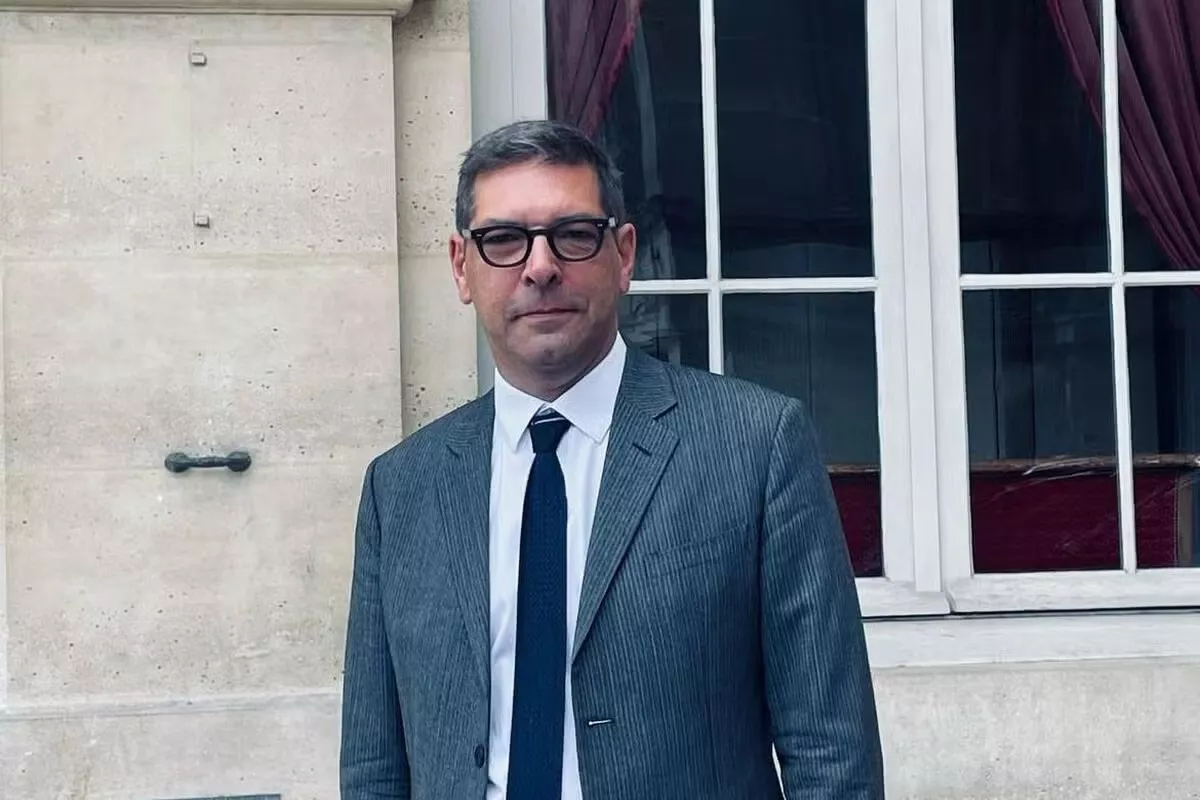
Who is Christophe Lemoine – France’s new ambassador to Monaco?

France has officially appointed senior diplomat Christophe Lemoine as its next ambassador to Monaco, replacing Jean d’Haussonville after three years in the Principality.

The appointment was made by presidential decree on 18th August and published in France’s Official Journal the following day. Lemoine will take up the position on 1st September as Ambassador Extraordinary and Plenipotentiary of the French Republic to Monaco. The appointment was formally confirmed by the Élysée.

He succeeds Jean d’Haussonville, who announced his departure during France’s Bastille Day celebrations in Monaco on 14th July.

From the Quai d’Orsay to Monaco

Born in 1974, Lemoine is an experienced diplomat whose career has combined senior government communications roles with postings in the United States and Italy.

He began his career with the United Nations High Commissioner for Refugees before joining the French Ministry for Europe and Foreign Affairs. From 2012 to 2015, he served as chief of staff to then foreign minister Laurent Fabius.

Lemoine was subsequently appointed Consul General of France in Los Angeles, a position he held from 2015 to 2019. He later became first counsellor and deputy head of mission at the French Embassy in Rome.

In 2023, he returned to Paris as deputy director of communications and press at the foreign ministry. He was promoted to director and ministry spokesperson in July 2024, placing him at the centre of France’s diplomatic communications.

A closely connected bilateral relationship

Lemoine takes up the role at a time when France and Monaco continue to cooperate across areas including taxation, social security, policing, healthcare, education, transport and cross-border employment.

The relationship is underpinned by more than 200 bilateral treaties and agreements, according to the French foreign ministry. Tens of thousands of French residents also travel into Monaco for work each day, making practical cross-border issues an important part of the ambassador’s responsibilities.

France’s representation in Monaco was elevated from a consulate general to an embassy in 2006, following the signing of a new friendship and cooperation treaty between the two countries in 2002.

Stay updated with Monaco Life: sign up for our free newsletter, listen to our podcasts on Spotify, and follow us across Facebook,  Instagram, LinkedIn, and Tik Tok

Photo credit: X/Christope Lemoine 

Ancient Greek lyre concert to bring two millennia of music to Villa Kérylos

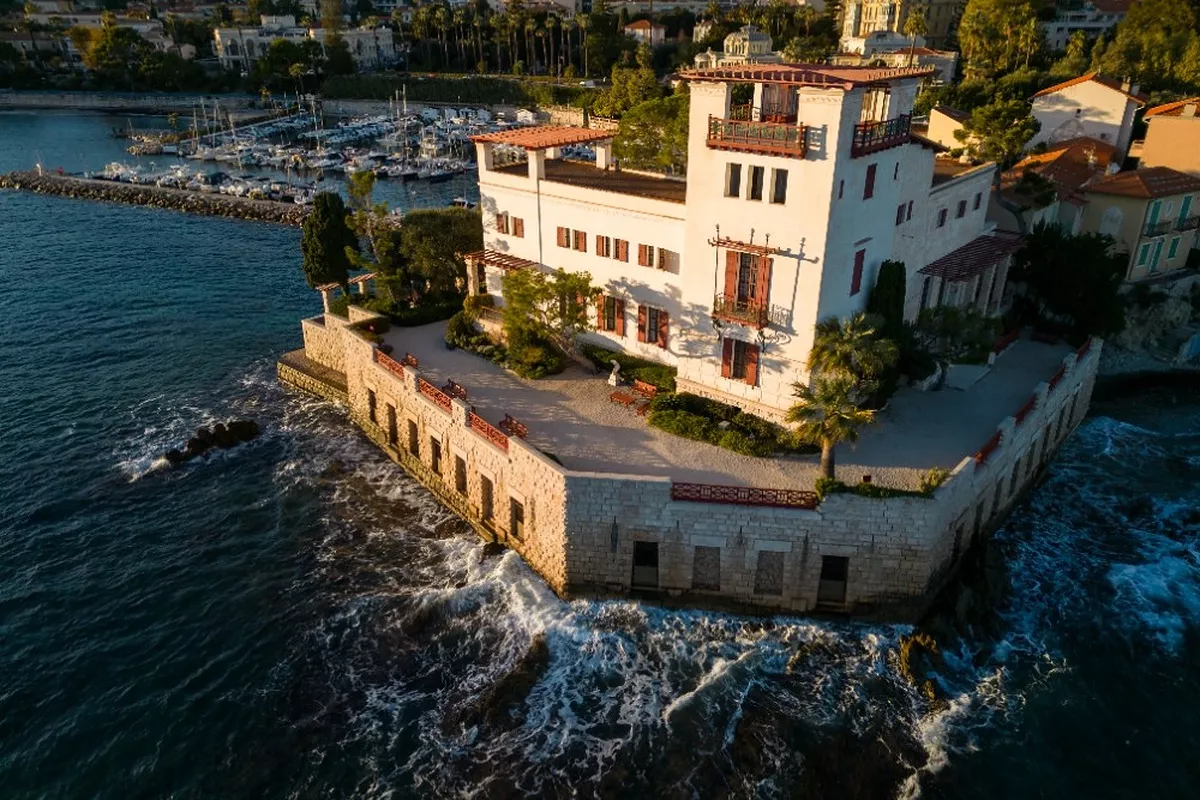
The ancient Greek lyre will sound again along the Riviera coast on Friday 28th August, when the ensemble Les Lyristes performs a one-off concert at the Villa Kérylos in Beaulieu-sur-Mer, a seafront villa built as a recreation of an ancient Greek residence.

The evening promises a musical journey spanning more than two thousand years, staged in a setting that draws directly on Hellenic civilisation. The villa, commissioned in the early 1900s by the archaeologist and scholar Théodore Reinach and overlooking the Baie des Fourmis, offers a fitting backdrop for a programme that reaches back to antiquity.

A dialogue across the centuries

The lyre player Nikos Xanthoulis leads the ensemble, joined by Evangelia Kopsalidou on the ancient Greek lyre and barbitos, and the soprano Myrsini Margariti. Together they set the hymns and poetry of antiquity against Greek musical traditions and contemporary composition, drawing the ancient instrument out of the museum case and back into living performance.

The programme opens with a prelude by Johann Sebastian Bach before moving through some of the oldest surviving music in the Western canon, including the first chorus of Euripides’ Oreste from 408 BC, the Delphic Paean of around 128 BC and the Epitaph of Seikilos, often cited as the earliest complete musical composition to survive. From there the concert turns to the traditional song Thalassaki mou and to modern settings of the poetry of Sappho, alongside works by Mikis Theodorakis and Manos Hadjidakis.

The evening reaches beyond the strictly Hellenic, too, with the ensemble’s arrangements taking in The Beatles’ Yesterday and Luiz Bonfá’s Manhã de Carnaval before closing with Ô Bacchos, drawn from Sophocles’ Antigone.

The performers

Nikos Xanthoulis is a composer and researcher, an associate of the Academy of Athens and a corresponding member of the Archaeological Institute of America. Formerly solo trumpet of the Greek National Opera orchestra, he has devoted himself since 2010 to reviving the ancient Greek lyre, publishing what is described as the first method in the world for the seven-string instrument and founding the first university course dedicated to it.

Myrsini Margariti is a soprano whose repertoire ranges from the baroque to contemporary music, praised internationally for the purity of her timbre and her stage presence, and now teaching at conservatoires in Athens. Evangelia Kopsalidou is a musicologist and lyre player who has taught at the Democritus University of Thrace since 2003 and performs in Greece and abroad.

Practical details

The concert begins at 8pm, followed at around 9.20pm by a Greek buffet cocktail. Tickets cost 60 euros per person, and booking in advance is advised. The Villa Kérylos is on Rue Gustave Eiffel in Beaulieu-sur-Mer, a short journey along the coast from Monaco and served by Beaulieu-sur-Mer railway station.

Monaco Life is produced by qualified, multi-media journalists writing original content. See more in our free newsletter, listen to our Podcasts on Spotify, and check us out on  Facebook,  Instagram,  LinkedIn and Tik Tok

Photo credit: Clément Roux

Cannes Yachting Festival 2026: 47 innovations selected for the ‘Innovation Route Awards’

The Cannes Yachting Festival has unveiled the finalists for the ‘2026 Innovation Route Awards’. From 120 submissions, a six-expert jury evaluated and selected 47 entries spanning boats, equipment, and services that stand out for their boldness, relevance, and industry-transforming potential. 

The four winners of the ‘Innovation Route Awards’, alongside a ‘Special Jury Prize’ recognising a particularly daring or exemplary project, will be announced during the Exhibitor Cocktail on Tuesday, 8th September, marking the opening of the show. Winners will receive an exclusive trophy designed by France Hélice.

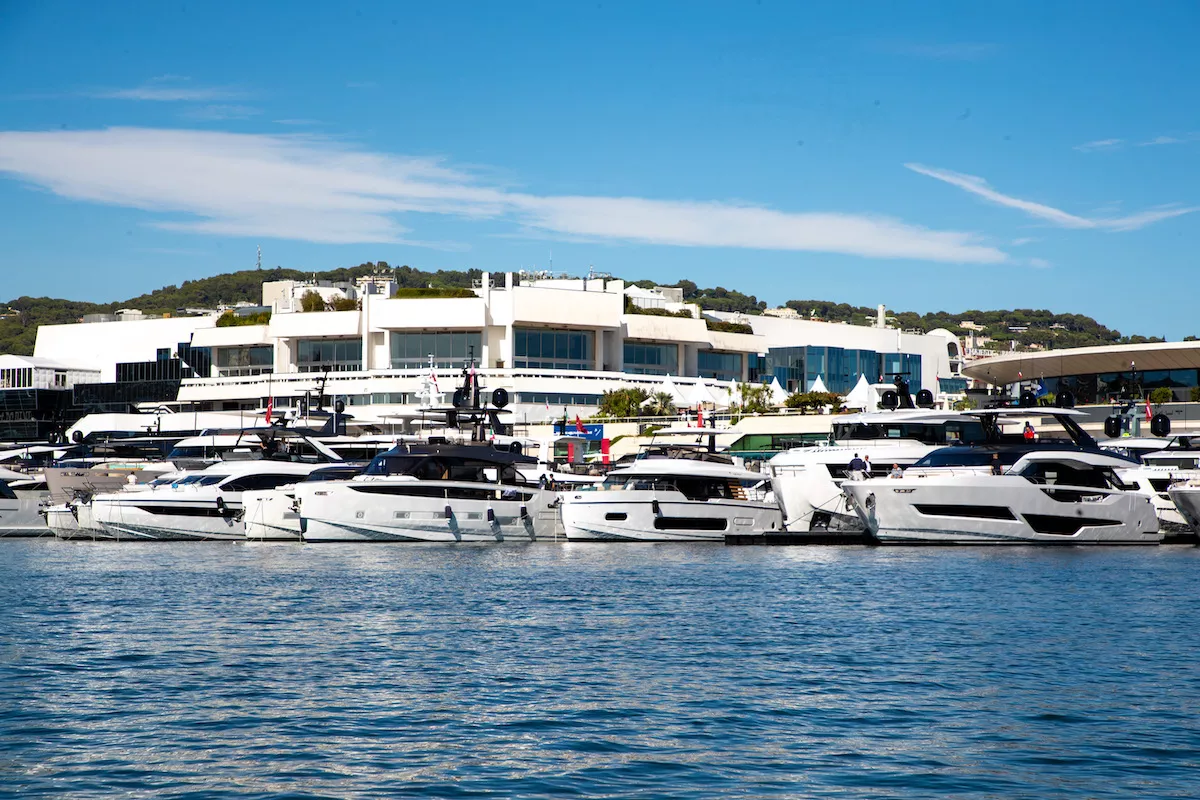
Throughout the exhibition—running from 8th to 13th September across the Vieux Port and Port Canto in Cannes—selected innovations will be identifiable via dedicated signage and featured across the festival’s digital and editorial platforms. 

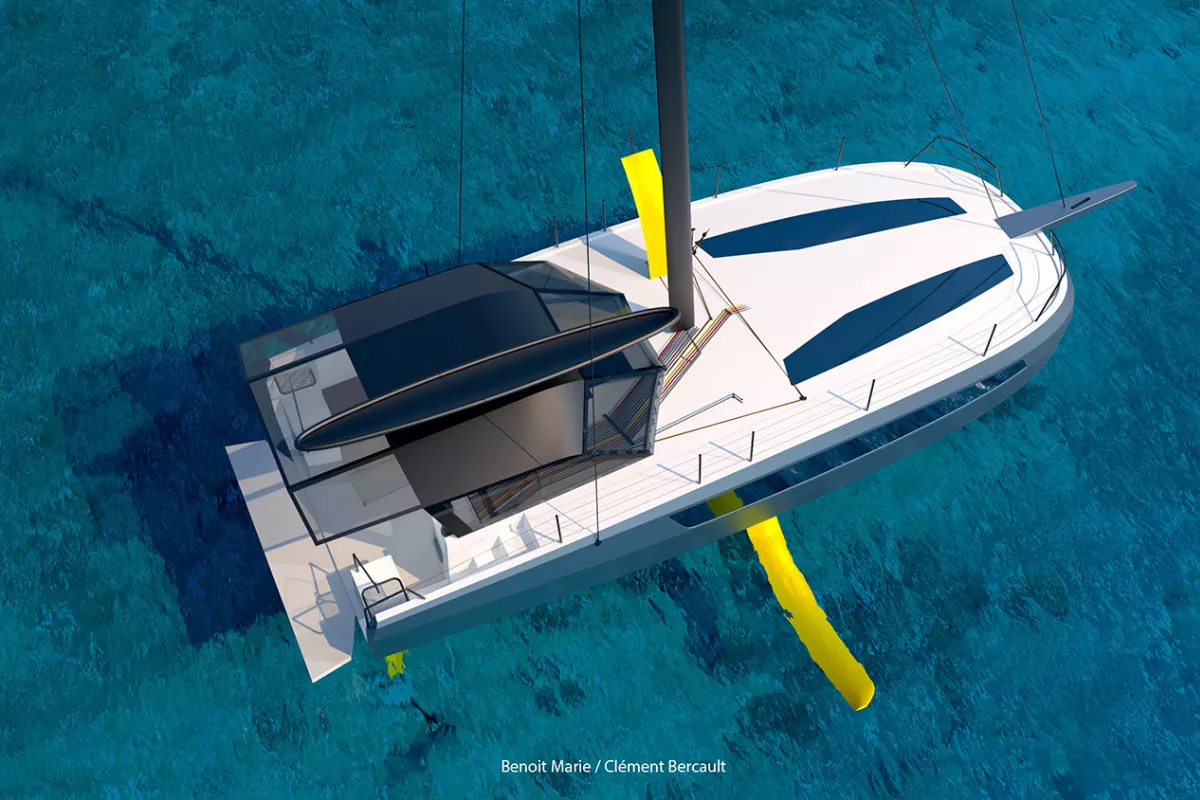
SKAW Sailing. Photo credit: Cannes Yachting Festival

Selection and key industry trends

Launched in 2024, the initiative highlights technological advancements and eco-friendly solutions shaping the future of recreational boating. In just two editions, the ‘Innovation Route’ has earned its place as an essential rendezvous for discovering the innovations driving the industry forward.

“The role of the Cannes Yachting Festival is to enhance the appeal of boating and inspire our visitors,” says Constance Brément, Director of the Cannes Yachting Festival. “The 47 selected entries demonstrate the industry’s commitment to more responsible boating without compromising on performance or enjoyment.”

The 47 selected entries show the biggest trends in modern yachting. In the race toward electrification and clean energy, standout contenders include the 100 percent electro-solar catamaran WHISPER 52, Weenav’s KRONOS Plug & Play system featuring a 97 percent recyclable battery, and Joool’s OneBox hydro-generation platform. 

On the performance and design front, engineering breakthroughs are driving projects like the SKAW A family foiling sailboat and the MIRAVA Smart Boat with its Hydroglide technology.

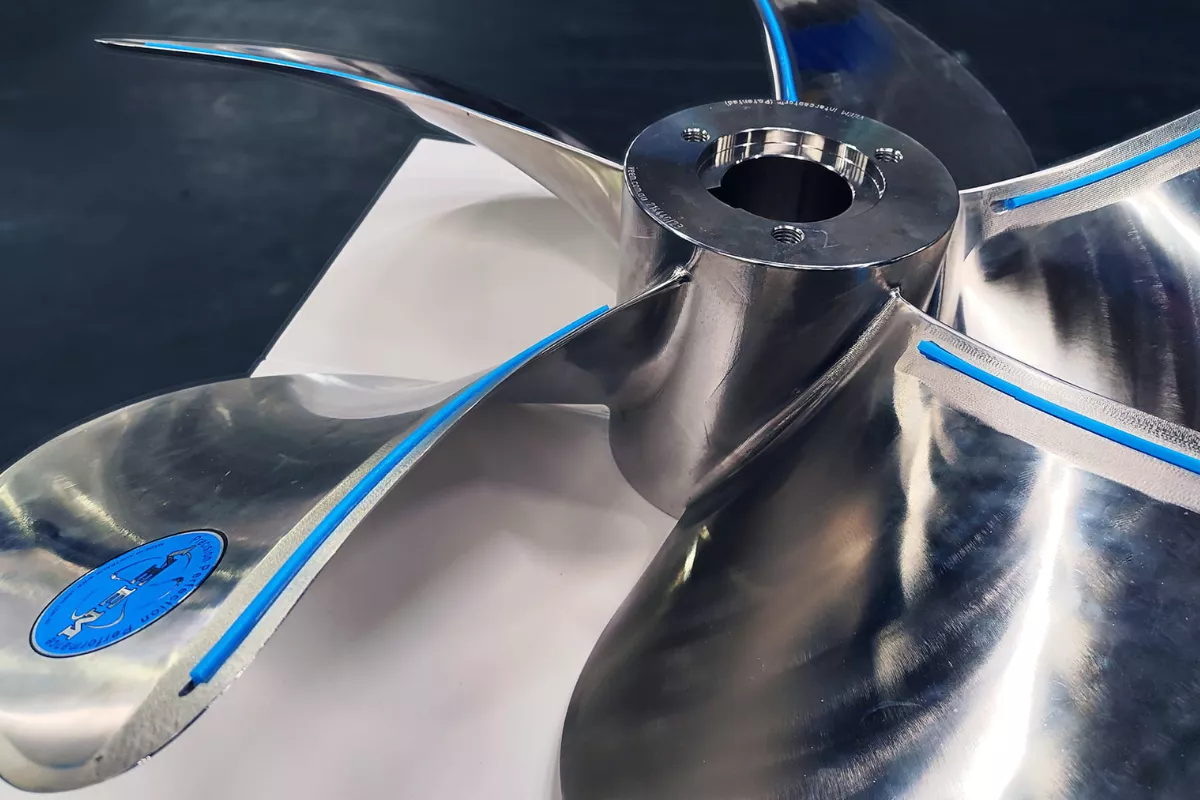
Meanwhile, advances in equipment, safety, and efficiency take shape through Bluenav’s smart mooring system, Facnor’s TACKFURL racing furler, TBS Marine’s custom VEEM propulsion—which reduces fuel consumption by 18 percent—and Spot Zero’s dual desalination and purification system.

The VEEM extreme propulsion system. Photo credit: Cannes Yachting Festival

Crucially, environmental responsibility extends beyond propulsion itself, with D-Marin Biohuts deploying artificial habitats beneath pontoons to actively restore local marine biodiversity within harbour waters. 

Through these 47 innovations, the festival confirms the momentum of an industry committed to a more sustainable, high-performing, and connected future.

The expert jury

The six-member panel evaluating the submissions comprises Guillaume Arnaud des Lyons (Deputy General Delegate, Fédération des Industries Nautiques), Thierry Berest (Marine Surveyor, Boat & Sea Consulting), Rachel Goult (Managing Director, Yacht Carbon Offset), Jean-Christophe Guillaumin (Journalist, Figaro Nautisme), Geoffroy Langlade (Journalist and Entrepreneur), and Elena Patriarca (Director, Adzurra S.r.l.).

Most of the jurors have been present since the initiative’s launch, noting a clear acceleration in technology. “Participating in this jury again makes it possible to see just how fast technologies evolve from one year to the next, and to continue supporting the most daring aspects of our industry,” says Thierry Berest.

Geoffroy Langlade adds that innovations are focusing more than ever on sustainable technologies to reduce carbon footprints, while AI and automation make navigation safer and smoother. 

While Rachel Goult says: “The ecological transition has become the true engine of our industry. I am joining this jury with a desire to highlight pragmatic advancements capable of combining climate respect with the preservation of an exceptional boating experience.”

Stay updated with Monaco Life: sign up for our free newsletter, listen to our podcasts on Spotify, and follow us across Facebook,  Instagram, LinkedIn, and Tik Tok.

Cannes Yachting Festival 2025. Photo credit: C. Charpin – CYF 2025