Ocean’s Eleven prequel confirmed to film on Monaco waterfront in August

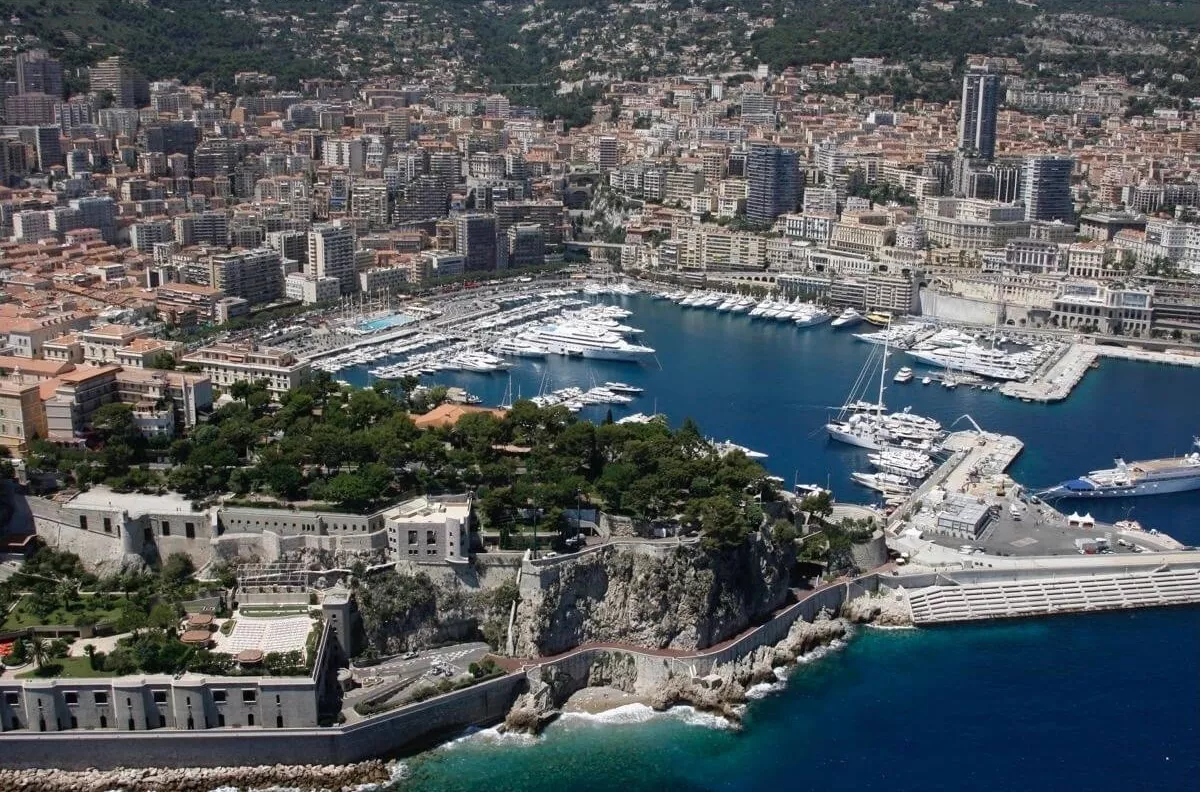
The upcoming Ocean’s Eleven prequel starring Margot Robbie and Bradley Cooper is set to begin filming in Monaco in late August, with an official government notice clearing parts of the waterfront for what it describes as a “superproduction”.

The production will take over sections of Darse Sud and the Esplanade des Pêcheurs from 23rd to 28th August, providing the clearest official confirmation yet that the major Warner Bros. film will shoot inside the Principality.

Although the order published in the latest Journal de Monaco does not identify the production by name, its dates correspond with casting notices for the Ocean’s prequel, which is due to film in Nice and Monaco from late August.

Monaco prepares for a major Hollywood shoot

Filming is officially scheduled from Monday 24th to Friday 28th August. From 6pm on Sunday 23rd August, part of Darse Sud must be cleared of existing structures and activity to accommodate the production.

Parking will also be prohibited on the Esplanade des Pêcheurs until the end of the shoot, while access to filming and production areas will be restricted to accredited personnel. The measures cover the installation and removal of the large-scale infrastructure needed for the production.

The shoot follows the Grand Départ of the Vuelta, which will occupy much of the same waterfront area immediately beforehand on 22nd and 23rd August.

A heist at the 1962 Monaco Grand Prix

Margot Robbie has confirmed that the film will follow the parents of Danny Ocean, the master thief played by George Clooney in the modern Ocean’s franchise.

The story will see the pair attempt an elaborate heist during the 1962 Monaco Grand Prix, making the Principality central to the plot rather than simply serving as a glamorous backdrop.

Robbie and Cooper are expected to play Danny Ocean’s parents, with Cooper also writing and directing the film. The cast includes Wagner Moura as the principal villain, alongside Monica Barbaro and Josh Gad.

The production is expected to recreate Monaco during the era of Prince Rainier III and Princess Grace, when the 1962 Grand Prix was won by Bruce McLaren.

Monaco filming follows casting search

Casting calls issued earlier this summer sought hundreds of extras between the ages of 18 and 90 for filming in Nice and Monaco. Applicants were required to suit the film’s 1960s setting, with visible modern tattoos, piercings and contemporary hairstyles ruled out.

The broader Riviera shoot is expected to continue into October. The still-untitled Ocean’s Eleven prequel is scheduled for cinema release on 25th June 2027.

See also: 

Extras wanted in Nice and Monaco for Margot Robbie and Bradley Cooper’s Ocean’s prequel

Monaco Life is produced by qualified, multi-media journalists writing original content. See more in our free newsletter, follow our Podcasts on Spotify, and check us out on  Facebook,  Instagram,  LinkedIn and Tik Tok

Photo source: Government Communications Department
A monthly evening of music and aperitifs at the Condamine

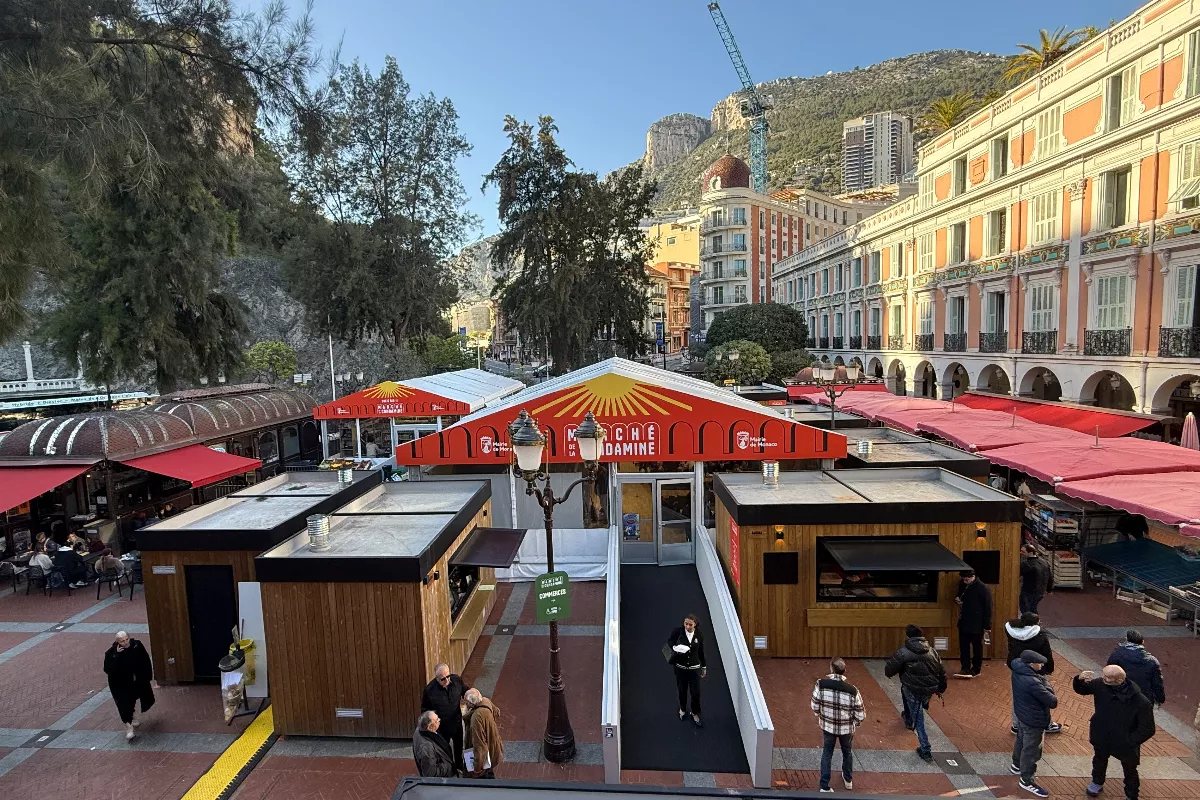
An evening of live music comes to Monaco’s Condamine Market on Thursday 6th August, as the ‘Apéro Musique Live’ returns for its August edition. Held among the market’s food stalls, the event runs from 6pm to 9.30pm and is free, with no ticket required.

It is a monthly fixture, staged by the Mairie de Monaco on the first Thursday of each month at the Marché de la Condamine, on Place d’Armes. For the evening, the market becomes an open-air stage, with live performances set among its stalls and eateries.

Music among the stalls

The format pairs live music with the market’s food and drink, drawing residents and visitors for a relaxed after-work drink or the start of an evening out. Local and international performers take turns on the bill, and admission is open to all.

Part of Monaco’s summer calendar

The ‘Apéro Musique Live’ is one of a number of regular events the Mairie de Monaco holds across the Principality’s districts through the year, part of a wider effort to bring music and social life into Monaco’s public spaces. The Condamine Market, a traditional food market a short walk from Port Hercule, is among the busier gathering points in the neighbourhood.

Monaco Life is produced by qualified, multi-media journalists writing original content. See more in our free newsletter, follow our Podcasts on Spotify, and check us out on  Facebook,  Instagram,  LinkedIn and Tik Tok

Photo by Monaco Life

The Monte-Carlo Summer Festival heads into its closing weeks

The Monte-Carlo Summer Festival is entering the final stretch of its 2026 run, with Vanessa Paradis, LP, Lisa Stansfield and a closing night from Laura Pausini still to come over the coming fortnight at the Salle des Étoiles and the Opéra Garnier.

Now in its 20th edition, the festival, curated by the Société des Bains de Mer’s group artistic director Alfonso Ciulla, has run since early July across the two venues and has already brought a string of major names to the Principality this summer, among them Jon Batiste, Jason Derulo, Aya Nakamura, Juanes and John Legend.

The final concerts

Vanessa Paradis takes the stage at the Opéra Garnier on Friday 31st July, presenting an album of pop and seventies soul co-written with Étienne Daho and Jean-Louis Piérot. The American singer-songwriter LP, known for her worldwide hit ‘Lost on You’, follows at the Salle des Étoiles on 1st August, before the British soul singer Lisa Stansfield performs there on 11th August. The festival then closes on 15th August with the Italian pop star Laura Pausini, returning to a Salle des Étoiles stage she has played many times before.

Running alongside those dates is ‘Soul! (where legends come back)’, an in-house production by the Sporting Monte-Carlo celebrating the rock’n’roll of Chuck Berry and Little Richard, which continues at the Salle des Étoiles from 2nd to 9th August after its first performances at the end of July.

Two decades of the festival

The 2026 programme leans heavily on soul and R&B, threaded through with pop, rock and French chanson, and marks two decades since the festival began in 2006. As in previous years, each dinner-show evening at the Salle des Étoiles opens with a set from the Ultramarine Girls Band, the all-female group whose repertoire runs to more than 150 pop, rock and Latin numbers.

Tickets

Tickets for the Opéra Garnier concerts are priced at €120, while the dinner shows at the Salle des Étoiles range from €260 for ‘Soul!’ to €420 for the international headliners. Reservations are handled by the Société des Bains de Mer, at montecarlosbm.com or by telephone.

Monaco Life is produced by qualified, multi-media journalists writing original content. See more in our free newsletter, follow our Podcasts on Spotify, and check us out on  Facebook,  Instagram,  LinkedIn and Tik Tok

Photo of Soul!, credit: Philip Ducap

Pyromelodic Festival returns to Antibes this August: everything you need to know

The skies above Antibes and Juan-les-Pins will once again be transformed into a spectacle of light and music this August as the Pyromelodic Festival returns with four free fireworks displays along the Riviera coastline.

A long-standing highlight of the Côte d’Azur summer calendar, the festival combines synchronised fireworks with carefully choreographed musical soundtracks, drawing thousands of spectators to the beaches and waterfront each year. Three of the displays will take place over the Bay of Juan-les-Pins before a grand finale in Antibes celebrating the city’s Liberation commemorations.

Pyromelodic Festival programme in Antibes and Juan-les-Pins

This year’s festival opens on Thursday 6th August, with further displays on Thursday 13th August and Thursday 20th August, all beginning at 10pm over the Bay of Juan-les-Pins.

The final evening will take place on Monday 24th August at 10pm, when fireworks will be launched along the Route du Bord de Mer between Fort Carré and the beaches of La Brague as part of Antibes’ annual Liberation Day commemorations.

What to expect at the Antibes Pyromelodic Festival

Rather than a traditional fireworks display, the Pyromelodic Festival is designed as an immersive sound-and-light performance, with each sequence carefully synchronised to music. The free event has become one of the French Riviera’s signature summer attractions, offering visitors an opportunity to enjoy spectacular evenings by the sea without the need for tickets.

The best viewing points are along the seafront in Juan-les-Pins for the first three evenings, while spectators attending the final display on 24th August are encouraged to watch from the Route du Bord de Mer between Fort Carré and the beaches of La Brague.

Road closures and parking restrictions during the fireworks

Visitors should allow extra time to reach the venue, as traffic and parking restrictions will be in force on each fireworks evening. Roads within the event perimeter in Juan-les-Pins will be closed to vehicles from 4pm until midnight to ensure public safety, with similar restrictions expected around the Antibes finale.

Monaco Life is produced by qualified, multi-media journalists writing original content. See more in our free newsletter, follow our Podcasts on Spotify, and check us out on  Facebook,  Instagram,  LinkedIn and Tik Tok

Photo by Monaco Life


Inside Inuspheresis: The emerging field of performance medicine

For many high-functioning professionals, managing a demanding lifestyle is a daily exercise in precision. As interest in ‘performance medicine’ grows, a trend is emerging among some successful professionals: travel to clinics in the Swiss Alps for a procedure known as Inuspheresis.

We live in an era where life expectancy has increased, yet many report persistent, non-specific health issues—such as chronic fatigue, brain fog, and systemic inflammation—that often defy a clear diagnosis.

Clinical observers have begun to look beyond simple lifestyle adjustments to investigate how biological factors contribute to these conditions. “Environmental toxins, immune overload, and the relentless pressures of modern life are placing a cumulative strain on the body that it can no longer manage on its own,” explains Felix Strobl, Business Development Manager at Ayus, a centre specialising in environmental medicine and Inuspheresis, in an interview with Monaco Life. “What we have lacked is a structured medical response—a way to move past treating individual symptoms and instead confront the broader, holistic nature of the problem.”

The clinical experience 

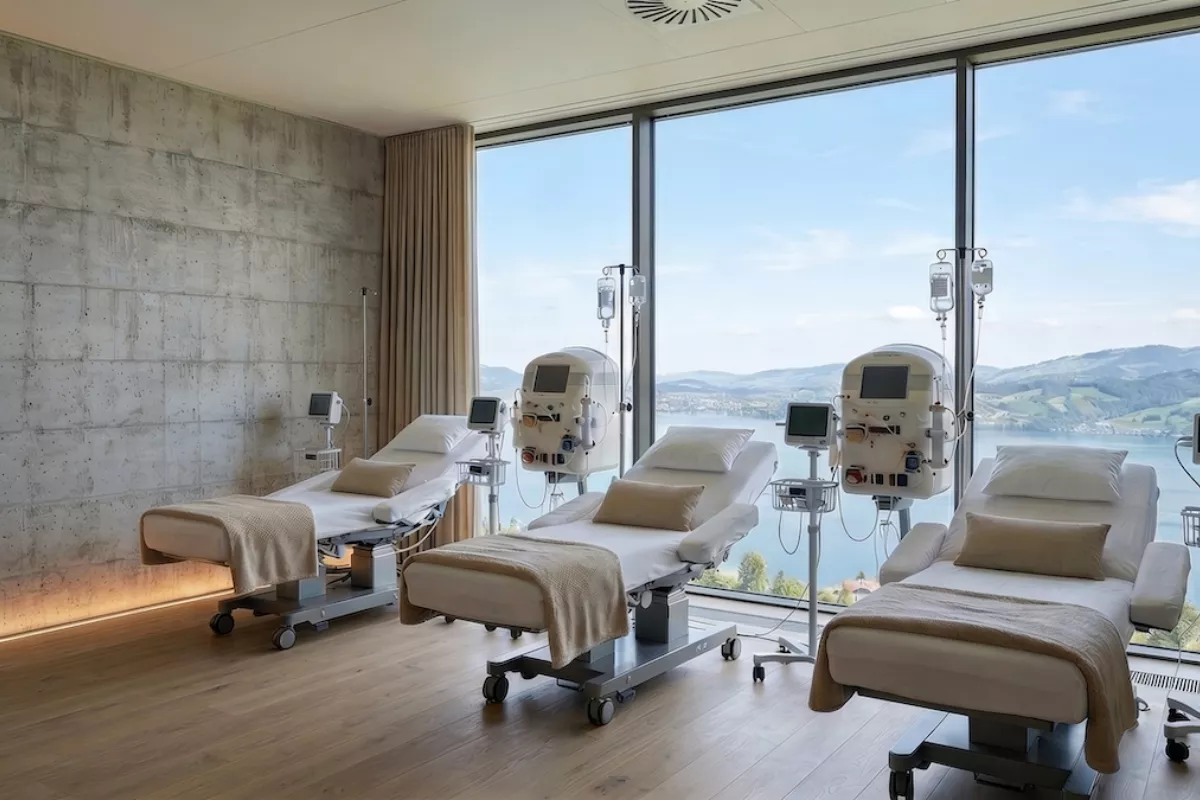
At its core, Inuspheresis—a high-tech procedure known as double-filtration plasmapheresis (DFPP)—is designed to cleanse the blood plasma. During a session of approximately two hours, blood is gently drawn from the patient and passed through a sophisticated filtration system that separates the plasma from the blood cells.

This plasma then travels through a secondary filter, tailored to the patient’s specific profile to capture a broad spectrum of environmental toxins, inflammatory markers, and accumulated waste products. Once this filtration is complete, the purified plasma is rejoined with the blood cells and safely returned to the patient.

While double-filtration plasmapheresis is an established medical procedure used in hospitals to treat severe autoimmune conditions and specific lipid disorders, its application as a ‘biological tune-up’ for otherwise healthy individuals is considered an elective, non-standard practice.

Inuspheresis treatment at the Bürgenstock Ayus Clinics (Switzerland) / Photo credit: Ayus

Scientific scrutiny: Is detoxification real? 

While proponents highlight the procedure’s ability to remove targeted markers, the scientific rationale behind elective ‘detoxification’ remains a subject of debate. Dr. Robin Mesnage, Scientific Director at Buchinger Wilhelmi Clinic, urges caution.

“I have heard about this approach, but I remain cautious about the ‘detoxification’ rationale,” says Dr. Mesnage. “They advocate that they can remove harmful substances, but how can they differentiate between harmful and healthy elements in blood?”

He points out that biology rarely draws a clear line between ‘good’ and ‘bad’ molecules. “Antibodies, inflammatory mediators, lipoproteins, and many other circulating factors have different physiological functions. It really depends on context, even when they are associated with disease.”

A significant challenge, according to Dr. Mesnage, is that “disease-associated molecules do not carry a specific tag identifying them as harmful.” Because blood filtration techniques generally remove classes of molecules based on their physical properties rather than their specific role in a disease, he warns that “potentially beneficial and potentially harmful molecules may be removed together.”

Machine for high-tech procedure known as double-filtration plasmapheresis / Photo credits: Ayus

Perspectives on efficacy 

Practitioners at centres specialising in Inuspheresis maintain that the procedure offers a data-driven approach to wellness, suggesting that analysing the ‘eluate’—the material captured by the filters—provides insights into a patient’s toxic load that can guide long-term health planning. Strobl says that the procedure is CE-marked and operates under strictly regulated Swissmedic-approved protocols.

He describes the patient experience as a lifting of ‘background noise’, adding: “It’s not just about blood tests; it’s about how you feel when you wake up. Patients often report that their energy returns and that chronic ‘brain fog’ finally lifts, allowing them to think clearly again.”

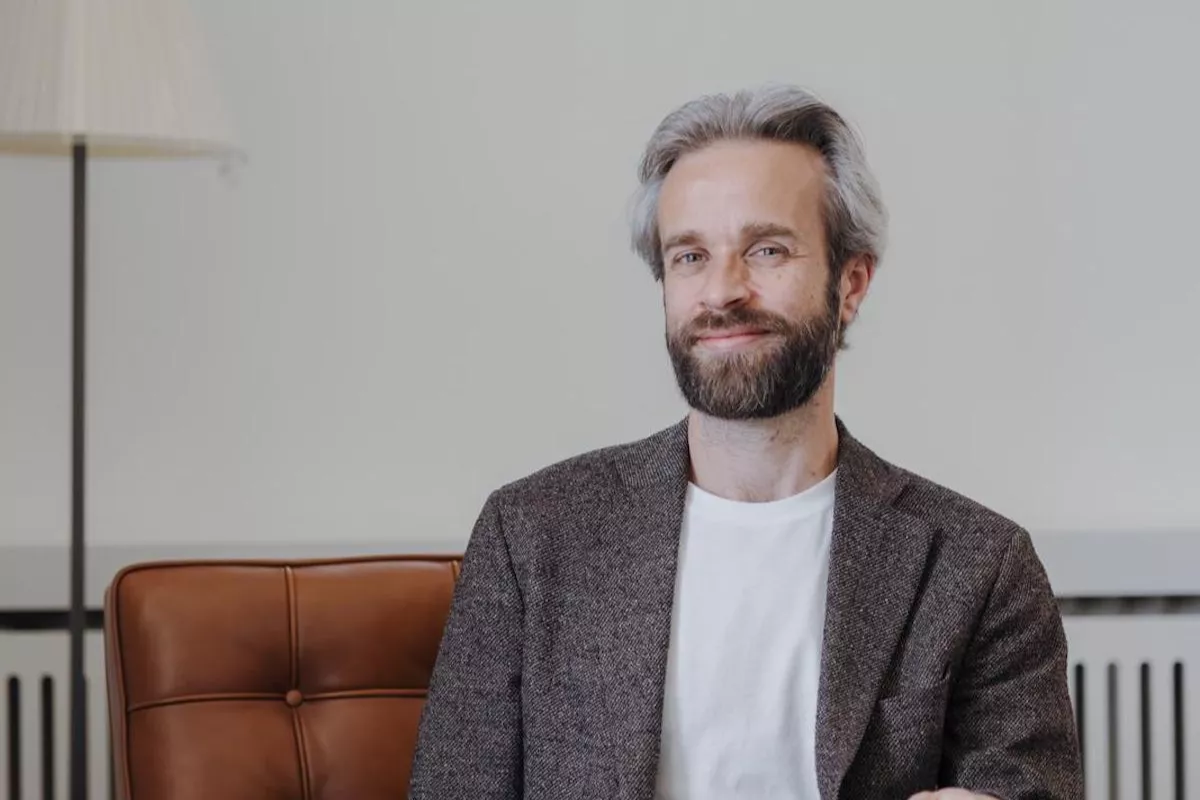
Dr. Robin Mesnage, Scientific Director at Buchinger Wilhelmi Clinic / Photo credits: Buchinger Wilhelmi

The human touch in a high-tech world 

The value of the procedure, according to its practitioners, extends beyond the technology itself. Strobl—who is also a tenor—argues that performance medicine must remain human-centric. His approach integrates vocal techniques and breathing exercises designed to stimulate the vagus nerve and regulate the nervous system.

“Technology is a fantastic tool,” he says, “but it works best when it is combined with the regulatory mechanisms we all carry within us.” By calming the body through these techniques before the filtration procedure, he believes the restorative benefits are amplified.

Insights from the WAIB Summit 

The concept recently took centre stage at the WAIB Summit 2026, where Felix Strobl presented alongside Dr. Irene Ching, focusing on the idea of “age resilience”. Their message was: true health is not about vanity, but about unburdening the body’s natural systems so they can function as they were designed to.

Monaco Life is produced by qualified, multi-media journalists writing original content. See more in our free newsletter, follow our Podcasts on Spotify, and check us out on  Facebook,  Instagram,  LinkedIn and Tik Tok

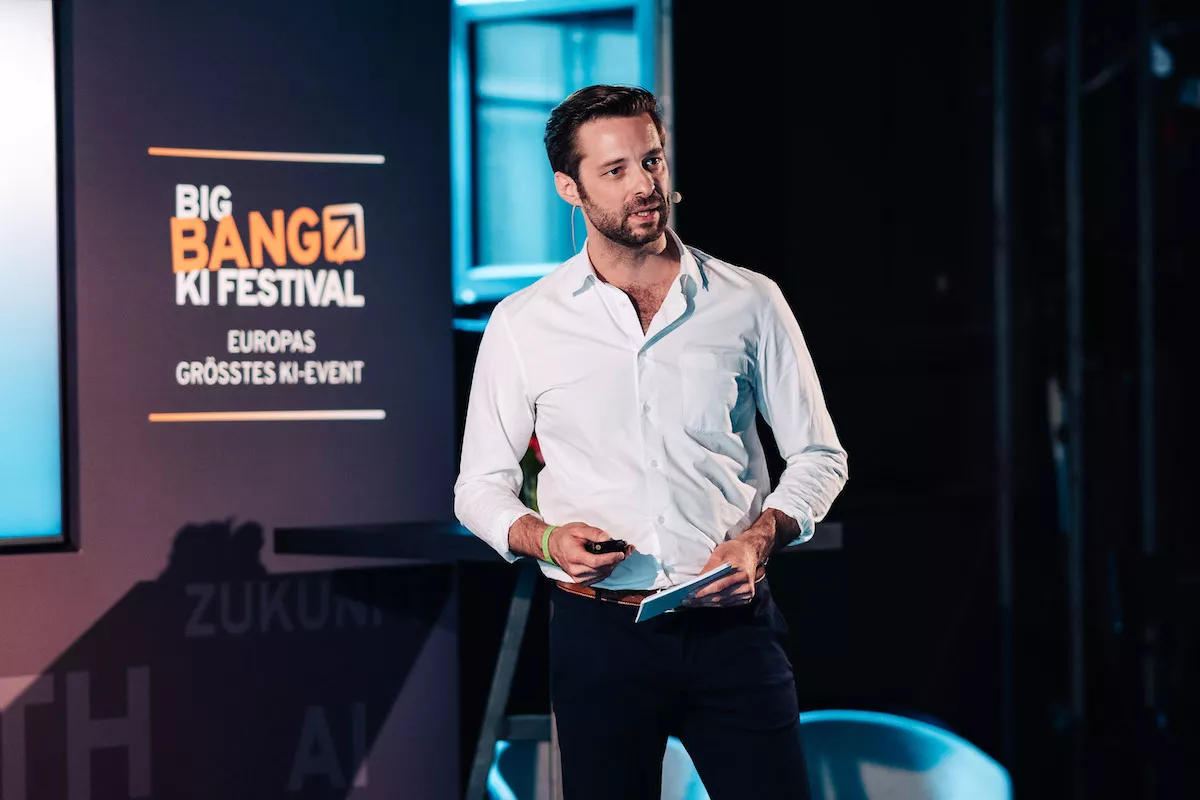
Main photo: Félix Strobl, Neuroscientist, Tenor, and Business Development Manager at Ayus, at the Big Bang Ki Festival / Photo credit: Offenblende-Andrej

France, UK and Spain unite to strengthen Europe’s wildfire response

France has pledged deeper international cooperation on wildfire prevention and climate resilience following one of the country’s most destructive fire seasons in decades.

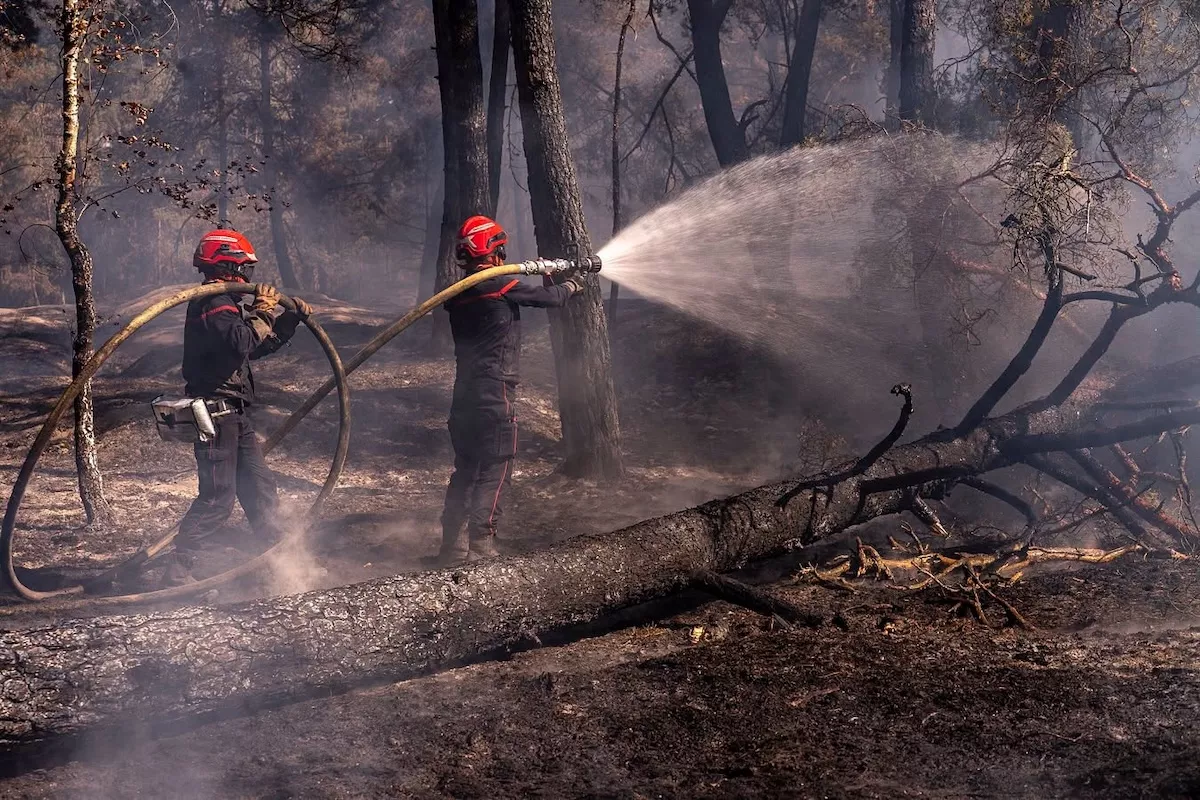
The commitment comes as conditions improve around Bordeaux, where fires have burned approximately 42,000 hectares and forced 224,000 people to leave their homes. Around 84,000 evacuees have now been permitted to return, although firefighters continue to monitor smouldering areas and prevent further outbreaks.

From emergency response to prevention

In a joint statement with the United Kingdom, the French government said the two countries would strengthen cooperation to anticipate, prevent and respond to climate-related risks, with a particular focus on wildfires.

The agreement goes beyond the immediate deployment of emergency resources. It covers climate adaptation, disaster preparedness, risk reduction and closer coordination when environmental threats affect shared security and economic prosperity.

“Recognising that the increasing impacts of climate change know no borders,” the statement said, France and the UK would work together to advance international efforts on climate resilience.

The commitment was backed by French Foreign Minister Jean-Noël Barrot and his British counterpart Ed Miliband.

France, the UK and Spain have also pledged to coordinate their positions ahead of the COP31 UN Climate Summit this autumn, focusing on faster global decarbonisation, increased climate financing for vulnerable countries and greater protection against extreme weather.

Wildfires become a European security issue

The diplomatic push follows weeks of fires and successive heatwaves across France, Spain, Greece and other parts of Europe.

More than 115,000 hectares are estimated to have burned in France this summer, placing 2026 on course to become the country’s worst wildfire year since 1949. Vineyards around Bordeaux are also assessing the potential effects of smoke exposure on this year’s harvest.

Two people have been arrested on suspicion of deliberately starting fires near Bordeaux, according to French prosecutors. However, prolonged heat, dry vegetation and strong winds allowed the flames to spread rapidly and made them considerably harder to contain.

The joint declarations mark an effort by France to move the European response beyond emergency firefighting and towards permanent cross-border planning.

They also describe climate change as a growing threat to public health, national security, energy supplies and economic stability.

Monaco Life is produced by qualified, multi-media journalists writing original content. See more in our free newsletter, follow our Podcasts on Spotify, and check us out on  Facebook,  Instagram,  LinkedIn and Tik Tok

Photo source: Emmanuel Macron Facebook page