Monaco’s watchdog defends its €6m UBS fine against industry criticism

Monaco’s financial-crime regulator has publicly defended the €6 million fine imposed on UBS Monaco, responding to commentary it says has misrepresented the ruling and clarifying the obligations on banks to verify complex corporate ownership structures.

In a statement dated 28th September, the Autorité Monégasque de Sécurité Financière (AMSF) said it wanted to set out the “foundations and scope” of the decision after what it called “inaccurate or approximate” comments published recently. Some analyses, it said, had questioned how it interpreted the law and used its own guidance, and had warned of the effect on legal certainty for the Principality’s banks and finance firms.

The fine, and the pushback

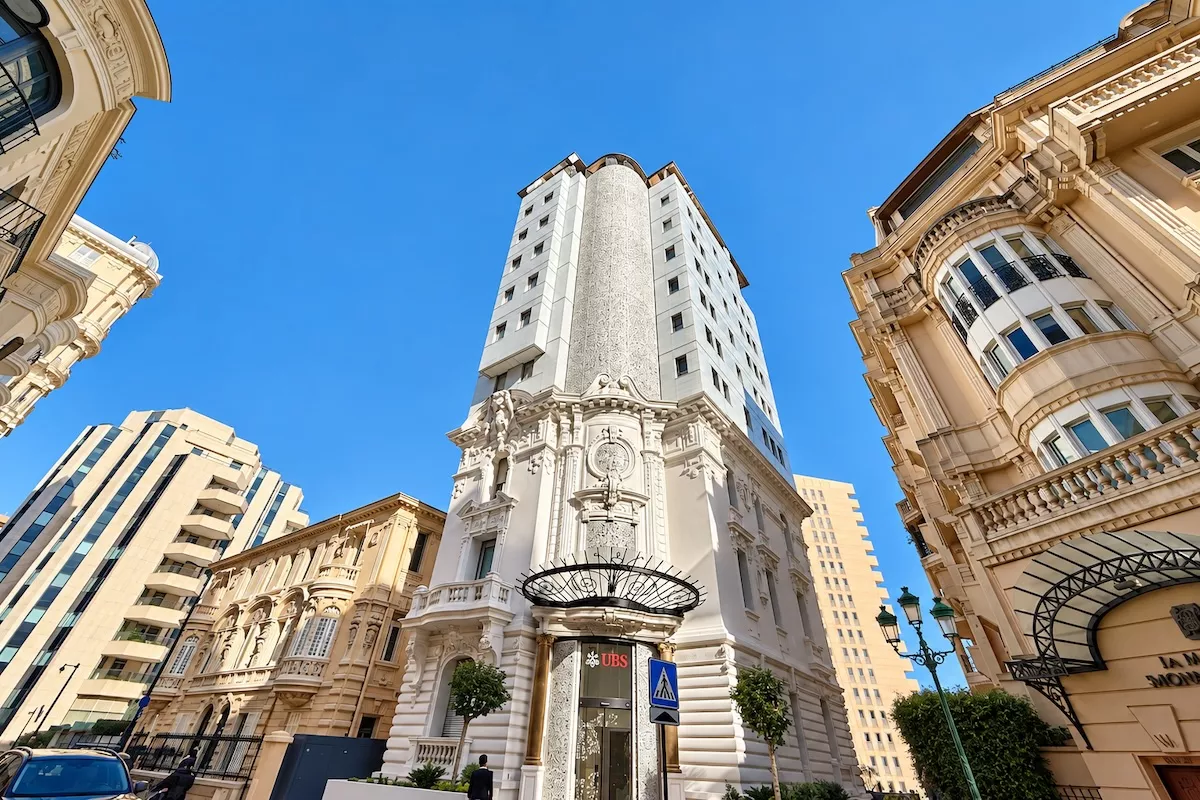
The penalty was handed down on 28th April and made public on 8th May. It followed an inspection between March and June 2024 of UBS’s Monaco subsidiary — the local arm of the Swiss banking giant, and one of the largest private banks in the Principality — and identified a series of anti-money-laundering failings, from too few compliance staff to weak checks on where some wealthy clients’ money came from. At €6 million, set against the bank’s average annual net banking income of around €132 million over the preceding three financial years, it was the largest fine imposed by the AMSF since its establishment in 2023.

The reasoning behind it drew unusually pointed commentary from lawyers and compliance specialists — enough for the regulator to respond in public so that, it said, “the debate rests on a legally accurate reading of the decision”.

No blanket requirement to collect articles of association

At the centre of the dispute is one of the findings: that UBS had not done enough to establish who ultimately owned and controlled some of its corporate clients — companies held through layers of other companies, an arrangement that can be used to obscure the real person behind an account.

Some commentary read this as the AMSF demanding that banks collect the founding documents, or articles of association, of every company in such a chain — an onerous burden. The regulator says that is a misreading. The finding, it stressed, “does not rest in any way on a general and systematic obligation to collect the articles of association of all interposed companies”, but on something more basic: that UBS simply did not hold enough documentation to establish, reliably, who was behind the accounts. In the words of the ruling itself, the bank “did not have, for the files examined, sufficient documentation allowing it to reconstruct, in an exhaustive and probative manner, the ownership and control structure of the complex structures concerned”.

Nor was the requirement a surprise, the AMSF added, pointing to UBS’s own internal procedures, which already required documentation to verify complex ownership and control structures. It said the bank could therefore not reasonably argue that the requirement was insufficiently clear or foreseeable.

‘They do not replace the law’

The second criticism was that the AMSF had leaned on its own guidelines as though they created new legal obligations. Not so, the authority said: the guidelines exist to help firms understand and apply the law, and “do not replace the law and do not constitute, in themselves, a new source of legally enforceable obligations”. A sanctions panel may refer to the guidelines to explain how existing legal and regulatory obligations apply in practice, the AMSF said, without creating or extending those obligations. In the UBS case, grievance number four, concerning the identification and verification of underlying corporate structures, was established “without reference to the guidelines”.

The authority framed its statement around what it called the “public-private partnership” at the heart of its work, pledging to “favour dialogue, education and transparency” while ensuring anti-money-laundering rules are fully obeyed, and inviting the sector to read the full decision rather than the commentary around it.

A year of sanctions

The UBS ruling is the most prominent of a run of AMSF penalties Monaco Life has reported over the past year. In December 2025, the authority fined two company-services firms — Landmark Management €800,000 and International Corporate Structuring (ICS) €500,000. In 2026 it turned to the banks and larger houses: UBS Monaco’s €6 million in May, €1 million for Moncrief Private Bank, formerly Banque Havilland (Monaco), in July, and €1.5 million for the Monaco arm of Julius Baer in September.

Its most recent annual report showed enforcement rising sharply, with on-site inspections up by half and a record number of suspicious-transaction reports.

See also: 

Monaco’s financial crime watchdog blocks €87 million as reports hit record high

Monaco Life is written by qualified journalists, writing original content. Sign up for our free newsletter, listen to our podcasts on Spotify, and follow us across Facebook,  Instagram, LinkedIn, and Tik Tok.

Main photo credit: Cassandra Tanti
 

Programme revealed for Italian president’s historic first state visit to Monaco

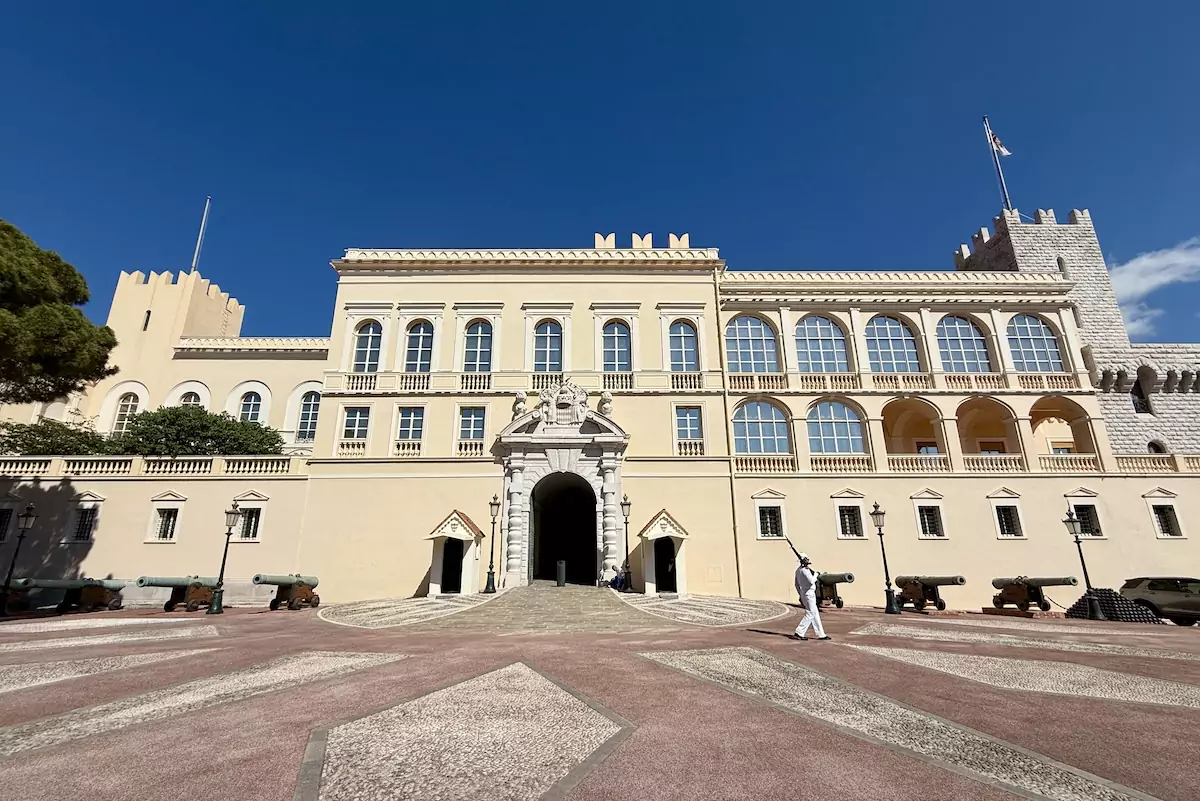
President Sergio Mattarella makes the first state visit to Monaco by an Italian head of state on Friday 2nd and Saturday 3rd October, accompanied by his daughter Laura, in a two-day programme spanning a ceremonial welcome at the Prince’s Palace, a Cecilia Bartoli concert, a state dinner and a visit to the Oceanographic Museum.

The visit, at the invitation of Prince Albert II and Princess Charlene, is a landmark for two neighbours whose ties are among the closest in Europe — geographically, economically and culturally — yet who have never before marked them with a state visit at this level. Laura Mattarella, a lawyer, has carried out the role of Italy’s first lady since her father took office in 2015, the president being a widower.

Day one: a Palace welcome and a state dinner

The president is received at the Prince’s Palace on Friday morning, where a formal welcome and military ceremony take place in the Cour d’Honneur, the two heads of state reviewing the troops. Prince Albert II then receives President Mattarella in audience while Princess Charlene welcomes Laura Mattarella separately, before an exchange of gifts, official photographs and an exchange of decorations.

In the early evening, the princely couple join the president and his daughter at the Opéra de Monte-Carlo for a performance by the celebrated Italian mezzo-soprano Cecilia Bartoli, who directs the company. The day closes with a state dinner in the Throne Room of the Palace.

Day two: the ocean takes centre stage

On Saturday, Prince Albert II accompanies President Mattarella and his daughter to the Oceanographic Museum — a fitting setting, given the Prince’s environmental work and Monaco’s commitment to protecting the sea. The two heads of state then address the media together at around 11.35am, bringing the visit to a close.

Monaco Life will be covering this important visit.

Monaco Life is written by qualified journalists, writing original content. Sign up for our free newsletter, listen to our podcasts on Spotify, and follow us across Facebook,  Instagram, LinkedIn, and Tik Tok.

Photo by Monaco Life

Menton Tattoo Expo prepares for spooky third edition

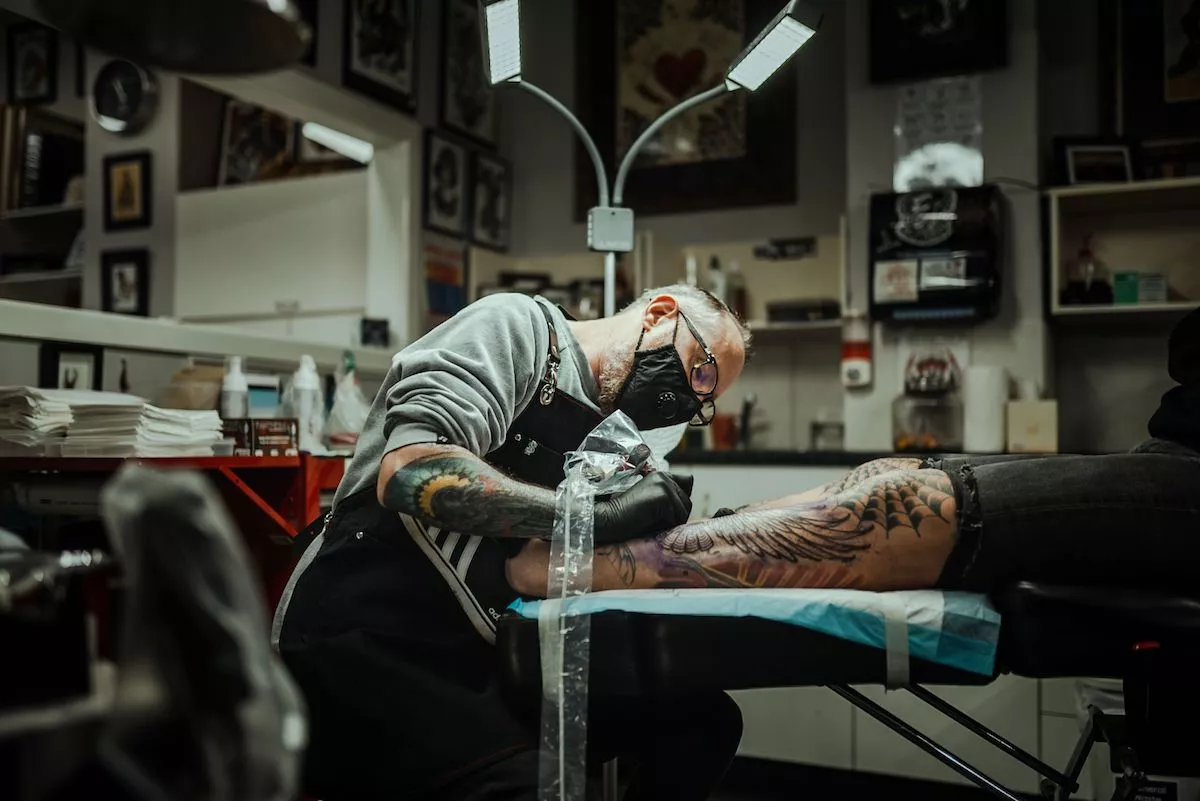
The Menton Tattoo Expo returns to the Palais de l’Europe for its third consecutive year this autumn, combining professional body art with a Halloween-themed programme.

Organised by Rebel Party, the three-day convention runs from Saturday, 31st October to Monday, 2nd November. Following two successful previous outings, the event aims to cement its position as a fixture on the French Riviera’s cultural calendar.

Craftsmanship in action and weekend competitions

Far beyond the traditional parlour experience, the convention functions as an immersive celebration of body art and its underlying creative processes. Visitors stepping into the venue will have the opportunity to observe live tattooing across a wide array of styles and techniques, tracking each piece from initial sketch to finished masterpiece.

The emphasis remains firmly on the dialogue between artist and canvas, highlighting the rigorous technical skill, composition, and artistic vision required in modern tattooing. Throughout the weekend, a series of high-profile tattoo competitions will showcase the finest work produced on-site, giving participating artists a platform to demonstrate their mastery.

A distinctive Halloween aesthetic

What sets the 2026 instalment apart is its deliberate embrace of a seasonal theme. Coinciding with the Halloween weekend, the convention will feature bespoke venue decorations, themed entertainment, and carefully paced announcements designed to build anticipation. Organisers intend for the festive, slightly dark atmosphere to inspire both artists and attendees, encouraging original designs and collaborative projects rooted in the fantastic and the macabre.

Accessibility and looking ahead

Despite its niche subject matter, the expo maintains an open-door ethos. Organisers note that no prior tattoos or specialised knowledge are required to attend, positioning the event as an accessible cultural outing for anyone eager to explore the artistry of the industry. While full artist lineups, specific schedules, and surprise entertainment acts will be rolled out progressively by Rebel Party in the lead-up to Halloween, anticipation is already building for what promises to be Menton’s most atmospheric tattoo gathering yet.

Stay updated with Monaco Life: sign up for our free newsletter, listen to our podcasts on Spotify, and follow us across Facebook,  Instagram, LinkedIn, and Tik Tok. 

Photo Credit: Pexels – Matt Jerome Connor

Pier Paolo Calzolari takes centre stage at 21Art Montecarlo

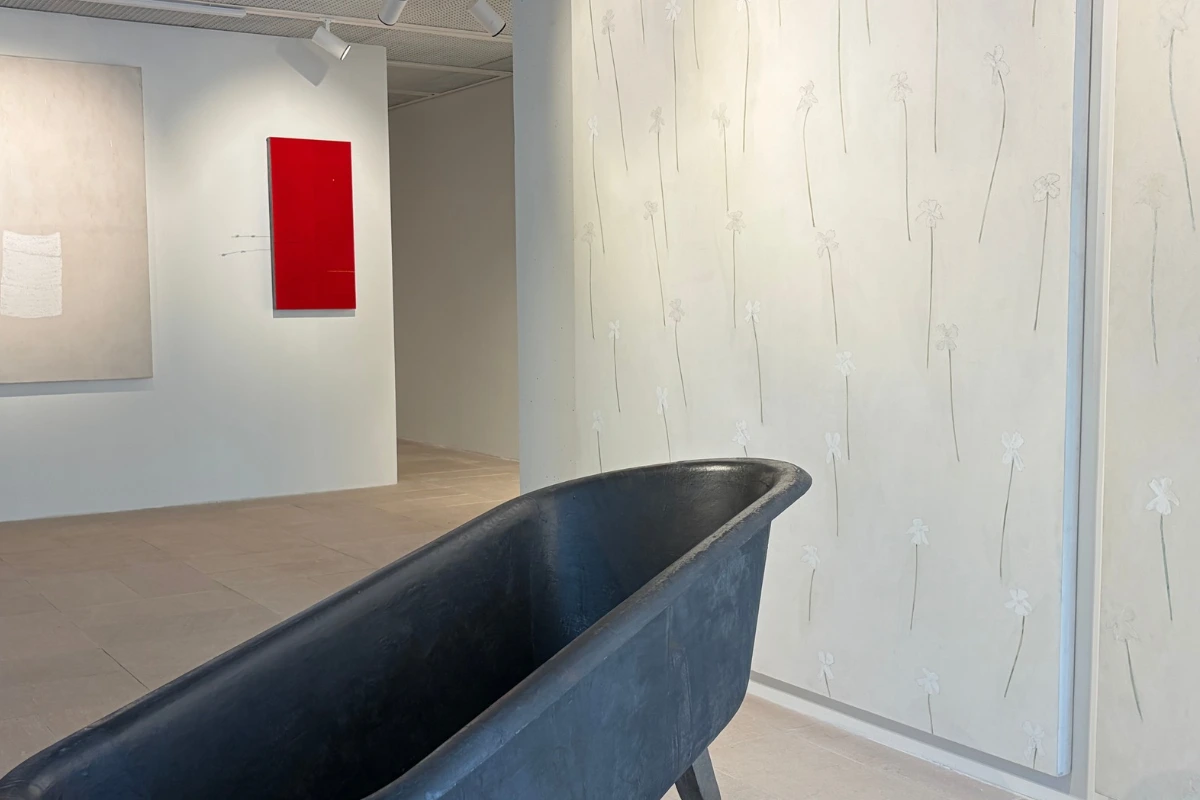
21Art Montecarlo is continuing its exhibition programme at its Mareterra gallery with a solo exhibition dedicated to Italian artist Pier Paolo Calzolari, a leading figure associated with the Arte Povera movement.

Opening to the public on Thursday 1st October, Pier Paolo Calzolari: Selected Works brings together select recent works from the artist at the gallery’s space on Quai du Petit Portier. Curated by Sergio Risaliti, the exhibition remains on display until 9 January 2027.

This exhibition comes after 21Art Montecarlo’s inaugural show dedicated to Belgian artist Jan Fabre, marking the next chapter in the gallery’s programme, following the opening of its first international location in Monaco earlier this year.

MATERIALS TAKE CENTRE STAGE

Born in Bologna in 1943, Calzolari has developed a practice spanning painting, sculpture, performance, sound, light, and architecture. The works presented in this exhibit were primarily produced in 2025, alongside several pieces from the recent past.

Central to Calzolari’s work is the use of materials, with natural and industrial elements seen throughout his work to explore their physical, sensory, and symbolic qualities. Throughout the exhibit, visitors may recognise salt, pigments, metal, and fire alongside everyday objects and organic materials like shells, feathers, and dried petals.

“For me, nothing is invisible; everything bears witness to itself by leaving a trace,” Calzolari explains.

Curator Sergio Risaliti describes the Monaco exhibition as a space where materials and objects move beyond representation, allowing nature, imagination, and human experience to interact with one another.

CALZOLARI’S RETURN TO MONACO

Throughout Calzolari’s career, he has exhibited internationally and participated in the Venice Biennale on three occasions, as well as Documenta IX in Kassel in 1992. His work has been exhibited at major venues in Paris, London, New York, and Nice, and is held in prominent public collections including the Guggenheim Museum, Centre Pompidou, and Art Institute of Chicago.

The exhibition also marks a return to the Principality for Calzolari following Casa Ideale, a retrospective presented at Villa Paloma in 2024.

Pier Paolo Calzolari: Selected Works will be on display at 21Art Montecarlo, 22 Quai du Petit Portier in Mareterra, from 1st October to 9th January 2027.

Stay updated with Monaco Life: sign up for our free newsletter, listen to our podcasts on Spotify, and follow us across Facebook,  Instagram, LinkedIn, and Tik Tok. 

Photo credit: Kayla Sauceda / Monaco Life

Christian Garcia brings Monaco’s cuisine to Strasbourg in new gastronomy role

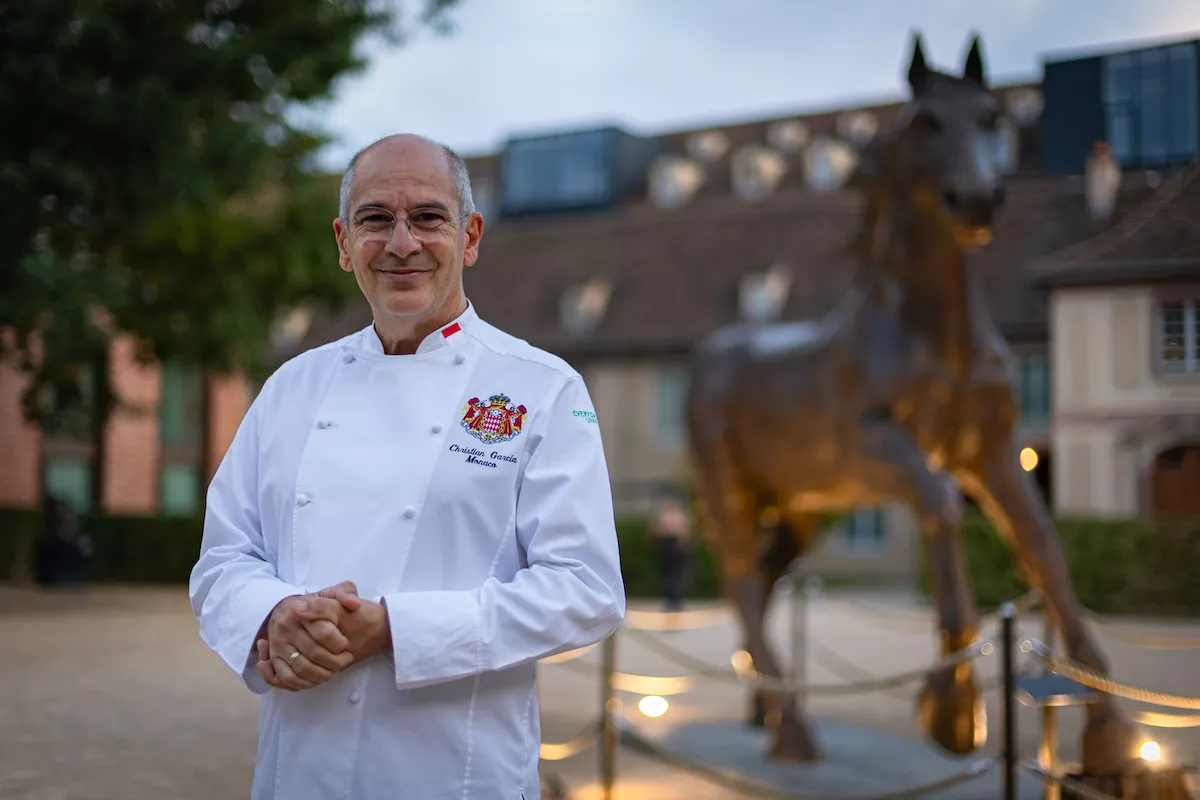
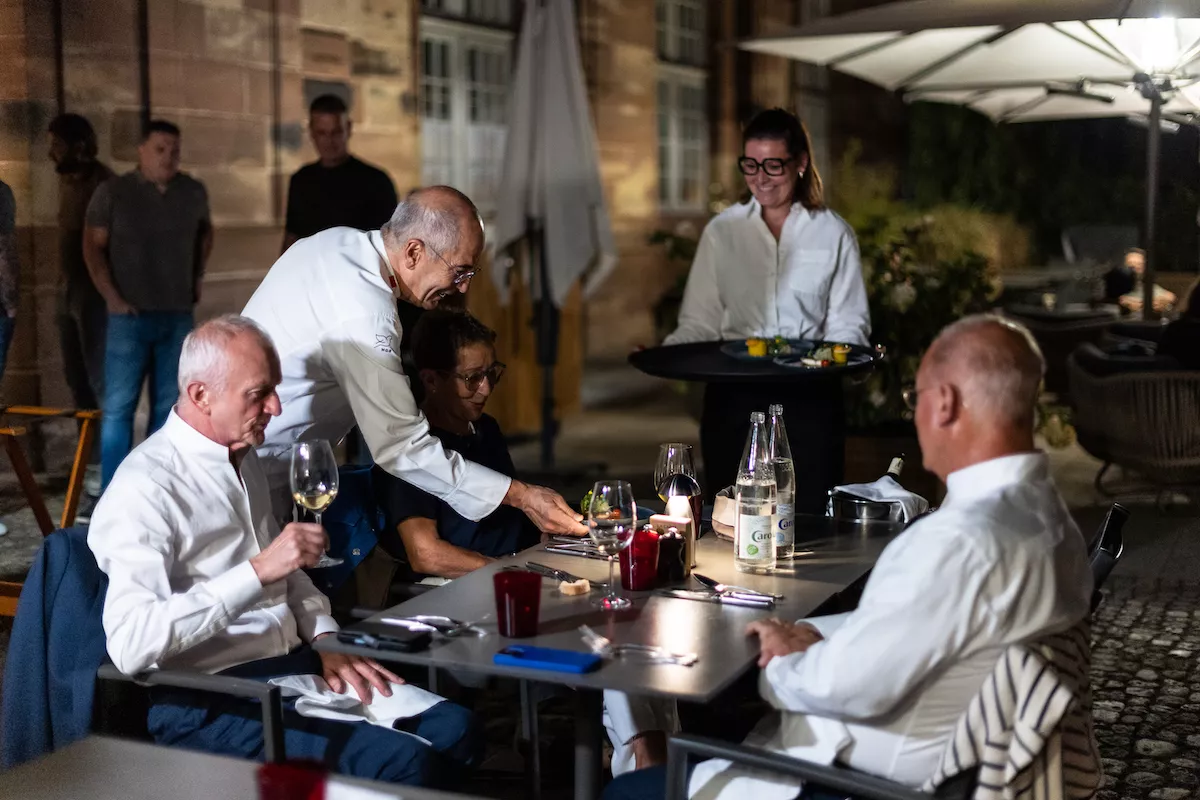
Christian Garcia spent almost 40 years cooking for Monaco’s princely family; now, newly retired and appointed Prince Albert II’s Personal Representative for Gastronomy, he has brought the Principality’s cuisine to Strasbourg — and with it, a case that Monégasque cooking is far richer than its clichés.

From 28th September to 4th October, the Semaine Gastronomique Monégasque is bringing the Principality’s flavours, traditions and chefs to the Brasserie des Haras in Strasbourg, a showcase of a cuisine rooted in Mediterranean terroir and paced by the seasons. It is among the first outings of Garcia’s new role, created by Sovereign decision from 1st September to carry Monaco’s culinary heritage beyond its borders. Monaco Life met him there to discuss what makes the Principality’s kitchen distinctive.

A cuisine shaped by land and sea

Monaco’s cooking is rooted in a demanding geography. With little room to grow grain, the Principality turned early to citrus farming as an export crop, and its people lived by the harvest cycles of olives, citrus fruits and aromatic herbs.

That Riviera heritage gave rise to specialities handed down through the generations. Barbagiuans — the emblematic fried, stuffed pastries — were traditionally eaten during Lent, while fougasse, scented with anise and orange blossom, remains tied to Christmas. Close to both Provence and Liguria, Monégasque cooking keeps nuances all its own, perpetuated by each family from one neighbourhood to the next.

Filet de loup Monte-Carlo. Photo credit: Manuel Vitali

A menu rooted in heritage and conservation

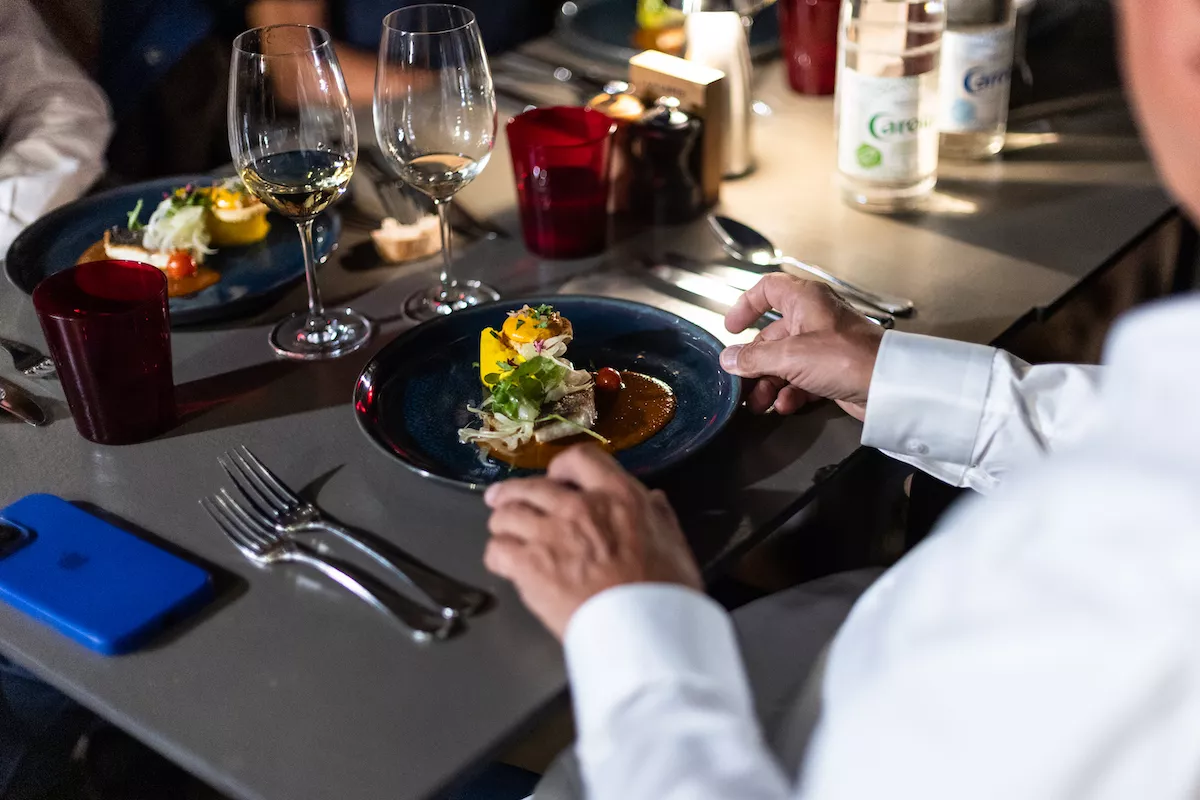
The menu Garcia has created for the week draws directly on that inheritance of land, sea and tradition. Diners are offered refined takes on local classics — starters such as the cappuccino de courge au fenouil “Comme à Rocagel”, a nod to the Prince’s private estate garden, followed by mains including the filet de loup Monte-Carlo, served with crunchy fennel, saffron-infused mashed potato and a jus made from lionfish. The choice of that invasive Mediterranean species is a quiet statement in itself, echoing Prince Albert II’s long-standing commitment to marine conservation.

Garcia also carried a bottle of liqueur de caroube — carob liqueur — to Strasbourg to fold into his cooking. Made from the carob tree, Monaco’s national tree, whose pods once served as a lifeline in times of hardship, it ties the menu to the Principality’s history and enduring identity.

Chef Garcia brings his signature Monégasque cuisine to Strasbourg. Photo credit: Manuel Vitali

The Princely table: from garden to plate

Garcia’s authority to speak for that heritage is hard-earned. He arrived at the Palace in 1987, aged 23, for what was meant to be a seven-month replacement, and stayed almost four decades, serving Prince Rainier III and then Prince Albert II, and cooking for state guests from Queen Elizabeth II to Nelson Mandela. A former president of the Club des Chefs des Chefs — the exclusive circle of chefs to heads of state — he has carried Monégasque cuisine around the world.

“Representing Monaco’s gastronomy is a great pride,” he tells Monaco Life. “Through my travels across the world representing the Palace and the Prince of Monaco, Monégasque cuisine is now known and appreciated internationally.”

He describes Prince Albert II as a true gourmet devoted to Mediterranean cooking and “the cuisine of the sun”, and is precise about where the Palace’s ingredients began. “Every single day, we were delighted to receive vegetables harvested right from his private estate at Rocagel,” he says. “The Prince has always taken immense pleasure in sharing the food from his own garden with his guests – 100% organic, untouched by chemicals.”

Fresh vegetables, courgette flowers, eggs and farm cheeses, produced by a dedicated team, reflected that insistence on natural quality. “For me, it has always been a true privilege to serve food that travels directly from the gardener’s hands to the Prince’s table.”

Four decades on, having cooked for Prince Rainier, Prince Albert and Princess Charlene, Garcia closes that chapter without a trace of regret. “Every morning, I woke up with a smile,” he says. “And when you have that, you can say that you had a good life.”

Stay updated with Monaco Life: sign up for our free newsletter, listen to our podcasts on Spotify, and follow us across Facebook,  Instagram, LinkedIn, and Tik Tok.

Chef Christian Garcia at the Brasserie des Haras in Strasbourg for the Semaine Gastronomique Monégasque. Photo credit: Manuel Vitali 

Art and Luxury Fair raises €10,000 for Princess Charlene of Monaco Foundation

The third edition of the Art and Luxury Fair brought together artists, designers, artisans, and luxury brands at the Théâtre Princesse Grace, raising €10,000 for the Princess Charlene of Monaco Foundation.

This year’s edition placed an emphasis on the relationship between art, health, and longevity, exploring how creativity and science can contribute to overall health and quality of life. The event was organised around immersive experiences, allowing visitors to meet artists and discover their creations firsthand. In the evenings, artist Mose.Art delivered an energetic performance for guests through his Faces project.

The two-day programme showcased participants including De Parme Design by Princess Margarita de Bourbon de Parme, Feadship, Van Bergen 1795, Dorow Clinic, and Life Alliance by Mario Hintermayer, alongside artists including Claudio Sacchi, Marcos Marin, and Alex Righetto.

ART, HEALTH, AND LONGEVITY COME TOGETHER

With an emphasis on the role of art in supporting health and longevity, this edition explored connections between creativity, cognitive function, and quality of life.  Several participants incorporated the theme into their presentations, including Dorow Clinic, which showcased its approach combining aesthetic medicine, dentistry, and longevity.

€10,000 RAISED FOR THE PRINCESS CHARLENE FOUNDATION

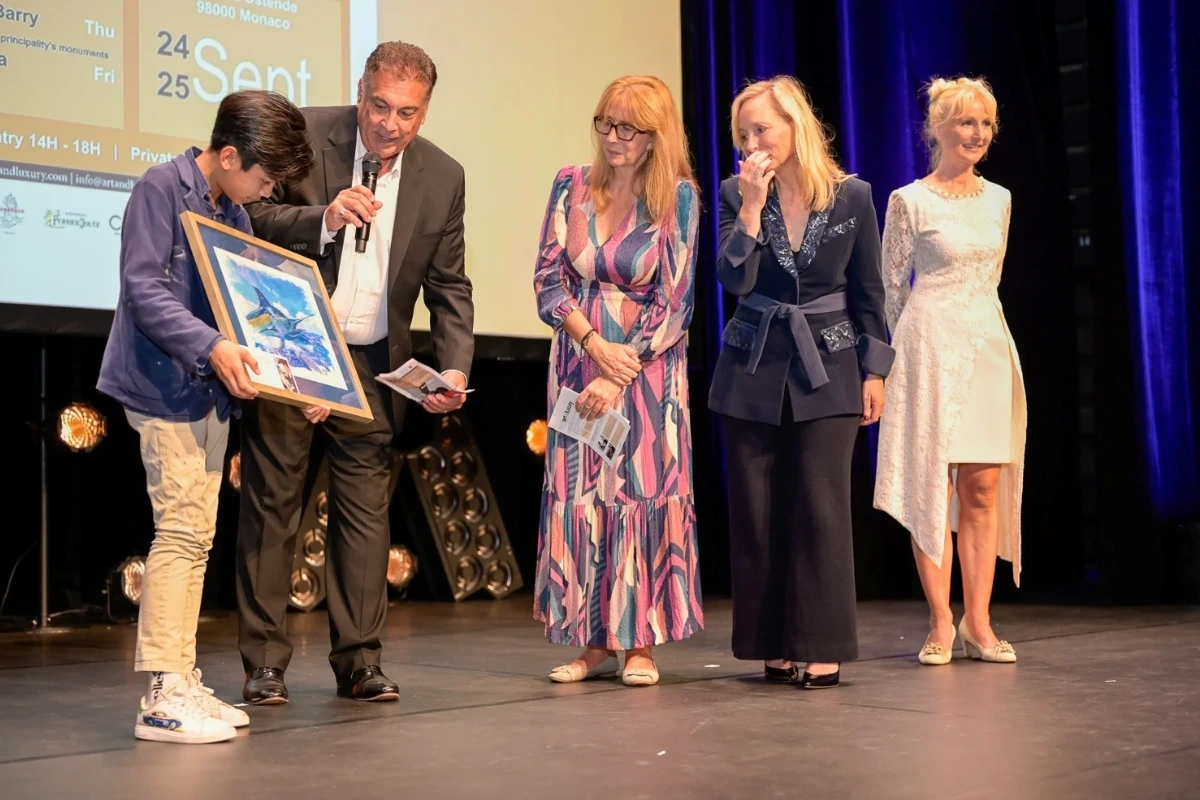
Beyond showcasing art, the event had an important charitable element, with €10,000 raised for the Princess Charlene of Monaco Foundation. The event’s silent auction contributed to the fundraising efforts, with Foundation CEO Anne Boggio present at the event to accept a last-minute donation to the auction from 12-year-old Aran La.

From the beginning, the event aimed to support the Foundation, alongside its ambition to connect art with health and social impact.

Founded by Annette Wijdom, the 2026 edition continued the Art and Luxury Fair’s goal of bringing creators and visitors together through an immersive exhibition format in the heart of the Principality.

Stay updated with Monaco Life: sign up for our free newsletter, listen to our podcasts on Spotify, and follow us across Facebook,  Instagram, LinkedIn, and Tik Tok. 

Photo credit: @lobellodavide