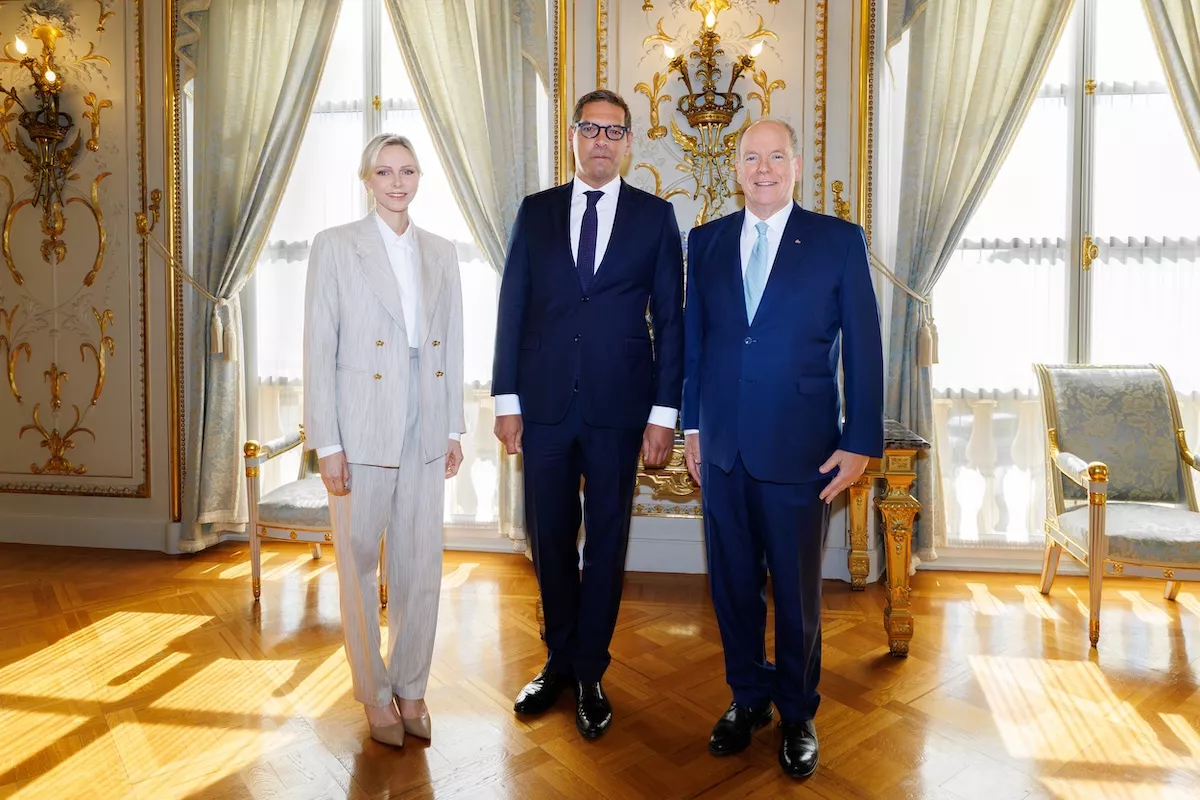
France’s new ambassador to Monaco, Christophe Lemoine, formally began his mission in the Principality on Thursday 17th September, presenting his letters of credence to Prince Albert II and Princess Charlene at the Prince’s Palace. The ceremony marks the official start of his posting; he succeeds Jean d’Haussonville, who served as France’s ambassador to Monaco for three years.
Lemoine, 52, took up the post on 1st September, following his appointment by French presidential decree in August. Before arriving in Monaco he served as an inspector of foreign affairs, and his earlier postings include Consul General of France in Los Angeles and deputy head of the French Embassy in Rome. In Paris, he was spokesperson for the Ministry of Europe and Foreign Affairs — the Quai d’Orsay — and its director of communication, and earlier served as chief of staff to the then foreign minister, Laurent Fabius. A graduate of Sciences Po Bordeaux and the Sorbonne, he began his career with the United Nations High Commissioner for Refugees before joining the French foreign ministry.
A dense bilateral relationship
He takes up a post at the centre of one of France’s closest bilateral relationships. The two countries are bound by more than 200 treaties and agreements covering areas including taxation, social security, policing, healthcare, education and cross-border employment, and tens of thousands of French residents commute into Monaco for work each day.
Around 8,200 French nationals live in the Principality. France’s representation in Monaco was raised from a consulate general to a full embassy in 2006, following the friendship and cooperation treaty signed by the two countries in 2002.
Monaco Life is written by qualified journalists, writing original content. Sign up for our free newsletter, listen to our podcasts on Spotify, and follow us across Facebook, Instagram, LinkedIn, and Tik Tok.
Monaco’s real estate sector saw its revenue fall to just under €1.1 billion in 2025, as a slowdown in property development and home sales weighed on one of the Principality’s key industries, official figures show.
Turnover across the sector dropped 5.1% on the year, according to the statistics institute IMSEE — a shallower decline than the 7.6% fall recorded across Monaco’s wider private economy, and one that reflects the sector’s business activity rather than property prices.
Fewer new apartments
The largest part of the sector — the firms that own property and develop projects — accounts for 56.5% of revenue and fell 16.8% to €609.8 million. Property development alone was down 10.3% at €329.7 million, which IMSEE attributed to the completion of several major building programmes and, as a result, fewer new apartments delivered during the year.
Revenue from the buying and selling of property fell further still, down 23.3% to €280 million, also linked to weaker new-home sales. The number of firms trading property has been declining since 2021, a trend the institute connects to a 2024 law tightening the rules for property dealers.
Rentals and management grow
Other parts of the sector expanded. Work carried out for third parties — estate agency, brokerage and building management — rose 22.8% to €268 million, while renting out and operating property grew 8.2% to €201.3 million. These steadier, recurring activities offset some of the fall in one-off development and sales income.
Jobs still rising
The sector continued to hire even as its revenue fell. It employed 1,904 people in 2025, up 2.5%, at a time when private-sector employment across Monaco fell 1.2%, while the number of employers held steady at 462. Most of those jobs are in third-party services, which make up 87% of the workforce, led by building and co-ownership management. Property development employs far fewer people but saw the fastest growth, up 17.9%.
An older, more Monegasque workforce
IMSEE said the sector’s staff were older, and included more Monegasque nationals, than the private sector as a whole. Workers aged 45 and over made up 59.3% of the total, against 45.2% across the private sector, while Monegasque nationals accounted for 21.6% of employees — more than double their share of the wider workforce. Italians were also over-represented, at 20.5%.
The institute cautioned that Monaco adopted a new activity classification, NAF 2025, in January 2026 and recalculated the sector’s results, so the figures cannot be compared with its earlier reports.
Monaco Life is written by qualified journalists, writing original content. Sign up for our free newsletter, listen to our podcasts on Spotify, and follow us across Facebook, Instagram, LinkedIn, and Tik Tok.
Photo credit: Cassandra Tanti
Navigating the future: Inside the 2026 Cannes Yachting Festival
The 49th Cannes Yachting Festival concluded its six-day run on 13th September, welcoming 56,000 international visitors and cementing its position as Europe’s largest in-water boat show.
Under the stewardship of new festival director Constance Brément, this year’s edition brought together 660 exhibitors and 700 vessels ranging from 5 to 55 metres across the Vieux Port and Port Canto, featuring nearly 150 world premieres.
“This first edition as director will remain a particularly strong moment. Bringing together a rich offering across our two iconic ports, engaged exhibitors, and dedicated partners, the salon has successfully fulfilled its promise to launch the international nautical season, highlight major industry shifts, and foster meaningful connections between professionals, enthusiasts, and visitors,” said Brément.
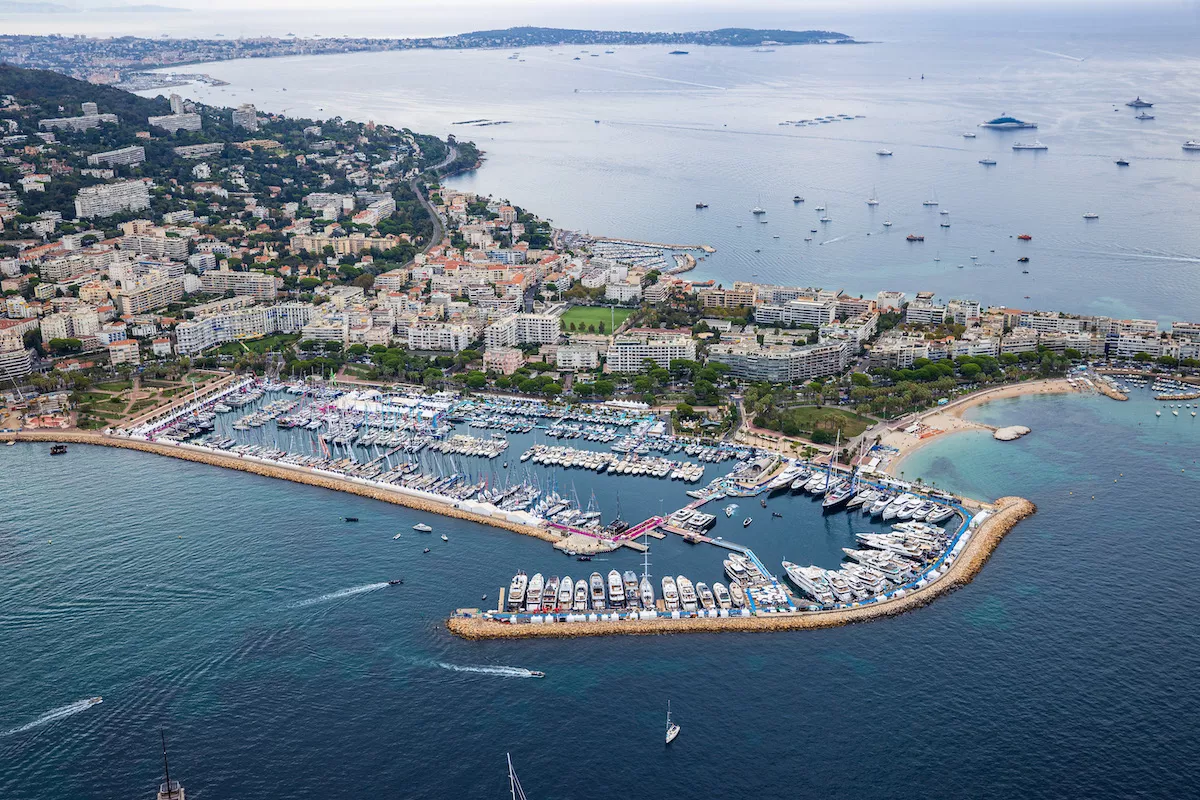
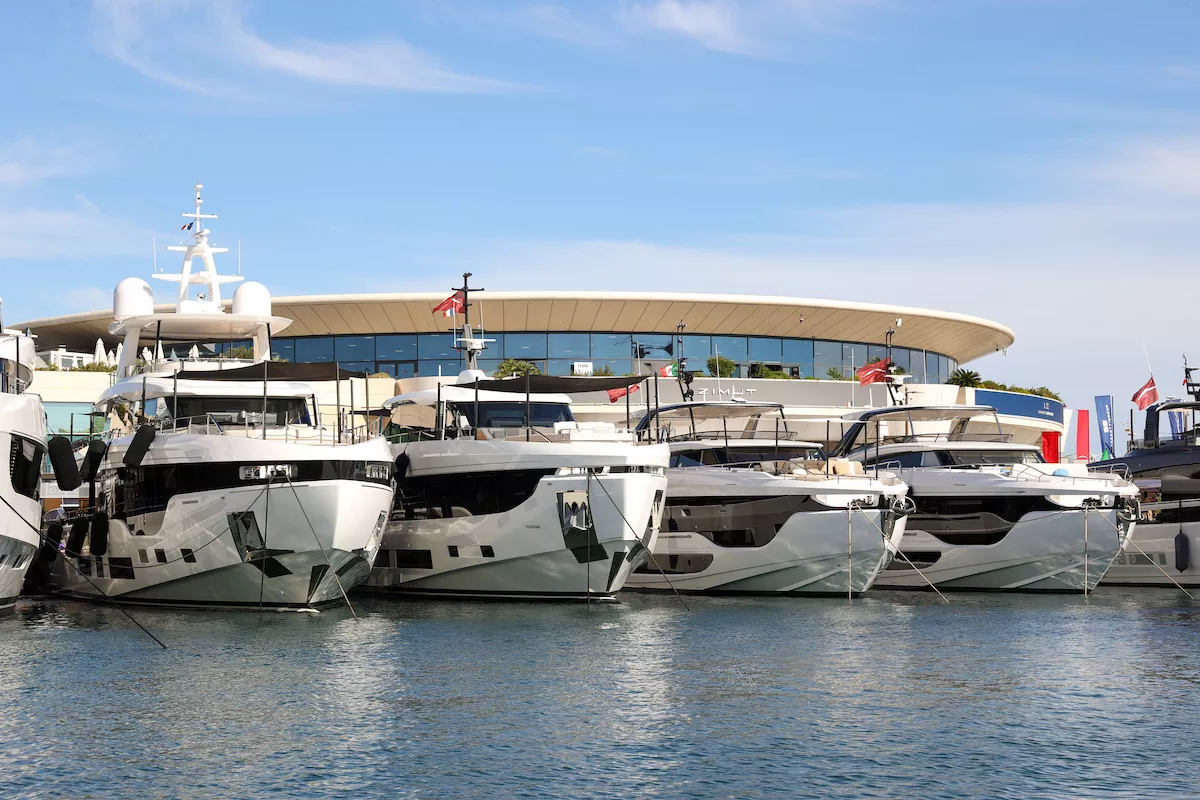
Port Canto. Photo credit: Cannes Yachting Festival 2026
Divided waters, unified scale
Spanning 100,000 square metres of exhibition space, the dual-site layout divided the event between the Vieux Port and Port Canto. The Vieux Port served as the showcase for motor yachts measuring 12 to 50 metres, alongside thirty multi-hulled motor designs featured in the Power Cat Village.
Across the bay, Port Canto brought together the sailing and compact craft sectors. The dedicated sailing area presented 120 new sailboats and multihulls exceeding 10 metres, complemented by a marina for 180 motorboats up to 13 metres, a brokerage section featuring 45 pre-owned yachts over 25 metres, and an expanded water sports arena.
In total, the exhibition gathered 95 catamarans—including 51 sailing and 44 motor models—reflecting the broad spectrum of vessels on display.
Photo credit: Cannes Yachting Festival 2026
The green transition and slow yachting
The 2026 edition functioned as a barometer for a marine industry undergoing profound structural change. Rather than pinning its hopes on a single silver bullet, the sector’s environmental transition emerged as a mosaic of complementary technologies: hybrid drive systems, solar integration, recyclable battery banks, hydrogeneration, and low-impact hull coatings.
Simultaneously, a cultural shift towards ‘slow yachting’ captured the imagination of designers and buyers alike. Prioritising acoustic comfort, autonomy, and deliberate itinerary planning over high-speed transit, modern vessels were increasingly conceptualised as floating sanctuaries rather than mere vectors of velocity.
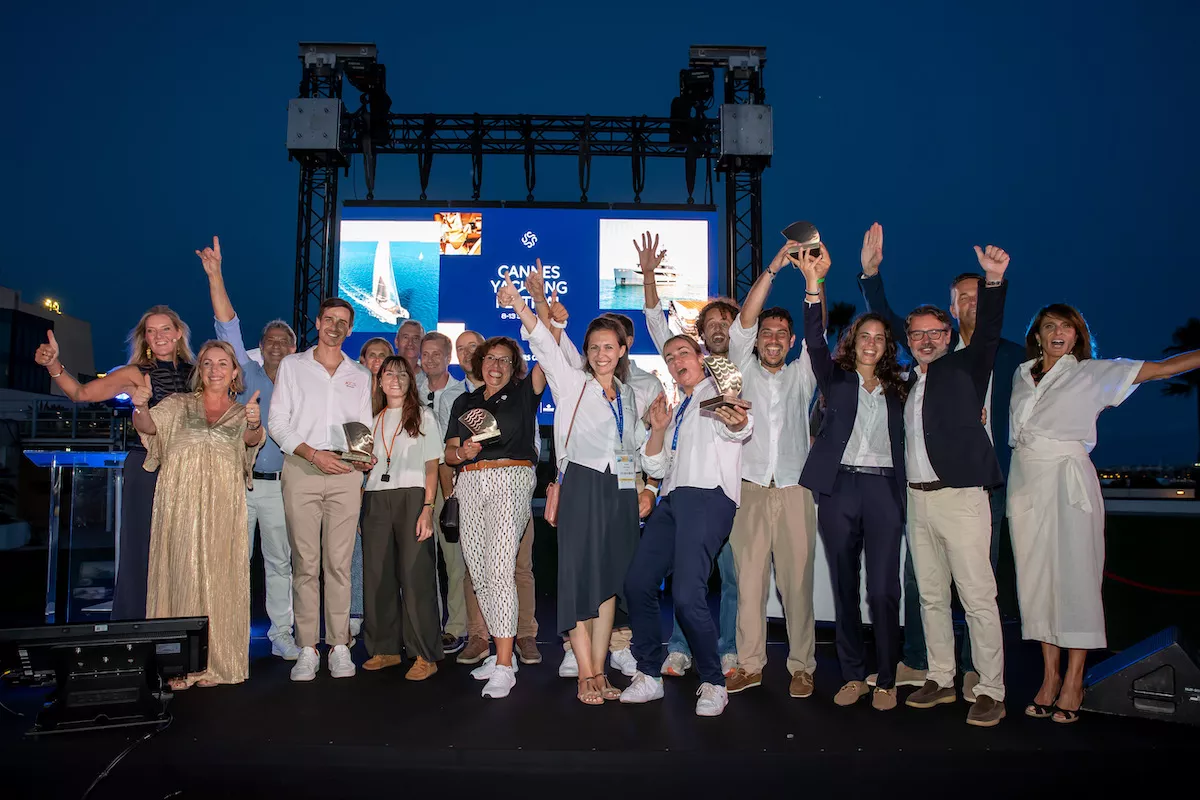
Innovation Route Awards winners. Photo credit: Cannes Yachting Festival 2026
Recognising industry excellence
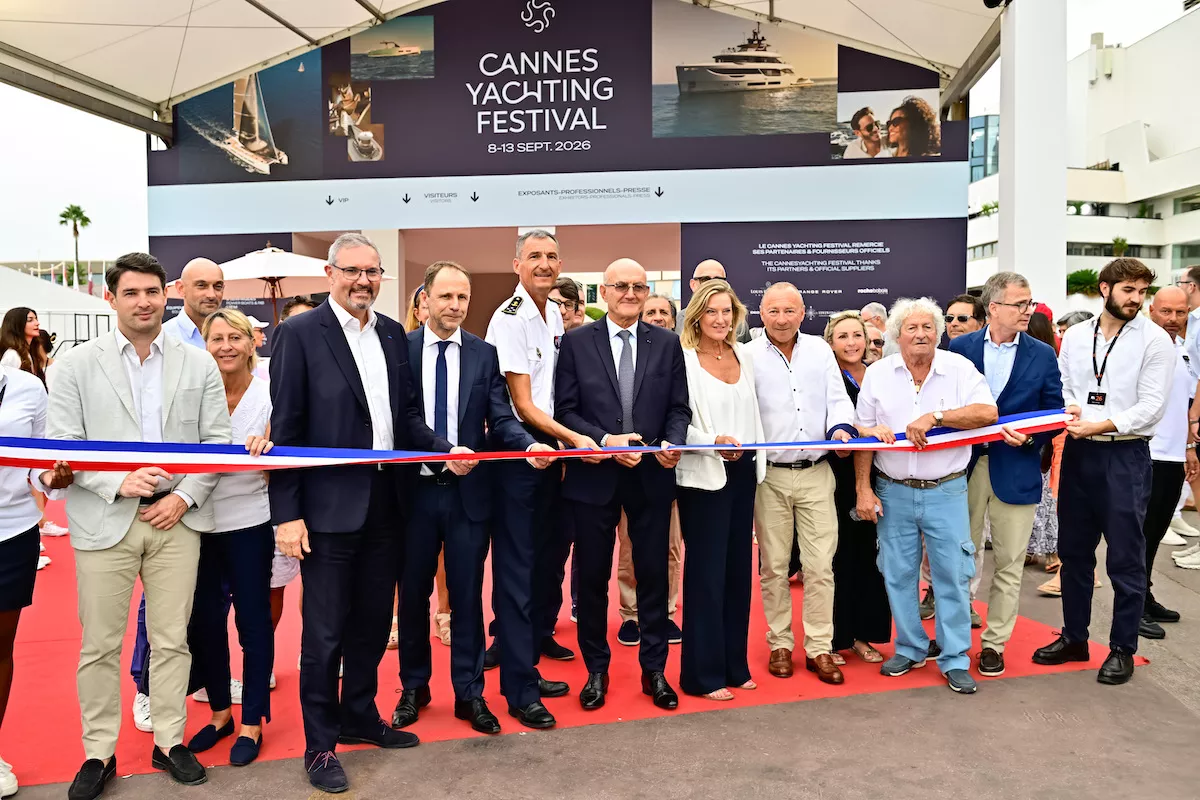
This spirit of innovation found formal recognition through the Innovation Route Awards. Selected from 120 entries by a panel of marine professionals and specialist journalists, five standout projects were celebrated during the opening days. BlueNav claimed the navigation equipment prize for its Smart Mooring system—a high-tech automation and positioning assistance technology designed to make docking and harbour maneuvers much easier and safer, while Suzuki Marine secured the sustainable product award with its Edge ECoat. Excess Catamarans triumphed in the innovative boat category with the Excess 11, D-Marin earned recognition for its Biohut biodiversity initiative, and Azimut Yachts walked away with the special jury prize for the imposing Grande 44M—a high-profile, four-deck vessel that represents a major step forward in large-yacht design and engineering.
Adding further weight to the capital’s international calendar, the festival also hosted the revelation of the 31 finalists for the Best of Boats Award 2026, reinforcing Cannes as the essential launchpad for European marine manufacturing.
As exhibitors dismantle their stands and industry analysts evaluate the commercial impact of nearly 150 world premieres, planning is already underway for the milestone 50th edition.
Scheduled for 7th to 12th September 2027, the anniversary event will mark half a century of maritime heritage while looking ahead to the future of the sector.
Prince Albert II has visited the first major retrospective devoted to French painter Éva Gonzalès, whose family had deep roots in Monaco, with several works from the Princely Collections featuring in the Paris exhibition.
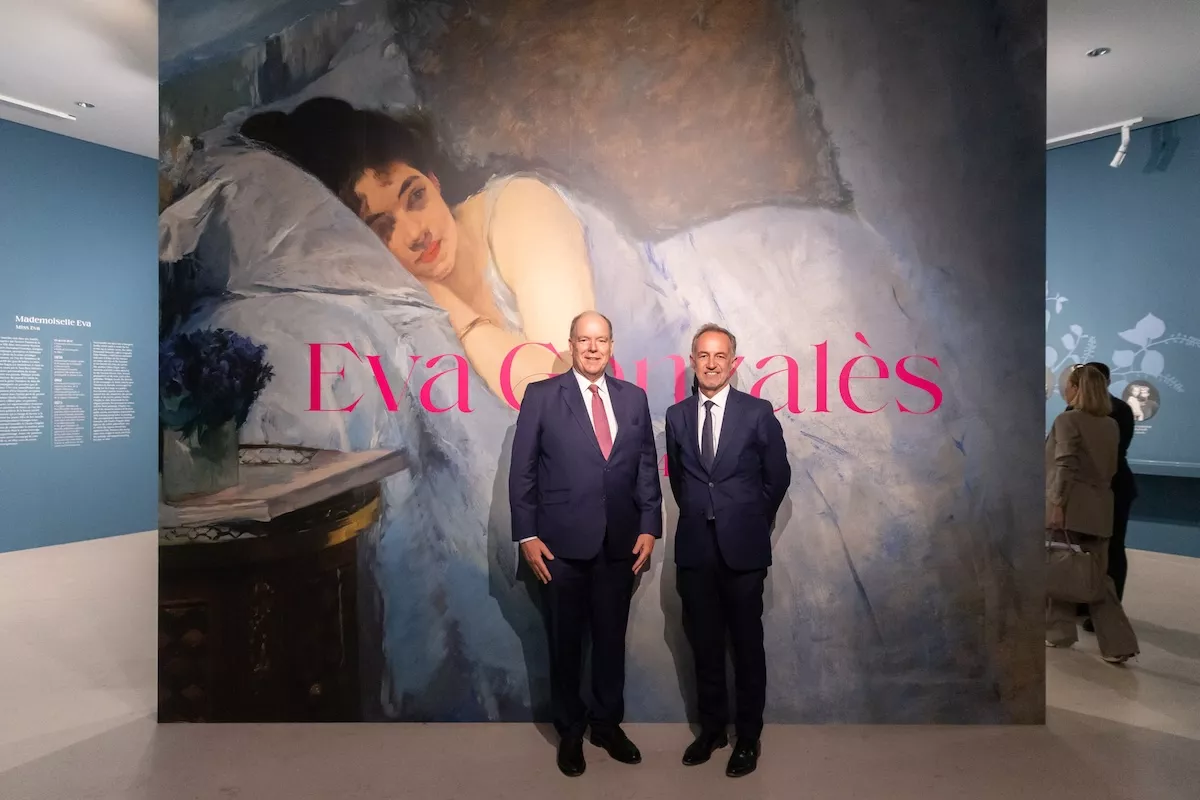
The Prince toured Éva Gonzalès. Parcours d’une artiste libre at the Petit Palais on Monday 14th September, accompanied by Paris Mayor Emmanuel Grégoire and the exhibition’s curators.
Open to the public from 15th September 2026 to 24th January 2027, the exhibition seeks to restore Gonzalès to her place in 19th-century French art and examine a career that developed within a cultural world largely dominated by men.
An artist with deep ties to Monaco
Born in Paris in 1847, Gonzalès was the daughter of novelist and journalist Emmanuel Gonzalès. A bust of her father stands in Monaco’s Saint-Martin Gardens.
The family descended from a Spanish lineage established in the Principality in the early 17th century, when a Spanish royal garrison was stationed on the Rock to help defend Monaco’s sovereignty.
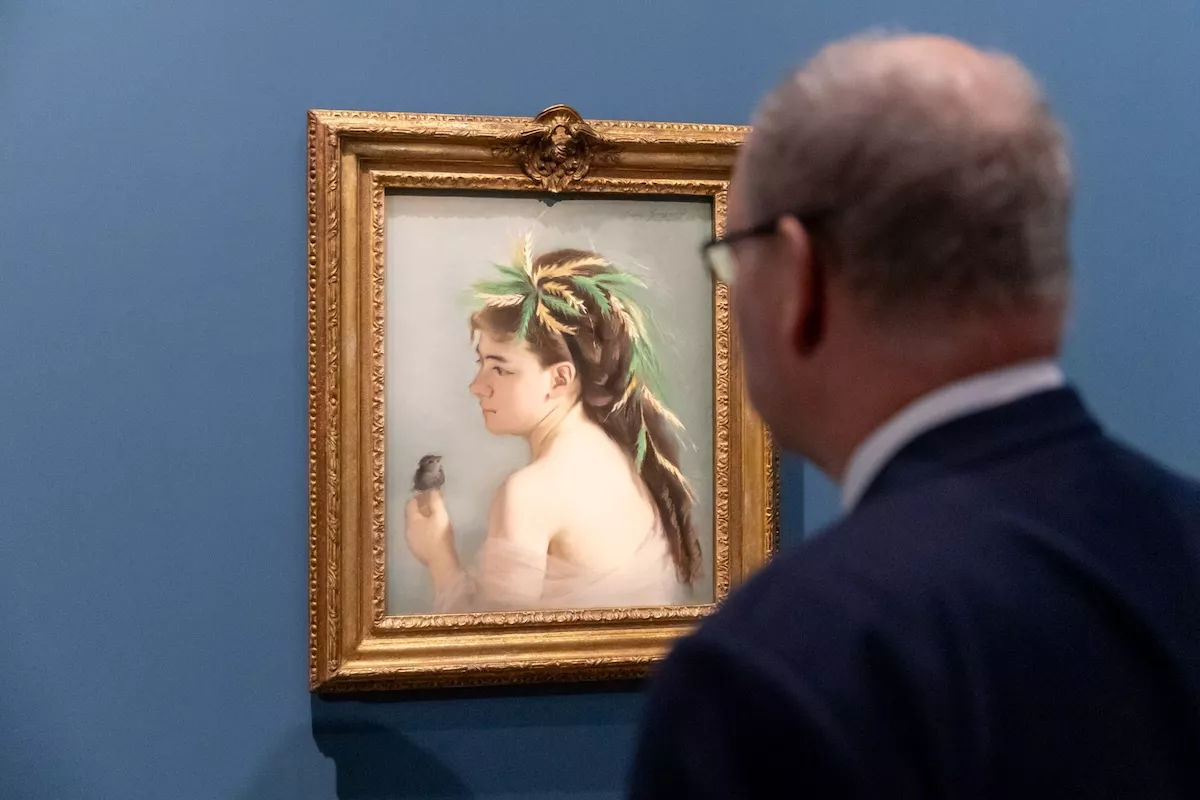
Although often associated with Mary Cassatt and Berthe Morisot, Gonzalès pursued a distinct artistic path. She studied under Édouard Manet and was his only formally recognised pupil, but developed an independent body of work encompassing paintings and pastels.
Her career was cut short when she died in 1883 at the age of 36.
Prince Albert II admiring a painting by Gonzalès. Photo credit: Joséphine Brueder / Ville de Paris
Monaco loans support the retrospective
The Princely Collections hold around 10 paintings by Gonzalès, while the Palace Archives preserve a collection of family documents connected to her Monegasque ancestry.
Prince Albert is an important lender to the exhibition, allowing works from Monaco’s collections to contribute to what the Petit Palais describes as the first major retrospective devoted to Gonzalès in France or internationally.
The exhibition brings together works from different stages of her career, placing greater emphasis on Gonzalès as an artist in her own right rather than viewing her primarily through her relationship with Manet.
Following its run in Paris, an adapted version of the exhibition will be presented at the Van Gogh Museum in Amsterdam from February 2027.
Monaco Life is written by qualified journalists, writing original content. Sign up for our free newsletter, listen to our podcasts on Spotify, and follow us across Facebook, Instagram, LinkedIn, and Tik Tok.
Main Photo credit: Joséphine Brueder / Ville de Paris
EU pushes for social media ban for children under 13
Children under 13 would be prohibited from using social media across the European Union under proposals announced by European Commission President Ursula von der Leyen during her State of the Union speech on Wednesday.
The proposed EU Kids Act would establish 15 as the minimum age for opening an independent social media account. Children aged 13 and 14 could only access platforms through restricted “mini accounts” managed by a parent or guardian.
These accounts would have limited social contacts, age-appropriate content and a maximum screen time of one hour per day. Children under 13 could still access specially designed video services through a guardian’s account, also subject to a one-hour daily limit.
Platforms required to prove they are safe
The legislation would apply to social media and video-sharing platforms, online games, AI companions and chatbots used by people under 18.
It would prohibit features designed to encourage excessive use, including infinite scrolling, profiling-based recommendation feeds, digital reward mechanisms and notifications during sleeping hours. Unsolicited contact from strangers would also be banned, while minors’ profiles would be private by default.
Platforms would be required to verify a user’s age when an account is opened. The Commission has proposed privacy-preserving technology that can confirm age without retaining identity documents or biometric information.
Companies would also carry the burden of proving that their services are safe by design. Those failing to comply could face fines of up to 6% of global annual revenue.
“Technology was never created with their wellbeing in mind,” von der Leyen said. “It is for platforms to show they are safe by design.”
When would the restrictions begin?
The Kids Act is still a legislative proposal and will not take effect immediately. It must first be negotiated and approved by the European Parliament and the EU’s 27 member states.
No implementation date has been confirmed, and the text may change during negotiations.
The proposal follows France’s attempt to introduce its own ban for children under 15. That legislation was due to take effect on 1st September but was blocked by the Constitutional Council in August over concerns about freedom of expression, privacy and insufficient safeguards around age verification.
President Emmanuel Macron has instructed the French government to rewrite the legislation, with a revised measure expected before spring 2027.
Monaco Life is written by qualified journalists, writing original content. Sign up for our free newsletter, listen to our podcasts on Spotify, and follow us across Facebook, Instagram, LinkedIn, and Tik Tok.
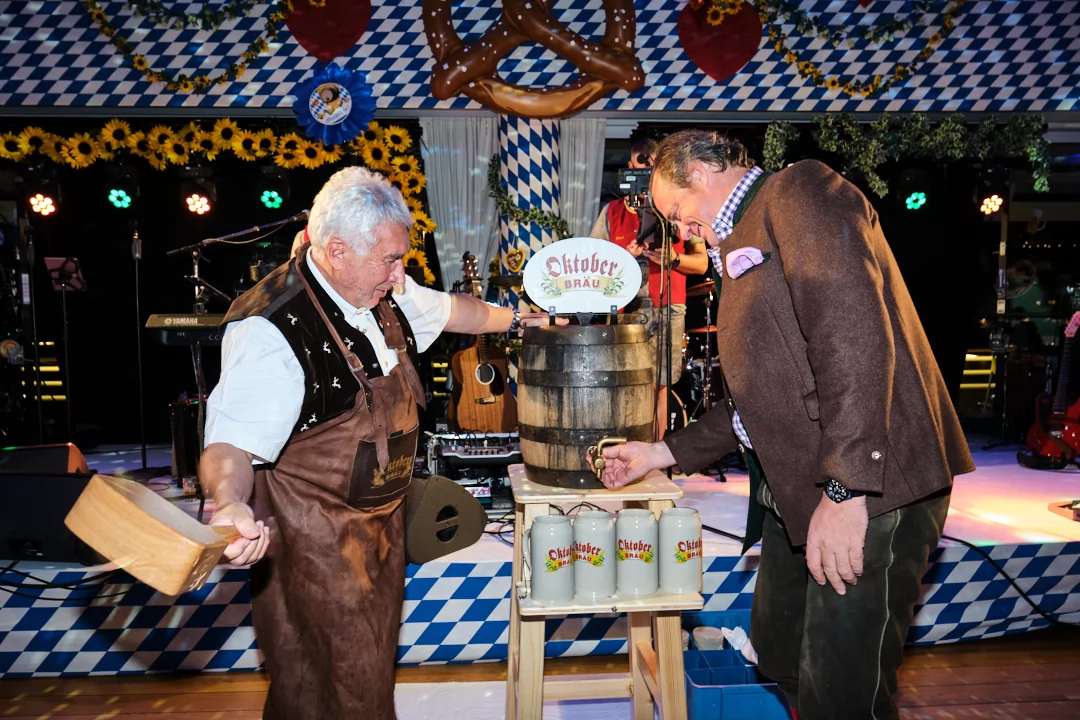
Monaco will embrace Bavarian tradition this autumn with Oktoberfest celebrations at the Marché de la Condamine, Café de Paris Monte-Carlo and Yacht Club de Monaco.
The programme begins in late September with a free community event at the Condamine market before moving to the Place du Casino for ten evenings of dining, music and dancing.
Three nights at the Marché de la Condamine
The Marché de la Condamine will hold its Oktoberfest celebrations on Thursday 24th, Friday 25th and Saturday 26th September, beginning at 7pm each evening.
The Tyrolfest orchestra will provide the traditional Alpine soundtrack, bringing live Bavarian-style music to the market for three consecutive nights.
Entry is free. Reservations can be made through the Mairie de Monaco on +377 93 15 06 04.
Oktoberfest returns to Café de Paris
Café de Paris Monte-Carlo will transform its covered ground-floor terrace for Oktoberfest from Friday 9th to Sunday 18th October.
Available during dinner service, the celebration will feature a special menu of traditional Bavarian dishes, live music from a Bavarian orchestra and a dance floor. Guests are also invited to attend in traditional dress.
The event offers a more polished interpretation of the Munich festival in the heart of the Place du Casino, with celebrations taking place regardless of the weather thanks to the covered terrace.
A Monaco tradition at the Yacht Club
The Yacht Club de Monaco will also hold its annual Oktoberfest celebration on Friday 16th October.
Described by the club as an established tradition, the event brings members and guests together for an evening inspired by the famous Bavarian festival. Access conditions and reservations should be confirmed directly with the Yacht Club de Monaco, as club events may be restricted to members and their invited guests.
With celebrations running from 24th September to 18th October, Monaco residents can choose between the informal atmosphere of the Condamine market, an evening in the Place du Casino or the Yacht Club’s private celebration.