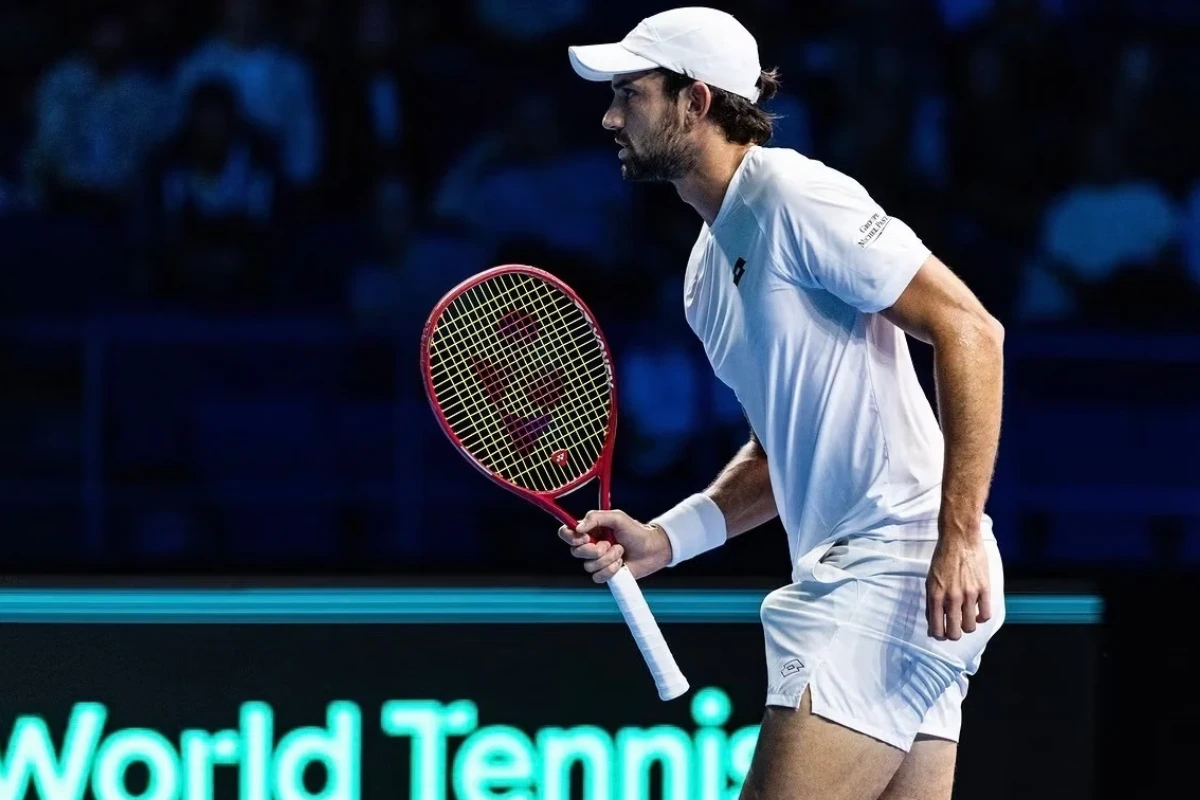
Monaco’s Valentin Vacherot has advanced to the Round of 16 at the Japan Open in Tokyo after overcoming Alexander Blockx in a hard-fought battle.
Seeded eighth in the ATP 500 tournament, Vacherot secured a 7-6(2), 7-6(4) victory on Wednesday 30 September, overcoming Belgian world No. 27 Blockx.
Throughout the match’s entirety, neither player was able to establish a comfortable advantage, with both sets ultimately decided by tiebreaks. Vacherot proved his composure in the moments that mattered most, dominating the opening tiebreak before closing out the second to secure his place in the next round.
Vacherot’s serve played a key role in this victory, as he landed 76% of his first serves and won 78% of the points behind them. He also saved seven of the nine break points he faced throughout the match.
The second set brought additional challenges as his opponent created four set-point opportunities at 5-4. However, Vacherot successfully fought these off, eventually forcing another tiebreak to complete the match in two sets.
TSITSIPAS AWAITS IN ROUND OF 16
Vacherot, currently ranked world No. 18, will now face former world No. 3 Stefanos Tsitsipas in the Round of 16 on Friday 2 October. The Greek came through qualifying before defeating Tomas Martin Etcheverry in the opening round of the main draw.
Friday’s match will mark the first career meeting between Vacherot and Tsitsipas, allowing Monaco’s talent to showcase his level as he looks to extend his run in Tokyo. The tournament also serves as Vacherot’s final stop on the tour before returning to Shanghai, where he will defend the Masters 1000 title that delivered his breakthrough last year.
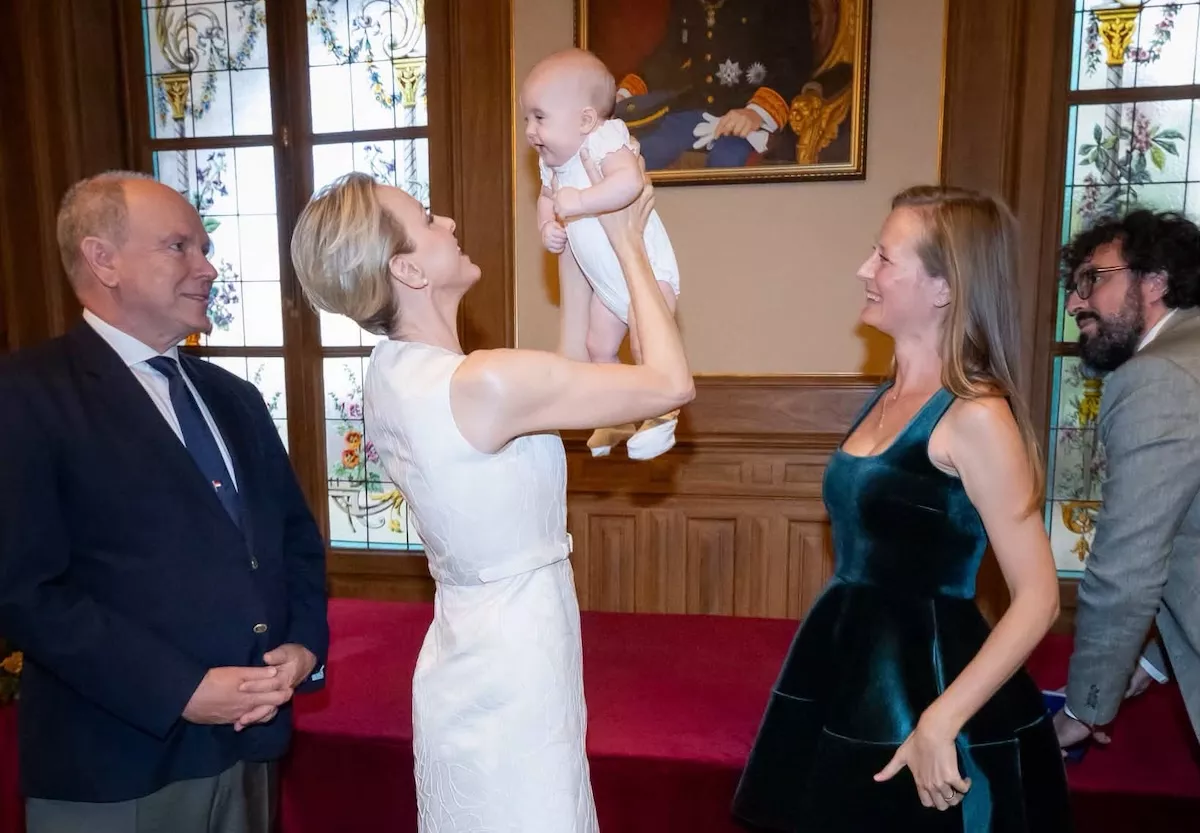
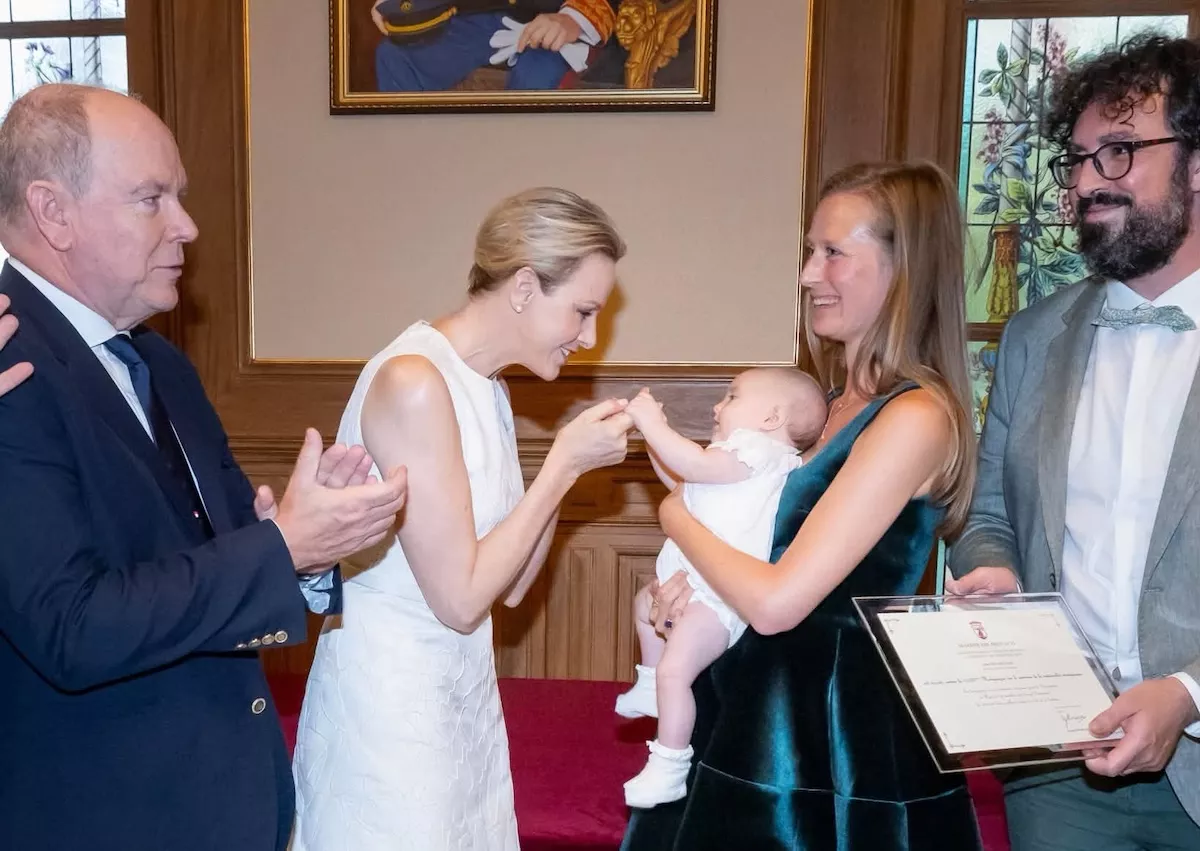
Princess Charlene shared a playful moment with baby Anna at Monaco Town Hall on Wednesday 30th September, as she and Prince Albert II celebrated the little girl whose birth brought the Monégasque national population to 10,000.
Photographs from the reception capture a warm interaction between the Princess and the young child, bringing a personal touch to a historic milestone for the Principality.
Born in June, Anna attended the celebration with her family. Her arrival took the national community past the symbolic five-figure mark, reflecting decades of growth in the number of people holding Monégasque nationality.
Photo credit: Frédéric Nebinger / Prince’s Palace
A milestone for Monaco’s national community
The Monégasque community has tripled in size over recent decades and has, for several years, been the largest nationality group in the Principality.
Figures from Monaco’s statistics institute, IMSEE, recorded 9,883 Monégasque nationals at the end of 2024, shortly before the community reached the milestone celebrated this week.
Monaco’s total population, meanwhile, hit 38,857 as of 31st December 2025, and includes 144 other nationalities living in the Principality.
Monaco Life is written by qualified journalists, writing original content. Sign up for our free newsletter, listen to our podcasts on Spotify, and follow us across Facebook, Instagram, LinkedIn, and Tik Tok.
Photo credit: Frédéric Nebinger / Prince’s Palace
Bal de Noël to open a new chapter in support of Monaco’s animal shelter
For more than two decades, the Bal de Noël has marked the beginning of Monaco’s Christmas social season. Tickets disappear quickly, the Salle Empire is transformed for a single evening, and an audience drawn from Monaco and beyond comes together for one of the Principality’s most anticipated charity galas.
But for its 21st edition, the event is entering a new chapter.
After years of raising funds for the Princess Charlene of Monaco Foundation, the Bal de Noël will this year name the Société Protectrice des Animaux de Monaco (SPA) as its principal beneficiary – a cause closely connected to Princess Charlene, the gala’s longstanding patron and president of the SPA.
The event will return to the Hôtel de Paris on Friday 11th December, once again under the High Patronage of Princess Charlene.
“The SPA is a cause that is very close to the Princess, and it is something very different for the Bal. The shelter is beautiful and very large, but looking after all those animals and finding the right homes for them requires a great deal of work and money,” Knoell tells Monaco Life.
From a personal idea to a Monaco institution
Sandrine Knoell created the first Bal de Noël in 2005, shortly after the birth of her son at the Princess Grace Hospital. Asked to help improve the maternity ward, she drew on childhood memories of Christmas in Strasbourg and created a charity gala centred on the season’s values of generosity and giving.
The first edition raised funds for the maternity service. In the years that followed, the Bal supported paediatric and cardiac initiatives, including programmes bringing children to Monaco for life-saving treatment.
Its relationship with Princess Charlene began a new phase in 2016, when the gala started raising funds for her Foundation and its work in drowning prevention, water safety and education through sport.
What began as a single fundraising evening has since become one of the most difficult invitations to secure in Monaco’s winter calendar.
“We celebrated the 20th anniversary last year, and when I look back, it has evolved enormously,” said Knoell. “It has become an iconic event in Monaco. We have the support of the Princely Family and the presence of Princess Charlene, but it still has to retain its own atmosphere. It must remain elegant, exclusive and focused on the charity. I never want it to feel like just another large gala.”
That balance is carefully managed. Knoell remains closely involved in almost every component, from the artistic programme and decoration to the guest list, auction and timing of the evening.
“I organise it in a very personal way,” she said. “I work on the artists, the elegance, the complete experience and all the details. I work very closely with the press, the sponsors and the partners, and I follow the schedule step by step. You cannot simply fill the room and say it is successful. The people, the atmosphere and the purpose all have to work together.”
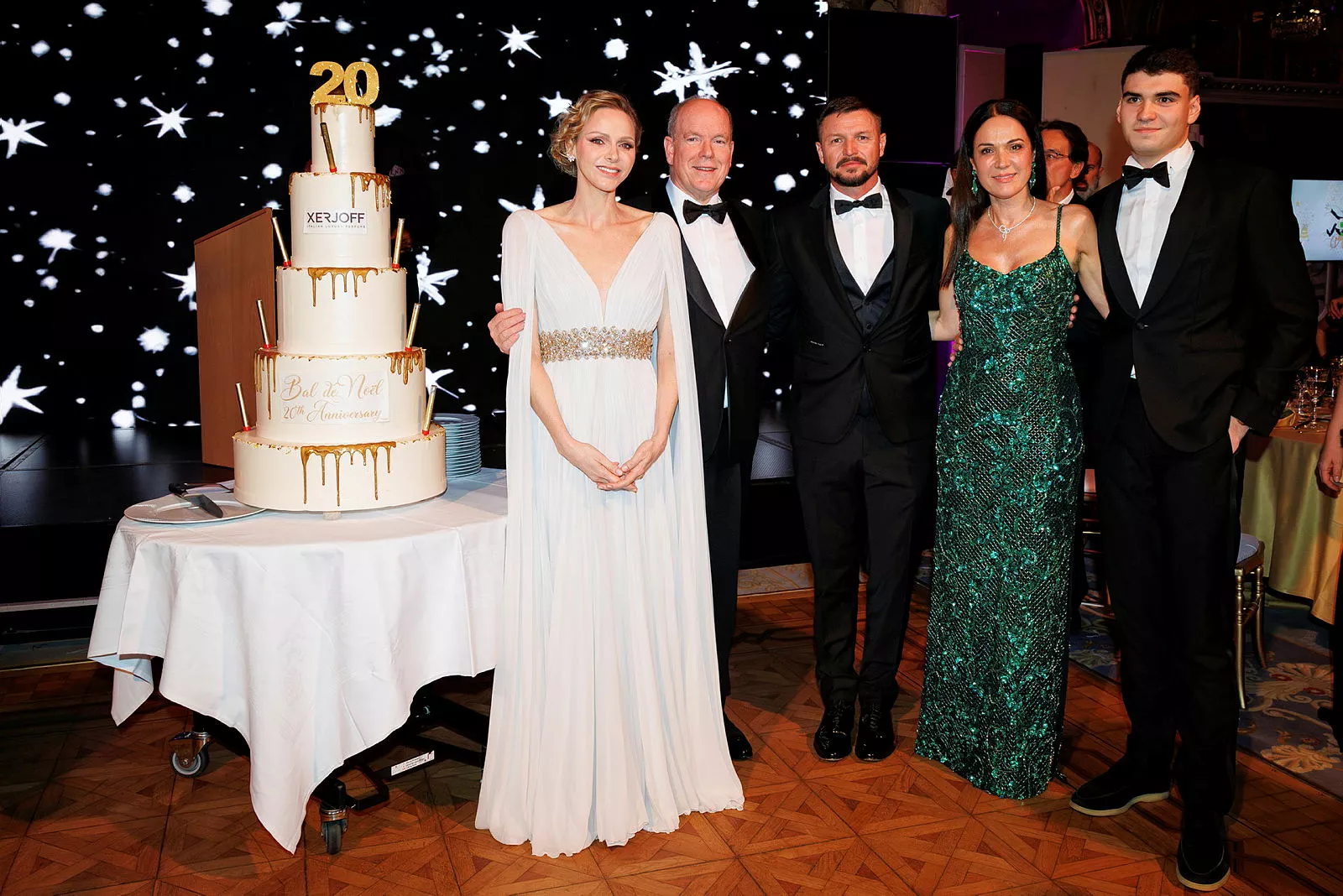
Prince Albert II and Princess Charlene with her brother Gareth Wittstock, General Secretary of the Princess Charlene of Monaco Foundation, and Sandrine Knoell on his right, with her son. Photo credit: Michael Alesi, Prince’s Palace
A cause close to Princess Charlene
The move to support the SPA retains the Bal’s strong relationship with Princess Charlene while directing its fundraising towards another of her principal commitments.
The Princess became president of the SPA de Monaco in 2022 and has taken an active role in its development. She joined Prince Albert II in inaugurating the association’s long-awaited refuge in Peille in September 2024, before returning with members of the Princely Family for the inauguration of further improvements in April 2026.
The modern shelter houses abandoned and mistreated dogs and cats while staff and volunteers work to prepare them for adoption. Knoell said she wanted the Bal to help draw attention not only to the costs of caring for the animals, but also to the responsibility involved in finding appropriate permanent homes.
“People see a dog online and immediately want to adopt it, but it is important to understand the animal, its history and whether it is suitable for that family,” she said. “The SPA does all of that work. It is not simply feeding the animals and giving them a place to sleep. They have to care for them, understand them and find the right future for them.”
Funds will be raised through the gala’s charity auction, traditionally one of the most closely watched parts of the evening and a significant contributor to the Bal’s philanthropic impact.
Across its first 20 editions, the event has raised more than €2 million for charitable causes.
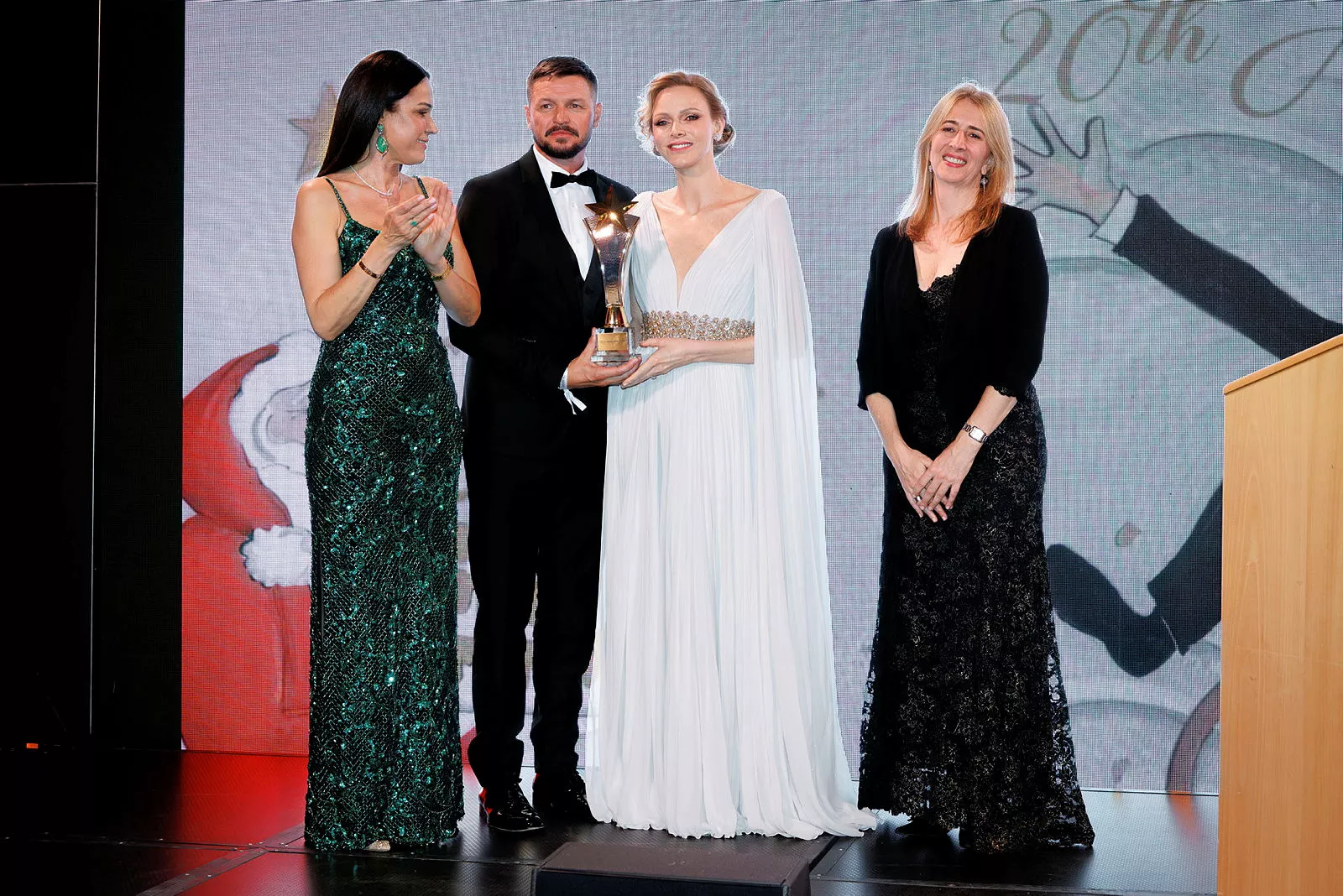
Princess Charlene receiving the first Monaco Star Award, with her brother and General Secretary of the Princess Charlene of Monaco Foundation Gareth Wittstock. Photo credit: Michael Alesi, Prince’s Palace
The Monaco Star returns
The 2026 gala will also see the return of the Monaco Star award, introduced during the Bal’s 20th anniversary last year.
Princess Charlene became its inaugural recipient in recognition of her humanitarian work through the Princess Charlene of Monaco Foundation. The award was presented during the anniversary gala in the Salle Empire, acknowledging more than a decade of work promoting water safety and supporting children through sport.
A new recipient will be announced at this year’s Bal.
“The Monaco Star was created to recognise somebody who has made a real contribution through their work and commitment,” said Knoell. “Princess Charlene was naturally the first person to receive it. This year, the award will return, and we will honour another person, but the identity has to remain a surprise until the evening.”
The award gives the Bal an additional legacy beyond its annual fundraising, creating a platform to recognise people whose public profile is matched by sustained charitable or humanitarian work.
The 2026 Bal de Noel invitation, designed by Yulia Smirnova
Protecting what makes the Bal special
For Knoell, the challenge after 20 editions is not simply to make each year larger. It is to protect the character that made the event successful in the first place.
The Bal is known for its changing themes, formal setting, carefully assembled audience and theatrical presentation, but she insists its longevity rests on the cause at its centre.
“Of course, people come because it is beautiful and because they want to celebrate Christmas in Monaco,” she said. “But they also know they are there to support something important. The glamour attracts attention, but the charity gives the evening its meaning.”
Despite having spent two decades creating the event, Knoell admits she has never truly experienced it as a guest.
“I always say that I would love to be invited to the Bal de Noël,” she said. “I would like to sit down, enjoy the dinner, watch the show and see what everyone else sees. But I am always working, watching the timing and making sure every detail is right.”
She still refers to the Bal as her “baby” – one that has now reached adulthood and established a firm place alongside Monaco’s best-known annual galas.
“I hope that one day it will continue without me,” Knoell said. “I would love it to become like the Bal de la Rose or the Red Cross Gala – an event that is still here in 100 years. That would be the greatest achievement.”
The 21st Bal de Noël will take place on Friday 11th December 2026 at the Hôtel de Paris Monte-Carlo. The evening will take on the theme of ‘Enchanted’ and feature a haute couture fashion show by Eleonora Martini of ELEM Couture, alongside wines from Italian winery La Scolca and SGC. Long-standing partner Xerjoff, the luxury perfume house, will also support the event.
Monaco Life is written by qualified journalists, writing original content. Sign up for our free newsletter, listen to our podcasts on Spotify, and follow us across Facebook, Instagram, LinkedIn, and Tik Tok.
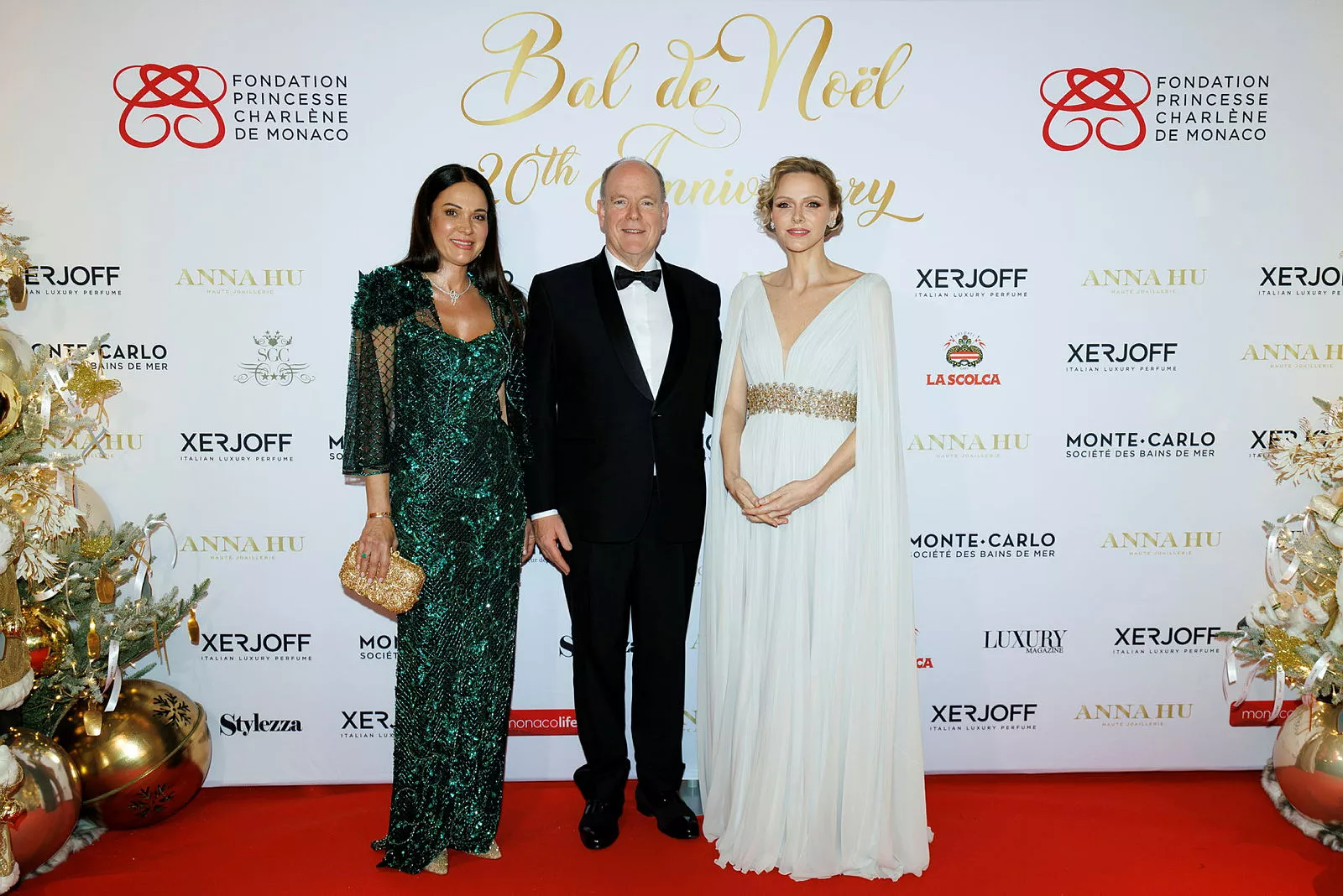
Main photo Prince Albert II, Princess Charlene and Sandrine Knoell – founder and organiser of the Bal de Noël. Credit: Michael Alesi, Prince’s Palace
Monaco reaffirms its support for Ukraine as Council of Europe presidency nears end
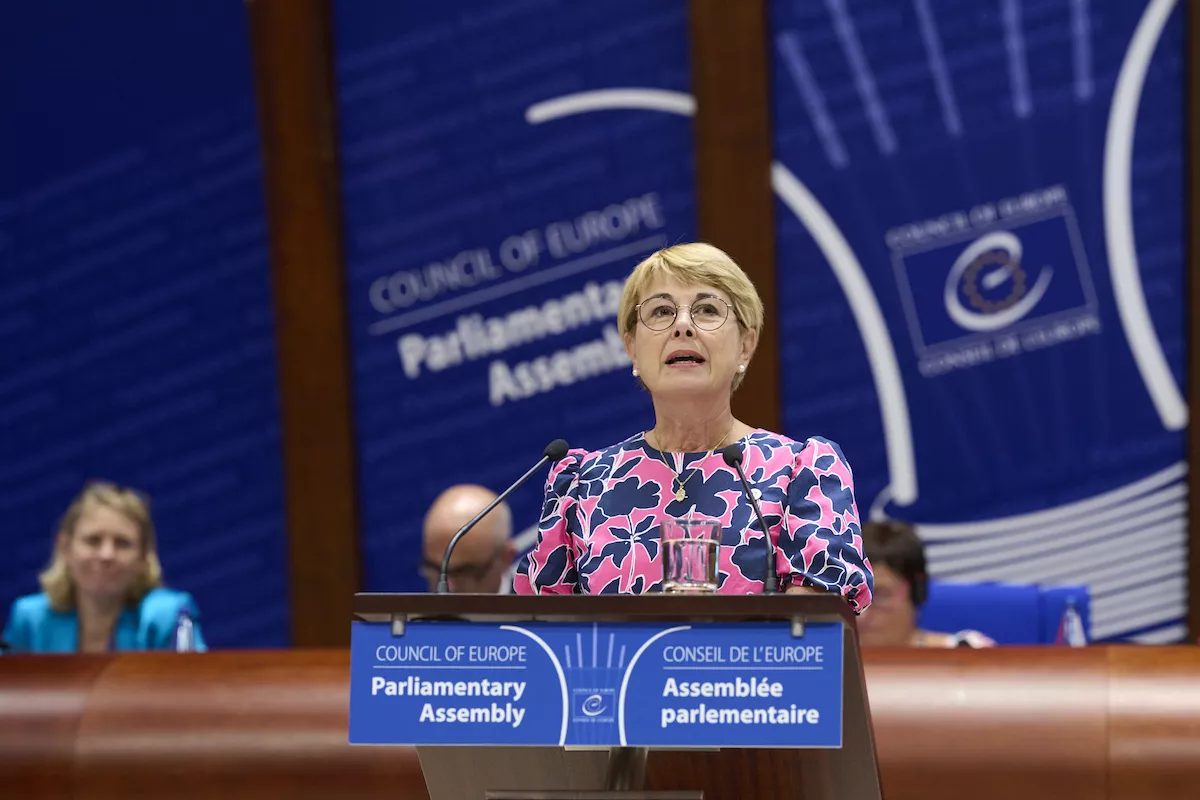
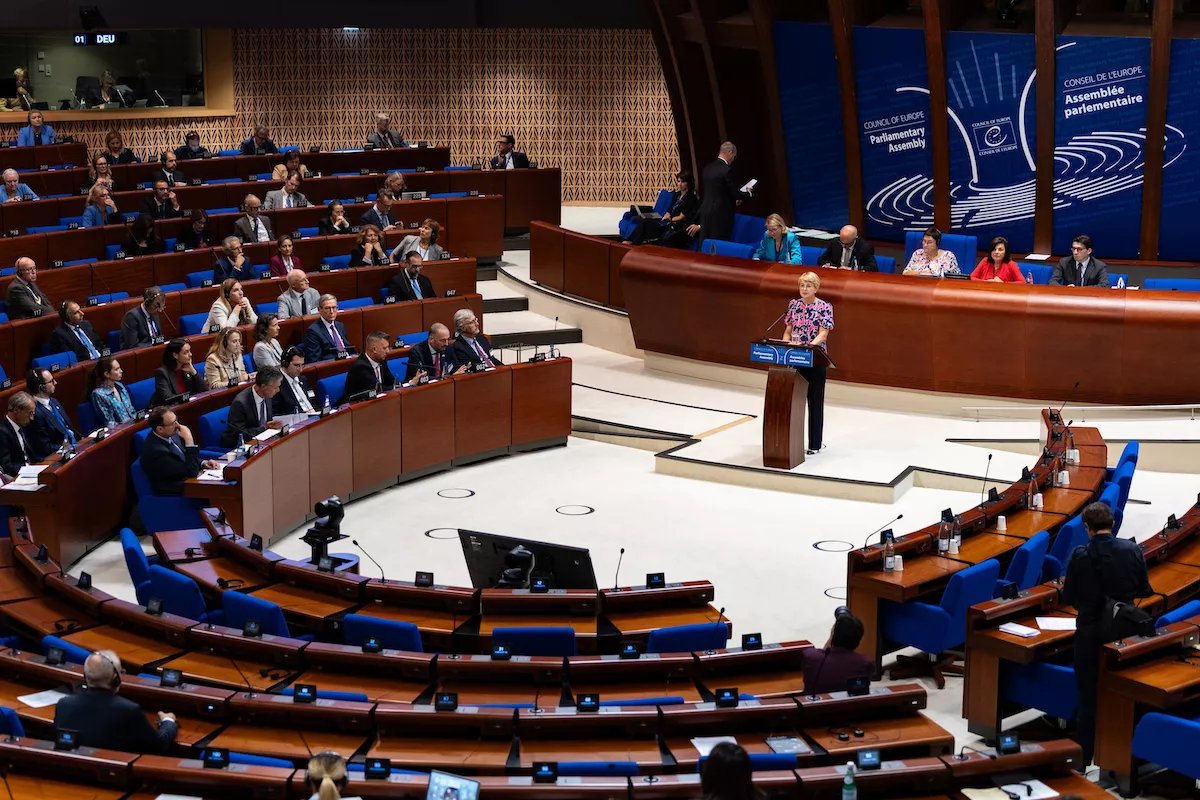
With Monaco’s six-month presidency of the Council of Europe entering its final weeks, the Principality’s Minister of External Relations and Cooperation, Isabelle Berro-Amadeï, has used an address in Strasbourg to place unwavering support for Ukraine — and the pursuit of justice for its people — at the heart of the Principality’s record.
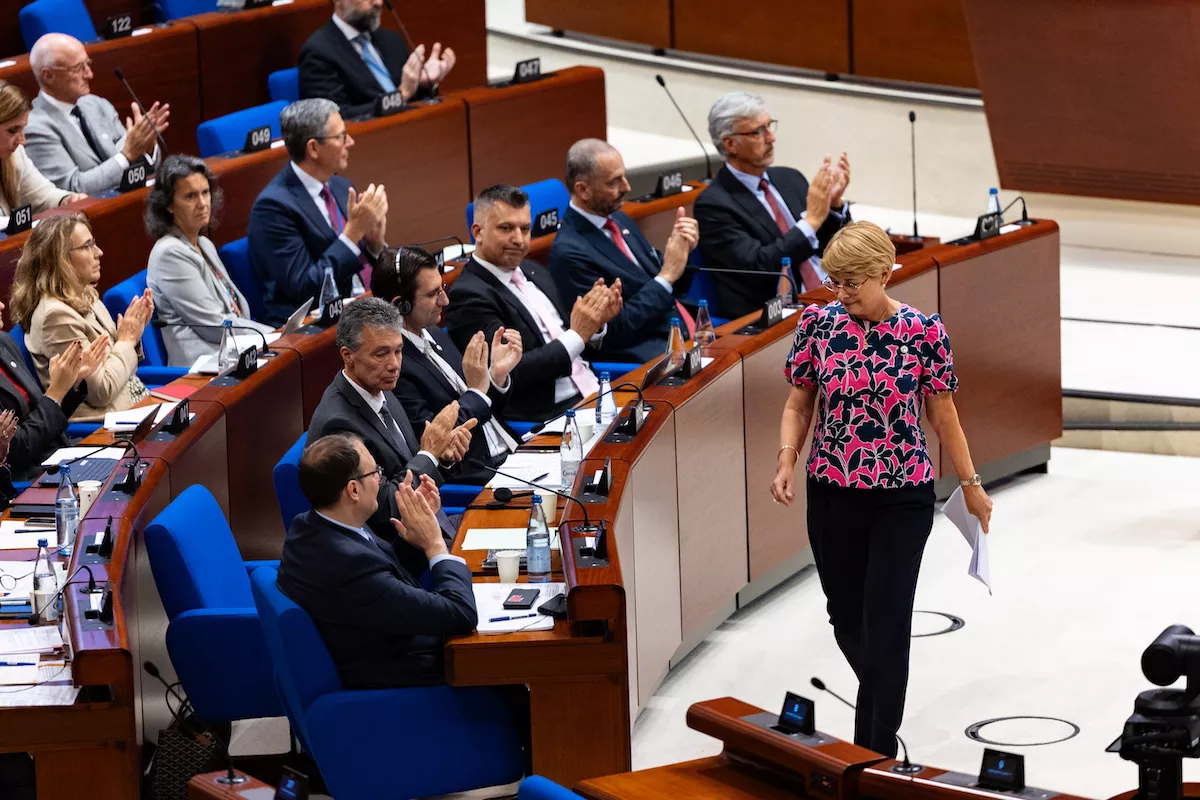
Speaking to the Parliamentary Assembly of the Council of Europe (PACE) on Wednesday 30th September, Berro-Amadeï reviewed a six-month term shaped by international instability, and returned to the theme that has defined Monaco’s presidency: protecting citizens through an organisation able to respond to the challenges of the moment.
Monaco Life is in Strasbourg this week with the Monaco delegation, covering the final stretch of the Principality’s presidency.
Accountability and support for Ukraine
Ukraine was at the centre of the address. Fresh from a visit to Kyiv in September, the minister set out the Council of Europe’s work to build a framework for responsibility and reparations, and left no doubt about where Monaco stands. “Our support for the independence, sovereignty and territorial integrity of Ukraine remains unwavering, as does our determination to make the law prevail,” she said.
She pointed to concrete progress. The Register of Damage, which records losses caused by the war, has now opened all 43 of its categories and received 195,000 claims from individuals and institutions. The International Claims Commission has gathered 41 signatures and 10 ratifications, while work continues to bring into being the special tribunal for the crime of aggression against Ukraine and, in time, a compensation fund. Behind the machinery, she insisted, lies a human urgency — the plight of children, displaced families and veterans living with trauma. “Justice cannot be sidelined,” she said.
Photo credit: Manuel Vitali
Expanding global reach and countering digital threats
Monaco’s presidency has also looked beyond Europe. On 22nd September, a Council of Europe office opened at the United Nations in New York, intended to close institutional gaps and raise the profile of European human-rights standards on the world stage.
Closer to home, the presidency has turned to emerging digital and security risks. On 8th July, the Committee of Ministers set up an ad hoc committee, known as CAHFIMI, to draft a legal instrument against foreign information manipulation and interference. Monaco’s term has also advanced standards on AI literacy and prepared the ground for future protocols targeting transnational financial crime and terrorism.
Photo credit: Manuel Vitali
The final weeks
Monaco hands the presidency to Montenegro on 10th November, and a run of engagements remains before then. Prince Albert II is due to address the Parliamentary Assembly, and the 19th Council of Europe Conference of Ministers Responsible for Sport will be held in Monaco on 3rd and 4th November, with child protection and safer sporting environments on the agenda. A further event in Strasbourg in November will bring young Europeans directly into the fight against misinformation and digital manipulation.
Berro-Amadeï closed with the words of Václav Havel: “Hope is not the conviction that things will end well, but the certainty that what we do has meaning, whatever the outcome.” Monaco, she said, would defend its shared values through dialogue, cooperation and the rule of law to the very end of its mandate.
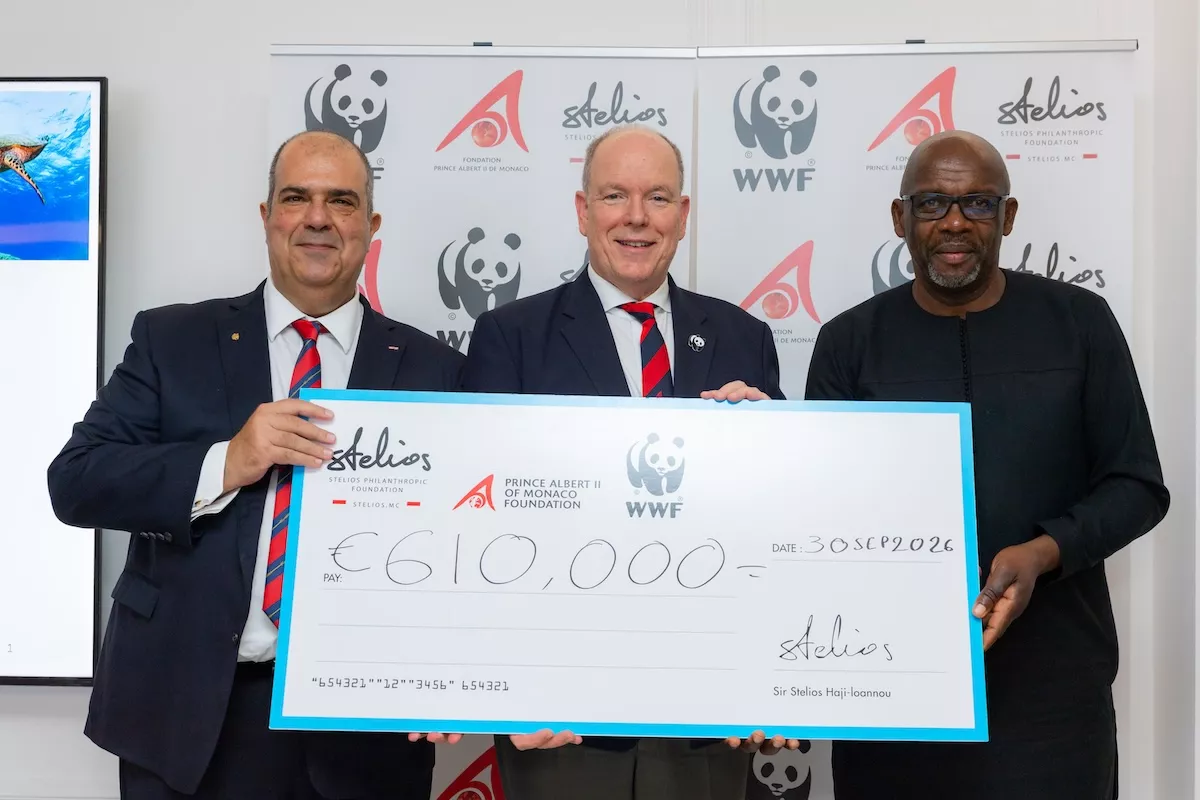
Sir Stelios Haji-Ioannou’s 14th annual charity dinner in Monaco raised €610,000 for the protection of Mediterranean marine life on Wednesday evening, with every donation from guests matched euro-for-euro by his foundation and the proceeds shared equally between WWF and the Prince Albert II of Monaco Foundation.
The dinner, hosted by the Stelios Philanthropic Foundation in partnership with WWF International and the Prince Albert II of Monaco Foundation (FPA2), was held at the Stelios Foundation Conference Hall in the presence of Prince Albert II and Daudi Sumba, WWF International’s chief conservation officer. More than 60 philanthropists and environmental supporters attended, in aid of the Pelagos Sanctuary — the cross-border haven for whales and dolphins shared by Monaco, France and Italy — and the Mediterranean’s wider network of marine protected areas.
Guests heard speeches from Sir Stelios, the founder of easyJet, alongside Prince Albert II and Sumba, before a charity auction raised further funds for marine conservation.
Every euro doubled
The €610,000 total includes a euro-for-euro match from the Stelios Philanthropic Foundation, which doubled the sum donated by guests over the course of the evening. The proceeds will be divided equally between WWF International and the Prince Albert II of Monaco Foundation.
“Thanks to the generosity of our philanthropist guests, and with the support of HSH Prince Albert II and Mr Daudi Sumba, tonight we have made another important step in protecting our Mediterranean Sea,” Sir Stelios said. “By matching the funds raised and directing them equally to WWF and the Prince Albert II of Monaco Foundation, we are making sure that every euro given goes twice as far.”
Sumba said the evening would help speed up conservation across the region. “Nature can recover if we help it,” he said. “Thanks to the generosity shown this evening, and the Stelios Philanthropic Foundation’s commitment to matching every donation, we can accelerate efforts to strengthen Marine Protected Areas across the Mediterranean, protect vulnerable species, and demonstrate what is possible when science, partnership and philanthropy come together.”
With this year’s total, the dinner has now raised around €4.2 million for marine conservation over its 14 editions.
Monaco Life is written by qualified journalists, writing original content. Sign up for our free newsletter, listen to our podcasts on Spotify, and follow us across Facebook, Instagram, LinkedIn, and Tik Tok.
Photo credit: Philippe Fitte
Artists explore what Monaco preserves, and what it leaves behind, in new exhibition
Under the curation of Célia Bernasconi, Director of the Heritage Institute, the exhibition ‘Mémoire des lieux’ has opened at the Salle d’exposition du quai Antoine Ier, running from 1st October to 24th January 2027.
Taking its conceptual cue from a quotation by J.D. Salinger’s ‘The Catcher in the Rye’, the exhibition explores adolescent angst, parental relationships, and shifting outlooks through the lens of urban transformation.
The thematic connection to New York stems from architectural historian Jean-Philippe Hugron’s analyses comparing Monaco to New York in terms of density and their capacity to function as laboratories for new forms, transposing themes from the book New York Delirium to the Principality.
Jürgen Nefzger’s 2011 series ‘Grand Bruit’. Photo credit: Virginia D’Umas
Shifting horizons: Capturing the ephemeral city
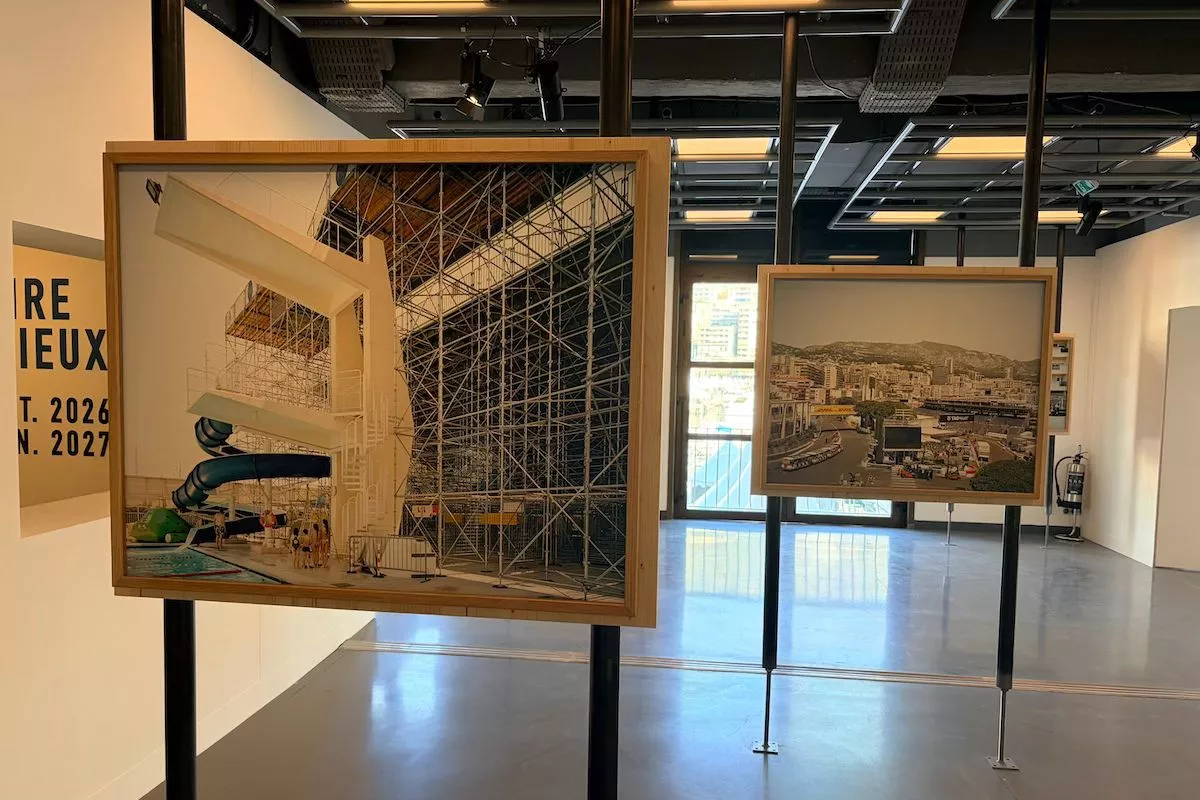
The exhibition’s first chapter features photographic surveys of the territory, opening with works by German-born, Nice-based artist Jürgen Nefzger. In his 2011 series ‘Grand Bruit’, Nefzger photographed the Grand Prix, focusing entirely on ephemeral architecture, bleachers, and fences rather than the race itself, highlighting the noise and backstage efforts that alter residents’ lives. The section also revisits Gabriele Basilico’s 2005–2006 photo-reportage of Monaco, which presented stark, uninhabited black-and-white views of the city. With twenty years of hindsight, these silver-gelatin prints measure the profound landscape transformations since the project initially debuted.
Concluding this introductory chapter is Mathilde Janson’s series ‘What I Thought I Had Photographed’. Investigating Second World War testimonies of shelters in Monaco’s tunnels, Janson faced an unexplained technical failure across multiple attempts where her reliable camera produced completely blank images. Embracing this accident, Janson integrated the malfunction to signify places that are no longer photographable and dead to visual representation, confronting oral history with the unrepresentable nature of the past.
Reflecting on the core ethos driving these selections, exhibition curator Célia Bernasconi said during the press visit: “The exhibition invites visitors to look at Monaco not only through its architecture and heritage, but also as a city in constant transformation, where urban change, personal experiences, and stories contribute to a living collective memory.”
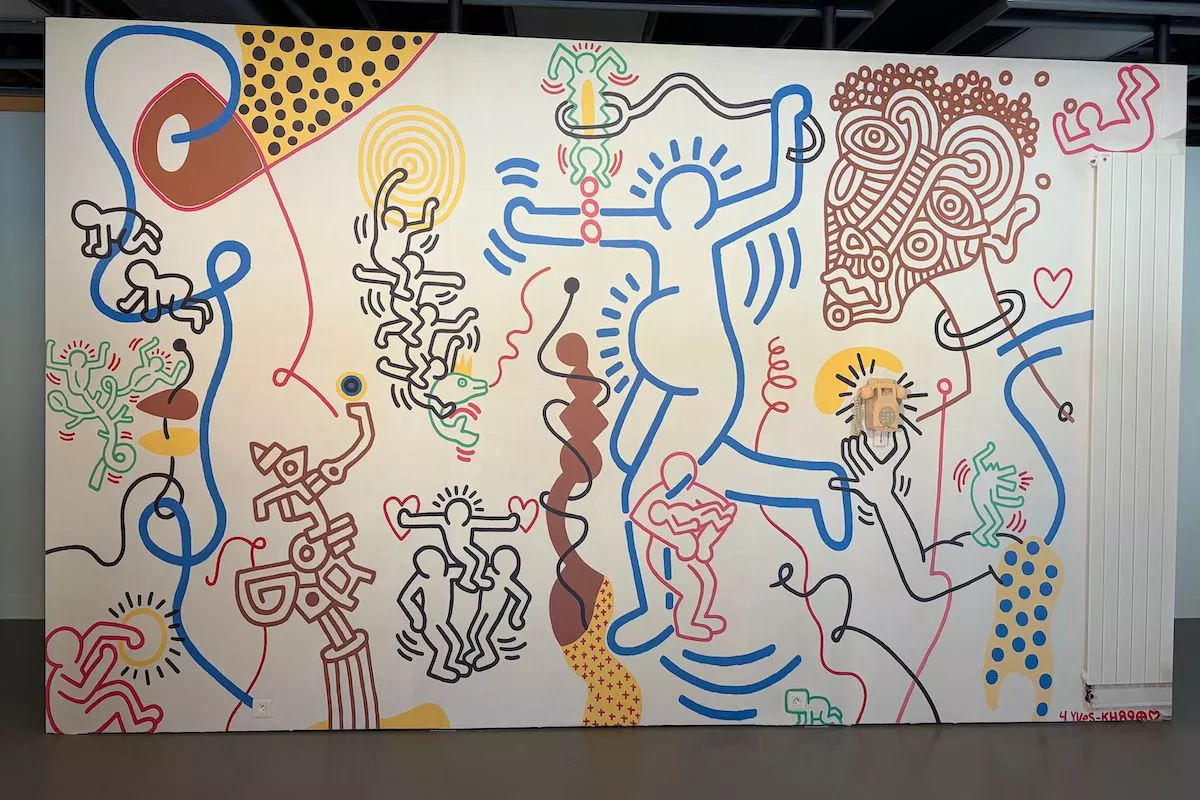
Keith Haring’s 1989 mural for the Princess Grace Hospital maternity ward. Photo credit: Virginia D’Umas
Concrete survivors: The art that outlived architecture
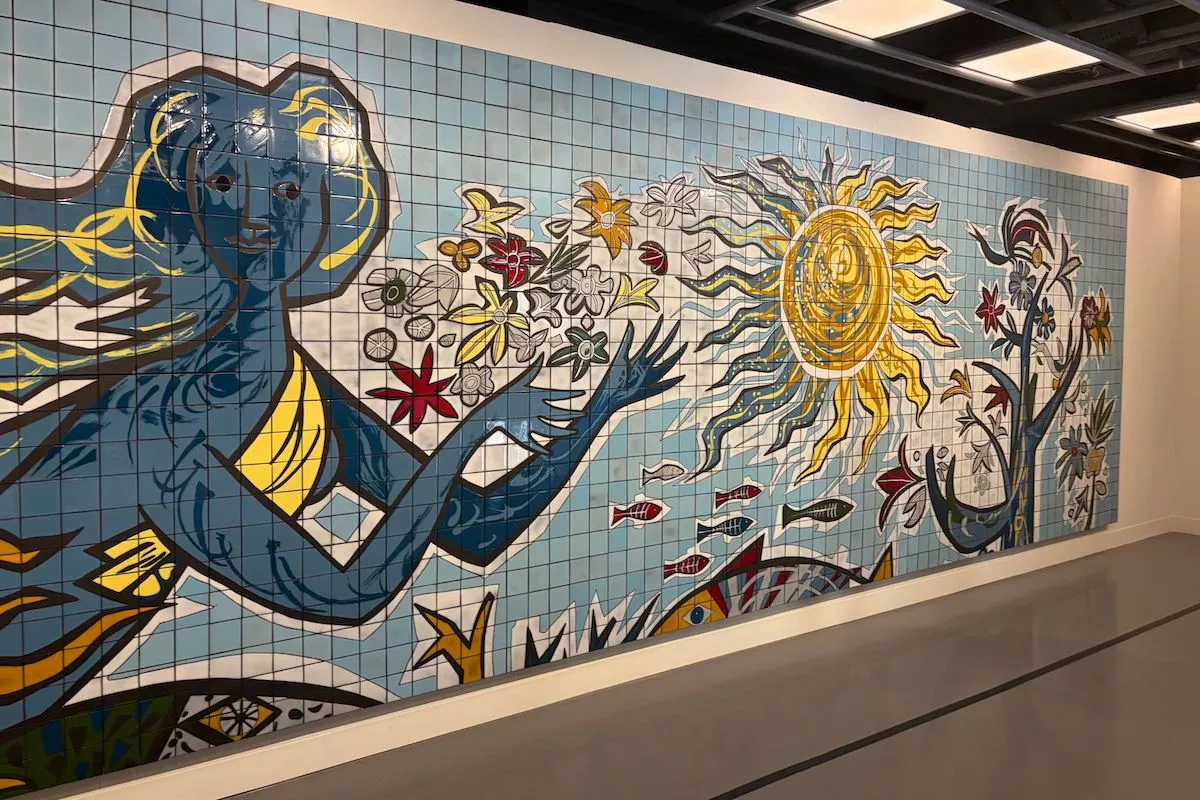
A major focus of the exhibition examines how monumental decorations survive when buildings are demolished or transformed. Highlighted works include a mural by Keith Haring, a prominent 20th-century street artist and legend of the 1980s close to Andy Warhol, who created the piece in 1989 for the Princess Grace Hospital maternity ward at the invitation of Princess Caroline. While the original mural remains fixed to its original wall—now enclosed within the active obstetrics professors’ consultation cabinet due to hospital restructuring—the exhibition brings its presence to the public through documentation and reproduction.
Other highlighted works include Luis Molné’s ceramic creation Décor pour la gare de Monaco (1964), which was originally displayed at the old railway station and is now seeking a new institutional home following urban redevelopment, alongside his two ceramic pieces realised in 1965 and 1966 for the Exotic Garden, capturing his recurring theme of cosmogony and the transition from day to night. Furthermore, surviving elements from Albert Diato’s mixed-media decorations—featuring ceramic birds and fishes originally created for a library at the Place d’Armes police station—were saved during 1980s transformations and successfully transferred to the Collège Rainier III through a multidisciplinary salvage effort.
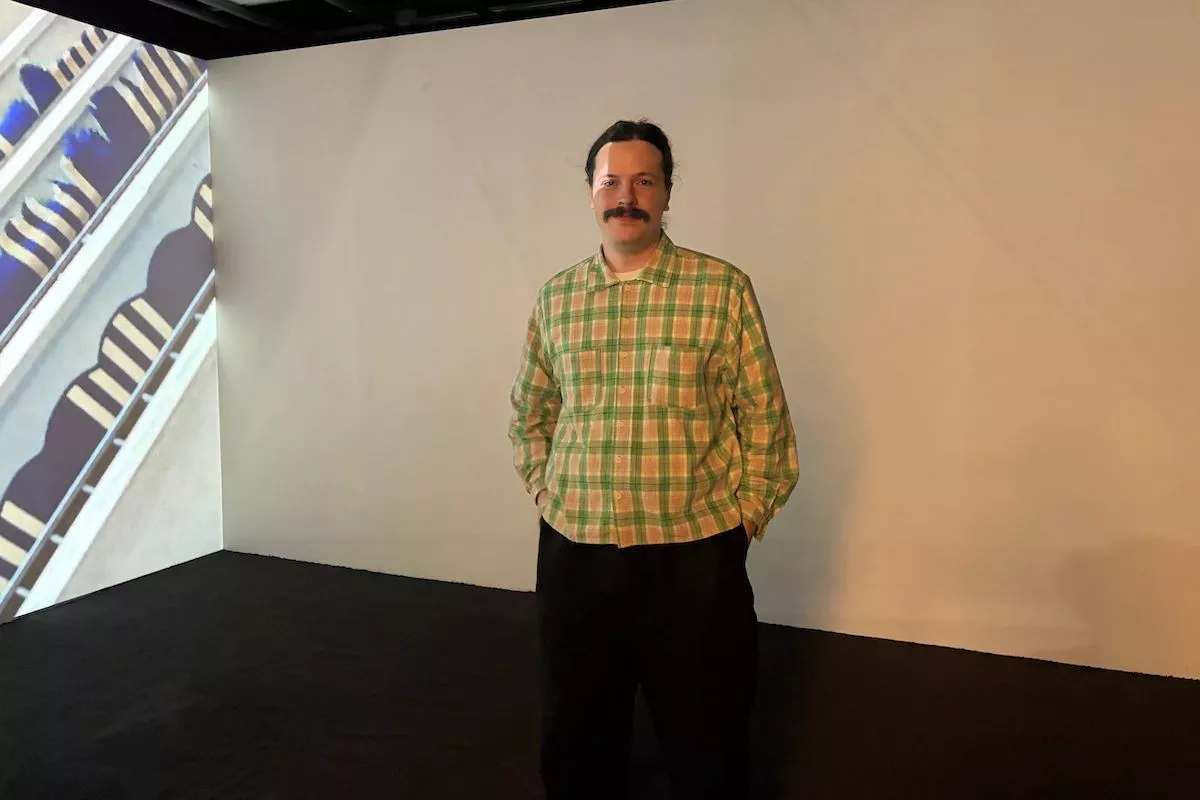
Guest artist Gabriel-Noé Rosticher. Photo credit: Virginia D’Umas
Scenography and contemporary cartography
Designed by Louise Chatelain and Théophile Sargenti through the ‘Pavillon Bosio Décors’ programme, the exhibition removes partition walls to open views on the city. Using raw wood, metal, and small steps, the staging mirrors an ongoing construction site and scaffolding aesthetic, inviting visitors to observe Monaco from a heightened perspective.
Expanding this spatial exploration, the exhibition features a newly commissioned immersive video project by Pavillon Bosio graduate Gabriel-Noé Rosticher. Titled Relevé, the work stems from an ongoing artistic obsession with lines, horizons, and architecture—heavily inspired by Tim Ingold’s ‘The Short History of Lines’. Developed in collaboration with the Direction de l’Agence Culturelle, the project documents unusual subterranean sites including the Citerne du Palais, local factory environments, underground caves, and water sources. To achieve a deeply tactile experience, Rosticher employed a rigorous scientific protocol alongside a cameraman and a sound designer who spent three days capturing audio on-site using microphones and geophones.
“The goal was really to create something immersive,” Rosticher explained, adding: “What interested me was to show Monaco, not to film the places that we were used to seeing, but really go into the material, into the line, into the texture, so that we don’t necessarily recognise the buildings.”
Coupled with kinetic editing, the installation spins a multi-layered cartography of Monaco’s hidden structures.
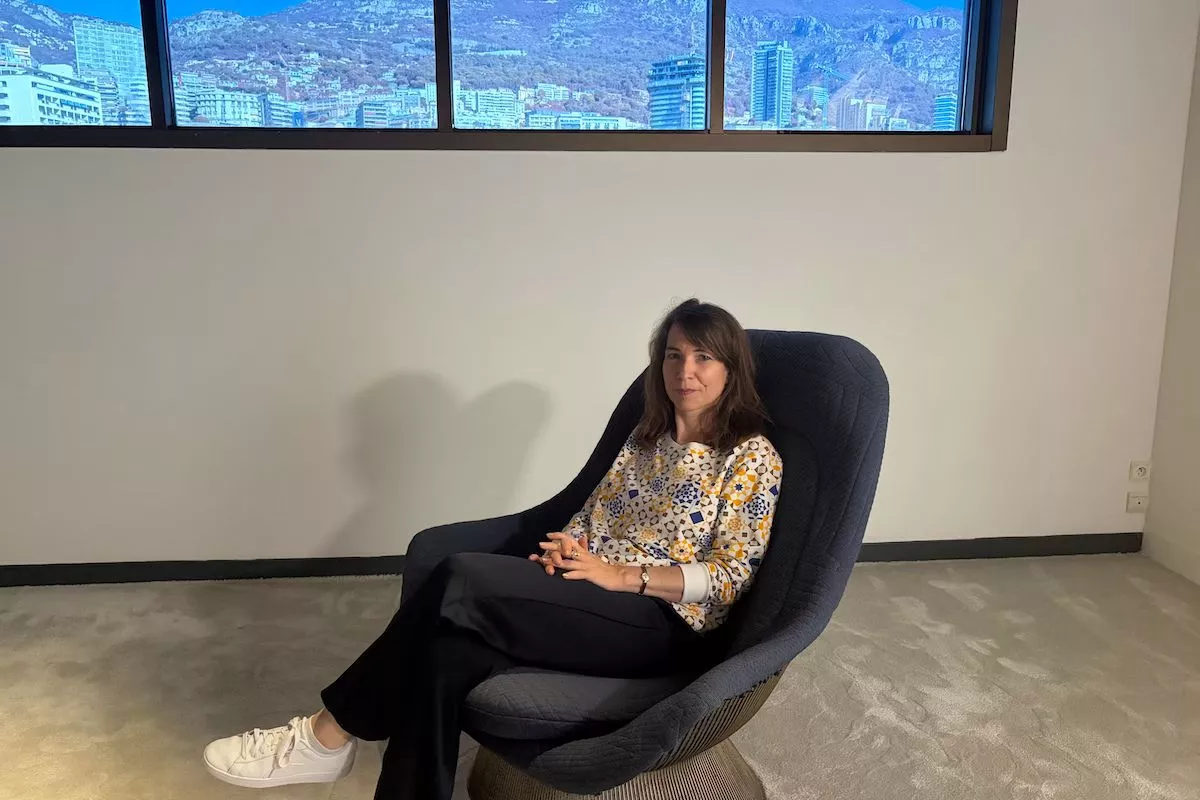
Artist Lidwine Prolonge in her exhibition space. Photo credit: Virginia D’Umas
Narrative tours and alternative fictions
Further extending the exploration of the Principality’s urban fabric, the exhibition incorporates an immersive installation by artist Lidwine Prolonge, originating from a 2024 performance commissioned by the National Museum of Monaco in a local garden.
Building on an investigation that crossed both spatial routes and historical time strata, Prolonge conceived an alternative narrative voice to the traditional tourist little train. Struggling to navigate Monaco’s complex network of elevators, staircases, and tunnels, the artist transformed these disorienting experiences into a cohesive mesh of text, local history, and fiction.
For the exhibition space, this journey is adapted into a fixed-mobile installation utilising seating on loan from the Théâtre Princesse Grace and American film filters to alter visual perception. The installation is accompanied by preliminary serigraph drawings mapping out the tour—influenced by traffic halts that required branching into unscripted urban stories.
Practical information
The exhibition is open to the public from 1st October 2026 to 24th January 2027, at the Salle d’Exposition du quai Antoine-Ier in Monaco, welcoming visitors with free admission from Tuesday to Sunday between 12pm and 6pm.