Why should the super-rich give more in life and death? Because, says billionaire John Caudwell, “instead of the family being really filthy rich, they’ll just be very, very rich.”
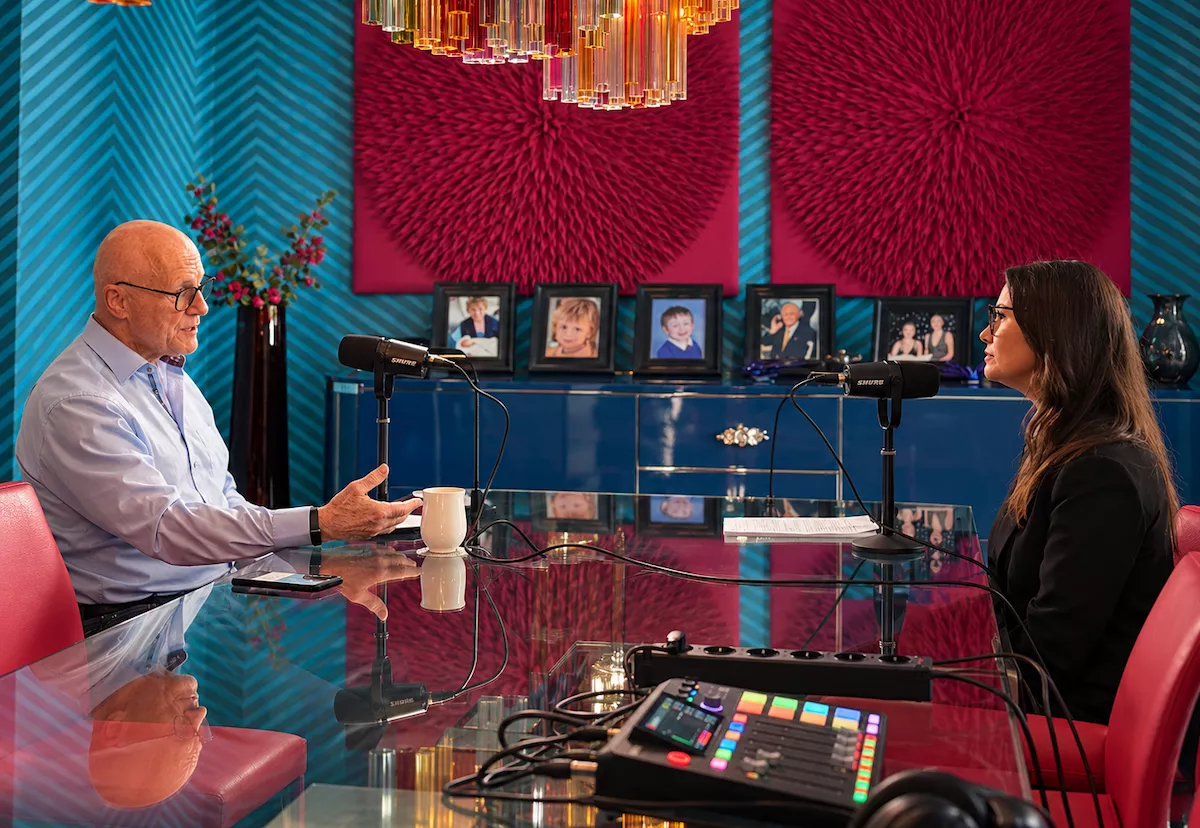
In this podcast, billionaire entrepreneur and philanthropist John Caudwell speaks to Cassandra Tanti about Monaco’s Butterfly Ball, the children his charity has helped, and why he’s giving away the majority of his wealth – and expects more of the world’s wealthiest to do the same.
To read more about the 2026 Butterfly Ball in Monaco, and see photos of the night, see:
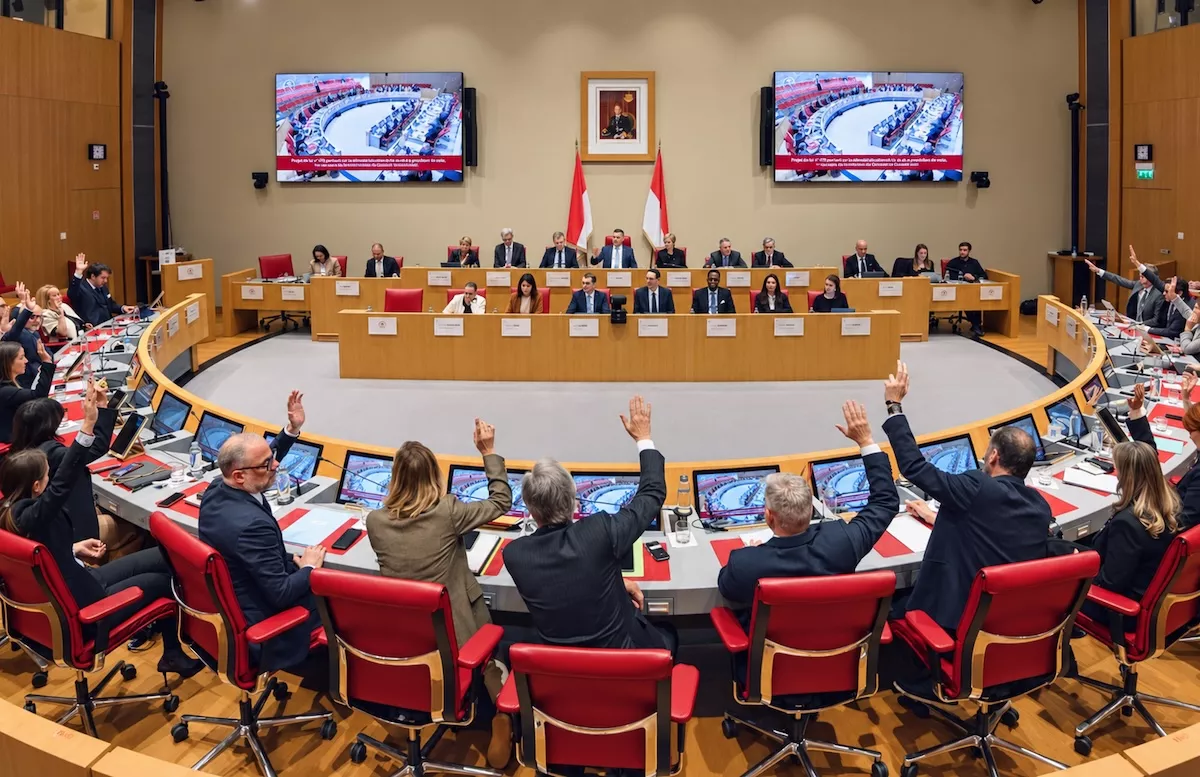
Monaco’s National Council has approved the Principality’s 2026 amended budget, a week after its president suspended the debate in protest, having secured commitments from the Government on the two issues at the top of its agenda: priority access to public sector jobs and the supply of state-owned housing.
The budget passed on Thursday 15th October with 13 votes in favour, two against and five abstentions. Council President Thomas Brezzo insisted that neither side had backed down. “The Assembly did not win against the Government, and the Government did not give way to the Assembly. It is Monaco that is moving forward,” he said.
A suspended session
The vote brought to a close a tense week between the elected Assembly and the Government. At the first public session on the amended budget on 7th October, Minister of State Christophe Mirmand opened his response by reminding councillors that the Government takes its strategic priorities, and the confidence to carry them out, from the Sovereign Prince alone, and that it is not constitutionally answerable to the National Council.
Councillors said the remarks did serious damage, “in substance as in tone”, to relations between the two institutions. Brezzo suspended the session, a rare step, to give the Minister of State time to reflect, arguing that elected representatives could not be expected to give up their parliamentary prerogatives, and warning that continuing without genuine dialogue risked “a total impasse”.
At the heart of the stand-off were two long-running demands from the Assembly. The first was stronger enforcement of the National Priority, the principle that gives Monegasque nationals precedence in employment. Brezzo had claimed in September that more than 50 qualified Monegasque candidates were turned away from public sector jobs each year, describing the situation as “unacceptable”. The Government disputed the figure, saying the applications from 2025 concerned 31 people, 16 of whom were subsequently recruited.
What the Council secured
When the debate resumed this week, the Government had shifted its position. A joint commission will be created to support Monegasque nationals facing difficulties in their careers, something the Minister of State had initially rejected on the grounds of the separation of powers. Senior posts in the civil service will now be advertised systematically, so that Monegasques can apply, and a dedicated contact within the Minister of State’s office will report to the National Council each year on how the National Priority is being applied.
On housing, the Government recommitted to building new state-owned apartments on a regular basis, with the aim of housing 75% of Monegasques in the state sector. The Council had pressed for around 100 new homes a year, while the Government had argued that 40 a year would be sufficient, based on population figures from the IMSEE, the Principality’s statistics institute.
The issue is pressing. No new state-owned apartments are due to be delivered in 2026 or 2027, with the first tower at Bel Air not expected until January 2028, after geotechnical problems delayed several projects. The Government has promised around 90 homes at the next allocation round through accelerated renovations.
A budget squeezed by falling revenue
Beyond the political confrontation, the amended budget reflects a tighter financial picture. Revenue has been revised down by €67.9 million, or 3.1%, to €2.149 billion, driven by lower receipts from VAT and corporate tax as the exceptional income generated by the Mareterra land extension dries up. Ordinary spending, meanwhile, is up 3% on the initial budget, due in part to civil service pay rises and the cost of organising the Pope’s visit.
To balance the books, €107 million of investment spending was removed, though the Government says €104 million of that is simply a delay to project timelines. Franck Julien, who chairs the Council’s Finance and National Economy Committee, was unconvinced. “Postponing is not saving: these expenses will come back in 2027,” he said.
The Minister of State defended the forecasts, pointing out that last year the Government was criticised for underestimating revenue by €400 million. He described a 3% gap on a budget of more than €2 billion as “an honest forecast, not a miscalculation”, and noted that the budget still ends with a surplus of €5.9 million, with no borrowing and no income tax.
The real test in December
For the National Council, the promises made this week are only a first step. Councillors say the commitments must now translate into concrete measures, including new housing projects beyond those already under way, when the Assembly examines the 2027 initial budget in December.
Monaco Life is written by qualified journalists, writing original content. Sign up for our free newsletter, listen to our podcasts on Spotify, and follow us across Facebook, Instagram, LinkedIn, and Tik Tok.
Photo source: National Council of Monaco
Monaco to celebrate Mozart with Requiem concert at Cathedral
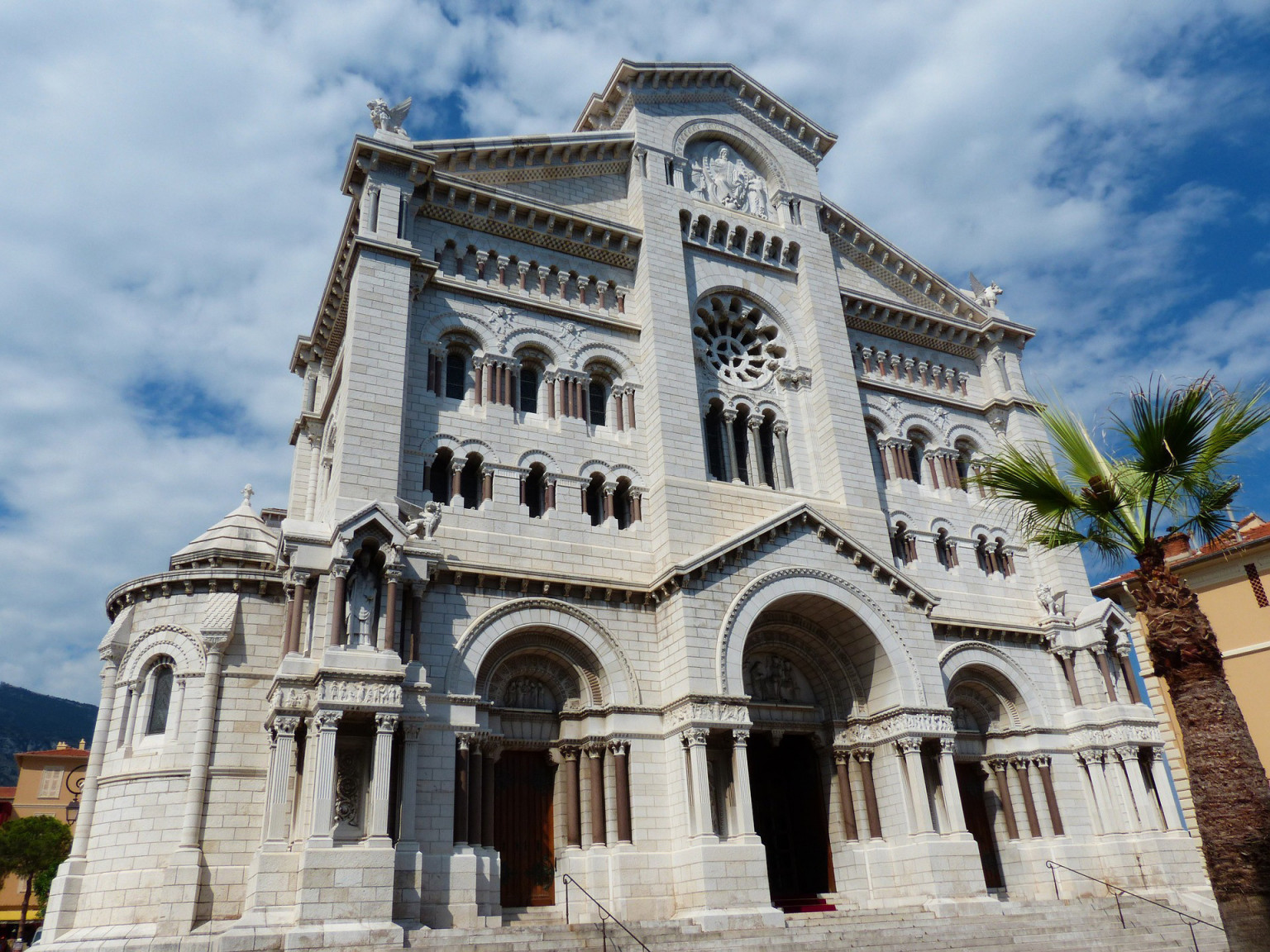
Monaco will pay tribute to Wolfgang Amadeus Mozart on Thursday 29th October with a performance of his Requiem at Monaco Cathedral, bringing together musicians and singers alongside the unveiling of a sculpture dedicated to the composer.
Held under the High Patronage of Prince Albert II, the evening will commemorate the 235th anniversary of Mozart’s death, combining classical music and contemporary art in a celebration of his legacy.
The performance will feature 60 orchestral musicians, 106 choir members, and four soloists, who will come together to perform Mozart’s Requiem in D minor, K. 626, one of his most celebrated works.
A MUSICAL TRIBUTE
The concert will bring together the Melos Filarmonica di Torino Orchestra and the Filharmonia di Sanremo Choir under the musical direction of Frédéric Deloche.
Four soloists will also join the performance, including soprano Corinne Parenti, alto Claudia Cesarano, tenor Massimo La Guardia, and bass Matthew Thistleton.
The Requiem, left incomplete following Mozart’s death in 1791, remains one of the most recognised works in classical music.
A NEW SCULPTURE CONNECTING MONACO AND SALZBURG
Following the concert, a 117-centimetre sculpture of Mozart created by Brazilian artist Marcos Marín will be unveiled for the first time.
Known internationally for his work in optical art, portraiture, and monumental sculpture, Marín has spent over forty years creating works that pay tribute to prominent historical and cultural figures.
The sculpture draws inspiration from a portrait of Mozart created in Dresden in 1789, which is preserved by the International Mozarteum Foundation in Salzburg. Combining historical references with contemporary artistic techniques, the work offers a modern interpretation of the composer.
Created specifically for the occasion, the sculpture is intended to be donated to the International Mozarteum Foundation, which has welcomed the initiative. The donation would establish a lasting connection between Monaco and the Austrian city.
AN EVENING SUPPORTED LOCALLY
The event has been made possible through the support of Riccardo De Caria, a longstanding patron of Monaco’s musical and cultural scene. De Caria is sponsoring both the concert and the creation of the sculpture, bringing the two together for a single tribute.
The evening is also being organised with the participation of the Association Monaco Baltic States and the Austrian Consulate in Monaco.
The concert will take place at Monaco Cathedral on Thursday 29th October at 7pm, entrance is one a first come basis.
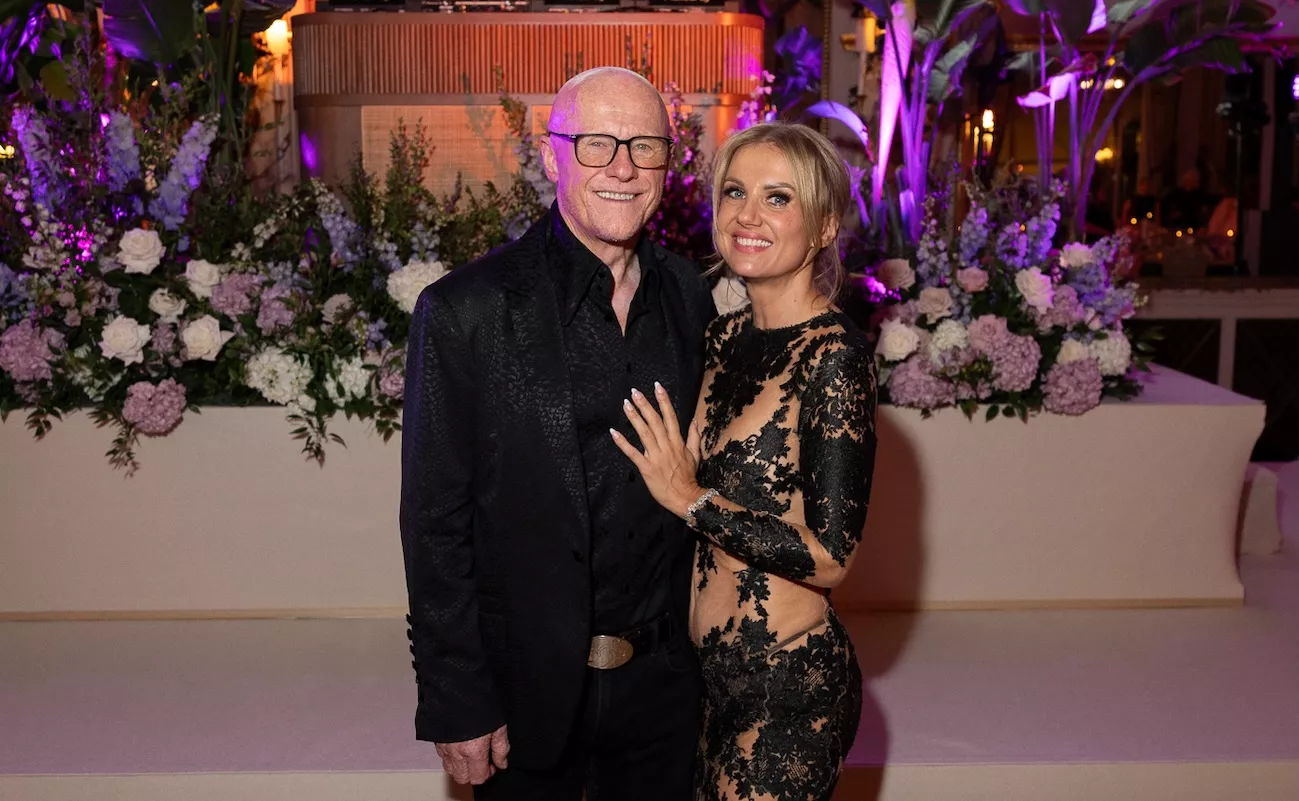
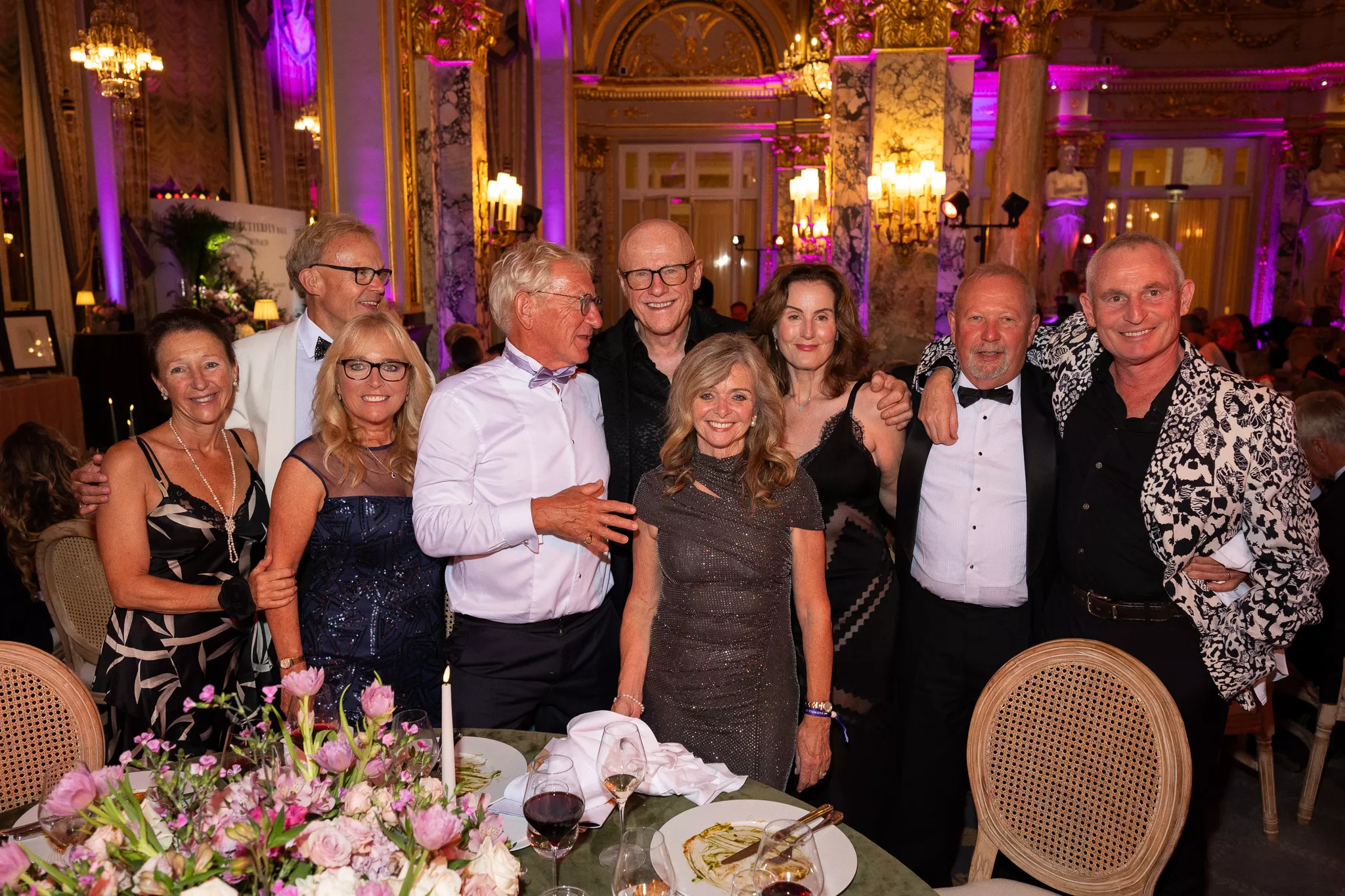
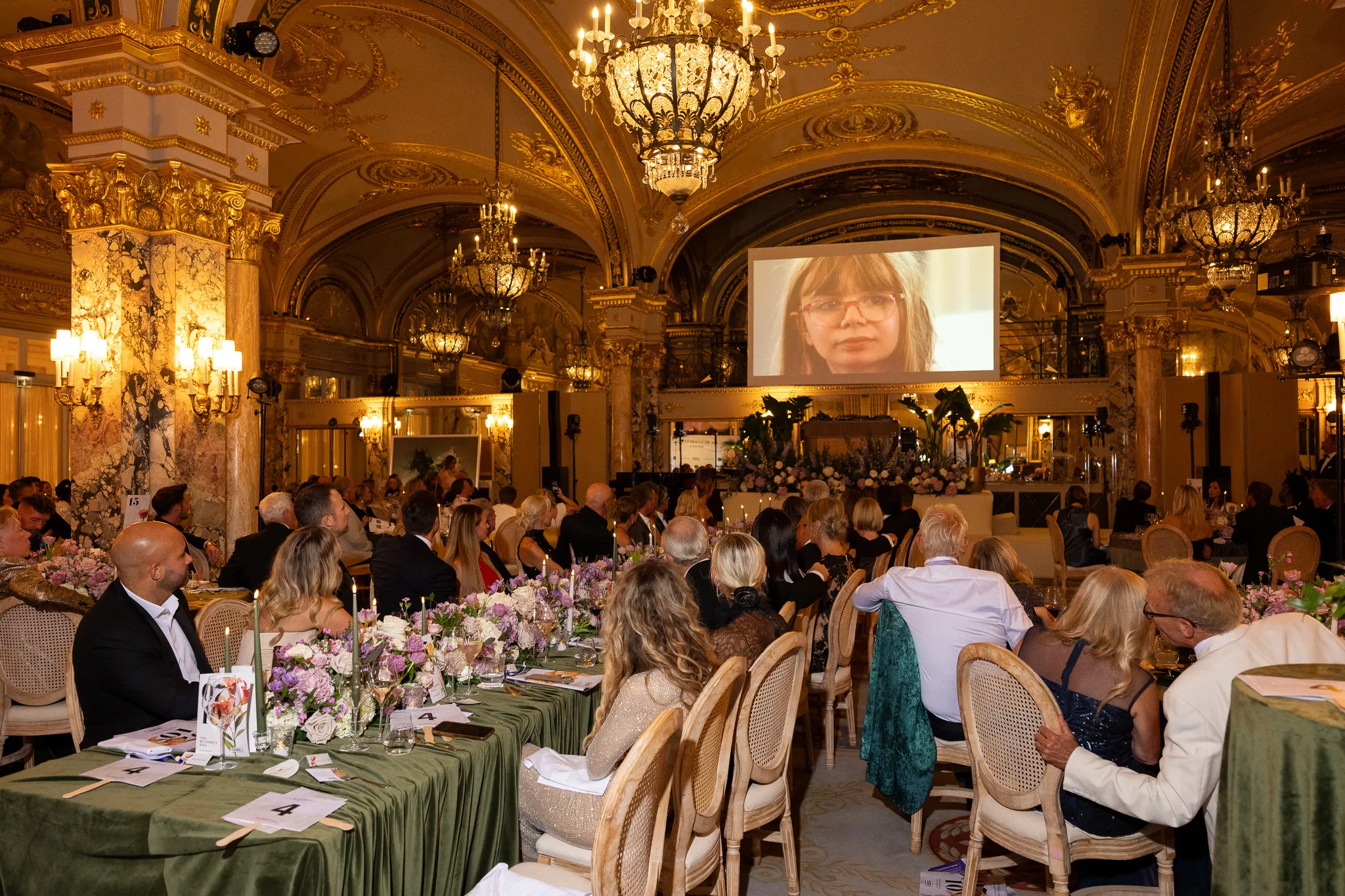
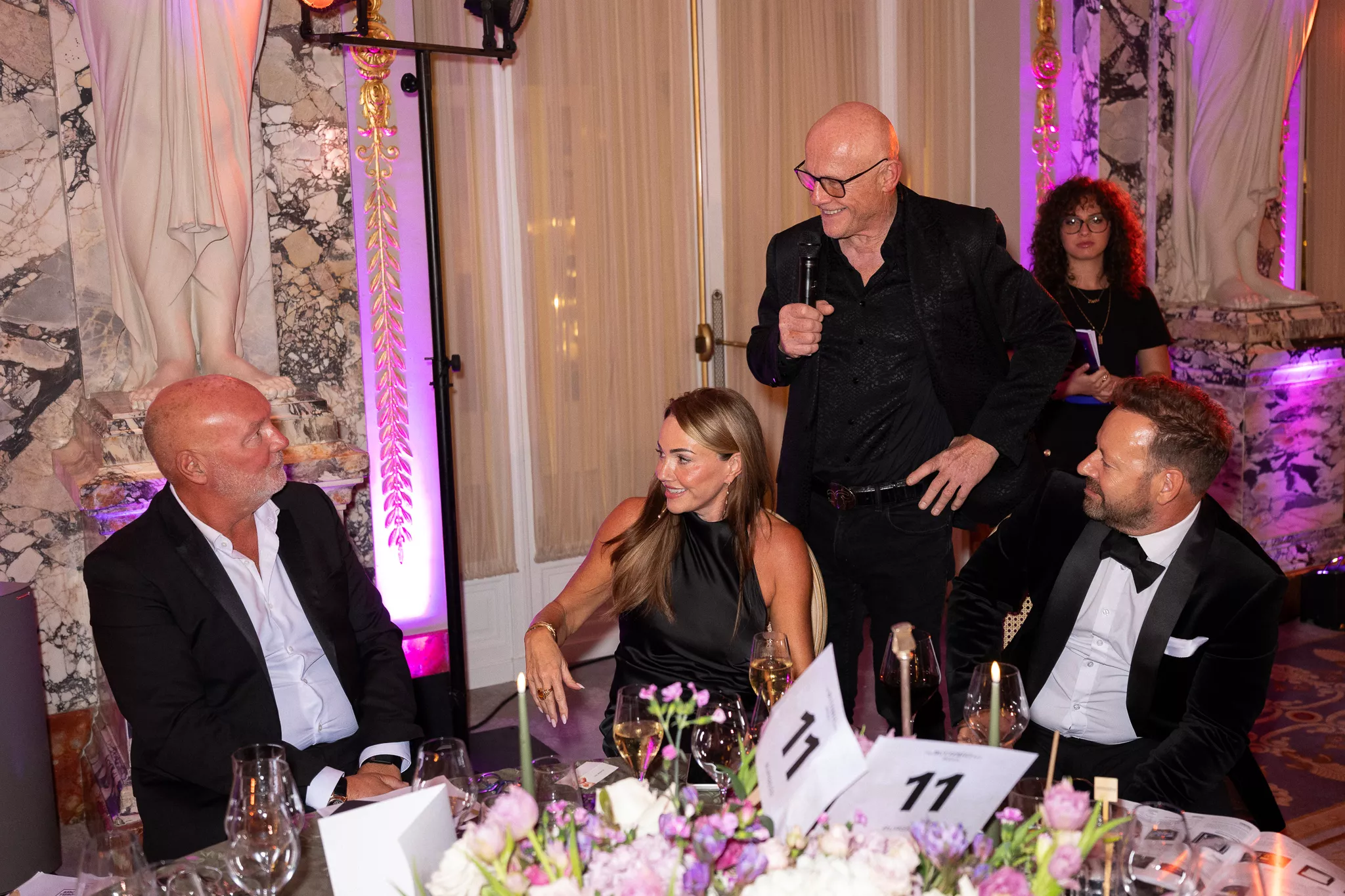
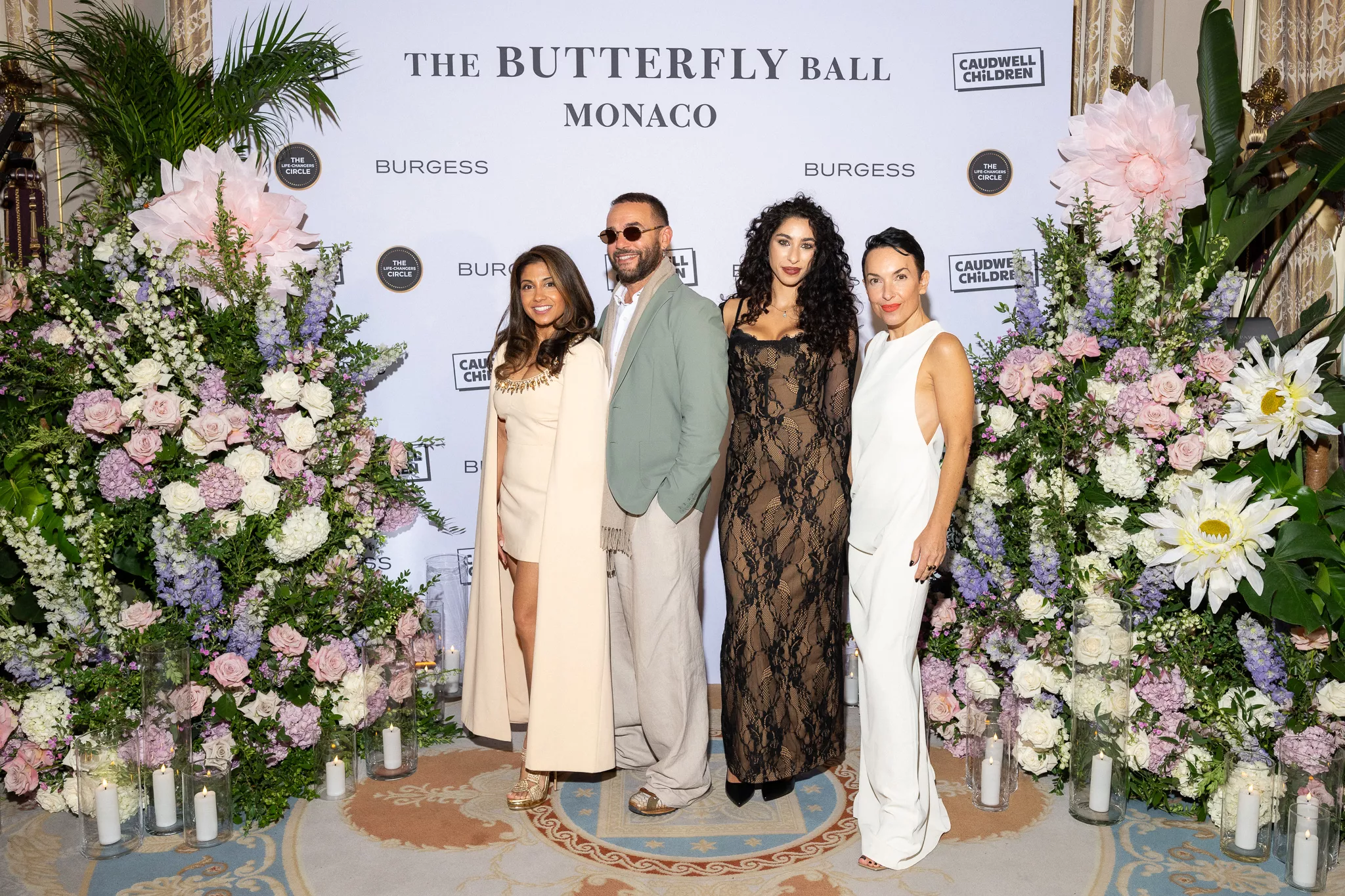
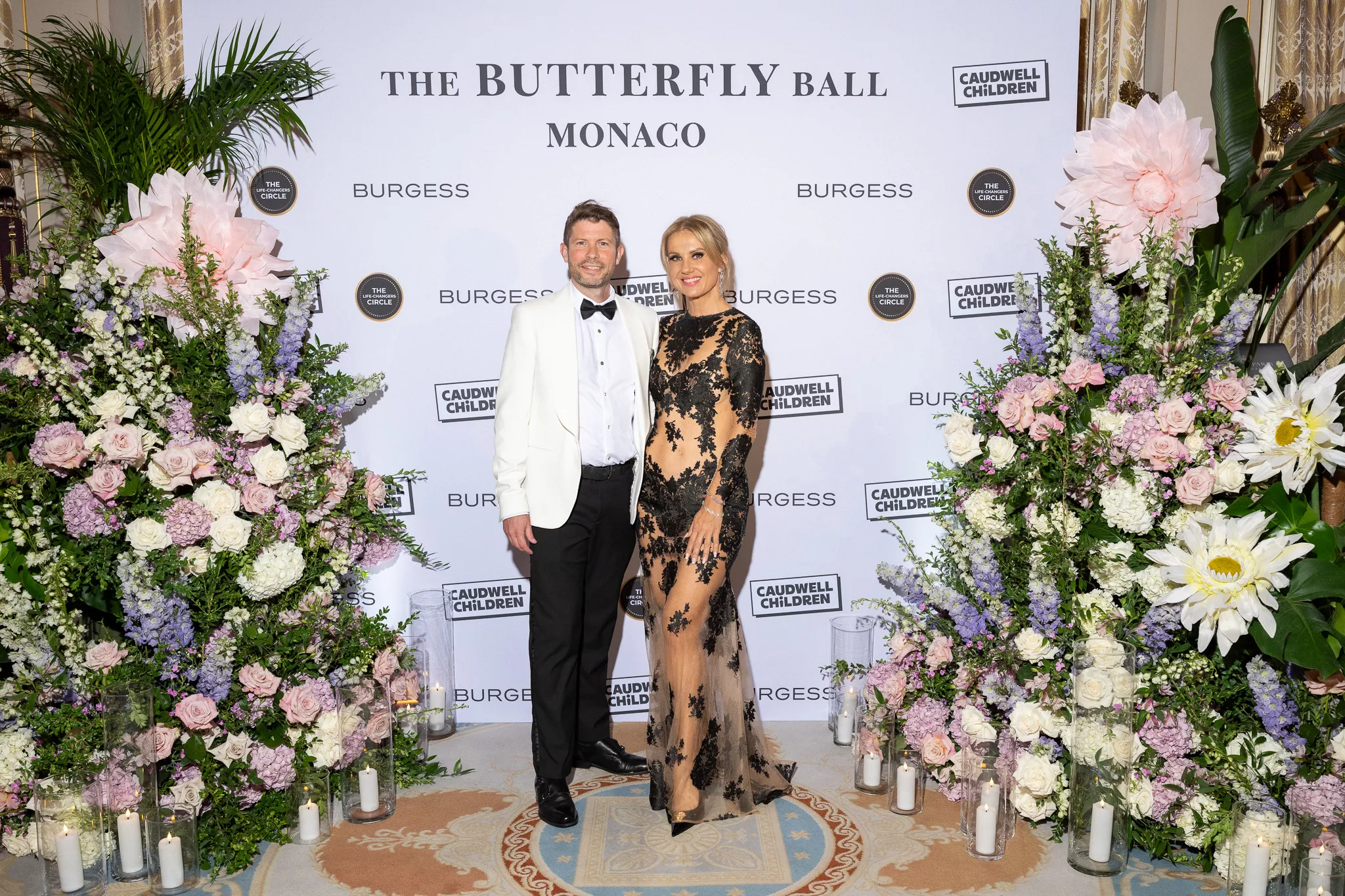
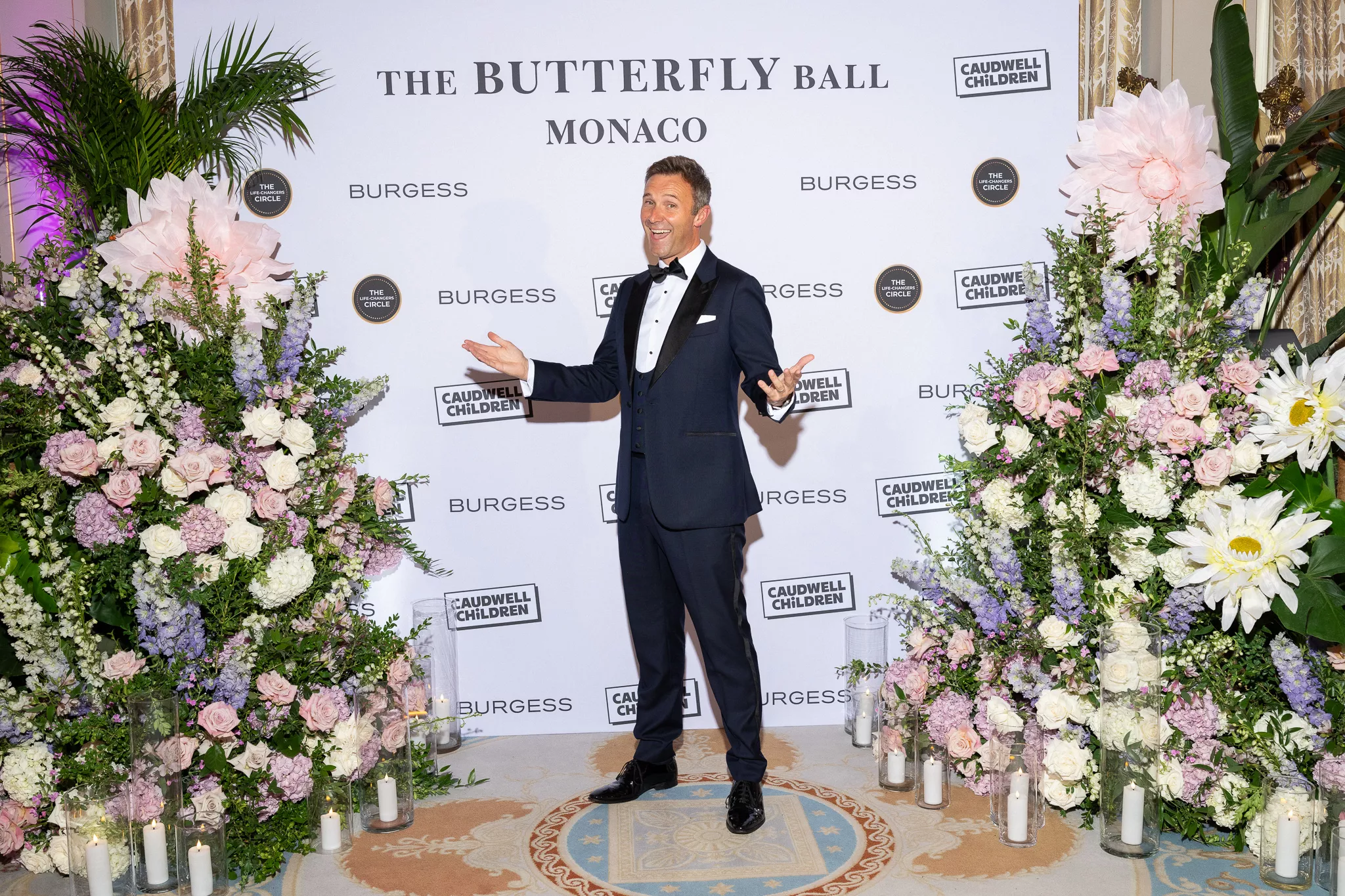
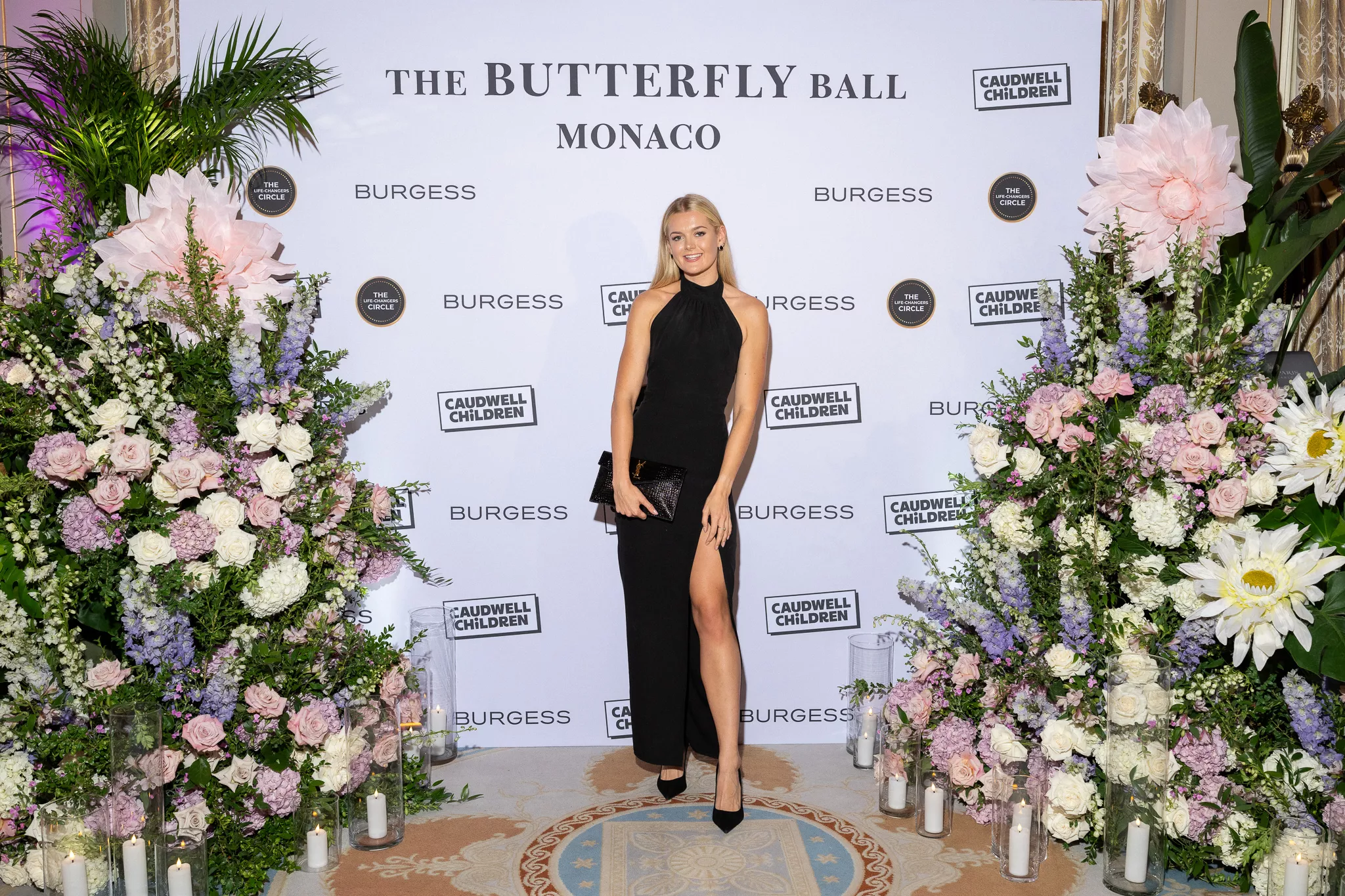
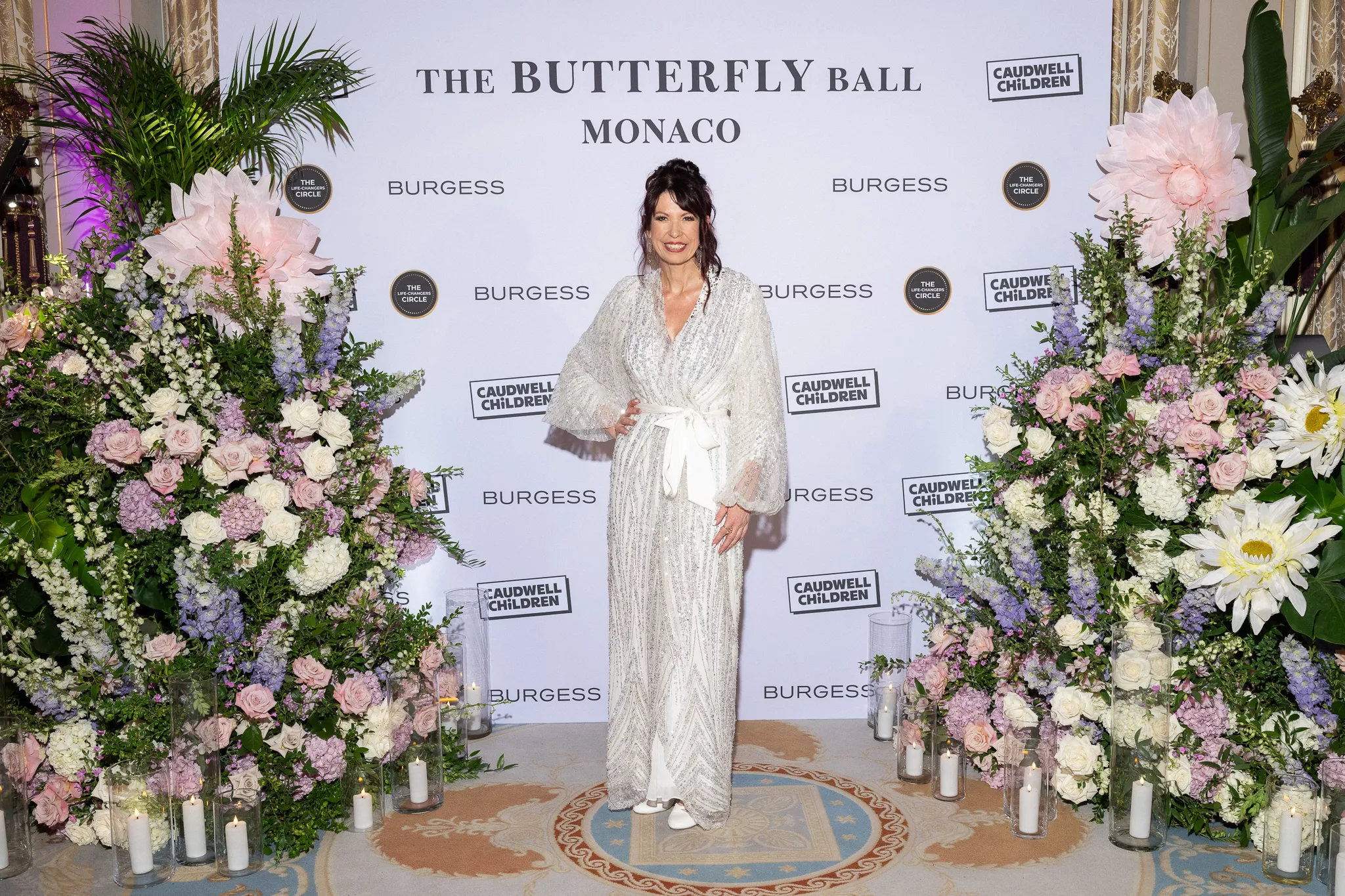
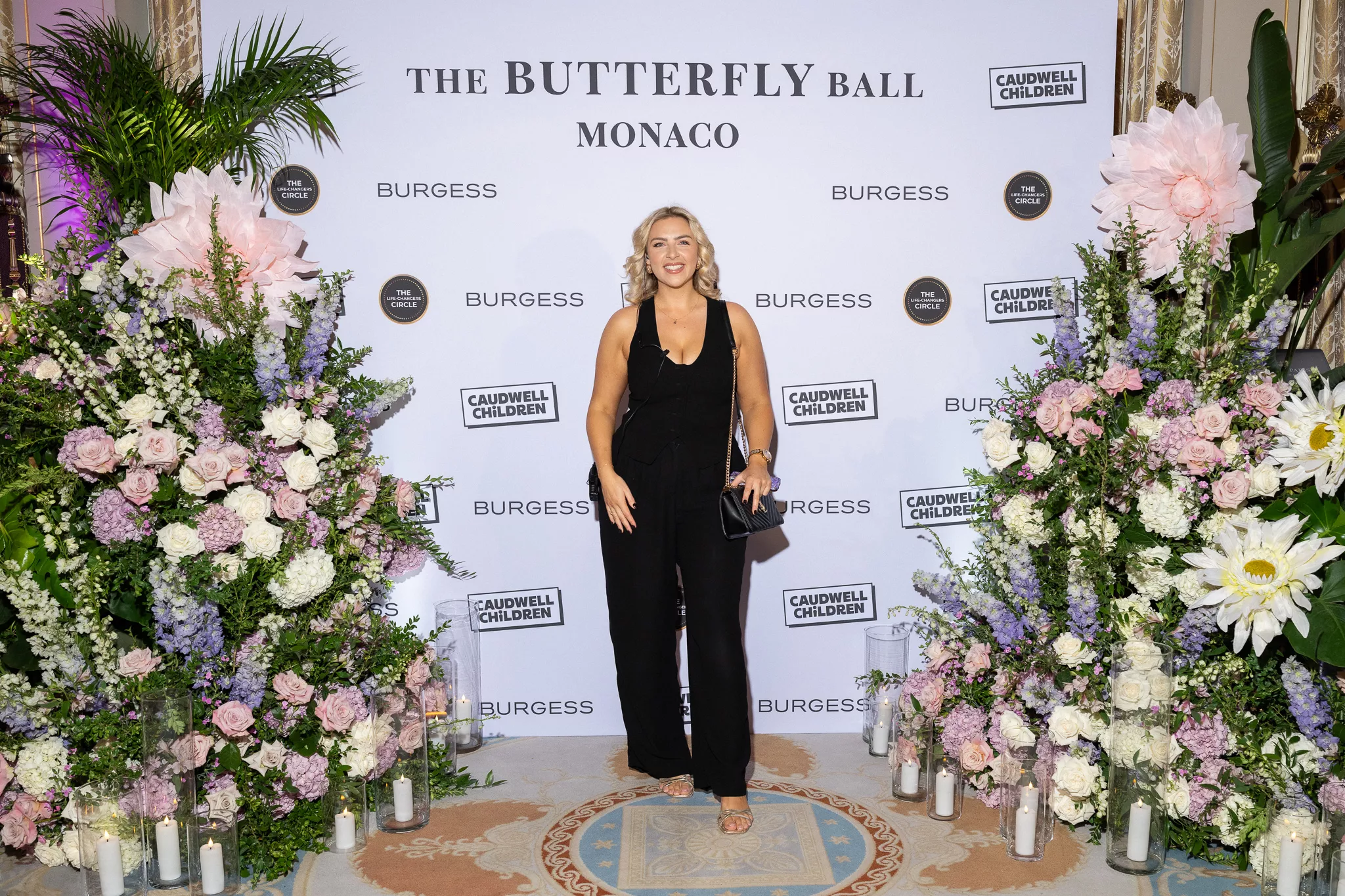
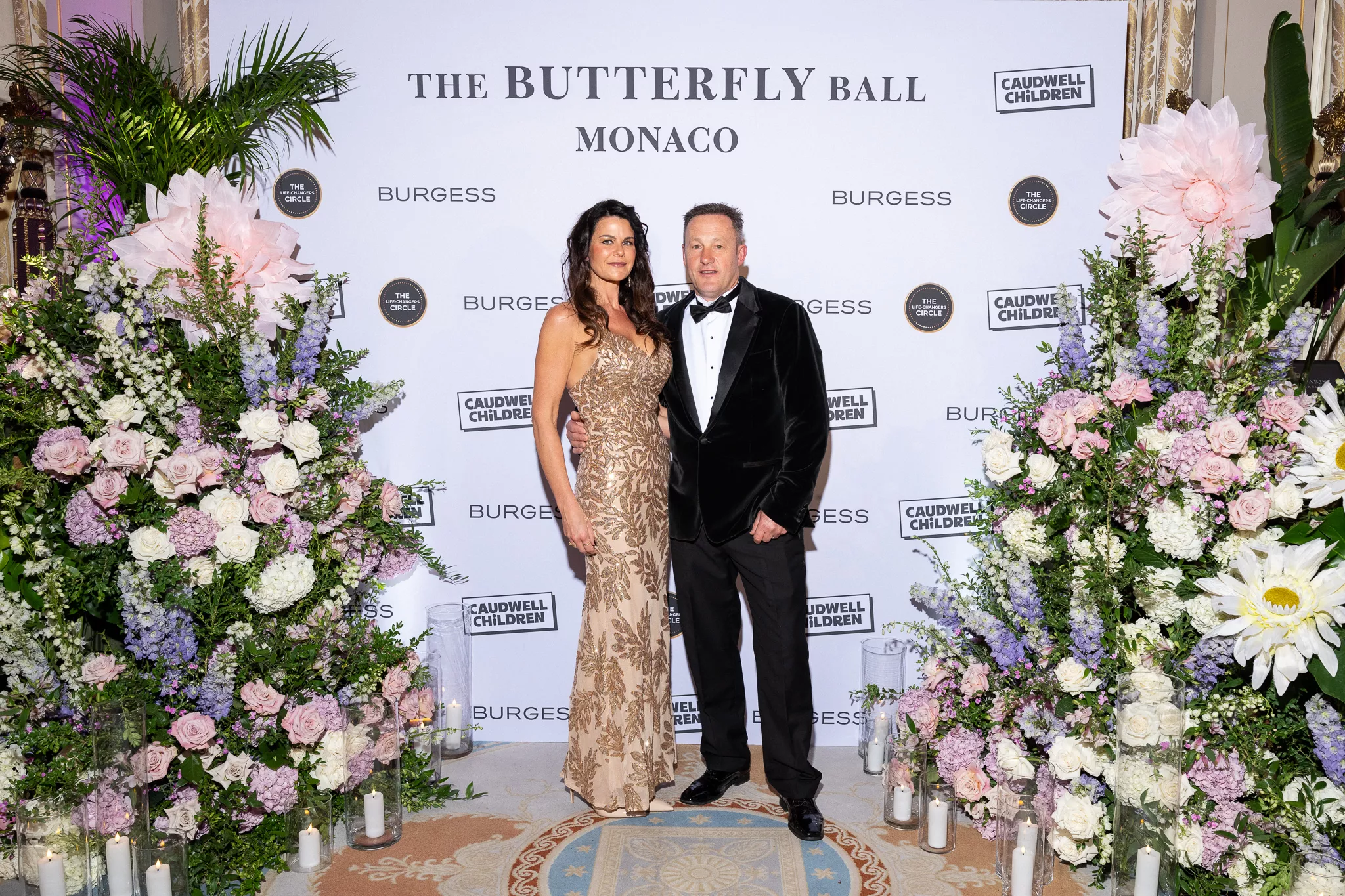
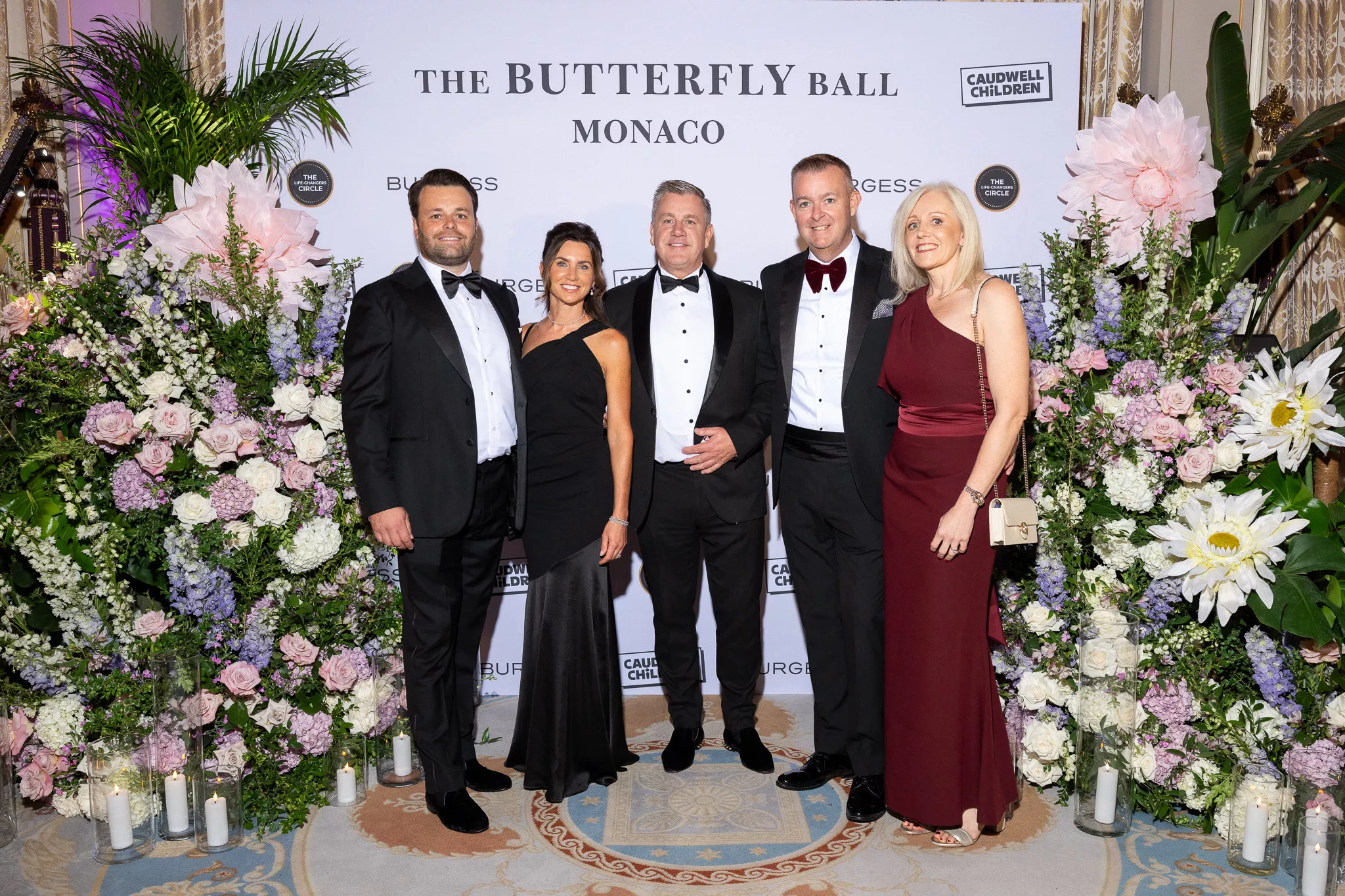
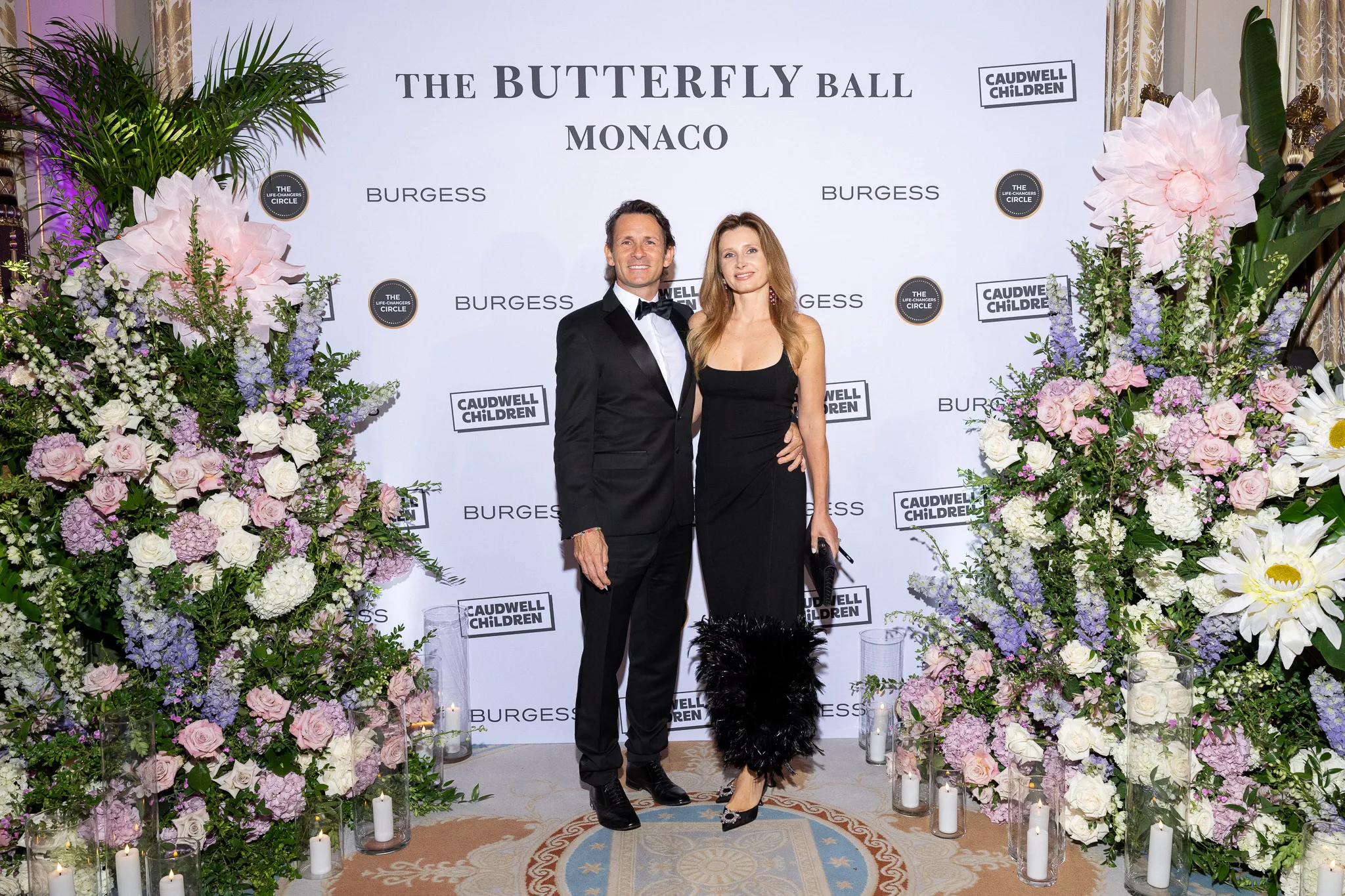
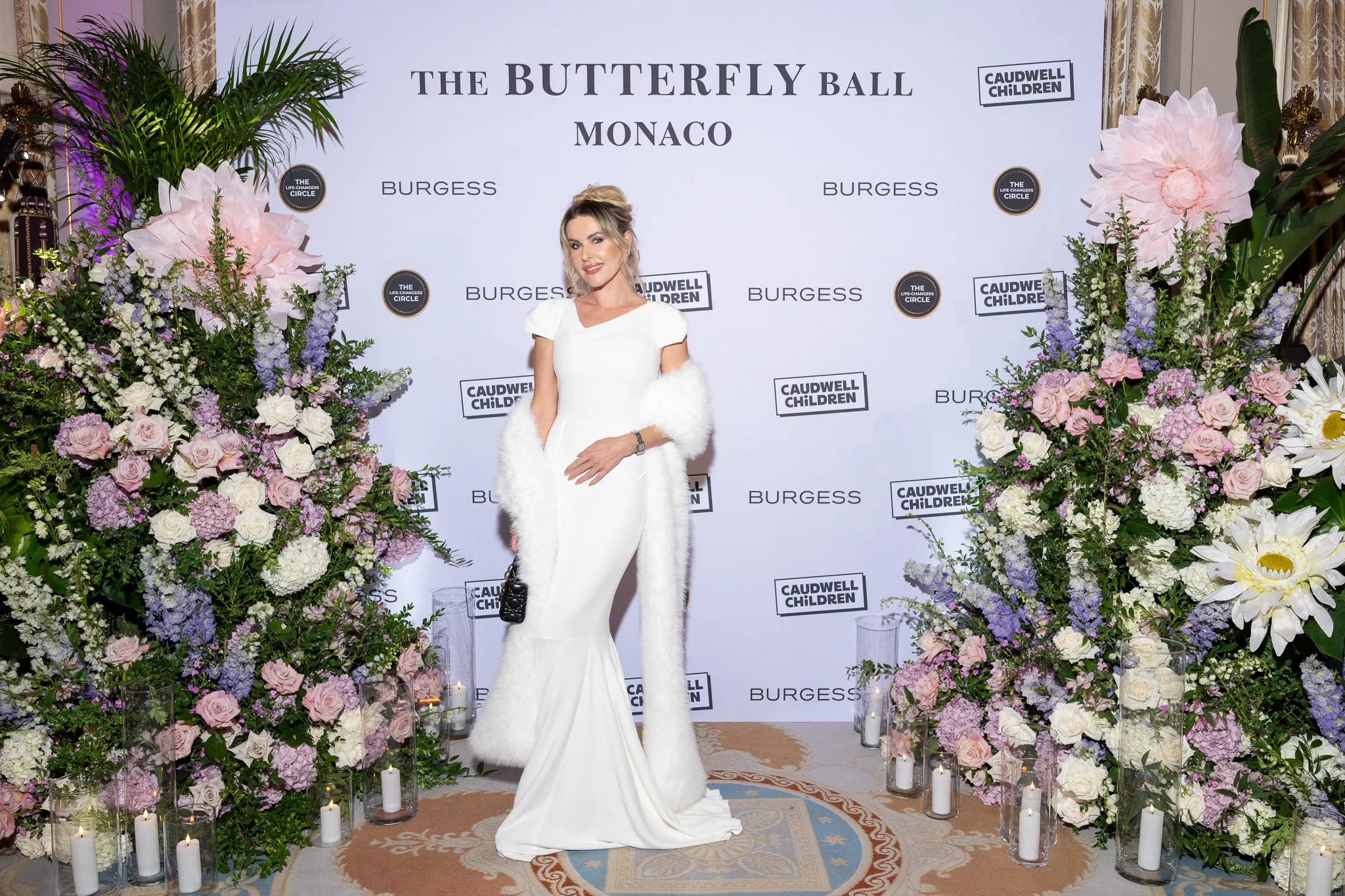
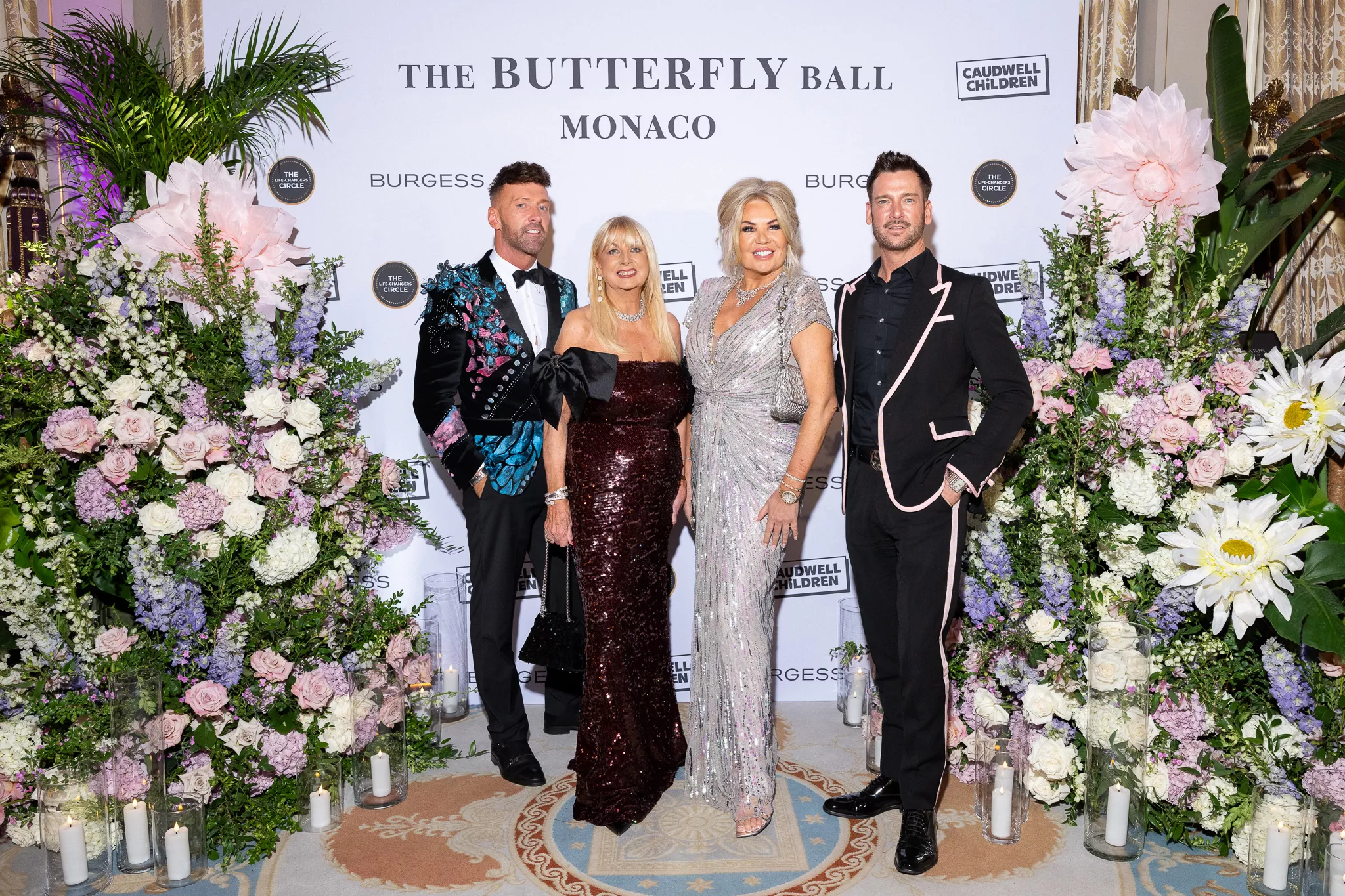
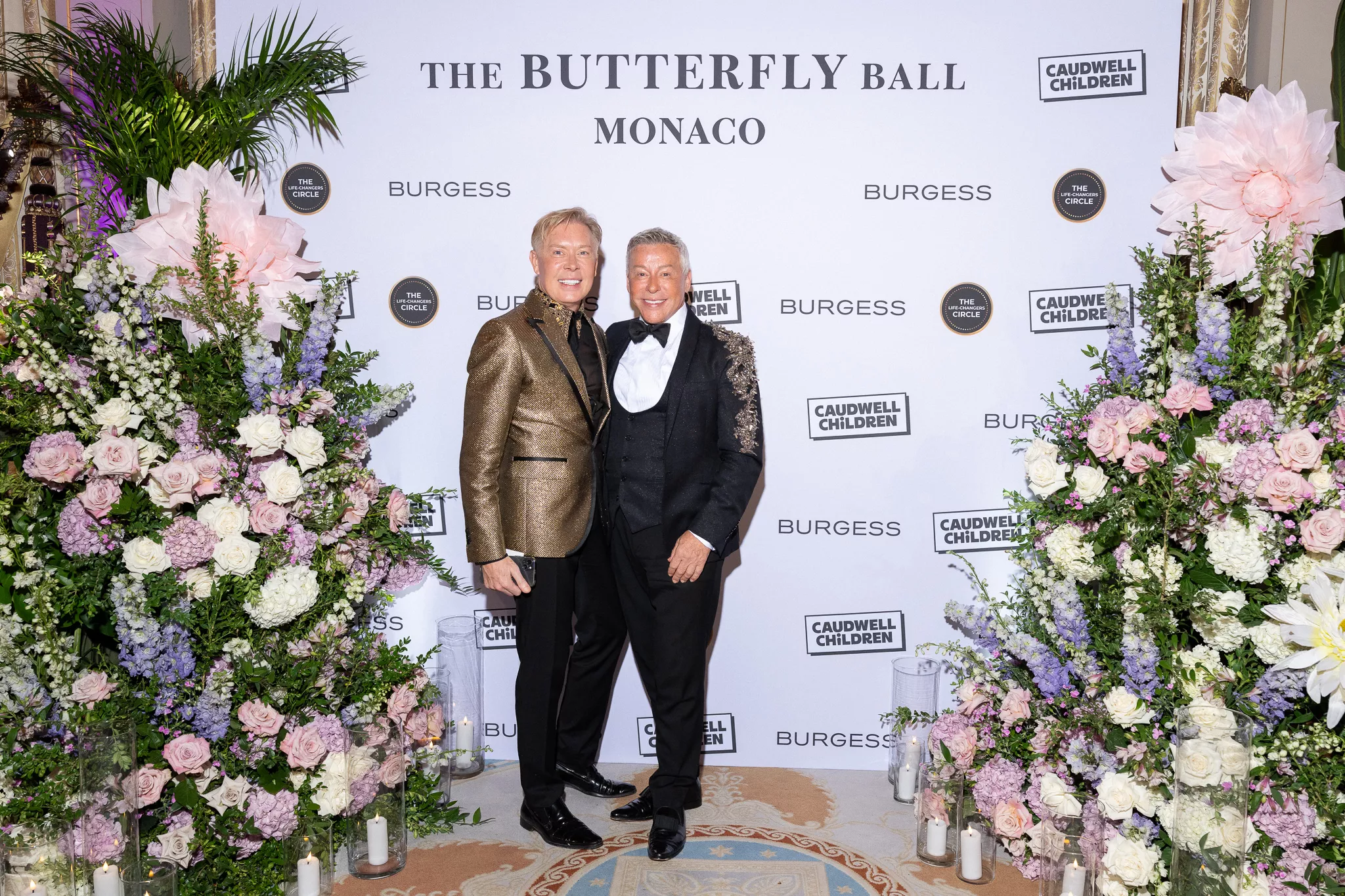
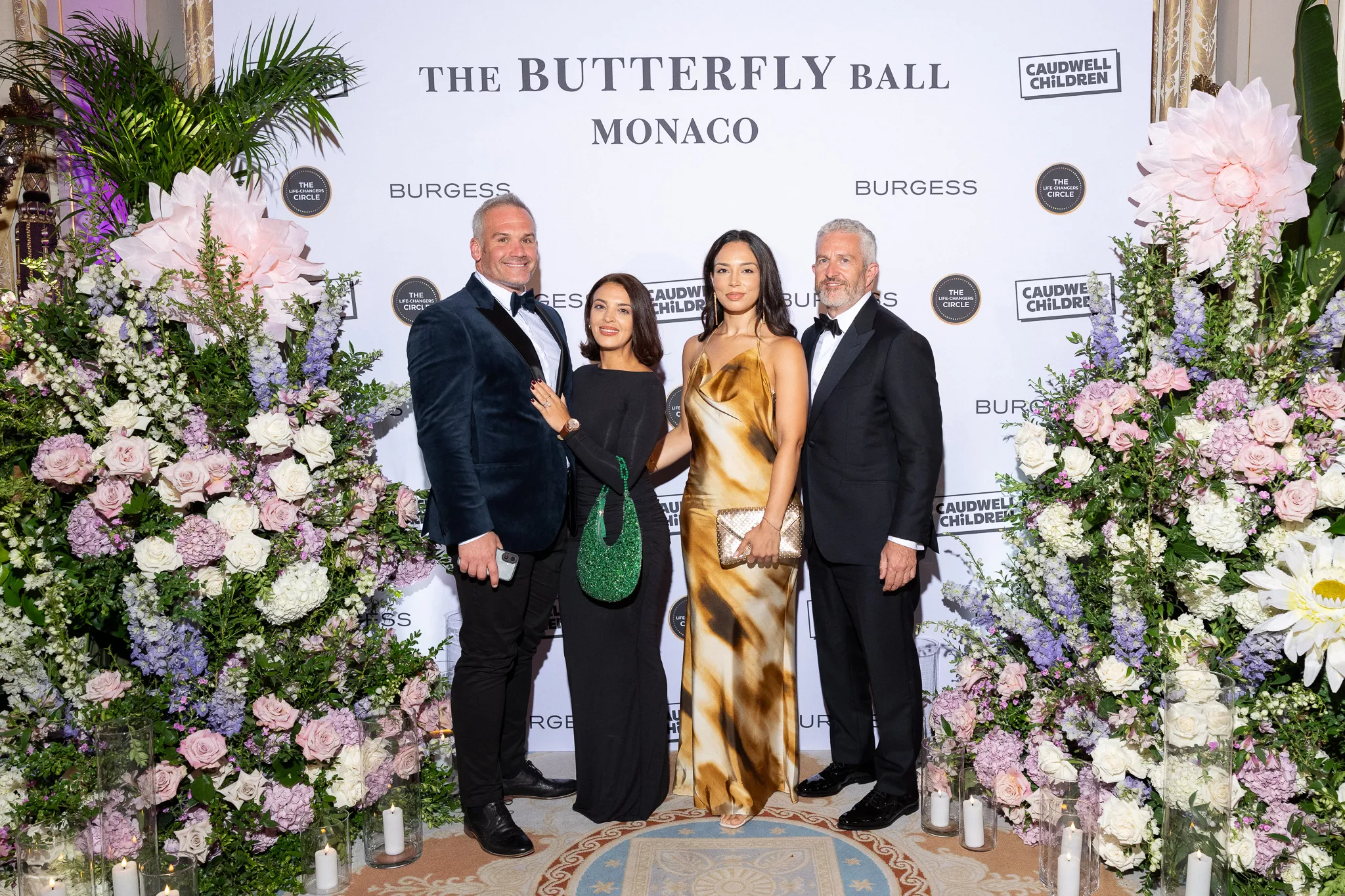
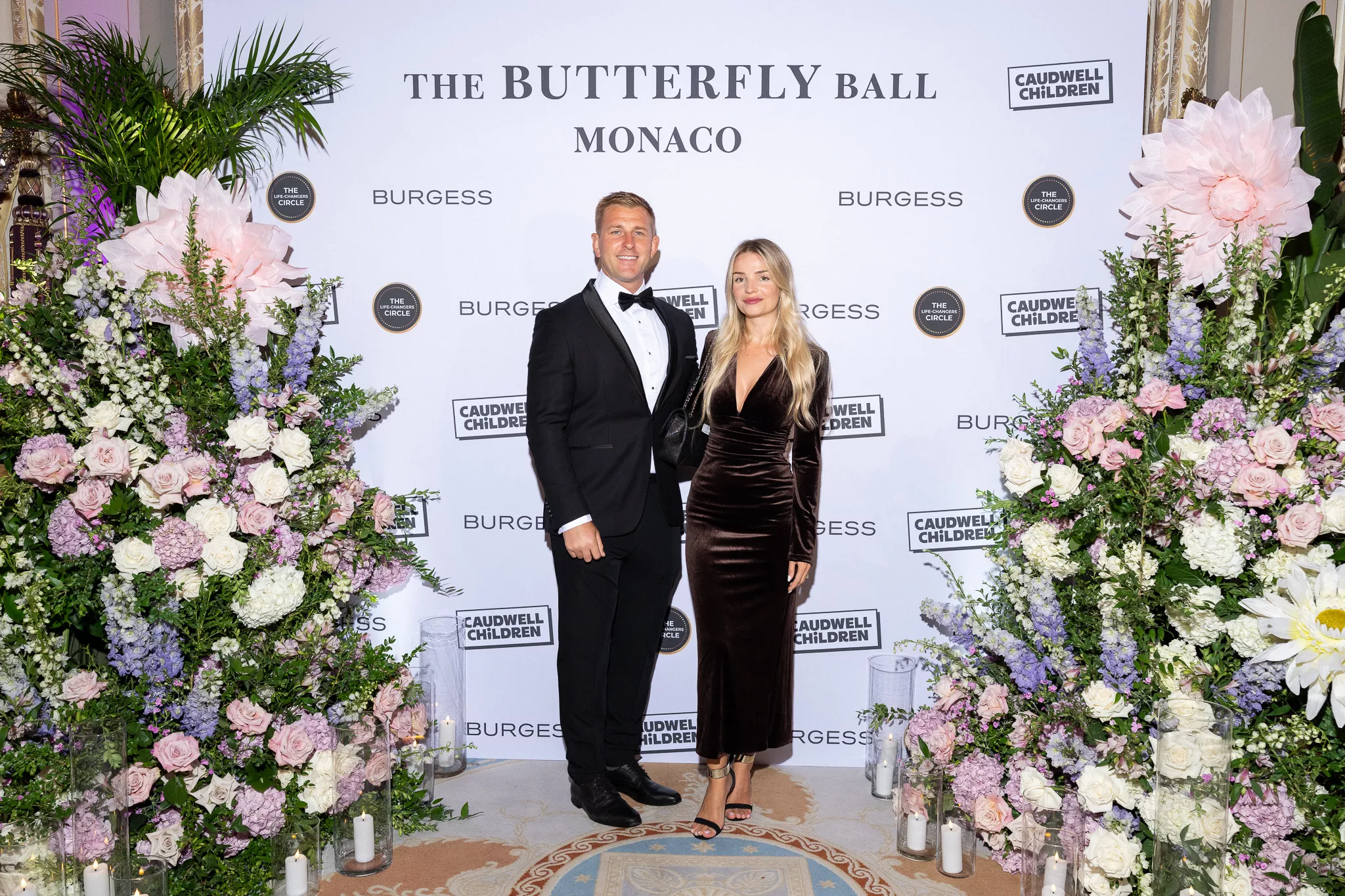
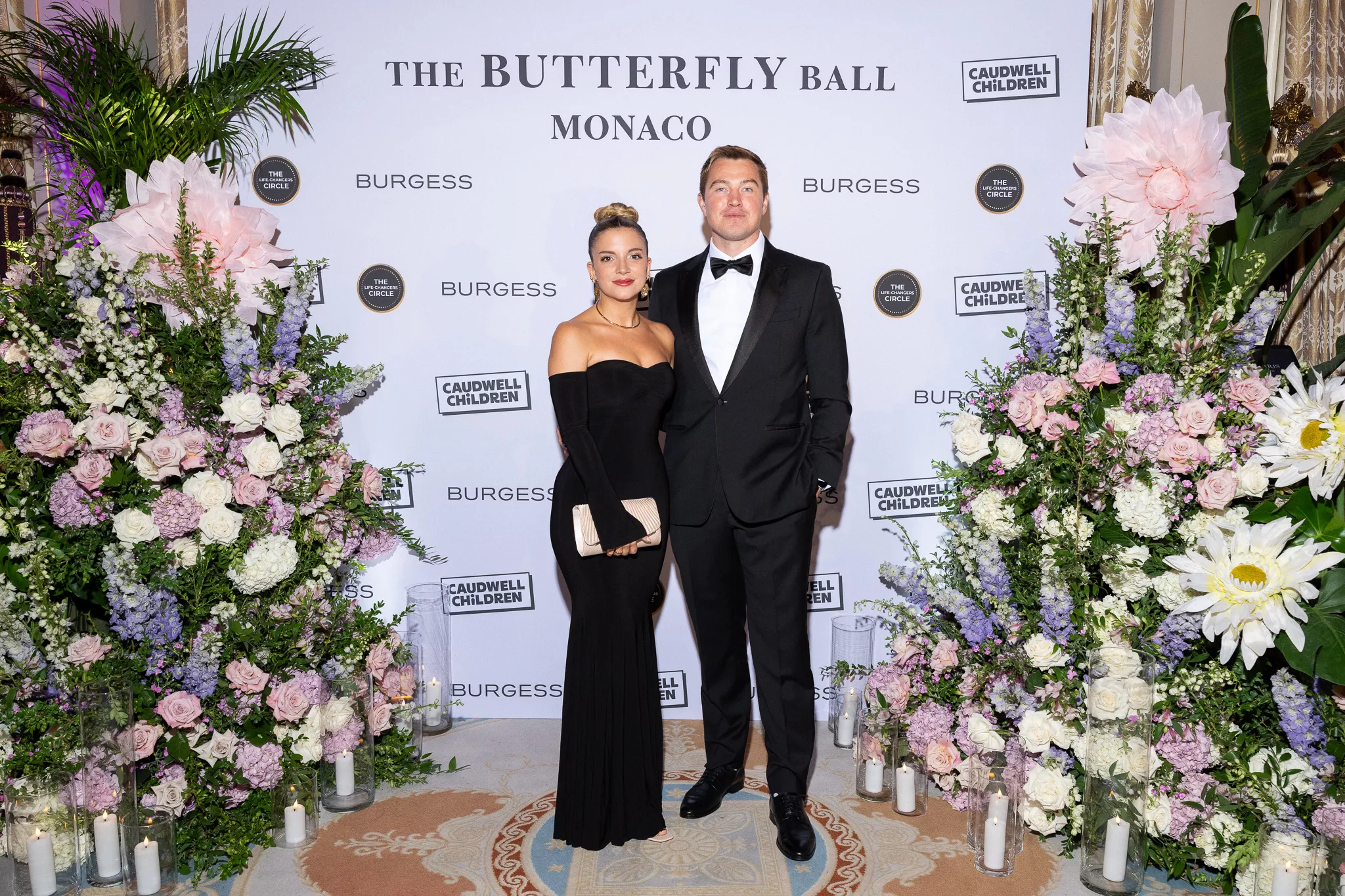
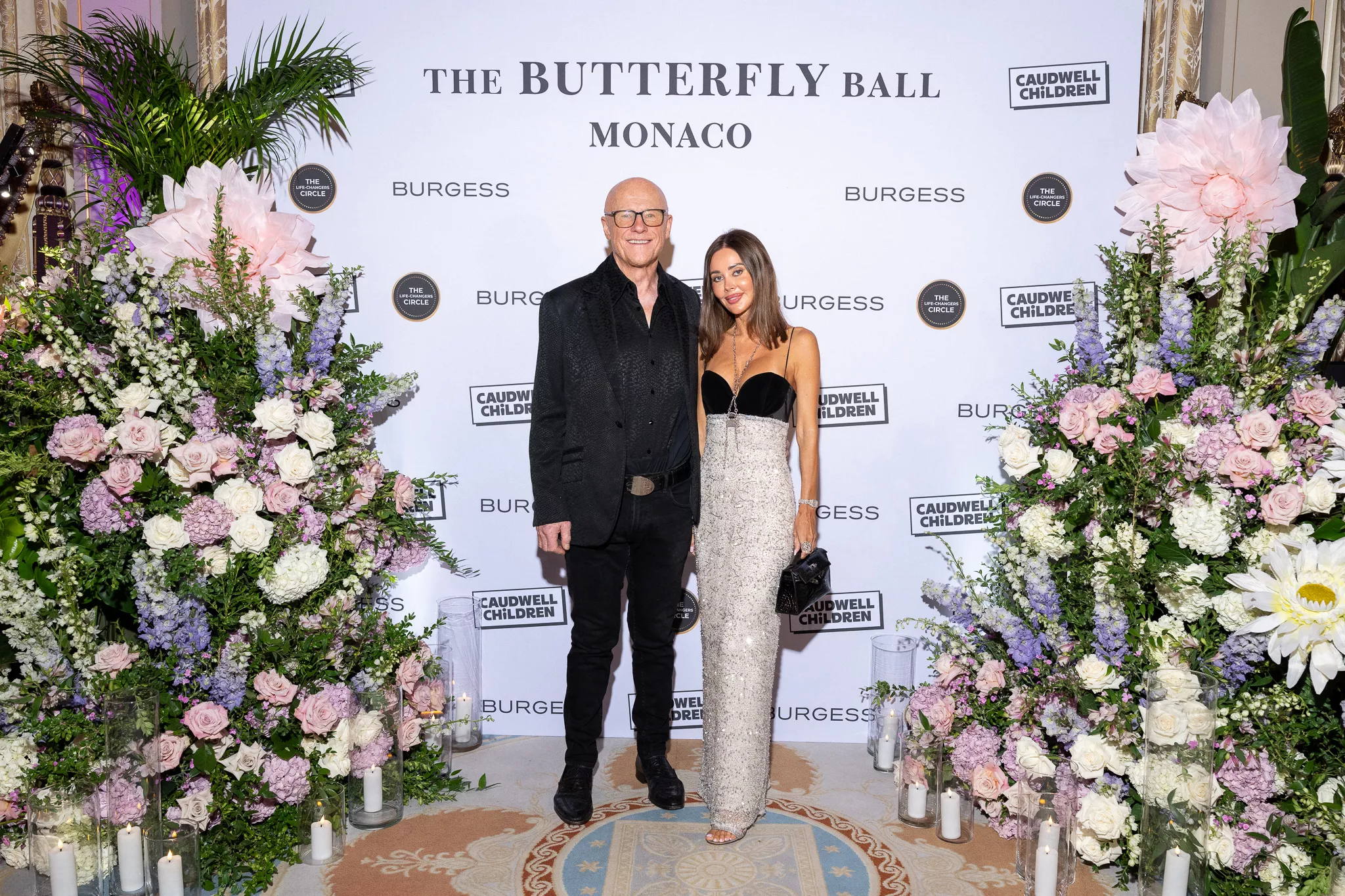
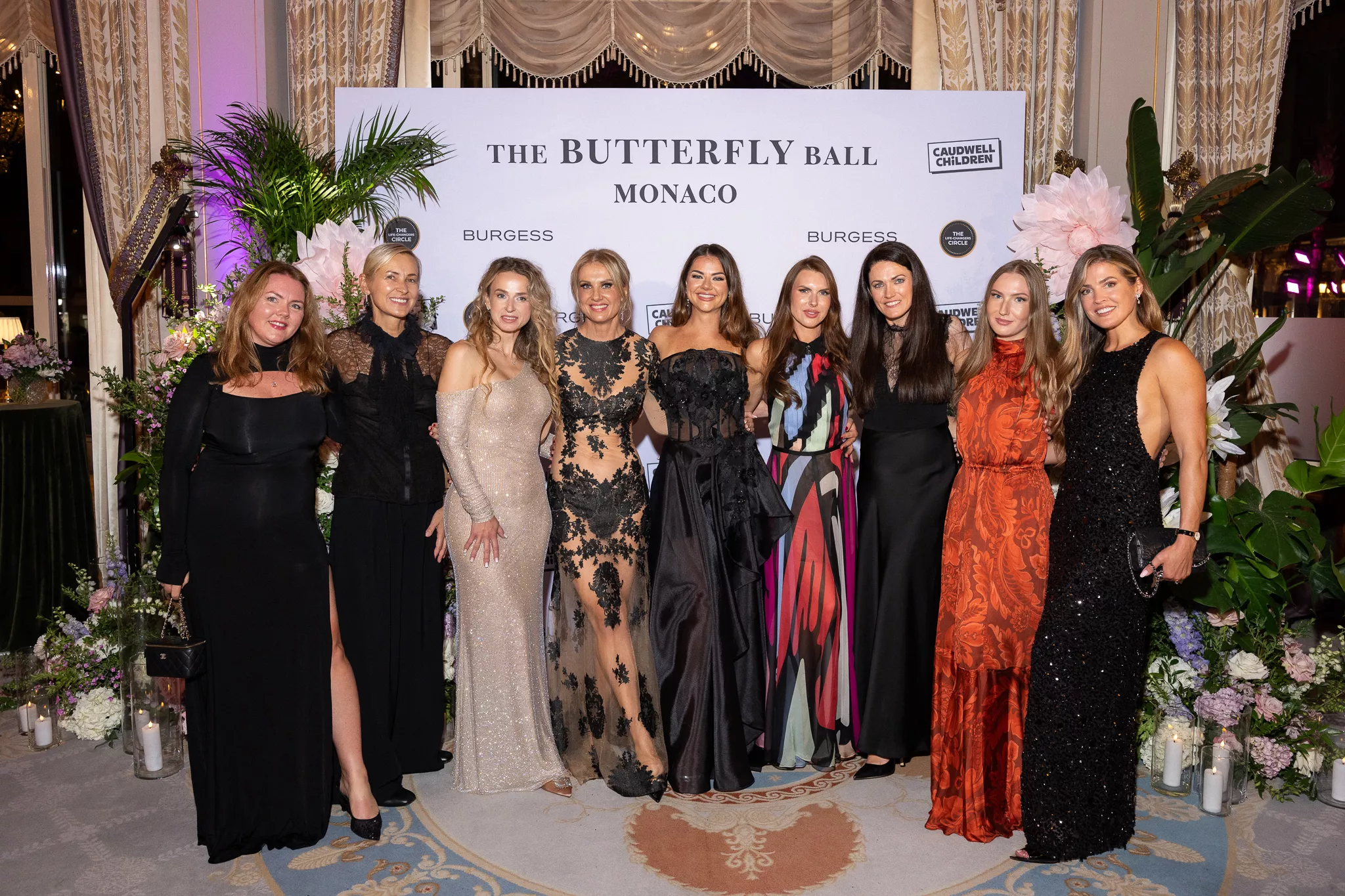
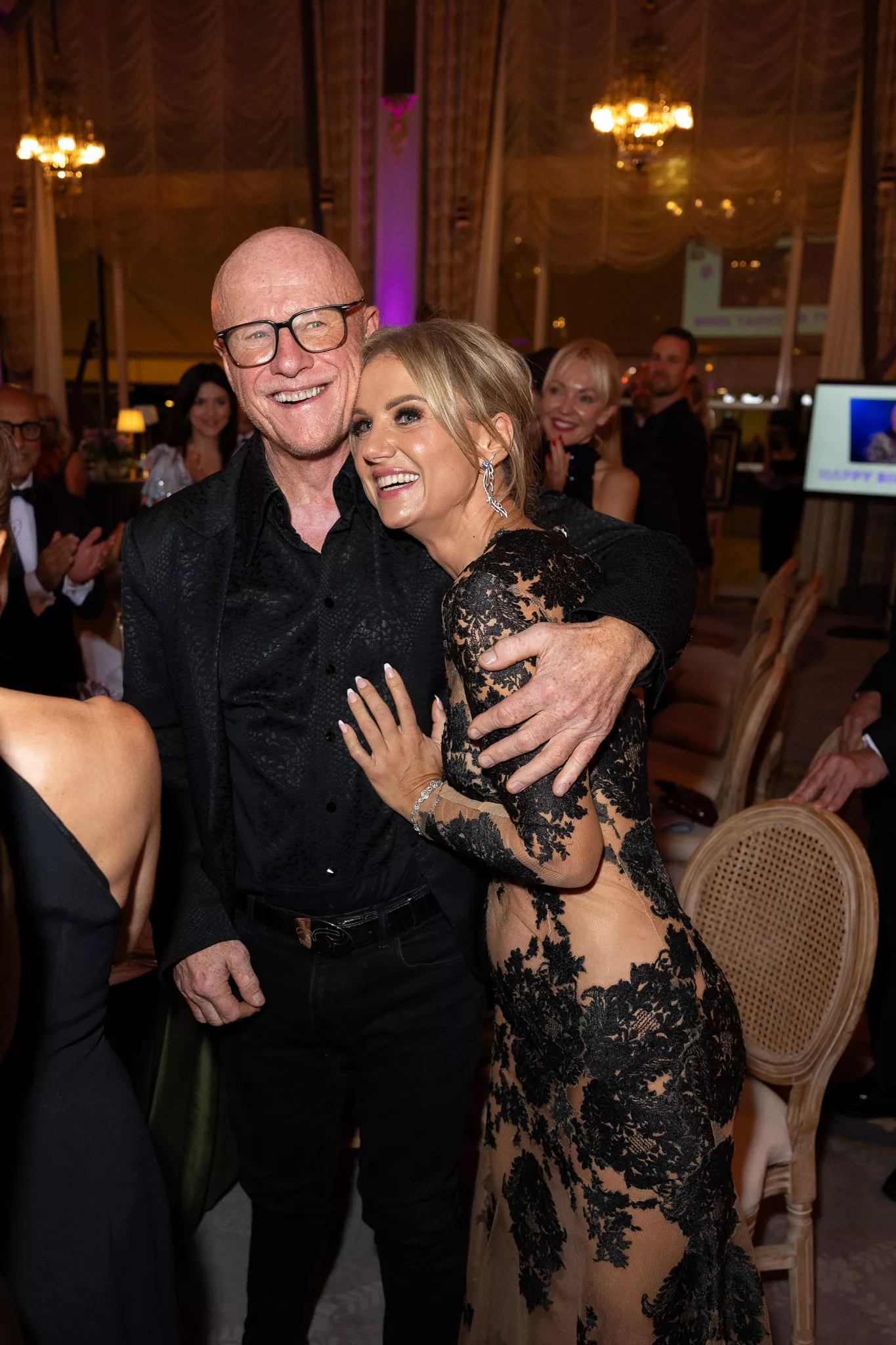
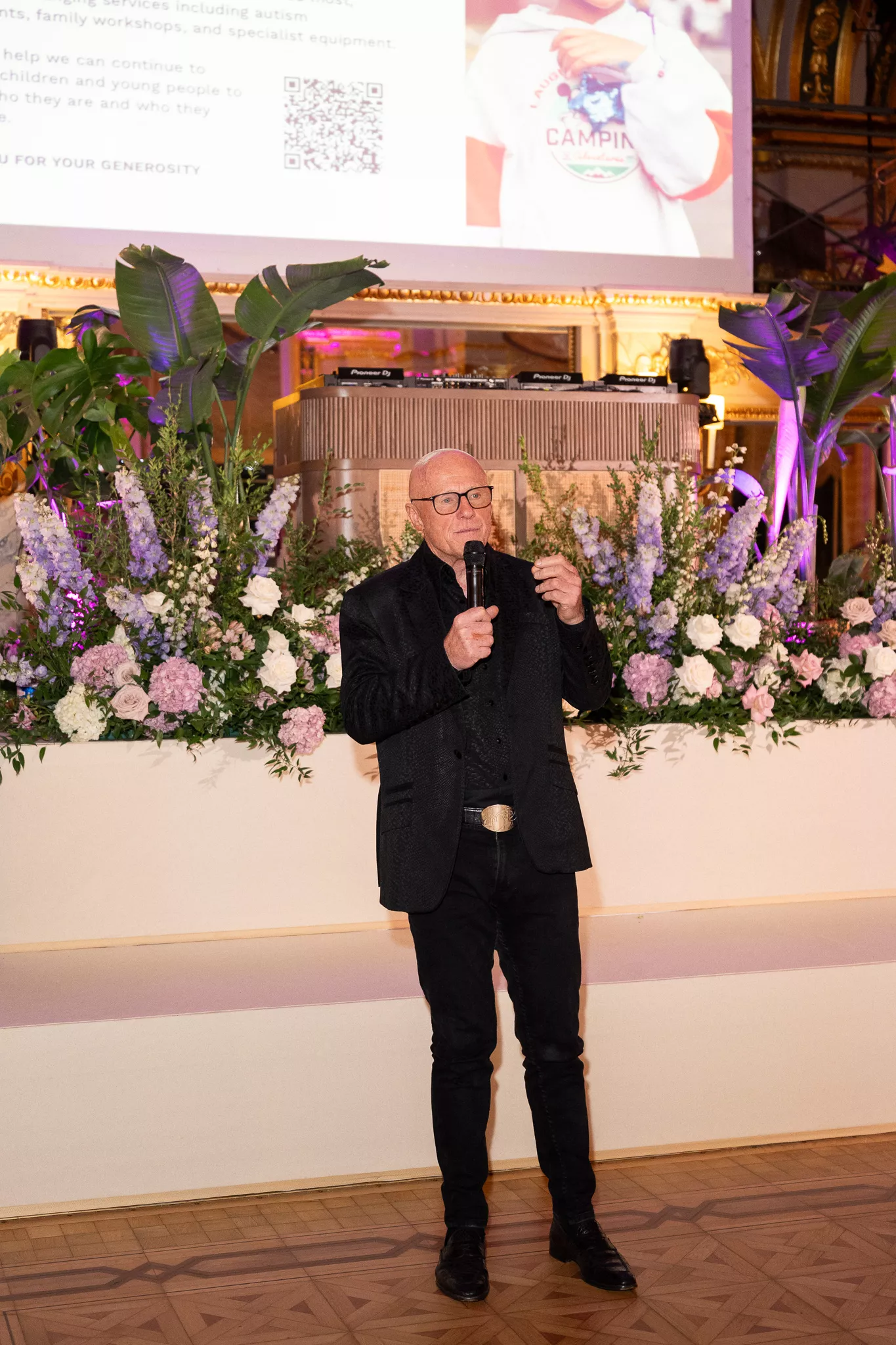
The Butterfly Ball returned to the Hôtel de Paris Monte-Carlo on Wednesday 7th October, raising €2.13 million for Caudwell Children, more than double last year’s total. Ahead of the gala, Monaco Life’s Cassandra Tanti spoke exclusively with billionaire philanthropist John Caudwell in his Monaco penthouse about the work behind the fundraising, his commitment to giving away 70% of his fortune, and why he believes the world’s wealthiest people could do considerably more.
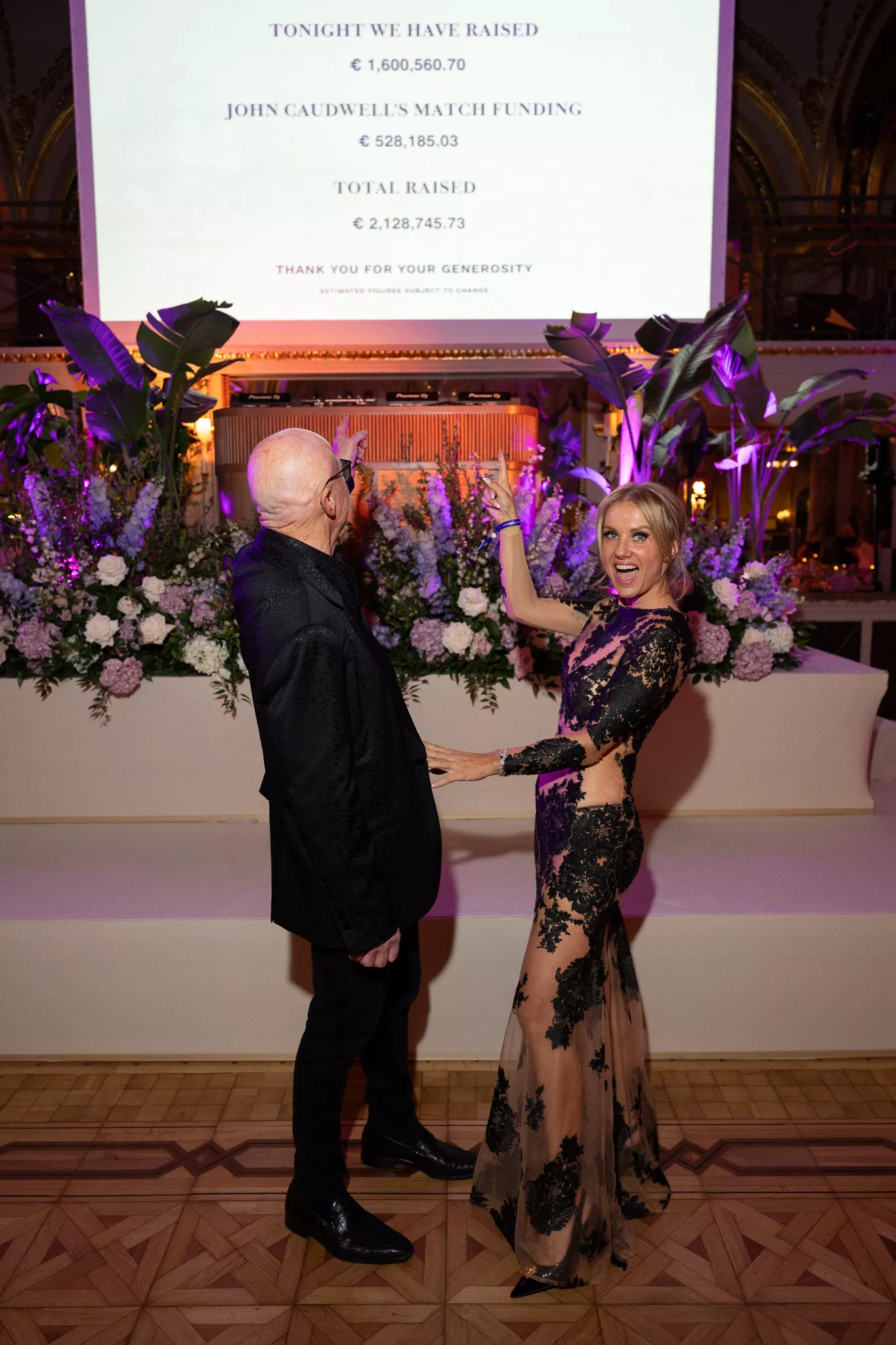
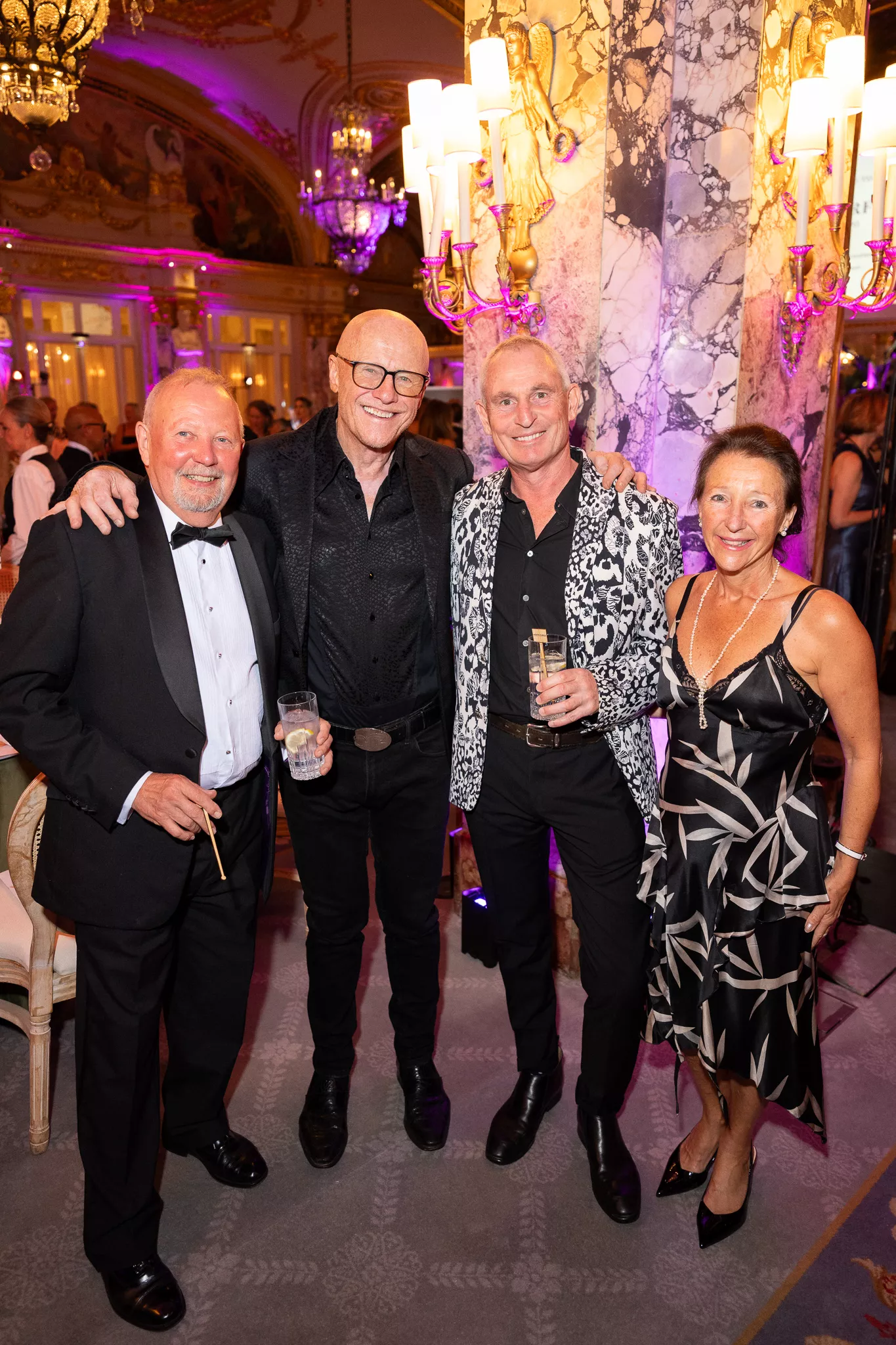
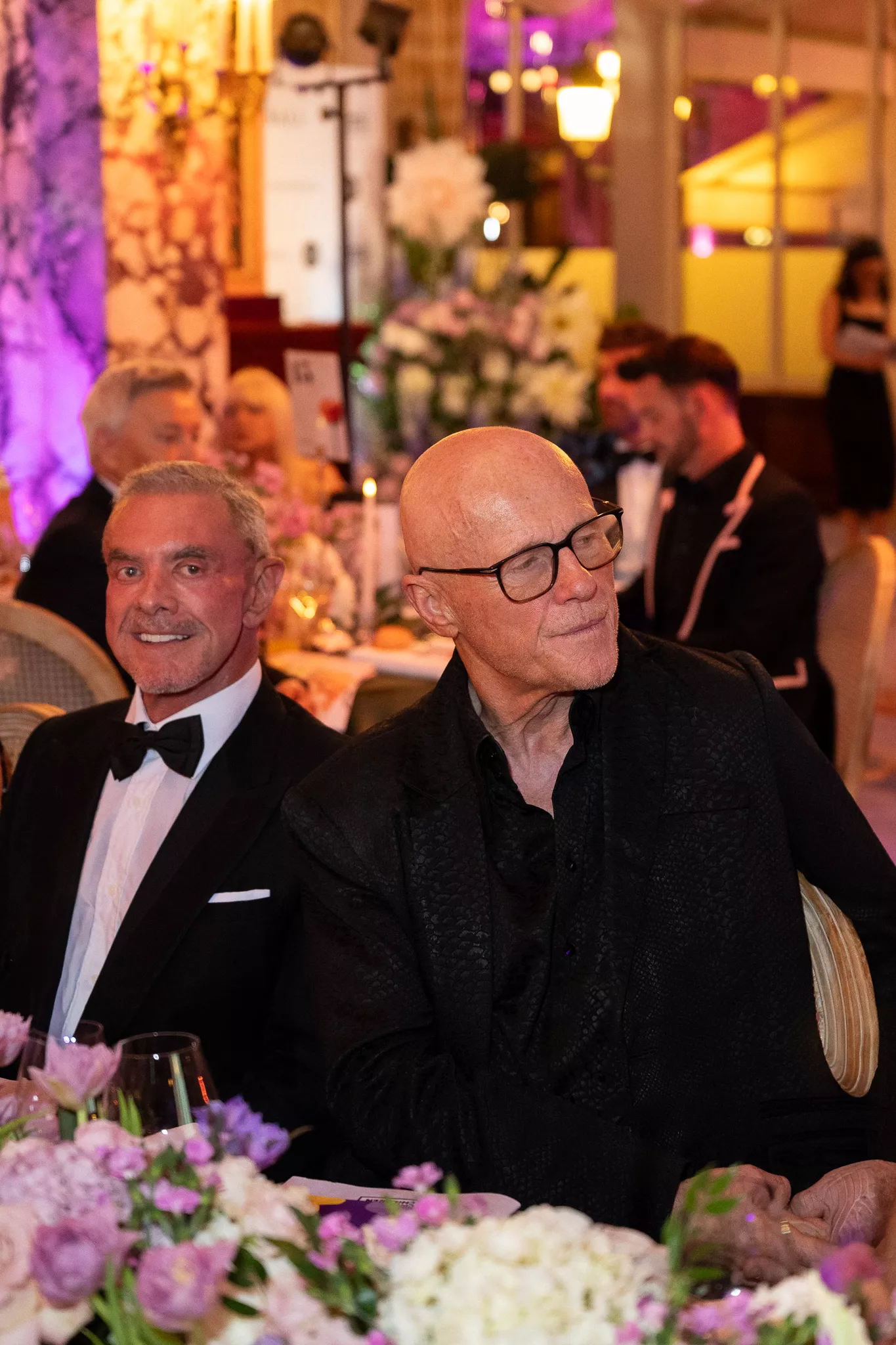
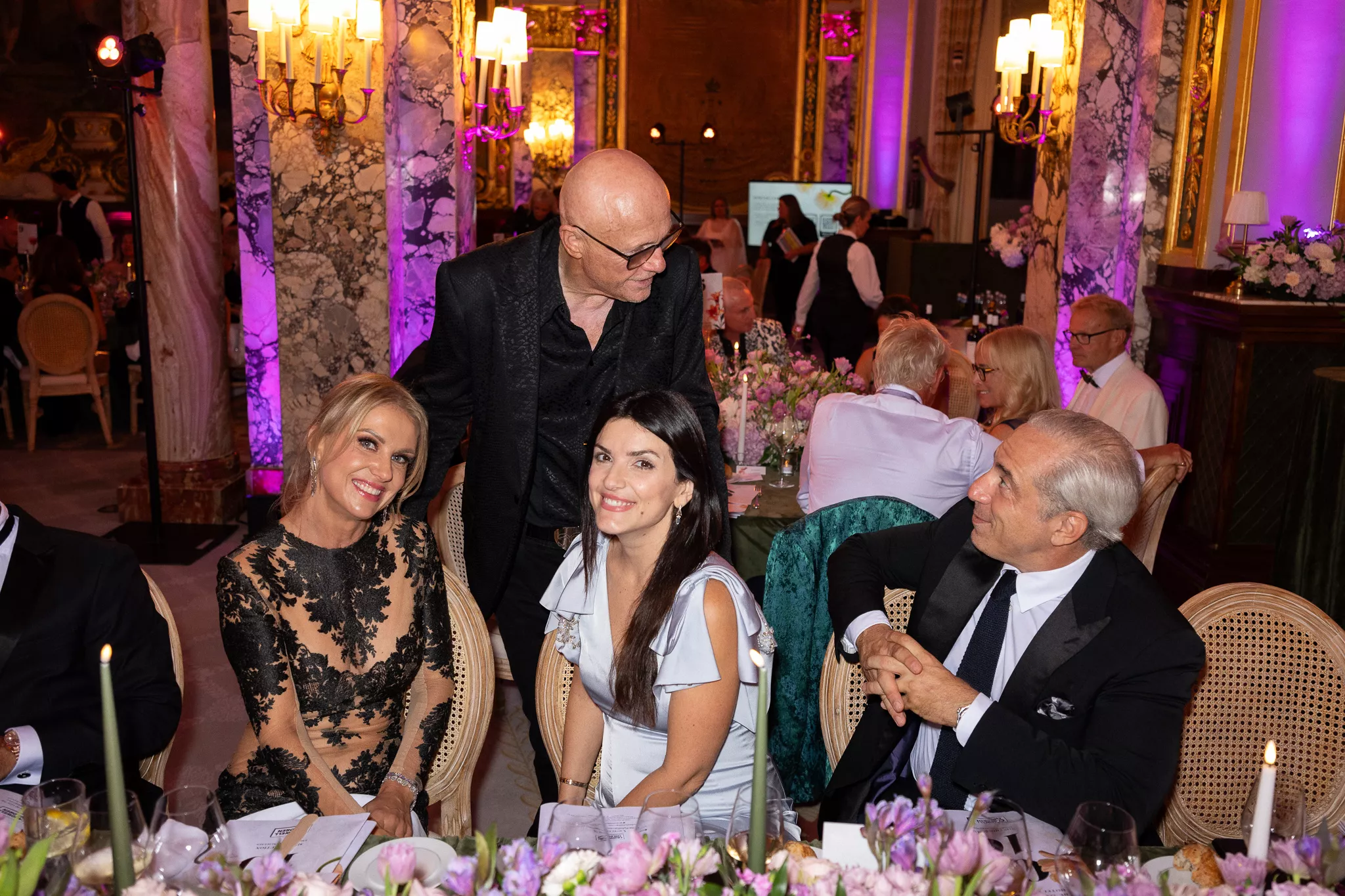
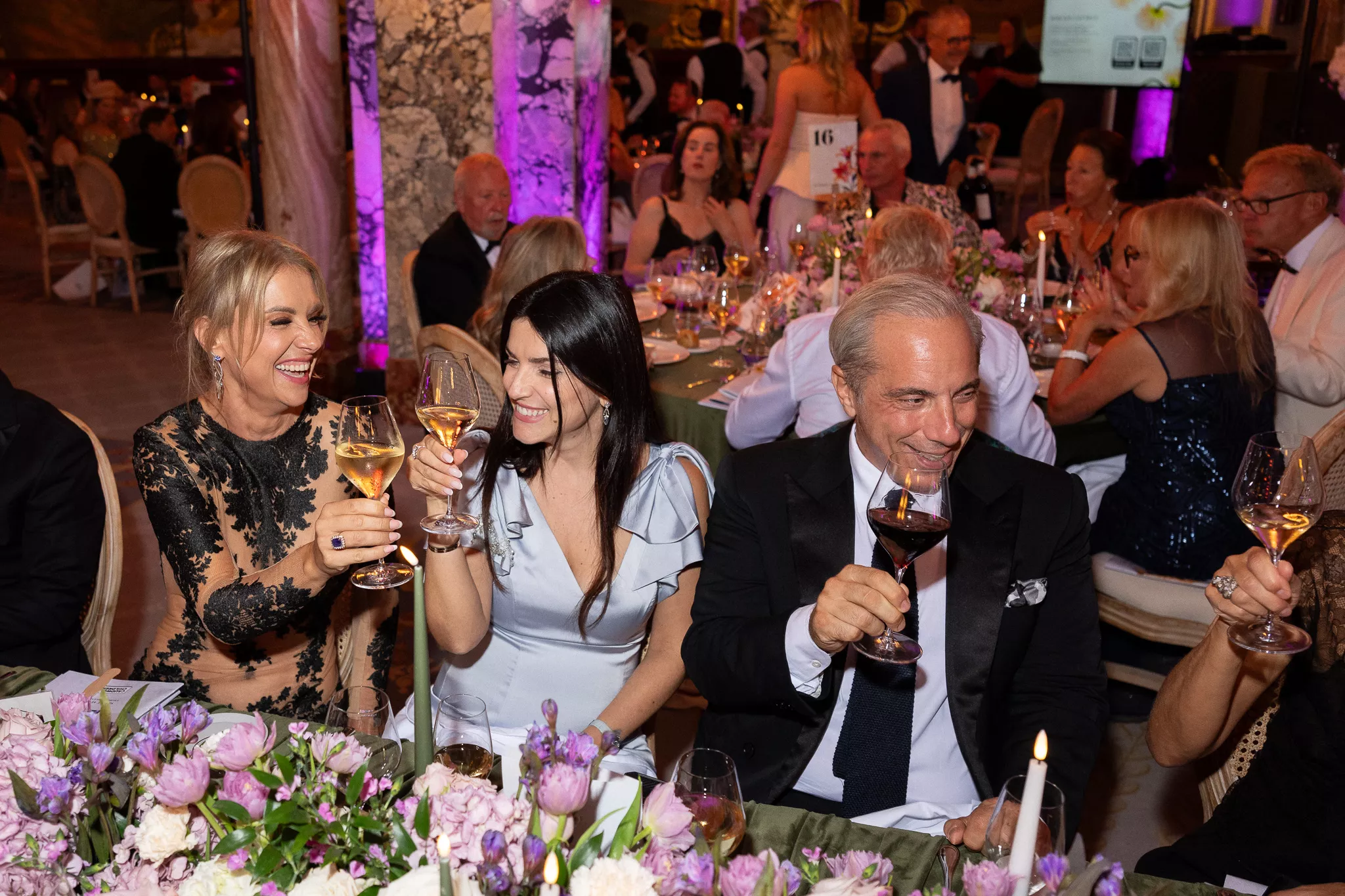
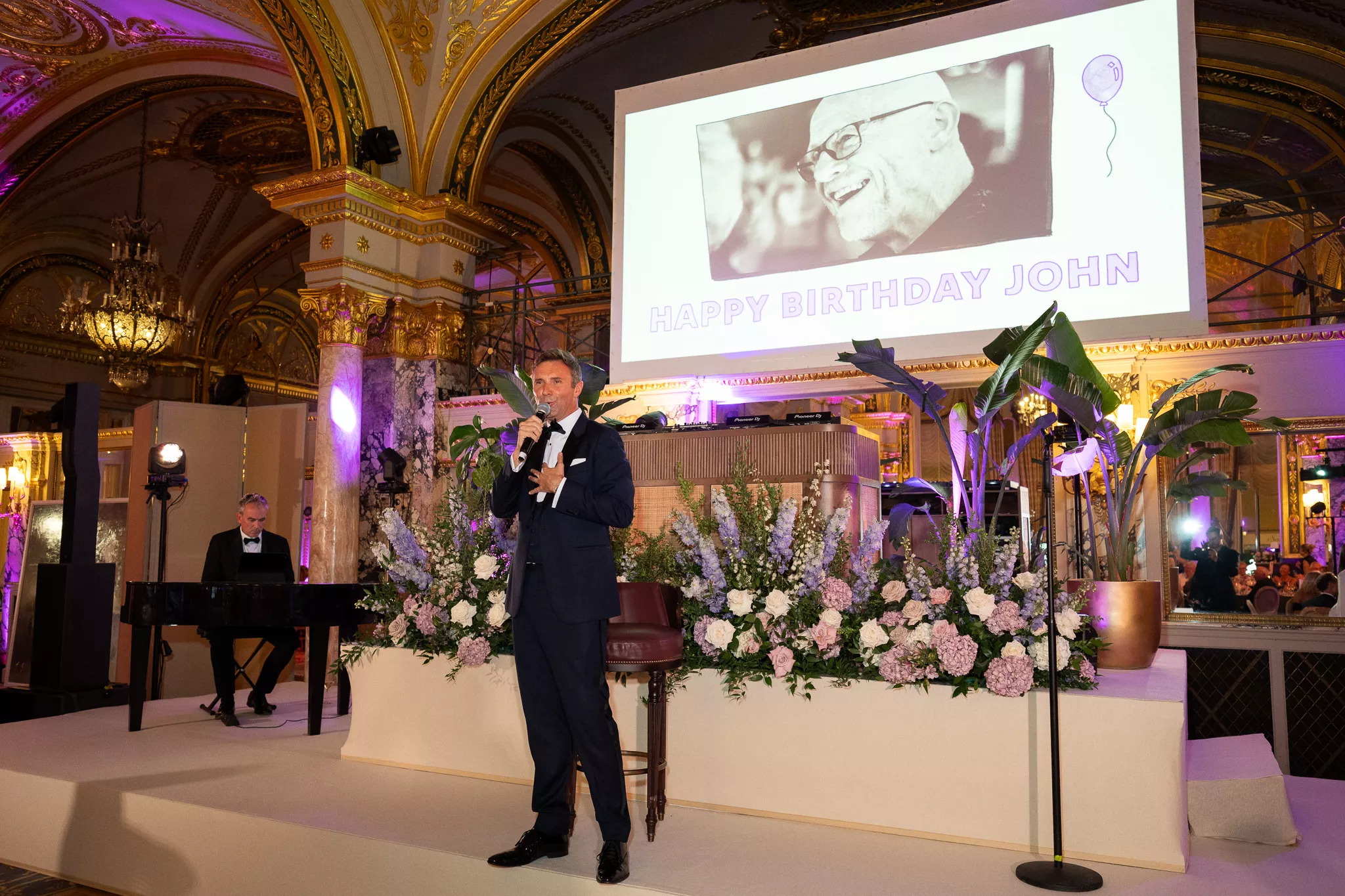
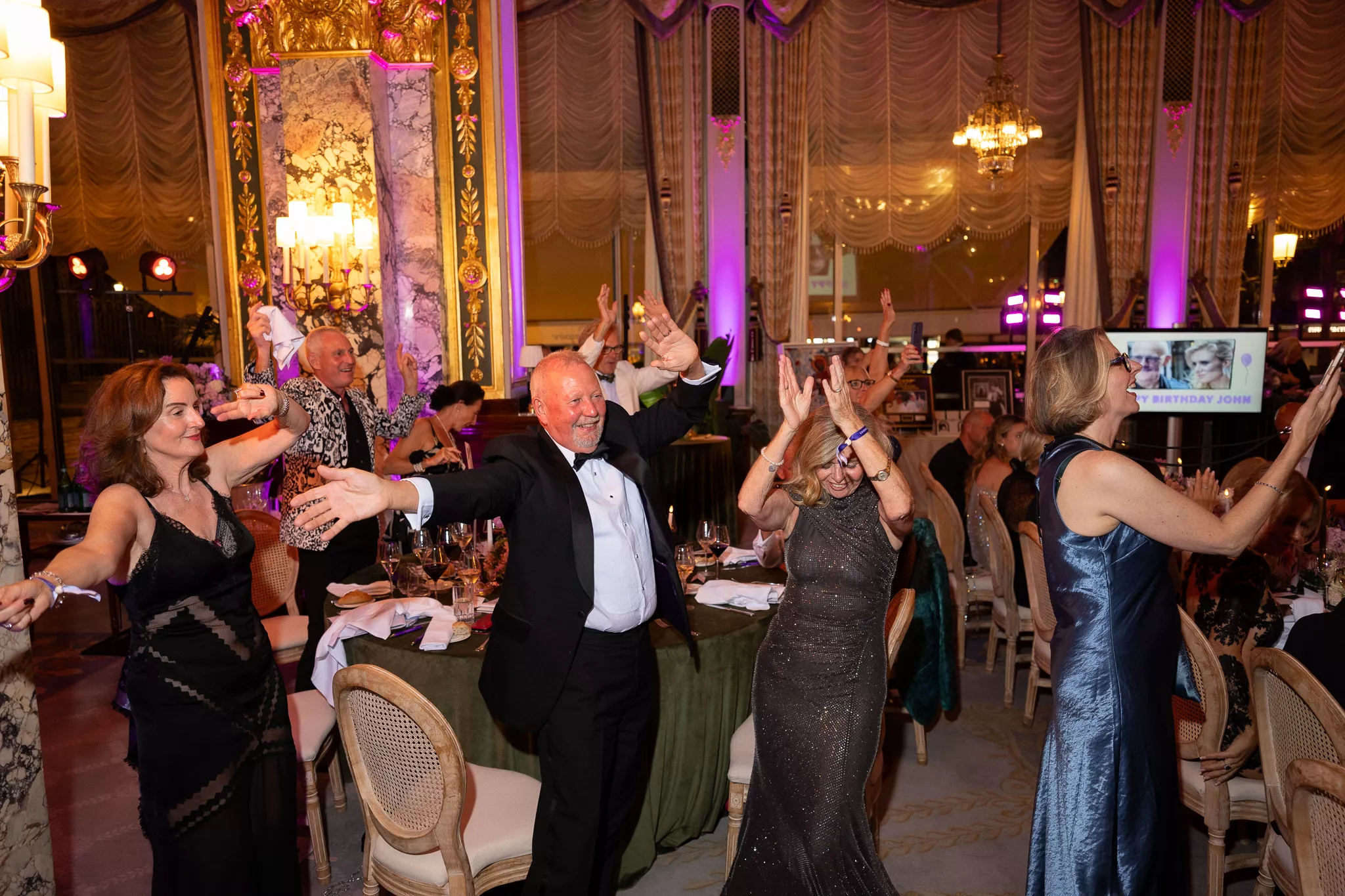
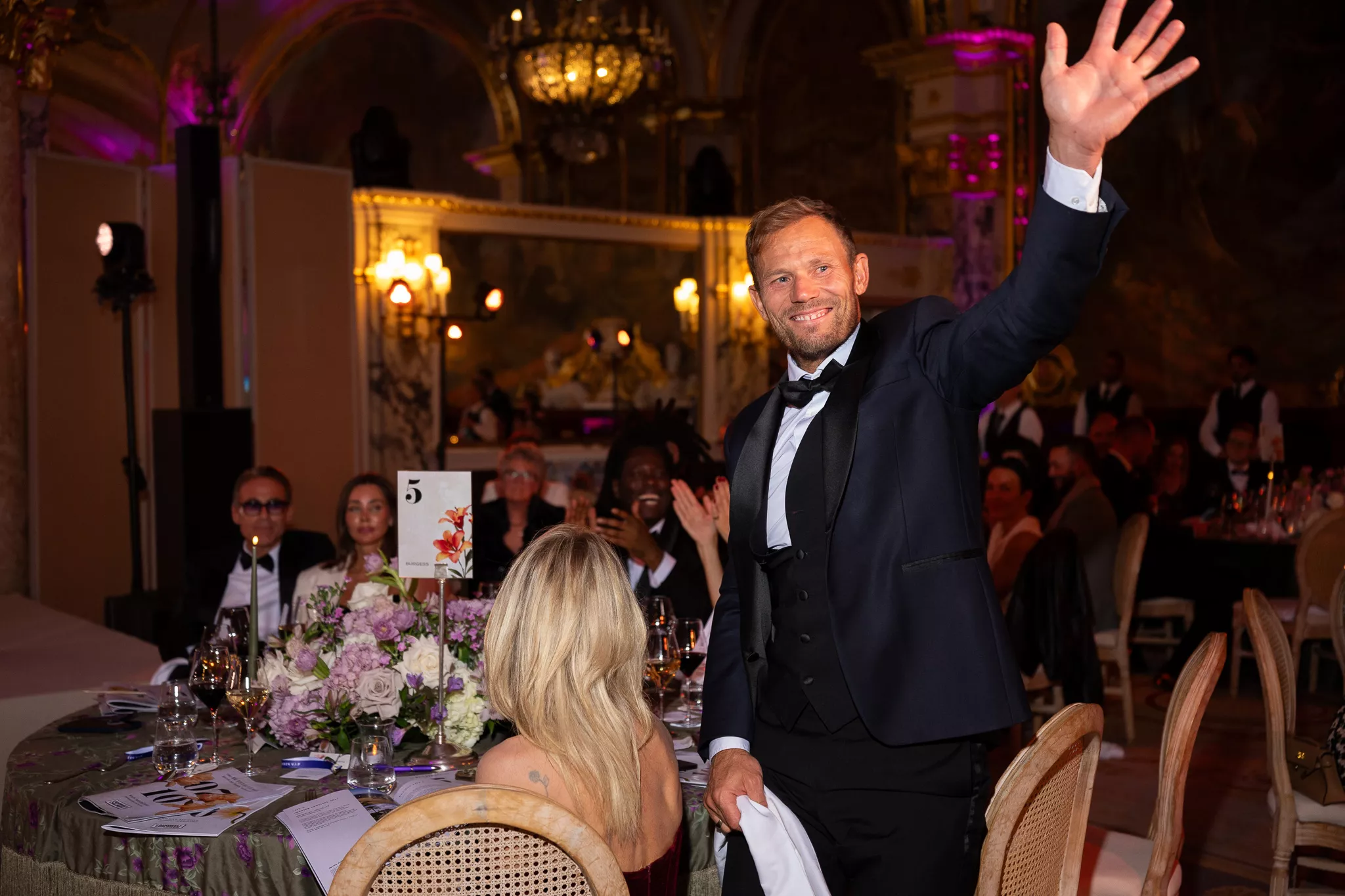
The Salle Empire provided the setting for the annual gala, as some of Monaco’s most prominent residents and international philanthropists gathered to help disabled and autistic children find the freedom to thrive. The evening raised €2,128,745 through the generosity of guests and an auction of exclusive experiences, a total that includes match funding from Caudwell, who typically adds a further third of the funds raised. Last year’s 10th anniversary edition raised €1,015,600.
A birthday to remember
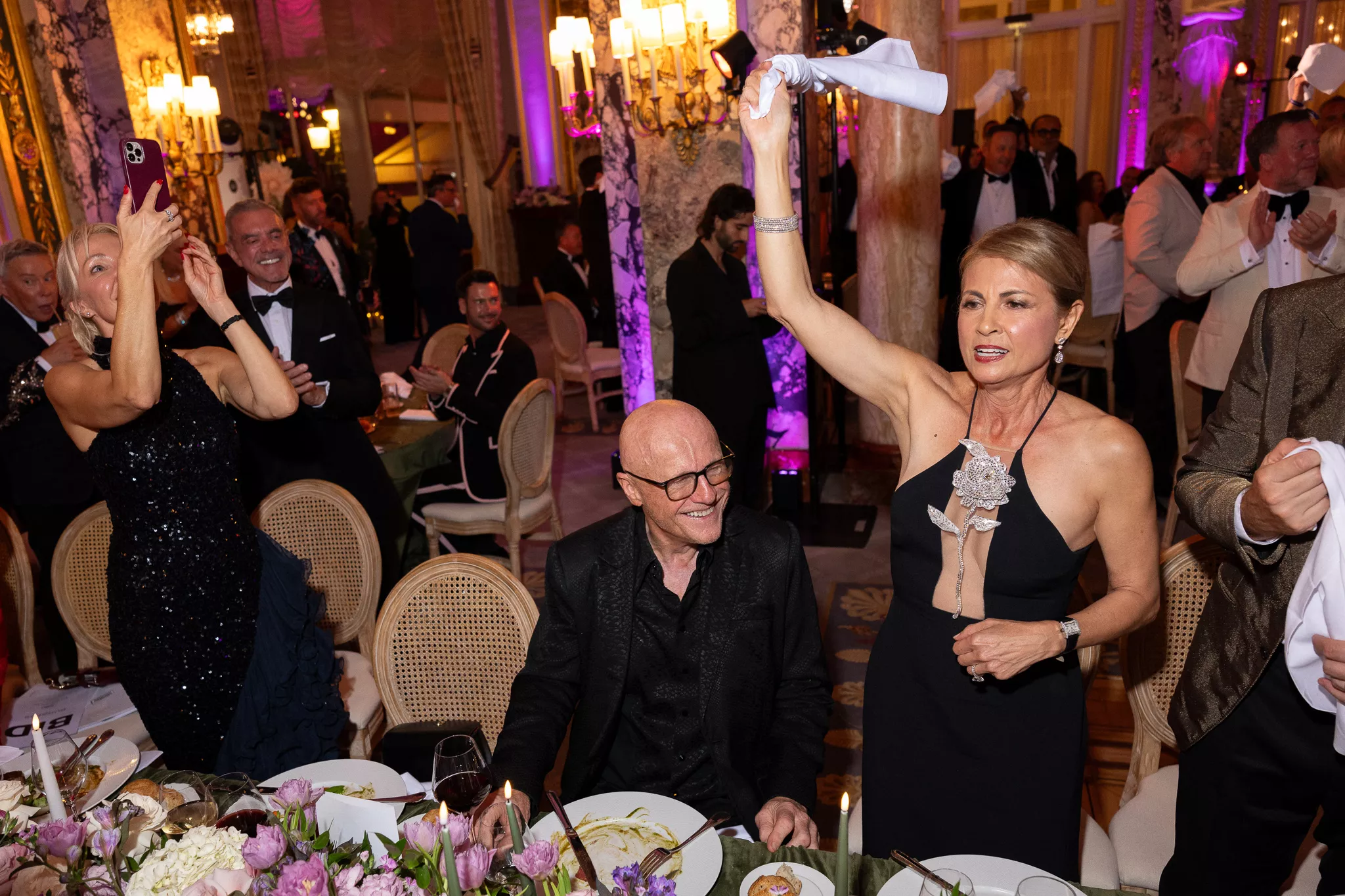
The ball also fell on Caudwell’s 74th birthday, though he insists the timing was more coincidence than strategy.
Going into the evening, his expectations were modest. “I hope we could get very close to €1 million. It would be lovely if it were more, but we have to be realistic,” he said, adding that fundraising was becoming harder “because of the instability in the world”. The final total made for a considerable birthday present.
Among the lots on offer was a stay at The Dorchester in London with a day’s cooking lesson alongside its chef. A silent auction also drew bidders to a framed display from the James Bond film The Man with the Golden Gun, bearing the signatures of Roger Moore and Christopher Lee, a signed photograph of Audrey Hepburn, and a leather handbag by Monteluce decorated with horse-head motifs.
Photo credit: Darius Kucys
‘A business with a heart’
Caudwell, who made his fortune as co-founder of UK mobile phone retailer Phones4u, has never been shy about saying that charities should be run with commercial discipline, a view he admits does not win him friends everywhere.
“We know that some charities are quite poorly run. There’s nepotism, and there’s waste of money. Those charities wouldn’t have much empathy for my thinking at all. But we’re very responsible with all our donors’ money,” he said.
“I’m the biggest donor of all and so I also want my money to make the biggest difference to disabled children, but I have that sense of responsibility towards everybody else who donates. We run the charity as lean as possible – like a business – but it’s a business with a heart.”
Photo credit: Darius Kucys
Filling the gap in autism care
That approach is most visible in Caudwell Children’s autism assessments. The charity says it has now carried out more than 700 assessments for children aged four to 11, bringing every specialist into one place so that families receive a diagnosis in a single day rather than waiting months, or years, between referrals.
Asked whether his charity was doing work that should fall to governments, Caudwell described mixed feelings.
“One is disappointment that health services, not just in the UK but all around the world, are failing these neurodivergent children. But there’s also a sense of pride that we’re doing something that all the expertise of the health services hasn’t managed to put together,” he said.
“By the time parents have finished, they might be two or three years down the road, navigating a really traumatic experience because there’s something wrong with their child, but they don’t know what. The stress on the family is enormous. When they come to our centre, we can remove a lot of that stress because we do everything in one go.”
Photo credit: Darius Kucys
‘He ran onto the stage and jumped into my arms’
After more than 25 years of fundraising, Caudwell says the reminders of why he does it often come unexpectedly.
“Perhaps two or three times a year I’ll be walking down the street and a parent will come up to me and say, ‘You’re John Caudwell, aren’t you?’ And they’ll say, ‘You don’t know me, but my child came to your centre ten years ago, and it transformed our lives.’ That wells me up,” he said.
One story stands above the rest. A young boy left paralysed by polio had been dragging himself around on his knees, his mother sewing leather patches onto his trousers to stop them wearing through. Caudwell Children paid for an operation in the United States that was not available in the UK, followed by two years of physiotherapy.
“He attended the ball one year. We announced that he was coming on stage, but then he ran onto the stage and jumped into my arms. I stood there holding him. That was magical,” Caudwell said. “Without the charity, without his parents, without the operation in America, he would still have been dragging his knees around the floor ten years later.”
“For me, that’s a source of spiritual satisfaction that no material possession in the world can ever match. I try to tell wealthy people who haven’t yet discovered philanthropy that this kind of spiritual satisfaction goes far beyond buying a new superyacht or a new Ferrari.”
Photo credit: Darius Kucys
‘Talking like this won’t make me popular’
Caudwell has been increasingly outspoken about what he sees as the failure of the world’s wealthiest people to give enough, and he admits the message is not always welcome.
“I don’t think it necessarily makes me very popular when I say people ought to pay their taxes, especially perhaps in Monaco,” he said. “But I don’t really mind. I stick my head above the parapet because I know that all those billionaires could join the Giving Pledge and it wouldn’t make a scrap of difference to their lives. None. If they leave it until after they’ve passed away, they haven’t even given anything away during their lifetime. They’ve simply made a pledge. Some of the money goes to charity, some goes to their family, and instead of the family being really filthy rich, they’re just very, very rich.”
At the very top of the rich list, he believes, the case becomes impossible to argue with.
“There are probably four or five thousand billionaires, and there’s now one trillionaire – he could donate 99.9% of his money, be a complete hero to society and still die richer than I am. I don’t know why they wouldn’t do it,” he continued. “We’ll still be super-rich. We’ll still have private jets and superyachts. We’ll still have everything we want in life, but we’ll put more effort into changing the lives of less fortunate people.”
Why 70%, and not 90%?
John Caudwell signed the Giving Pledge in 2013. Founded by Bill Gates, Melinda French Gates and Warren Buffett, the initiative asks the world’s wealthiest people to commit the majority of their fortunes to charitable causes, either during their lifetime or in their will. He initially pledged half, then asked himself why he should stop there, and raised his commitment to 70%.
Asked why he had not gone further still, to 90%, he described it as a work in progress.
“It’s an evolution. When I ask people to join the Giving Pledge, they say, ‘Well, I’m not quite ready for that yet’. So when you ask why not 90%, perhaps I’m just not quite ready for that yet. But I do see myself, especially if I’m successful with the businesses I’m involved in, potentially evolving towards that sort of number.”
An invitation to Monaco
Founded in Stoke-on-Trent in 2000, Caudwell Children now runs an £18 million (€21 million) International Children’s Centre in Staffordshire, and in 2024 alone it delivered more than £7.5 million (€8.7 million) worth of services to disabled and autistic children and their families. The charity works in the UK, but Caudwell hopes its autism model could be adopted elsewhere, and he extended an open invitation to philanthropists closer to home.
“There might be a wealthy entrepreneur in France or Monaco who would like to help their population. We would be very happy to help them establish something similar, either under their own brand name, associated with us, or whatever arrangement works. It would mean we could help a lot more children around the world, which would be wonderful,” he said.
His second charity, Caudwell Youth, was set up four years ago to pair vulnerable young people, many of whom have been through the care system, with a trained volunteer mentor for two years. Caudwell says the programme has so far reduced criminality among participants by 93%, while improving mental health and dramatically reducing drug abuse.
“If we can grow this to the 100,000 mentors I think we need, maybe we could start to empty the prisons of the future,” he explained.
A third, a third and a third
For all the talk of pledges and percentages, Caudwell’s approach to giving comes down to a simple rule about how he spends his time.
“Charity is very much at the forefront of my whole philosophy of life. I always say I’ve got 18 hours a day, and I divide them into thirds: a third for charity, a third for commerce and a third for family,” he said.
The balance is not always perfect. “The thirds might get a bit disjointed at times. Today is my birthday, and it’s nearly all about charity,” he admitted. “But generally in life, that’s my rule: a third, a third and a third.”
It is a simple formula, and one that more people in his financial position might do well to borrow. If they did, the spiritual satisfaction Caudwell speaks of might not be quite so rare.
See more in the gallery below… Photos credit: Darius Kucys
Monaco Life is written by qualified journalists, writing original content. Sign up for our free newsletter, listen to our podcasts on Spotify, and follow us across Facebook, Instagram, LinkedIn, and Tik Tok.
Interview: Raja Feather Kelly on creating culture, finding community and making his own rules
In partnership with the Princess Grace Foundation-USA, Monaco Life presents a monthly series spotlighting the lives and artistic contributions of the Foundation’s award winners.
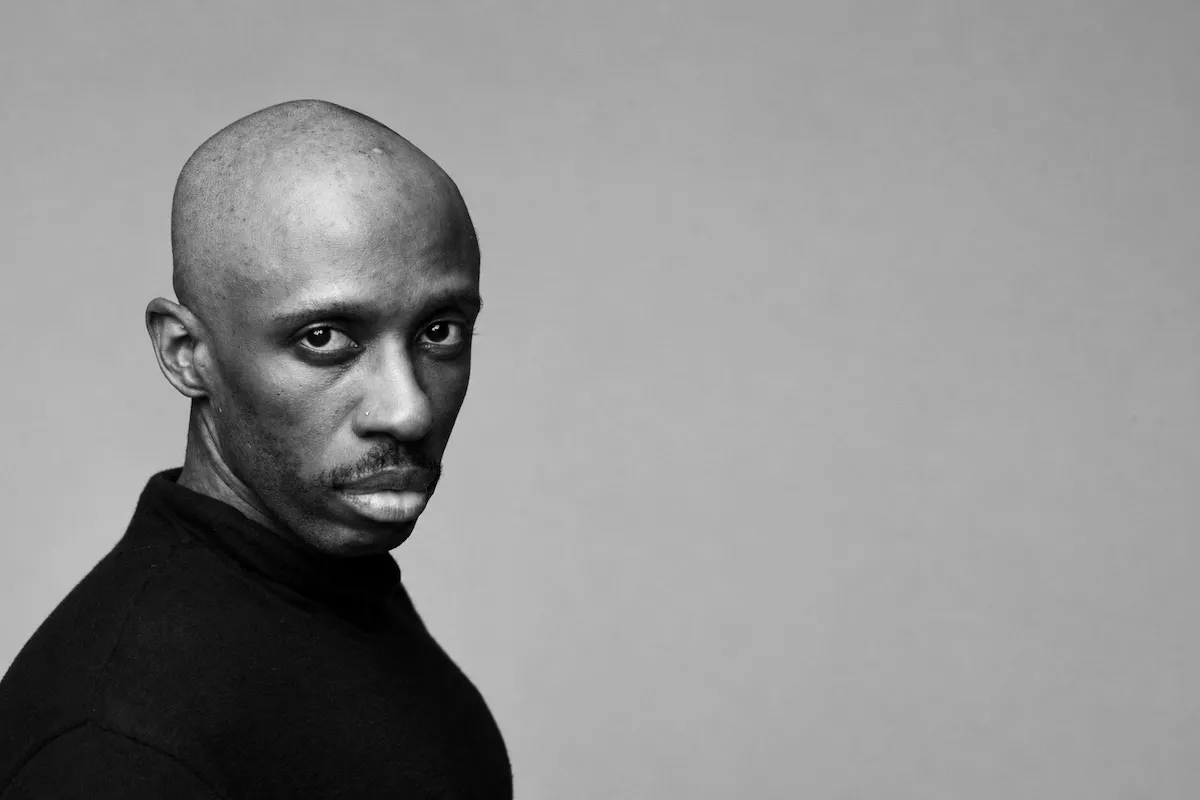
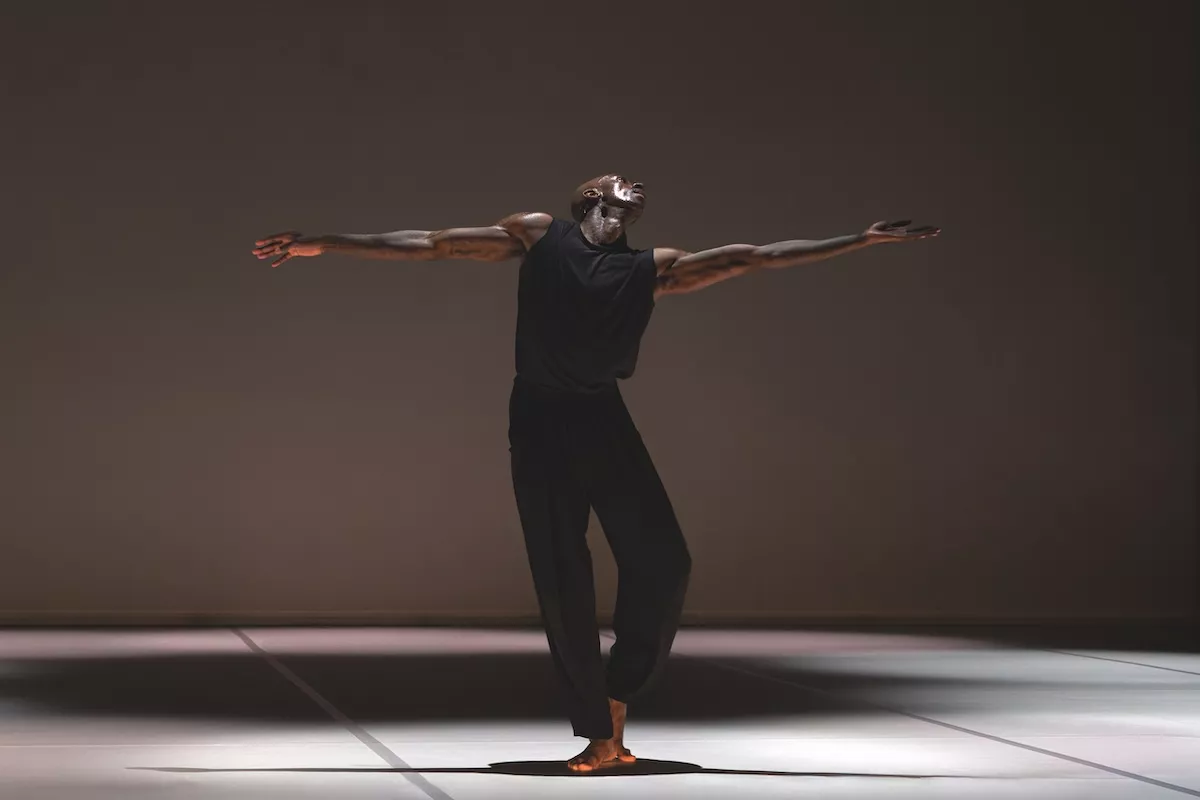
Choreographer, director, writer, performer and artistic director of the feath3r theory, Raja Feather Kelly has built a career that defies easy categorisation. His work has taken him from experimental performance spaces to Broadway and international stages, and this autumn he makes his Metropolitan Opera debut with ‘Lincoln in the Bardo’.
Long before many of those milestones, however, came a vote of confidence: his first Princess Grace Award in 2017. At the time, Kelly was still self-producing and working to take his choreography beyond his own company. The recognition opened new doors, and his relationship with the Princess Grace Foundation-USA has continued to grow in the years since.
Speaking to Monaco Life, Kelly reflects on that turning point, the creative world he has built through the feath3r theory, and why community remains essential to a lasting artistic life.
Take me back to your first recognition from the Foundation. You’ve since received numerous honours, including a Special Project grant, a residency and a fellowship. What did that initial moment feel like?
I guess it felt to me like a vote of confidence. I had started my company in 2009. I wasn’t getting a lot of touring, and I was self-producing. It was a major moment for me when I got that award, because I was then able to work with the Ririe-Woodbury Dance Company in Utah, which meant that my work was really expanding beyond just my own doing.
So many things took off for me after that year. That was 2017. It was before I did any Off-Broadway. It was before I did Broadway. It was before I had really toured my solo work internationally. It was a huge, pivotal moment.
Photo credit: Andy Toad
Is there anyone you’ve had the chance to connect with through the Foundation, its events or the wider Princess Grace community over the years?
What has been really nice is that I’ve been invited a few times to speak to awardees who came after me. That has really created community for me.
Being a New Yorker and working in New York is so intense. If you’re not in shows with people, it can be really difficult to see shows, because everyone’s working. Being invited to talk to current or incoming awardees has really helped with that, to be like, “Oh, we’re a community. What are you up to? How can I see what you’re doing?”
Sharing resources has been really special. I’ve worked with a few people since then, and I don’t think we would have known each other if it weren’t for Princess Grace.
Is there any advice you’ve shared with the awardees who came after you?
I’m sort of one of those people who finds advice so scary, because something I’ve realised in my tenure as an artist is that it’s always the same. We’re really committing to a lifelong journey of figuring it out.
Maybe the advice I have given, in ways without saying it, is to lean into the community. This idea of community – of finding each other, witnessing each other and resourcing one another – is really what I think allows us both to be steadfast and to find longevity in our careers.
Photo Credit: Karolina Miernik
Talk to me a little about the feath3r theory and how it brings together so many different art forms. Was there something you wanted to create that you weren’t seeing elsewhere?
When I was graduating from college, I realised that I felt very lucky, because I was dancing for multiple companies.
One was a contemporary ballet company, zoe | juniper in Seattle. Then I was dancing for David Dorfman, which felt like being part of a football team. There was a lot of partnering. It was dance theatre, with a lot of text and singing.
Then I was with Christopher Williams, who is this brilliant, mythological, operatic choreographer. I realised that I needed to be in all of these companies in order to feel fulfilled, but it took up so much of my time.
Then I realised, “Oh, I’m supposed to be the company that can do all of those things.” They fuel me. They are part of who I am. I love media. I love visual art. I love musical theatre. I love theatre, and I love the experimental dance world. I’m a formalist, and I’m a dramaturg. These are just things that are naturally part of who I am, but I couldn’t find them all in one place.
Starting my company, the feath3r theory, was really about creating a place where I could house all the things I enjoyed. Having that has given me a sort of think tank, or playground, for myself.
You’re doing the most. What does a typical day look like for you? Do you try to separate things – “Today I’m going to write” – or do you take projects as they come?
Oh my gosh. I’m going to tell you the truth, and it’s so crazy when I say it out loud. I’m always like, “How is this possible?” But I’m also a single parent to a three-year-old.
She is amazing. The kitchen dance is usually: get up at 4am, exercise, and clear my inbox before she wakes up at around 6.30.
To answer your question more specifically, I think I work in sessions. Right now, I’m working at the Met. I’ll have a premiere at the Metropolitan Opera, my debut there, which is so exciting. I’m there all day, and then at night I’m writing.
Next week, I’m doing a workshop with the playwright Aleshea Harris, where I’ll be her movement director and creative consultant. I’ll probably just be in that workshop, and then in the evenings I’ll do some preparation for work with my company later in the year.
It just depends. I’m usually splitting my days between a personal creative project, which might be writing, choreography or research, and a job, like working at the Met or on a musical.
Your work draws heavily on pop culture. What fascinates you about the relationship between the culture we consume and the people we become?
Oof, what a great question. I think what fascinates me is that I believe those two things are inextricably linked.
When I think about pop culture, I’m like, “Oh, these are the systems, our values and our beliefs that are wrapped up into culture, into how we behave, into what we consume and into what we listen to.” It’s a cycle.
One of the central questions of my work is: do we create culture, or does culture create us?
We’re feeding this thing, and then this thing is growing. Then we’re influenced by this thing, and then we feed this thing, and then it keeps growing. Humans are the original algorithm.
With ‘DOOMERS’, I’m making a show about doomscrolling, in a way, but it’s about so much more than that. Doomscrolling is just the doorway into an entire world of intimacy, politics, loneliness, epidemics, sickness and weather.
It really paints a picture. You know how our presidents give a State of the Union address every year? I don’t need that. I can just go online and look at pop culture, and it will tell me everything I need to know about everyone and where we’re at as a culture, as a society and as humans.
What’s next, project-wise, for Raja Feather Kelly?
‘DOOMERS’ will premiere in January at New York Live Arts, and I’ve also just had a big premiere in Vienna of a solo that was created for me by the legendary Bill T. Jones himself. We’re hopeful that it will have a New York premiere next year.
I’ll make my Met debut with ‘Lincoln in the Bardo’ from 19th October to 14th November, and then I’ll be working on a show called ‘Feast of Rabbits’ at Playwrights Horizons.
I’m also the curator of the Live Artery Festival at New York Live Arts, so that’s really special to me. Then I’ll be working on another opera, at National Sawdust, with Emily Wells.
What would a beautiful day in Monaco look like to you?
I imagine it starting with a really decadent, beautiful breakfast, and then some sort of relaxing artistic experience in the morning.
Then a bunch of leisurely chats with people, whether that’s artists or art lovers. An afternoon of very leisure-ridden conversation that will probably turn into something inspiring, like, “Well, let’s go and see this. Let’s go and see that.”
Then I want to perform. I want to be able to say, “I have spun in Monaco.”
Lastly, Princess Grace championed and supported emerging artists. If you had the opportunity to speak to her now about what the Foundation has meant to your artistic journey, what would you say?
First, I would say that I believe I am upholding the name as best I can, as a Kelly.
I would also say that what’s most impressive about the Foundation, from my standpoint, is that someone like me is acknowledged and recognised.
I’m an experimental artist. I’m not a ballet dancer. I’m not a traditionalist in any way. I have a lot of rigour and a lot of integrity in what I do. For that to be recognised, I think, means people take my work more seriously, and I’m very grateful for that.
I would say thank you, and I would say, “Right on.” That’s the kind of championing that artists need.
Follow Raja Feather Kelly on Instagram @RajaFeatherKelly.
Monaco Life is written by qualified journalists, writing original content. Sign up for our free newsletter, listen to our podcasts on Spotify, and follow us across Facebook, Instagram, LinkedIn, and Tik Tok.
Main photo credit: Quinn Wharton
Beyond the pitch: AS Monaco Academy celebrates academic success at La Diagonale
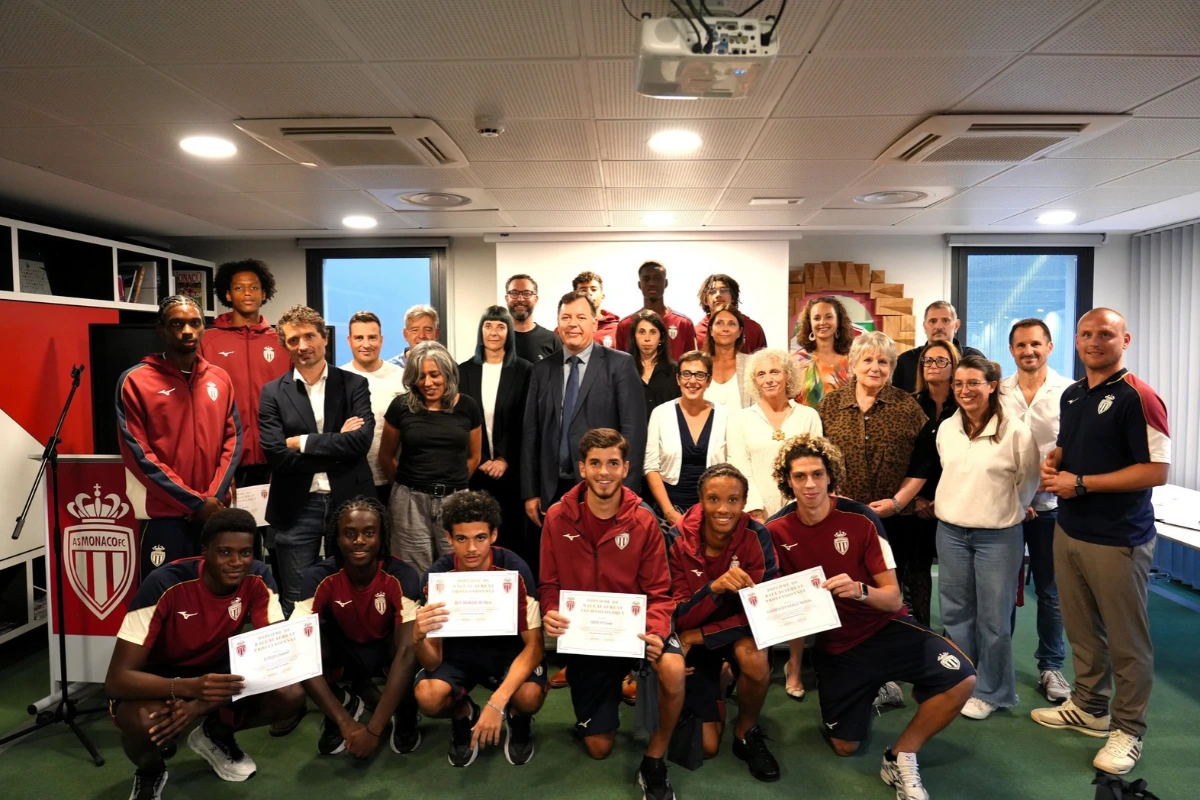
AS Monaco’s Academy celebrated the academic achievements of its young footballers on Thursday 15th October, bringing together graduates, teachers, and club representatives at La Diagonale to recognise another successful year.
Eleven graduates attended the ceremony, where they were presented with their diplomas following the 2025/26 academic year, which saw 95% of the Academy’s baccalauréat candidates pass their examinations.
The graduating class included students who earned general, technological, and vocational baccalauréats, alongside international qualifications from Belgium and Germany.
The ceremony also recognised the dedication required of young footballers as they balanced their professional aspirations with their education, as well as the support provided by the Academy’s staff.
BALANCING AMBITIONS
Among those celebrating were 18-year-olds Checkina Dzabatou Ecko and Melvin Gomes Da Veiga, who completed their secondary education at La Diagonale.
For both players, combining football and education required adapting to demanding schedules, with mornings spent training and afternoons spent in the classroom.
“At first, it’s difficult because it’s a routine you’re not necessarily used to,” Dzabatou Ecko told Monaco Life. “But as the years go by, you find your rhythm, and it becomes easier.”
Gomes Da Veiga echoed these sentiments, describing the importance of consistency when managing both commitments. “You have to sleep well to keep up with the pace and perform in both,” he explained.
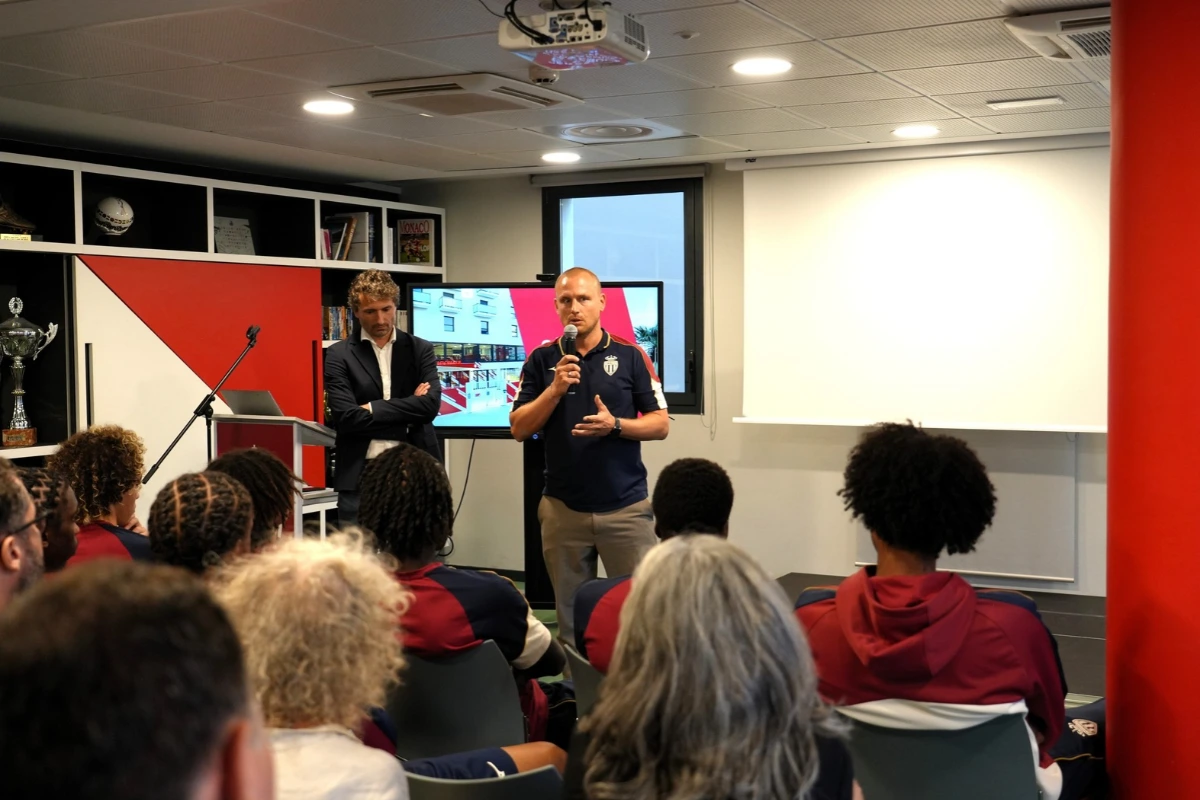
Mathieu Lacan, Deputy Academy Director, addresses graduates during the ceremony at La Diagonale. Photo source: AS Monaco
The challenge became particularly notable towards the end of the academic year, when preparation for exams coincided with the Academy’s football playoffs.
“Towards the end, it becomes difficult because the year is long, and the matches are important,” Dzabatou Ecko recalled. “We were more focused on the playoffs and, in a way, neglected our studies a little. But in the end, we all passed.”
Despite the challenges, both players expressed gratitude towards their teachers, who regularly adapted their schedules to accommodate training and competition.
“Sometimes we had revision sessions at 10pm after coming back from matches,” Dzabatou Ecko explained. “The teachers would stay until 11pm and then come back at 8am the next morning.”
DEVELOPING MORE THAN FOOTBALLERS
Mathieu Lacan, Deputy Academy Director, explained that education remains critical to the club’s development philosophy, particularly given the uncertainty surrounding professional football careers.
“The path of a footballer is full of obstacles, and not everyone is guaranteed to succeed,” he told Monaco Life. “That’s why it’s important to have another option, to develop yourself, and to grow as a person.”
Lacan emphasised that the Academy’s responsibilities extend beyond producing professional footballers, with academic qualifications providing opportunities regardless of how their football careers develop.
The structure of La Diagonale also provides a significant advantage, bringing together classrooms, housing, dining facilities, and training areas within the same complex.
Michaël Delepine, Deputy Head of Academics, explained that although the sporting and academic programmes work closely together, they remain independent in how students are assessed.
“I don’t want to treat a young person differently depending on their sporting level or whether they have a contract,” he said. “They need to be committed to school for the sake of their education, not because of football.”
For Delepine, the success of the programme is measured not simply by academic results, but by ensuring young players develop the skills and qualifications needed for their futures.
“What’s satisfying is not leaving anyone behind,” he explained. “We don’t know what their futures will look like, either in sport or in further education. What matters to us is ensuring that every young person leaves here with a qualification.”
The Academy’s educational approach has also received recognition from the French Football Federation, with La Diagonale awarded the maximum five-star rating for education in its 2025/26 assessment.
LOOKING BEYOND GRADUATION
Although many graduates will now focus primarily on their football careers, the Academy continues to encourage opportunities for further education.
Delepine acknowledged that pursuing university studies can be difficult for young footballers, whose schedules often include weekday matches, international travel, and intensive training.
Several players are currently pursuing higher education through distance-learning programmes, supported by additional tutoring from the Academy.
For Dzabatou Ecko and Gomes Da Veiga, their immediate priority remains football, although both expressed an openness to continuing their education in the future, potentially through courses related to sport.
“It’s a form of security because you never know what might happen tomorrow,” Gomes Da Veiga explained. “Something could happen that forces us to stop playing football.”
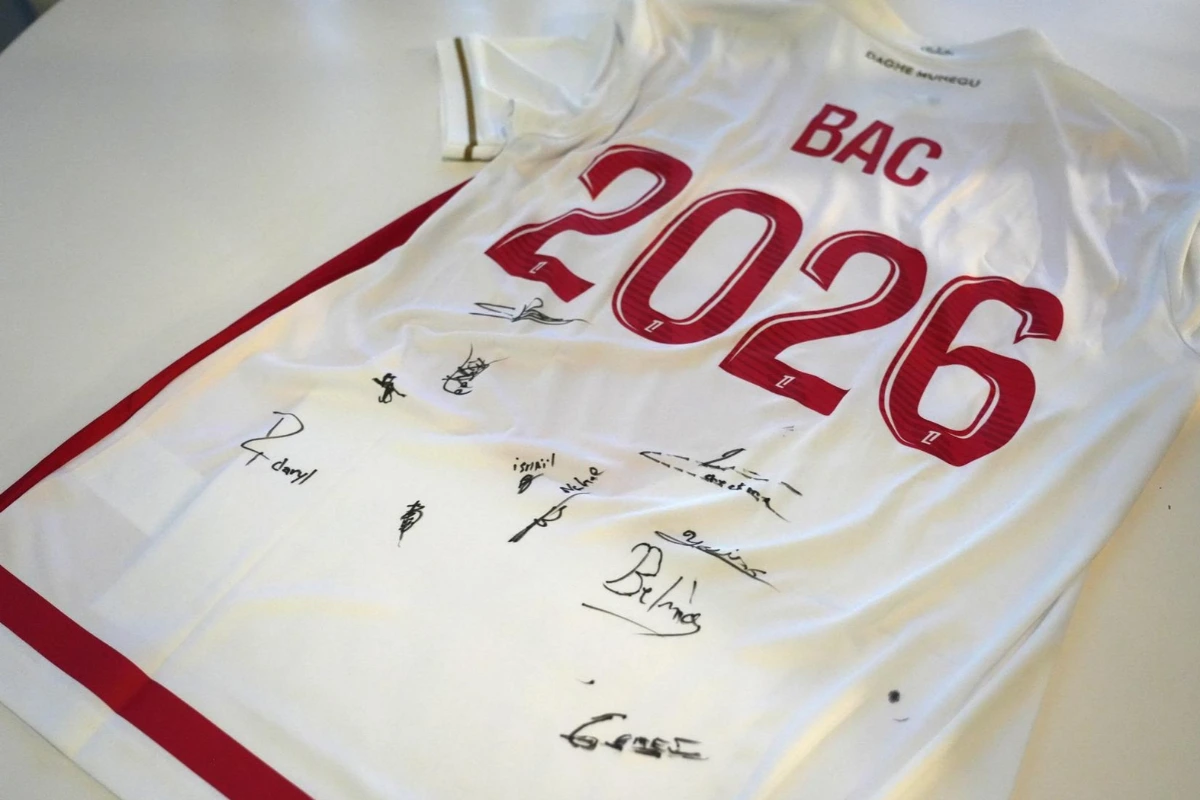
During the ceremony, the graduates were also presented with commemorative shirts and bracelets from club partner APM Monaco.
A signed BAC 2026 shirt commemorating the Academy’s graduating class. Photo source: AS Monaco
The evening recognised the students’ contributions beyond sport and education, with the Terminale Pro class presenting a €658 donation to the Monegasque Association for the Protection of Nature, raised through a cup sale organised as part of a school project.
Among those unable to attend was Safouane Benzahra, who had travelled with AS Monaco’s first team to Sofia, Bulgaria, for their Conference League match.
The celebrations concluded with a reception and a screening of the first team’s 2–1 victory over CSKA Sofia, bringing together graduates and staff to mark an important milestone in the young players’ development.