Vaccines for Covid-19 are now available in pharmacies across the Principality and are fully covered for socially insured residents, joining the seasonal flu vaccines accessible since 15th October.
The Prince’s Government reminds the public that vaccination against both viruses offers crucial protection against severe complications and health risks, particularly for vulnerable individuals.
Annual seasonal flu vaccination is recommended for adults aged 65 and over. It is also strongly advised for pregnant women, individuals with obesity, those with specific chronic illnesses, and residents of long-term care or medico-social facilities regardless of age. Furthermore, vaccination is recommended for individuals living with infants under six months at risk of severe flu, as well as those residing with immunocompromised persons.
Priority individuals receive a coverage voucher allowing them to obtain the vaccine or receive their jab directly at a pharmacy.
Updated access rules and prescriptions
Access procedures for other residents have evolved this year. Individuals aged over 15 can now receive their flu vaccination directly in pharmacies. However, those wishing to collect the vaccine for administration by their general practitioner or private nurse must now hold a prior medical prescription.
The Prince’s Government highlights the importance of vaccination among healthcare workers and professionals in regular contact with at-risk individuals. Vaccinating staff protects practitioners individually while reducing the risk of transmitting respiratory infections to patients.
Covid-19 protocol and dual injections
The recommended target groups for Covid-19 vaccination match those for the seasonal flu. Any resident wishing to be vaccinated against Covid-19 can receive the jab directly in a pharmacy or collect it for administration by a doctor or nurse. A medical prescription remains required prior to receiving a Covid-19 injection from a nurse.
Both vaccinations can be administered at the same time, provided different injection sites are used.
The Prince’s Government has announced a comprehensive sexual health roadmap designed to expand public information, prevention, and support services across the Principality.
Coordinated by the Centre Monégasque de Dépistage (CMD) and the Centre de Coordination Prénatale et de Soutien Familial (CCP), the strategy centres on four key pillars: youth information, STI prevention, reproductive health support, and enhanced assistance during antenatal diagnosis.
Anonymous care for young women
A central element of the initiative is a new, completely free and anonymous gynaecological consultation service for girls and young women under 21 who live or attend school in Monaco. Operational since September 2026 at the CMD, the service addresses urgent risk situations, sexual health queries, and emergency contraception under medical supervision.
The government highlighted that this service is intended for anonymous or urgent queries rather than replacing routine community gynecological care or managing pre-diagnosed conditions.
Comprehensive outreach and STI screening
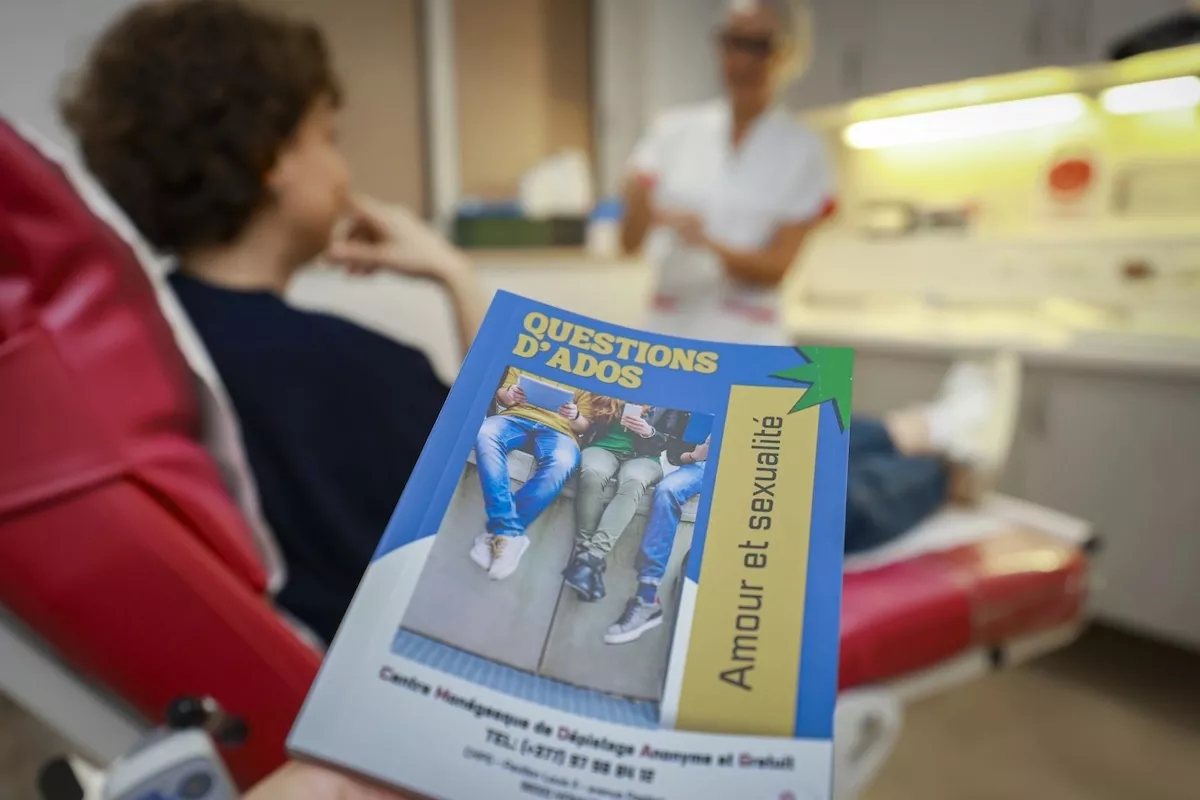
To ensure young people have access to reliable, age-appropriate information, the government began rolling out a multi-channel communication plan in spring 2026, which will continue to expand over the coming months. This includes in-person sessions targeting both students and school nurses across Monegasque educational institutions, alongside digital content published on the Monaco Santé platform such as the ‘Questions d’ados’ booklet, social media campaigns via CMD’s Instagram, and video guides covering consent, contraception, and STI protection.
Sexually transmitted infection testing will also be integrated into a broader, holistic sexual health framework.
Expanded antenatal support for couples
Beyond youth services, the roadmap strengthens care and guidance for couples undergoing antenatal diagnosis, specifically offering enhanced support in instances of medical termination of pregnancy and stillbirth.
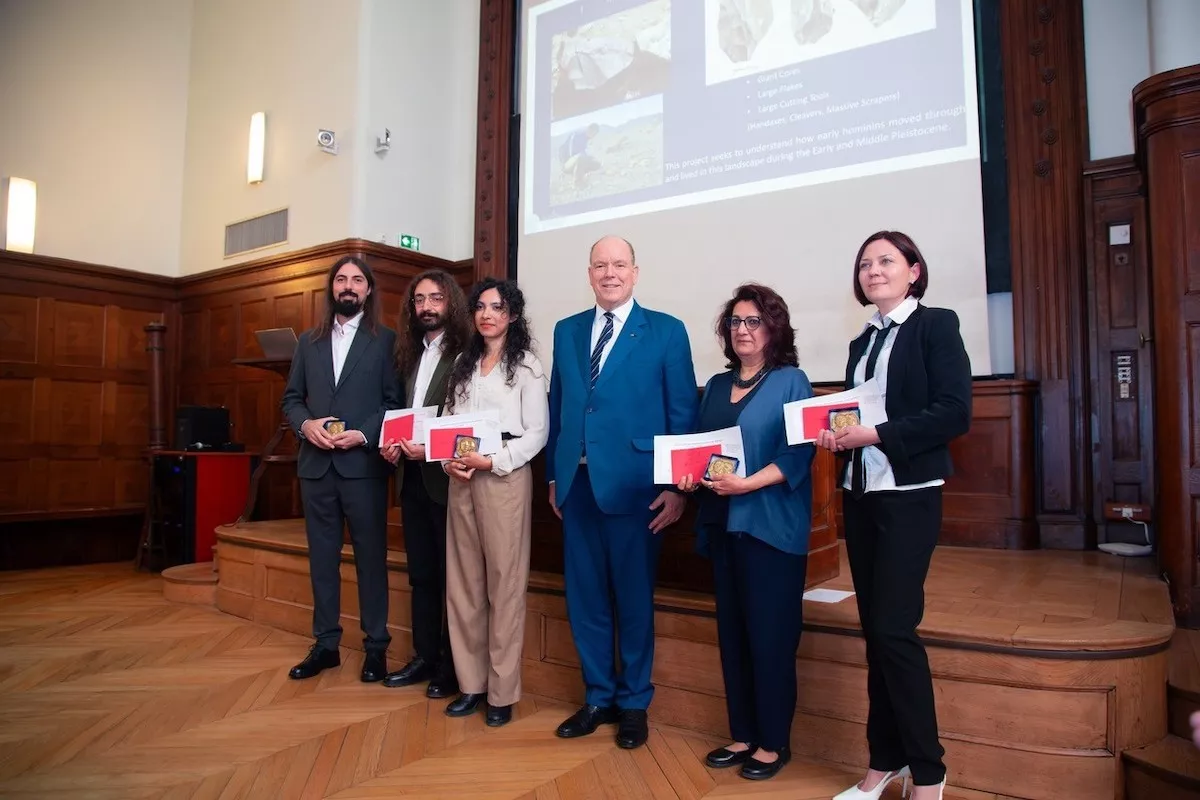
Centuries of human history collided with cutting-edge science in Paris on Thursday 8th October, as Prince Albert II awarded the prestigious Rainier III Research Grants to four pioneering prehistorians.
The young researchers gathered at the historic Institute of Human Palaeontology (IPH), founded in 1910 by Prince Albert I, to share discoveries ranging from Iberian glacial caves to ancient settlements in Central Asia. Selected from 67 applications spanning 17 nationalities, the recipients received their awards directly from the Prince during a high-level scientific symposium.
Global research focuses on human origins
The four winning projects span regions from the Mediterranean to Central Asia, focusing on key moments in early human history.
Spanish researchers Diego Lombao and José Rabunal secured funding to dig inside limestone caves in Galicia, studying how early humans adapted to harsh Ice Age conditions. French researcher Leïla Hoareau received support to examine prehistoric beads and jewellery, shedding light on ancient trading networks and social identities around the Mediterranean.
In Central Asia, Evgenyia Osipova was awarded for her excavation work in southwest Kazakhstan, uncovering some of the earliest human traces near the Aral Sea. Meanwhile, Iranian researcher Sepehr Zarei was recognised for his study of ancient stone tools in the Persian Gulf hinterland, tracing how early human species migrated across the region.
A century of discovery meets modern science
Running alongside the award ceremony, the scientific symposium, entitled ‘Our Origins in Question: Latest Advances in Human Palaeontology’, brought together four leading international scientists to evaluate how modern technology is reshaping the discipline. The speakers detailed how artificial intelligence, big data, and non-invasive imaging are transforming classical prehistory, allowing researchers to extract new insights from fossil records and genetic data.
University of Toulouse Professor José Braga addressed humanity’s earliest ancestors, focusing on australopithecines and paranthropes, while Professor Lluis Quintana-Murci of the Collège de France detailed the role of genetics in environmental adaptation. CNRS research director Dr. Marie-Hélène Moncel presented findings on the Eurasian dispersal of Palaeolithic cultures, and Complutense University of Madrid Professor Juan Luis Arsuaga illustrated how Neanderthal morphology adapted to extreme climate shifts.
As the world’s first foundation exclusively dedicated to prehistory and human palaeontology, the IPH continues to draw international scientists to study its fossil collections, bridging traditional field archaeology with cutting-edge analytical tools.
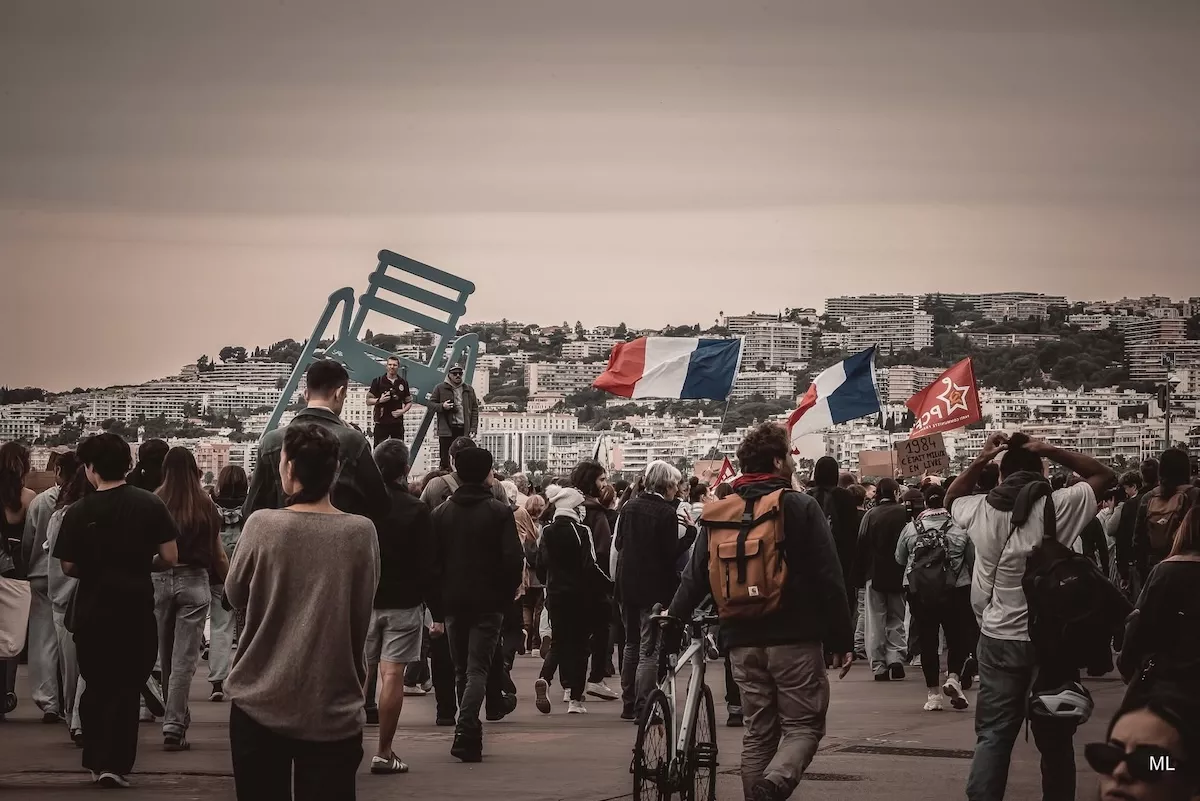
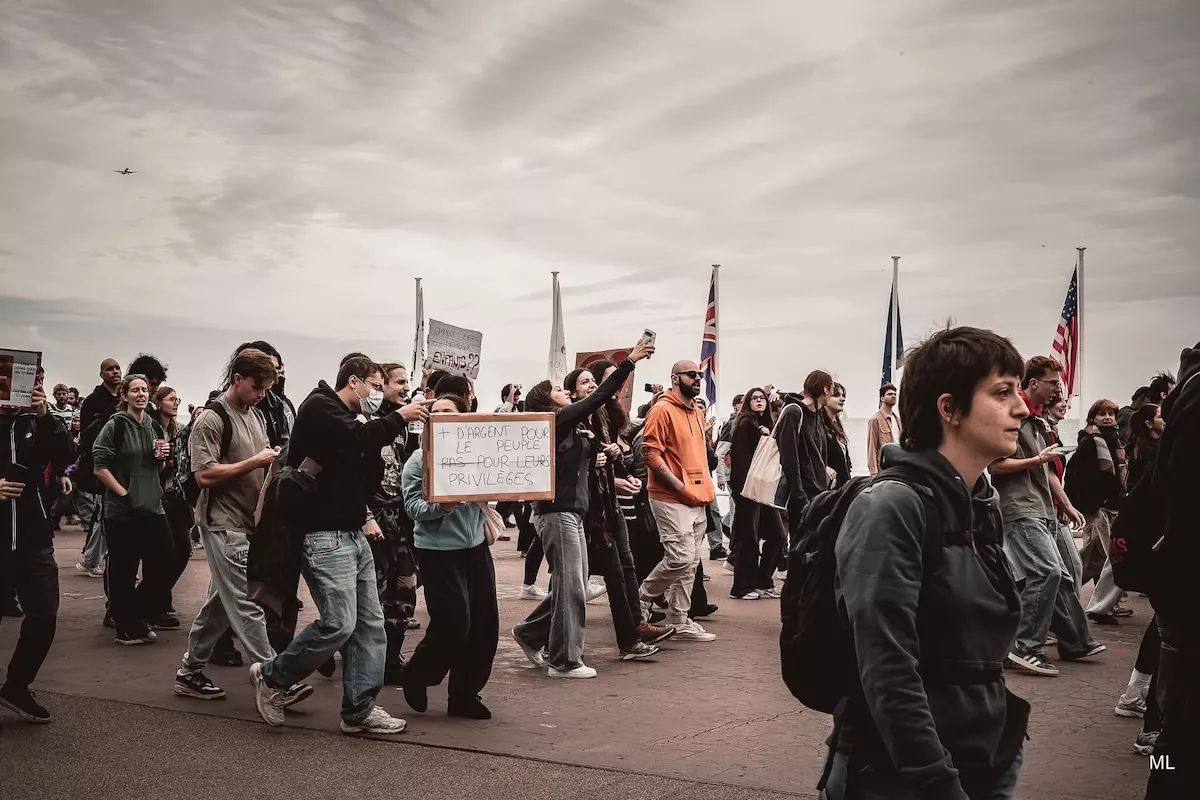
Around 2,300 people marched through central Nice on Saturday 24th October in defiance of a prefectural ban on demonstrations, and while the shop looting of a week earlier was not repeated, the day ended with masked far-right militants attacking protesters near Vieux-Nice and 63 people under arrest.
The second Saturday of France’s mobilisation against the rising cost of living drew around 2,300 people in Nice at its peak, according to the Alpes-Maritimes prefecture, while the City of Nice put the figure at 2,500. Prosecutors have since opened an investigation into the far-right group involved, and protest organisers are already calling for further action.
A ban requested by the mayor
The ban was issued by the Alpes-Maritimes prefect, Jean-Marie Girier, at the request of Nice Mayor Éric Ciotti. The order prohibited protest gatherings and marches from 8am to midnight across a wide perimeter stretching from Boulevard Gambetta to Port Lympia, including Place Masséna, Vieux-Nice and the central seafront along the Promenade des Anglais, as reported by Monaco Life on Friday. An attempt by the MRAP Nice Grasse and France Palestine Solidarité associations to have the ban suspended was rejected by the administrative court on Friday.
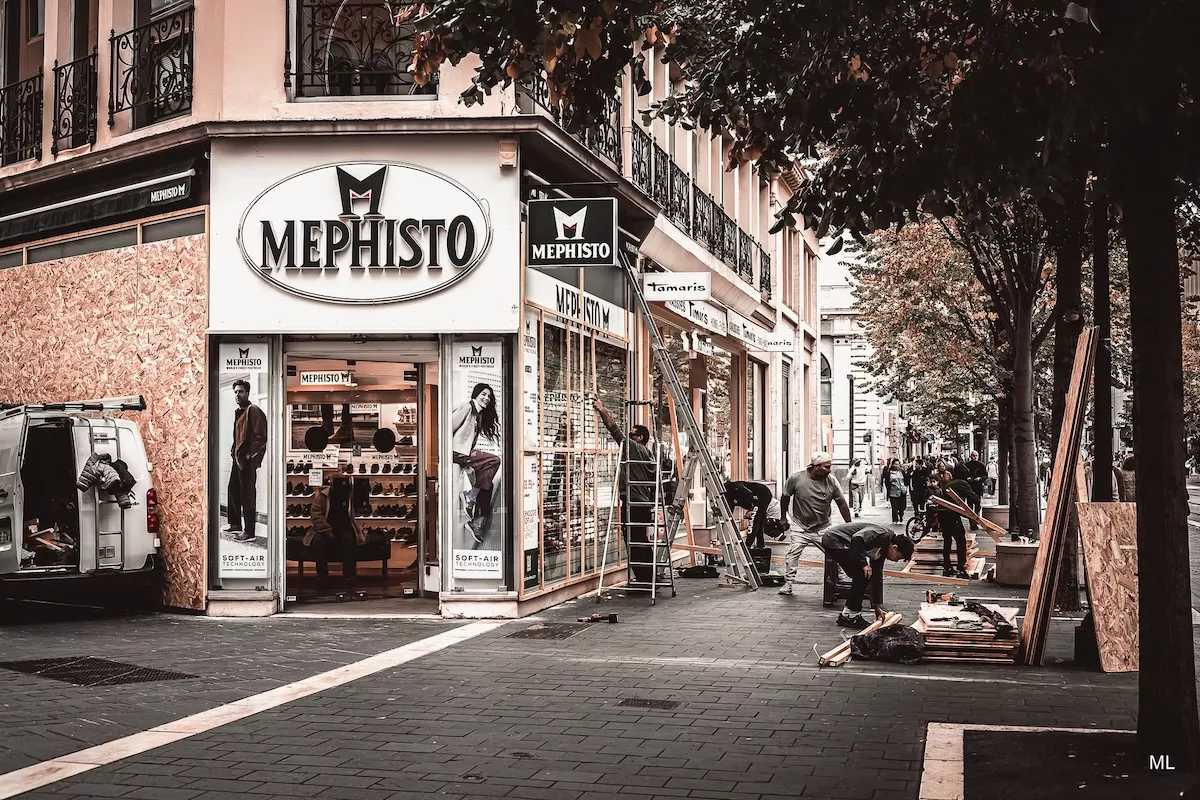
Stores were boarded up in preparation for potential violence during Saturday’s protests. Photo credit: Marc Lapolla
The measures followed the violence of Saturday 17th October, when around 3,800 people marched from Place Masséna and shops on Avenue Jean-Médecin were looted. Ciotti had blamed the State for that day’s disorder, saying the ban would come with “a much larger police presence than last weekend when, I say this very clearly, the government failed in maintaining order and in anticipating the event.”
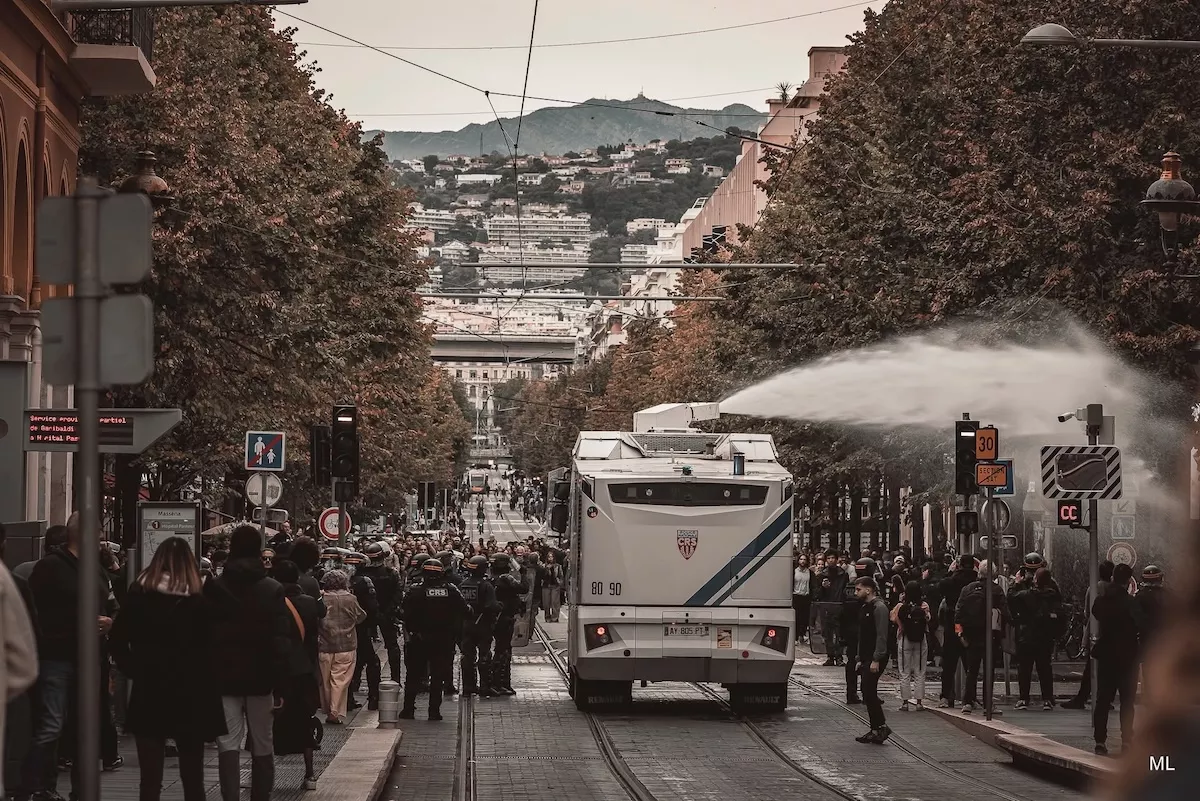
Around 450 national police officers and gendarmes were deployed in Nice, alongside more than 300 municipal police officers, CRS riot units, a water cannon and a RAID vehicle. Shopkeepers boarded up their windows, and a 9pm curfew for unaccompanied minors remained in force in several districts.
From Place Masséna to the Promenade
Protesters began gathering around Place Masséna at about 2.30pm, but were quickly pushed back by riot police. Shortly before 3pm, an unplanned procession broke away towards the Promenade des Anglais, itself inside the banned zone, where CRS officers warned the crowd that force would be used.
From there, the protest splintered into several groups that moved through Rue de France, Boulevard Victor-Hugo, Avenue Jean-Médecin and Vieux-Nice, with some attempting to approach the town hall. A separate march of around 500 people set off from Boulevard Victor-Hugo.
National police were deployed to control crowds on Nice’s main strip of Jean Medecin. Photo credit: Marc Lapolla
The afternoon began without damage to businesses, but tensions rose from around 4pm, when police began using tear gas regularly. The water cannon was deployed several times to disperse groups in the city centre.
Far-right militants confront protesters
The day took a different turn in the late afternoon. At around 4.30pm, a group of far-right activists was filmed by ICI Azur near the port, applauding police and singing La Marseillaise and Nissa la Bella before heading towards the city centre.
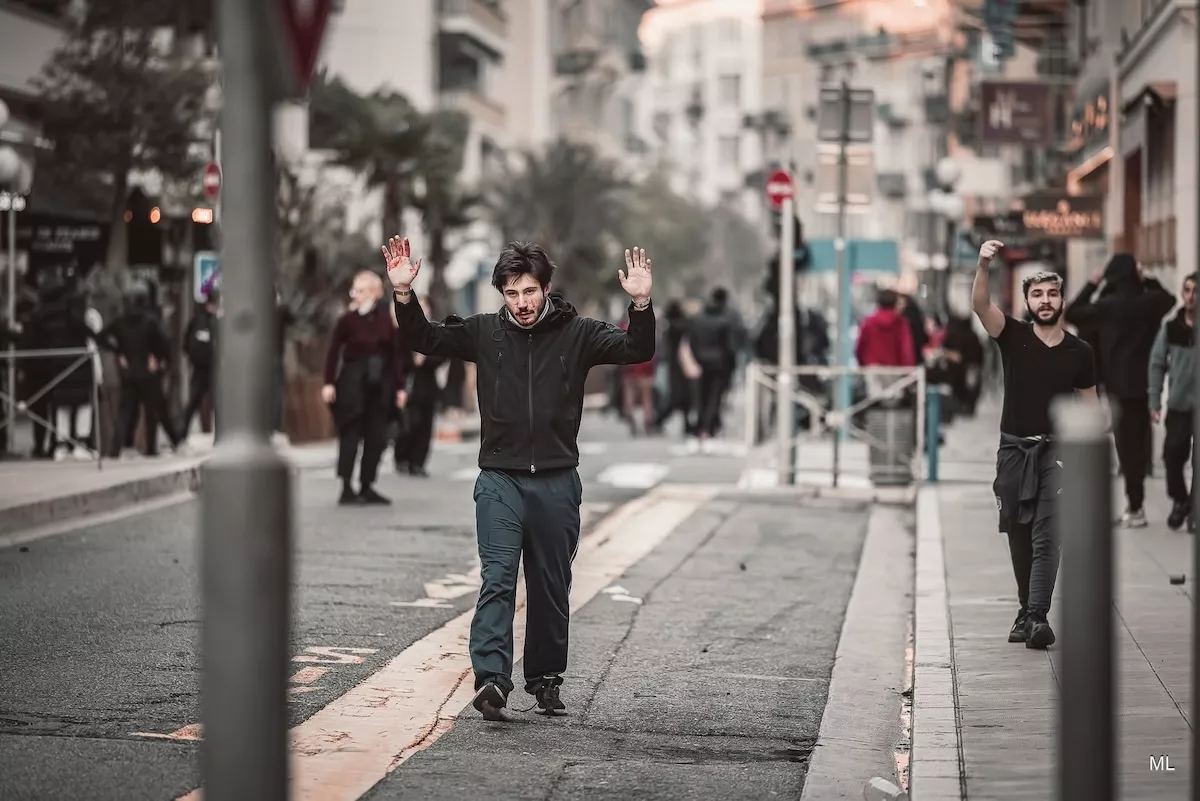
According to the prefecture, around 100 masked far-right militants converged on the centre with the aim of physically confronting the protesters. Police manoeuvred throughout the afternoon to keep the two sides apart, but fights broke out in the early evening near Vieux-Nice, around the Hôtel des Postes and Rue Alberti. Three people were lightly injured and treated by firefighters, and the prefecture reported two police officers injured during the day.
Ciotti, who leads the right-wing UDR party, had earlier said police were “targeted today with shocking violence and a clear intent to kill”, adding that anyone who harmed officers “must sleep a long time in prison”. By evening, he also condemned “in the strongest possible terms the attacks carried out today in Nice by far-right militants against participants in a peaceful demonstration.”
Right-wing supporters clashed with left-wing protesters in the centre of the city. Photo credit: Marc Lapolla
Arrests and an investigation
Of the 63 people arrested, 59 were placed in police custody, according to Nice public prosecutor Damien Martinelli. They comprised 49 men and 10 women, nine of them minors, most of them unknown to police. Most were held on suspicion of taking part in a group intending to commit violence or damage, as well as participating in a banned protest. Two were held for violence against police officers.
Eleven of those detained are suspected of belonging to the far-right movement. They were arrested in two vehicles before the violence took place, carrying masks, gloves, gas sprays and batons, and five were already known to police.
Unlike the previous weekend, the prefecture and the City of Nice confirmed that no shops or public property were damaged.
Protesters defied the ban and marched along Nice’s promenade in defiance. Photo credit: Marc Lapolla
A national pattern
Nice was not alone. Nationally, at least 410,000 people took part in protests on Saturday, according to Franceinfo, with the Interior Ministry reporting more than 1,300 arrests and 53 members of the security forces injured. Far-right attacks on protesters were also reported in Montpellier, Rouen and Nancy, among other cities, and Interior Minister Laurent Nuñez has asked prefects to refer such incidents to the courts.
What comes next
The gilets jaunes coordination has called for a new day of action on Saturday 31st October, this time in defence of the right to protest, which it says is under threat from what it calls the government’s authoritarian drift. Organisers are calling for rallies and sit-ins outside the National Assembly and town halls across France. Separately, trade unions have called a national mobilisation for Thursday 5th November.
No details of a Nice gathering for 31st October, or of any new prefectural restrictions, had been announced at the time of writing.
Monaco Life is written by qualified journalists, writing original content. Sign up for our free newsletter, listen to our podcasts on Spotify, and follow us across Facebook, Instagram, LinkedIn, and Tik Tok.
Main photo credit: Marc Lapolla
Who fills Monaco’s classrooms? Fewer locals than you might think
Monaco’s schools have welcomed 6,592 pupils for the 2026-2027 academic year, just 26 more than last year, yet beneath that stable figure the gradual shift away from public education has continued, with state schools losing 50 pupils while the private sector gained 76.
The latest figures from Monaco Statistics (IMSEE), compiled from Department of Education, Youth and Sport data, also show how much the Principality’s classrooms depend on its neighbours. Almost a third of pupils live outside Monaco, and French nationals now outnumber Monegasques almost two to one.
Public share slips to 62%
Public schools still educate the majority of children in Monaco, with 4,089 pupils, or 62% of the total, spread across 10 of the Principality’s 16 primary and secondary schools. A year ago, the public sector taught 4,139 pupils and accounted for 63% of enrollments, as reported by Monaco Life in December.
The private sector now educates 2,503 pupils. Of these, 1,402 attend private schools under contract with the State, representing 21% of enrollments, while 1,101 are enrolled in private schools outside the contract system, or 17%. That second group has grown steadily: two years ago, it accounted for 14% of Monaco’s pupils.
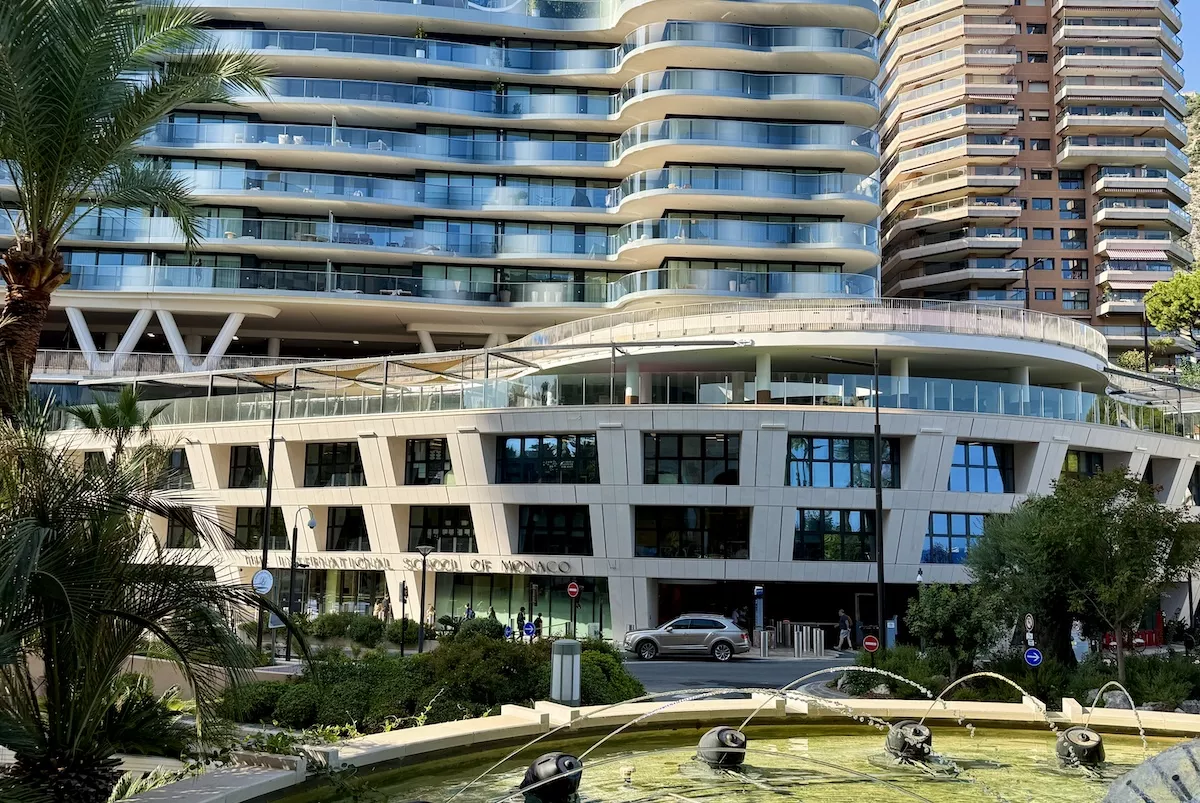
The growth of the private sector in recent years has been driven largely by the arrival of the British School of Monaco, which opened in Fontvieille in 2022 and added secondary classes in 2024, and by the International School of Monaco’s move to its larger Testimonio II campus that same year.
Almost a third of pupils live outside Monaco
Of the 6,592 pupils enrolled, 4,473, or 68%, live in the Principality. Almost a quarter (24%) live in one of the French municipalities bordering Monaco, while a further 7% travel in from elsewhere in the Alpes-Maritimes, meaning roughly 2,000 children cross the border each school day.
The figures do not show how these pupils are distributed between schools. However, last year’s data indicated that Monaco residents were more inclined towards private education than families commuting from France, with 74.6% of private-school pupils living in the Principality, compared with 65.7% of those in public schools.
French pupils outnumber Monegasques
French nationals form the largest group in Monaco’s schools, with 2,576 pupils, or 39% of the total, up from 38% last year. Monegasque pupils number 1,343, holding steady at 20%.
Together, the two nationalities account for around 59% of enrolments, with the remaining 41% made up of other nationalities. Last year, Italians were the third-largest group at 12.7%, with 92 nationalities represented in all, although this year’s summary does not break down nationalities beyond French and Monegasque.
Boys and girls are almost evenly split, at 3,317 and 3,275 respectively.
A handful of schools dominate
At primary level, three schools educate 44% of pupils, with FANB the largest, followed by École Saint-Charles and the International School of Monaco. Secondary education is far more concentrated, with Collège Charles III, Lycée Albert Ier and FANB together teaching 74% of all secondary pupils.
More children in special needs education
The number of pupils receiving special needs education has risen to 71, eight more than last year, an increase of 13%. They represent around 1% of all pupils in primary and secondary education.
The figures, published by IMSEE in October, exclude nursery and higher education but include pupils at the Princess Grace Dance Academy and the AS Monaco Academy.
Monaco Life is written by qualified journalists, writing original content. Sign up for our free newsletter, listen to our podcasts on Spotify, and follow us across Facebook, Instagram, LinkedIn, and Tik Tok.
Photo of International School of Monaco, credit: Cassandra Tanti
All the headlines and highlights from Monaco, direct to you every morning