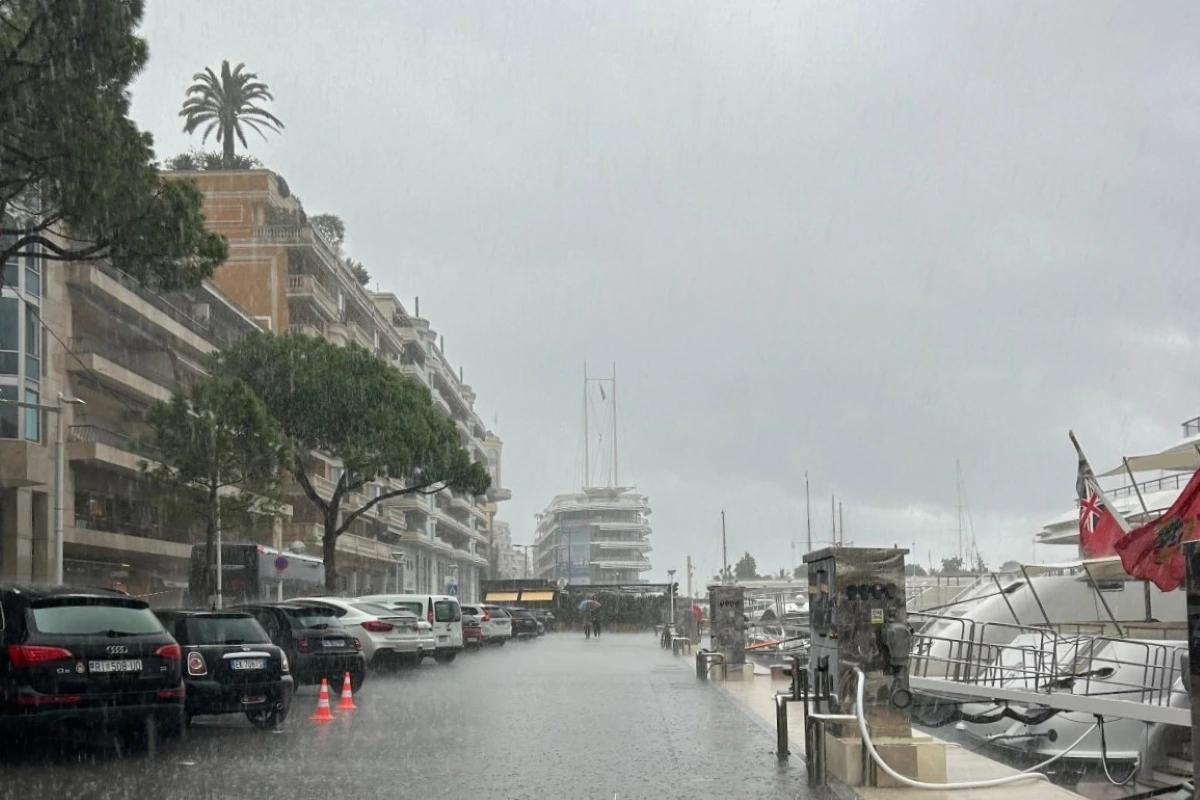
Heavy rain and thunderstorms are forecast to reach Monaco and the French Riviera on Tuesday 20th October as a Mediterranean weather system moves east across southern France, with the most active conditions expected during the afternoon and evening.
The Alpes-Maritimes has been placed under yellow vigilance for thunderstorms on Tuesday, according to Météo-France’s bulletin issued at 2.29pm on Monday. The warning means conditions could become locally dangerous, particularly for activities exposed to the weather.
The deterioration follows an intense spell of rain affecting the Hérault and Gard on Monday. As the system advances towards Provence-Alpes-Côte d’Azur, forecasters expect spells of heavy rain accompanied by thunderstorms, gusty winds and a risk of hail. The strongest storm activity is forecast to cross the region from west to east during Tuesday afternoon.
When will the worst weather arrive?
Météo-France expects the intense, thundery rain to move across Provence-Alpes-Côte d’Azur and Corsica during Tuesday afternoon and evening, before clearing during the night into Wednesday.
Why autumn storms can bring so much rain
Mediterranean episodes develop when warm, moist and unstable air moves inland from the sea. They are most common in autumn, when the water remains warm and evaporation supplies moisture to storm clouds.
The danger increases when storms remain over the same area, repeatedly dropping heavy rain and potentially triggering rapid flooding.
Residents should follow the latest Météo-France vigilance updates before travelling. During intense rain or thunderstorms, the weather service advises taking shelter in a substantial building, keeping away from trees and watercourses, and never entering a flooded road, even if it is only partially submerged.
Monaco Life is written by qualified journalists, writing original content. Sign up for our free newsletter, listen to our podcasts on Spotify, and follow us across Facebook, Instagram, LinkedIn, and Tik Tok.
Photo by Monaco Life
In photos: “Never anything like this” – a photographer’s view of Saturday’s riots
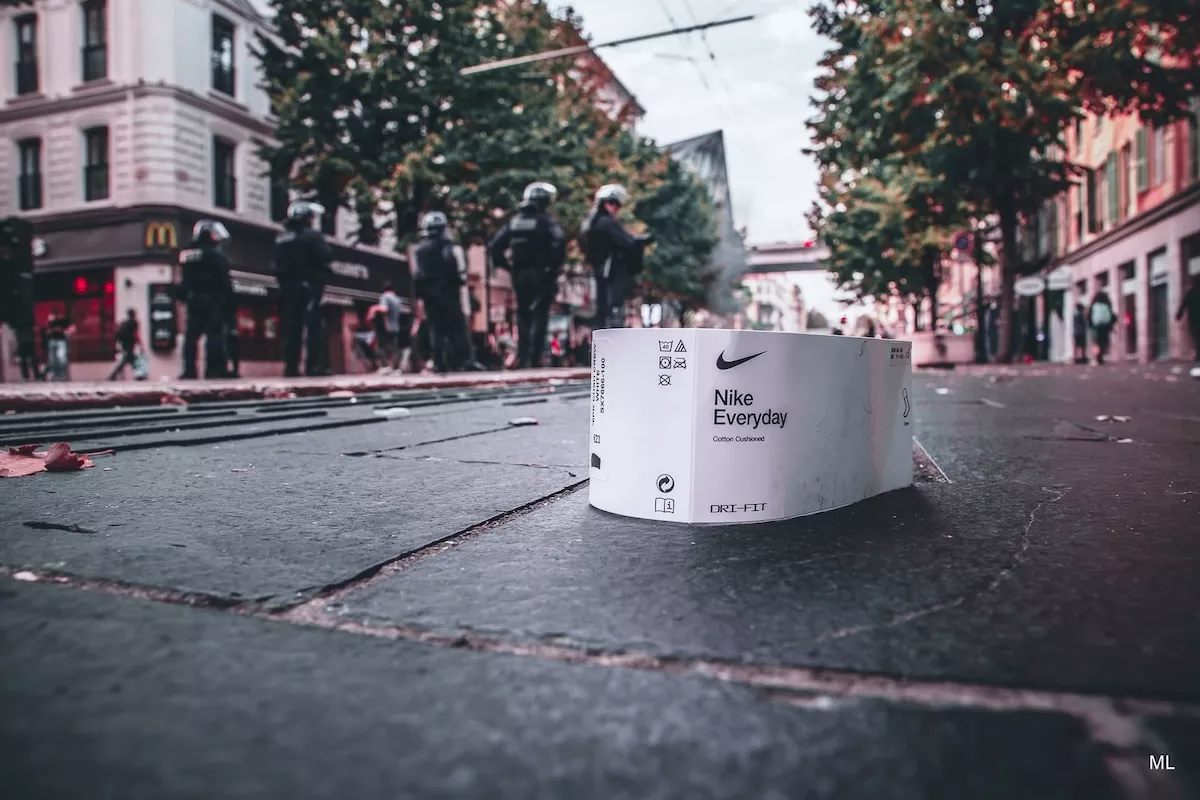
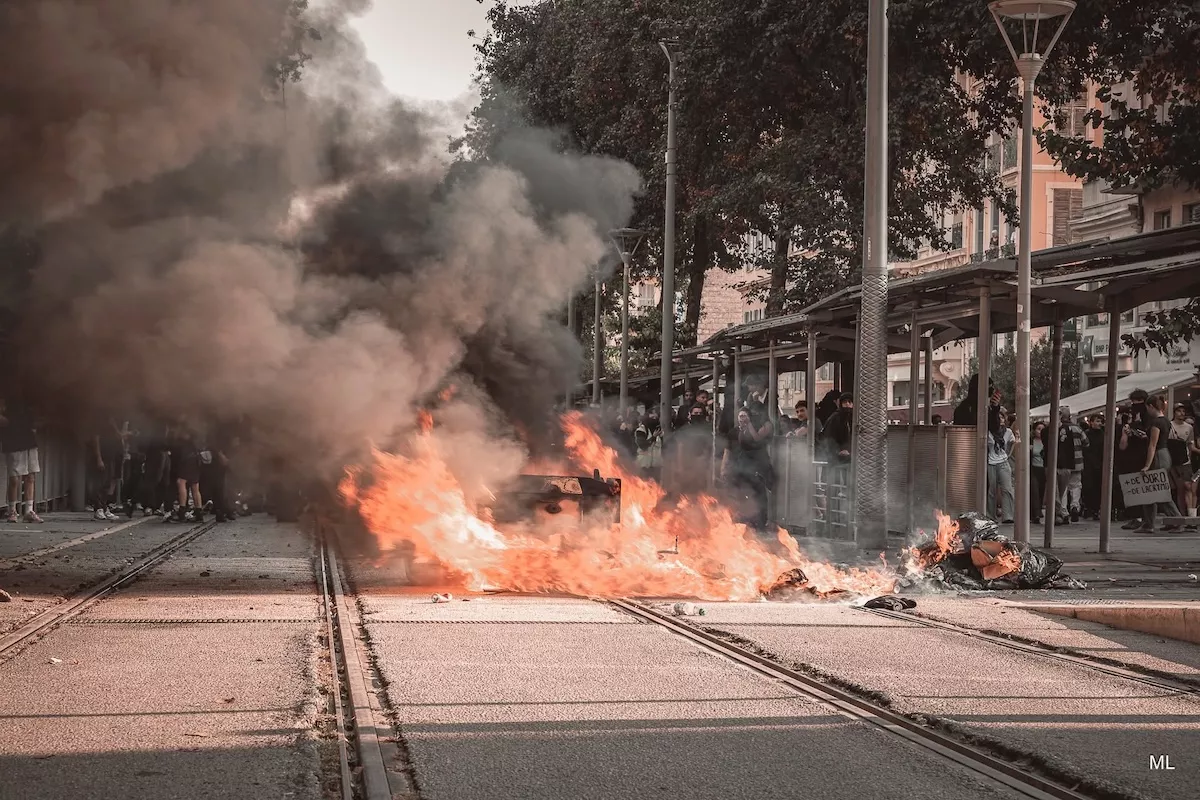
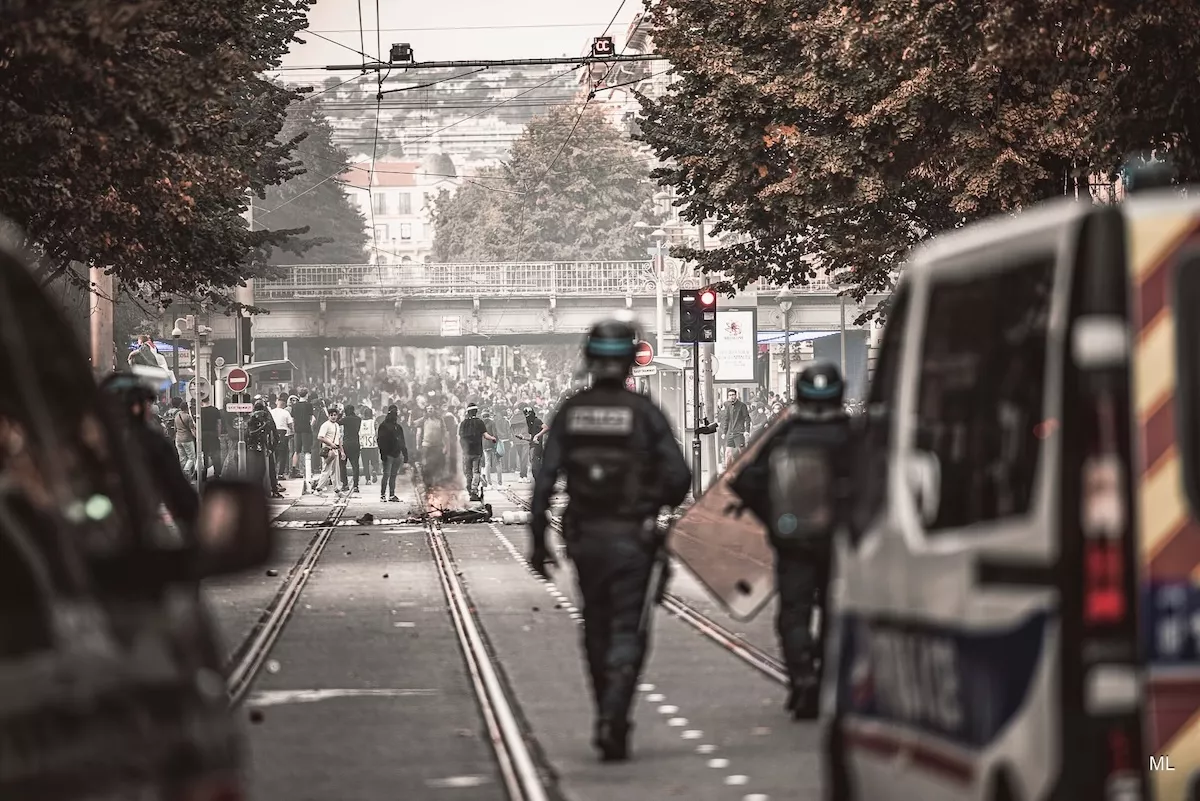
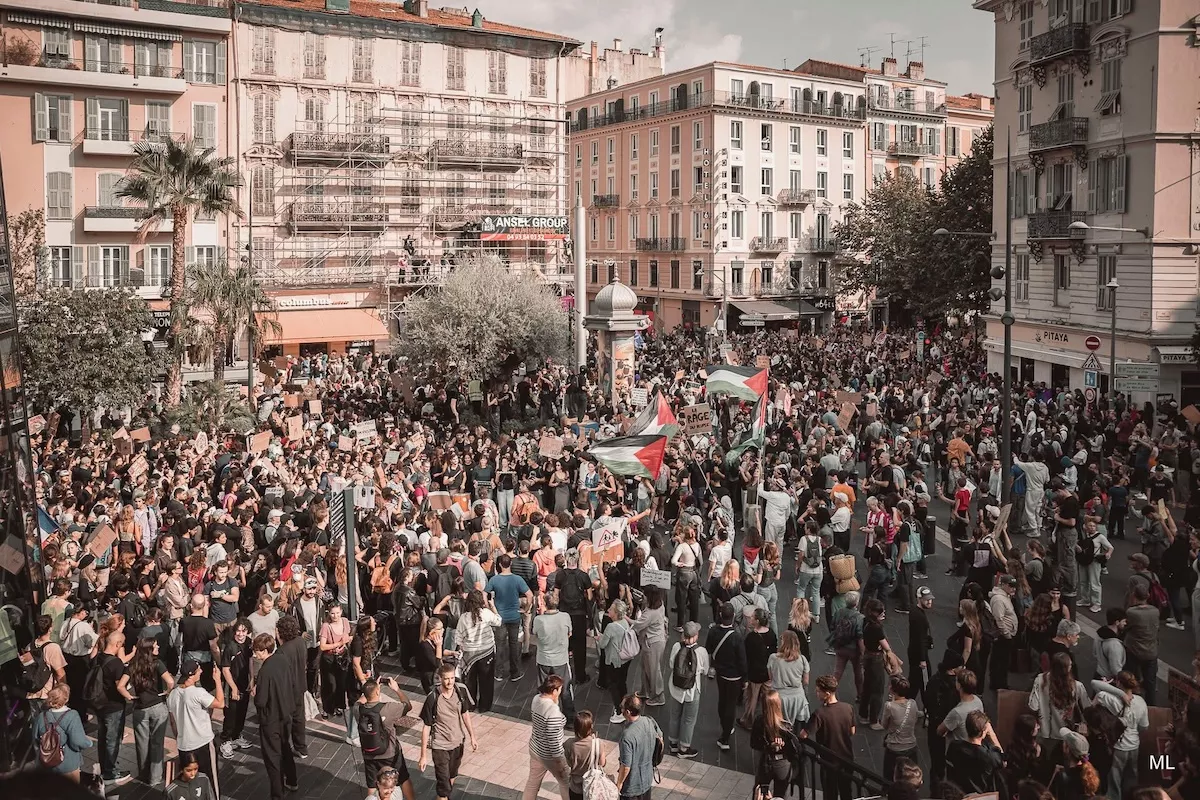
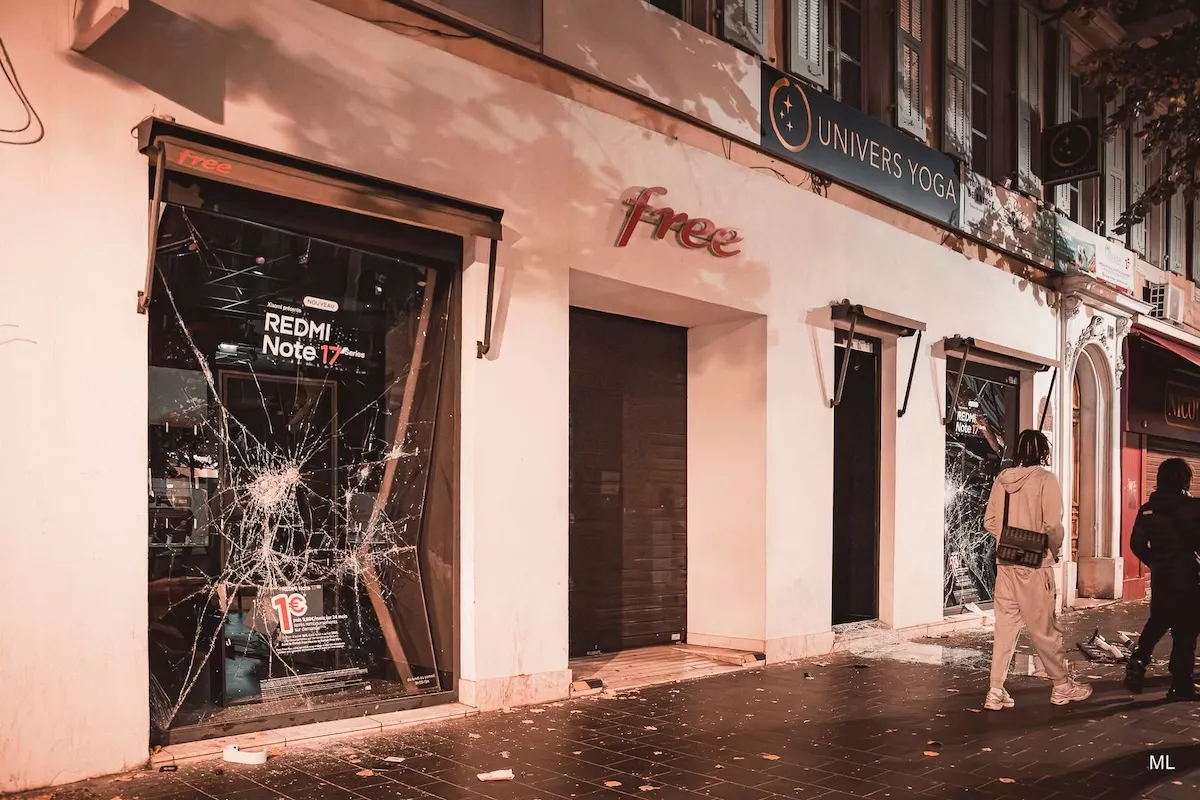
Women with pushchairs were shopping while, barely 100 metres away, looters targeted another store. For Nice-based photographer Marc Lapolla, who has covered numerous demonstrations in the city, Saturday 17th October brought scenes unlike anything he had witnessed before.
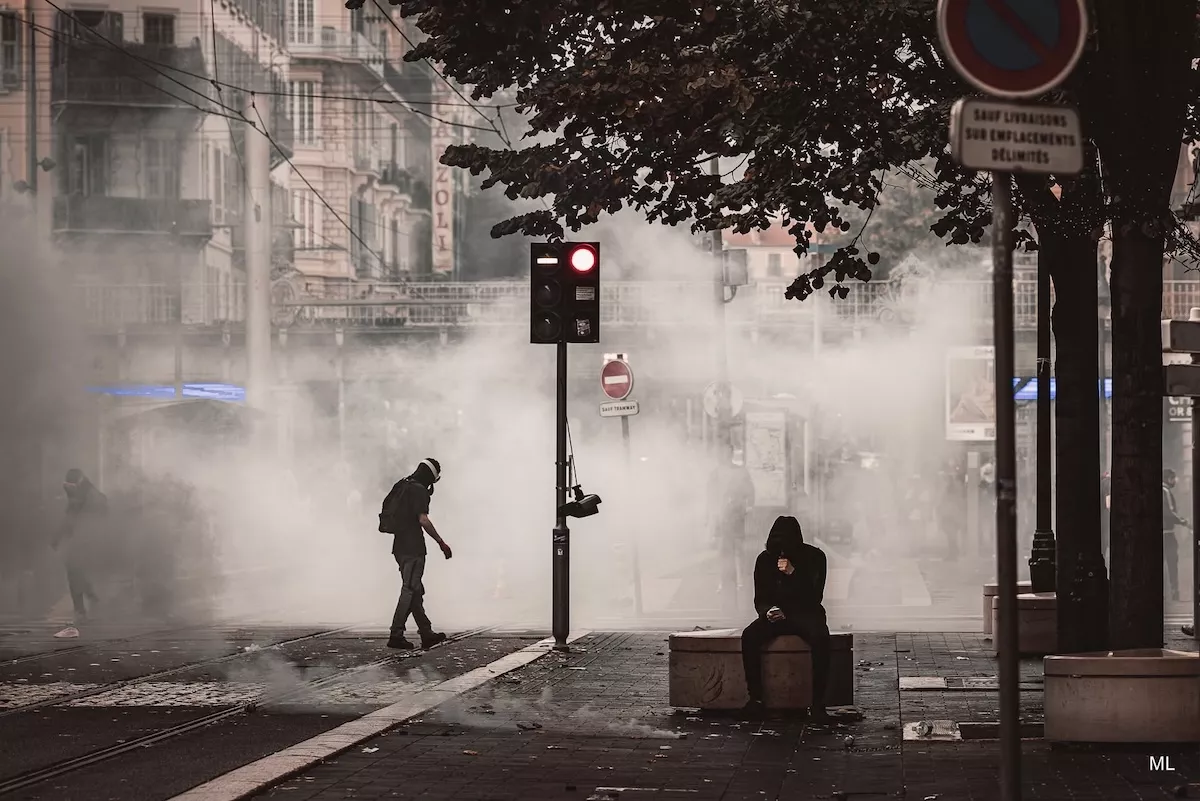
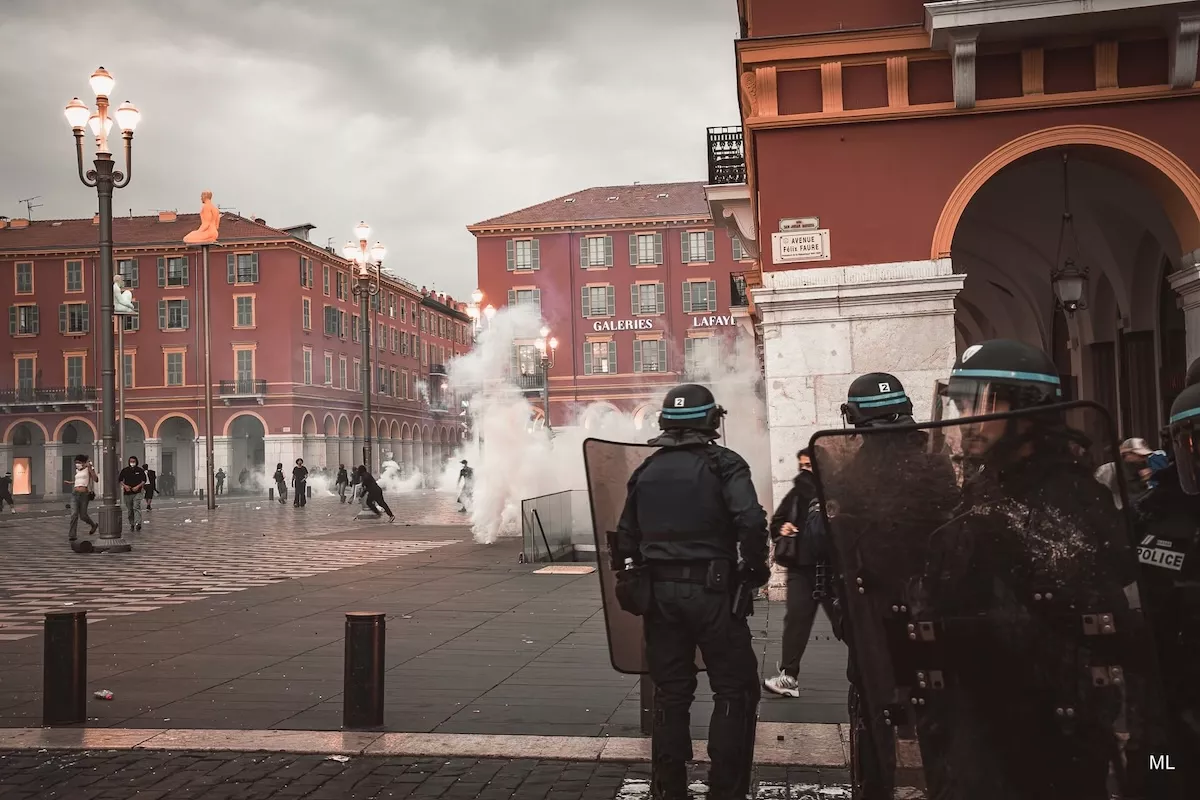
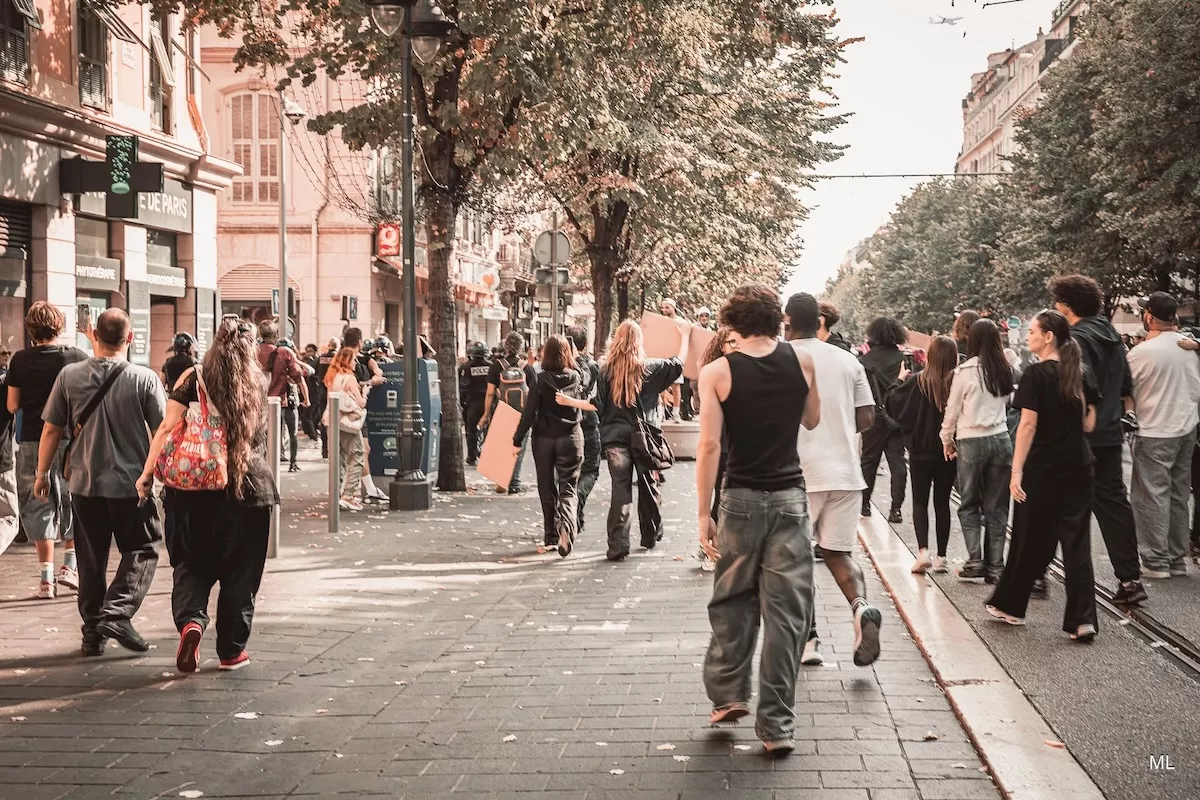
“It was the first time I had found myself at an event of this gravity,” he told Monaco Life. “I have covered many demonstrations in Nice, but never anything like this.” Caught in clouds of tear gas three times, he was particularly struck by the unsettling proximity of everyday life, peaceful protest and violence along Avenue Jean Médecin.
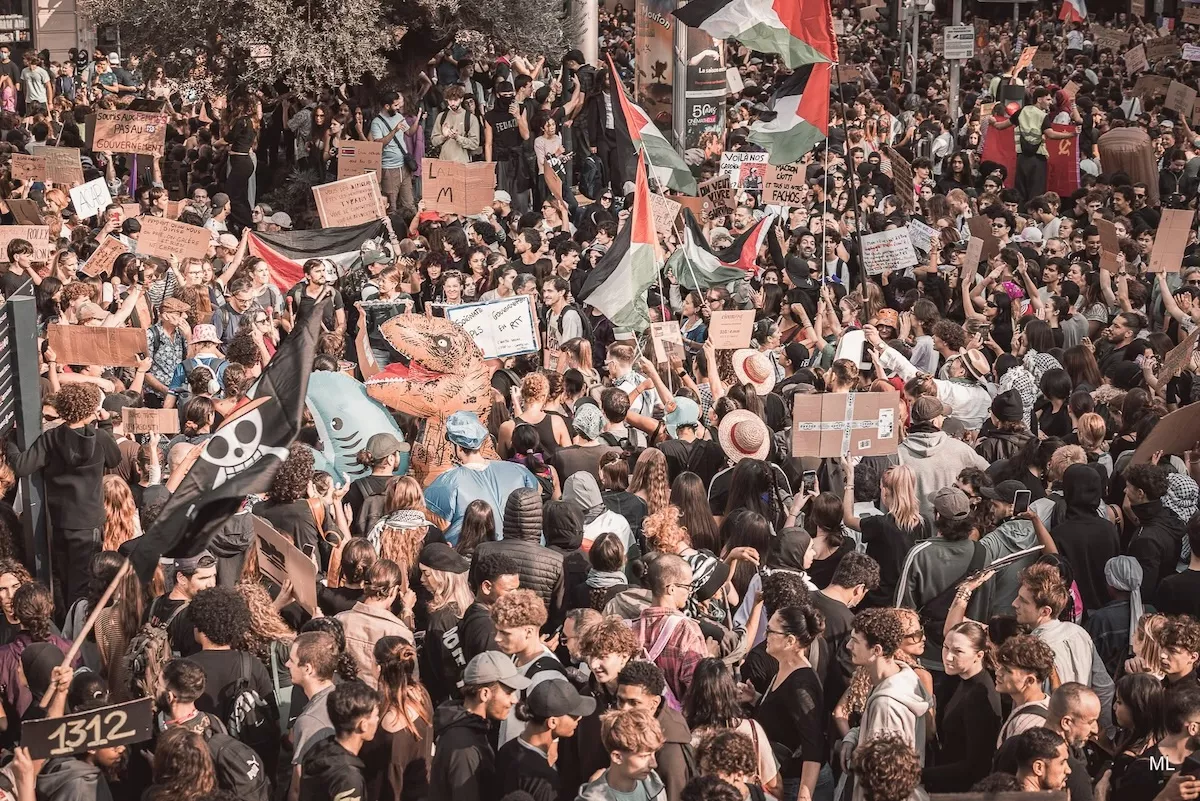
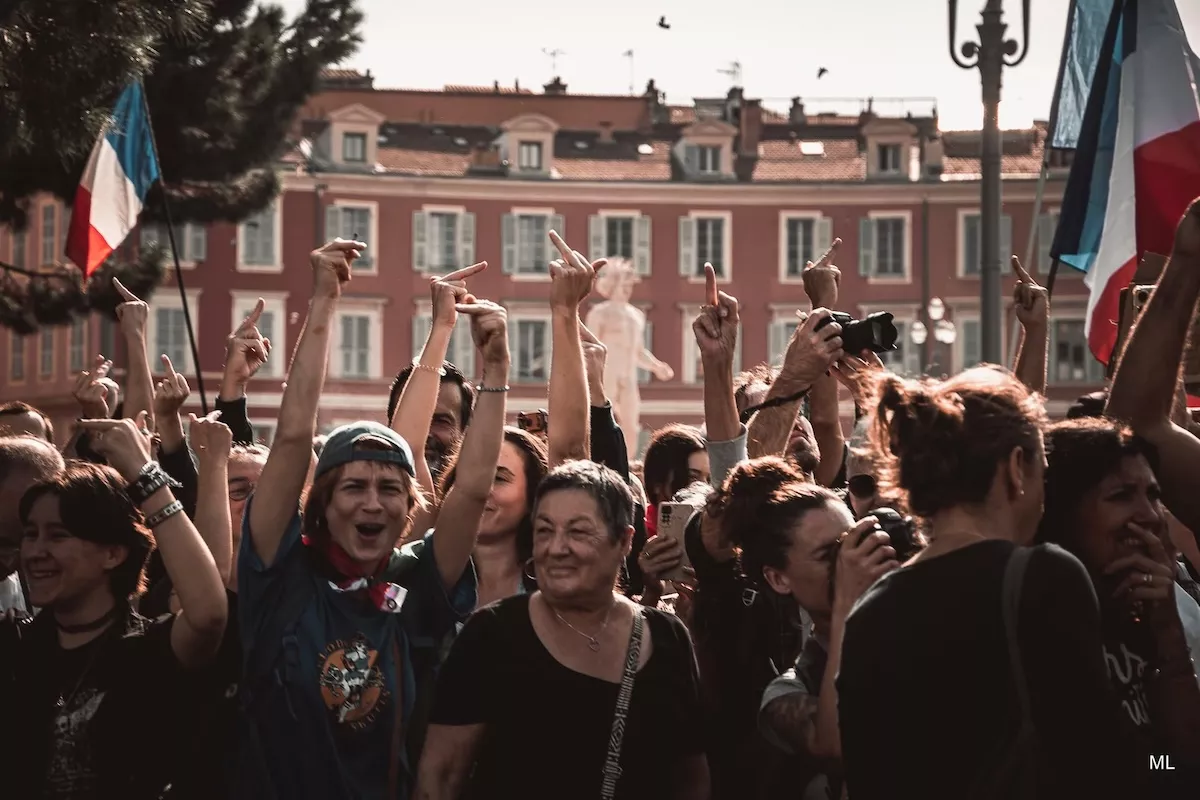
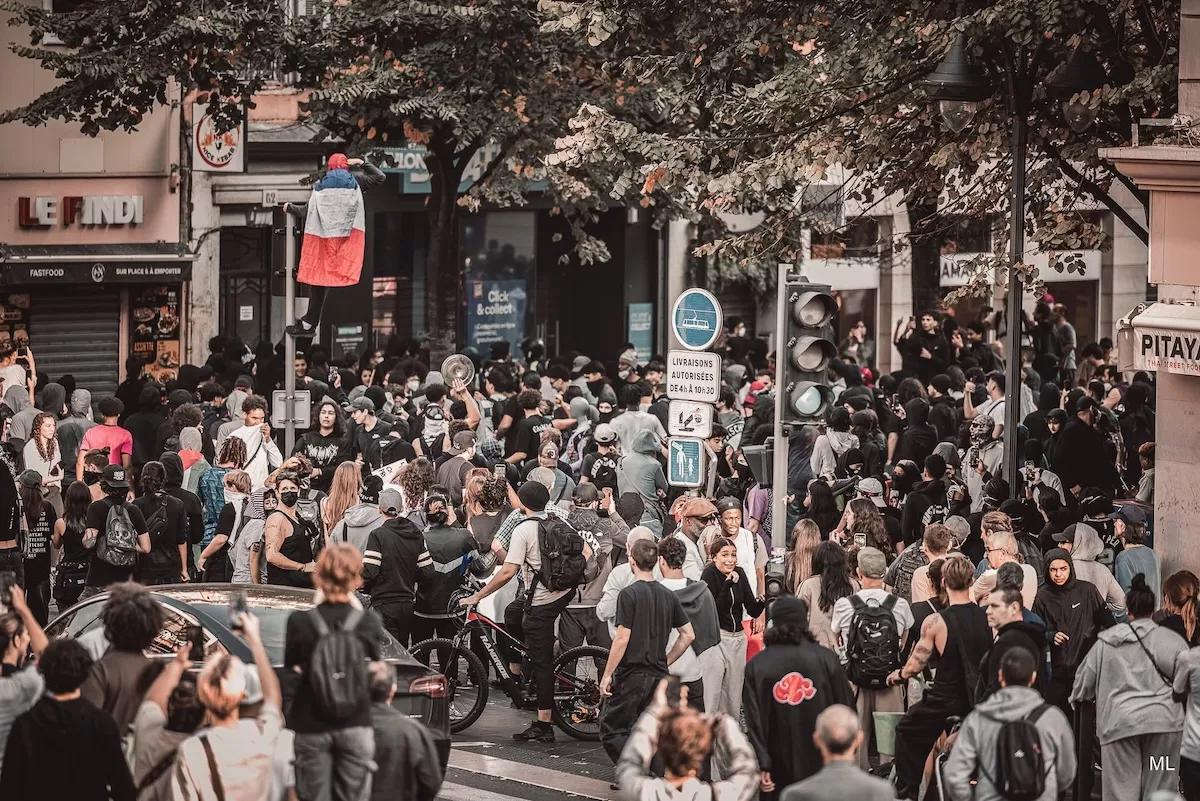
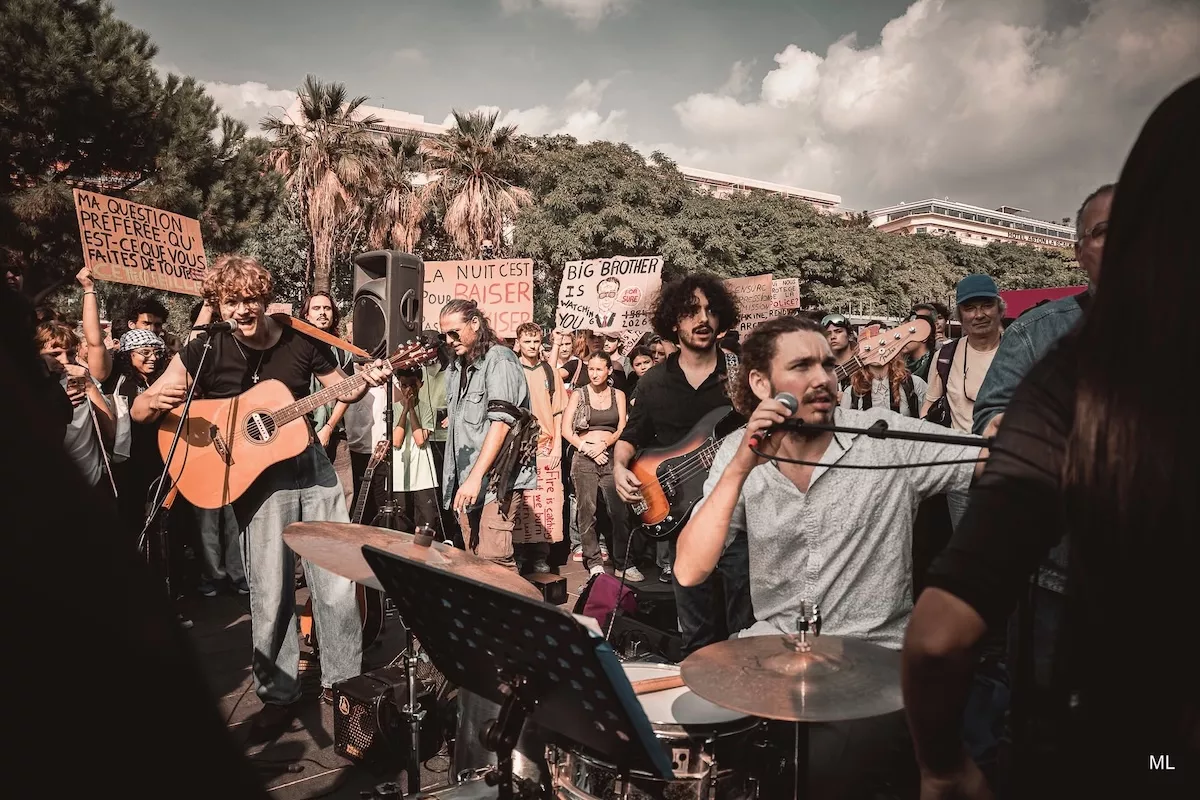
“Women with pushchairs were doing their shopping at Monoprix on Avenue Jean Médecin while, 100 metres further up, looters were ransacking JD Sports,” he recalled. Outside the ICONIC building, he described a dense crowd singing, dancing and chanting anti-Macron slogans as, across the avenue, people looted Decathlon and immediately sold on the stolen goods. In his assessment, police numbers were insufficient to contain the crowd.
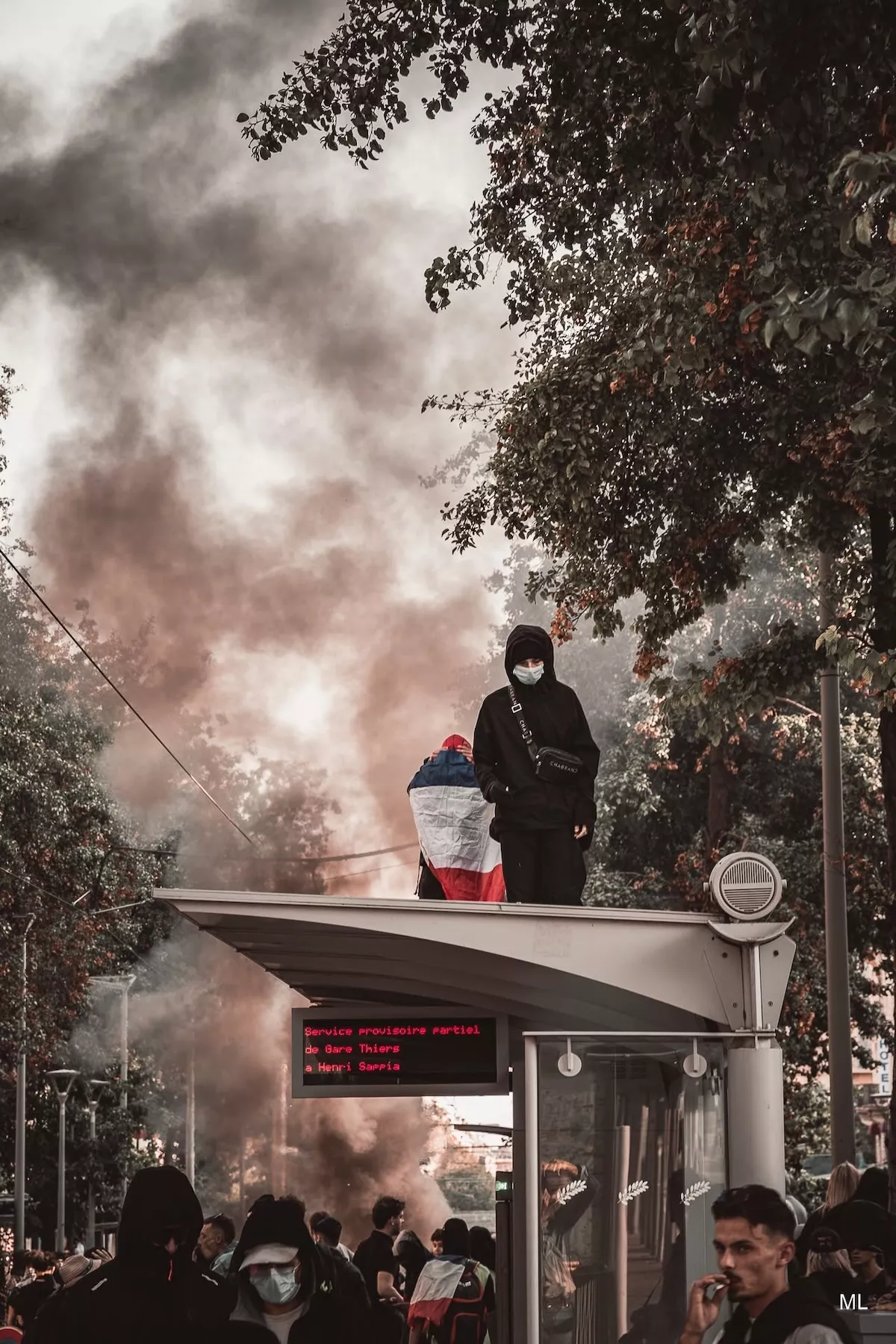
What troubled Lapolla most was seeing bystanders, ordinary demonstrators and masked rioters sharing the same space, some watching while others acted. His photographs accompany a conflicted account: support for people’s right to express concern about political decisions, alongside dismay at the destruction. “The official demonstration itself was a real success,” he said. “I am, however, appalled by the recklessness, naivety and lack of awareness of the rioters.”
Monaco Life is written by qualified journalists, writing original content. Sign up for our free newsletter, listen to our podcasts on Spotify, and follow us across Facebook, Instagram, LinkedIn, and Tik Tok.
Indosuez targets €18 billion in private markets as Tiera Capital turns 25
Indosuez Wealth Management, the private banking arm of France’s Crédit Agricole and parent of Monaco’s CFM Indosuez, is aiming to grow its private markets business by almost 40% in little more than two years, setting a target of €18 billion in assets under management by 2028 as its Tiera Capital platform marks its 25th anniversary.
Tiera Capital currently manages close to €13 billion, according to the bank, which says assets have grown by an average of 15% a year over the past two decades.
From niche to core holding
When Tiera Capital launched in 2001, private markets, which cover investments in companies and assets not traded on public stock exchanges, were largely the preserve of pension funds, insurers and other institutional investors. Indosuez was among the first private banks to open the asset class to its wealthy clients, applying the same selection standards used by institutions.
The platform has since broadened from private equity into private debt, infrastructure, co-investments and secondary transactions, in which investors buy existing stakes in funds from other investors. It now works with more than 120 partner asset managers across Europe, the United States and the Asia-Pacific region, and is run by a team of 70 specialists in nine locations across Europe and Asia.
Over its 25 years, the bank says, Tiera Capital has backed more than 4,000 private companies through over 600 funds, made 110 direct investments and taken part in 120 secondary transactions.
Wider access, same exclusivity
The new target signals a push to bring private markets to a broader range of the bank’s clients, from private wealth customers to large professional investors, while keeping what Indosuez describes as the standards of exclusivity on which its reputation rests.
“This anniversary is not simply an opportunity to look back. The ambition is clear: to make Tiera Capital the leading global platform for all client segments, from private wealth clients to the largest professional investors,” said Nicolas Renauld, Global Head of Private Markets at Indosuez Wealth Management.
Private market investments carry particular risks, including the potential loss of capital and the difficulty of selling holdings quickly, and they are generally intended for long-term investors.
The Monaco connection
In the Principality, the Indosuez group operates through CFM Indosuez Wealth Management, which was founded as the Crédit Foncier de Monaco in 1922. Worldwide, Indosuez employs more than 4,300 people across 15 territories and held €233 billion in client assets at the end of 2025.
Monaco Life is written by qualified journalists, writing original content. Sign up for our free newsletter, listen to our podcasts on Spotify, and follow us across Facebook, Instagram, LinkedIn, and Tik Tok.
Image is AI generated by Monaco Life
Who took out the top awards at the Planetary Health Awards in Monaco?
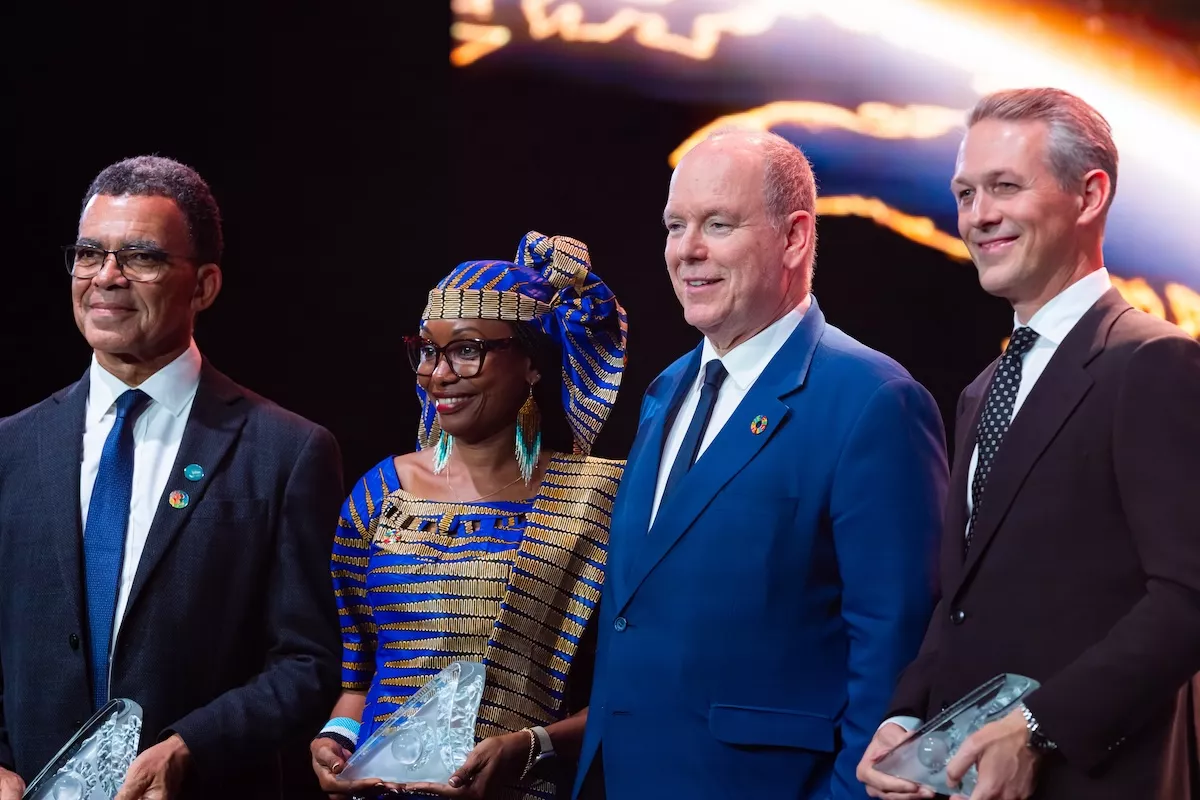
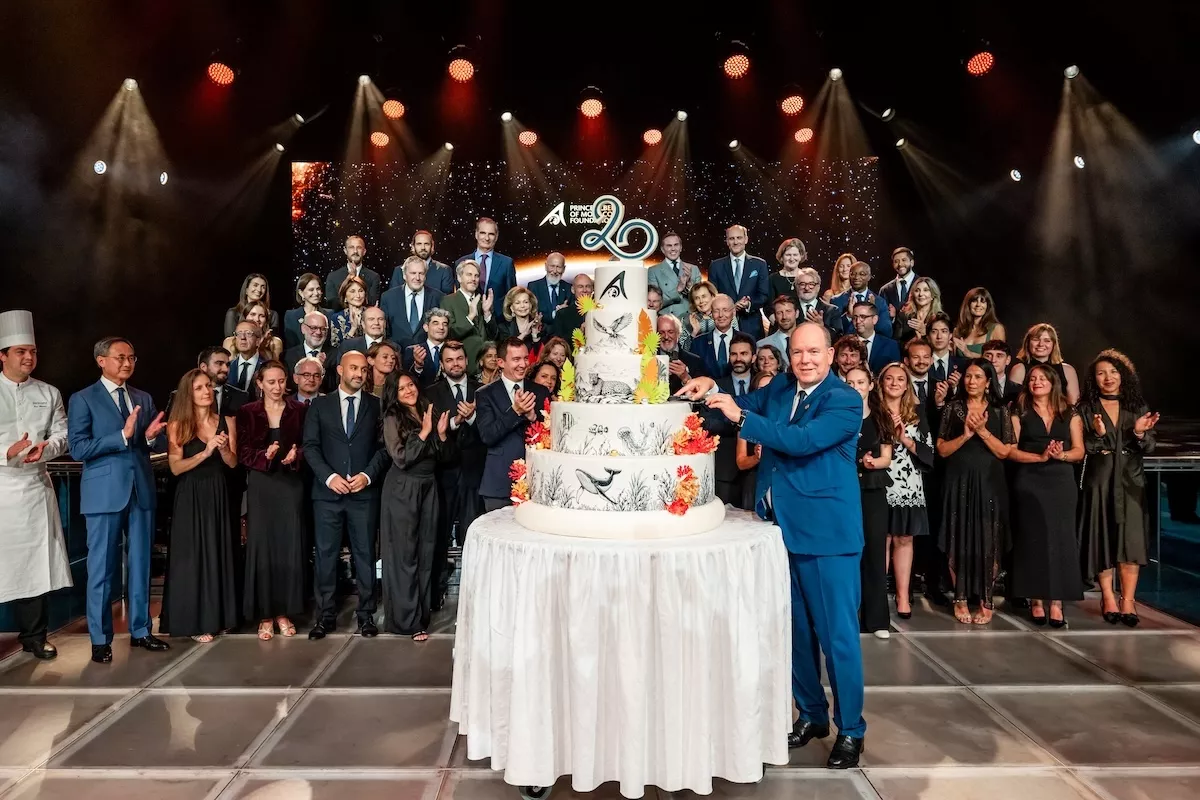
A Kenyan coral reef scientist, a Swedish wave energy company and a Chadian defender of Indigenous peoples’ rights have been honoured by the Prince Albert II of Monaco Foundation, as it marked 20 years of environmental work at its annual Planetary Health Awards in Monaco.
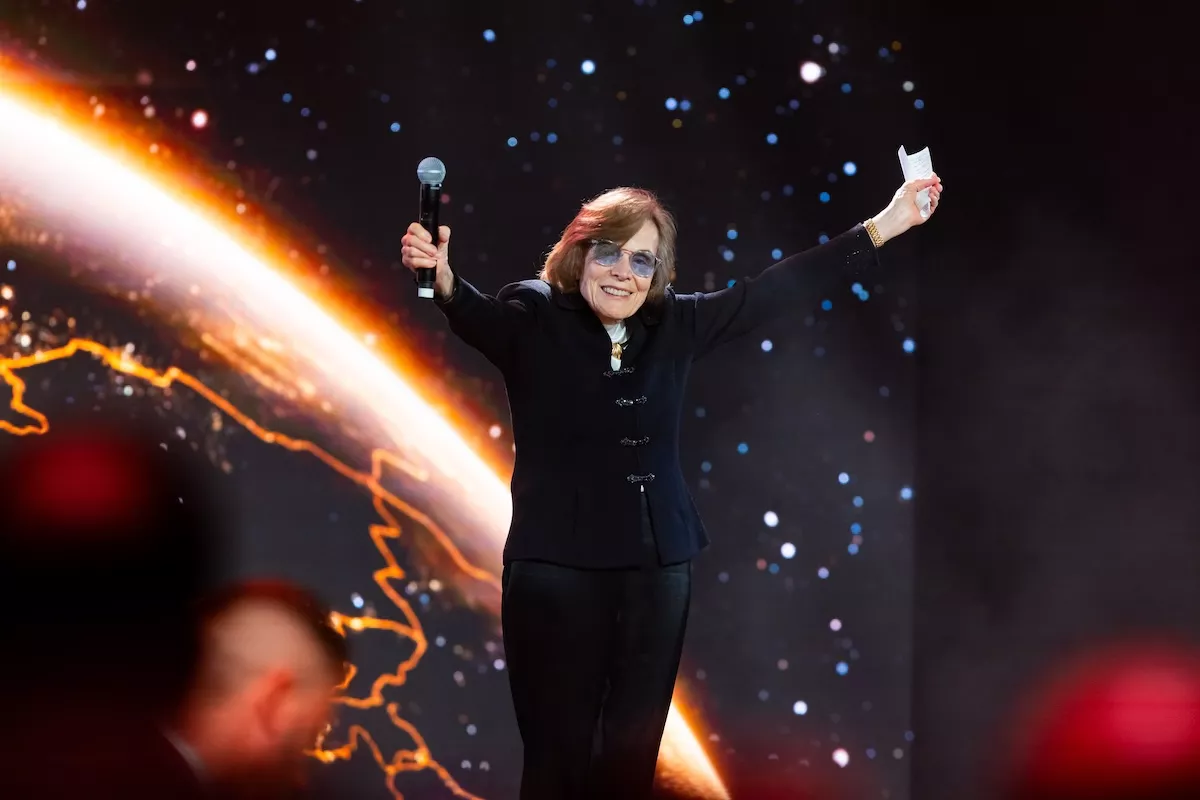
Prince Albert II presented the awards to Dr David Obura, CorPower Ocean and Hindou Oumarou Ibrahim on Friday 16th October in front of nearly 400 guests at the Salle des Étoiles of the Sporting Monte-Carlo, where oceanographer Dr Sylvia Earle delivered the keynote address.
Twenty years of the Foundation
Opening the ceremony, the Prince chose to dedicate his speech not to the Foundation’s achievements but to the people behind them, over two decades in which it has carried out more than 850 projects.
“Although the PA2 MF is named after one man, it could just as well bear the name of many others who have made it what it is today. It is to them – to you – that I would like to pay tribute,” he said.
He thanked the Foundation’s donors for their moral as well as financial support. “Knowing that you believe in us helps us move forward, especially when bad news follows bad news, as is so often the case when it comes to the environment, unfortunately,” he said.
The Prince credited scientists with two landmark moments for Monaco: the 2009 Monaco Declaration, which warned the world about ocean acidification, and the presentation of the IPCC’s Special Report on the Ocean and Cryosphere in the Principality ten years later. “Their research brings us knowledge and hope. Their ability to innovate determines our ability to take action,” he said.
Photo credit: Philippe Fitte
From monk seals to the high seas
Among the results achieved alongside partners in the field, the Prince highlighted the population of the Mediterranean monk seal, one of the region’s most endangered marine mammals, which he said had doubled “in just a few years”, as well as projects developing alternative energy in Africa, protecting forests in South-East Asia and tackling plastic pollution in the Mediterranean.
He also pointed to the Foundation’s work with business, through the Monaco Blue Initiative, the ReOcean Fund, the Ocean Innovators Platform and the Blue Economy and Finance Forum, which he said drew more than 2,000 participants from over 100 countries to Monaco last year and generated investment commitments of more than €8 billion.
Recalling that he attended the Rio Earth Summit with his father, Prince Rainier III, in 1992, the Prince said environmental protection had moved up the international agenda over the past 20 years, citing the recovery of Mediterranean bluefin tuna, the global ’30×30′ initiative to protect 30% of the planet’s land and sea by 2030, the creation of the world’s largest marine protected area in Antarctica in 2016 and, in January this year, the entry into force of the first global agreement to protect the high seas.
“These are victories that required time, perseverance and a ‘hint’ of diplomacy,” he said.
He closed by turning to the French writer and aviator. “Antoine de Saint-Exupéry wrote that fraternity ‘is forged through a shared commitment to something greater than oneself.’ That is what we have experienced together for twenty years: a commitment to a cause that transcends us yet unites us; a collective hope that brings together women and men from a wide variety of backgrounds; and fraternity formed through shared aspirations and enduring friendships. I know and I’m sure this spirit will inspire us for the next twenty years… and beyond, we hope!”
Dr Sylvia Earle. Photo credit: Ed Wright
Science: Dr David Obura
The Science award went to Dr David Obura, a Kenyan marine ecologist who has spent more than 30 years studying the biodiversity of coral reefs, their resilience and their vulnerability to climate change, as well as what their decline means for the communities who depend on them. He founded CORDIO East Africa and has chaired IPBES, the UN-backed intergovernmental science body on biodiversity, since 2023.
“I am so honoured to receive this award on science in relation to planetary health. It marks a transition from my past work on coral reefs – showing how we are still accelerating to a precipice of coral reef decline, though solutions are essentially known – to my present and future work on the understanding of how our economies and finance must be reconnected with nature’s limits and societal needs, not the other way around,” said Dr Obura.
Innovation and Solutions: CorPower Ocean
Swedish company CorPower Ocean, which develops machines that convert the motion of waves into electricity, received the Innovation and Solutions award. Its patented WaveSpring technology is designed to capture wave energy efficiently while surviving the harshest ocean conditions. Last year, the company secured European Union backing for VianaWave, a 15-megawatt wave farm off the coast of Portugal, which is expected to use 45 converters to produce around 46 gigawatt hours of electricity a year.
“Wave energy is a field where Europe leads. We have the opportunity to build a new homegrown industry, with sustainable jobs and clean, competitive power from our own coastlines. And we can build it in harmony with the oceans, protecting the sea life we share them with,” said Patrik Möller, the company’s CEO and co-founder.
Photo credit: Philippe Fitte
Awareness: Hindou Oumarou Ibrahim
The Awareness award was presented to Hindou Oumarou Ibrahim, a member of the Mbororo pastoralist community in Chad, who has spent more than 15 years campaigning for the rights of Indigenous peoples and for their traditional knowledge to be recognised in responses to climate change. As founder of the Association of Indigenous Women and Peoples of Chad, she combines advocacy on the international stage with work on the ground, including participatory mapping projects that draw on local communities’ knowledge of natural resources.
“My mission is simple: make our knowledge heard, protect our rights and ensure our people is not left behind. (…) This award is a responsibility to go further, for my people, for Indigenous people, for our planet, and for the generations to come,” she said.
‘Her Deepness’ on the ocean
The evening’s keynote came from Dr Sylvia Earle, the American oceanographer nicknamed ‘Her Deepness’, National Geographic’s Explorer at Large and a long-standing friend of the Prince and his Foundation.
“Now is time like never before and maybe as never again, we must protect the ocean as if our lives depend on it; because it does. We are close to tipping the planetary boundaries until they will not recover but have the chance now to change the trajectory to tip in the right direction. With knowing there is caring and with caring there is hope that we can find an enduring place for ourselves within the natural living system,” she said.
Monaco Life is written by qualified journalists, writing original content. Sign up for our free newsletter, listen to our podcasts on Spotify, and follow us across Facebook, Instagram, LinkedIn, and Tik Tok.
Main photo credit: Ed Wright
17 October protest in Nice: violence, looting and questions over how the city lost control
Shops were looted, police vehicles attacked and officers injured as Saturday’s demonstration against the cost of living erupted into violence in central Nice. By Sunday, prosecutors reported 85 people in police custody, including 40 minors, while Mayor Éric Ciotti demanded prison sentences and President Emmanuel Macron ordered answers over the handling of unrest across France.
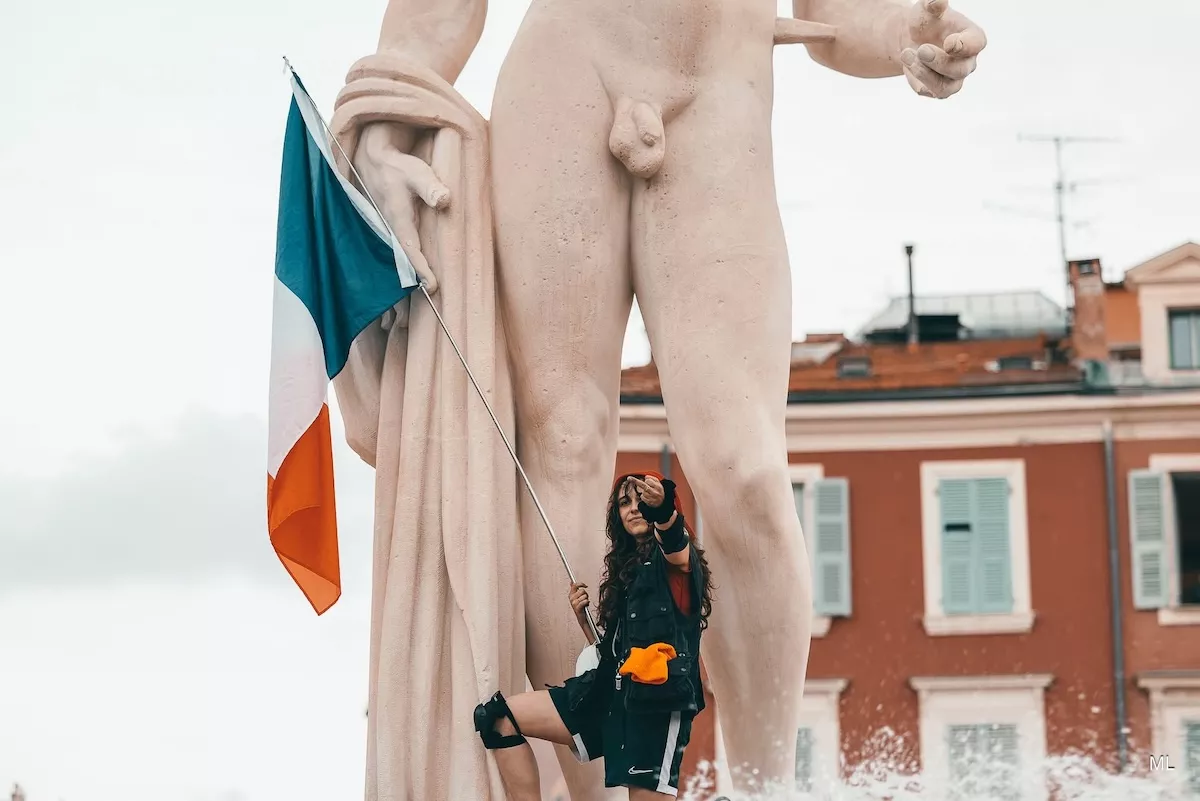
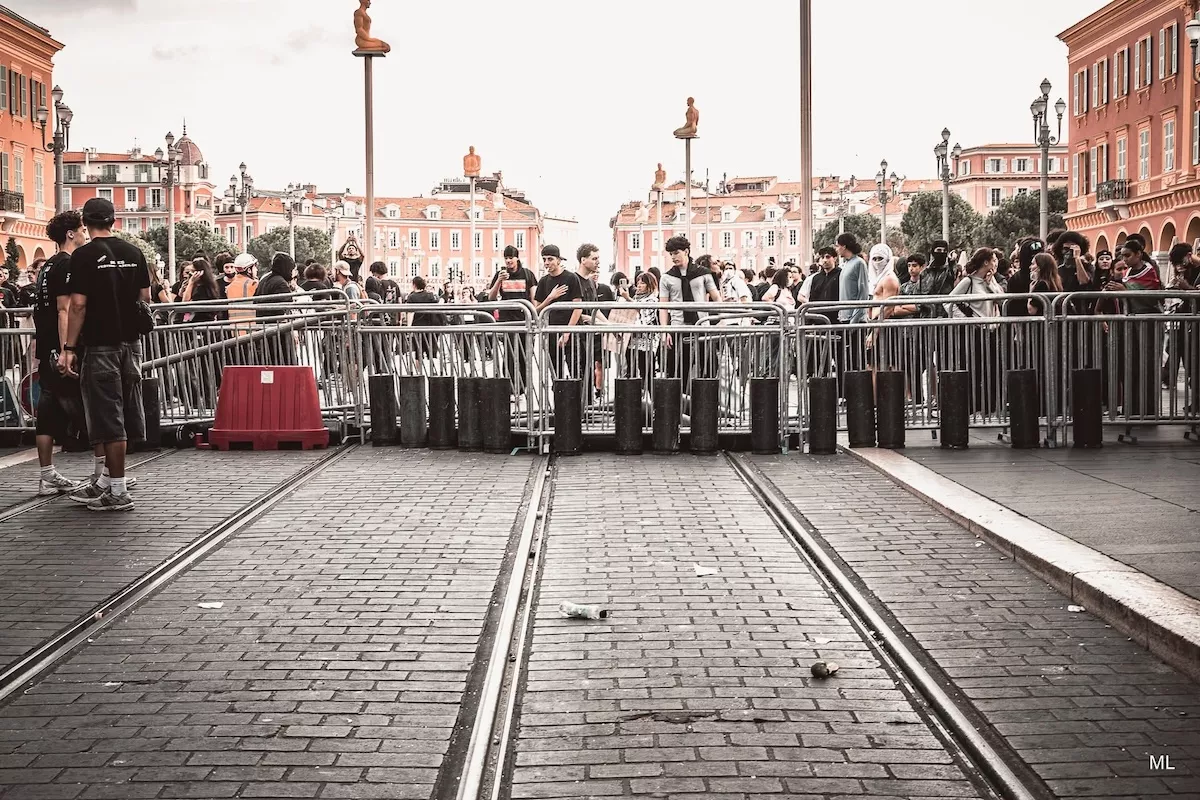
Around 3,800 people marched through the city centre of Nice on Saturday 17th October, setting off from Place Masséna. What began as a largely peaceful gathering, which the authorities said had not been declared, was later disrupted by masked groups dressed in black.
According to the Alpes-Maritimes prefecture, around a dozen businesses were damaged and looted during the afternoon, most of them on Avenue Jean-Médecin, among them JD Sports, Decathlon and Micromania.
Photo credit: Marc Lapolla
Among the most widely shared images from Nice was footage of Pierre, a Micromania employee, standing guard at the shop’s entrance with a manga character looming behind him in the window display.
The striking backdrop gave his stand an almost cinematic quality, but the violence was real: he was kicked from behind and targeted with projectiles while trying to prevent the shop from being looted. The footage has since circulated internationally, prompting a wave of support for the employee.
Arrests and injuries in Nice
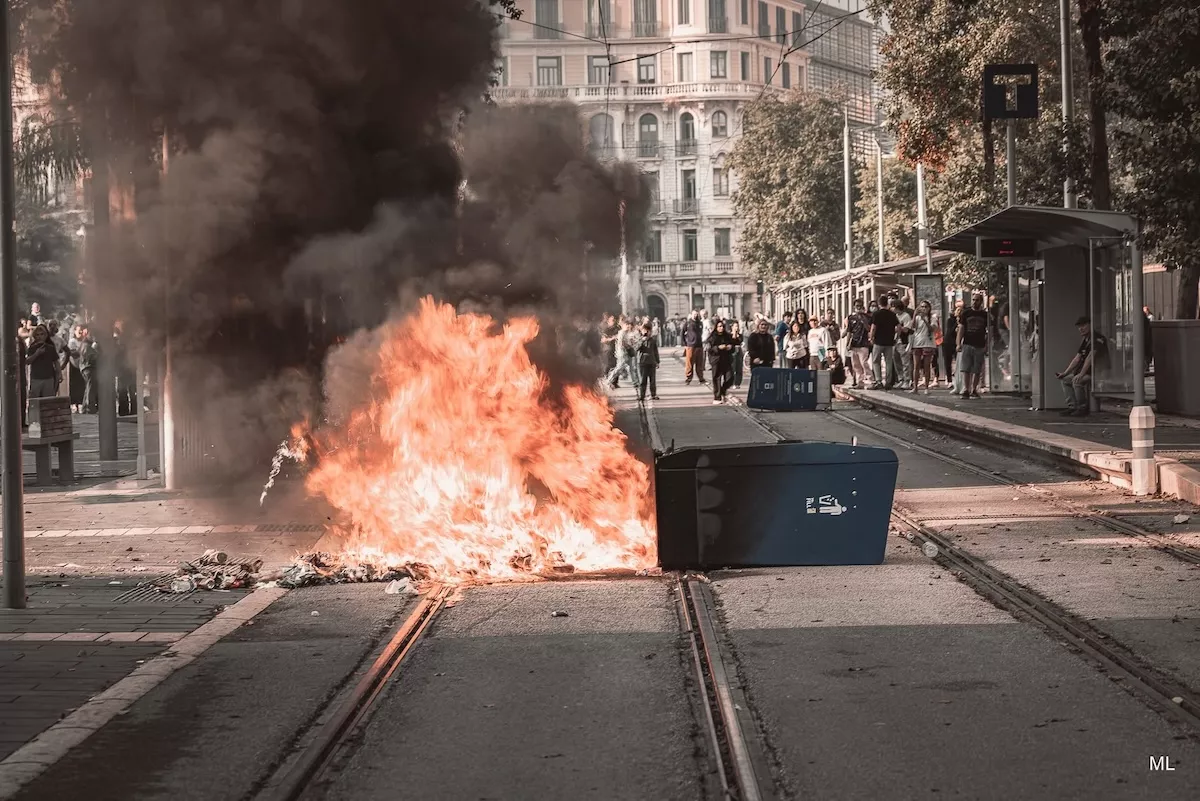
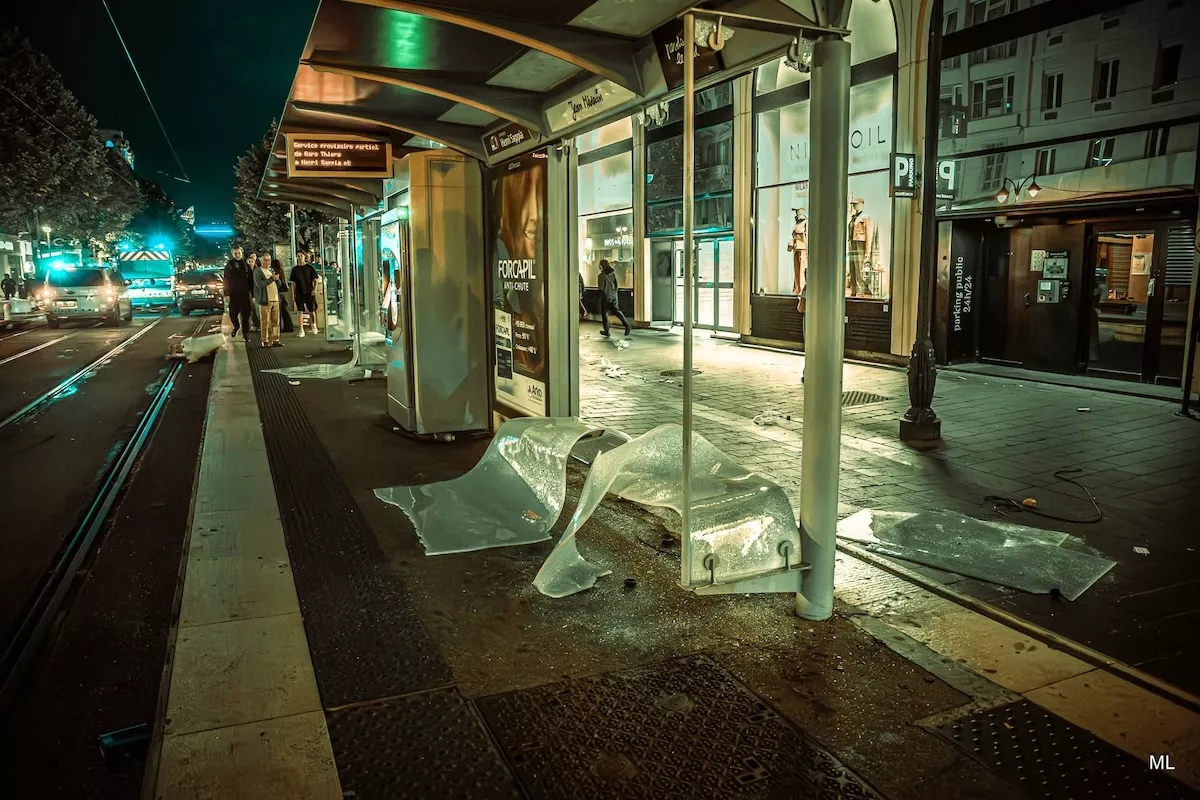
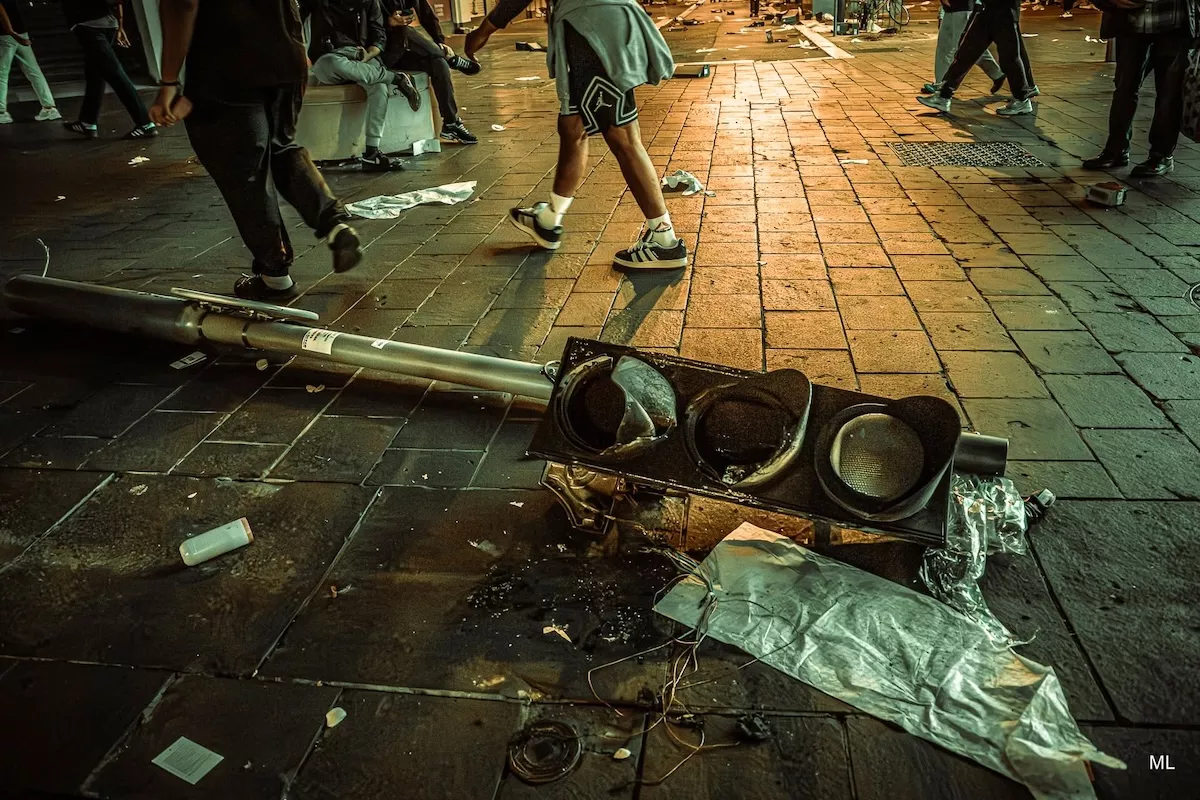
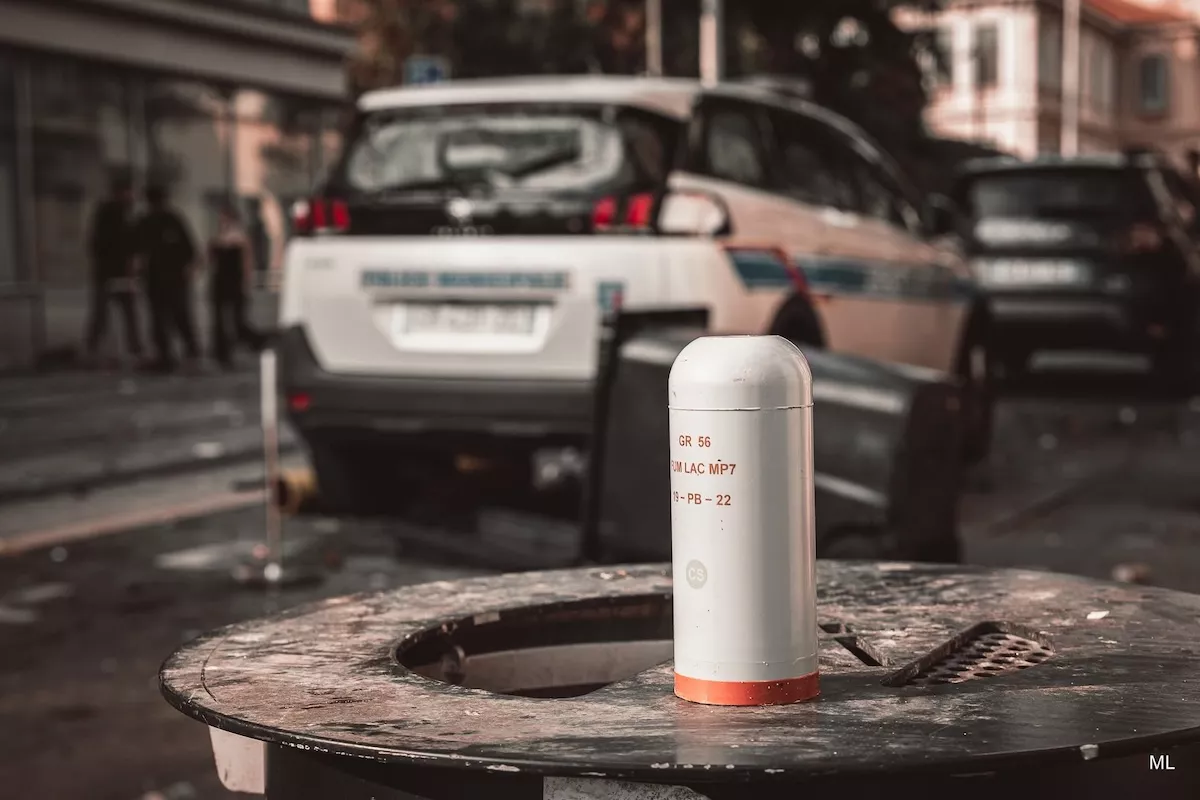
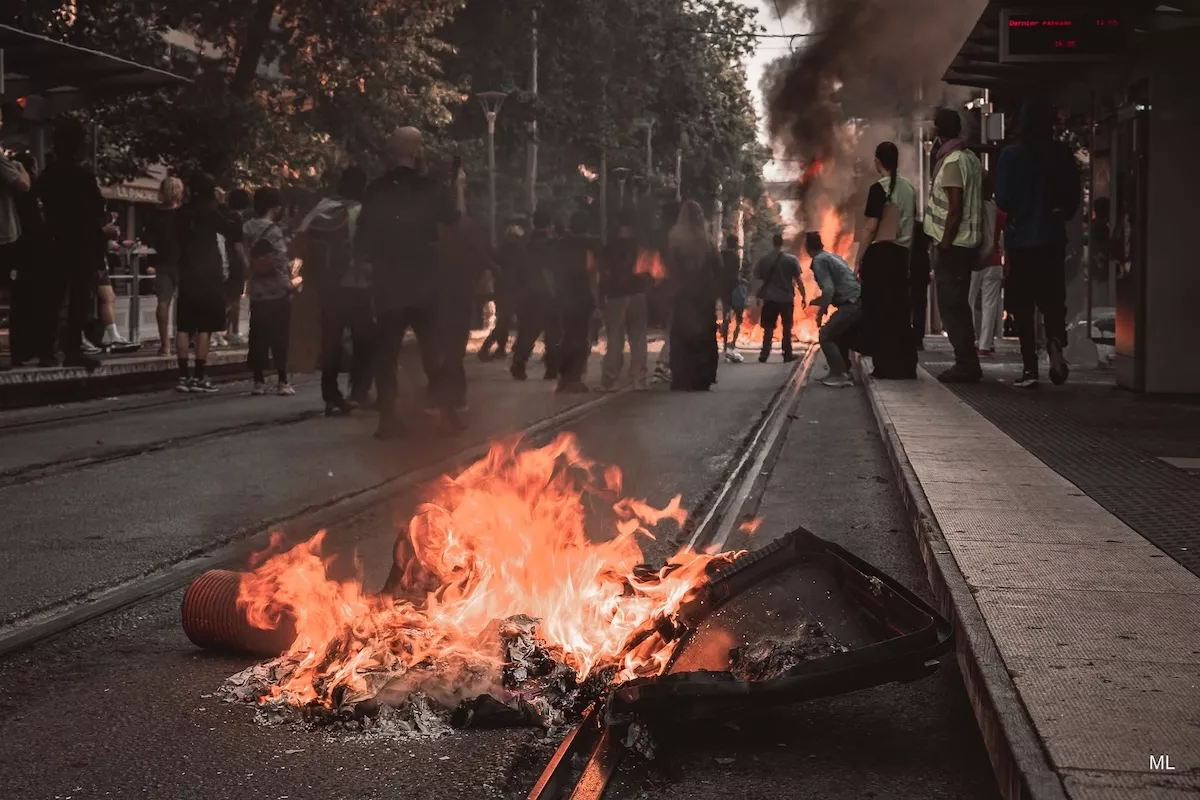
Bus shelters and street furniture were damaged, bins were set alight and three municipal police vehicles were damaged, one of them outside the city’s video surveillance centre on Place du Général-de-Gaulle. A police post in the Moulins district was also targeted.
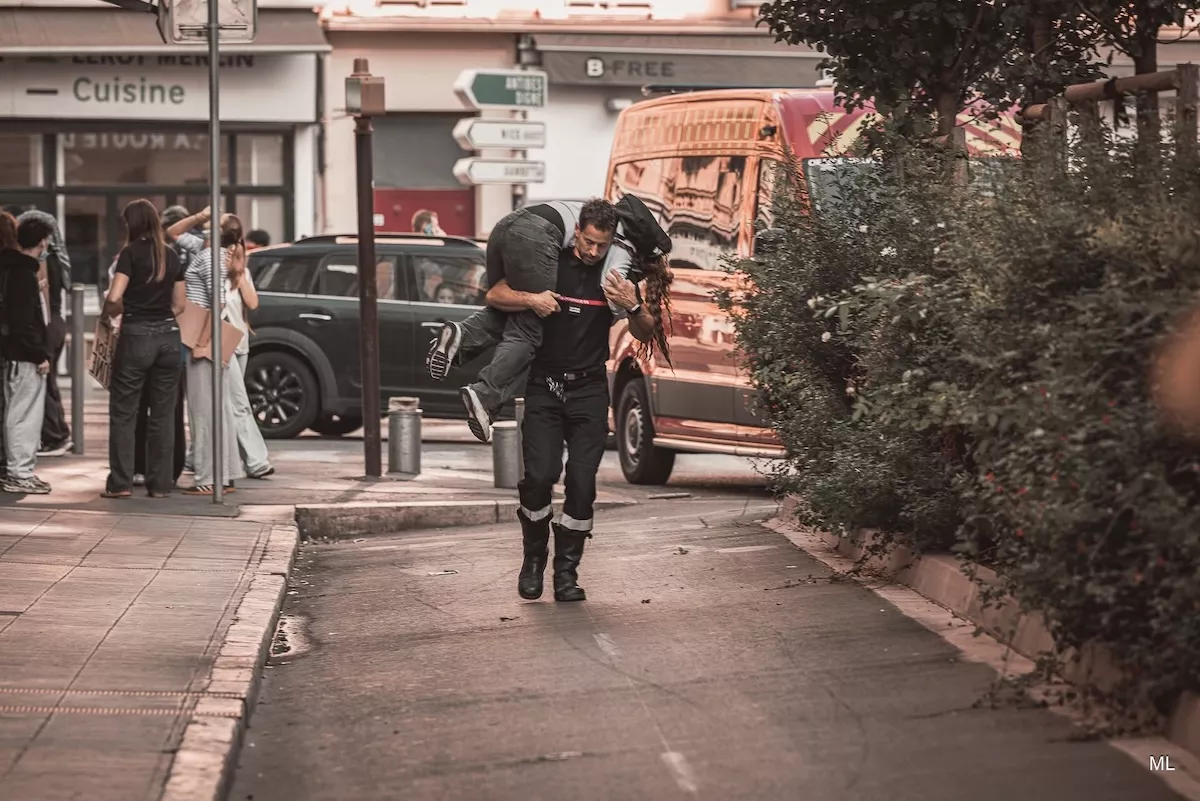
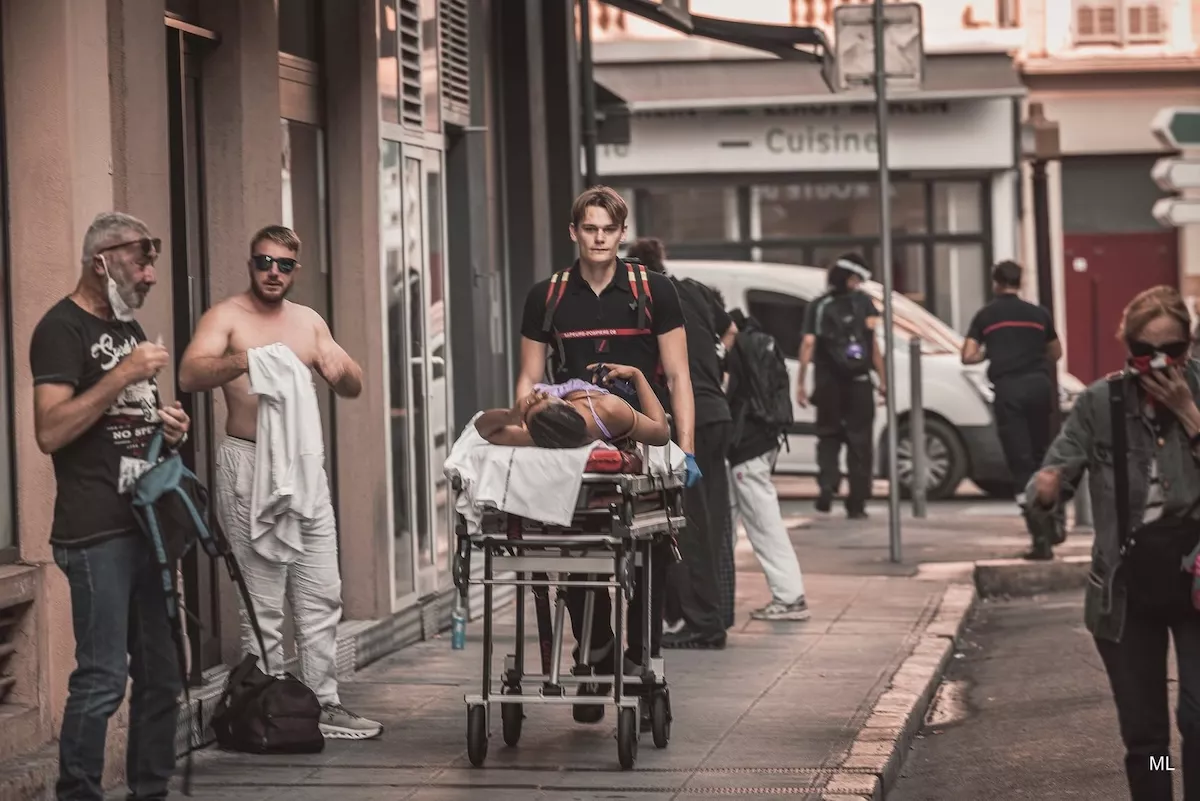
Riot police from the CRS and three units of gendarmes were brought in to reinforce officers on the ground. Nine members of the security forces were injured, and firefighters treated around ten protesters, one of whom was seriously hurt while trying to kick in a shop window.
Photo credit: Marc Lapolla
Nice’s public prosecutor, Damien Martinelli, said 85 people had been taken into police custody, 40 of them minors.
The prefect condemned what he described as “urban violence” and urged protesters to distance themselves from the rioters.
‘The Republic is under attack’
Nice Mayor Éric Ciotti visited shopkeepers on Avenue Jean-Médecin and called for tough sentences, including prison terms for looters. “It is the Republic that is under attack,” he said, adding that those who attacked police officers should face trial in the assize court.
Local opposition figures have challenged the handling of the demonstration, arguing that the deployment failed to protect protesters, residents and businesses. Others have accused police interventions of contributing to the fragmentation of the crowd.
Photo credit: Marc Lapolla
Nationally, Interior Minister Laurent Nuñez acknowledged on Monday a lack of anticipation and a loss of control in some cities.
The turnout substantially exceeded intelligence estimates reported before Saturday’s mobilisation.
Photo credit: Marc Lapolla
Unrest across France
The protests were sparked by anger over the rising cost of living and the decline of public services, following several weeks of demonstrations by secondary school students over teaching conditions.
Unions, students, citizens’ groups and some former ‘gilets jaunes’ joined the marches.
Photo credit: Marc Lapolla
The Interior Ministry counted 550,000 demonstrators nationwide, while organisers claimed 800,000. The ministry said 2,397 people were arrested and 997 police officers and gendarmes injured, seven of them seriously. In Limoges, much of the 19th-century city hall was destroyed by a fire that the local prefect said had been started deliberately.
The French retail federation, the Fédération du commerce et de la distribution, estimates that around 1,500 businesses were directly affected, with damage that could run to several hundred million euros.
Photo credit: Marc Lapolla
President Emmanuel Macron, who addressed the nation at 8pm on Sunday, said “Those who have destroyed must pay. Those who have looted must reimburse”. He blamed “insurrectionist elements from radical far-left groups, joined by numerous criminals”, adding that prefects could restrict or ban gatherings depending on the risks identified, but stopped short of declaring a state of emergency.
Prime Minister Sébastien Lecornu has been tasked with holding talks with political parties, unions, student representatives and local authorities.
Monaco Life is written by qualified journalists, writing original content. Sign up for our free newsletter, listen to our podcasts on Spotify, and follow us across Facebook, Instagram, LinkedIn, and Tik Tok.
Monaco Chamber of Commerce explores new horizons in Montenegro
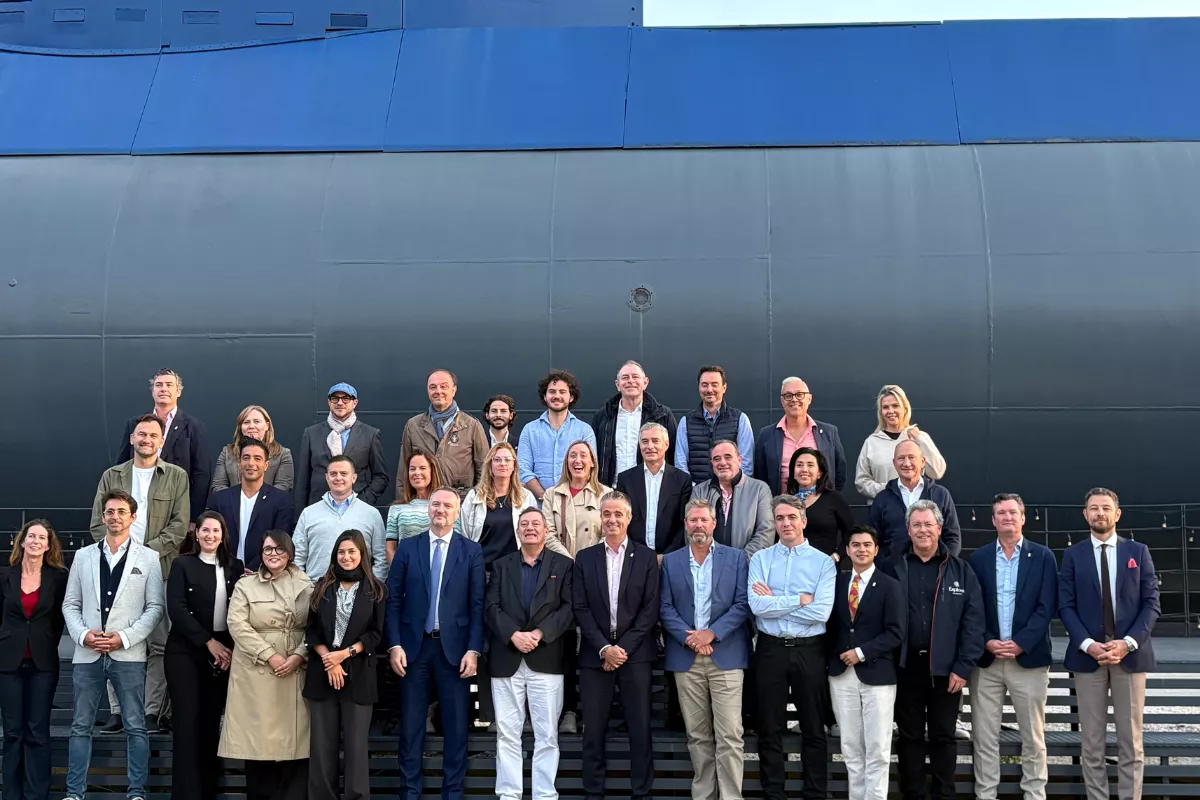
Nearly 30 business leaders joined the Monaco Chamber of Commerce on a trade mission to Montenegro from 13th to 16th October, exploring fresh economic prospects across the Adriatic state.
Supported by Anthony Stent-Torriani, Honorary Consul of Montenegro in Monaco, and conducted alongside the Chamber of Economy of Montenegro, the four-day visit targeted strategic sectors where both regions share common economic ground, namely high-end tourism, financial services, innovation, and luxury yachting.
Forging bilateral links in Podgorica
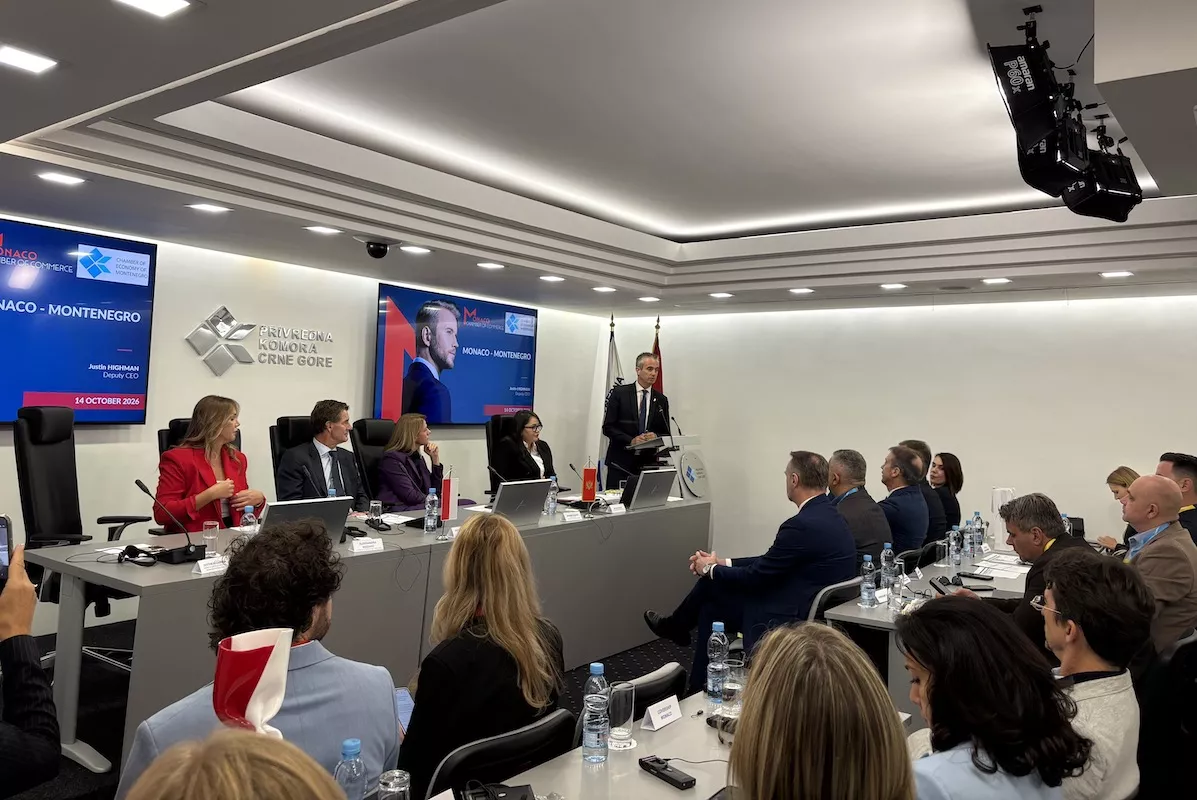
The mission opened in the capital city of Podgorica, where representatives from both chambers convened for an Economic Forum to examine Montenegro’s macroeconomic landscape. To establish a formal framework for future commercial ties, the two business bodies signed a comprehensive bilateral cooperation agreement.
The agreement paved the way for an energetic B2B matchmaking programme, generating over 150 face-to-face meetings between Monegasque entrepreneurs and their Montenegrin counterparts.
Economic Forum in Podgorica. Photo credit: MEB
Industrial scale and coastal ambitions
Beyond boardroom discussions, the delegation conducted site visits to gain first-hand insight into the host country’s core industries. Delegates toured the Uniprom aluminium plant, a cornerstone of Montenegro’s export economy, to evaluate manufacturing and raw materials capacity.
The focus then shifted to the coast, where participants examined Montenegro’s dual-purpose maritime infrastructure. The national port network continues to manage major industrial freight while simultaneously expanding its capacity for luxury nautical tourism, marked by rapid marina development along the Adriatic shoreline.
Shared growth in luxury tourism
The visit highlighted strong commercial synergies between the two destinations, particularly within the superyacht and hospitality ecosystems.
Illustrating this connection, the mission wrapped up in Tivat at Porto Montenegro, where delegates gathered for a closing dinner at Maya Bay, a venue managed by the Monaco-based Maya Collection, attended by managing director Richard Maria.
The gathering concluded a productive four days that underlined Montenegro’s growing prominence on Monaco’s economic horizon.