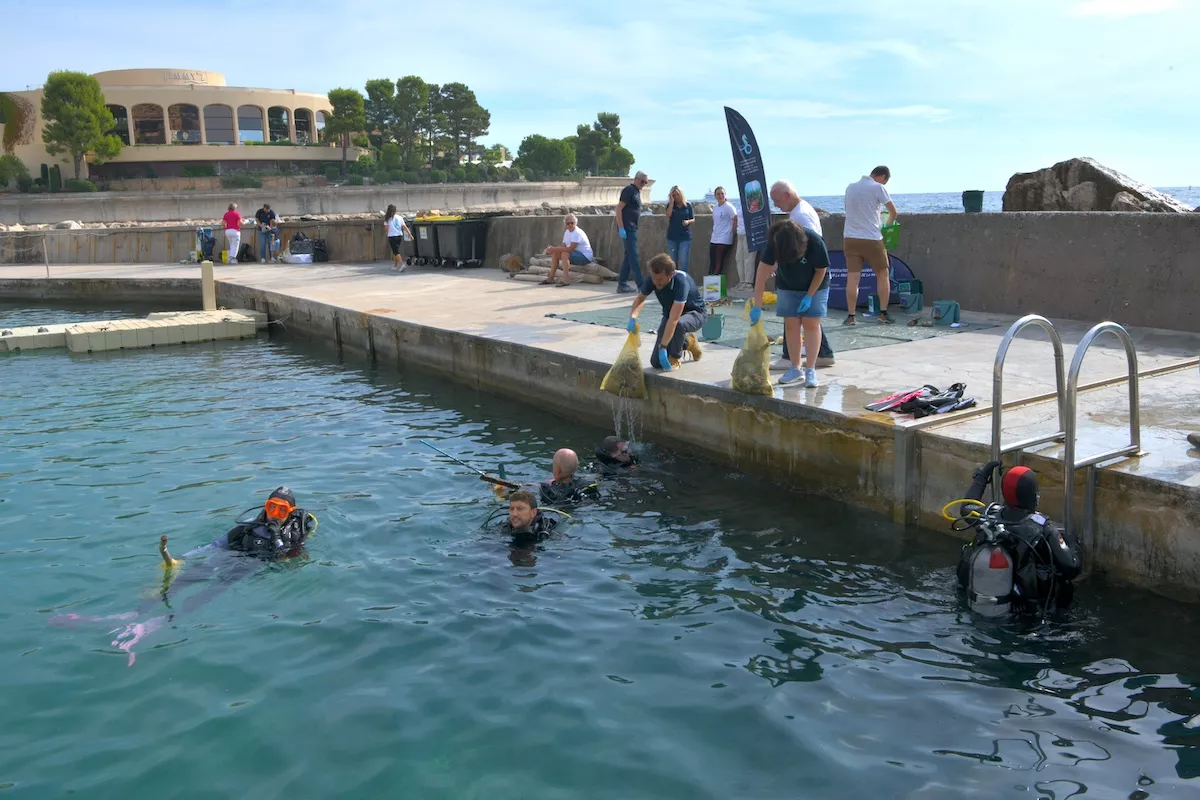
A joint coastal and underwater cleanup operation at Monaco’s Larvotto Protected Marine Area has recovered over 30 kilogrammes of rubbish, serving as a visual reminder of the ongoing pressure human waste exerts on local marine ecosystems.
Organised on Saturday 3rd October by the Monegasque Association for the Protection of Nature (AMPN), the annual initiative brought together 35 divers and 15 shore-based volunteers, supported by the Monaco Underwater Exploration Club (CESMM) and the Monegasque Sanitation Company (SMA).
In total, volunteers cleared 30.8kg of waste across the coastline and seabed, with 28.5kg retrieved directly from underwater.
What volunteers found on land and sea
Beneath the surface, divers primarily recovered glass bottles, metal objects, plastics, ropes, and discarded construction debris.
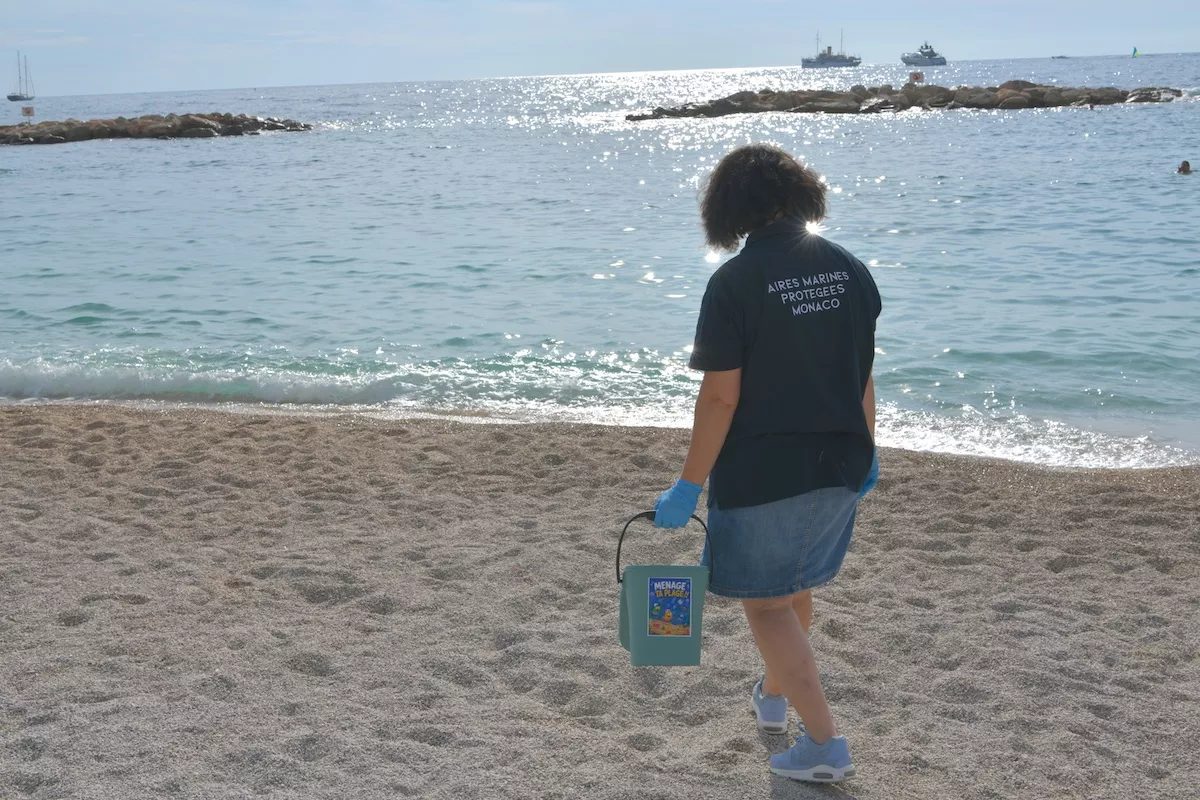
On the shoreline, persistent littering remains a challenge. Volunteers gathered 530 cigarette butts, a figure comparable to previous years, despite Larvotto Beach being a designated non-smoking zone with daily cleaning services.
Photo credit: AMPN
Regional conservation impact
The initiative follows a similar cleanup in 2025 at Monaco’s Educational Marine Area, reinforcing that waste continues to enter protected waters despite strict local regulations.
Founded in 1976 at the request of Prince Rainier III, the AMPN manages Monaco’s protected marine areas, conducting critical research on fish populations and Posidonia seagrass while pioneering conservation initiatives like 3D-printed artificial reefs.
For local marine managers, the recurring waste highlights the fact that long-term protection of the Principality’s waters ultimately relies on preventing litter at the source across the wider Mediterranean.
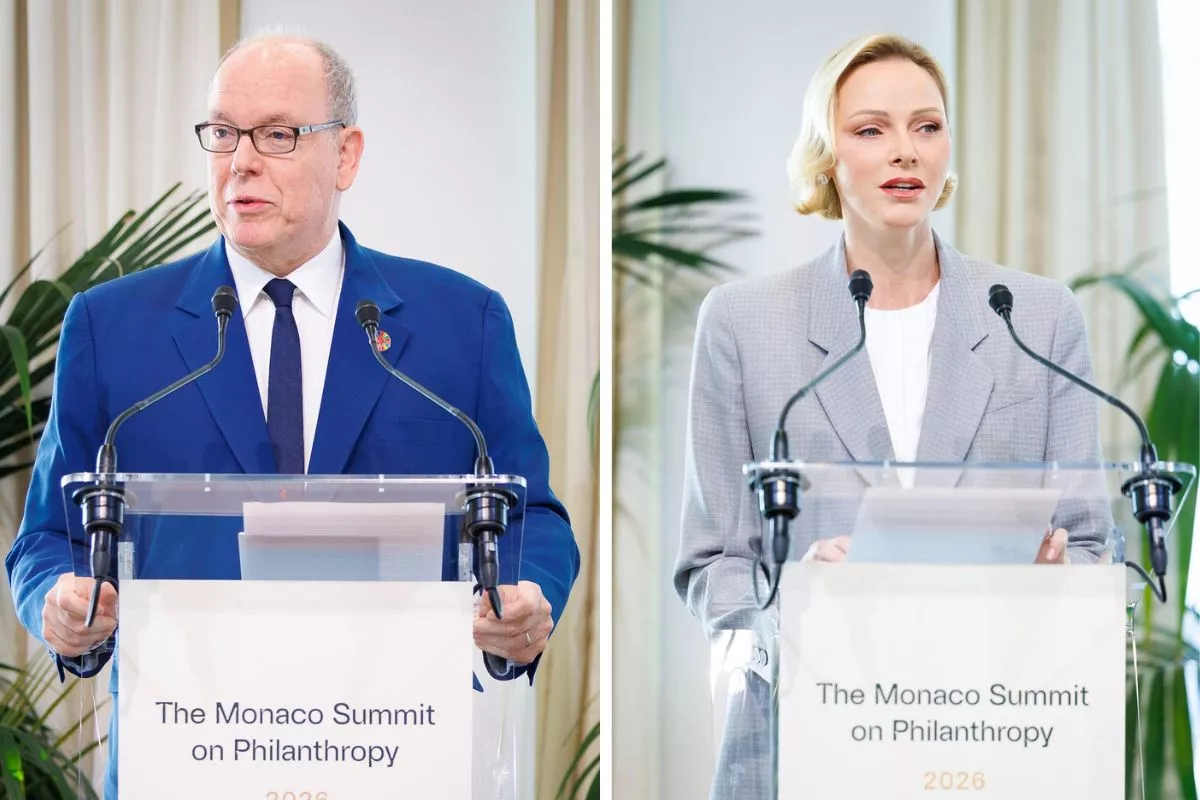
Prince Albert II challenged around 100 of the world’s leading philanthropists to rethink who controls their giving, who inherits it and what role artificial intelligence should play in it, as Monaco hosted the inaugural Monaco Summit on Philanthropy on Monday, with guests representing an estimated €150 billion in private wealth.
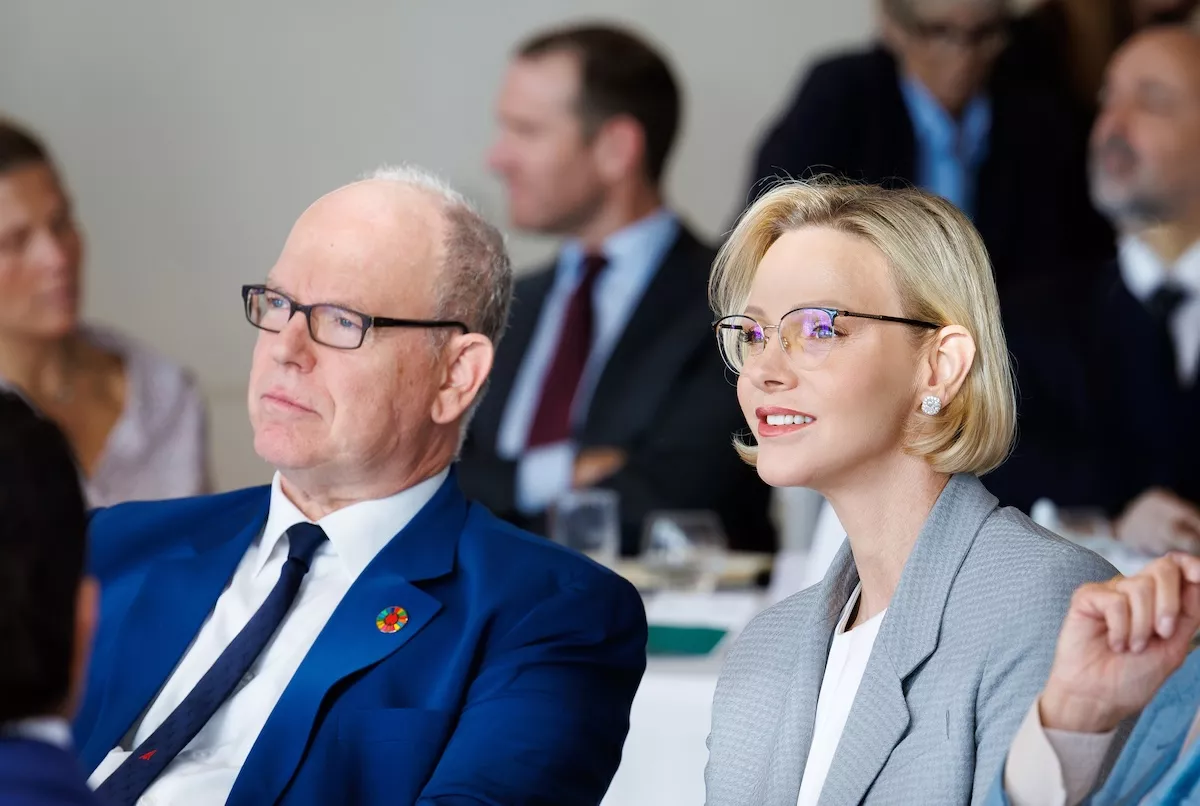
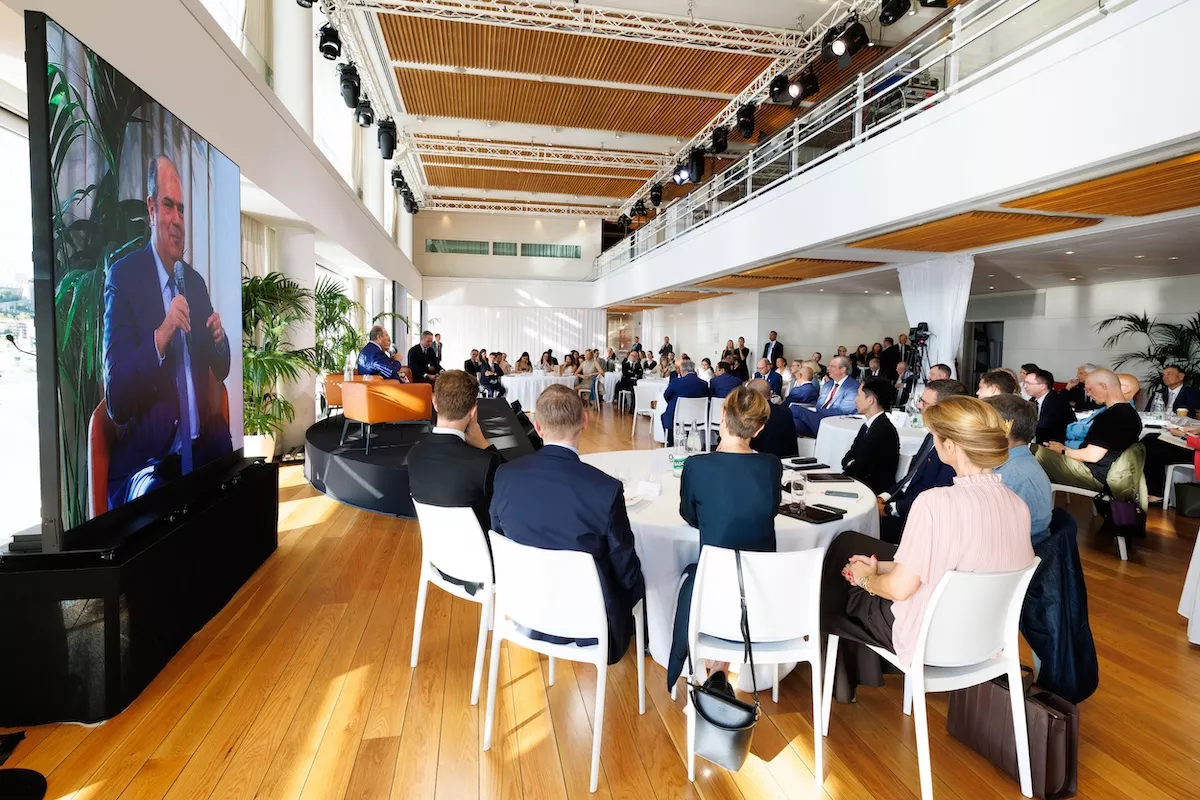
Hosted by the Prince and Princess Charlene at the Yacht Club de Monaco on 12th October, the invitation-only summit drew founders of major foundations, philanthropic families and representatives of royal and sovereign-linked institutions from more than 20 countries. It was organised by the Prince Albert II of Monaco Foundation and the Princess Charlene of Monaco Foundation, with the support of the Tocqueville Foundation, and is intended to become an annual event.
Freedom, and its limits
“We are living through very uncertain times, and across the world, governments are revisiting their priorities. Urgent issues too often take precedence over essential ones, and international funding is under strain,” the Prince said as he opened the day.
In that context, he argued, philanthropy “enjoys a rare freedom. The freedom to act over the long term. The freedom to take risks. The freedom to support causes that do not yet receive the attention they deserve. Where Governments often think in years, philanthropy can think in generations.”
That freedom, he argued, comes with three challenges. The first is scale: how to grow philanthropic resources without concentrating them in the hands of a few private actors. “After all these issues at stake belong to all of humanity,” he said, calling for closer cooperation with public authorities, international institutions and civil society.
The Monaco Summit on Philanthropy was held at the Yacht Club of Monaco. Photo credit: Michaël Alesi, Prince’s Palace
The second is transmission, as a considerable share of the world’s wealth passes to a new generation. “Yet passing on wealth is not enough. We must involve this generation right now, encouraging their ideas and cultivating the desire to give,” said the Prince. The summit put that into practice with a Next Generation Circle, giving inheritors a platform in their own name.
The third is technology. “I sincerely hope that an algorithm will never decide for us what is worth supporting, but it can help us act more wisely: to identify needs, measure impact, follow the health of ecosystems, and recognise the solutions capable of changing scale,” he said.
‘The humility to listen’
Princess Charlene echoed the concern over technology, asking delegates how AI could “help us meet human needs without losing the human touch”, and urged them to keep beneficiaries at the centre of their work.
“For me, philanthropy begins with a willingness to care – and the humility to listen,” she said. “Above all, the people we seek to support must have a voice in the decisions that shape their lives. Their knowledge, their hopes and their dignity must guide our efforts.”
The day’s sessions ranged from philanthropy’s place in national economies and its role in building public institutions to how foundations can anticipate future crises, closing with a session on AI in practice.
Prince Albert II and Princess Charlene both address The Monaco Summit on Philanthropy. Photo credit: Michaël Alesi, Prince’s Palace
A prize for Dubai
The Prince’s Prize for Innovative Philanthropy went to the Mohammed bin Rashid Al Maktoum Global Initiatives (MBRGI), the Dubai-based organisation established under Sheikh Mohammed bin Rashid Al Maktoum, Vice President and Prime Minister of the United Arab Emirates and Ruler of Dubai. Its Director of Sustainability and Partnerships, Ibrahim Al Balooshi, accepted the award from the Prince.
Fifteen years in the making
Although this was the first summit under its new name, it grew from a philanthropy round table that the Prince developed over 15 years with Jean-Guillaume de Tocqueville. It also comes as the Prince Albert II of Monaco Foundation marks 20 years, having supported more than 850 environmental projects, while the Princess Charlene of Monaco Foundation has supported 808 projects in 45 countries, reaching more than 2.82 million beneficiaries, most of them children.
Monaco Life is written by qualified journalists, writing original content. Sign up for our free newsletter, listen to our podcasts on Spotify, and follow us across Facebook, Instagram, LinkedIn, and Tik Tok.
Photo credit: Michaël Alesi, Prince’s Palace
Monaco scientists light up the deep as red coral nursery passes 800 births
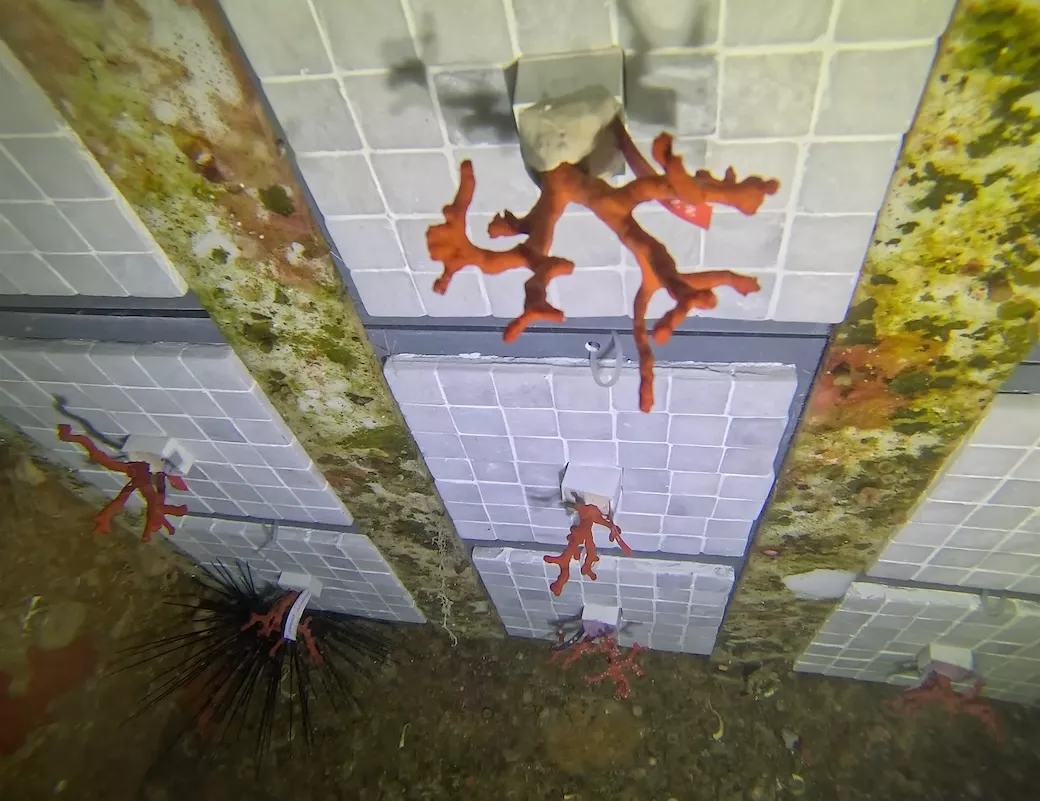
More than 800 baby red corals have been born in artificial caves 40 metres beneath Monaco’s waters since 2023, and scientists are now using underwater lights to draw plankton towards them, in a bid to give one of the Mediterranean’s most precious and slowest-growing species a better chance of survival.
The experiment, launched in mid-September by the CSM–Chanel Research Unit on the Biology of Precious Corals at the Centre Scientifique de Monaco, tackles a basic problem for Corallium rubrum: fixed to the rock and growing just 1 to 8 millimetres a year, red coral cannot go looking for food, so the scientists are bringing the food to it.
A nursery beneath the waves
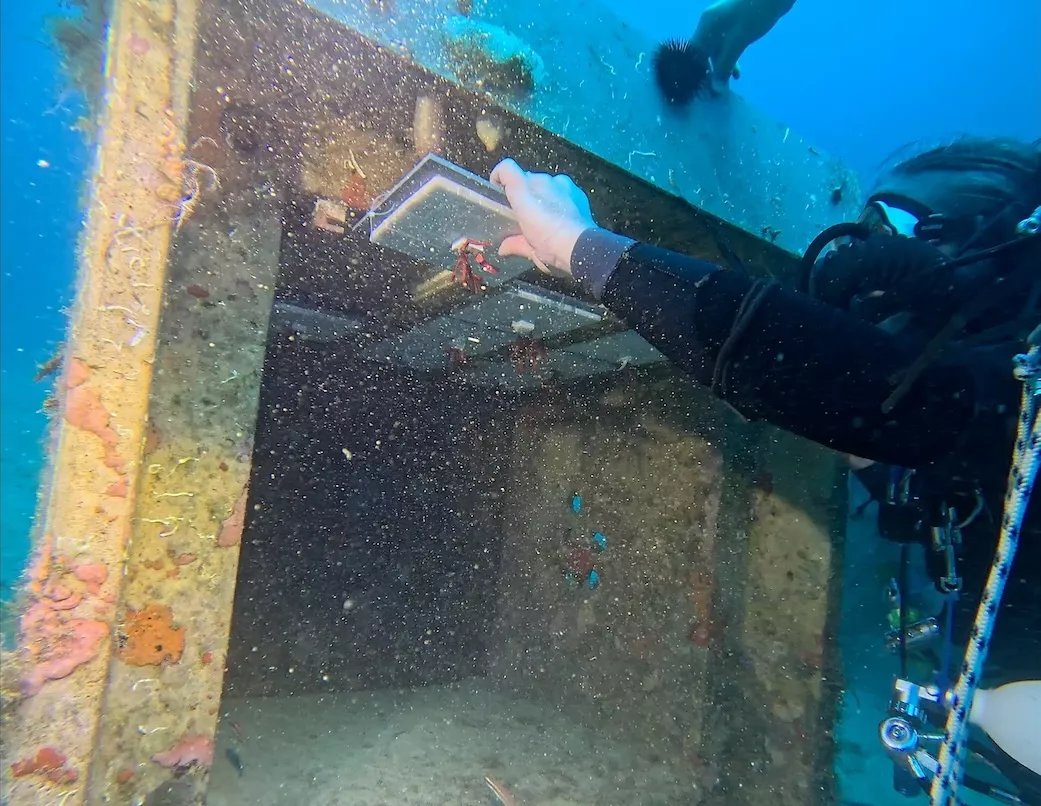
The six concrete “coral caves”, each measuring one cubic metre, were placed in Monegasque waters in July 2021. Since then, CSM teams have gradually identified the best conditions for red coral to reproduce, for its larvae to settle and for the young corals to grow through their first stages of life, for a species under significant environmental pressure. Chanel and the CSM have been partners in the research since 2019.
Inside the red coral caves in Monaco
Bringing the food to the coral
The new phase asks how improving the coral’s access to food can boost the survival and development of its larvae.
“As a sessile species, red coral does not move around in search of food,” said Dr Stéphanie Reynaud, a research scientist at the CSM. “Its nutritional intake relies in particular on capturing particles and plankton suspended in the water. The amount of food available close to the colonies, and how it is carried by water movements, are therefore essential to its diet.”
In the first phase of the project, the scientists studied how water circulated around the colonies, and rearranged the caves to bring more plankton past the coral.
This second phase targets another lever: light. Because some species of plankton are naturally drawn to it, the researchers first confirmed in a preliminary experiment that lighting could effectively increase the amount of plankton near the colonies. They will now study how this extra supply of food affects the coral’s reproduction, the settlement of new recruits and their subsequent growth.
Scientists are bringing the food to corals off Monaco’s coastline
Marble ceilings and a police escort
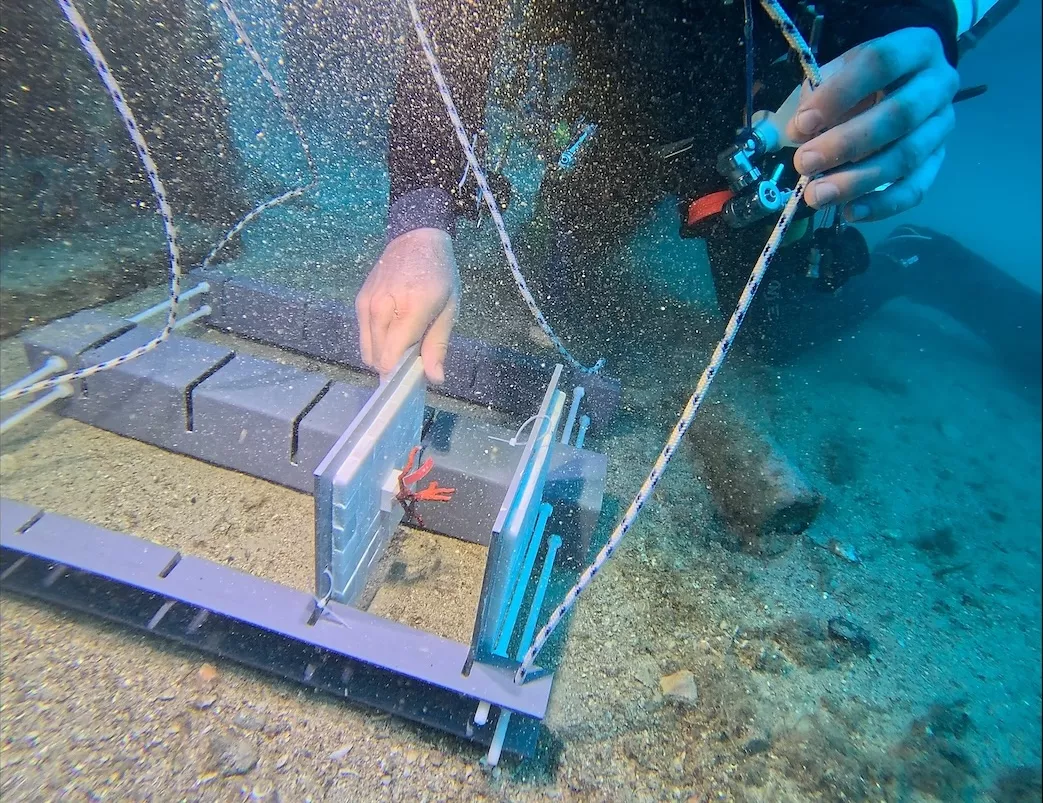
The new phase follows extensive laboratory analysis and work to improve the underwater set-up. After testing several types of surface, the researchers identified the one best suited to red coral growth, and the ceilings of the caves, where new recruits will settle, are now lined with white marble plates.
While the new plates were installed, the corals were moved temporarily to the CSM’s aquariums. They have now been returned to the caves with the help of the Maritime and Airport Police Division of Monaco’s Sûreté Publique.
“We handled the logistics of the mission, providing our patrol boat Princesse Gabriella and its crew, as well as divers to help the CSM scientists carry out their work in the caves in complete safety,” said the senior officer who led the dive.
CSM teams will now carry out checks every two weeks to monitor the programme and continue developing new methods to strengthen the scientific basis for growing red coral at sea. Laboratory work on the animal’s biology will also continue.
The research unit has already published more than 15 scientific papers on the hormonal, genetic and cellular mechanisms of Mediterranean red coral, as well as its microbiome, findings the CSM describes as major advances in understanding the species and the conditions needed to conserve it. In 2025, Chanel and the CSM renewed their partnership for a further six years, until 2031.
Monaco Life is written by qualified journalists, writing original content. Sign up for our free newsletter, listen to our podcasts on Spotify, and follow us across Facebook, Instagram, LinkedIn, and Tik Tok.
Photo of the red coral caves in Monaco, all photos sourced from CSM
AS Monaco shows support for Pink October during Toulouse match
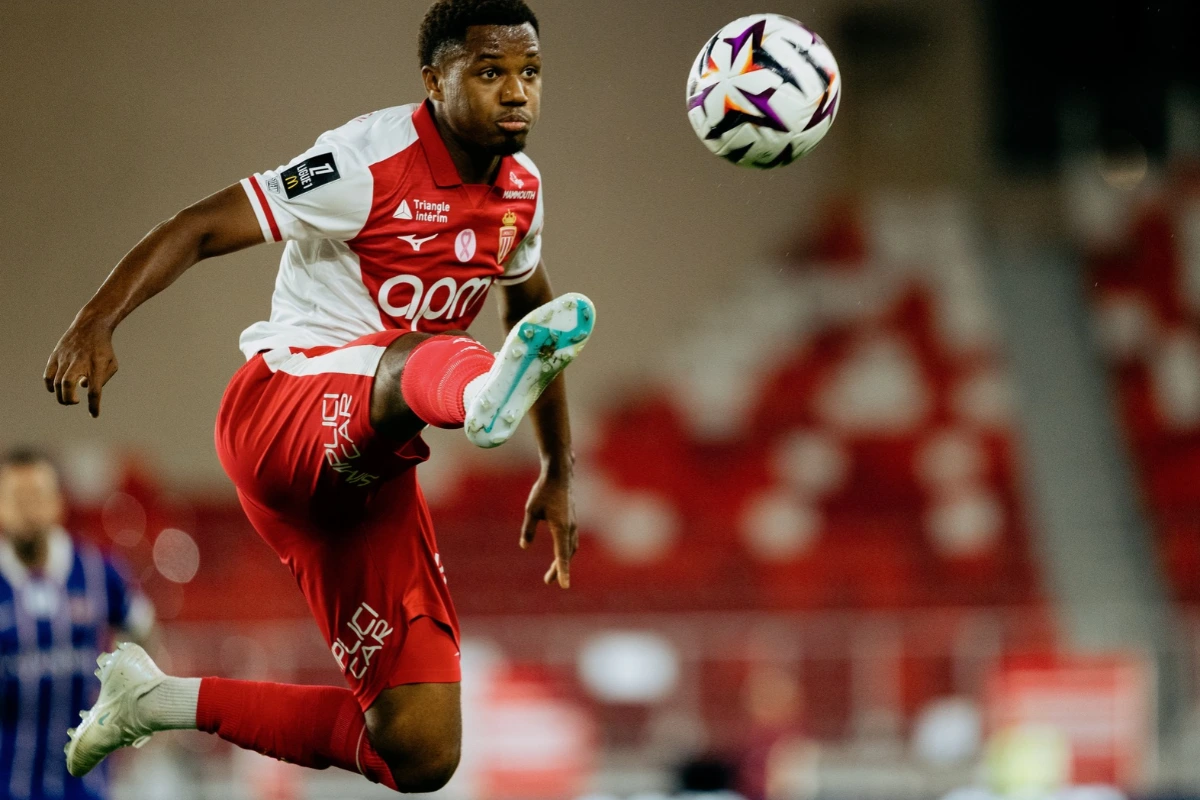
AS Monaco reaffirmed its commitment to breast cancer awareness on Saturday 10th October, dedicating its Ligue 1 match against Toulouse to Pink October and highlighting the work of Pink Ribbon Monaco.
The initiative formed part of the club’s ongoing support for the annual breast cancer awareness campaign through its programme, AS Monacœur, which aims to use football as a platform for community engagement and charity.
Throughout the match at Stade Louis II, which resulted in a 2-2 draw, the club introduced several initiatives to raise awareness of breast cancer and encourage early detection.
SUPPORTING PINK RIBBON MONACO
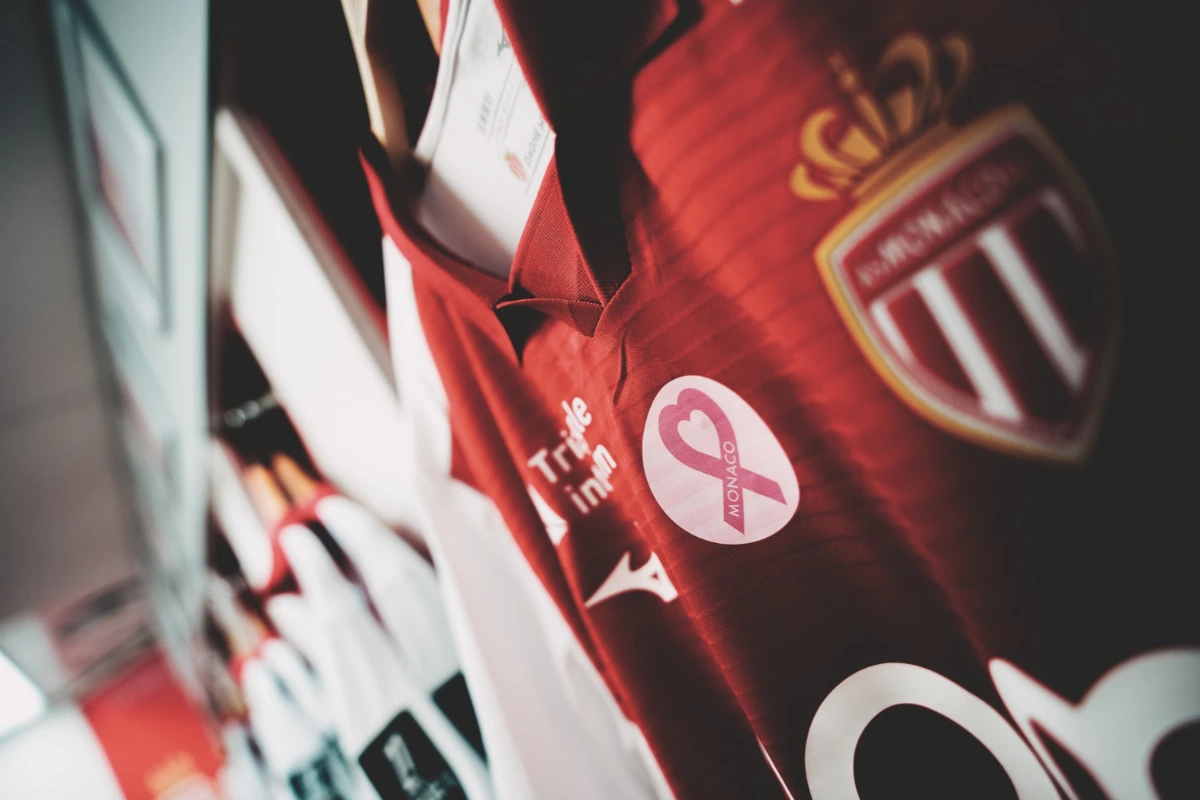
At the centre of the initiative was Pink Ribbon Monaco, a local association founded in 2011 that works to promote breast cancer awareness. To demonstrate its support, AS Monaco players wore specially designed jerseys featuring the association’s pink ribbon during the match.
Ahead of kickoff, AS Monaco CEO Thiago Scuro presented a symbolic jersey to Pink Ribbon Monaco President Natasha Frost-Savio, recognising the association’s ongoing work in the Principality.
A close-up of the Pink Ribbon Monaco emblem on an AS Monaco jersey. Photo credit: AS Monaco.
STADE LOUIS II EMBRACES PINK OCTOBER
The club extended its support beyond the pitch, with coaching staff, management, and other employees wearing pink ribbons throughout the evening. Breast cancer awareness messages were also displayed on the stadium’s advertising boards, while the match pennant exchanged with Toulouse featured Pink October colours.
The initiative extends to AS Monaco’s digital platforms, with the website and social media channels featuring pink branding in support.
Through these efforts, AS Monaco continued its longstanding involvement in Pink October, using its visibility both inside the stadium and online to support the campaign and its message.
Valentin Vacherot’s hopes of defending his Shanghai Masters title came to an end on Monday 12th October after suffering a straight-sets defeat to American Tommy Paul in the third round.
The defending Shanghai champion was beaten 6-4, 6-2 in just under ninety minutes, bringing an end to his return to the tournament where he made history in 2025. Currently ranked world No. 14, Vacherot entered the match as the tournament’s 17th seed, facing 15th seed Paul after his victory over Sebastián Báez on Saturday.
Despite opportunities to challenge Paul, Vacherot struggled to capitalise on his chances, with Paul’s consistency and court coverage proving decisive.
PAUL TAKES CONTROL IN STRAIGHT SETS
The opening set remained competitive until Paul secured the first break of the match to take a 4-3 lead. Although Vacherot continued to apply pressure, Paul successfully defended two break points while serving for the set, closing it out 6-4.
Paul carried that momentum into the second set, securing an early break and taking control. The American extended rallies and put Vacherot under pressure, extending his lead to 4-1. Paul ultimately closed out the set 6-2, sealing his victory with an ace on his second match point.
The statistics reflected the difficulties Vacherot faced throughout the match. Paul saved six of the seven break points he faced, while Vacherot managed three forehand winners compared with Paul’s 12.
The result sends Paul into the fourth round where he will face Belgium’s Zizou Bergs, who upset Carlos Alcaraz earlier in the day to advance.
A HISTORIC TITLE DEFENCE COMES TO AN END
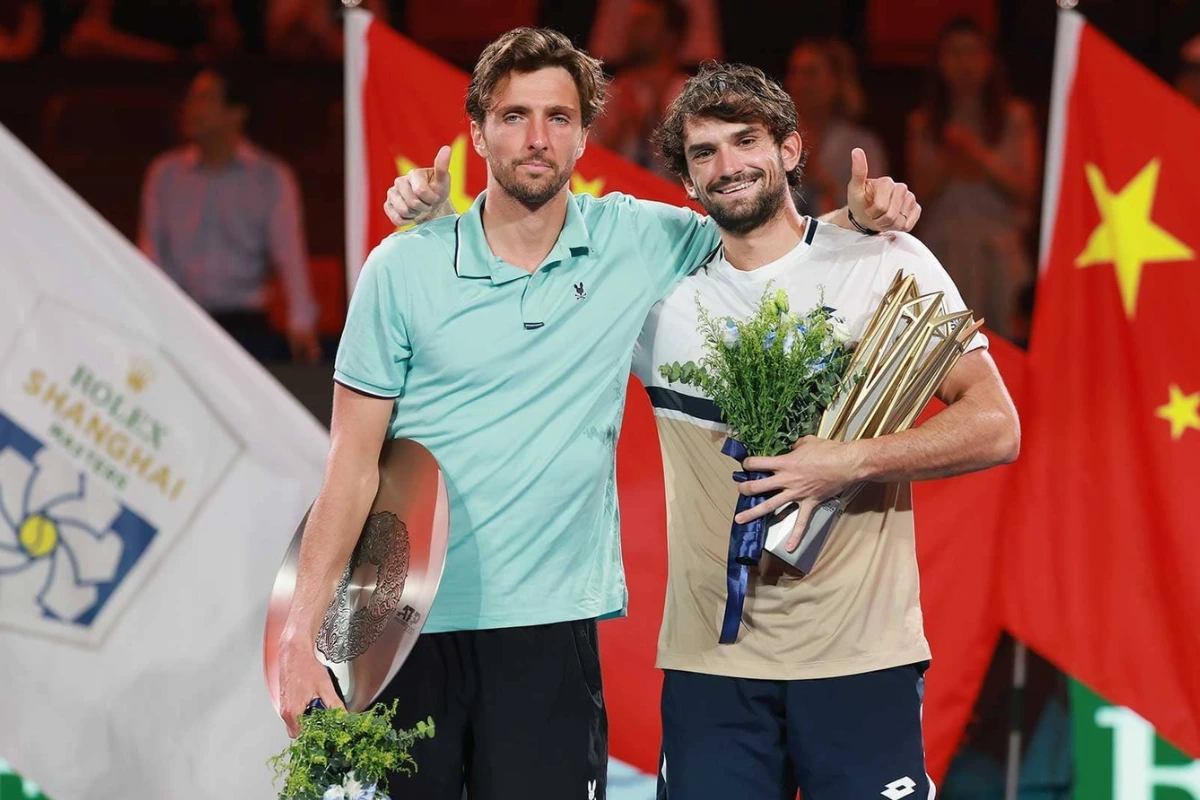
The defeat marks a disappointing end to Vacherot’s return to Shanghai, where he achieved the greatest success of his career just one year ago. Entering last year’s tournament ranked world No. 204, Vacherot produced a fairytale run from qualifying to become the lowest-ranked player in history to win an ATP Masters 1000 title.
His road to the final included a victory over Novak Djokovic in the semifinals, before defeating his cousin Arthur Rinderknech in the final to earn the trophy. The victory propelled Vacherot into the international spotlight and made history for tennis in Monaco.
SIGNIFICANT RANKING IMPLICATIONS
Beyond losing his title, the elimination carries significant consequences for Vacherot’s ATP ranking. Having earned 1,000 ranking points from his 2025 Shanghai victory, Vacherot entered this year’s tournament defending a substantial portion of his ranking total.
Following Monday’s loss, he has provisionally fallen from world No. 14 to No. 32 in the ATP live rankings, a drop of 18 places. His final position will depend on results elsewhere in the tournament.
Despite the earlier-than-hoped-for exit, Vacherot has continued to demonstrate his ability to compete at the highest level this season. Most recently, he reached the semifinals of the Japan Open in Tokyo.
Although Shanghai history could not be repeated, Vacherot will look to build on his performances throughout 2026 as the ATP season approaches its end.
Some of Europe’s young tennis talents will arrive in Monaco this month for the Tennis Europe Junior Masters as the event returns to the Monte-Carlo Country Club for its sixth consecutive year.
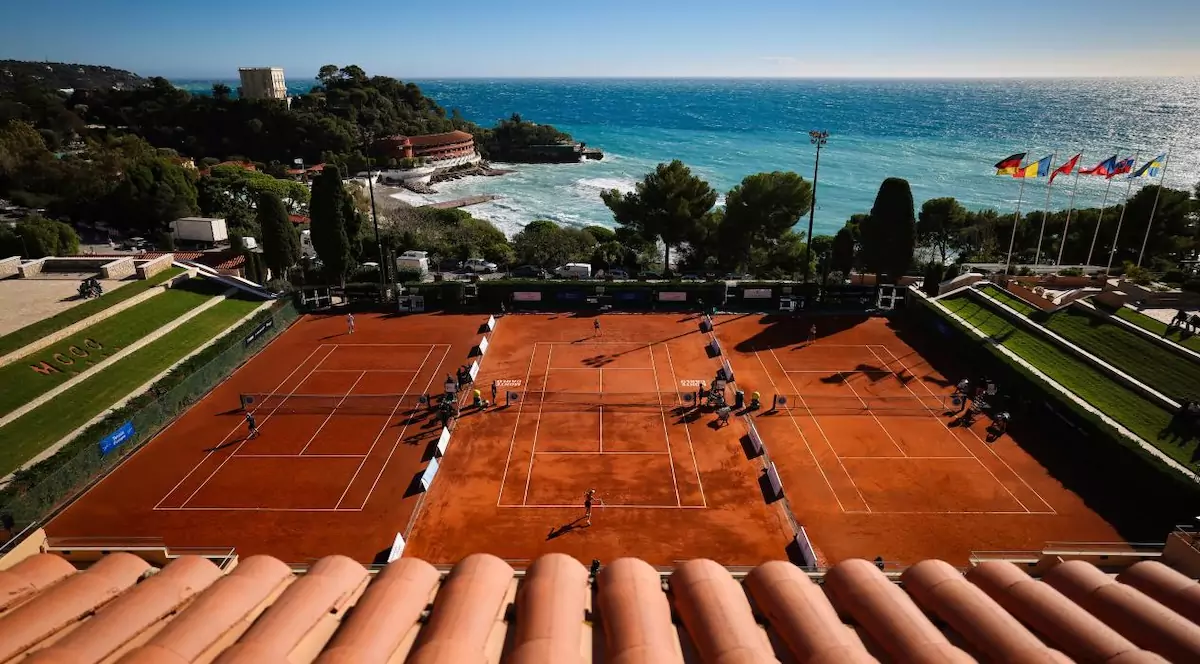
Taking place from 21st to 24th October, the tournament will bring together 32 of Europe’s leading junior players across four categories, with competition held on the same courts that host the Rolex Monte-Carlo Masters each spring.
Organised by the Monegasque Tennis Federation under the High Patronage of Prince Albert II and the presidency of Mélanie-Antoinette de Massy, the event marks the annual finale of the Tennis Europe Junior Tour. The competition will feature eight players in each of the under-14 and under-16 boys’ and girls’ categories.
A HISTORY OF PRODUCING CHAMPIONS
The Junior Masters has historically featured players who went on to achieve success at the highest level of professional tennis, including Rafael Nadal, Alexander Zverev, Kim Clijsters, and Belinda Bencic.
Among those competing this year is Monaco’s Christine Graf, who will represent the Principality in the under-16 girls’ category. She will face an international field including players from Greece, Serbia, Bulgaria, Georgia, Portugal, Austria, and Cyprus.
MONACO PREPARES TO WELCOME THE NEXT GENERATION OF TALENT
Mélanie-Antoinette de Massy, President of both the Monegasque Tennis Federation and the Monte-Carlo Country Club, expressed her excitement ahead of the competition.
“It is with immense pleasure that we prepare to welcome the Tennis Europe Junior Masters Monte-Carlo for the sixth consecutive year,” she said. “I am delighted to be able to welcome these young champions to the Principality, who are undoubtedly the future elite of world tennis.”
The tournament will conclude with the finals on Saturday, 24 October, bringing another edition of the junior competition to a close on one of the sport’s most recognisable stages.