Le Fernet brings the soul of the French brasserie back to Monaco

With classic French comfort food, an exceptional wine programme and one of the Principality’s most thoughtfully designed dining rooms, Le Fernet is proving that elegance does not have to come with extravagance.

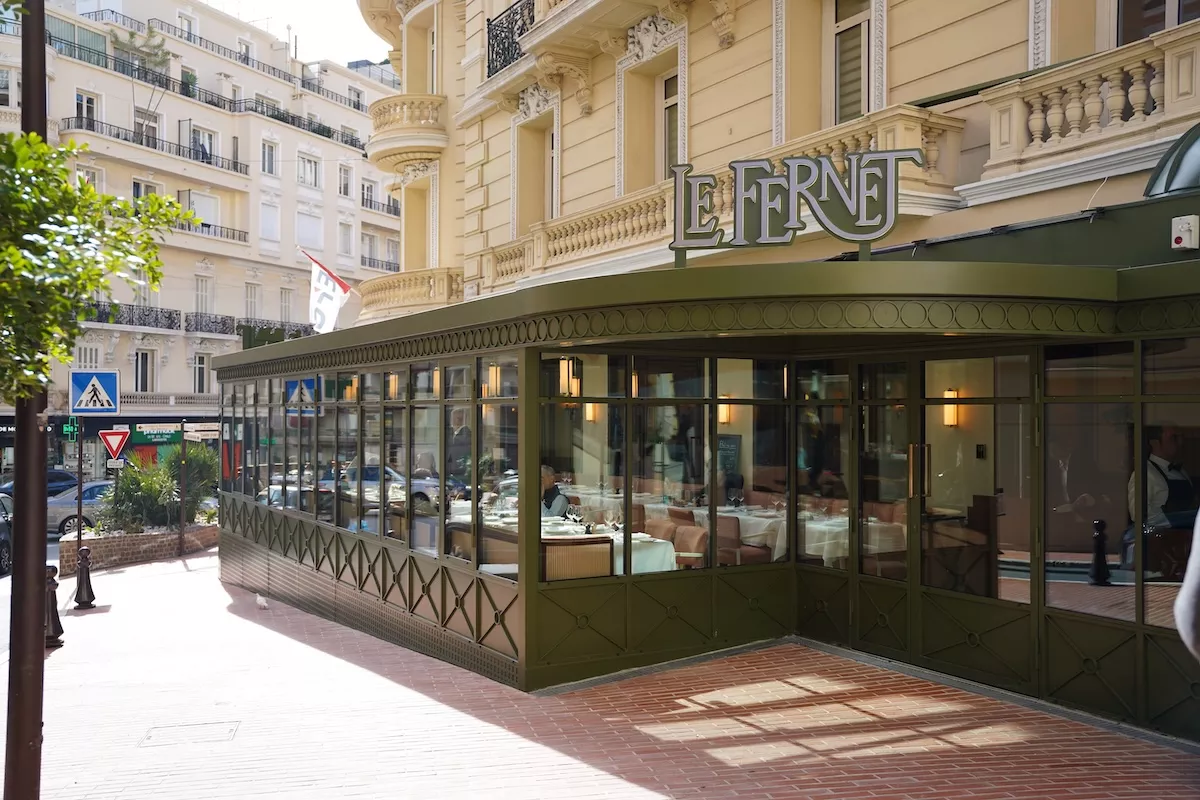
In a Monaco dining scene increasingly dominated by ultra-luxury concepts and international brands, Le Fernet arrives with something refreshingly different: the confidence to keep things simple. Opened earlier this year on Avenue Saint-Charles, the independent restaurant has quickly established itself as one of Monte-Carlo’s most talked-about new addresses, offering the timeless appeal of a traditional French brasserie at prices that remain remarkably accessible by local standards.

A restaurant designed to be discovered

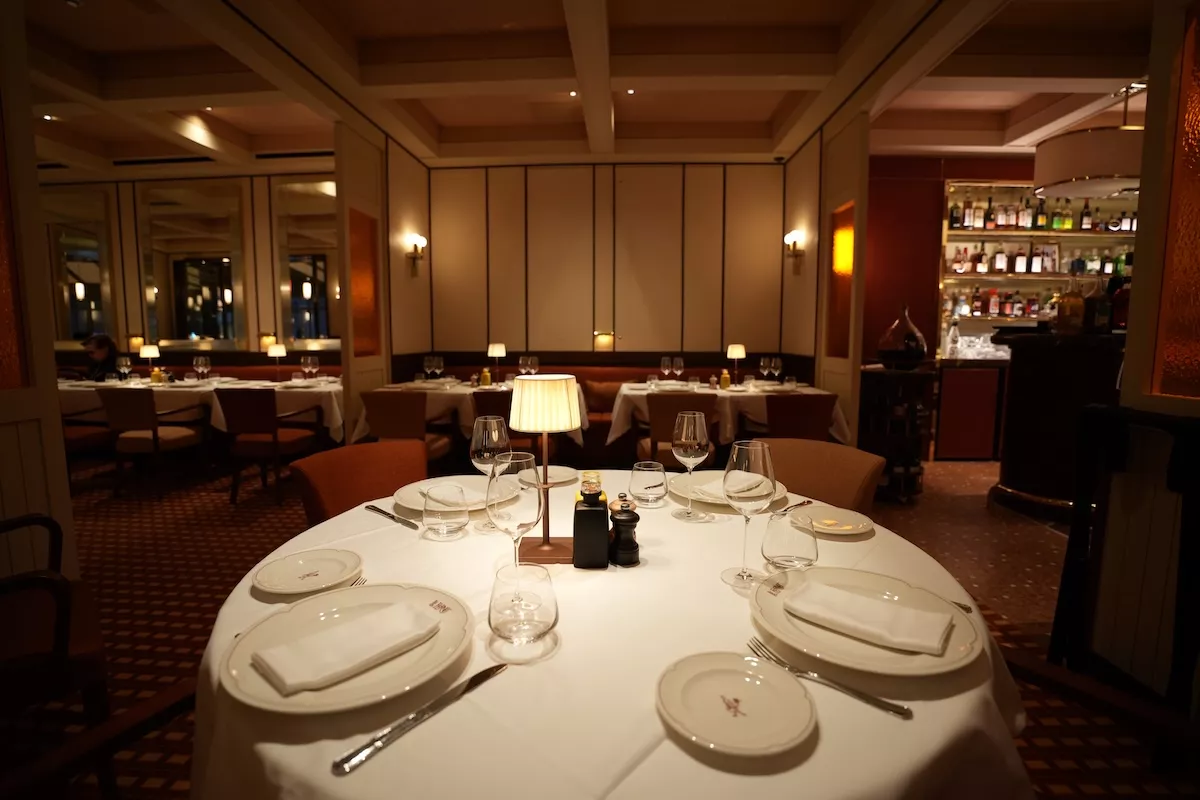
What immediately sets Le Fernet apart is its atmosphere. Designed by renowned Parisian interior designer Rodolphe Parente, a former protégé of Andrée Putman, the restaurant balances classic brasserie aesthetics with contemporary sophistication.

Warm wood panelling, aged brass, crisp white tablecloths and softly lit banquettes create a sense of understated luxury, while every surface reveals another carefully considered detail. Rich textures, elegant lighting and striking artworks transform the space into something closer to a private gallery than a traditional dining room. Whether seated inside among the intimate lounges or on the spacious terrace overlooking the city, guests are immersed in an environment that feels both familiar and elevated.

Le Fernet dining room. Photo provided

French classics executed with confidence

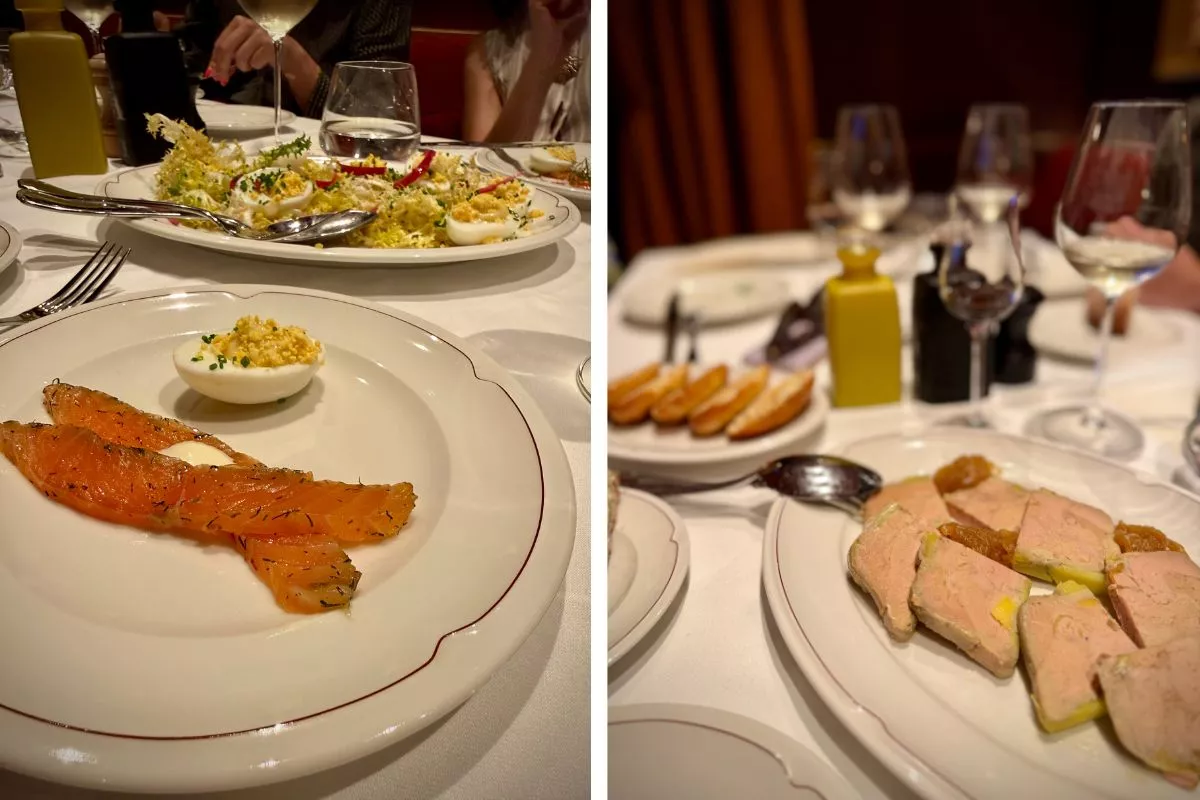
During a recent press dinner, Chef Mathieu Dorlac’s menu demonstrated exactly why the restaurant is attracting attention. The signature organic mimosa egg offered a refined take on a French classic, while the house-cured salmon gravlax showcased the kitchen’s commitment to craftsmanship.

The standout was undoubtedly the foie gras. Rich, indulgent and perfectly balanced with Banyuls reduction and onion chutney, it served as a reminder that some dishes deserve a place on menus year-round rather than being reserved for festive occasions alone. Equally memorable was Le Fernet’s homemade cordon bleu, featured as one of the restaurant’s popular lunch specials and elevated far beyond the nostalgic comfort dish many diners might expect.

The organic mimosa eggs and salmon gravlax, alongside the housemade foie gras with breads. Photo credit: Cassandra Tanti

Lunch specials that deliver exceptional value

That lunchtime offering deserves special mention. Daily specials priced between €26 and €28 deliver exceptional value in a market where casual dining is becoming increasingly difficult to find. From monkfish in tapenade crust and seasonal hachis parmentier to confit duck and the now-famous Fernet cordon bleu, the menu offers a rotating selection of generous French classics designed to encourage regular visits rather than special occasions alone.

One of Monaco’s most impressive wine programmes

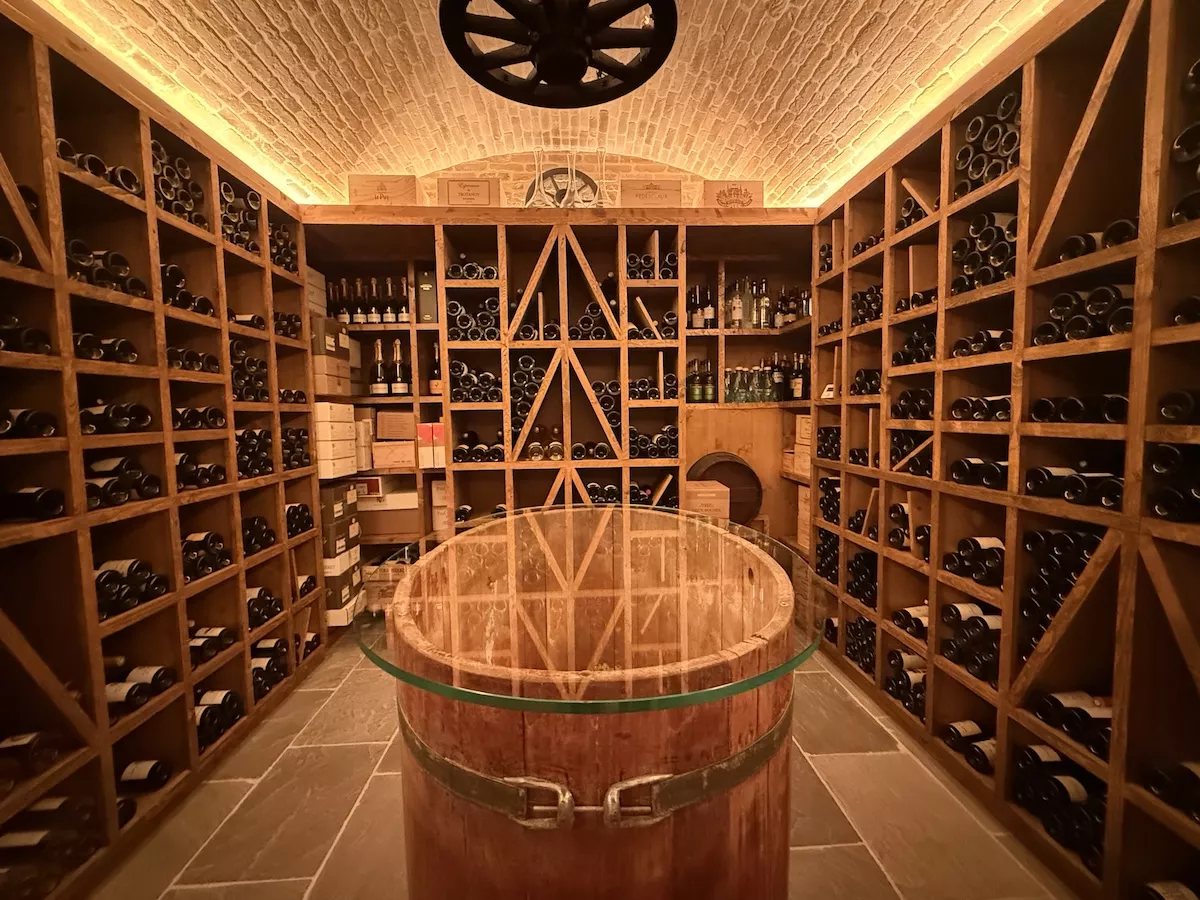
Yet food is only part of the story. Le Fernet’s wine programme may ultimately become one of its defining strengths. Overseen by head sommelier Florine Huby, the cellar has been conceived as a journey through France’s diverse terroirs, with each region presented almost like an exhibition.

During our lunch, each course was paired with precision, highlighting the kitchen’s flavours without ever overpowering them. The breadth of the collection is equally impressive, featuring 300 references and 4,000 bottles, making it one of the most compelling wine destinations currently operating in the Principality.

Le Fernet’s impressive wine cellar. Photo credit: Cassandra Tanti

Why Le Fernet is resonating with Monaco diners

At a time when Monaco’s restaurant landscape often gravitates towards spectacle, Le Fernet succeeds by focusing on hospitality, comfort and authenticity. It recalls an era when brasseries were neighbourhood institutions rather than concepts, where excellent food, thoughtful service and great wine mattered more than theatre. Judging by the crowds already filling its dining room, Monaco has been waiting for exactly this kind of restaurant.

Stay updated with Monaco Life: sign up for our free newsletter, listen to our podcasts on Spotify, and follow us across Facebook,  Instagram, LinkedIn, and Tik Tok.

Main photo provided

Beyond the discussion: what Monaco’s blue economy forums achieved this year

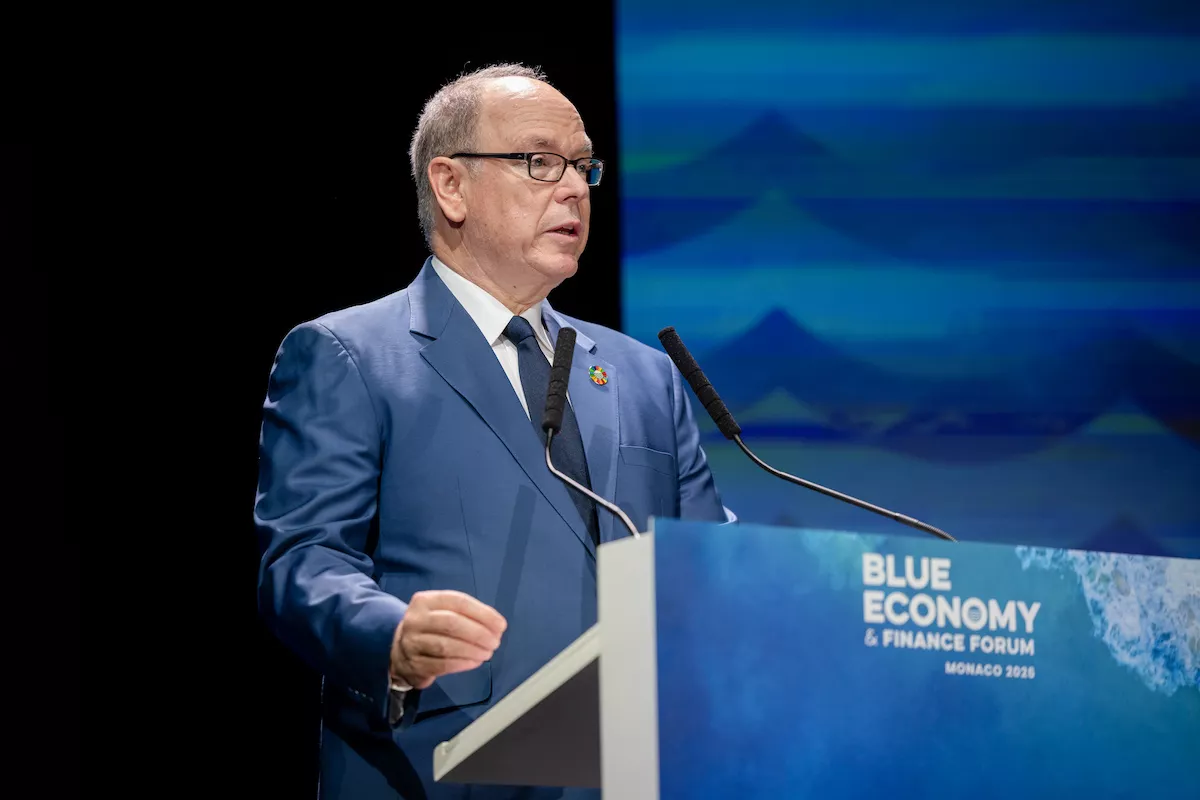
The 17th Monaco Blue Initiative and the second Blue Economy and Finance Forum brought together close to 300 participants across four days in Monaco at the end of May, drawing scientists, policymakers, institutional investors and entrepreneurs from 47 countries for what has become the Principality’s most significant annual gathering on ocean finance and governance.

The two events, held consecutively at the Oceanographic Museum and the Grimaldi Forum, are increasingly designed to work in tandem. Prince Albert II confirmed in his opening address to the MBI that from this year the forum is formally repositioned as a prelude to BEFF, with scientific and governance priorities developed at the Initiative intended to feed directly into the finance discussions that follow. “Investing in the Ocean is no longer simply responsible. It is profitable. The Ocean has become an asset class in its own right,” he said.

A data first for ocean investors

Among the announcements at the Monaco Blue Initiative, GIST Impact and Hub Ocean confirmed that the world’s first ocean risk datasets for listed equity investors will be published before the end of 2026. The datasets will cover marine protected areas and ocean-sensitive zones, providing asset-level exposure analysis for institutional portfolios. The absence of usable, science-grade ocean data has long been identified as one of the principal barriers to mainstream investment in the sector — making the forthcoming publication a practically significant development for the finance community.

Amundi and Crédit Agricole commit to natural capital

At BEFF, Amundi and Crédit Agricole announced the creation of a dedicated business line for natural capital, to be established within the next three years. The initiative is specifically designed to make ocean preservation and restoration projects investable within existing financial frameworks — a response to the $175 billion annual funding gap that delegates identified as the central challenge facing the blue economy.

The forum’s sessions also explored a range of emerging mechanisms gaining traction in the sector, among them resilience bonds, biodiversity credits, parametric insurance and outcome-based funds. On maritime decarbonisation, green shipping corridors between major ports and the electrification of port operations were identified as near-term levers, alongside technologies including wind propulsion, AI-powered routing and alternative fuels. The seaweed sector drew particular attention as a growing and increasingly profitable asset class, while discussions on food security underlined the overlooked role of small-scale fisheries, which supply up to 60% of protein consumed across the Global South.

BEFF 2026 drew 60% private sector representation across its 20 sessions, with institutional investors, venture capital and private equity accounting for 23% of attendees — a composition that organisers said reflected the growing integration of ocean investment into mainstream finance.

Stay updated with Monaco Life: sign up for our free newsletter, listen to our podcasts on Spotify, and follow us across Facebook,  InstagramLinkedIn, and Tik Tok.

Photo credit: Philippe Fitte

Monégasque space company Venturi Space to invest €250 million in Toulouse lunar rover facility

Venturi Space, the Monaco-based company developing critical technologies for space exploration, has announced a €250 million investment in France to build a 16,000 square metre technology centre in Toulouse, where it will design, manufacture and assemble rovers intended for lunar and Martian missions.

The announcement was made at Choose France, the annual summit held at the Palace of Versailles dedicated to French economic attractiveness, and was led by Gildo Pastor, the company’s Chairman and the driving force behind the Venturi Group’s push into space mobility.

NASA, Artemis and the CLV-1 connection

The investment comes at a pivotal moment for the company. NASA has selected the CLV-1 rover developed by Venturi Astrolab — Venturi Space’s American strategic partner — to transport astronauts across the surface of the Moon from 2028 as part of the Artemis programme. That vehicle draws directly on critical technologies developed by Venturi Space, including its high-performance batteries, hyper-deformable wheels and energy management systems, making the Toulouse facility central to meeting NASA’s requirements ahead of the crewed lunar landings.

In Europe, the company is contributing to preparatory work for future lunar rovers through a risk-reduction study conducted under contract with the European Space Agency since January 2026, and unveiled its 100% European lunar rover MONA LUNA in June 2025.

Toulouse as the European flagship

Already present in Toulouse for two and a half years, Venturi Space will expand its footprint significantly with the new site, which will serve as the hub for rover assembly and system integration. The facility will work in close collaboration with the company’s existing entities in Monaco and Switzerland, which will supply wheels, thermal systems, cryogenic materials, high-performance batteries and other critical components for final assembly and qualification in Toulouse. The centre will employ nearly 200 highly qualified engineers and technicians.

“I have always believed that mobility would be one of the keys to space exploration. Today, the momentum is there. With this €250 million investment and the creation of nearly 200 jobs, Venturi Space is taking a decisive step forward. We have the technologies, the experience, the partners and, soon, the industrial tool to go further. I want this project to succeed, to bring an entire sector with it, and to inspire Toulouse,” said Gildo Pastor.

Dr Antonio Delfino, Director of Space Affairs at Venturi Space, described the site as the company’s European centrepiece. “This site will be Venturi Space’s European flagship. Our teams will work there on critical technologies, on the integration of complex systems and on the assembly of rovers designed to operate in the most extreme environments. It will play a central role in our ability to meet the requirements of American and European lunar programmes,” he said.

Rover assembly at the Toulouse facility is expected to begin in 2027.

Stay updated with Monaco Life: sign up for our free newsletter, catch our podcasts on Spotify, and follow us across Facebook,  InstagramLinkedIn, and Tik Tok.

Photo source: Venturi Space