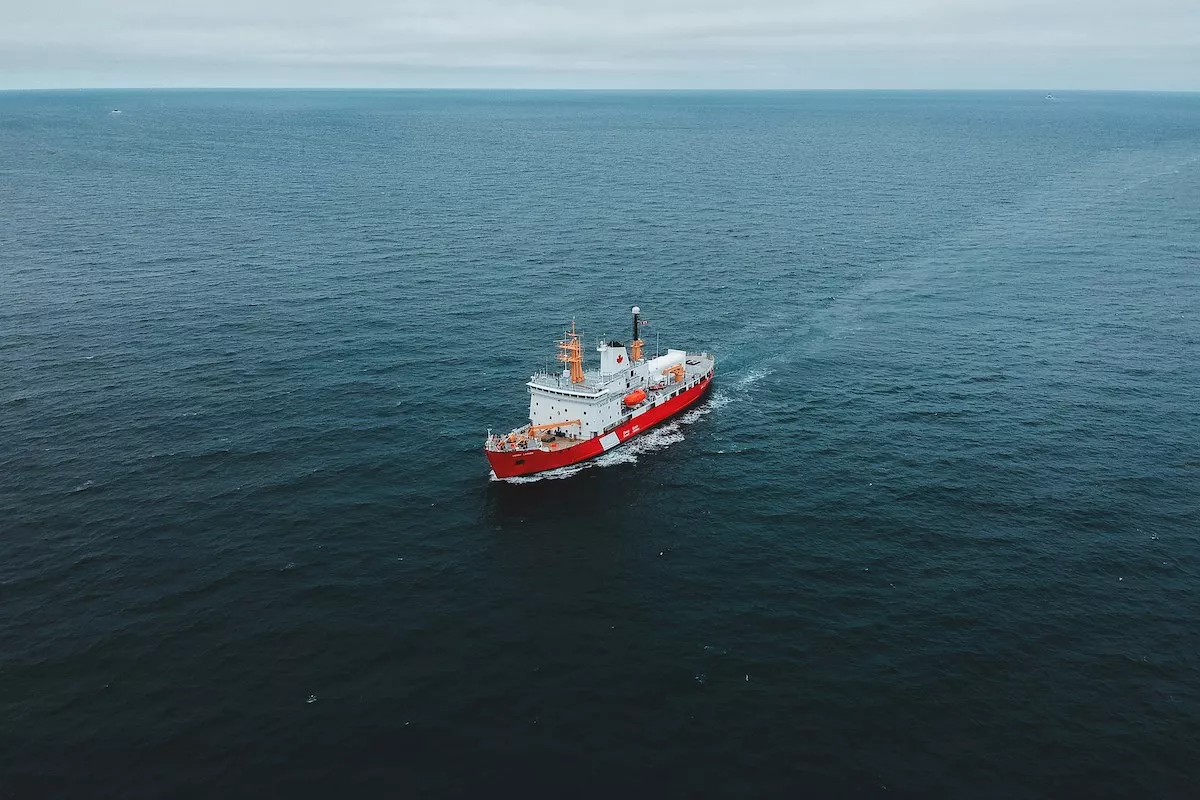
“With ‘OceanEye’, Europe will lead the race to understand our ocean”

While the ocean covers 70% of our planet’s surface, a staggering 95% remains unexplored. Through the newly adopted ‘OceanEye’ initiative, the European Union intends to bridge this knowledge gap, providing essential data for climate forecasting, blue economy activities, maritime security, and the long-term protection of marine ecosystems.

The European Commission has officially adopted this ambitious strategy to position the European Union as the global authority in ocean observation and intelligence. As the world faces mounting climate and maritime challenges, the initiative aims to secure 35% of the global market for ocean observation technology and contribute to more than one-third of the global ocean observing system by 2035. 

A strategic shift in maritime governance

For years, Europe’s efforts to monitor its seas have been hampered by coordination challenges between research bodies, national agencies, and industry players. ‘OceanEye’ aims to dismantle these silos through a structured governance framework that will align regional investment and data standards. This move is expected to culminate later this year in a landmark ‘Ocean Act’, which will define the EU’s long-term legislative approach to maritime health.

Central to this vision is the European Digital Ocean System. By 2030, this platform will provide a single, sophisticated interface for marine intelligence, integrating existing services like the Copernicus Marine Service and EMODnet. The centrepiece of this project is a fully operational ‘Digital Twin’ of the ocean—a virtual representation that will allow scientists and policymakers to run real-time predictive models on everything from shifting current patterns to the impact of offshore energy developments.

Innovation as an economic engine

The European Commission is positioning the initiative not merely as a conservation tool, but as a catalyst for economic growth. By mobilising €92 million through the Horizon Europe programme, the EU is betting that a robust ocean observation industry is a geopolitical imperative. A significant portion of this funding, including €30 million directed through the European Innovation Council, will support startups and public-private partnerships focused on next-generation sensor technology, autonomous underwater systems, and artificial intelligence.

“With ‘OceanEye’, Europe will lead the race to understand our ocean, to protect it, and to sustainably harness its potential,” said Ursula von der Leyen, President of the European Commission. “This is about using science and good governance to understand our ocean and secure our future.”

Beyond this vision, the EU is looking to significantly increase its contribution to the Global Ocean Observing System (GOOS). The strategy involves addressing critical surveillance gaps in the Arctic, the deep sea, and the Southern Hemisphere, where data has historically been sparse, ensuring that the bloc’s technological reach matches its environmental ambitions.

Bringing the ocean to the public

The initiative also seeks to demystify the complexities of marine science for the average citizen. Through the ‘New European Bauhaus Ocean, Coastal and Island Communities Lab’, the Commission is partnering with artists and designers to translate raw data into public installations and museum exhibits. This effort to humanise ocean observation aims to make the health of the sea a visible, tangible concern for the 40% of Europeans who reside in coastal communities.

The initiative represents a logical evolution of the European Ocean Pact adopted in 2025. With a blue economy that currently generates €250 billion in added value and supports 5 million jobs, the EU is now betting that the next decade of maritime success will belong to those who can best harness, interpret, and protect the data swirling beneath the waves.

Stay updated with Monaco Life: sign up for our free newsletter, listen to our podcasts on Spotify, and follow us across Facebook,  Instagram, LinkedIn, and Tik Tok.

Photo credit: Erik McLean, Unsplash
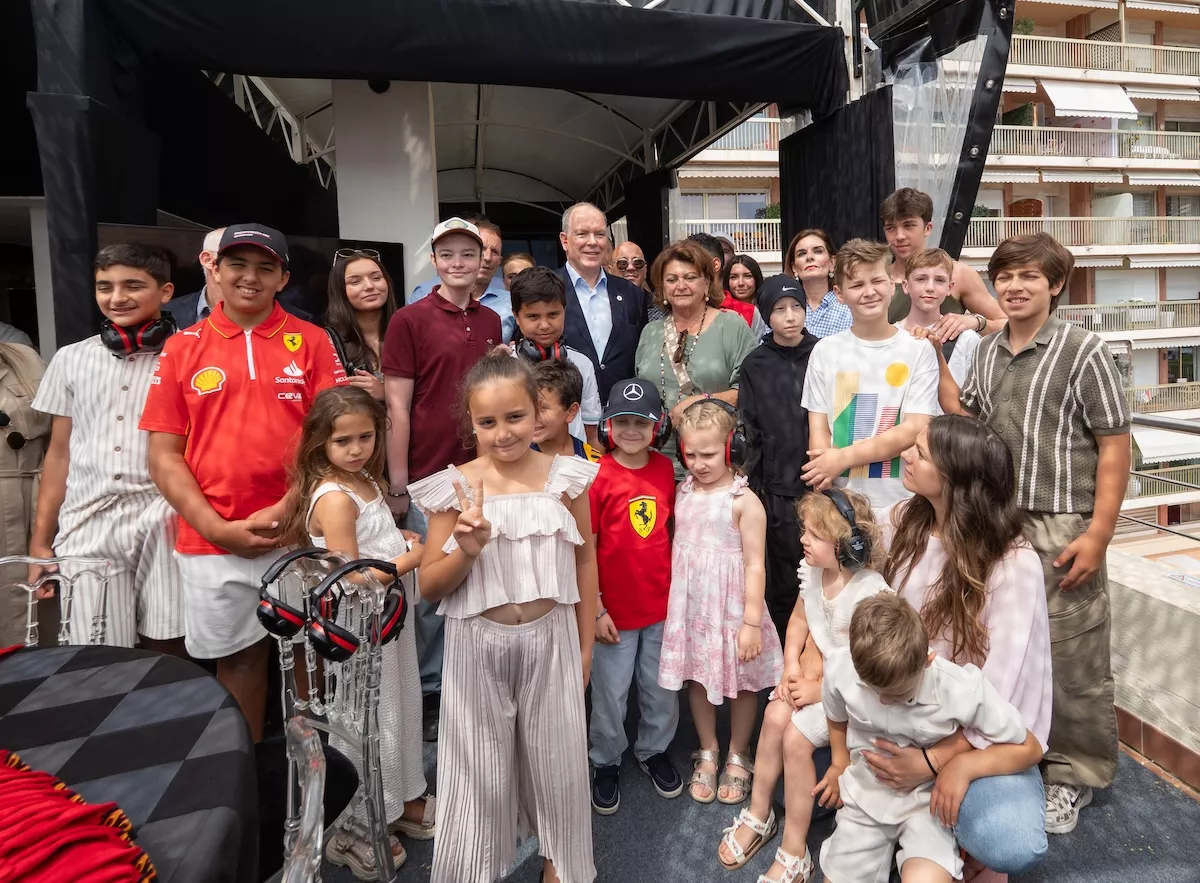
Sick children from across France given a day to remember at Monaco Grand Prix

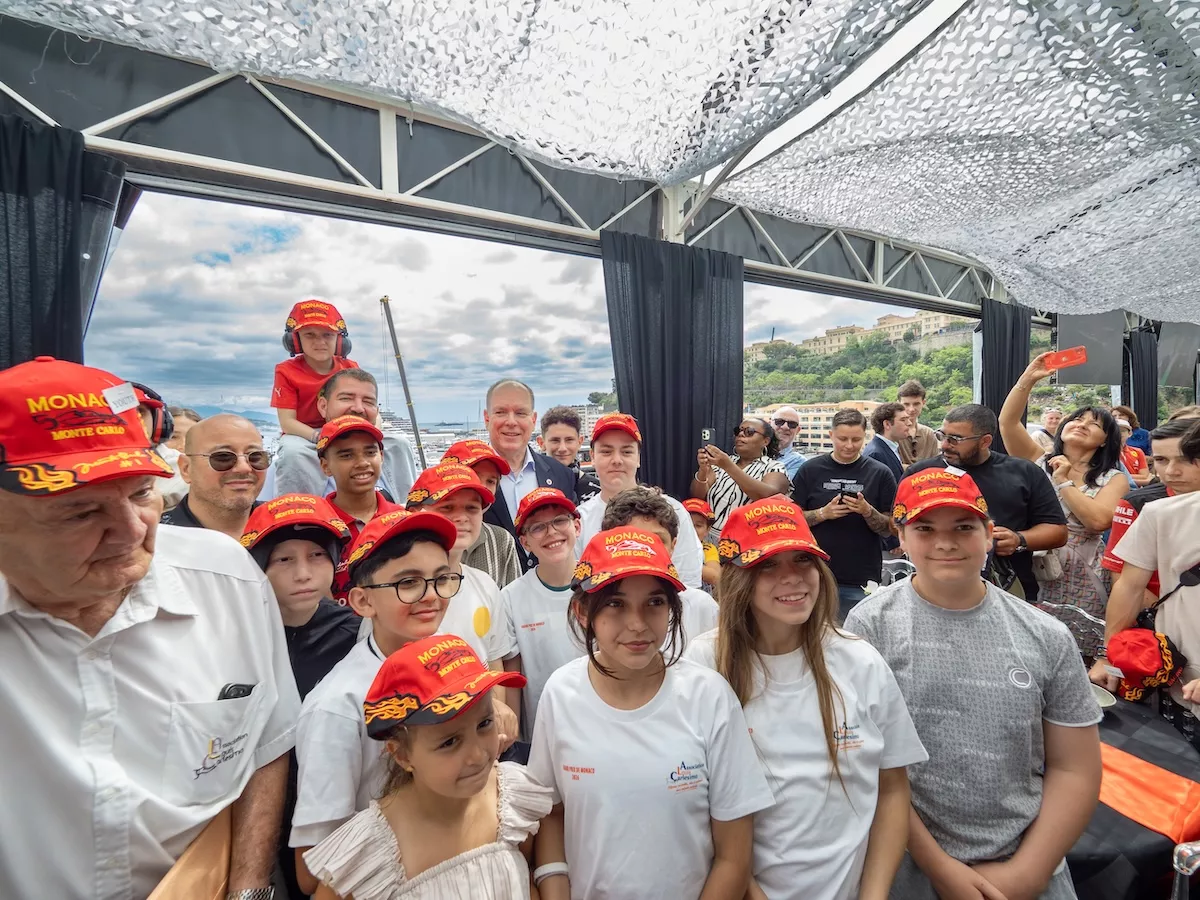
Forty-eight children receiving treatment at hospitals across France and their families were welcomed to Monaco on Friday 5th June for a day away from illness, organised in the margins of the Formula 1 Monaco Grand Prix.

The children, aged between 4 and 22 and covering a range of conditions, came from hospitals in Nice, Marseille, Béziers and Paris, as well as from the Monaco Police. Together with their families, nearly a hundred guests gathered for a day built around one idea: that for a few hours, the illness could wait.

Prince Albert distributes gifts in person

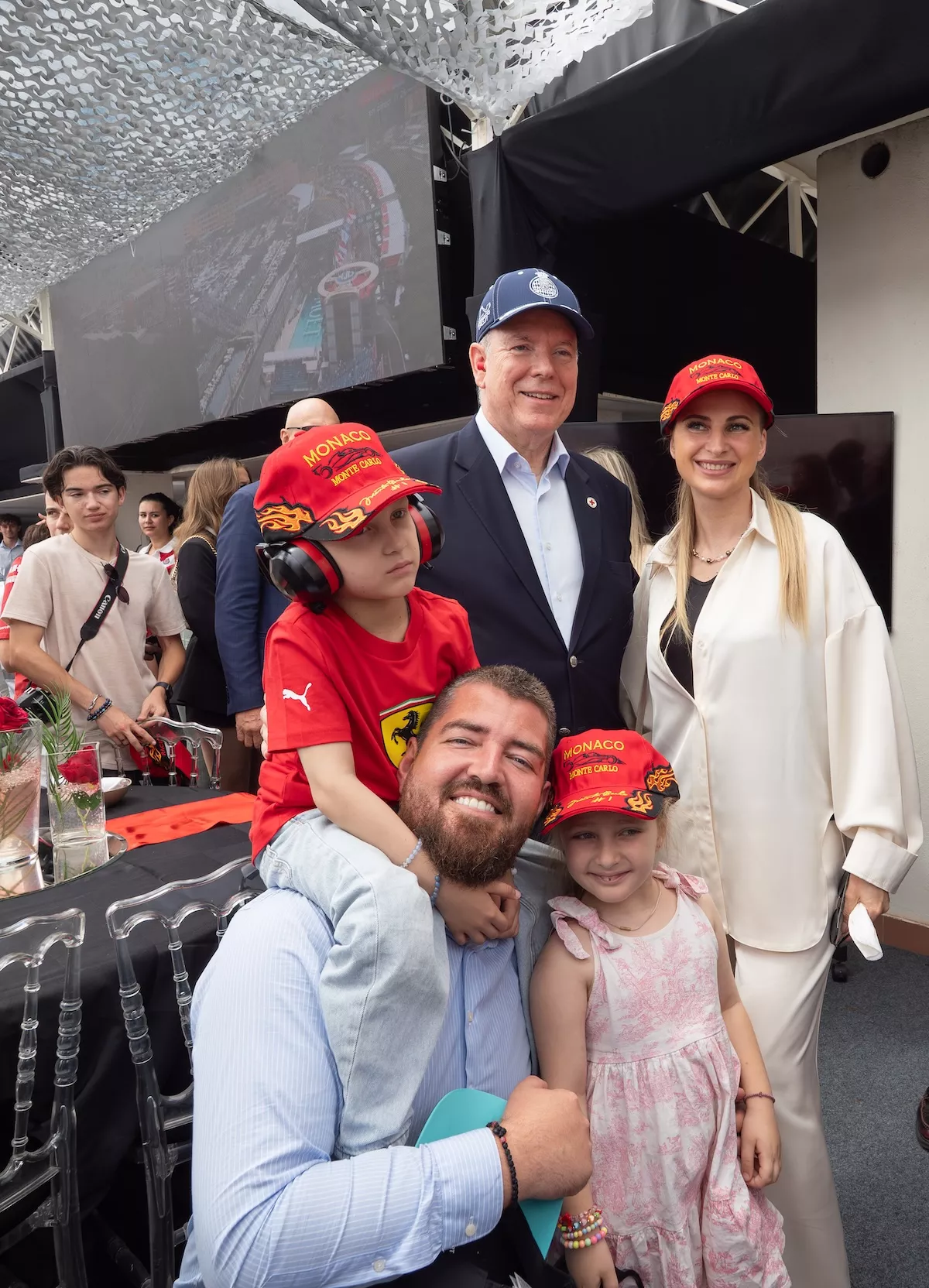
The day was marked by the presence of Prince Albert II, who came to meet the children personally. Princess Charlene, unable to attend, ensured she was part of the occasion by sending official caps through her assistant — and it was Prince Albert himself who handed them out to each child individually, before taking photographs with them.

Former Formula 1 driver Raoul Marchisio was also among the guests, spending time with the children answering questions, signing autographs and taking pictures.

A 190-degree view of the start line

The group was hosted on a terrace at the Albatros, offering a 190-degree panorama over Monaco’s harbour and the iconic start line. Several children were also taken to Fontvieille to watch the Porsche cars up close at the start of their race. For many of them, it was their first visit to the Principality.

“The children’s eyes were sparkling with joy,” the organisers said. “Seeing Monaco like that, for them, it was simply ‘wow’. It was an intense moment that opened everyone’s hearts and brought immense happiness.”

A chain of generosity

The day was made possible by a network of partners and volunteers. The terrace was provided by Mélissa Kergal. The buffet was donated by Gregory Rougaignon de Aroca, with pizzas from Bella Vista, drinks from Super U in Beaulieu, and salads and a birthday cake were collected from Amore Mio by Monacooli. Monaco’s parking authority assisted with logistics, and Sylvain Peroumal filmed the day to create a souvenir film for the families.

Fifteen years of dedication

At the heart of the event was Carla Shechter, who has been organising this kind of event for 15 years. Present throughout, attentive to every child and every family, she was described by the organisers as the driving force behind the occasion.

The day was, in the organisers’ own words, “a true moment of happiness suspended in time” — one in which illness gave way, for a few hours, to laughter, shared memories and the spectacle of Monaco at its most electric.

Stay updated with Monaco Life: sign up for our free newsletter, listen to our podcasts on Spotify, and follow us across Facebook,  InstagramLinkedIn, and Tik Tok.

Photos source: Monaco Liver Disorder 

Antonelli wins chaotic Monaco Grand Prix as Leclerc crashes out on home streets

Kimi Antonelli claimed his fifth victory from six races to extend his championship lead, while a brake failure robbed Charles Leclerc of a podium finish at his home Grand Prix in one of the most turbulent afternoons Monte Carlo has seen in years.

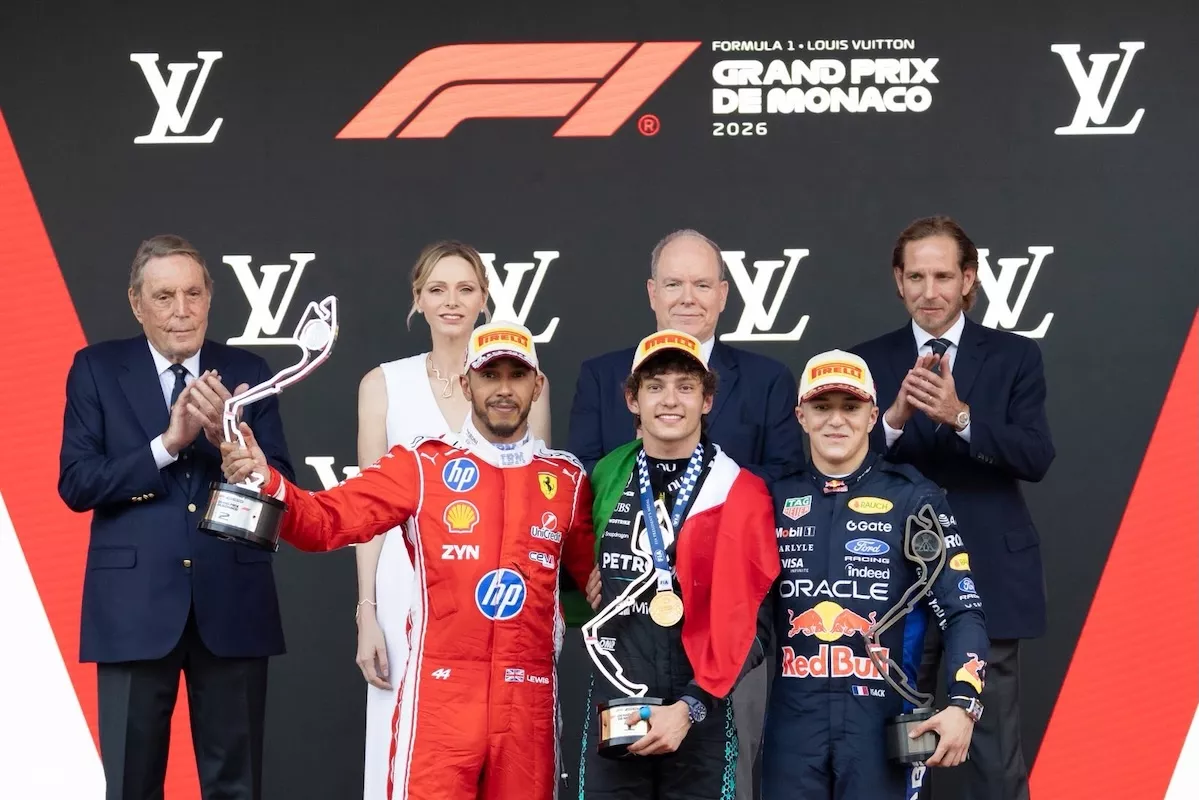
The Mercedes driver dominated a fractured, chaotic afternoon in Monte Carlo, matching Lewis Hamilton’s run of five straight wins with the Brackley-based squad. Hamilton finished second, with Isack Hadjar completing the podium after post-race penalties were applied.

A race of two crashes

The race was red-flagged on lap 68 of 78 after the track surface appeared to break up at the final corner, the incident triggered by Lance Stroll’s retirement followed by Leclerc crashing at the same spot on the subsequent safety car restart.

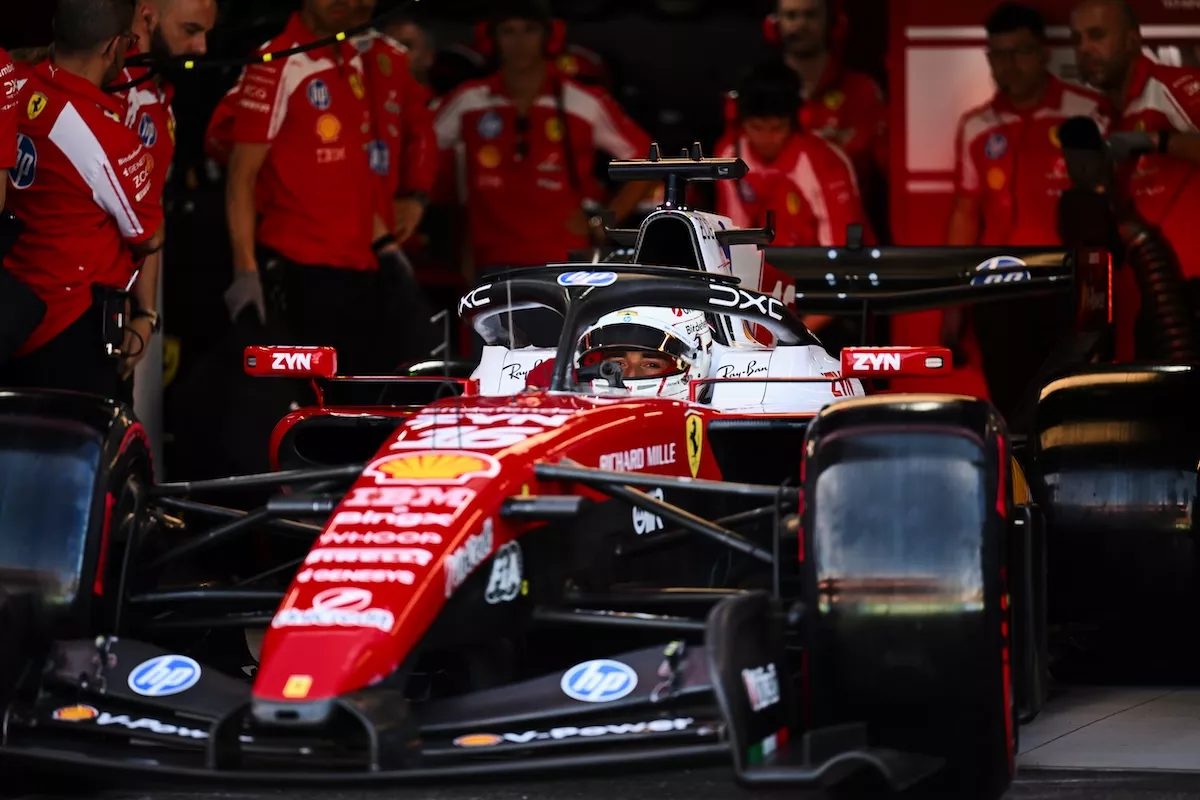
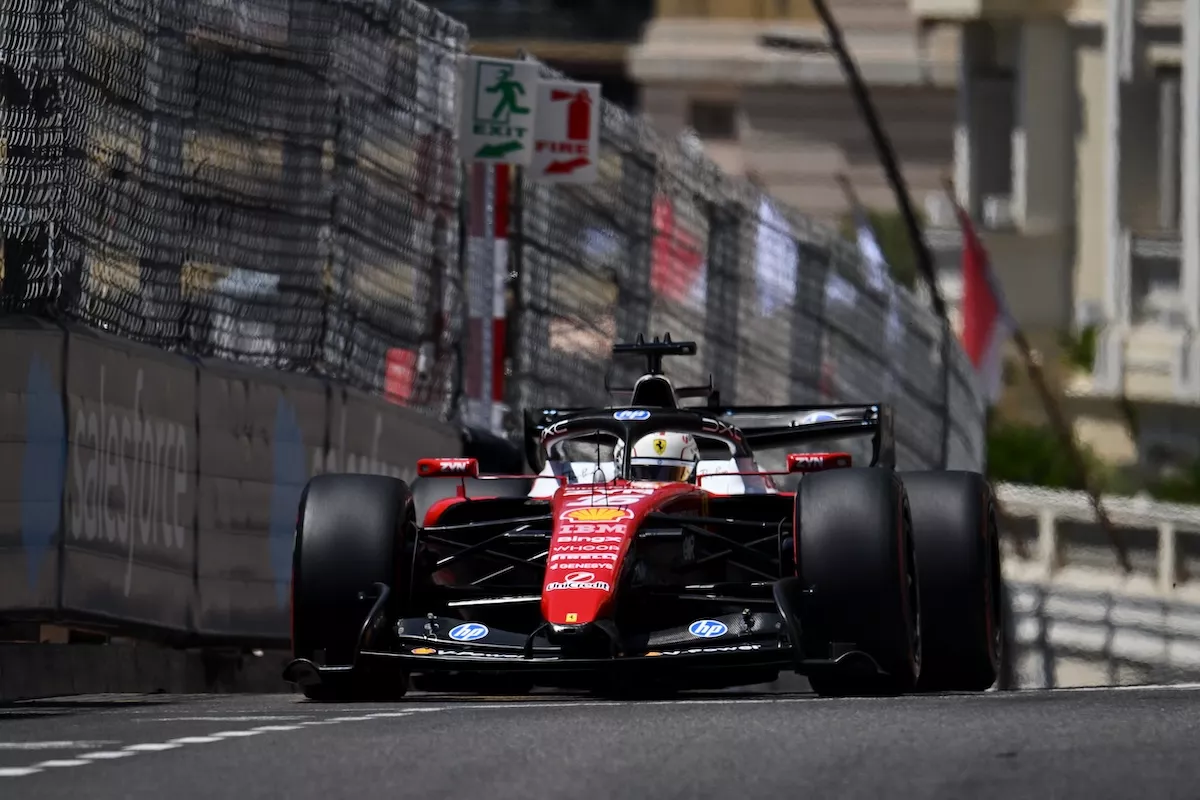
Television cameras cut quickly to Ferrari’s car number 16 in the exact same spot where Stroll had gone in. Leclerc, visibly anguished, hit his steering wheel in frustration.

Leclerc blamed brake problems he described as undrivable, stating: “It’s just undrivable.”

His fury was barely contained over the team radio, where he made clear where he placed responsibility. “Honestly, I’m not even going to take the fucking blame,” he said. “These fucking brakes!”

Charles Leclerc at the Monaco Grand Prix 2026. Photo source: Scuderia Ferrari Media Centre

A weekend-long struggle

The crash did not come out of nowhere. Leclerc had spoken openly throughout the weekend about “struggling massively” with the Ferrari’s “extremely inconsistent” braking, an issue tied to tyre temperature and what he described as “another issue”. “At the moment it’s a bit of a discovery whenever I get on the brakes,” he said on Saturday.

The same problem had occurred in Canada the previous weekend, turning his last two races into a mechanical ordeal. His teammate Lewis Hamilton had reportedly adopted a different car configuration for the previous three or four grands prix. “Lewis went in that direction three or four races ago,” Leclerc acknowledged after the race. “I think it made a difference on other circuits, but today it was just undrivable for me.”

Looking to Barcelona

Speaking in the TV media pen after his retirement, Leclerc described himself as “extremely disappointed, sad, angry, mixed of negative emotions.”

He told Canal+ that he did not want to speak at length for fear of being too harsh in his words, adding: “That’s unacceptable. The brake problems I’ve had the last two weekends… It’s just undrivable.” Despite the bitterness, he looked ahead: “Things will be different for Barcelona; I hope to rediscover my feeling with the car.”

For Antonelli, the result leaves him still two races adrift of Nico Rosberg’s record of consecutive wins with Mercedes, but firmly in command of the championship heading to Spain. For Leclerc, a second successive mechanical retirement on home soil leaves unresolved questions about Ferrari’s ability to solve a brake inconsistency that has now cost him dearly in back-to-back weekends.

Stay updated with Monaco Life: sign up for our free newsletter, listen to our podcasts on Spotify, and follow us across Facebook,  InstagramLinkedIn, and Tik Tok.

Main photo credit: Michaël Alesi / Frédéric Nebinger / Palais princier 

Hamilton and Leclerc lock out second row as Antonelli takes Monaco pole

Kimi Antonelli claimed pole position for the Formula 1 Louis Vuitton Grand Prix de Monaco 2026 on Saturday, with Lewis Hamilton and Charles Leclerc starting from the second row after a qualifying session that delivered tension until the very last moment.

The 19-year-old Mercedes driver, who leads the Drivers’ Championship, set a time of 1’12″051 to beat Max Verstappen’s Red Bull by just 0.043 seconds — the front row decided by the narrowest of margins. Hamilton qualified third for Ferrari, 0.228 seconds off pole, with Leclerc fourth after clipping the barriers at Tabac corner on his final flying lap, ending his bid for what would have been a fairytale pole position on home soil.

The full top ten: Antonelli, Verstappen, Hamilton, Leclerc, Isack Hadjar (Red Bull), George Russell (Mercedes), Oscar Piastri (McLaren), Lando Norris (McLaren), Pierre Gasly (Alpine), Liam Lawson (Racing Bulls).

A session that went to the wire

Ferrari had set the pace throughout Friday’s free practice sessions, with Leclerc and Hamilton trading fastest times across FP1 and FP2, raising expectations for the Scuderia heading into qualifying. The picture shifted on Saturday morning when Antonelli topped the final practice hour, signalling that Mercedes had found something overnight.

In Q1 and Q2, both SF-26s progressed comfortably. The decisive moment came in Q3. On his first run, Leclerc made a small mistake. Hamilton went quicker on his opening attempt, posting a 1’12″553. Leclerc then returned to set a 1’12″351, briefly moving to the top of the timesheets — only for Hamilton to improve to 1’12″279, and then for both Antonelli and Verstappen to move ahead of the Ferrari pair.

Leclerc set off on a final flying lap that, by Ferrari’s own account, was very much in contention for pole position — until he touched the wall at Tabac, ending his run and leaving him fourth on the grid.

The drivers react

Hamilton, who came closest among the Ferrari pair to challenging for pole, was measured in his assessment. “Monaco always delivers one of the standout qualifying sessions of the season, with an incredible crowd and atmosphere and a level of intensity I always enjoy,” he said. “At the start of the session, I didn’t quite have the same confidence in the car that I felt in free practice, so we will need to look closely at what changed. I could feel some differences in balance, but the margins were incredibly tight throughout between Kimi, Max, Charles and myself.”

For Leclerc, it was a difficult end to a difficult weekend so far. “It’s been a tough weekend for me, right from the first session. I’ve been struggling to get the right feeling in the car and have been facing some issues, which I am sure we will find solutions for soon,” he said. “On a track like this, if you go into qualifying without full confidence, you can pay the price. Today, it was a combination of different factors, and unfortunately I didn’t finish my last flying lap in Q3. Nevertheless, I will give it my all.”

What Sunday holds

Monaco’s street circuit is notoriously difficult for overtaking, but the new generation of Formula 1 cars — shorter, narrower and more agile — has raised hopes of a more fluid race than the circuit has sometimes produced. Ferrari will be looking to convert second-row grid positions into points, with strategy likely to play a central role.

The Formula 1 Louis Vuitton Grand Prix de Monaco 2026 starts at 15:00 CEST and runs over 78 laps — 260.286 kilometres through the streets of Monte Carlo.

Stay updated with Monaco Life: sign up for our free newsletter, listen to our podcasts on Spotify, and follow us across Facebook,  InstagramLinkedIn, and Tik Tok.

Photo source: Scuderia Ferrari Media Centre


Interview: “The car is silent, but you still feel the speed” — Antoine Dufilho on his Monaco masterpiece

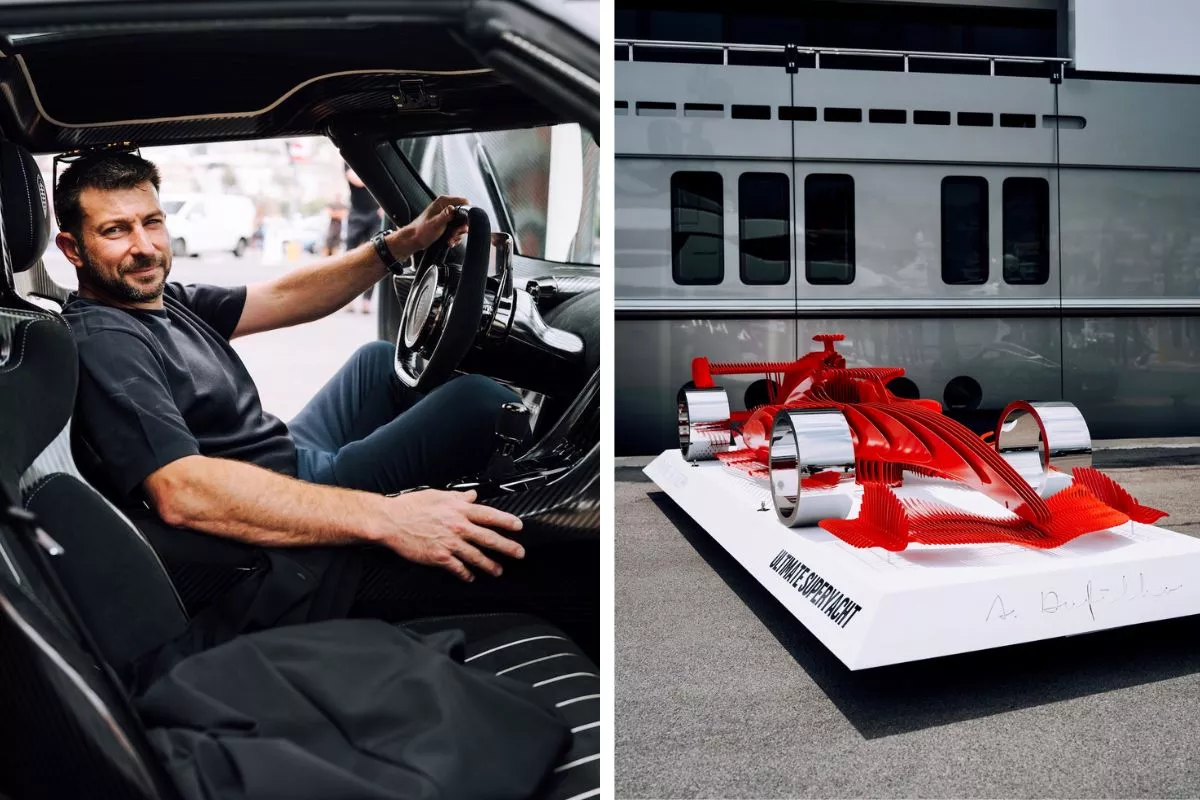
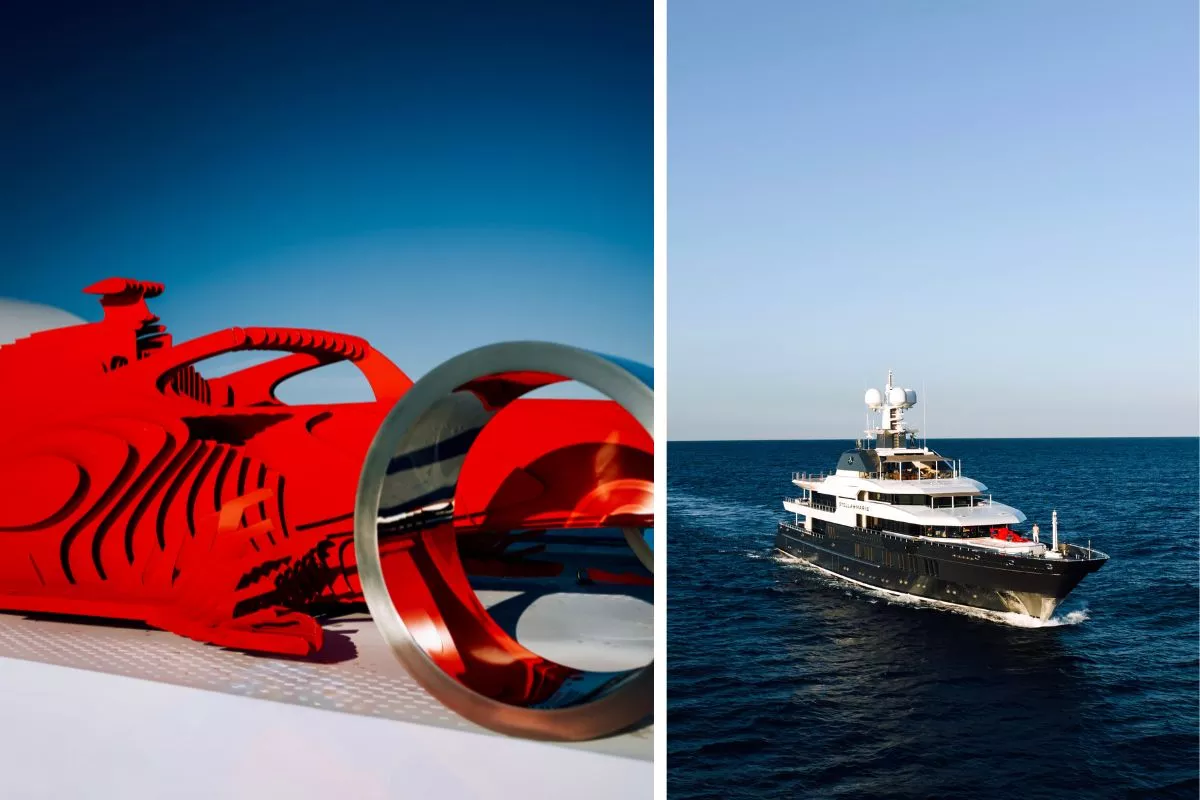
French sculptor Antoine Dufilho has unveiled Formula One, a life-size kinetic sculpture installed on the bow of the superyacht Stella Maris in the port of Monaco for the duration of the Formula 1 Louis Vuitton Grand Prix de Monaco 2026.

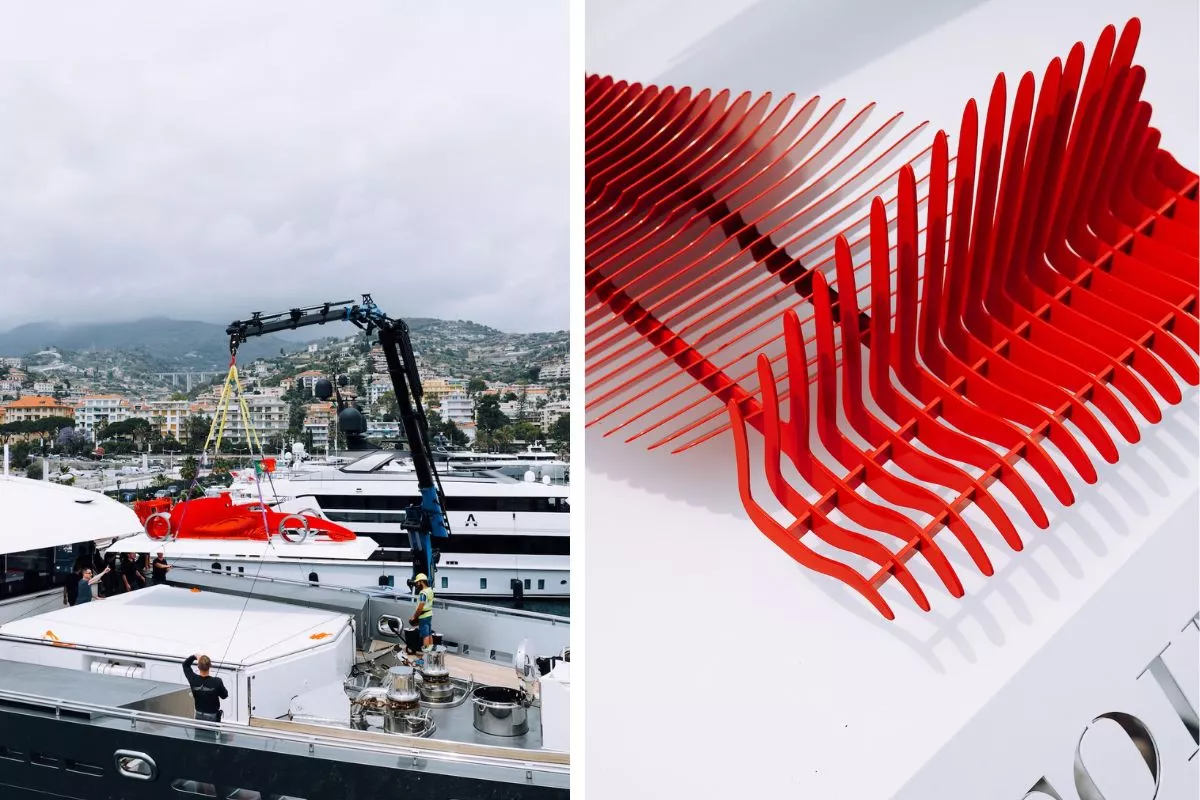
The work — red, built entirely from aluminium, and the full dimensions of a Formula 1 monopost — deconstructs the car into successive layers of metal, alternating solid and void so that, though completely still, it reads as movement. The effect changes depending on where the viewer is standing.

Dufilho, who has been developing this approach with automotive subjects since turning to sculpture full-time in 2012, describes the tension between stillness and speed as central to what the work is doing. “The sculpture does not move, but the rhythm of the metal, the voids, the lines and the reflections suggest speed and motion,” he told Monaco Life’s Cassandra Tanti. “A Formula 1 car is normally associated with noise, power and acceleration. Here, it is silent and still, but the viewer can still feel the energy. That contrast is exactly what makes the image so strong.”

From a crane in Italy to the harbour in Monaco

Getting the sculpture onto the Stella Maris was not a straightforward process. It was lifted by crane onto the yacht in Italy before the vessel made the journey to Monaco by sea — an arrival conceived, in Dufilho’s words, as the cinematic opening of the event.

Watching the work go up was, by his account, something close to nerve-wracking. “When a full-scale sculpture leaves the ground, suspended above a yacht, you suddenly become very aware of its weight, its fragility, and all the work behind it,” he said. “Seeing it finally installed on the Stella Maris, floating towards Monaco, was almost unreal. It was the moment where the sculpture entered a completely different dimension.”

Voids as material

The layering technique Dufilho uses on Formula One is the same he has applied to Bugatti, Ferrari and Porsche bodies in earlier works — but at full scale, the effect is more confrontational. Asked what he is trying to reveal that a conventional representation of a car could not, he says: “I’m trying to show something normally invisible: the rhythm of the form, the flow of air over the body shape, the tension of the lines. The voids are just as important as the metal. They allow the viewer to mentally reconstruct the car, but also to feel its speed and presence in a different way.”

The parallel with the circuit itself is one Dufilho draws readily. Monaco, where barriers are centimetres from the cars and the margin for error is almost non-existent, is a context he understands. “My work requires a high level of precision. Each element has to be positioned carefully, because the rhythm only works if the lines are right. A few centimetres can change the balance of the whole sculpture. There is a real parallel with motorsport: precision, tension, control and risk.”

Art in a non-art context

‘Formula One’ is not in a gallery. It is on the water, in the middle of one of the most concentrated social events on the sporting calendar, visible to racing fans, yacht guests and tourists who may never set foot in a contemporary art space. Dufilho sees that as an opportunity rather than a complication.

“In Monaco, during the Grand Prix, many people will first approach it through emotion, curiosity or passion for racing,” he says. “The work has to speak immediately, even before any explanation. It has to create a reaction from people who may not be collectors, but who understand beauty, speed, engineering and emotion. For me, that connection with a wider public is very important.”

He came to sculpture through a family connection to the art world — his great-uncle, the actor and collector Jacques Dufilho, introduced him to the visual arts — and studied architecture and landscape at the École de Lille before committing to sculpture full-time. In July 2022, he exhibited a monumental work at the French Formula 1 Grand Prix at the Circuit Paul Ricard.

Throughout the Grand Prix weekend, a selection of smaller works is on display aboard the Stella Maris and in the VIP suites. A private Art Night is being held on board on Friday 5th June.

Stay updated with Monaco Life: sign up for our free newsletter, listen to our podcasts on Spotify, and follow us across Facebook,  InstagramLinkedIn, and Tik Tok.

Photos courtesy of Antoine Dufilho

Monaco celebrates Corpus Christi with the Order of the Holy Sepulchre

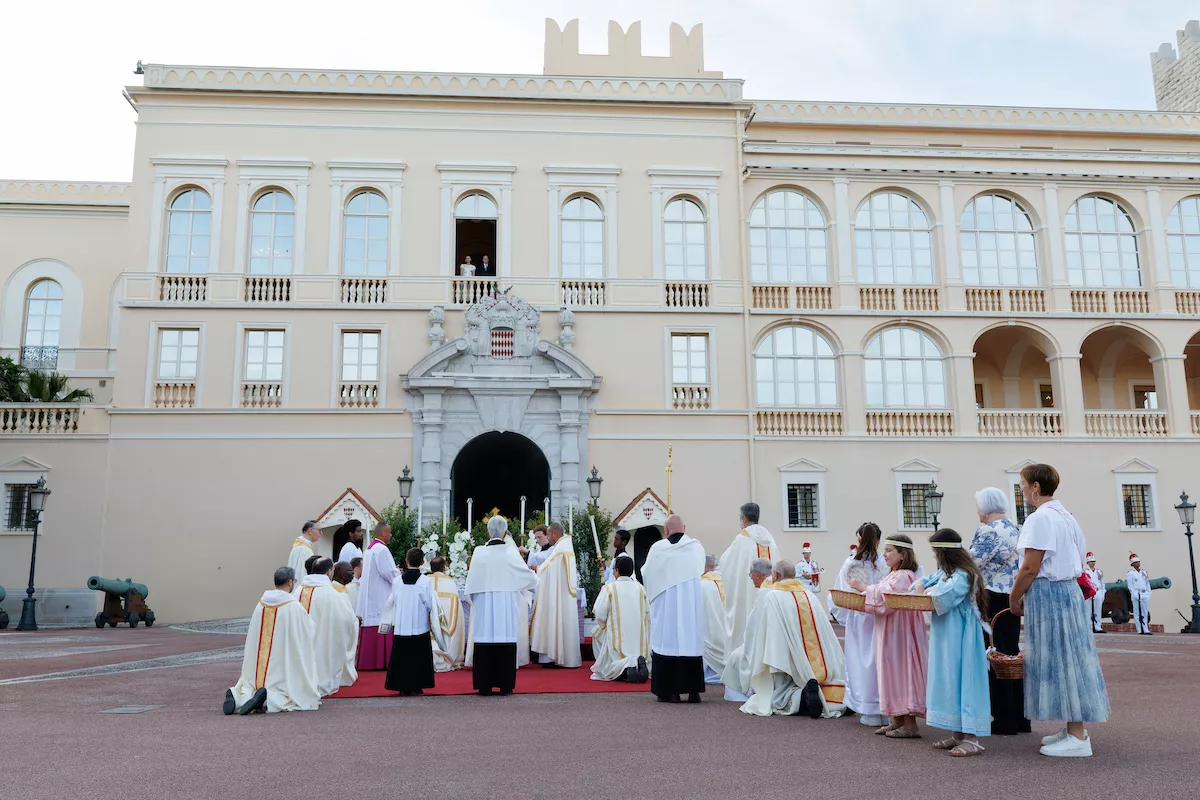
The streets of the Principality were filled with a spirit of devotion and purpose on Wednesday 3rd June as the faithful gathered to celebrate Corpus Christi, the Feast of the Body and Blood of Christ. Though traditionally held on a Thursday, the celebration was rescheduled to accommodate the constraints of the Grand Prix, bringing together a diverse community to honour the real presence of Jesus in the Eucharist.

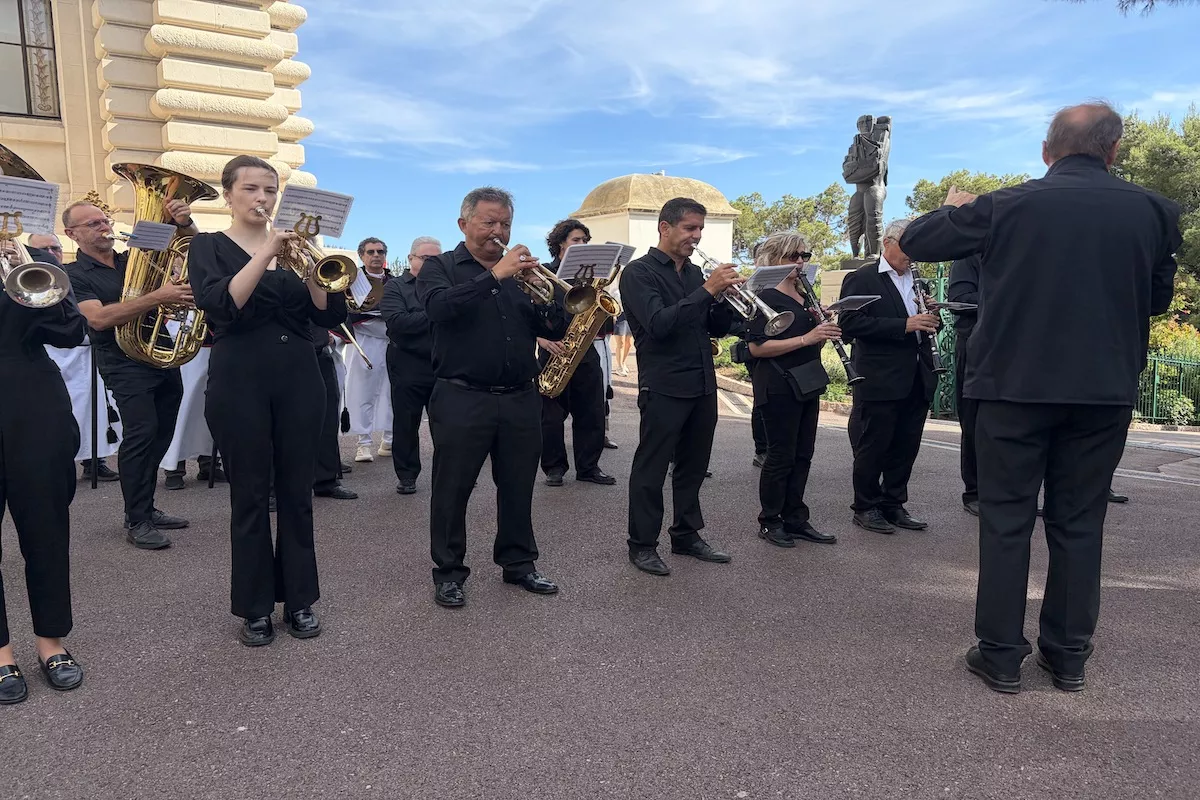
The celebration served as a ‘Feast of the Diocese’, inviting the faithful to gather for a time of sharing, praise, and enrichment. The programme began in front of the Oceanographic Museum, where attendees enjoyed a welcome featuring testimonies from the sisters of the Sacred Heart parish, the Knights of the Holy Sepulchre, and members from the diocesan service for Christian initiation of adults (SICA). The event was further enlivened by the presence of the Monaco Municipal Orchestra.

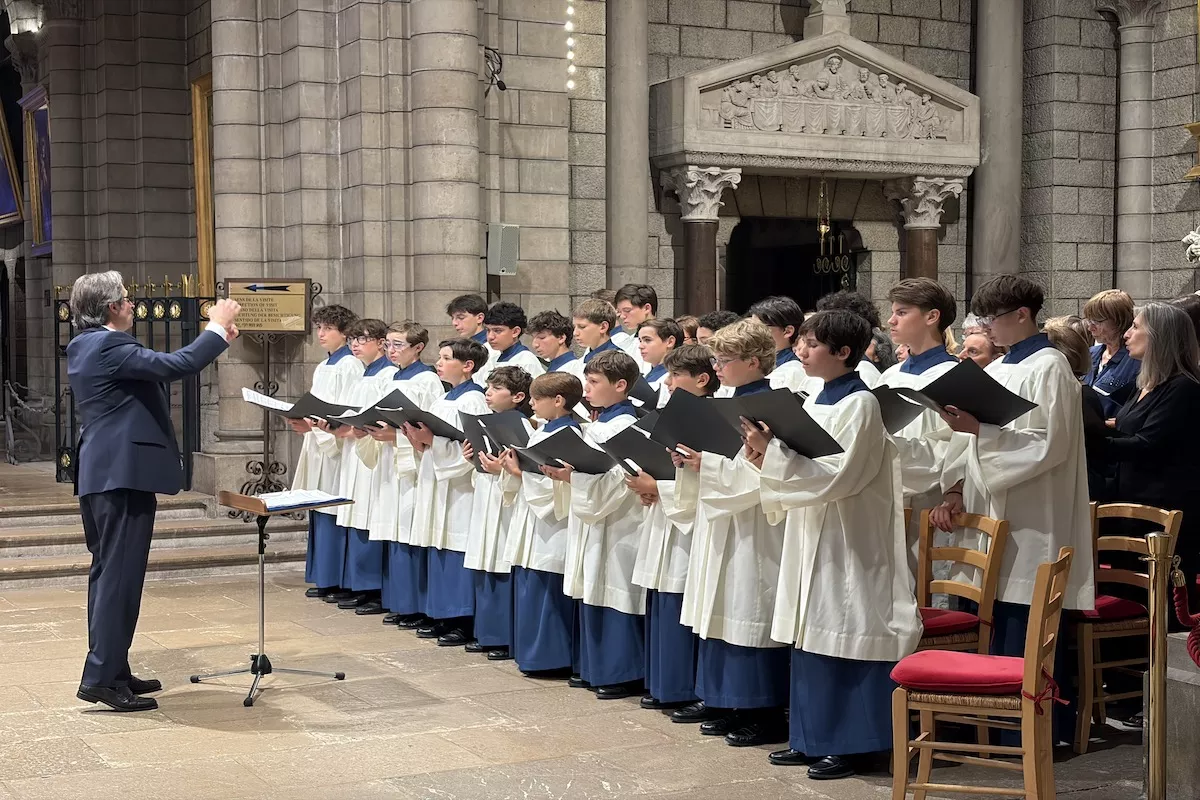
“This feast honours the belief of the faithful in the real presence of Jesus in the Eucharist,” explained Karine, a representative from the Diocese of Monaco, to Monaco Life. The event featured a Pontifical Mass at the Cathedral, followed by a solemn Eucharistic procession through the streets of ‘The Rock,’ complete with moments of adoration and blessings for the residents and businesses of the area.

For Karine, the procession serves as a profound act of evangelisation. “We carry the people around us in our prayer, to transmit to them the peace and the blessing of God, so that many leave this evening from Monaco a little happier, by having had the testimony of our joy.” She reminded Monaco Life of the words of Pope Leo XIV during his visit to the Principality: “The Church in Monaco is called to bear witness, by living in the peace and the blessing of God”.

Photo credit: Virginia D’Umas, Monaco Life

A historic procession on ‘The Rock’

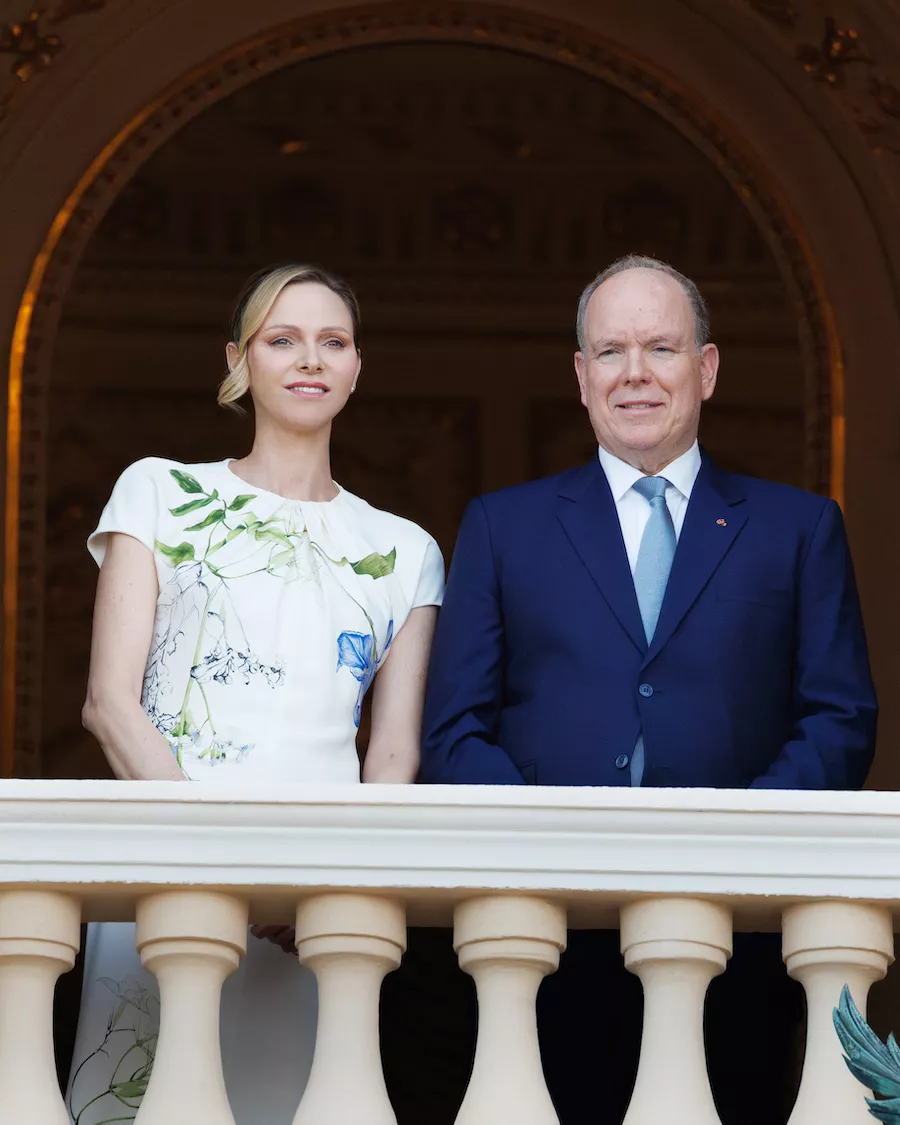
During the procession, the priest carried the Eucharist in a monstrance beneath a canopy, a tradition reflecting the history of the feast when streets were once elaborately decorated with drapes and garlands. In Monaco, the procession holds special significance, moving from the Cathedral toward a repository at the Place du Palais—where Prince Albert II and Princess Charlene were waiting at a window to greet the procession—before continuing to a second repository at the Place de la Mairie. The Archconfraternity of the Penitents of Mercy actively accompanied the procession, with music sustained by the Monaco Municipal Orchestra.

For those unfamiliar with the significance of the day, a dedicated team was available throughout the procession to offer explanations, ensuring the event remained an open and welcoming tradition for all to discover.

A vital link to the holy land

The celebration highlighted the essential work of the Lieutenancy of the Order of the Holy Sepulchre of Jerusalem in Monaco. The Order, which traces its roots back to the First Crusade and the protection of the Holy Sepulchre, remains deeply committed to supporting the Christian communities in the Holy Land—Israel, the Palestinian territories, Cyprus, and Jordan.

With approximately 60 members, the Monaco Lieutenancy is small but highly active. Led by Lieutenant Hubert Perrin, the Order’s mission rests on three pillars: vivifying the Catholic faith in the Holy Land, supporting Church institutions such as schools and hospitals, and deepening the spiritual life of its own members through charity.

“Concretely, the Order is the main financial support of the Latin Patriarchate of Jerusalem,” a representative noted. “We finance schools, parishes, hospitals, and charitable works for the benefit of the Christian communities in the region.” In recognition of this dedication, Prince Albert II was invested as a Knight of the Collar in 2021.

Photo credit: Virginia D’Umas, Monaco Life

Personal journeys of faith

The event provided a platform for members to share their deeply personal paths to the Order.

For one member, a Knight of the Order, the ceremonial habit is not merely clothing, but a silent testament to his faith. “Wearing this habit in the street is saying without a word: ‘I believe.’ It is a testimony even before opening one’s mouth,” he shared. He emphasised that the Order acts as a “living chain” that has endured for centuries, ensuring that the memory of Christ in Jerusalem is never extinguished.

Another member, Sister Yves Charbel Octave Bamba from the Institute of the Sisters of Our Lady of the Incarnation, shared her transformative journey from a modest Muslim family in Ivory Coast to her religious life in Monaco. Her path was defined by a profound “inner conviction” and the support of spiritual guides, eventually leading her to serve the youth and the Church.

Similarly, Simon, a member of the service for Christian initiation for adults, spoke of his own discovery of faith at the age of 40. “I encounter the Lord, I discover faith,” he said, reflecting on his work assisting adults seeking baptism or confirmation. He noted that the service welcomes anyone with curiosity, regardless of their background, aiming to foster free individuals who “live with love”.

Main photo credit: Michael Alessi, Prince’s Palace

A global solidarity

As the procession concluded, the message remained one of unity. Whether serving through the catechumenate or providing aid to the Holy Land, the members of the Monaco community underscored that faith is not a private matter, but a shared journey.

“We are a solidarity that crosses borders, centuries, and cultures,” the Knight reflected during the procession. Through their prayers, pilgrimages, and concrete support, the faithful of Monaco continue to offer a lifeline of hope to those facing immense hardship in the Middle East, reminding them, in the words of the faithful: “You are not alone”.

The evening concluded at the FANB school with a diocesan aperitif, where young people preparing for the upcoming World Youth Day served the community, marking a final moment of conviviality and prayer to close the feast.

Stay updated with Monaco Life: sign up for our free newsletter, listen to our podcasts on Spotify, and follow us across Facebook,  Instagram, LinkedIn, and Tik Tok.

Main photo credit: Michael Alessi, Prince’s Palace