Unlocking prehistoric secrets: Prince Albert II awards Global Palaeontology Grants in Paris

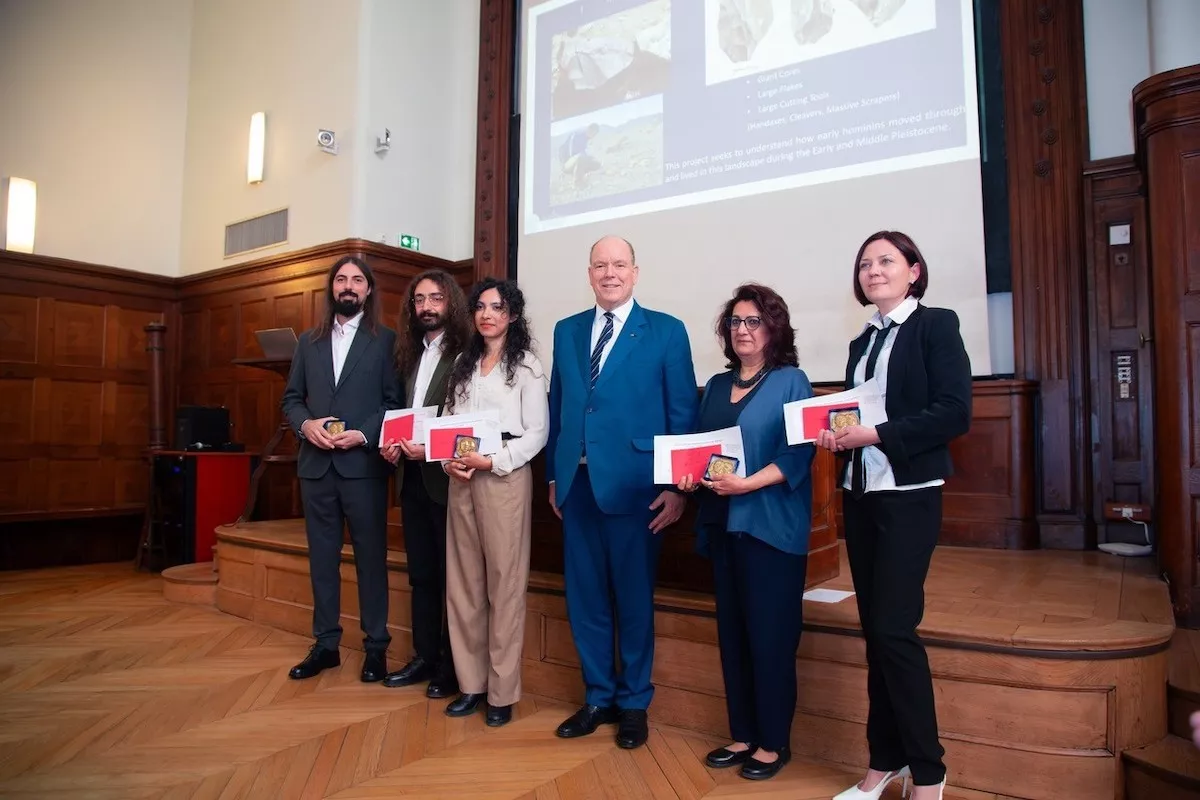
Centuries of human history collided with cutting-edge science in Paris on Thursday 8th October, as Prince Albert II awarded the prestigious Rainier III Research Grants to four pioneering prehistorians. 

The young researchers gathered at the historic Institute of Human Palaeontology (IPH), founded in 1910 by Prince Albert I, to share discoveries ranging from Iberian glacial caves to ancient settlements in Central Asia. Selected from 67 applications spanning 17 nationalities, the recipients received their awards directly from the Prince during a high-level scientific symposium.

Global research focuses on human origins

The four winning projects span regions from the Mediterranean to Central Asia, focusing on key moments in early human history.

Spanish researchers Diego Lombao and José Rabunal secured funding to dig inside limestone caves in Galicia, studying how early humans adapted to harsh Ice Age conditions. French researcher Leïla Hoareau received support to examine prehistoric beads and jewellery, shedding light on ancient trading networks and social identities around the Mediterranean.

In Central Asia, Evgenyia Osipova was awarded for her excavation work in southwest Kazakhstan, uncovering some of the earliest human traces near the Aral Sea. Meanwhile, Iranian researcher Sepehr Zarei was recognised for his study of ancient stone tools in the Persian Gulf hinterland, tracing how early human species migrated across the region.

A century of discovery meets modern science

Running alongside the award ceremony, the scientific symposium, entitled ‘Our Origins in Question: Latest Advances in Human Palaeontology’, brought together four leading international scientists to evaluate how modern technology is reshaping the discipline. The speakers detailed how artificial intelligence, big data, and non-invasive imaging are transforming classical prehistory, allowing researchers to extract new insights from fossil records and genetic data.

University of Toulouse Professor José Braga addressed humanity’s earliest ancestors, focusing on australopithecines and paranthropes, while Professor Lluis Quintana-Murci of the Collège de France detailed the role of genetics in environmental adaptation. CNRS research director Dr. Marie-Hélène Moncel presented findings on the Eurasian dispersal of Palaeolithic cultures, and Complutense University of Madrid Professor Juan Luis Arsuaga illustrated how Neanderthal morphology adapted to extreme climate shifts.

As the world’s first foundation exclusively dedicated to prehistory and human palaeontology, the IPH continues to draw international scientists to study its fossil collections, bridging traditional field archaeology with cutting-edge analytical tools.

Stay updated with Monaco Life: sign up for our free newsletter, listen to our podcasts on Spotify, and follow us across Facebook,  Instagram, LinkedIn, and Tik Tok. 

Prince Albert II with the Global Palaeontology Grants winners in Paris. Photo Credit: Hugo Lopez CDG, Institut de Paléontologie Humaine
Who fills Monaco’s classrooms? Fewer locals than you might think

Monaco’s schools have welcomed 6,592 pupils for the 2026-2027 academic year, just 26 more than last year, yet beneath that stable figure the gradual shift away from public education has continued, with state schools losing 50 pupils while the private sector gained 76.

The latest figures from Monaco Statistics (IMSEE), compiled from Department of Education, Youth and Sport data, also show how much the Principality’s classrooms depend on its neighbours. Almost a third of pupils live outside Monaco, and French nationals now outnumber Monegasques almost two to one.

Public share slips to 62%

Public schools still educate the majority of children in Monaco, with 4,089 pupils, or 62% of the total, spread across 10 of the Principality’s 16 primary and secondary schools. A year ago, the public sector taught 4,139 pupils and accounted for 63% of enrollments, as reported by Monaco Life in December.

The private sector now educates 2,503 pupils. Of these, 1,402 attend private schools under contract with the State, representing 21% of enrollments, while 1,101 are enrolled in private schools outside the contract system, or 17%. That second group has grown steadily: two years ago, it accounted for 14% of Monaco’s pupils.

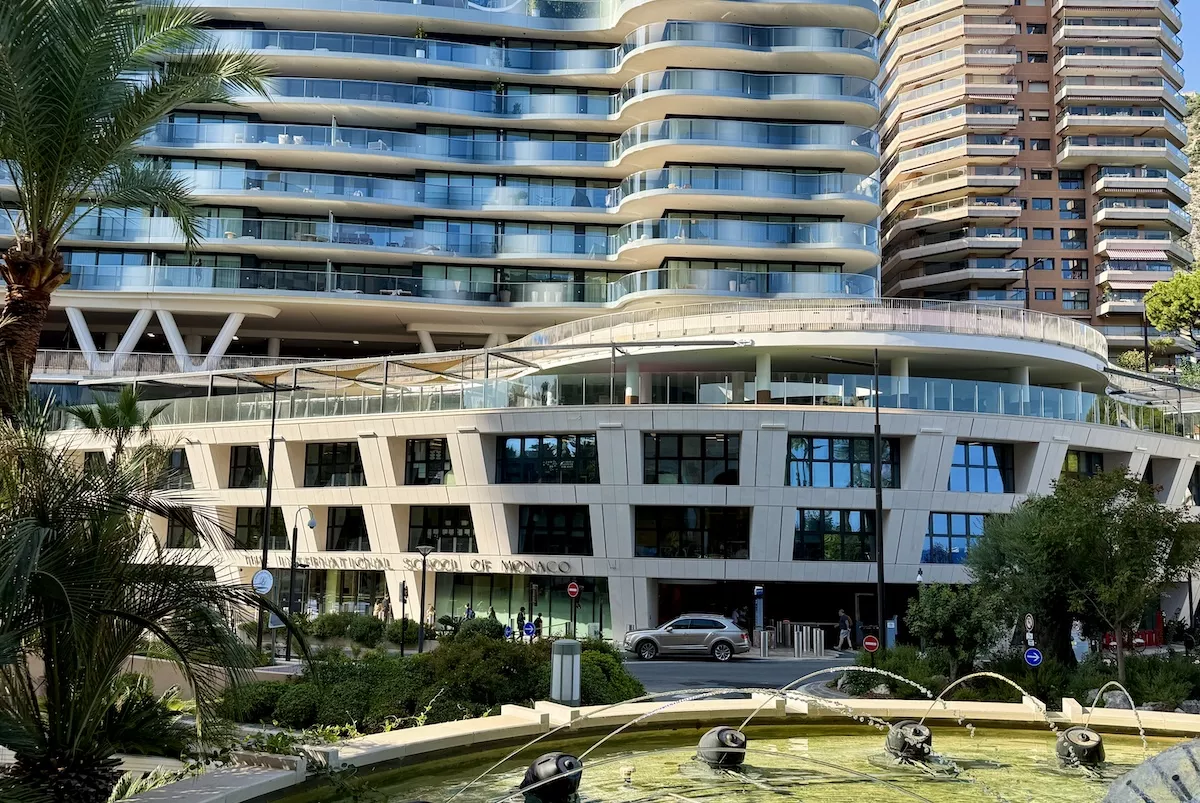
The growth of the private sector in recent years has been driven largely by the arrival of the British School of Monaco, which opened in Fontvieille in 2022 and added secondary classes in 2024, and by the International School of Monaco’s move to its larger Testimonio II campus that same year.

Almost a third of pupils live outside Monaco

Of the 6,592 pupils enrolled, 4,473, or 68%, live in the Principality. Almost a quarter (24%) live in one of the French municipalities bordering Monaco, while a further 7% travel in from elsewhere in the Alpes-Maritimes, meaning roughly 2,000 children cross the border each school day.

The figures do not show how these pupils are distributed between schools. However, last year’s data indicated that Monaco residents were more inclined towards private education than families commuting from France, with 74.6% of private-school pupils living in the Principality, compared with 65.7% of those in public schools.

French pupils outnumber Monegasques

French nationals form the largest group in Monaco’s schools, with 2,576 pupils, or 39% of the total, up from 38% last year. Monegasque pupils number 1,343, holding steady at 20%.

Together, the two nationalities account for around 59% of enrolments, with the remaining 41% made up of other nationalities. Last year, Italians were the third-largest group at 12.7%, with 92 nationalities represented in all, although this year’s summary does not break down nationalities beyond French and Monegasque.

Boys and girls are almost evenly split, at 3,317 and 3,275 respectively.

A handful of schools dominate

At primary level, three schools educate 44% of pupils, with FANB the largest, followed by École Saint-Charles and the International School of Monaco. Secondary education is far more concentrated, with Collège Charles III, Lycée Albert Ier and FANB together teaching 74% of all secondary pupils.

More children in special needs education

The number of pupils receiving special needs education has risen to 71, eight more than last year, an increase of 13%. They represent around 1% of all pupils in primary and secondary education.

The figures, published by IMSEE in October, exclude nursery and higher education but include pupils at the Princess Grace Dance Academy and the AS Monaco Academy.

Monaco Life is written by qualified journalists, writing original content. Sign up for our free newsletter, listen to our podcasts on Spotify, and follow us across Facebook,  Instagram, LinkedIn, and Tik Tok.

Photo of International School of Monaco, credit: Cassandra Tanti

Monaco conference to examine the financial cost of nature loss

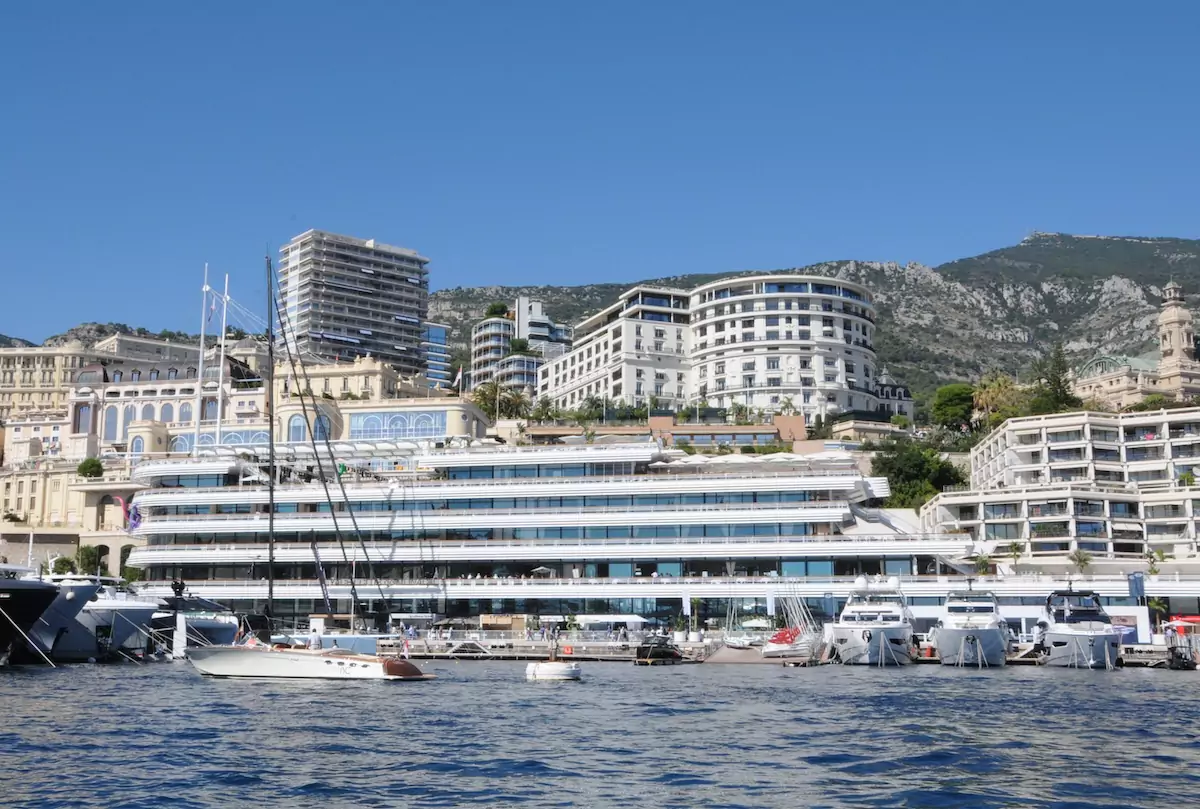
How does the destruction of ecosystems become a risk to a country’s finances, and who should pay to protect them? Those questions will bring scientists, policymakers and financial experts together at the Yacht Club de Monaco on Wednesday 4th November.

BNP Paribas and the Centre Scientifique de Monaco are organising the fourth Natural Capital Conference, in partnership with the Prince Albert II of Monaco Foundation. The event will examine how scientific evidence on biodiversity loss can inform government spending, investment and economic decisions.

Natural capital describes the resources and services nature provides, from water and fertile soils to the ecosystems that support food production and help regulate the climate. The conference will explore how their deterioration can weaken economies, and how finance can support their protection and restoration.

From biodiversity loss to sovereign risk

One central discussion will focus on the implications for national finances: how damage to ecosystems affects economic resilience, and why it matters to finance ministries, credit rating agencies and multilateral banks.

A second strand will examine how to attract private investment into biodiversity protection, including through bond markets and financing at a regional or local level. Reliable data on nature-related risks will be a key part of that discussion.

The programme will also consider new conservation funding mechanisms and indicators capable of measuring whether investment delivers meaningful environmental results.

According to the organisers, the aim is to move beyond identifying the damage towards practical, lasting responses – connecting scientific knowledge with financial decisions while accounting for the needs of the populations concerned.

See also: 

“There’s just no time for recovery”, CSM coral scientist warns as world heads for 2.8°C warming

Monaco Life is written by qualified journalists, writing original content. Sign up for our free newsletter, listen to our podcasts on Spotify, and follow us across Facebook,  Instagram, LinkedIn, and Tik Tok. 

Photo by Monaco Life


Flu and Covid-19: both vaccines now available across Monaco

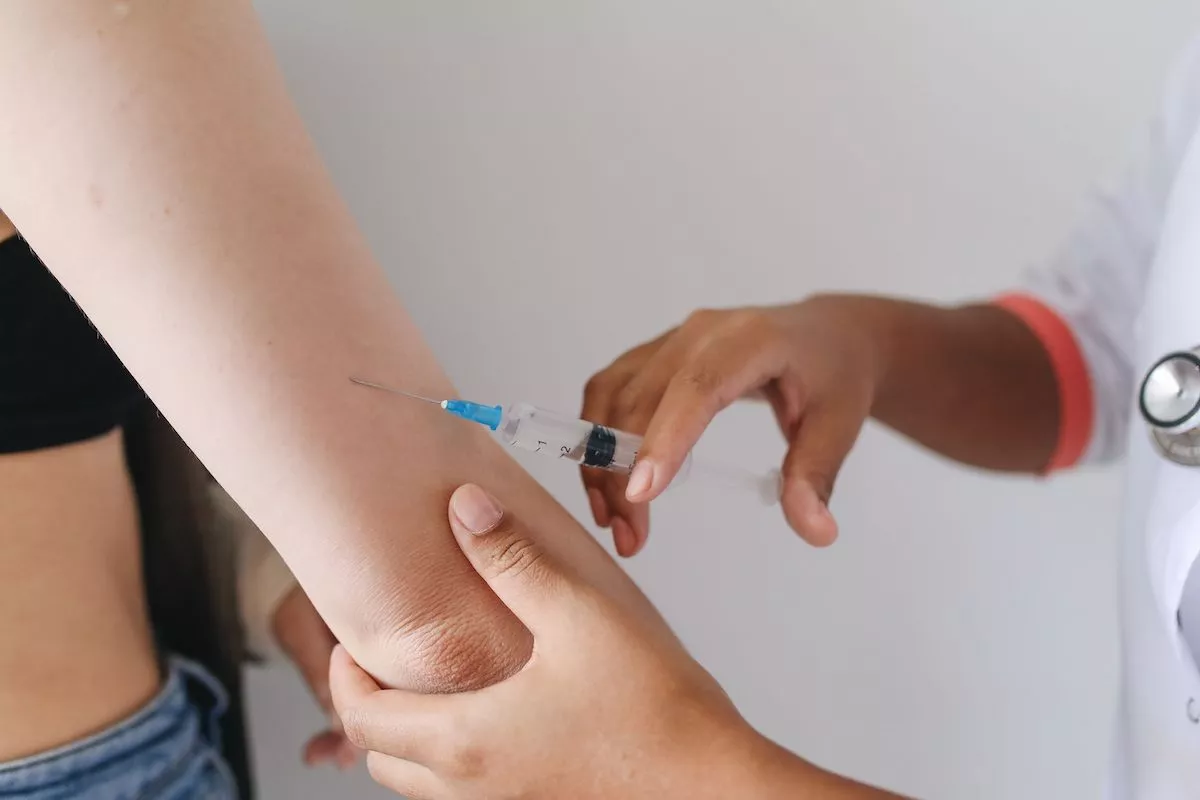
Vaccines for Covid-19 are now available in pharmacies across the Principality and are fully covered for socially insured residents, joining the seasonal flu vaccines accessible since 15th October.

The Prince’s Government reminds the public that vaccination against both viruses offers crucial protection against severe complications and health risks, particularly for vulnerable individuals.

Annual seasonal flu vaccination is recommended for adults aged 65 and over. It is also strongly advised for pregnant women, individuals with obesity, those with specific chronic illnesses, and residents of long-term care or medico-social facilities regardless of age. Furthermore, vaccination is recommended for individuals living with infants under six months at risk of severe flu, as well as those residing with immunocompromised persons.

Priority individuals receive a coverage voucher allowing them to obtain the vaccine or receive their jab directly at a pharmacy.

Updated access rules and prescriptions

Access procedures for other residents have evolved this year. Individuals aged over 15 can now receive their flu vaccination directly in pharmacies. However, those wishing to collect the vaccine for administration by their general practitioner or private nurse must now hold a prior medical prescription.

The Prince’s Government highlights the importance of vaccination among healthcare workers and professionals in regular contact with at-risk individuals. Vaccinating staff protects practitioners individually while reducing the risk of transmitting respiratory infections to patients.

Covid-19 protocol and dual injections

The recommended target groups for Covid-19 vaccination match those for the seasonal flu. Any resident wishing to be vaccinated against Covid-19 can receive the jab directly in a pharmacy or collect it for administration by a doctor or nurse. A medical prescription remains required prior to receiving a Covid-19 injection from a nurse.

Both vaccinations can be administered at the same time, provided different injection sites are used.

Stay updated with Monaco Life: sign up for our free newsletter, listen to our podcasts on Spotify, and follow us across Facebook,  Instagram, LinkedIn, and Tik Tok.

Photo Credit: Pexels – Polina Tankilevitch