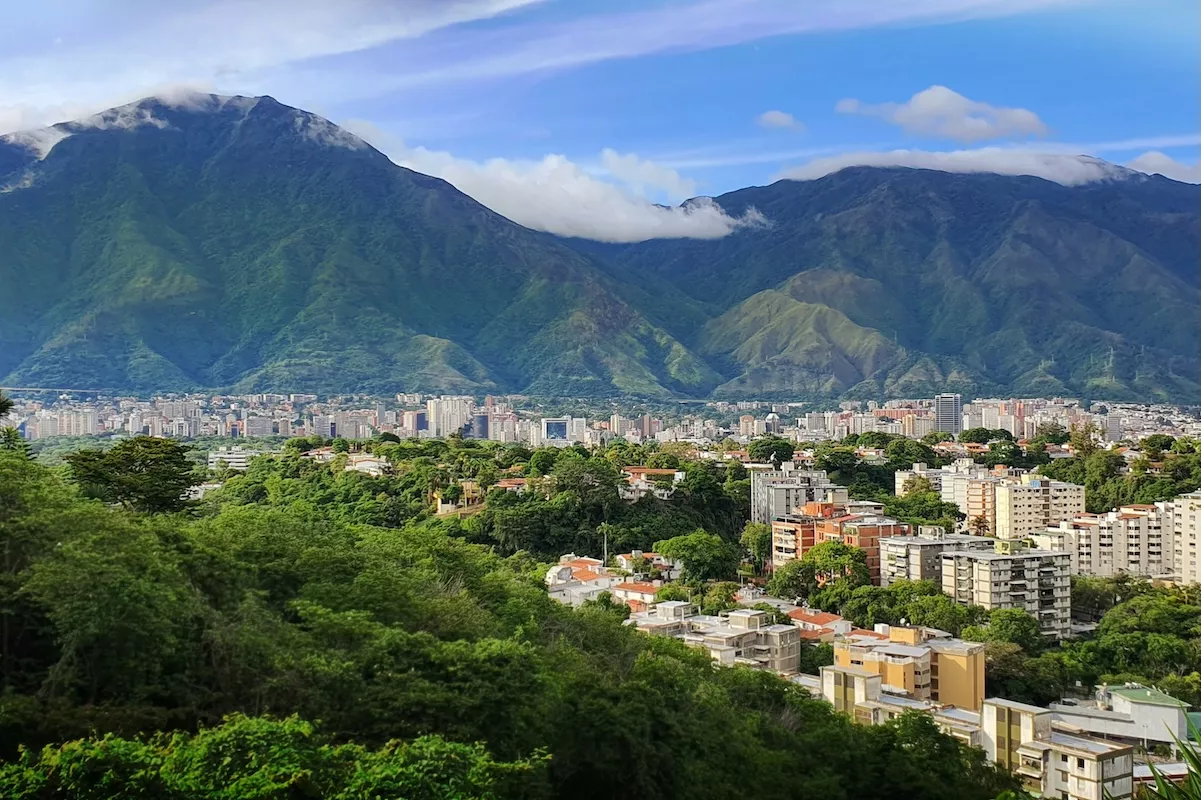
Prince Albert II has expressed his sorrow and solidarity with the people of Venezuela following two violent earthquakes that struck Caracas on Wednesday evening, killing more than 200 people and injuring thousands more, in an official statement released by the Palace on Thursday.
“Princess Charlene and I learnt with profound emotion of the occurrence of two violent earthquakes which successively struck the west of Caracas yesterday, causing cruel loss of life and leaving many injured,” the Prince said in the statement. “My Family and the Monegasque people join me in offering the Venezuelan people our most sincere condolences and our entire solidarity in the face of this tragedy. Our thoughts are with the bereaved families and the injured, to whom we express our profound compassion in these painful moments.”
Two powerful quakes, 39 seconds apart
The disaster struck shortly after 6pm local time on Wednesday, when a magnitude 7.2 earthquake hit north-western Venezuela, followed just 39 seconds later by a far stronger magnitude 7.5 quake centred nearby, according to the United States Geological Survey. Both earthquakes were classified as strike-slip events, with epicentres in the Veroes municipality of Yaracuy state. The stronger of the two is the most powerful to strike Venezuela in more than a century, surpassed only by a 1900 quake of similar magnitude.
Venezuela’s Health Minister, Carlos Alvarado, said on Thursday that at least 235 people had died and more than 4,300 had been injured, with figures expected to rise further as search-and-rescue operations continue. National Assembly President Jorge Rodríguez said 157 people remained reported missing, while more than 200 people were believed to remain trapped beneath the rubble of around 250 collapsed or damaged buildings.
La Guaira declared a disaster zone
Acting Venezuelan President Delcy Rodríguez declared a state of emergency, saying several states had sustained heavy damage, with the coastal state of La Guaira hit hardest. A United Nations humanitarian agency reported more than 100 buildings had collapsed in La Guaira alone. Satellite images of the area showed extensive structural damage across residential neighbourhoods, hotels and warehouses, with some images also showing evidence of fire damage.
Footage from Caracas showed apartment and commercial buildings reduced to rubble, with residents gathering in the streets in shock as emergency crews searched for survivors. Tremors from the earthquakes were felt as far afield as Bogotá, northern Brazil and several Caribbean islands, including Aruba, Bonaire and Curaçao.
International aid mobilises
The United States pledged assistance, alongside humanitarian organisations and several other countries, including China, Argentina, Brazil and Mexico. Specialist search-and-rescue teams from Fairfax County, Virginia, and Los Angeles County were deployed to Venezuela, while Mexico sent rescuers and health personnel from its defence ministry.
The disaster has prompted an outpouring of condolences from leaders around the world, with Prince Albert II’s statement adding Monaco’s voice to those expressing solidarity with Venezuela as the country begins what is expected to be a long and difficult recovery effort.
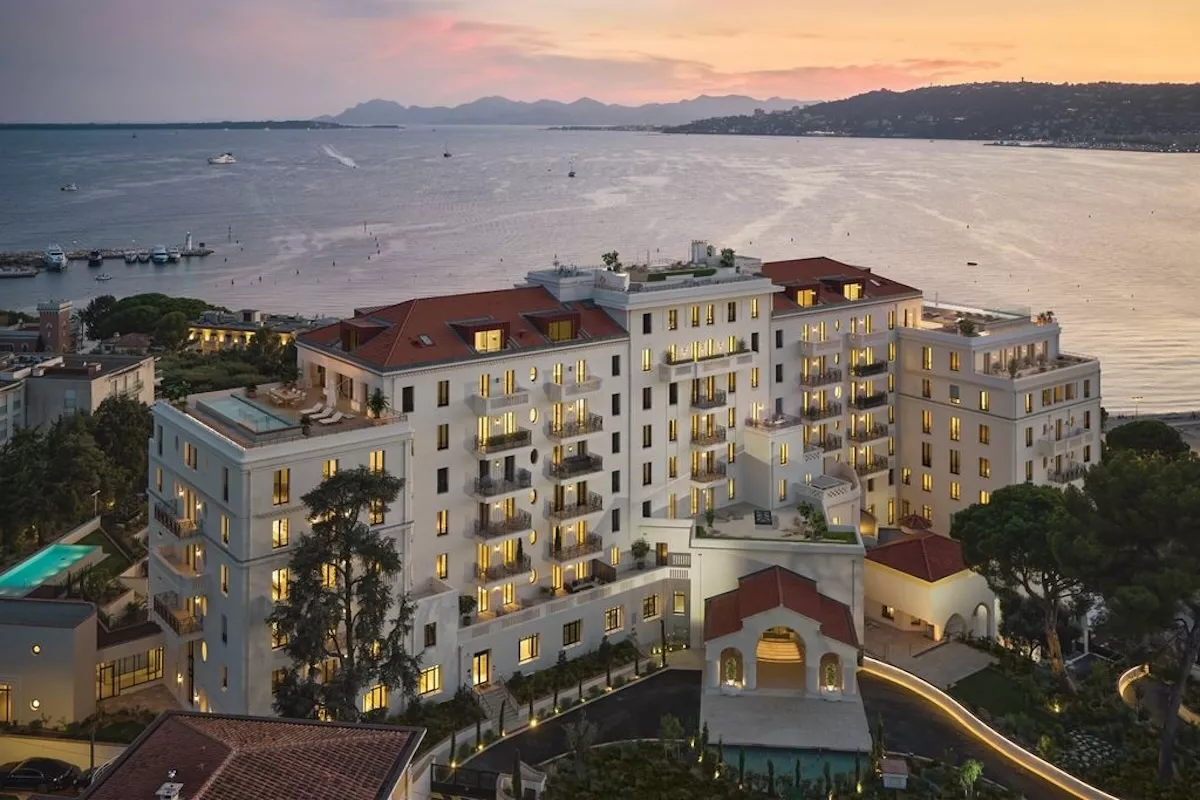
For almost half a century, the former Hôtel Provençal sat dormant on Boulevard Edouard Baudoin at the gateway to Cap d’Antibes — its Art Deco façade intact, its legendary rooms empty, its history frozen. Pablo Picasso had eaten here. The Duke and Duchess of Windsor had stayed here. Winston Churchill, Coco Chanel, Ernest Hemingway and Charlie Chaplin had all passed through. And then, in 1977, it closed. It would take John Caudwell — mobile phone entrepreneur turned property developer and philanthropist — to bring it back to life. What he has created from those 256,000 square feet of dormant grandeur is now on the market, and Monaco Life’s Cassandra Tanti was among the first to see it.
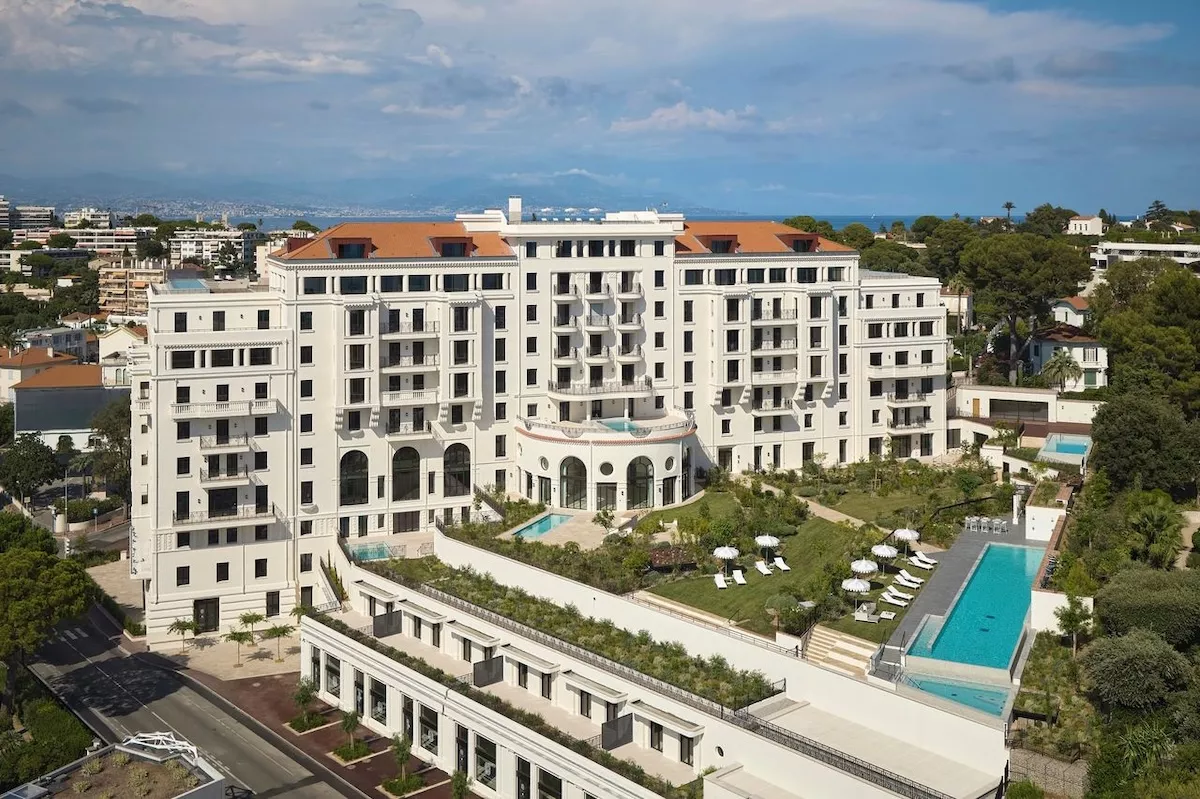
The building that stands on Boulevard Edouard Baudoin today is unrecognisable from the shell Caudwell acquired in 2014. Originally built in 1926-27 by architect Lucien Stable for American millionaire Frank Jay Gould, the Hôtel Provençal was for decades one of the French Riviera’s finest five-star addresses — until its closure left it stranded between its illustrious past and an uncertain future. What Caudwell has done is resolve that tension entirely: 35 residences, a gross development value exceeding €350 million, and an address that now ranks among the most significant on the Côte d’Azur. Apartments start at €4.05 million. The most expensive ‘villa’ on the market currently is listed at €29 million. All are available for immediate occupation.
THE CHALLENGE OF REINVENTING A LANDMARK
Converting a hotel into luxury homes is not, on paper, complicated. Converting this hotel was. The exterior is protected, meaning every proposed alteration required negotiation with the authorities. “We weren’t really allowed to change the exterior at all,” Caudwell said on a recent press tour that he led personally. “Every single change was hard fought for.”
Inside, more than 300 hotel rooms had to be reconfigured into luxurious residences. The layouts of former intimate rooms offered limited possibilities, so Caudwell redesigned them as large lateral apartments running through the full depth of the building, giving residents views of both the Mediterranean and the mountains. Standard hotel balconies — too small for outdoor dining — were enlarged while being matched to the original architectural style.
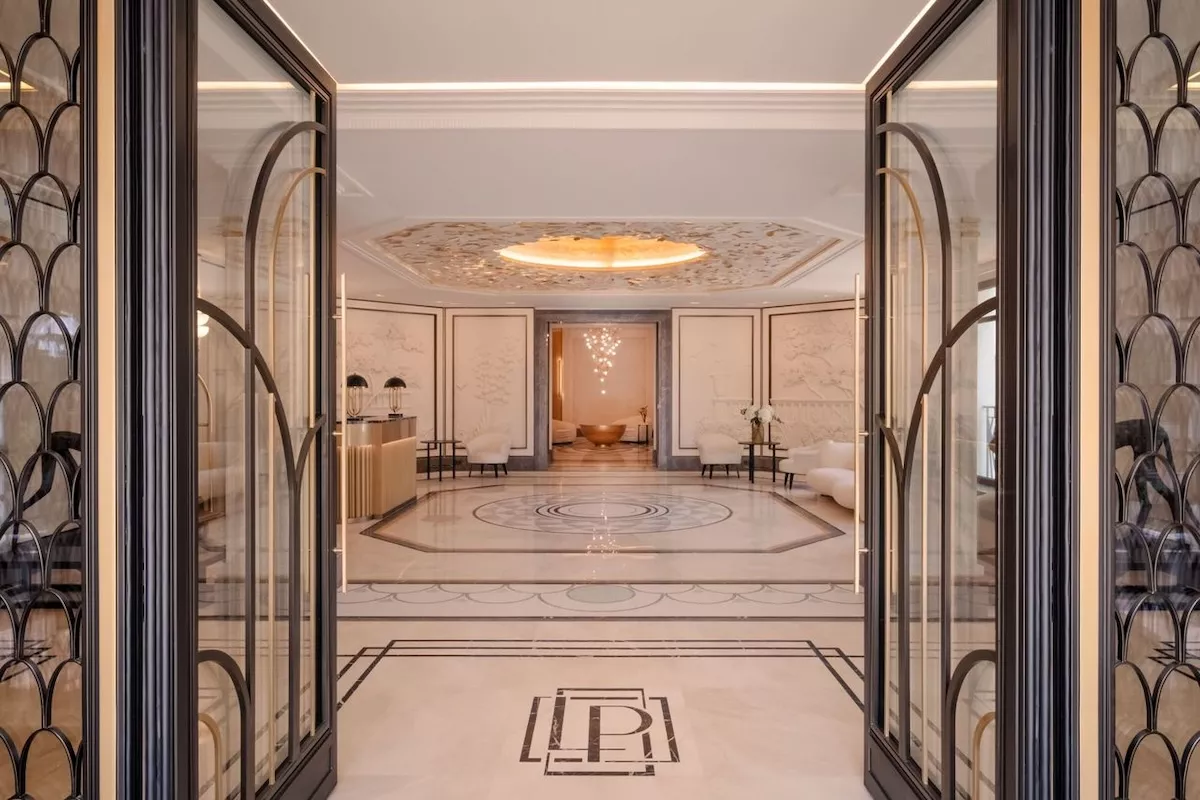
The lobby sets the tone for what comes at Le Provençal
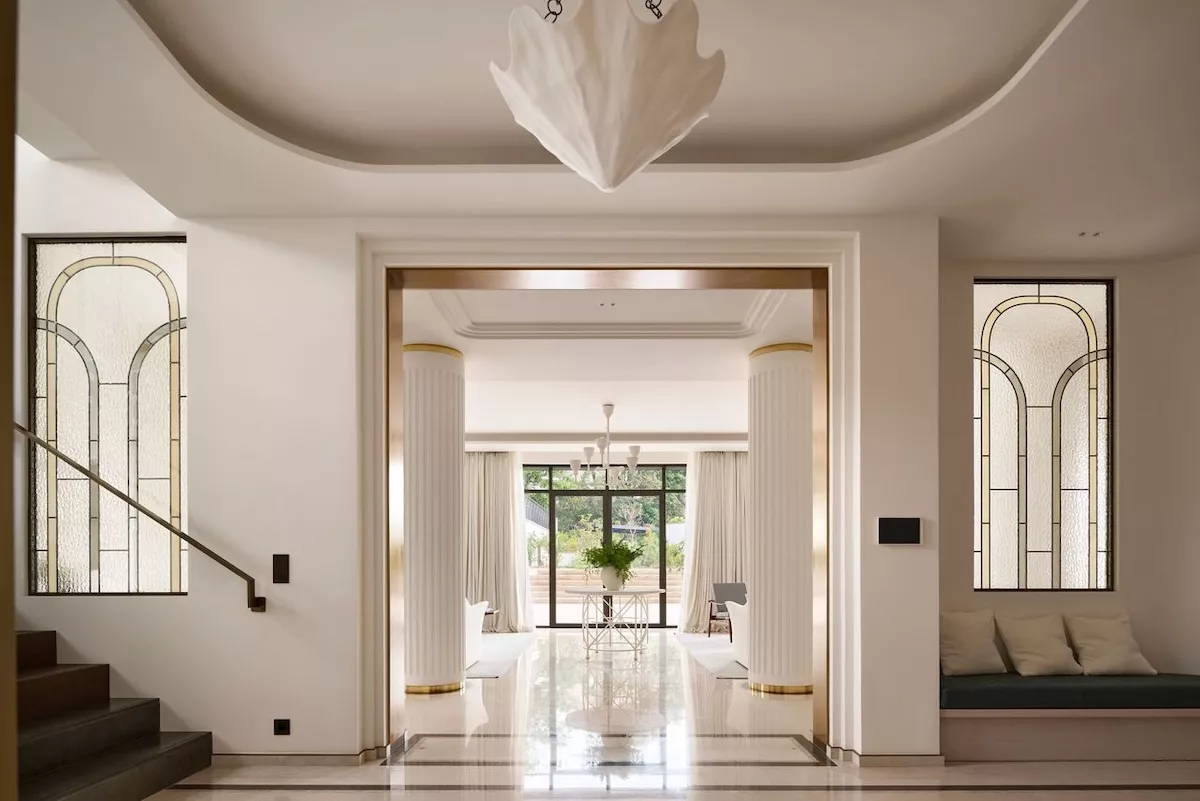
Working alongside Parisian architecture and interior design house Affine Design — whose portfolio includes the Hôtel de Crillon, the Hôtel de Paris and the Shangri-La Paris — Caudwell’s team preserved the Art Deco details that define the building: the columns, the rotunda, the grand entrance lobby, the proportions.
The lobby sets the tone for everything that follows — plaster Art Deco wall panels, carefully selected furnishings, and an arrival experience that recalls the building’s former life as one of the Riviera’s great hotels.
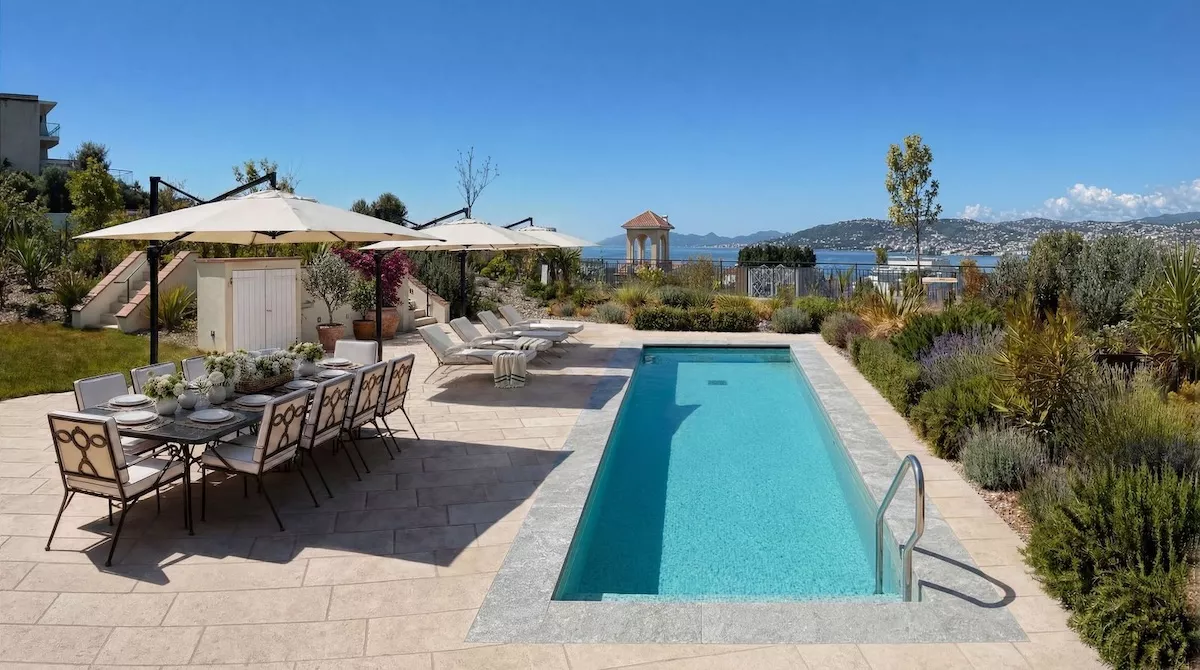
The six acres of landscaped gardens are centred on a 30-metre outdoor pool. The adjacent five-star Hôtel Belles Rives manages the property, providing concierge services, valet parking and access to its Michelin-starred restaurant, cocktail bar, spa and private beach club.
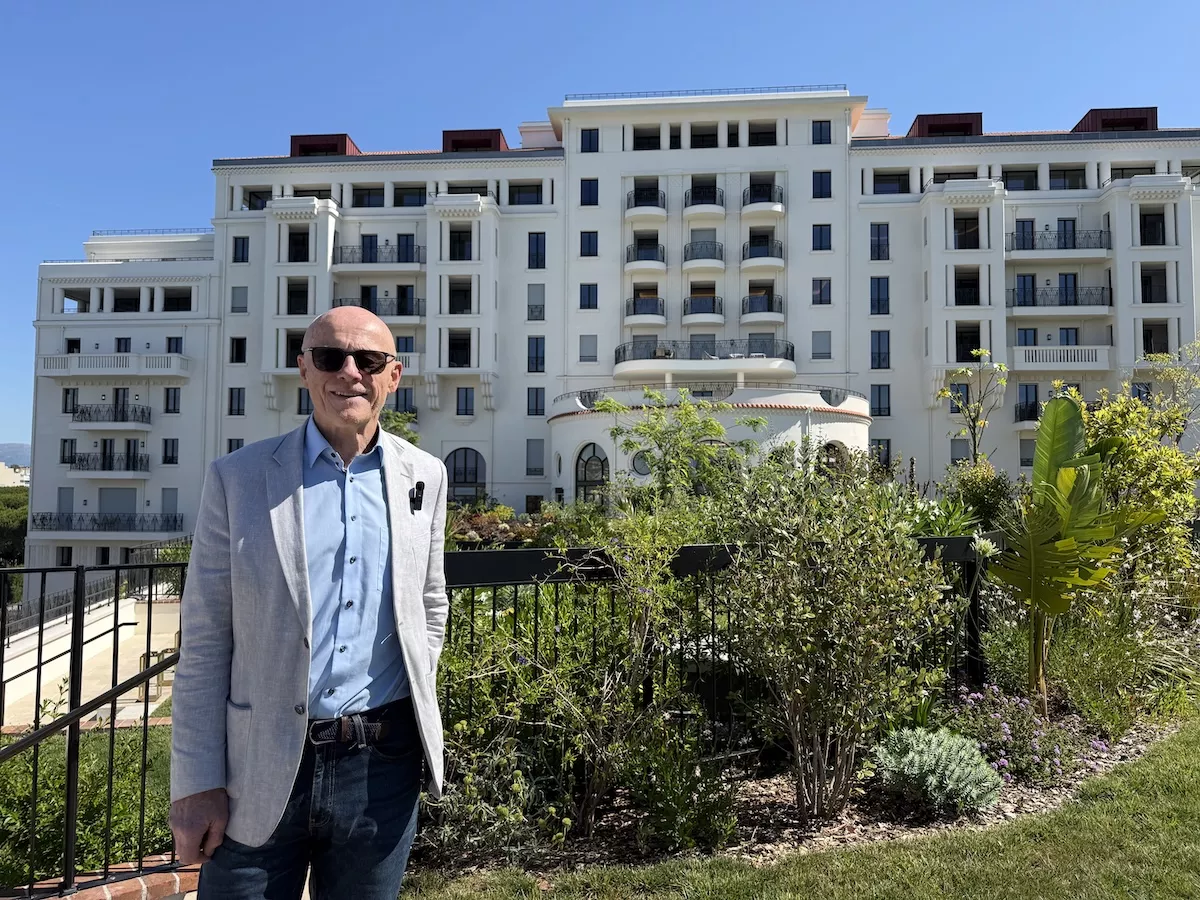
John Caudwell presenting his €350 million French Riviera development project in June. Photo credit: Cassandra Tanti
John Caudwell was involved at every stage of the design process, and makes no apology for it. “It should be beautiful. It should be practical. And it should have longevity,” he says. “Those three components are absolutely vital to good interior design, yet every interior designer I’ve ever met struggles to achieve all three. I find space planning fascinating. It’s like a giant jigsaw puzzle. You go through iteration after iteration. Every time you think you’ve solved it, you find something that doesn’t quite work. So you keep refining it until it feels right.”
Even the gym reflects this thinking. “You can see that the weights incorporate the Art Deco Le Provençal design,” he said. “There aren’t many gyms where the weights are as stylish as these.” It is a small detail, but one that reveals the broader philosophy behind the project: design was not applied to the building, it was embedded in it.
The former ballroom has been transformed in Villa Zelda.
The villas: history made habitable
Three of the marquee residences draw directly on the building’s extraordinary past, each one centred on a space that once defined Riviera social life.
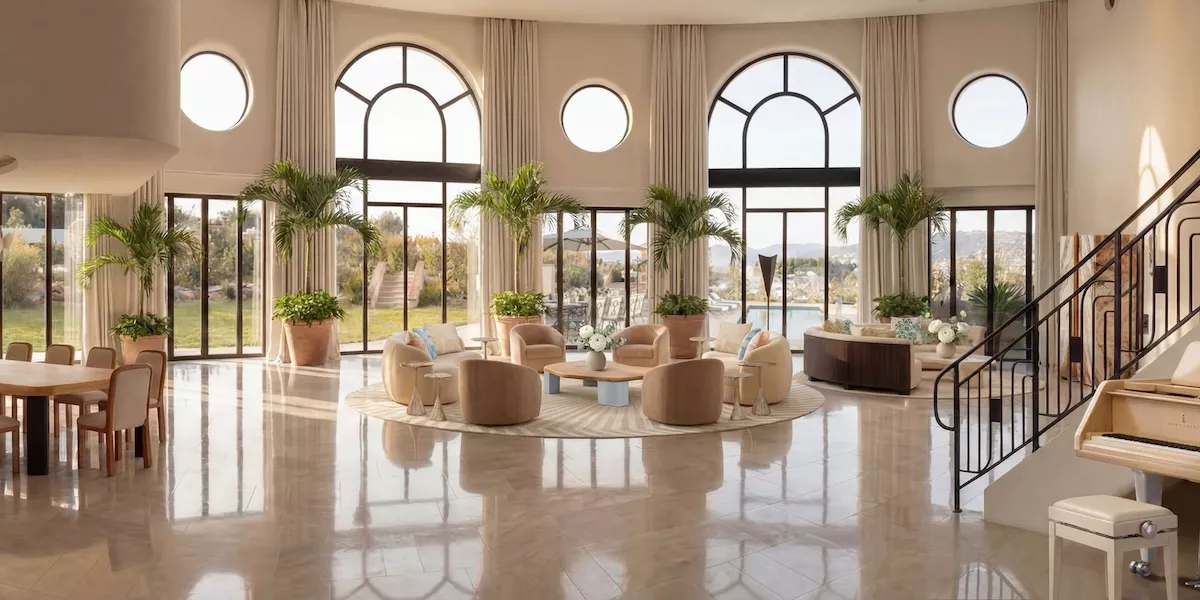
Villa Zelda — listed at €27.25 million — is built around what may be the most extraordinary living room on the French Riviera.
At its centre is the former ballroom and restaurant of the Hôtel Provençal, a spectacular double-height rotunda with a 5.5-metre coffered ceiling, soaring arched French doors and meticulously restored Art Deco plasterwork. This was once the social heart of the Riviera, where Florence Gould hosted glittering soirées attended by Winston Churchill, Ernest Hemingway, Coco Chanel, Marilyn Monroe, Elizabeth Taylor, Pablo Picasso, Marlene Dietrich and the Duke and Duchess of Windsor. Charlie Chaplin lived at the hotel for a year and took breakfast in the rotunda each morning.
Curves at every turn in Villa Zelda
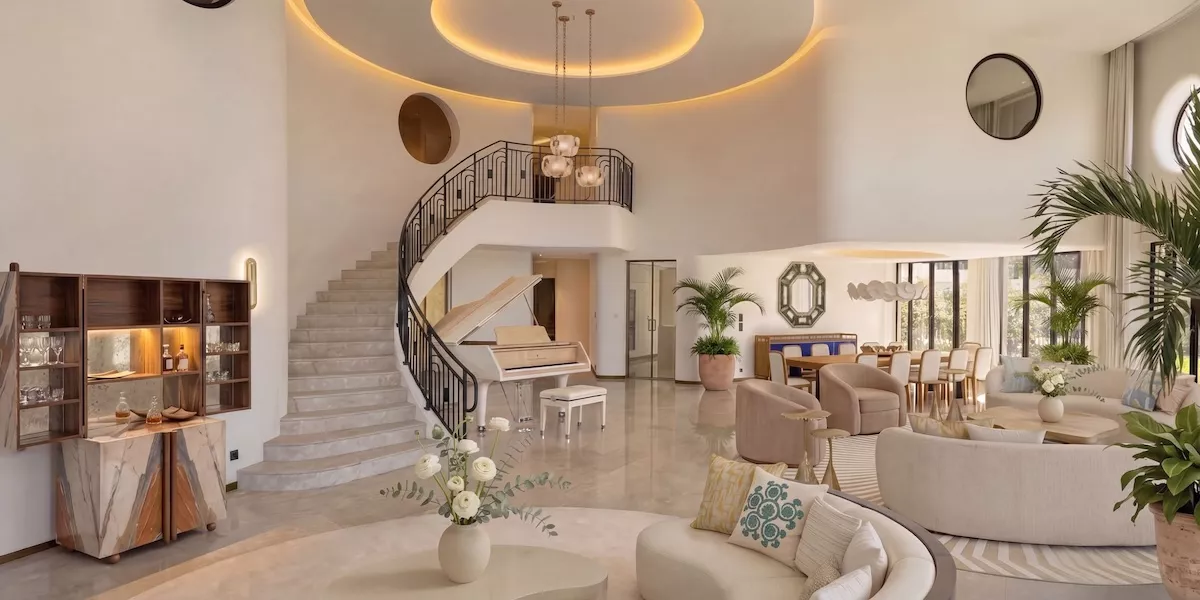
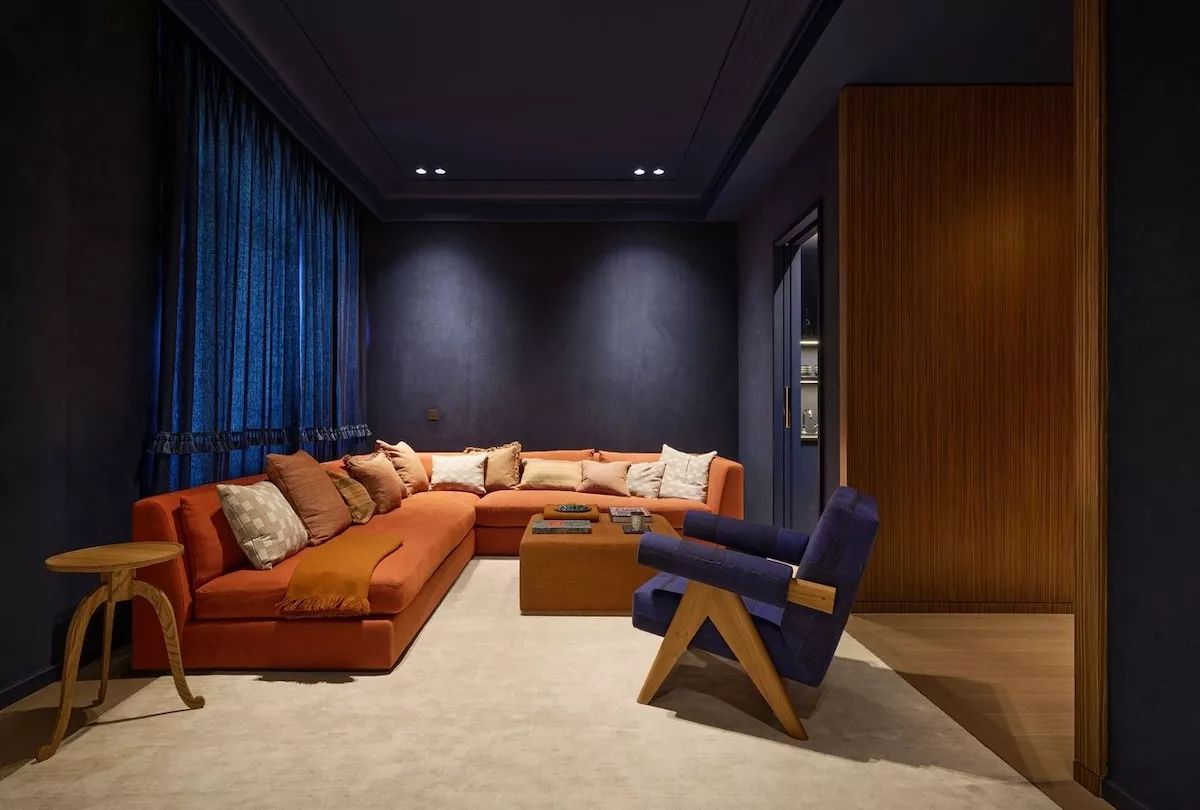
Named after Zelda Fitzgerald, whose husband F. Scott Fitzgerald was among the hotel’s famous guests, the five-bedroom residence spans two floors and includes a private cinema, massage suite, Steinway grand piano and a nine-metre swimming pool. Yet it is the rotunda itself that remains the star attraction — a room that has witnessed nearly a century of Riviera history and now forms the centrepiece of one of its most exclusive homes.
To furnish the residence, Caudwell partnered with Invisible Collection, whose co-founder said she became “obsessed” with the spirit of the Riviera’s great artistic residences while working on the project. Sculptural seating, bespoke pieces, hand-finished materials and collectable contemporary works were carefully curated to create what the company describes as a collector’s home rather than a conventional luxury property.
Poolside at Villa Zelda
Villa Gabrielle — priced at €15.1 million — is centred on what was the hotel’s main reception room, a triple-height space with a 9.15-metre ceiling that Florence Gould filled with French Impressionist paintings: works by Cézanne, Van Gogh, Toulouse-Lautrec, Monet and Gauguin that now hang in four dedicated galleries at the Metropolitan Museum of Art in New York.
The four-bedroom residence has been dressed by RH, with a six-foot waterfall chandelier cascading six feet through the atrium and a cantilevered open staircase as the room’s centrepiece. The poolside terrace looks directly through the triple-height windows into the grand lounge beyond — one of the most remarkable interior views on the Riviera.
The family room in Villa Jardin
Villa Jardin — on the market for €29 million , the most expensive residence — occupies the substantial VIP suite where the Duchess of Windsor stayed in 1938 while house-hunting on Cap d’Antibes, hosted by Florence Gould, who was her fellow top client at Van Cleef & Arpels.
The five-bedroom duplex with guest house, pool house and private 11-metre pool has been decorated by Caudwell Design in the colours of the Riviera and displays a range of design features that the Duchess of Windsor would recognise from motifs in her own homes.
Villa Jardin reception room
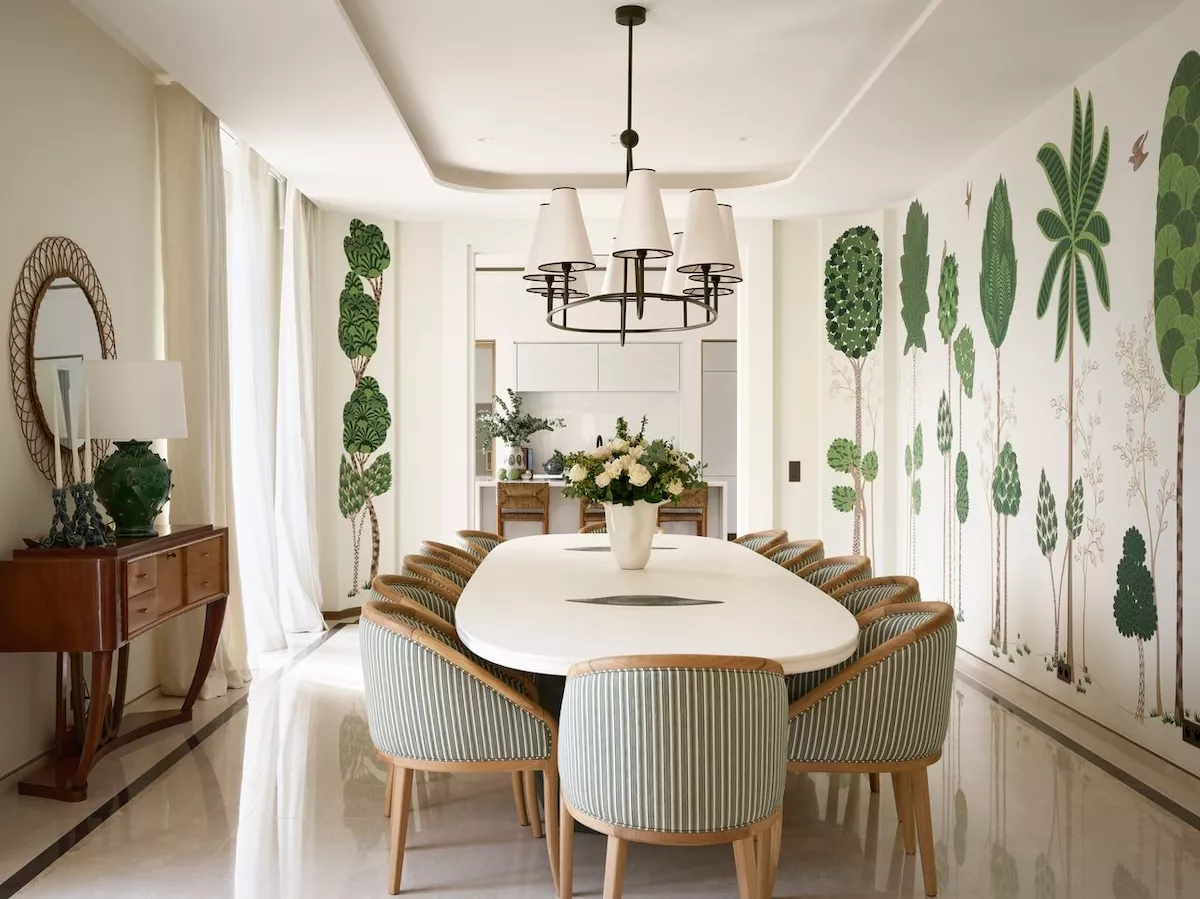
References run throughout: the “Wallis blue” of the guest suite walls, the Chinoiserie in the reception room, and a de Gournay dining room with hand-painted silk Williamsburg wallpaper mirroring Wallis Simpson’s own dining room at Villa Windsor in Paris.
“Villa Jardin is one of the finest trophy residences at Le Provençal,” Caudwell said. “The Duchess was one of many famous guests who frequented Le Provençal during its former life as a grand hotel — the building’s transformation into a residential address marks an exciting new chapter in Antibes history.”
Stunning hand-painted silk Williamsburg wallpaper in the Villa Jardin dining room
The echoes continue in details easy to miss. A sculptural chandelier inspired by Giacometti hangs over the reception room, while a pair of Song Dynasty-style lamps in glossy Tenmoku glaze, sourced from Pimlico antiques specialist Tarquin Bilgen, nod to the Duchess’s own taste for Chinoiserie.
In the guest suite, a sculptural headboard in the style of Picasso sits beside lamps shaped around the artist’s dove motif, a quiet reference to his stay at Le Provençal in 1937. Even the cocktail bar carries an echo of the Duke’s own habits: tucked discreetly off the lounge behind Moroccan Tadelakt plaster walls, it recalls the hidden “Bahamian Bar” at the couple’s Mill at Tuilerie, where the Duke liked to mix drinks for guests himself.
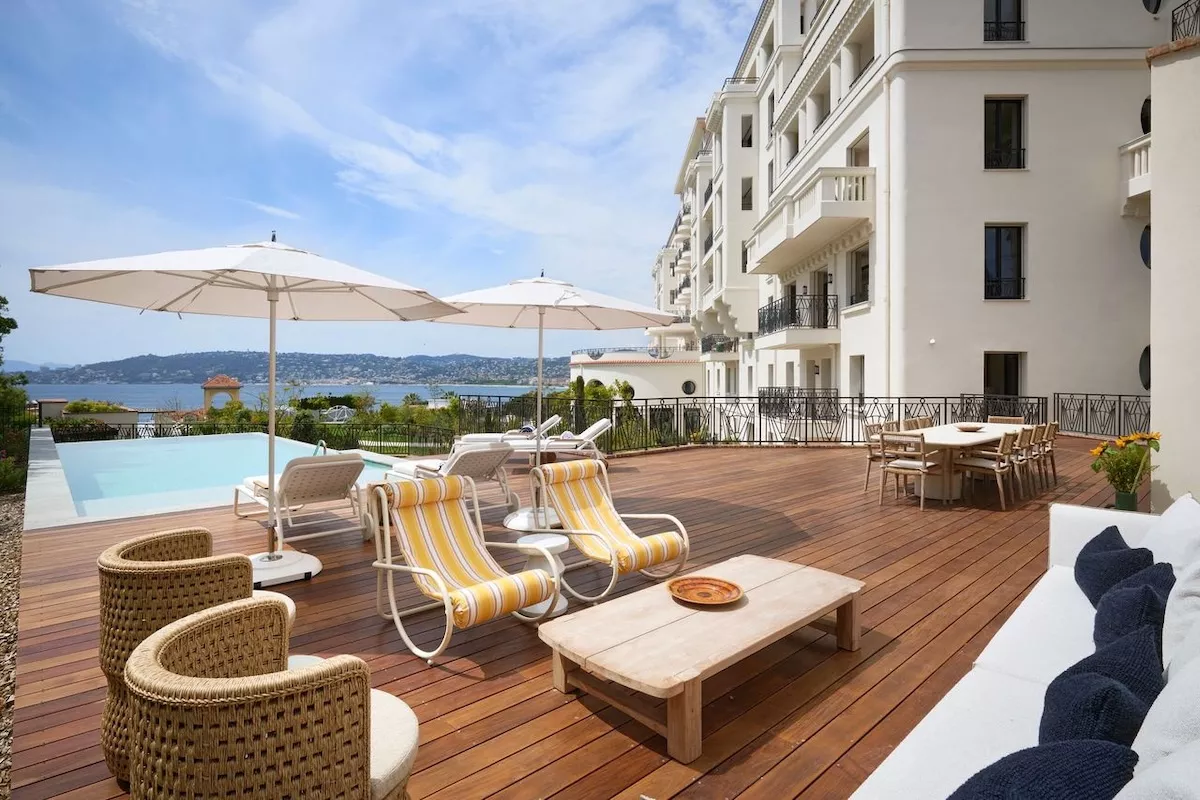
The expansive private pool, terrace and outdoor kitchen area of Villa Jardin
Outside, the residence opens onto extensive terraces and a private 11-metre pool, furnished with tubular Locus Solus armchairs by Jacquemus and Exteta alongside Italian sofas, pine green ceramic side tables and sculptural white counterparts.
The adjoining pool house brings its own kitchen and bar, with an outdoor dining area set with a table by Belgian designer Philippe Colette and teak chairs from Gommaire, completing a residence built as much for entertaining outdoors as in.
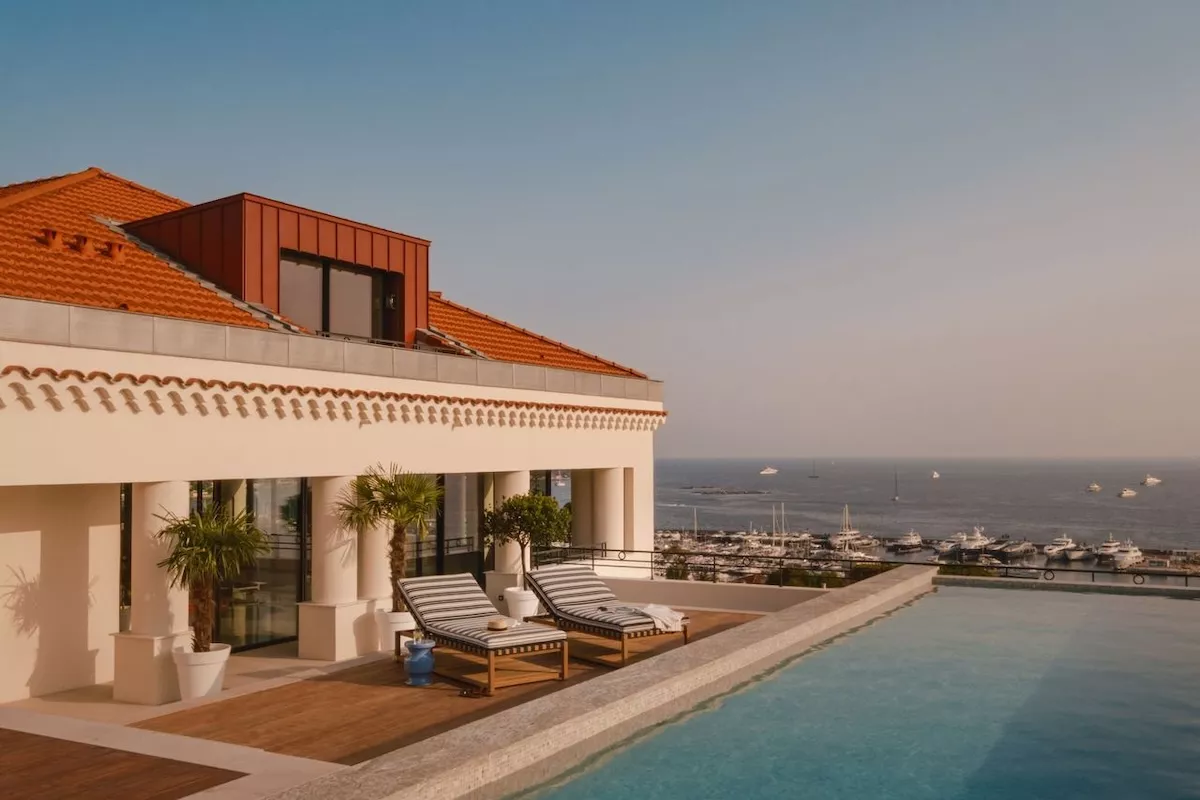
The rooftop terrace that John Caudwell originally intended as his own residence inspired the exceptional quality found throughout the development.
The three penthouses start from €31 million each, with rooftop mosaic-lined pools, six or seven bedroom suites and up to 9,440 square feet of internal space — including the penthouse Caudwell designed for himself, which set the standard for everything else in the building.
Top tier amenities
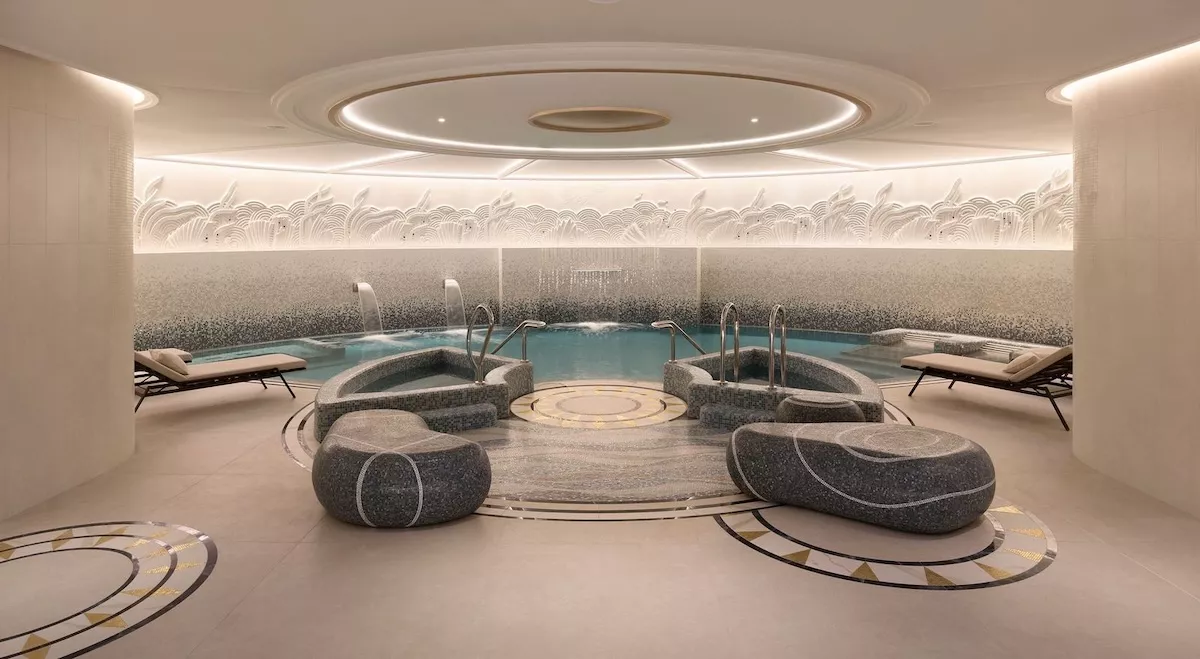
Beyond the residences themselves, Le Provençal’s communal amenities run to a scale rarely seen on the Riviera. A cinema with 16 reclining seats upholstered in café au lait leather sits alongside a 2,155 square health spa, complete with sauna, hammam, cold plunge pool, ice fountain, hydrotherapy jets and hot stone benches, the whole space topped by an Ottoman-style domed ceiling.
The health spa at Le Provençal
A separate 200 square metre wing houses the gym, fitness studio and a women-only steam room and sauna, along with a tinted spa pool with its own feature waterfall.
Residents also have access to a yoga studio, 24-hour security, valeted parking, airport transfers and daily housekeeping, along with a 30-metre heated outdoor pool set within six acres of landscaped gardens.
Le Provençal offers top tier amenities including a giant outdoor heated pool and an impressive interior health spa.
The thinking behind it all
A statue of Caudwell stands at the entrance to Le Provençal. “Some members of my family thought it was a little cringeworthy,” he admitted, “but I’m glad we did it.” His reasoning: most buildings end up disconnected from the people who created them. “I’ve always kept an eye on the beautiful things I’ve created in life — primarily my children,” he said. “This is something else I’ve created that I’m very proud of, so the statue is keeping an eye on it too.”
This is not a developer driven by margin. Caudwell runs two significant charities — Caudwell Children and Caudwell Youth — and through the Giving Pledge has committed 70 per cent of his wealth to charitable causes during his lifetime and after it. The man who specified bespoke branded weights for the gym, oversaw every furniture choice, and pushed back on interior designers until each room felt right is the same man channelling the vast majority of what he earns into causes that have nothing to do with property.
At Le Provençal, that combination — unlimited budget, genuine aesthetic conviction, and no pressure to cut a single corner — produced something that is simply not seen at this level in the current market. Property values in the area have risen as a result. The few who buy here will own a piece of French Riviera history restored and reimagined. For everyone else, it is a rare and instructive glimpse into what luxury looks like when money is not the point.
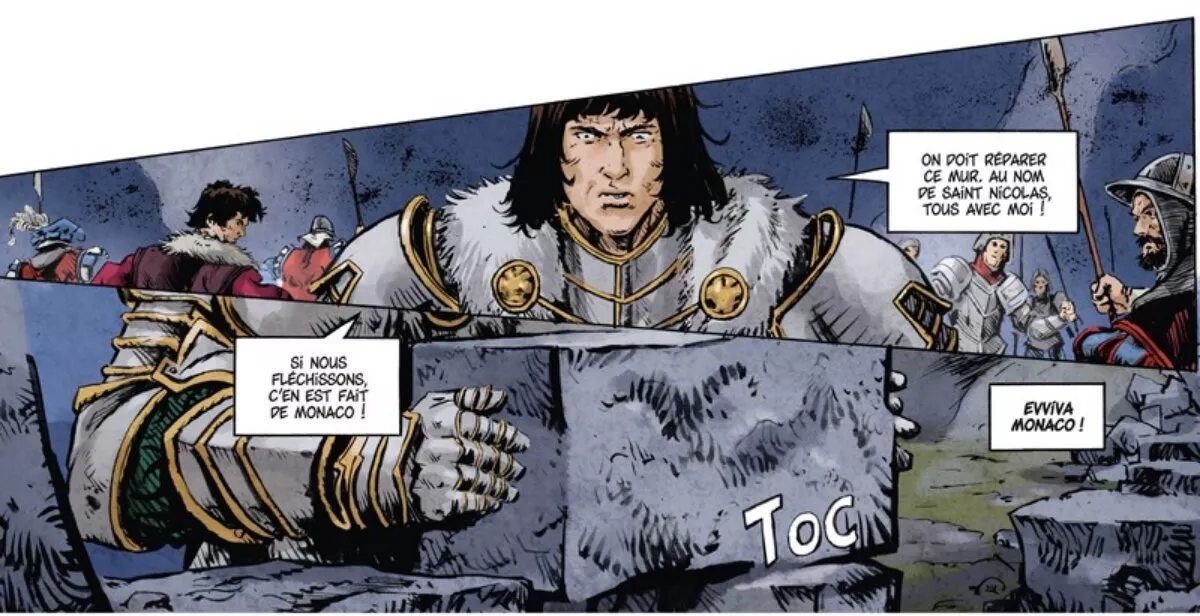
A new graphic novel recounting Monaco’s ‘Siège des Génois’, the four-month assault that secured the Principality’s independence more than five centuries ago, will go on sale on 17th September. Assiégés: Monaco, written by France Richemond and Laurent Vissière and illustrated by Germano Giorgiani, carries a preface by Prince Albert II, who describes the episode as a “jalon fondamental” — a fundamental milestone — in the affirmation of Monaco’s sovereignty.
The story is set in the winter of 1506, when the Republic of Genoa launched a vast army against the Rock of Monaco in a final attempt to reclaim the territory it had once controlled. Monaco had served as Genoa’s western border fortress from 1215 until the Grimaldi family took hold of the Rock at the turn of the 13th and 14th centuries, and by 1506 the Genoese, under a newly installed doge keen to distance the republic from France, set their sights on retaking it.
Lucien Grimaldi, the young lord then ruling Monaco, chose to defend the fortress rather than surrender it. According to historical accounts, his garrison numbered at most around 1,500 men, facing a Genoese force several times larger. The siege began in early December 1506 and held until March 1507, ending in a Monegasque victory that, in the Prince’s words, marked “l’affranchissement définitif de Monaco de sa mère patrie” — Monaco’s definitive emancipation from its mother country.
From fortress to palace
In his preface, dated January 2026, Prince Albert II situates the siege at a hinge point between two eras, describing it as the moment “entre la fin du Moyen Âge et le début de la Renaissance” — between the end of the Middle Ages and the start of the Renaissance. With the military threat from Genoa removed, the Grimaldis began transforming their fortified château into a palace better suited to the dynastic ambitions the family was beginning to develop. France’s King Louis XII, recognising the strategic value of the Rock, briefly considered taking it for himself, before formally acknowledging Monaco’s independence in 1512.
The Prince also pays tribute to the authors’ research, noting that the strength of character shown by Lucien Grimaldi during the siege proved decisive for the Monegasques, at most fifteen hundred men, against a Genoese army ten times their number.
Children watching the gates
The graphic novel frames the siege as a hundred-day struggle in which “tous les coups sont permis” — anything goes — between the two camps, with the gravest danger coming not from Genoese cannon but from the possibility of betrayal from within. According to the publisher, it is the threat of a traitor opening the city’s gates that drives much of the tension in the book’s narrative, with a group of children playing a watchful role in keeping the Rock secure.
Assiégés: Monaco is illustrated by Germano Giorgiani, with colouring by Dimitri Fogolin, and will be available in bookshops from 17th September.
France recorded its hottest day on record on Wednesday, with a national average temperature of 29.9°C, prompting Météo-France to place 72 départements under red heatwave alert and a further 17 under orange, covering more than 95% of the population — and renewing urgent warnings from health and safety authorities over the dangers of leaving children, pets or vulnerable people inside parked cars, even for a few minutes.
The Ministry of the Interior warns that with an outside temperature of just 26°C, ten minutes is enough for a young child to die inside a parked car. The mechanism is straightforward: sunlight passes through the windscreen and windows, heats the dashboard and seats, and that heat becomes trapped inside the cabin. According to a Stanford University study published in the journal Pediatrics, a car’s interior temperature rises by an average of 80% during the first ten minutes of exposure, and the rate of increase does not slow down — it accelerates as time passes.
On a day when it is 35°C outside, a car’s interior can reach 45°C in just ten minutes, and exceed 50°C within twenty. In extreme cases, after an hour, interior temperatures can pass 70°C, with the dashboard regularly reaching 90°C.
Why children are at far greater risk than adults
A child’s body heats up three to five times faster than an adult’s, according to the American Academy of Pediatrics, because their body surface is proportionally larger and their temperature-regulation system is still immature. Once trapped in a hot car, infants and young children can become severely dehydrated and develop hyperthermia within minutes, with symptoms including mental confusion, dizziness and, in severe cases, convulsions or loss of consciousness. A heat stroke episode in these conditions can be fatal or cause lasting damage if a child is exposed for too long. Crucially, a child secured in a car seat has no way to free themselves, open a door or signal for help from outside the vehicle.
Common precautions offer little real protection
Several widely held assumptions about reducing the risk do not hold up under the physics involved. A black car reaches its maximum interior temperature only five to eight minutes faster than a white one, and after 30 minutes the difference between the two is just two to three degrees. Leaving a window slightly open makes almost no difference to how quickly the cabin heats up. Parking in the shade helps, typically lowering the interior temperature by five to eight degrees, but shade moves with the sun, and even a shaded car can exceed 40°C during extreme heat.
The same danger applies to pets
Veterinary and road safety authorities apply the same warning to animals as to children. If the weather is hot, neither a child nor an animal should be left alone in a car, since within roughly 15 minutes a vehicle left in full sun can reach an interior temperature that threatens the life of its occupants. A dog suffering heat stroke in these conditions can die within 15 minutes.
What to do if you see a child or animal alone in a hot car
Anyone who sees a child left alone in a vehicle, with no parent nearby, should not wait more than a few minutes before calling the emergency services on 18 (fire brigade), 15 (SAMU) or 114 (the emergency number for the deaf and hard of hearing). French law protects anyone who breaks a car window to remove a child or animal showing signs of heat stroke, under Article 122-7 of the Penal Code, which exempts from criminal liability a person who takes necessary action to protect themselves, another person, or property from an immediate or imminent danger.
The advice from every authority cited is the same and admits no exceptions: never leave a child, an animal or a vulnerable person inside a stationary vehicle, even briefly, even in the shade, and even with a window cracked open.
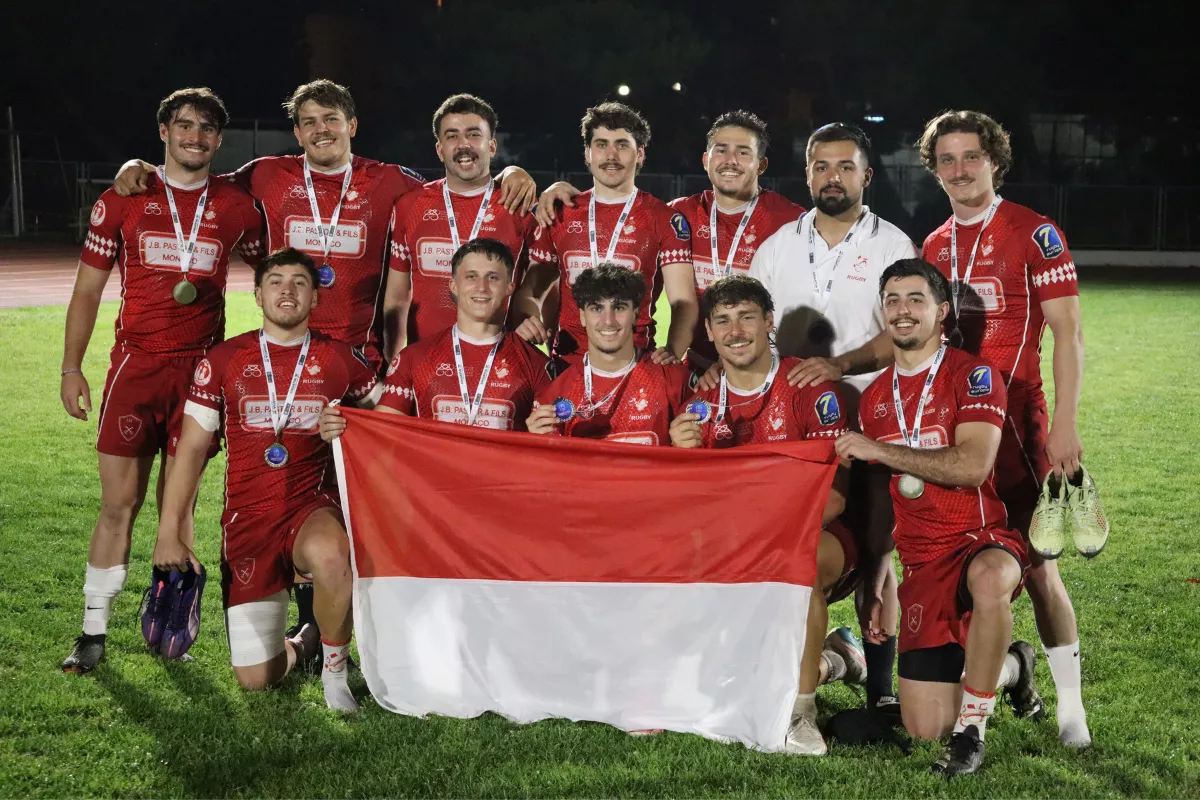
After making history with a silver medal performance during the opening stage of the Rugby Sevens Trophy Championship in Makarska earlier this month, Monaco’s national sevens team will return to action from 26th to 28th June for the competition’s second stage in Chișinǎu, Moldova.
After already exceeding expectations in Croatia, marking an impressive return to Europe’s second-tier competition and establishing themselves as contenders for promotion, Monaco enters the tournament with its promotion ambitions firmly in place.
In this second stage, Monaco will face Croatia, Sweden, and Malta during the pool stage. Sweden competed in the Championship division last season, while Malta earned promotion to the Trophy division alongside Monaco this year, setting up several challenging matchups.
Currently sitting second in the overall standings with 18 points, Monaco remains in the race for one of the two promotion places available. To secure a place in next season’s Championship division, Monaco must replicate the cohesion and resilience shown in Makarska.
“Promotion to the Championship division would reward the work undertaken over several years by everyone involved in Monegasque rugby and would confirm Monaco’s emergence among the nations that now count in European rugby sevens,” said Thierry Danthez, Vice-President of the Monaco Rugby Federation.
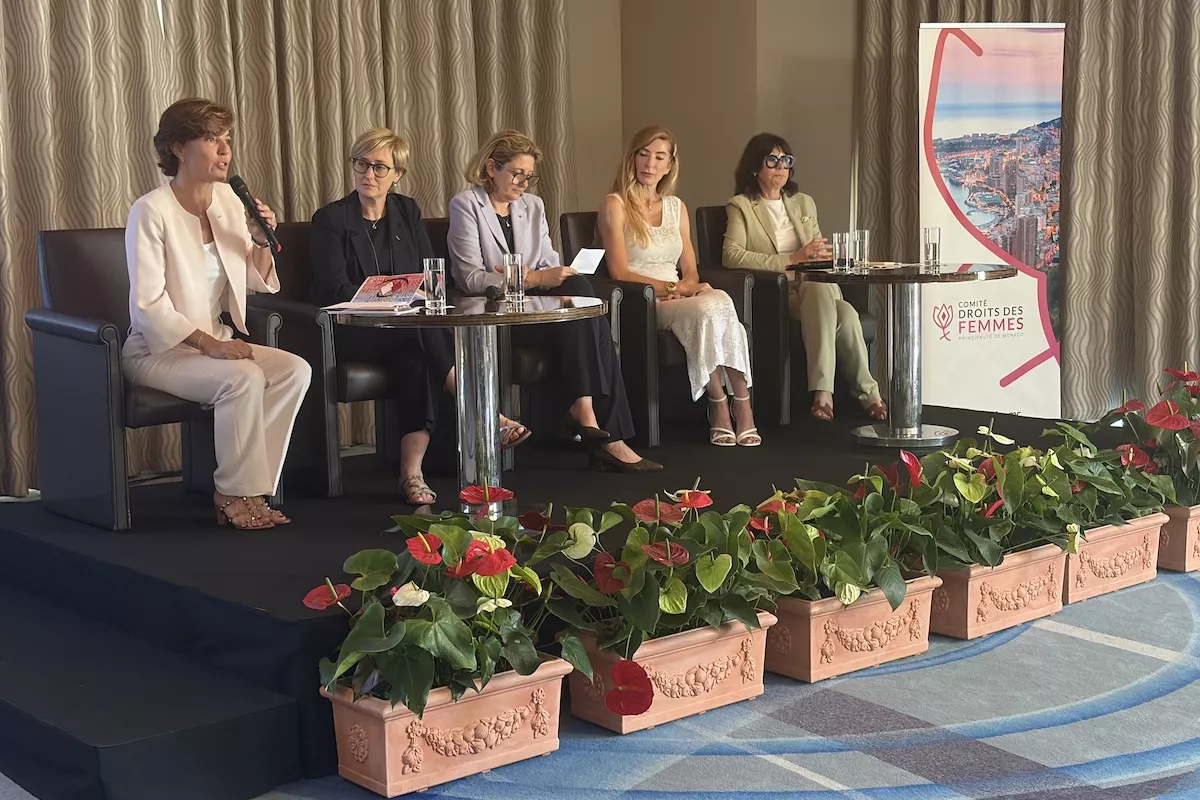
The Committee for the Promotion and Protection of Women’s Rights hosted a forum on Friday 19th June at the Monte-Carlo Bay Hotel & Resort to tackle a difficult subject: how to get more women into positions of real power and keep them there.
The numbers presented by Céline Cottalorda, the Interministerial Delegate for Women’s Rights, and Minister Céline Caron-Dagioni told two different stories. In the public sector and diplomatic corps, the figures are strong: women hold 45% of government jobs and 57% of diplomatic roles.
But when you look at the private sector, the picture changes. Women hold fewer than 30% of leadership roles, and there is still a 6% pay gap between men and women doing the same work. As Cottalorda pointed out during the session, it is one thing to have women in government, but it is much harder to fix the pay and promotion gaps that still exist in everyday business.
The reality behind the titles
The most honest moments of the morning came when the talk turned away from the statistics and toward the actual day-to-day lives of these leaders.
Local figures like Second Deputy Mayor Marjorie Crovetto and National Councillor Béatrice Fresko-Rolfo spoke about the ‘mental load’—the invisible, unpaid work that often falls on women, regardless of their job title. They talked about how exhausting it is to balance a high-pressure career with the expectations waiting for them at home. There was a sense of camaraderie in the room as they shared stories about using humour or a ‘thick skin’ to deal with work environments that were built for men decades ago. It was a reminder that, even at the top, many women are still playing by a set of rules they didn’t write.
Equality is everyone’s business
Gunn Marit Helgesen, President of the Congress of Local and Regional Authorities, reminded the room that we shouldn’t get too comfortable. She pointed out that progress can be undone quickly if people stop paying attention.
The forum’s takeaway was simple: gender equality isn’t just a ‘women’s issue’. If it stays that way, nothing will really change. For the gap to actually close, men need to be part of the conversation, and policies need to stop being just words on a page and start providing actual, practical support. The challenge for Monaco now is to take these ideas off the stage and into the office, making sure the next generation doesn’t have to fight these same battles.
Photo from left to right Céline Cottalorda (Interministerial Delegate for Women’s Rights), Céline Caron-Dagioni (Minister of Public Works, the Environment and Urban Development), Marina Ceyssac (High Commissioner for the Protection of Rights, Liberties and for Mediation), Marjorie Crovetto (Second Deputy Mayor) and Béatrice Fresko-Rolfo (National Councillor) by Monaco Life
All the headlines and highlights from Monaco, direct to you every morning